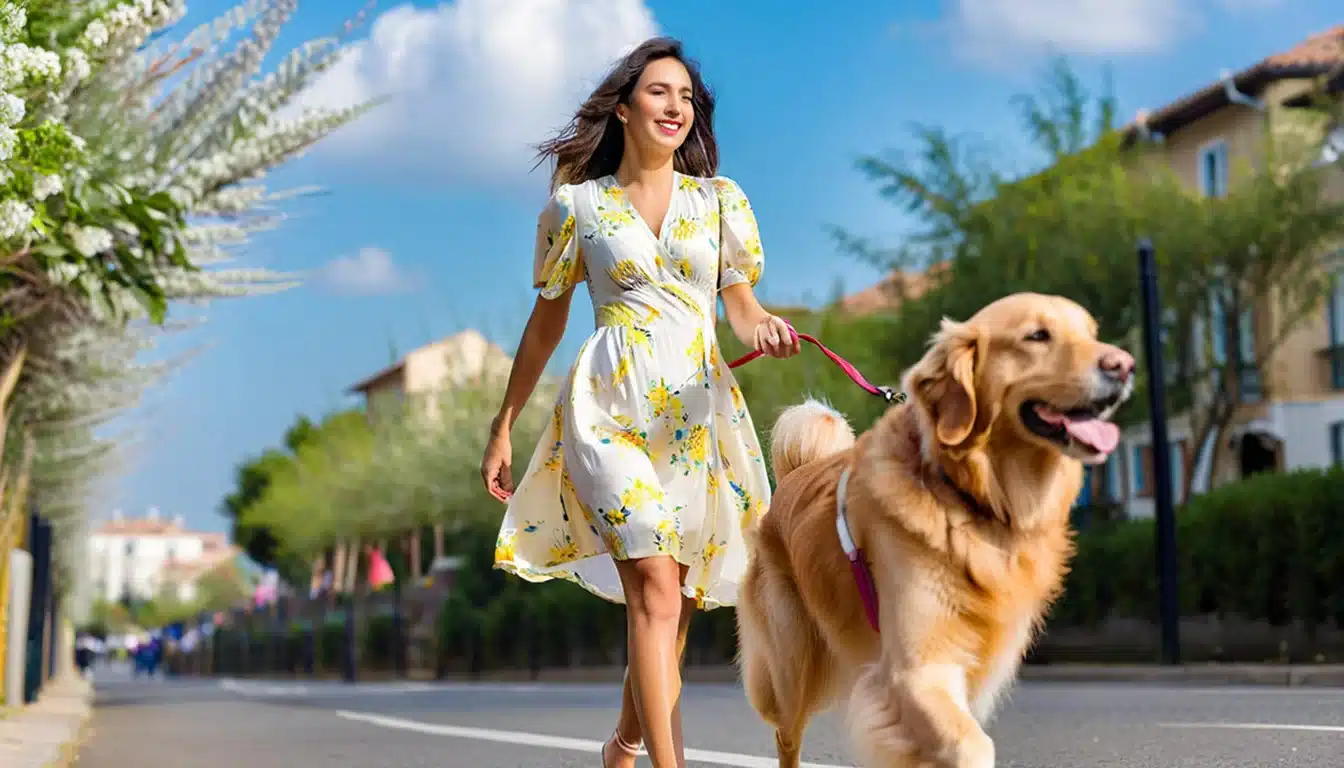
I remember the first time my Labrador pulled me across the park. She was full of energy and curiosity. I felt embarrassed and worried she might run into traffic. That walk taught me that leash manners can be learned.
With calm and consistent practice, our walks can become peaceful. I started by using a soft harness and a familiar collar at home. I treated each touch and clip as a game. Short sessions of 5–10 minutes helped us stay focused.
I used a marker word to reward her when she looked at me. These small steps are the start of dog leash training. They show how to train a dog to walk on a leash without force.
Key Takeaways
- Leash manners for dogs are skills built with short, positive sessions.
- Pair gear—collar, harness, leash—with treats and play to create good associations.
- Use clear markers and timely rewards to teach cause and effect in dog leash training.
- Start indoors for focused practice before moving outside to manage distractions.
- Choose supportive equipment like no-pull or front-clip harnesses while reinforcing loose-leash walking.
Why leash manners for dogs matter for safe, happy walks
I want our walks to be calm and fun for both of us. Good leash manners help avoid injuries and open up more places for us to go. I teach my dog simple steps to walk nicely on a leash.
Health and safety benefits for dog and handler
Bad leash habits can hurt a dog's neck, back, and muscles. I use no-pull harnesses from Canada Pooch to protect them. This way, my dog walks nicely, and I don't get hurt.
Improved social experiences and community access
When my dog walks well, we can go more places together. Shops, parks, and events welcome us. Training for the AKC Canine Good Citizen standard helps us fit in better.
How polite leash behavior reduces stress and reactivity
Tight collars and sudden pulls can scare my dog. I use positive training and special harnesses to keep them calm. This way, walks are less stressful for both of us.
I teach my dog in short, positive sessions. This helps them learn without getting anxious. With clear cues and steady practice, walking on a leash becomes second nature.
Getting started: introducing collar, harness, and leash
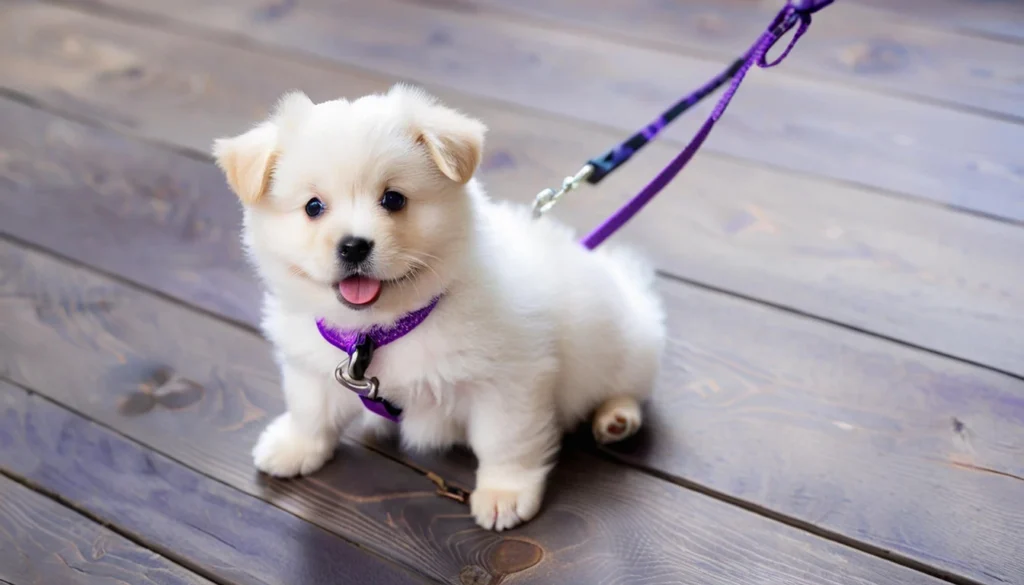
I let a new collar or harness stay in the house for a day. This lets my dog sniff and explore it. It makes introducing gear a normal part of life, not a sudden demand.
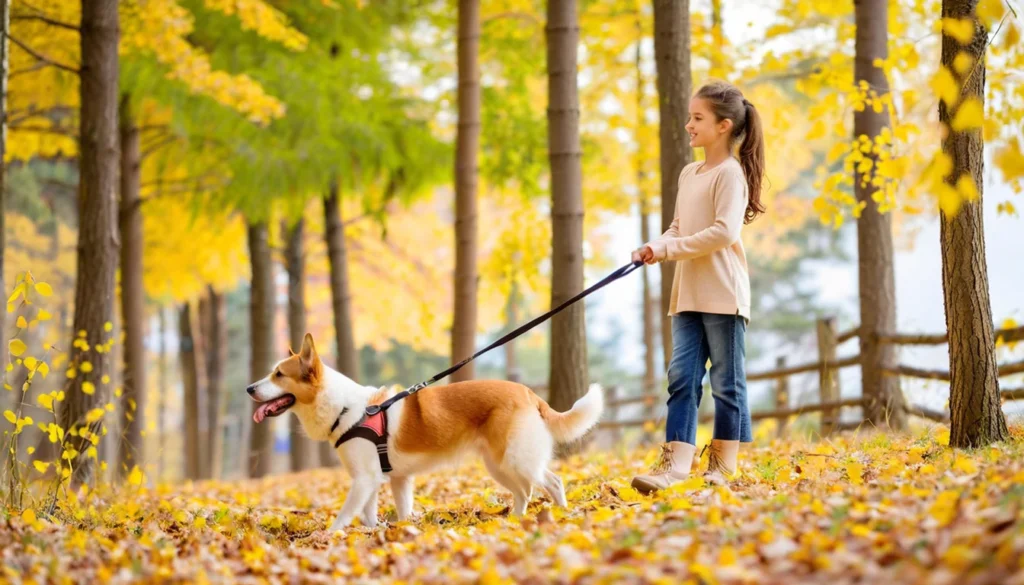
Letting your dog check out the gear before wearing it builds trust. I scatter treats near a harness or clip a leash to a play tug. This rewards calm interest and ties positive feelings to the equipment, as Canada Pooch and the AKC suggest.
Letting your dog explore gear at home
I place the collar or harness where my dog can see it. If they sniff or nudge it, I give a treat or praise. This teaches that gear means good things, not fear or fuss.
Short, positive sessions to build comfort
I keep wear sessions short. Five to ten minutes of play or walk inside is best for puppies and distracted adults. Short sessions fit natural attention spans and make training feel achievable.
I often let the leash drag while my dog moves around. When they stay relaxed, I pick up the handle and reward them. Repeating small wins makes the leash a familiar, nonthreatening cue.
Choosing collars versus harnesses based on breed and behavior
I pick equipment based on body type and behavior. For dogs that pull or brachycephalic breeds, a harness protects the neck. Front-clip harnesses and head halters help with steering when extra control is needed.
For well-trained, non-pulling dogs, a flat collar is okay. But for dogs with neck injury history or high reactivity, a chest and shoulder harness is better. This supports long-term training goals and safer walks.
| Situation | Recommended Gear | Why it helps |
|---|---|---|
| Pulling on walks | Front-clip or no-pull harness | Redirects force away from the neck and gives steering control |
| Brachycephalic breeds (e.g., Pug, French Bulldog) | Well-fitted harness | Prevents airway pressure and reduces breathing risk |
| Calm, trained adult dogs | Flat collar with ID | Lightweight, comfortable, good for everyday wear |
| Reactive or highly excitable dogs | Front-clip harness or head halter | Improves control and allows safer, gradual leash training |
| General beginner training | Harness plus short leash | Combines safety with easy leash feedback for dog leash training |
Teaching a clear cue to focus attention
I use a single, consistent marker to signal rewards to my dog. This can be a clicker or the word "yes". It tells my dog that good things are coming.
Start in a quiet room. Mark the exact moment your dog looks at you. Reward them right away. The American Kennel Club says short, focused sessions help dogs learn fast.
I teach in small steps. First, I teach them to look at me. Then, I add coming to me while on the leash. Next, we practice walking a few steps together indoors. These steps help with leash etiquette and make training feel achievable.
I keep training sessions short and fun. I reward more than I scold. This method helps my dog understand cause and effect well.
When they're good indoors, we move to low-distraction spots outside. I keep sessions short and head back indoors if they lose focus. This steady progress keeps their confidence up and reinforces leash training in real-world settings.
Inside practice: building foundation in low-distraction spaces
I start training in a quiet room or a calm backyard. The leash becomes a fun game. Short sessions match my puppy's focus and keep things enjoyable.
I aim for small victories: a reliable recall, a few steps beside me, and a soft leash. These basics are crucial for leash training. They lay the groundwork for success outside.
Mini training sessions to match puppy attention spans
Practice is broken into two- to five-minute sessions. Puppies get tired mentally before physically. Stopping when they want more keeps them motivated and avoids frustration.
Practicing coming, walking a few steps, and leash feel
I call my dog with a clear marker and reward them for coming. Then, we walk a couple of steps together. Quick treats and praise help them stay close. I focus on teaching them to prefer a slack leash.
How to end sessions while your dog is still engaged
I end on a high note: a smooth recall or a calm walk. Ending on a positive note keeps training positive. Random treats after sessions strengthen the behavior and make the next session easier.
Transferring skills outdoors: managing distractions and new stimuli
I start in quiet places like my backyard or a side street. These spots help my dog get used to new smells and sounds. It's a gentle way to move from indoors to outside.
Starting in quiet places and gradually increasing challenge
I choose quiet spots at first. If my dog stays focused, we move to busier areas next. This slow approach keeps us both confident and calm.
Using the cue and stepping away to redirect attention
When distractions come, I give my cue and step back. This pulls my dog's focus back to me. It's a way to teach them to choose me over distractions.
Keeping early outdoor walks short and rewarding
For young or new dogs, I keep walks short and filled with treats and praise. These short wins help build focus and teach leash manners. Rewards make it fun and predictable.
I track progress by increasing distance and distractions slowly. Celebrating each success helps build lasting habits for calm walks.
No-pull harnesses and equipment choices to support training
I use the right gear to make walks calm and safe. A no-pull harness is key for training. It spreads pressure across the chest and shoulders, protecting the throat and spine. This also lowers strain on my arms while walking.
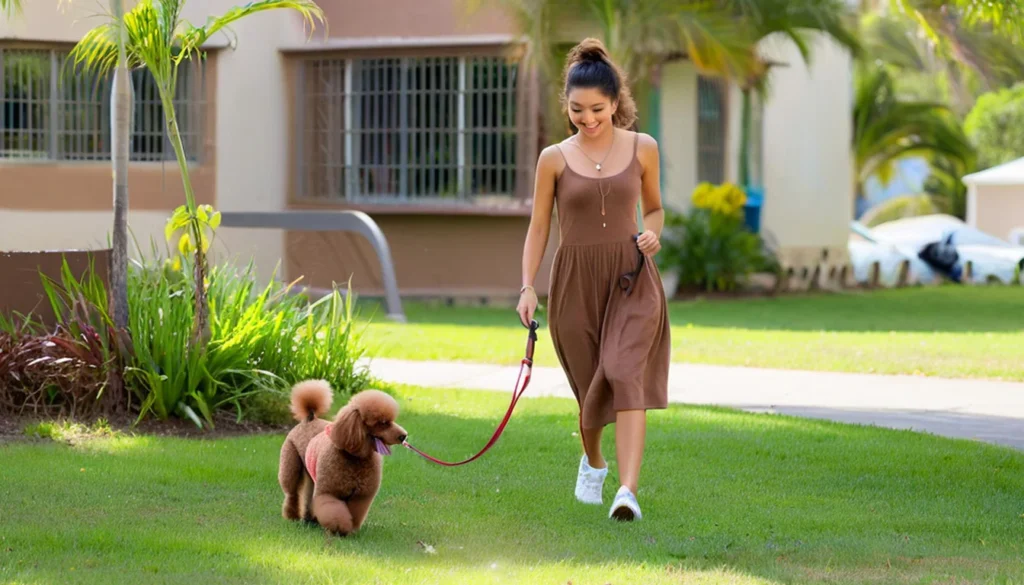
Choosing the right gear is more than just looks. I check fit by sliding two fingers between strap and body. The straps should lie flat and never pinch. A good fit lets a dog pant, lie down, and move freely.
I regularly inspect the harness for signs of wear. This prevents skin marks from growth and activity.
I consider leash control when picking a tool. Front-clip harnesses offer extra steering for strong pullers. They can speed up progress when used with rewards.
I focus on pairing the front-clip harness benefits with consistent cues. This helps the dog learn to walk beside me, not just be steered.
When picking a dog harness, I test several styles. Some dogs prefer a back-clip for casual outings. Others show faster behavior change with a front-clip or head halter for precise guidance.
I avoid using any tool as punishment. Instead, I blend equipment choices with short training sessions, rewards, and patience.
To keep walks pleasant, I balance comfort and control. Properly fitted gear supports learning and reduces injury risk. My goal is steady leash control for dogs while building confidence and calm step by step.
Training for loose-leash walking and leash obedience training
I walk my dog many times a day to teach calm behavior. I focus on short, fun sessions that reward a slack leash. This makes leash training a game my dog loves.
I use treats and praise to reward my dog for walking nicely. At first, I give rewards often. Then, I stop giving them to keep the behavior strong without treats.
I practice with simple drills to make my dog consistent. Small victories help my dog feel confident in new places.
Practical exercises I use:
- Mark and reward each time my dog comes into position beside me.
- Do recall-to-side drills: call my dog, reward when they return to the correct spot.
- Short bursts of loose-leash walking exercises followed by a release or play.
I mix basic obedience into walks to stop pulling. A quick Sit or Come helps my dog stay calm and focused.
Here's a quick look at common drills and when I use them during a walk.
| Drill | Purpose | When to Use |
|---|---|---|
| Walk-beside bursts | Builds position and pacing | Start of walk, low-distraction areas |
| Recall-to-side | Encourages returning to your side on cue | After a distraction or during transitions |
| Quick Sit/Focus | Interrupts pulling, restores attention | When pulling begins or before crossing streets |
| Reward fade | Builds reliability without constant treats | As behavior becomes steady in varied settings |
Addressing pulling, lunging, and barking on leash
I walk dogs in different neighborhoods. A simple walk can quickly turn tense if a dog pulls, lunges, or barks. I use clear, calm responses to teach better leash manners. This keeps both the handler and dog safe.
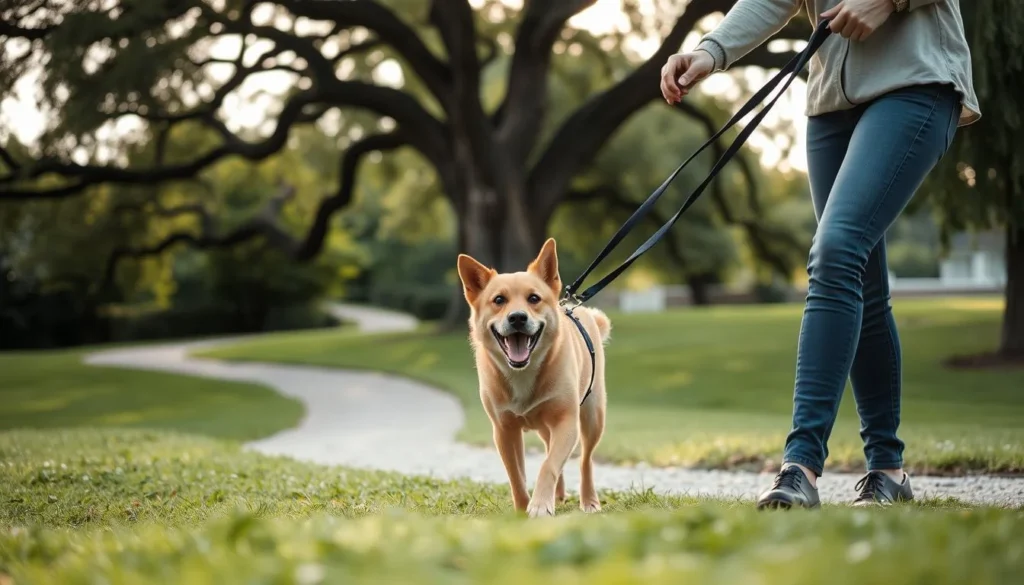
Tree technique and why stopping works
I use the tree technique when a dog pulls. I stop moving and stand still until the leash relaxes or my dog looks back. This teaches the dog that pulling stops progress, which is more effective than yanking.
The brief pause is consistent, predictable, and fair. Over time, the dog learns that walking on a loose leash brings rewards and forward motion.
Redirecting before a lunge
I watch my dog's body language and preempt a lunge by giving a cue or changing direction. Anticipation is key. If a dog starts to fixate, I increase distance from the trigger and offer a tasty treat or an attention cue.
Small moves early on prevent the moment from escalating into full reactivity.
Using distance, rewards, and exercise to reduce barking
Barking on walks often links to unmet needs for exercise and mental stimulation. I add play, scent games, or longer walks to the routine to help. During training, I manage distance from triggers, reward attention to me, and redirect before barking begins.
Limiting high-risk exposures, like crowded elevators or tight hallways, speeds progress. I reinforce calm alternatives.
| Problem | Immediate Action | Training Goal |
|---|---|---|
| Pulling | Stop and stand still (tree technique) | Teach that loose leash equals forward movement |
| Lunging/reactivity | Increase distance, give focus cue, redirect | Prevent escalation and build tolerance |
| Leash barking | Move away, reward attention, provide exercise | Reduce triggers and reinforce calm behavior |
Teaching calmness around leash handling and pre-walk excitement
I teach dog owners simple routines to make leash time calm and pleasant. Some dogs get too excited when they see a leash. I help them get used to the leash without getting too excited.
I use short, frequent sessions to make leash handling calm. I pick up the leash, reward the dog for being calm, and then put it down. This makes the dog think of the leash as something normal.
I practice picking up the leash without going for a walk. I might pick up the leash and give a treat, then throw a toy, or just sit and pet the dog. This teaches the dog that being calm is rewarded.
If a dog gets too excited, I stop paying attention until they calm down. This teaches them that calmness is what gets attention. If I keep playing when they're excited, they learn that's what works.
I teach dog leash etiquette by using clear cues and gentle handling. I move slowly, speak calmly, and pause often. This helps the dog stay calm and follow predictable patterns.
Here's a simple plan you can follow at home. Do each step in short bursts and look for signs of calmness.
| Step | Action | Why it works | Repeat |
|---|---|---|---|
| 1 | Pick up leash, stand quietly for 3–5 seconds, reward if calm | Breaks the walk = hype association by giving calm a positive outcome | 5–10 times daily |
| 2 | Pick up leash, play a short game or feed, then put leash away | Creates varied, neutral experiences with the leash so it loses predictive power | 3–6 short sessions daily |
| 3 | If dog becomes excited, stop interaction and step back until calm | Removes reward for excitement and reinforces calm behavior | Use consistently during all leash handling |
| 4 | Combine leash pickup with a brief cue like "easy" and a soft reward | Builds clear expectations and supports calm leash handling on walks | Integrate into walk warm-ups |
Energy management: exercises and enrichment to support calm walks
I use specific activities to help my dog stay calm before walks. I mix physical exercise with mental games. This makes walks easier for both of us.
Indoor scent games and nose work are great starters. Simple games like finding hidden treats or toys help my dog. These activities use their natural instincts and calm them down before we go out.
Dogs of different ages and breeds need different activities. I follow the American Kennel Club and Canada Pooch for guidance. Puppies have short, gentle sessions, while working breeds need longer, more structured tasks.
Combining physical and mental activities is key. A 10–20 minute walk plus a 5–10 minute nose game helps a lot. Tired and mentally stimulated dogs are easier to train. They pull less and bark less during walks.
Here's a comparison of enrichment activities to help you choose what's best for your dog.
| Activity | Best For | Duration | Benefit to Leash Work |
|---|---|---|---|
| Cookie-in-the-corner searches | Puppies, adults | 5–10 minutes | Quick mental drain that lowers hype before heading out |
| Indoor hide-and-seek with toys | Working breeds, energetic adults | 10–20 minutes | Builds focus and problem solving that transfers to walks |
| Structured fetch or treadmill | High-energy breeds | 15–30 minutes | Releases physical energy so leash cues land more reliably |
| Short obedience games | All ages | 5–15 minutes | Reinforces attention and polite walking habits |
Reading canine body language and honoring consent signals
Every time I go out with a dog, I pay close attention to their body language. A stiffened frame, lip licking, yawning, or turning away can signal trouble before it starts. Learning to read these signs helps keep walks calm and safe for everyone.
If I see stress signs, I slow down. I move the dog away from what's causing stress, lower the intensity, or give them a break to sniff. This approach builds trust and prevents problems.
I adjust training to match the dog's comfort level. I keep steps small and repeat successes in quiet places before increasing the challenge. Rushing through training can make the dog more reactive, so patience is key.
I know when to seek help from experts. If a dog shows persistent fear, increasing aggression, or keeps reacting to things, it's time to get professional help. Certified positive trainers or a veterinary behaviorist can create a plan for complex cases.
For specialized advice, I turn to the AKC GoodDog! Helpline and local trainers. Knowing when to ask for help can make outings safer and more fun for everyone.
Conclusion
I began by understanding that teaching leash manners for dogs is a gradual process. I started with gentle introductions to gear, a clear marker cue, and short, positive training sessions indoors. This foundation made dog leash training easier when we ventured outside.
Outside, I gradually expose my dog to distractions, using rewards to encourage good behavior. I also use no-pull harnesses when needed. These strategies help teach my dog to walk properly, reducing pulling and barking.
Managing my dog's energy with scent games and regular exercise is key. I also pay close attention to their body language and desensitize them to the leash. If my dog shows signs of fear or reactivity, I seek help from a professional trainer.
With patience, clear cues, and consistent practice, every walk becomes an opportunity to reinforce good leash behavior. My dog becomes more confident and calm, making our walks more enjoyable and peaceful.