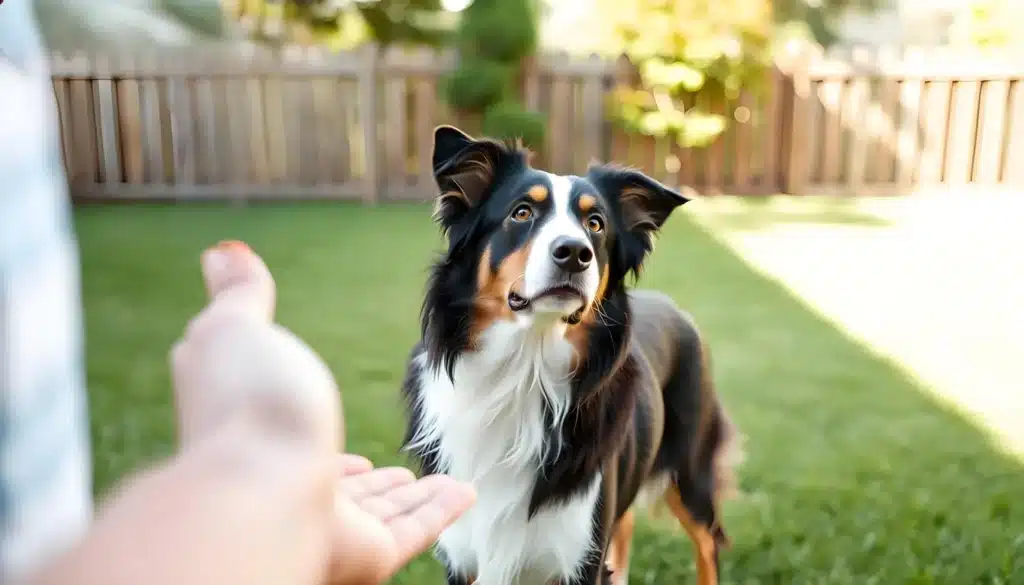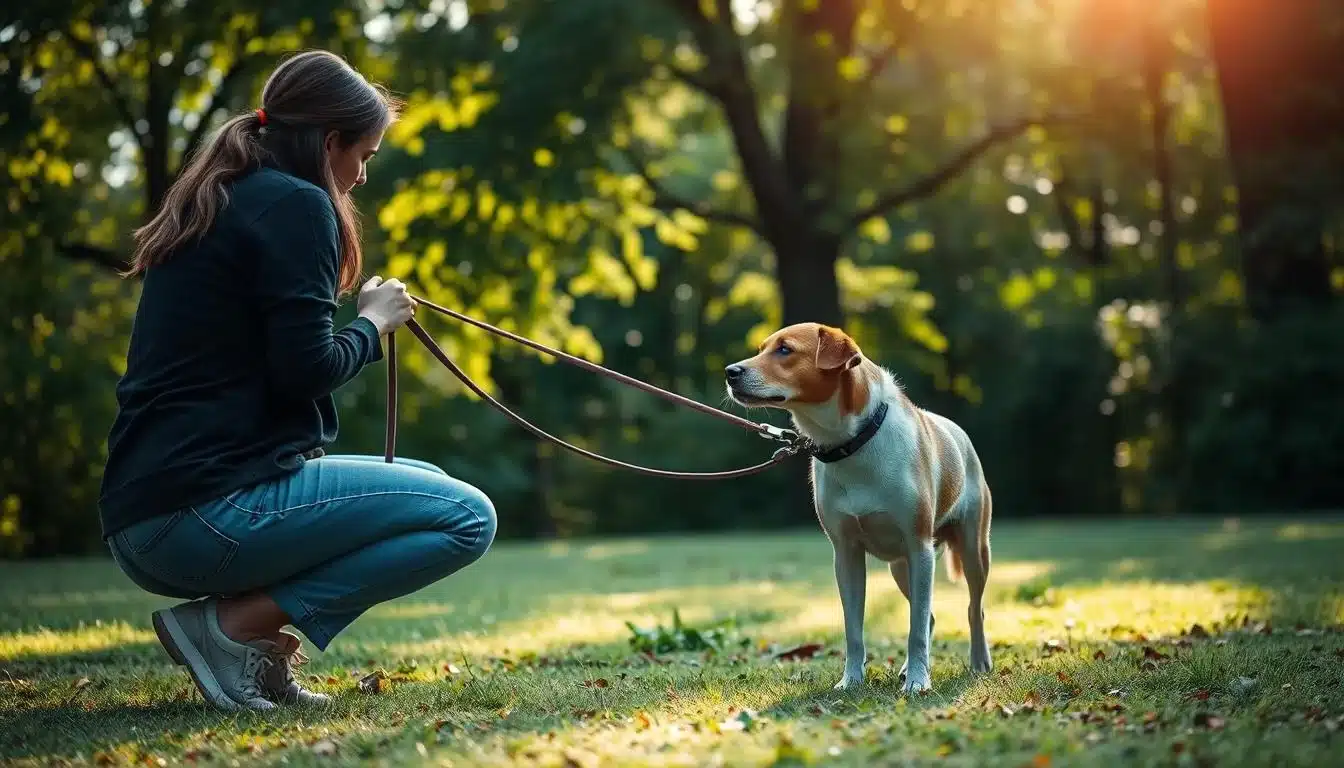
I remember the first time my Labrador lunged and barked from behind the leash. It was scary and embarrassing. I felt worried for my dog and others. I knew I had to find a better way to walk together.
Leash aggression training changed our walks. I learned to manage tension and give my dog better choices. This guide will show you how to use positive reinforcement to help your dog.
I look at behavior like a certified consultant would. I ask, "What is the dog trying to achieve?" I understand that aggression is often about feeling threatened or needing space. This helps me create safe and effective training plans.
Key Takeaways
- Leash aggression training combines management and behavior modification to keep walks safe.
- Start by understanding function—dogs usually act to create distance from a stressor.
- Leash reactive dog training works best with progressive steps and predictable sessions.
- Positive reinforcement training for aggressive dogs teaches alternative, calm responses.
- Practical leash aggression solutions prioritize owner safety and the dog’s emotional welfare.
Understanding Leash Aggression: Definitions and Distinctions
I help owners understand leash behavior to pick the right training. Knowing the difference helps manage aggression and makes walks safer. It also sets realistic goals.
What leash aggression looks like on walks
Dogs often stare at something far away and then get upset. They might bark, snarl, growl, or lunge. Some dogs even charge the leash, trying to push others away.
Owners say they have to pull the dog to avoid trouble. This shows how serious leash aggression can be.
Difference between leash aggression, leash reactivity, and leash frustration
Leash reactivity is when dogs get really excited and bark or lunge. But it's not always aggressive. Training for leash reactivity focuses on calming the dog and teaching new ways to react.
Leash frustration happens when a dog can't do something it wants, like say hello. It looks like reactivity but is really about blocked goals.
Leash aggression is when a dog acts aggressively while on a leash. It's about pushing something away or stopping it from coming closer. This behavior needs special training and safety measures.
How intent and motivation clarify behavior
I look at a dog's intent to understand its behavior. If a dog wants to get closer, it's likely greeting. But if it wants to push something away, it's defensive.
Experts like Jessica Wheatcraft say context is key. Many dogs want to say hello but feel scared. I consider distance, history, and if aggression happens off-leash to figure out the main issue.
By observing the situation, I can choose the right training. Knowing a dog's intent helps me focus on the right strategies for leash aggression, reactivity, or aggression management.
Common Causes of Leash Aggression and Reactive Behavior
I've seen leash aggression for many reasons. Knowing the cause helps me choose the right training. This way, I can teach dogs to behave better on a leash.
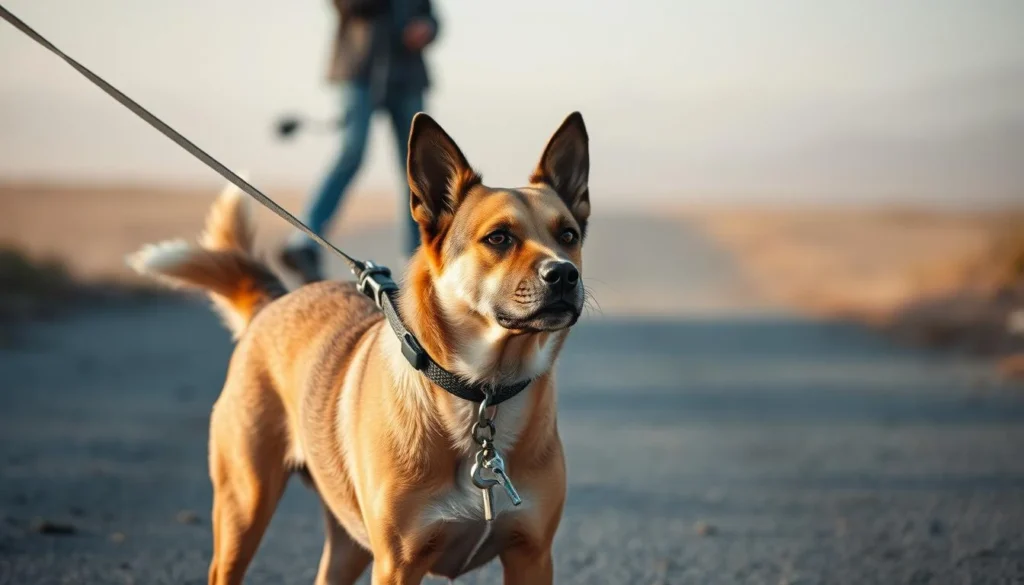
Fear-based triggers and lack of socialization
Many dogs snap or lunge due to fear. Puppies not exposed to new things early can become scared. Dr. Katherine Houpt's study shows early bad experiences lead to more reactivity.
I start with gentle steps to help them feel safe. I use positive rewards to help them learn.
Frustration caused by restricted escape routes (the leash effect)
The leash feels like a barrier. Dogs can't escape, leading to stress and aggression. Michael Shikashio explains how this feeling makes dogs more aggressive.
I teach dogs to control their feelings. I show them safe ways to step back when needed.
Past experiences, genetics, and contextual triggers
Genes and past experiences shape how dogs react. Some breeds are naturally more alert. A bad experience can make a dog react in certain situations.
It's key to know what triggers a dog's aggression. I plan their training carefully. I reduce surprises and teach them to react calmly.
How to Identify Triggers and Body Language Signs
I watch for small moments before a big reaction. Signs like stiffening, staring hard, or a closed-mouth bark mean trouble is coming. Spotting these signs lets me use leash aggression training before things get worse.
Then, I look for subtle signs of discomfort. Yawning, panting, or pacing can mean a dog is uneasy. Raised hackles or a low tail show they're getting more upset. Noticing these signs helps me pick the right time for dog behavior modification.
Reading subtle signals before escalation
I focus on single, clear signs. For example, a hard stare followed by a yawn means I step back or ask for attention. If things get tense, I create space. This is key to effective leash aggression training.
Cataloging environmental triggers (people, dogs, objects)
I keep a list of what makes my dog react. Some dogs get upset by men in hats, others by bicycles or kids playing. I note where, when, and how the dog reacts. This helps me tailor desensitization and behavior plans.
Keeping a behavior journal to inform training
My journal tracks dates, times, triggers, and body language. It shows how I handled the situation and the outcome. It helps me see what works and what doesn't.
I keep my journal simple and consistent. It helps me plan leash reactivity training. Small, regular notes lead to better training and safer walks.
Immediate Management Strategies for Safer Walks
I keep walks safe by planning ahead and making simple changes. Small adjustments in timing and route make a big difference. I treat each walk as a training session and a safety exercise.
I avoid busy hours and crowded places. Walking early mornings or late evenings helps avoid triggers. I choose quiet streets, side paths, and parks with clear views to keep my dog calm.
When I see a potential trigger, I use distance. Keeping a safe distance prevents escalation and rewards calm behavior. If a situation gets tight, I plan an exit to remove my dog before things get worse.
Positioning helps control what my dog sees. I keep them on the side away from triggers and use barriers like parked cars. This prevents rehearsals of reactive behavior and supports long-term management.
I rely on the right gear for safety and control. A front-clip or no-pull harness reduces shoulder tension and improves steering. For dogs with a bite history, I introduce a basket muzzle slowly, pairing it with treats.
Tools are for safety, not a fix. I pair equipment with active training and gradual exposure. I work with certified consultants and use professional dog training services for complex needs. They teach muzzle acclimation, emergency leash handling, and humane control techniques.
Short, predictable walks build confidence. I plan brief outings focused on engagement and reward, not distance. This steady progress supports canine aggression management and makes leash aggression solutions more reliable over time.
Leash aggression training
I start with a simple promise: teach the dog to choose me over the trigger. My leash aggression training focuses on clear focus, consistent rewards, and timing. This makes good choices pay off.
Principles I follow: focus, reinforcement, and timing
I teach a reliable engagement cue so the dog learns to check in on command. With precise timing, I mark the moment the dog looks or relaxes and reward immediately. This positive reinforcement training for aggressive dogs builds a predictable pattern where calm responses earn rewards more often than reactive ones.
I keep sessions short and frequent. This simple structure reduces stress and increases learning. I vary rewards so the dog stays interested, using treats, praise, and play in rotation.
Loose-leash walking foundations to reduce tension
I establish loose-leash skills in low-distraction areas or off-leash where safe. Teaching positioning and orientation without constant leash correction helps the dog learn to walk by choice. Michael Shikashio’s approach of building a strong reinforcement history for walking beside you fits this work well.
Start with short laps of engagement and reward for maintaining a loose leash. Gradually add mild distractions while keeping the reward schedule tighter than the environment. These leash aggression techniques reduce the leash effect and lower arousal on walks.
Building the on/off focus switch so your dog looks to you
I train an on/off switch using an engagement cue like “watch me” and alternating work with play. The dog learns that focused work leads to fun releases and that calm moments bring rewards. Controlled releases teach self-control under excitement.
I layer distance work so the dog can succeed before nearing real triggers. I practice threshold walks, reward before tension builds, and use progressive steps to increase challenge. These positive reinforcement training for aggressive dogs methods create a reliable habit: eyes on me, not on the trigger.
| Training Element | What I do | Expected Result |
|---|---|---|
| Engagement cue | Teach “watch me” with immediate marking and rewards | Consistent attention to handler in distracting settings |
| Loose-leash foundations | Practice off-leash or low-distraction shaping for position | Walking by choice, reduced leash tension |
| Timing and reinforcement | Reward the exact moment of calm or looking | Faster learning and stronger association with desired behavior |
| On/off switch | Alternate focused drills and play; use controlled releases | Self-control and clear transitions between work and play |
| Progressive exposure | Start far from triggers, reduce distance in steps | Lowered reactivity and reliable performance near triggers |
Behavior Modification Techniques: Counter-Conditioning and Desensitization
I use two main methods when working with a leash reactive dog: counter-conditioning and gradual desensitization. These methods help change how a dog feels about a trigger. They also reduce stress and build trust during training.
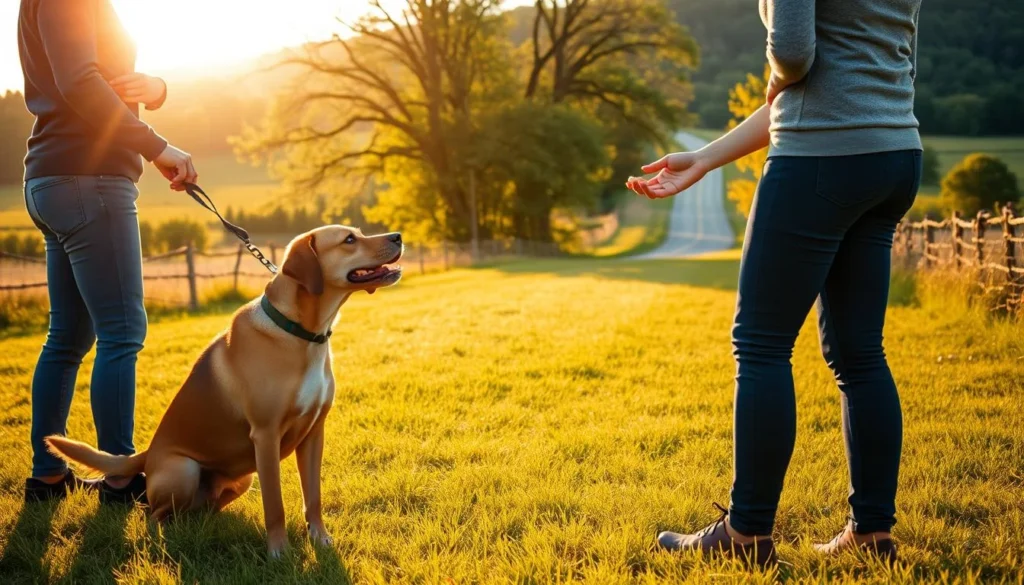
Counter-conditioning involves pairing a trigger with something the dog loves. I start by giving high-value rewards when a trigger appears at a safe distance. This creates a positive emotional link between the trigger and rewards.
I keep training sessions short and consistent. This helps the dog learn to expect good things. I use treats, cheese, or favorite toys as rewards. This predictable timing helps dogs learn coping skills quickly.
Desensitization uses gradual exposure to the trigger. I start far away and reward calm behavior. If the dog shows stress, I move back to a safer distance.
Having a helper with a calm dog can speed up progress. I plan each step carefully and rehearse retreats. This keeps the learning steady and prevents setbacks.
Consistency is key. I train in short, frequent sessions rather than long, unpredictable ones. This approach helps a dog generalize calm responses across different walks and settings.
To sum up, my practical tools include starting far, rewarding quickly, and keeping sessions predictable. I only decrease distance when the dog remains relaxed. This method combines leash aggression techniques into a humane, effective training plan.
Practical Drills and Exercises for Real-World Success
I create simple, repeatable drills to help dogs focus, calm down, and walk better on a leash. These exercises are great for leash reactive dogs and those with aggression. They're easy to follow and don't overwhelm the dog.
Engagement drills: watch me, touch, and name-game
I teach a clear cue for eye contact, then add quick touches and name recognition. Start with short wins and reward right away. This helps the dog learn to choose looking at you over getting distracted.
I use high-value treats or a favorite toy to make looking at me more appealing than distractions. Keep sessions short and repeat several times a day.
Threshold walks and controlled approach exercises with a helper
Threshold walks keep the dog at a safe distance where they're calm. I reward calm behavior. A helper with a calm dog or a patient person can slowly approach and retreat while I reinforce my dog for staying relaxed.
We only decrease distance when the dog shows clear relaxation. This staged practice prevents flooding and builds confidence for real-world encounters.
Nose work, games, and alternative outlets to lower arousal
Structured scent work, puzzle feeders, and secure fetch sessions give dogs purposeful tasks that reduce reactivity. I schedule these activities before walks to lower baseline arousal and improve focus.
Mixing training drills with play supports long-term progress. Using these exercises in combination strengthens leash aggression training and makes positive reinforcement training for aggressive dogs practical and sustainable.
Avoiding Common Training Pitfalls and Gimmicks
Many owners look for quick fixes when their dog gets aggressive. They might buy gadgets that promise to calm their dog instantly. But I focus on real, lasting solutions that teach motivation and learning, not just flashy devices.

Why quick-fix gadgets often fail long-term
At first, gadgets like bungee leashes or "magic" harnesses might seem helpful. But they rarely change how a dog feels about certain triggers. I steer clear of dog training gimmicks because they don't teach focus, self-control, or new ways to react.
Problems with leash corrections, repeated tension, and punishment
Using harsh corrections like pulling or jerking can make things worse. Experts like Michael Shikashio say harsh leash handling can make dogs fear their owners and the environment. I've seen dogs become more reactive when owners tighten the leash out of habit.
How I prioritize teaching desired behavior over suppression
I teach behaviors I want, like looking at me and walking calmly. I use clear timing and high-value rewards to reinforce these skills. This method is key to teaching aggressive dogs and leads to lasting results.
I don't take shortcuts or rely on gimmicks. Instead, I create simple, repeatable exercises that reward success. This is how I achieve real, lasting leash aggression solutions.
When to Seek Professional Help and What to Expect
If your dog's behavior is too much to handle at home, it's time to get help. Look for a veterinary behaviorist or a certified behavior consultant if your dog bites, lunges, or shows aggressive behavior. Safety is key, and experts can offer care that general advice can't.
At the first meeting, a professional will ask about your dog's history, look at medical records, and watch how your dog acts in different situations. They might find issues like pain or medication side effects that change the plan. You'll talk about what triggers your dog's behavior and how they've reacted to training before.
Here's what you can expect from a detailed evaluation and treatment plan:
- Comprehensive behavior assessment: history, trigger mapping, and video review.
- Medical screening: veterinary exam and diagnostic options to rule out pain or illness.
- Behavioral plan: counter-conditioning and desensitization protocols tailored to your dog.
- Management strategies: environmental adjustments, safe equipment, and muzzle training if needed.
- Skill training: leash handling, emergency U-turns, and proactive positioning for safer outings.
- Medication consultation: when pharmaceuticals may support progress alongside training.
Working with trainers is a team effort. I teach you how to handle the leash better, do emergency U-turns, and position yourself to redirect your dog's attention. You'll learn to reward your dog at the right time. Trainers help you create plans that are safe and move you towards your goals in aggressive dog rehabilitation.
Good professionals focus on managing aggression in a way that's humane and safe. They give you written plans, short-term goals, and ways to measure progress. This helps you stay on track and consistent between sessions.
| Step | What it Covers | Owner Role |
|---|---|---|
| Initial intake | History, videos, medical overview, risk assessment | Provide records, describe triggers, share videos |
| Behavioral assessment | Observed responses, body language, trigger thresholds | Participate in controlled scenarios and note reactions |
| Individualized plan | Desensitization steps, counter-conditioning cues, management | Practice short, frequent sessions and follow protocols |
| Safety training | Leash handling, emergency U-turns, muzzle and equipment use | Master techniques in low-stress environments first |
| Follow-up and review | Progress checks, adjustments, and possible medical referrals | Record sessions, report changes, maintain consistency |
If your dog's needs are complex, look for a board-certified veterinary behaviorist or a certified applied animal behaviorist. For hands-on training, find accredited professionals who use evidence-based methods and focus on humane rehabilitation.
I'll help you find the right professional dog training services. We'll make a plan that prioritizes safety, respect, and steady progress in managing your dog's aggression.
Long-Term Strategies for Maintenance and Preventing Relapse
I see leash aggression training as a journey, not a quick fix. After making progress, I keep up the rewards and structure. This helps the dog learn to stay calm in different places.
Consistent reinforcement in different environments
I give treats for calm behavior and walking nicely. I use short cues on walks to keep things going well. Having treats ready makes the dog know what to expect.
Gradual increase of challenges and refresher sessions
I make things a bit harder by getting closer to triggers and using busier paths. I also have regular sessions to keep the dog's skills sharp. If I see signs of stress, I take a break.
Being your dog’s advocate: managing interactions with strangers
I ask people to give my dog space and avoid sudden greetings. I plan our walks to avoid busy areas. If we can't avoid someone, I stand between them and my dog. I use calm cues and rewards to help the situation.
I use positive training to keep my dog's trust and teach better behavior. Keeping up with leash aggression training helps prevent setbacks. If I need extra help, I talk to a certified behavior expert to keep my dog safe.
Conclusion
Effective leash aggression training mixes immediate actions, behavior changes, and skill-building. Quick fixes like safer paths and proper harnesses keep walks safe. At the same time, I work on making the dog less reactive.
My goal is to have short, predictable sessions. These help the dog learn to walk on a loose leash and focus better. It's not a quick fix; it takes time and consistent rewards.
If things get tough or unsafe, it's time to get help. A certified behavior consultant or vet can create a custom plan. They teach you how to handle the leash and teach muzzle training. With patience and practice, you can have calm walks again.