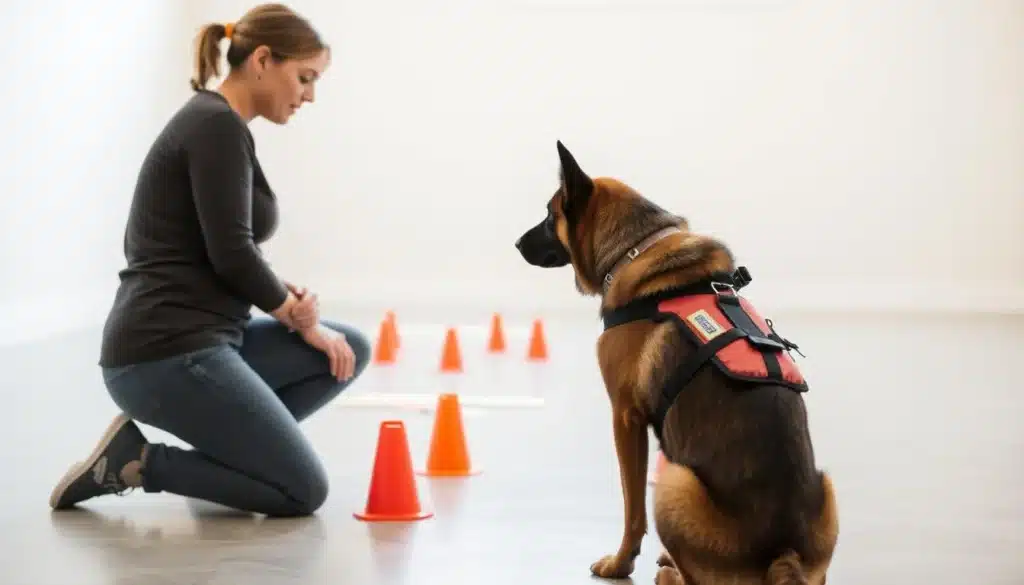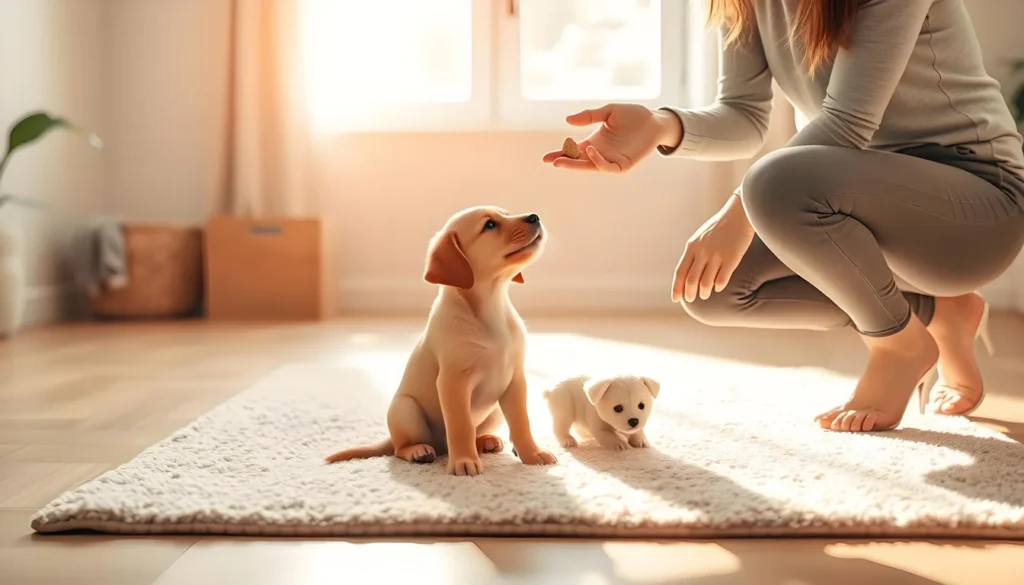
I remember the first time my Labrador leaned in for a tiny cube of cheese. It was a moment that taught me a lot about focus, trust, and timing. Since then, I've used treats to help my dog learn, calm down, and understand what I want.
In this article, I'll share ways to use treats to help your dog learn quickly and calmly. I believe in using treats wisely, especially in the early stages of training. They should be used with praise, toys, and a plan to gradually stop using them.
Using treats in training has a long history because food motivates animals naturally. My approach is simple: treats are tools, not a way to avoid effort. When used correctly, they help your dog focus and learn without resistance. But if not used right, they can lead to overexcitement and make handling your dog difficult.
In this article, I'll talk about the right time to use treats, choosing the right ones, and structuring training sessions. I'll also cover how to handle excited dogs, common mistakes, and tips for puppies. I'll draw on research and my own experience to help you use treats effectively without causing problems.
Key Takeaways
- Treats speed learning when timed and sized correctly.
- Positive reinforcement training treats build trust and focus.
- Use food early, pair with praise, and move toward intermittent rewards.
- A clear plan prevents pay-me and overstimulation problems.
- Small, high-value treats work best for quick, repeated rewards.
why treats work: science and history of food-based training
I explore how treats have been used in training from ancient times to today. From simple scraps to high-value rewards, treats have always played a key role. This mix of history and science explains their lasting appeal.
Long before science, people used food to train animals. In Egypt and Rome, treats were used to guide behavior. In the 20th century, trainers like Marian and Keller Breland made this method more formal. Today, we use treats in a precise way to train dogs.
Dogs learn by linking cues to rewards. When a cue is followed by food, the dog learns to associate them. This process is made more efficient with clicker training, which uses clear signals.
Experts agree that treats are better than punishment. They make dogs more focused and eager to learn. Trainers who use treats see fewer problems and more willing dogs.
But, there are downsides. Too many treats can make dogs wait for food. Sessions that only use treats can lead to dependence. It's best to start with treats and then switch to praise and rewards.
| Aspect | What I see in practice | Research-backed effect |
|---|---|---|
| Motivation source | Food drives most dogs; I use tiny, high-value bites | Food is a strong primary reinforcer that speeds learning |
| Learning mechanism | I pair cues with treats to form reliable responses | Associative learning creates durable cue-response links |
| Trainer strategy | I phase from lures to rewards to praise and play | Combining reinforcers builds versatile, stable behavior |
| Common pitfall | Dogs can become food-dependent or overexcited | Excessive reliance reduces generalization and calmness |
| Best practice | Mix treat use with conditioned reinforcers and timing drills | Intermittent reinforcement sustains behavior with less food |
In my training, I focus on timing, small portions, and combining treats with praise. This approach honors the history of training while using today's knowledge. It helps dogs learn confidently without making every task a transaction.
how to use training dog treats
I always have a clear goal for each session. I choose one behavior to teach or improve and break it into small steps. For example, I might start with a quick sit, then increase the time to five seconds, and finally to ten seconds.
I pick a consistent cue and a marker, like a clicker or saying "yes," before giving the first treat.
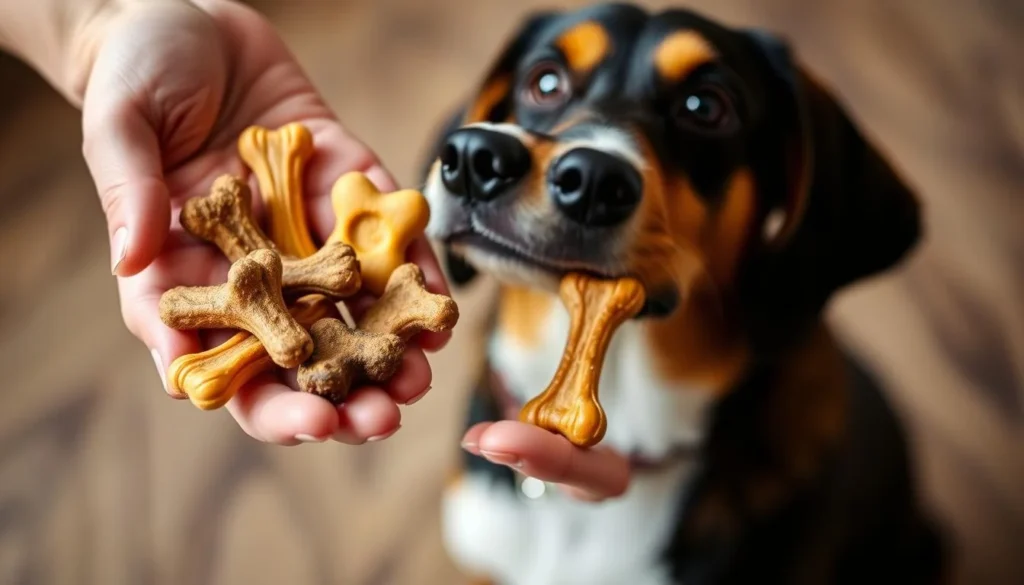
start with clear goals and simple cues
I keep my cues simple and sessions short, no more than five minutes for most dogs. Using one cue per session helps avoid confusion and speeds up learning. I write down the steps: behavior, hold time, and reward timing.
This helps me stay consistent, even when others are training the dog.
use treats as lures, rewards, not bribes
I make sure to use treats correctly. A lure guides a new action with visible food. A reward is given after the dog performs the cued behavior. A bribe is showing food to force compliance, which can create a "show-me-the-money" dog.
To avoid bribes, I hide most of the food until the behavior is offered. I lure with one hand and feed with the other. When fading the lure, I mimic the hand motion with an empty palm and then switch to an empty hand entirely.
If needed, I gently place a puppy into position so they accept handling without fear, then reward to make the placement positive.
transition plan: from food to intermittent reinforcement
I condition praise and petting by pairing them with treats early on. Once the behavior is reliable, I slowly increase the time and the number of responses between treats. I shift to intermittent, variable reinforcement to make behavior durable.
When I reduce treats, I also cut calories by subtracting treat calories from meals. I follow a reinforcement hierarchy: low-value kibble for known cues at home and high-value treats for new skills or high-distraction settings. These tips keep progress steady without overfeeding.
| Phase | Goal | Treat Type | Key Steps |
|---|---|---|---|
| Introduction | Shape new action | High-value soft bite-sized | Use visible lure, mark correct movement, reward immediately |
| Fading | Remove visible food | High-value then medium | Mimic hand signal with empty hand, reward from opposite hand |
| Weaning | Pair praise with treats | Medium-value | Mix verbal praise and petting with occasional treats |
| Maintenance | Stable behavior under distraction | Low-value kibble, intermittent high-value | Use variable reinforcement schedule, reduce treat frequency |
| Puppy plan | Gentle, short reps | Tiny soft treats, small portions | Short sessions, frequent rewards, manage calories for treat training for puppies |
choosing the best dog treats for training
I keep treat choices simple and practical for efficient and fun training. The best dog treats for training should be small, soft, tasty, and healthy. I look for treats that allow for many reps without long chewing breaks.
small, soft, tasty, and special characteristics
I use pea-sized, soft bites that a dog can eat in one swallow. Quick consumption keeps momentum during a session. Soft training treats for dogs like Wellness WellBites or small pieces of cooked chicken meet that need.
I keep these treats special by offering them only during focused work. This makes positive reinforcement training treats exciting.
high-value vs low-value treats for different settings
I swap treats by context. In the park or near distractions, I use high-value rewards like real cheese or cooked liver. These items earn attention fast when teaching new cues.
At home, I use low-value training treats for dogs like kibble or small commercial soft bites for high-repetition drills. This approach lets me repeat behaviors without overfeeding.
healthy ingredient guidance
I avoid treats packed with grains, sugar, or artificial preservatives. I favor products with real meat listed first and simple ingredient lists. Treats should never replace a complete diet.
When I give many treats in a day, I deduct calories from meals to prevent weight gain. For perishable high-value items like liver, I refrigerate them. I store commercial soft bites in airtight containers to keep them fresh.
| Use | Example Treats | Why I Choose Them | Calorie Note |
|---|---|---|---|
| High-distraction training | Cooked liver, mozzarella, cooked chicken | Very motivating, quick to eat, great for new cues | Feed sparingly; refrigerate perishable items |
| Everyday repetition | Kibble, Wellness WellBites, small soft biscuits | Low-cost, low-calorie, allows many reps | Reduce meal portion to balance calories |
| Gradual fade & maintenance | Tiny cheese dots, dehydrated meat bits | Useful for intermittent reinforcement and proofing | Use smallest pieces to limit calories |
| Health-conscious choices | Single-ingredient meat treats, limited-ingredient soft bites | Less additives, clearer sourcing, often better for sensitive dogs | Check labels; treat totals should not exceed daily allowance |
timing and delivery: strike while the iron’s hot
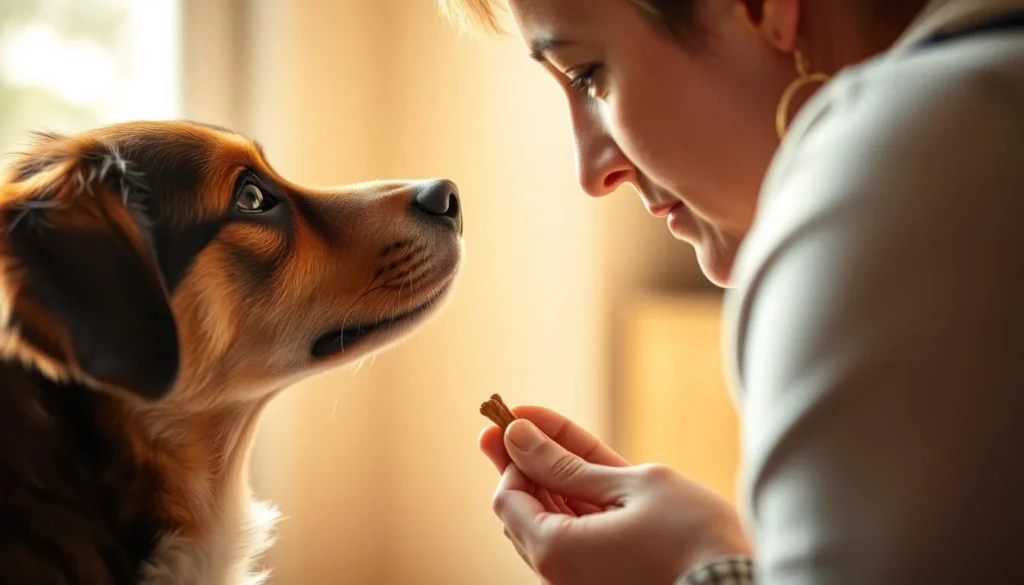
Dogs learn best when rewards match the exact moment of a behavior. Get your timing right and learning speeds up. But, poor timing can teach the wrong thing.
why timing matters
When a dog sits, reward them right away. This makes the action and reward match. Use these tips to reward the behavior, not just the treat.
how to mark and feed for clear learning
Use a clear marker word like "Yes!" or a clicker to mark the exact moment. Mark first, then feed. Give the treat to their nose or in front of their face to keep them in place.
Try to give the treat within one second of marking. For actions that last, reward at the exact time, like five seconds of sitting. These small habits make training more effective.
tools to improve timing
A clicker and a consistent marker word help with timing. Carry a treat bag and small, soft rewards for quick feeding. Practice quick drills to train your timing.
Use a second hand to feed when busy luring. If timing is off, end the session and try again later. These tips help with smooth delivery and clear cues.
structure of training sessions and daily practice
I make sure training sessions are short and focused. This keeps them fun and prevents my dog from getting tired. Instead of long workouts, I spread out many short ones throughout the day.
I use the SMART X50 idea to remind me to reward good behavior often. I look for calm moments or correct responses and reward them. This gentle, constant reinforcement helps build good habits faster.
short, frequent sessions and SMART X50 idea
Most sessions last from one to three minutes, with a clear goal. Five to ten short reps add up quickly. I set a daily goal for marked responses and track it with a simple log.
Using SMART X50, I aim for fifty opportunities to reward throughout the day. I look for chances during early morning, before meals, and on short walks. This method helps reinforce good behavior without relying on cues alone.
mix training into daily life
I mix practice into daily routines like cooking and walks. Asking for a sit before opening the door is a great way to practice. This helps my dog learn cues in real-world settings.
For treat training, I use small, frequent treats to avoid overfeeding. I start in quiet rooms and then gradually add distractions. This helps my dog learn to perform in different places.
ending sessions on a high note
I always end sessions with a simple, successful behavior. If my dog struggles, I go back to an easier task and reward it. This keeps us both motivated and avoids frustration.
| Practice Element | Suggested Length | When to Use | Notes |
|---|---|---|---|
| Micro sessions | 1–3 minutes | Morning, between tasks, before meals | High frequency; prevents fatigue |
| SMART X50 marking | Throughout day | Any time you see desired behavior | Fifty marks daily to reinforce calm habits |
| Everyday weaving | Short moments during routine | Doorways, meal prep, leash walks | Generalizes commands across contexts |
| Puppy treat portioning | Very small pieces | Multiple short reps | Track calories when using treat training for puppies |
| Ending on success | Final 30 seconds | End of each session | Finish with a high-rate reward to boost motivation |
Wondering how to use training dog treats? Keep them in a pouch and change the type based on distraction. Small, soft treats are best for quick, frequent rewards.
handling over-excitement and "show-me-the-money" behaviors
Many owners face challenges with a show-me-the-money dog. These dogs turn every training session into a frantic audition. The sight or smell of treats can spike arousal fast.
Anticipation becomes its own reward, and the dog starts offering behaviors you didn't ask for.
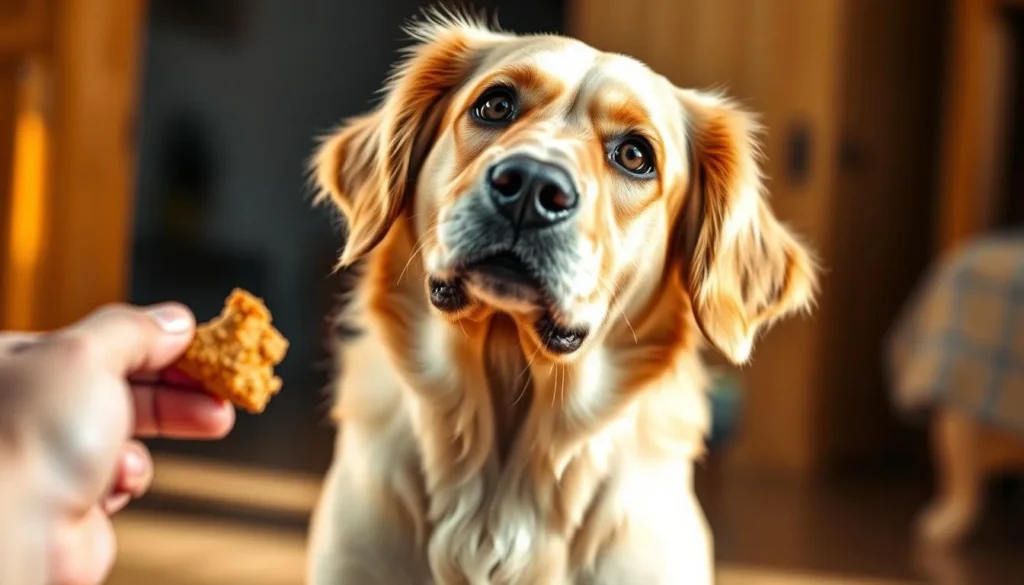
I explain why excitement happens so trainers can prevent it. Some dogs are intensely food-driven. A routine cue, a jingling treat bag, or a visible treat will trigger a chain of high-energy responses.
This arousal masks learning and makes basic cues harder to teach.
I share practical strategies to calm arousal that work in real homes. First, reward calm, not demand. Wear a treat pouch with low-value kibble and drop pieces for relaxed postures or quiet attention.
Ignore unsolicited “trick offers.” When the dog guesses, pause training and wait for the requested response before rewarding.
I recommend short drills that build tolerance. Start with short waits, reward a single deep breath or sit, then lengthen the pause over sessions. Use low-value food for routine practice and reserve high-value treats for new skills or distractions.
Variable reinforcement schedules help your dog learn that rewards are earned, not guaranteed.
I walk through the fading lure technique step by step. Lure with one hand while feeding from the other. That prevents the dog from fixating on the visible treat.
Practice the empty-hand signal that mimics your lure motion. Gradually reduce food in the lure hand until the hand signal alone elicits the behavior.
When I condition the hand signal, I pair it with consistent reinforcement. Start close and low-distraction, then expand distance and distractions. Mix life rewards like play or access to a door with food rewards so the dog learns to respond without always seeing treats.
These dog training treat tips focus on shaping calm, reliable responses. If you stay patient and consistent, a show-me-the-money dog will learn to work for cues, not just for the sight of a snack. The fading lure technique is central to that transition, helping your dog move from food-led to cue-led behavior.
common mistakes with training treats and how to fix them
Many trainers and pet owners make the same mistakes with treats. I wrote this guide to help you spot and fix these issues. It offers practical tips for using the right dog training treats without making your dog too dependent on food.
One common error is giving out boring biscuits when there are distractions. Dogs ignore plain treats when they see or smell something more interesting. My solution is to save treats like real liver or small cubes of cheese for when it really matters. Use less exciting treats for practice at home.
Slow delivery or wrong treat position
Handing out rewards too late or in a way that makes the dog move can mess up learning. I suggest using a clear marker or clicker and giving the treat quickly to the dog's nose. This way, the dog stays in place and learns faster. It's all about the timing and the right treats.
Rewarding the wrong action
It's easy to accidentally reward the wrong behavior, like when a dog comes back after running off. I make sure not to reward the dog for returning without a cue. Instead, I focus on rewarding the right behavior, like coming back on command. This way, the dog learns the right thing to do.
Over-relying on food
Using treats for every command can make other rewards less effective. I mix treats with praise and touch to make my voice and touch more valuable. Over time, I reduce the number of treats and use other rewards like playtime or toys. This way, treats stay effective without becoming a habit.
Backsliding when the dog ignores a cue
When a dog ignores a command, it's natural to reach for a treat. But I stop that habit. First, I get the dog's attention with a neutral cue. Then, I guide them gently and reward only the correct response. This way, the dog learns to listen without relying on treats.
Here's a checklist I use:
- Save high-value treats for distractions and new cues.
- Use a marker and quick delivery to the dog’s nose.
- Shape correct behavior in tiny steps; don’t reward mistakes.
- Pair treats with praise and life rewards to fade food.
- Manage calories and plan a clear transition off frequent treats.
By following these fixes, your training sessions will improve. Your dog will learn faster, and your treats will stay effective. It's all about consistency and the right approach.
treat training for puppies and sensitive dogs
I help many new owners use food to teach calm behaviors in young or sensitive dogs. I take small steps, handle them gently, and portion treats wisely. This way, training boosts confidence without causing weight problems or making dogs shy of hands.
age-appropriate portioning and health considerations
I use tiny pieces for most training to keep calories low and rewards frequent. For young pups, I use their regular kibble for high-rep exercises to avoid replacing meals with treats. I subtract treat calories from their daily ration to prevent obesity and choose puppy-safe recipes without harmful ingredients.
building foundation behaviors gently
I start by teaching sit, down, stay, and focus in quiet places. Short sessions with lots of repetitions work best. I gently place their body in the right position and reward them with treats and praise, making touch positive.
I gradually increase the time and distractions. If a puppy finds it hard, I lower the goal, reward small achievements, and end on a success to keep their confidence up.
addressing touch sensitivity and respect issues
Dogs raised only for food can become touch-averse or pushy. I mix reward-based training with clear expectations. I use calm handling, teach them to tolerate touch, and reward them for being cooperative. This way, respect and comfort grow together.
- Tip: Use soft, tiny puppy training treats that dissolve quickly in the mouth.
- Tip: Keep sessions under five minutes and repeat several times a day.
- Tip: Always finish with a simple cue the puppy knows and a reward.
reward-based training treats beyond food
I start with treats, then add real-life rewards. This mix makes behavior stronger and more flexible. Dogs learn to respond well in busy places, at the vet, or on walks.
I use three main rewards: food, toys, and attention. Life rewards, like going outside or playing with a ball, often work better than treats. Dogs learn to leave a mat or come when called for these rewards.
Conditioned reinforcers help move from treats to life rewards. I pair a toy or praise with a treat many times. Soon, the toy or praise alone motivates the dog, even without food.
I follow a simple step: show the treat, reward, then give the toy or let them play. I do this in short sessions in different places. I pair a cue like “Good dog” with treats until just saying it rewards them.
I have a value hierarchy. Kibble or low-value treats are for maintenance. High-value treats earn new behaviors. Life rewards are the best for real-world reliability.
Reinforcement schedules change as the dog improves. I start with continuous rewards to build the habit. Then, I switch to intermittent and variable schedules to make the behavior stronger. Variable rewards keep the dog's responses strong and reduce dependence on treats.
Practical tips include keeping pairings short and frequent, changing the order of toy and treat, and practicing life rewards in the places you want reliable behavior. This layered system makes reward-based training treats effective beyond the pouch and into everyday life.
practical gear and hygiene for treat-based training
I always carry a small kit for training. The right gear makes giving treats quick and easy. This is crucial when rewarding a dog fast.
I like treat bags that clip to my belt or leash. This way, I can give treats without using my hands. I also use pockets and small pouches for easy access when I'm out and about. Around the house, I keep jars of treats ready to avoid distractions.
For outdoor training, I pack a variety of treats. This includes soft bites, dry kibbles, and something smelly for when the dog gets distracted. I use one hand to lure and the other to give the treat. A clicker or marker is always in my kit to keep the timing right.
Keeping treats fresh is important for taste and safety. I store perishable items like liver in the fridge. Treats go in airtight containers to prevent spoilage. I clean my treat bags and containers every week to avoid bacteria.
Good training treat hygiene goes beyond storage. I throw away expired treats and clean feeding surfaces. I use wipes or a small towel for messy hands. I also watch how much I give to keep calories in check and choose the right size and type for my dog.
For fieldwork, I bring extra items like a towel, wipes, and more dry treats. This lets me change rewards without stopping the training session.
Below, I compare common carry and storage options to help you choose what works best for you.
| Item | Best Use | Pros | Cons |
|---|---|---|---|
| Clip-on treat bag | Everyday walks and training | Fast access, hands-free, multiple compartments | Needs cleaning, can collect crumbs |
| Small zip pouches | Short outings or jogging | Lightweight, cheap, easy to stash | Limited capacity, no insulation |
| Airtight jar | Home storage for dry treats | Preserves freshness, reduces pests | Not portable, glass can break |
| Refrigerated container | Perishables like liver or cheese | Keeps perishable treats safe and tasty | Requires fridge, not for on-the-go |
| Pre-measured bags | SMART X50 sessions and portion control | Consistent serving size, saves time | Wasteful if plans change |
Conclusion
Using training dog treats effectively means using them with purpose. Start by luring and shaping new behaviors. Reward with perfect timing to avoid making treats bribes.
Choose small, soft, healthy treats. Match their value to the situation. This keeps your dog focused without getting overstimulated.
My dog training treat tips include short, frequent sessions. Use the SMART X50 idea and pair treats with praise. Then, shift to intermittent reinforcement and life rewards.
Condition toys and household rewards for when food isn't present. This helps maintain behaviors.
Balance and consistency are key, not occasional generosity. Treats are powerful when used with clear goals and precise timing. Gradually wean off treats to avoid food dependence.
Always adjust portions and store treats safely. End training sessions on a success to keep it fun.
Try these effective dog training treats techniques in small steps. Watch your dog's motivation and adapt your approach. With patience and a plan, you'll see steady progress and a more cooperative companion.