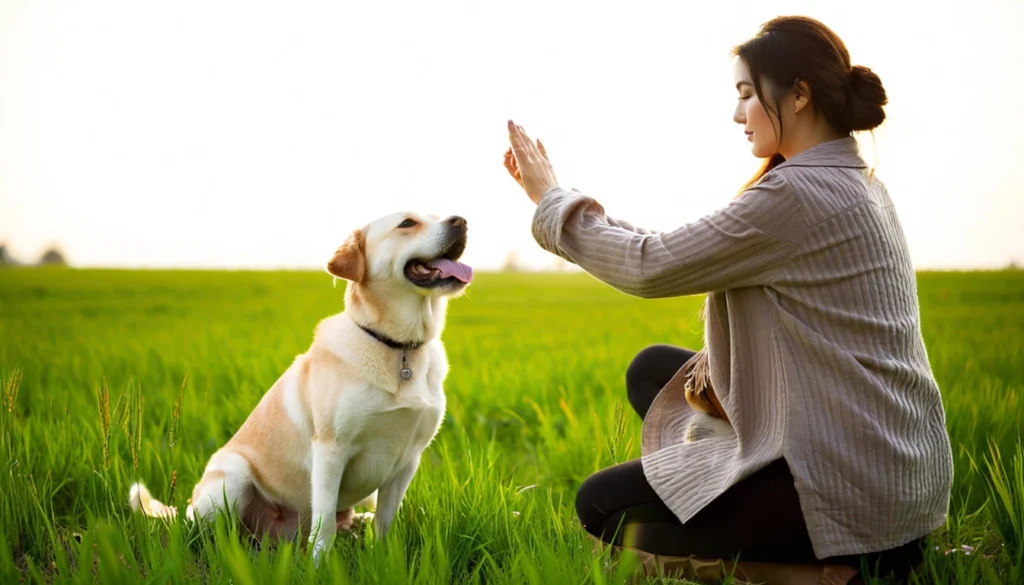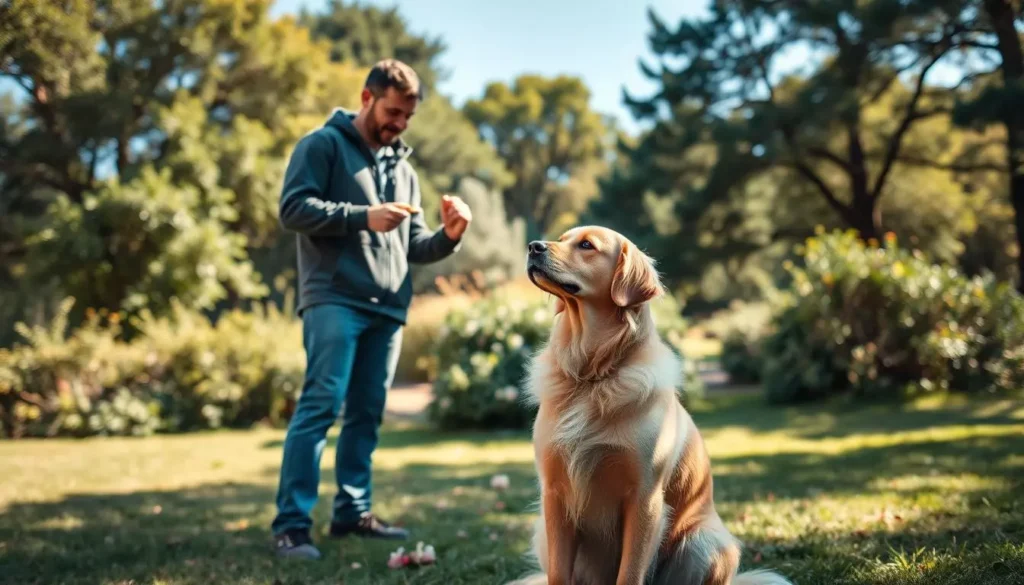
There's a special bond between a dog and their owner. It's filled with joy, companionship, and love. When I first left my dog alone, my heart sank. I worried if they would be okay.
It's a reality for pet owners. Our dogs need to learn to be independent. We want the peace of mind that they're okay when we're not there. About 80% of dogs struggle when left alone. So, learning how to train them is crucial.
This guide will help you train your dog to stay alone. It's for your peace of mind and your dog's comfort when you're apart.
Key Takeaways
- Understand the importance of alone training for your dog’s well-being.
- Recognize signs of separation anxiety to address issues early.
- Assess your dog's readiness before starting alone time training.
- Prepare your home for effective dog home alone training.
- Utilize positive reinforcement to encourage a calm demeanor.
- Monitor and adjust your training techniques as needed.
Understanding the Importance of Alone Training
A dog's comfort with being alone is key to its happiness. Getting ready for alone time helps my dog feel okay when I'm not there. By teaching my dog to be okay with being alone, I show them it's not a bad thing.
Starting this training early helps my dog have good experiences alone. It stops bad behaviors like barking too much or chewing things they shouldn't. Doing fun things together before I leave helps my dog see alone time as a positive thing.
Recognizing Signs of Separation Anxiety
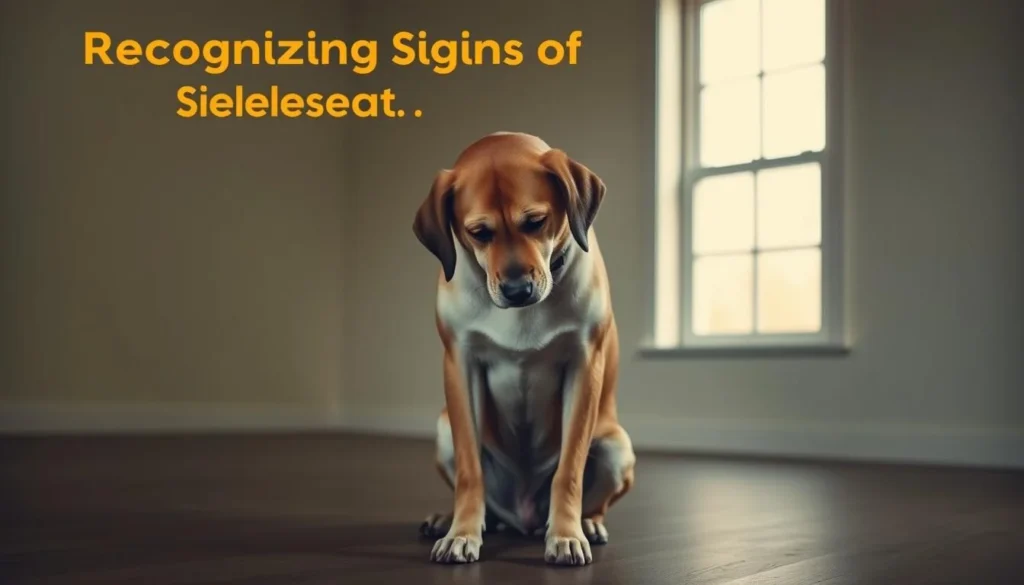
It's important to know the signs of separation anxiety to keep my dog happy and healthy. Dogs often show certain behaviors when left alone. These can include a lot of barking, whining, and even breaking things. Some dogs might even go to the bathroom inside, which is upsetting to see.
Some signs might only show up when I come back home. This makes it tough to figure out what's wrong. Watching how my dog acts when I leave helps a lot. If they seem really anxious or fidgety before I go, it could mean they have separation anxiety.
If I think my dog has separation anxiety, getting advice from a vet is a good idea. A vet can offer helpful tips. They might also suggest working with a behaviorist to help my dog feel better when I'm away.
Assessing Your Dog's Readiness for Alone Time
Teaching my dog to stay home alone starts with understanding their needs. Every dog is different, with unique personalities and behaviors. I watch how they react in various situations to see if they're ready for alone time.
I begin with short periods of alone time, checking if they're okay. If they seem relaxed, it's a good sign they can handle longer times without me. This helps me know when they're ready for more time alone.
I also keep an eye out for any signs of stress or anxiety. These could mean they're not ready for alone time yet. By carefully watching their behavior, I ensure a positive and healthy experience for my dog.
Preparing Your Home for Dog Home Alone Training
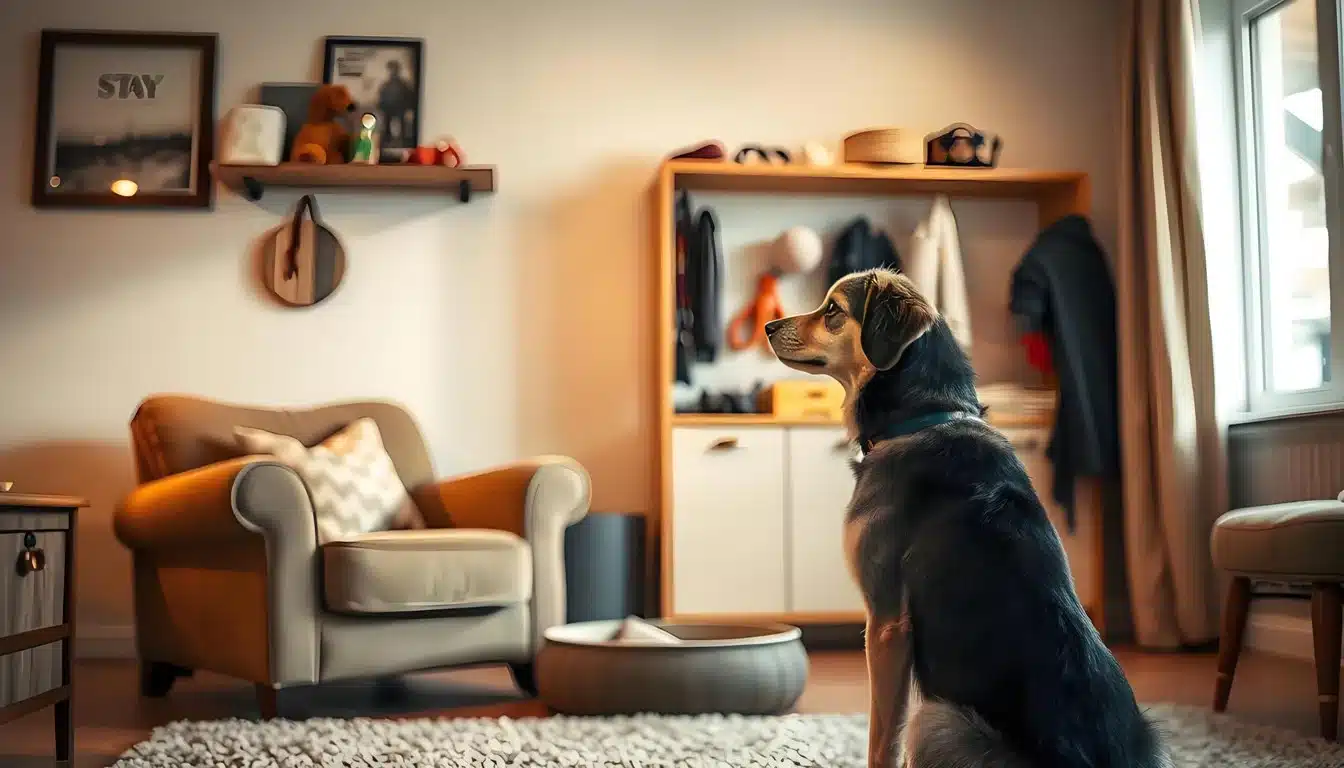
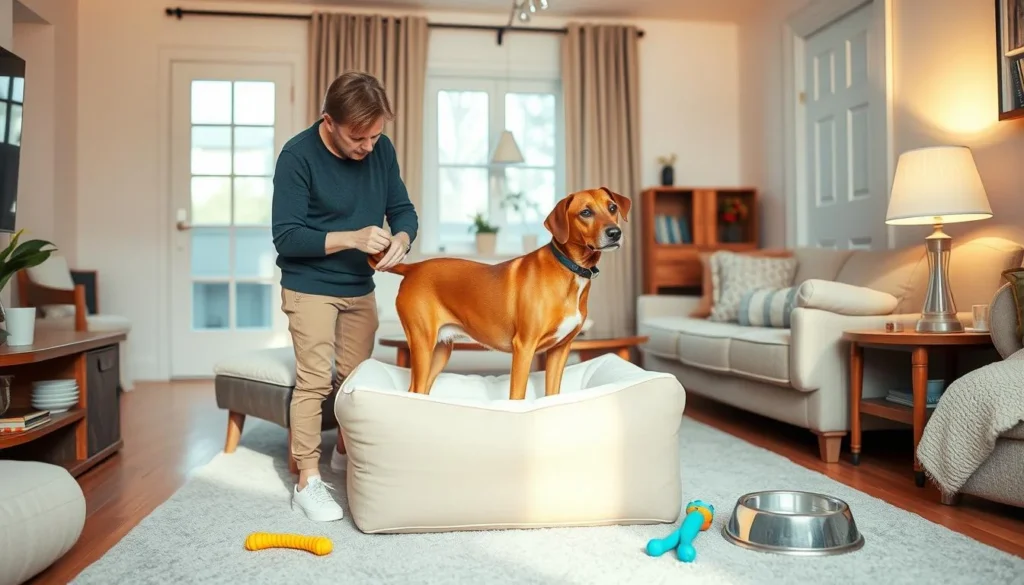
Getting your dog ready for time alone starts with a safe and welcoming home. I need to make sure the space is dog-proofed. This means removing any dangers or tempting items that could lead to bad behavior.
It's also important to provide a comfy bed and fun toys. These will keep my dog entertained and comforted when I'm not there.
Creating a safe area in my home can really help my dog feel less anxious. By limiting access to certain rooms, I can prevent accidents and keep my dog calm. If I want to train my dog to stay in the yard without a fence, I'll need to add barriers to keep them safe.
Regular checks on the environment are key to keeping things calm. Every item I add should make my dog feel secure and comfortable. This setup helps my dog adjust and feel independent, knowing their space is safe.
How to Train Dog to Stay Alone at Home
To train my dog to stay alone, I start with small steps. This helps them get used to it without feeling scared. At first, I leave them for a few minutes and then more as they get better.
This way is kind and thinks about how my dog feels. It's all about being gentle during the training.
Gradual Introduction to Alone Time
Starting with short times helps my dog know I'll always come back. It's important to stay calm and happy during these times. Each dog is different, so I adjust the time based on how they react.
Keeping the first times short and then getting longer helps. This way, my dog learns to be alone without getting anxious.
Positive Reinforcement Techniques
Positive reinforcement is key in this training. I give my dog treats and praise when they're calm alone. This makes them think being alone is a good thing.
Being happy and cheerful helps my dog see being alone as positive. Using these methods makes training fun for both of us.
Setting Up a Safe Confinement Area
Creating a safe space for dogs is key in my dog training journey. This area should be comfy and big enough for my dog to move around. A good setup includes a crate or an exercise pen for safety and comfort.
To make it welcoming, I add soft bedding and favorite toys. These familiar items help my dog feel calm when alone. I also feed my dog here, making it a positive place.
Having a routine in this area helps my dog get used to being alone. With time and positive feedback, my dog will see this space as a happy place.
Encouraging Relaxation in Your Dog's Bed
Creating a calm environment for my dog starts with a comfy dog bed. It's their special spot to relax and feel safe. Making this area a positive place helps them relax better.
I give my dog treats and praise when they go to their bed. This makes them feel more at ease. It turns their bed into a cozy place they look forward to.
Keeping a routine around the bed is key. It makes my dog know it's their safe spot. Watching how they act in their bed shows me how relaxed they are.
| Practice | Description | Outcome |
|---|---|---|
| Positive Reinforcement | Rewarding settling in the bed | Increased comfort and relaxation |
| Routine Establishment | Creating a consistent schedule | Stronger sense of security |
| Observation | Monitoring behavior in the bed | Insights into emotional state |
Progressing the Training Steps
Teaching my dog to stay home alone is a big step. I start with short times to help them get used to it. I watch my dog closely for any signs of stress or discomfort.
If they seem relaxed and calm, I know it's time to move forward.
Starting with Short Bursts of Time
I begin by leaving my dog alone for a few minutes at first. This helps them understand that I'll come back soon. It's key to make these moments positive for them.
Increasing Duration Gradually
When my dog gets comfortable with short times, I start to increase it. I add a few minutes each time, watching how they react. If they show signs of distress, I go back to shorter times.
Being patient is crucial in this training process. It helps my dog feel more confident and secure when I'm away.
Using Engage and Distract Techniques
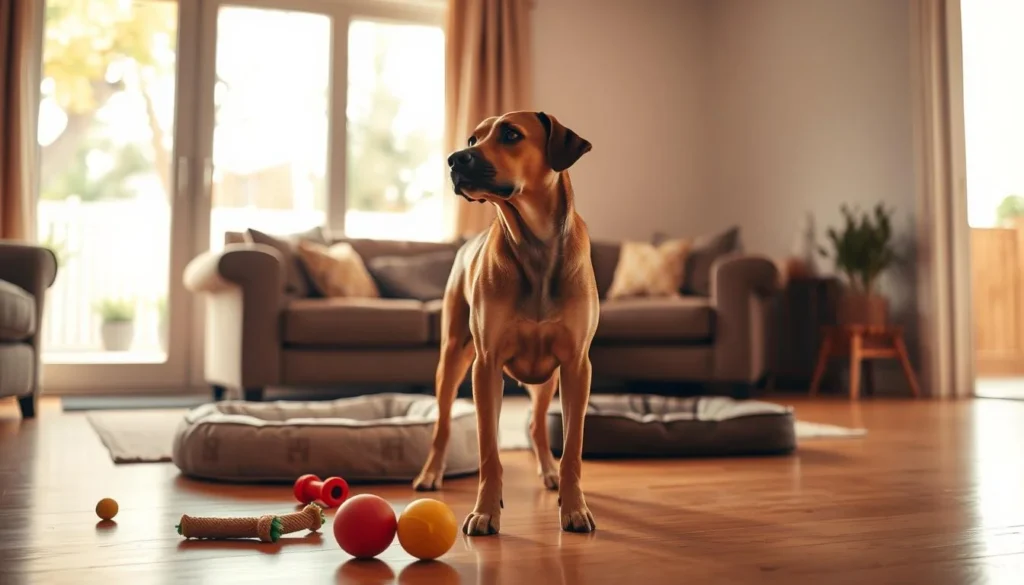
To help with separation training, I focus on using techniques that engage and distract dogs during my absences. Interactive toys are a great start. Toys that require problem-solving, like puzzles, keep my dog busy for longer.
These toys not only keep my dog occupied but also make being alone fun. It's a great way to help my dog feel positive when I'm away.
Filling rubber chew toys with treats or peanut butter is another effective method. It keeps my dog busy and promotes healthy chewing habits. When my dog is engaged in these activities, it reduces anxiety and makes them feel better about being alone.
Introducing these engaging toys gradually helps my dog get used to them. I often change the toys to keep things exciting and prevent boredom. This simple strategy makes my dog more content during training sessions and helps with separation training overall.
Creating a Comfortable Environment
To make my dog feel at ease when I'm away, I create a cozy space. This space helps my dog feel safe and calm. It's key in reducing their anxiety and encouraging them to relax.
Using Special Toys and Treats
Leaving special toys for my dog makes a big difference. Toys like Kongs, filled with peanut butter or treats, keep them busy. They provide mental stimulation and distract them from my absence.
Providing Background Noise for Comfort
Soft music or white noise greatly improves my dog's comfort. These sounds block out loud noises from outside. This makes the environment welcoming and calming. By using these methods, I help my dog relax and reduce their anxiety when I'm not there.
Monitoring Your Dog's Behavior
It's important to watch how your dog acts when they're alone. This helps you see if they're comfortable or not. Sometimes, recording their actions shows signs of stress that you might miss when you get home.
Watching your dog closely helps you know if they're calm or if they're acting out. This could be things like barking or chewing things they shouldn't. Knowing this lets you change how you train them or their environment to make them happier when they're alone.
Dealing with Setbacks and Challenges
Training my dog comes with its own set of challenges. When I hit a roadblock, especially with dog training, staying calm is key. Getting angry or punishing my dog can make things worse. It's better to go back to where we started.
Starting with small steps, like leaving my dog alone for short times, helps. It makes them feel safer. Remember, setbacks are part of the journey. By sticking to what works and rewarding good behavior, we can get through tough times together.
Seeking Professional Help for Severe Anxiety
If my dog shows signs of severe anxiety, it's time to get professional help. A vet or animal behaviorist can look at my dog's situation and offer advice. They can find out what's causing my dog's anxiety.
With their help, I can create a training plan that fits my dog's needs. This plan tackles the real reasons behind my dog's anxiety. Knowing what triggers my dog's stress helps us manage it better.
Conclusion
My journey with training my dog to be alone has shown me the importance of a happy home. By following the steps in this article, I've made my dog feel safe and happy when I'm away. This training teaches my dog that being alone is okay and helps them become more independent.
Training my dog to be alone has many benefits. It makes our home calmer, and our bond stronger. I've seen my dog become more confident, which has improved our relationship.
In short, training my dog to be alone has made our lives better. It promotes their happiness and creates a peaceful home for us. I'm thankful for the progress we've made, showing that independence and companionship are both important.