I remember my first trip to a busy café patio with my dog. His tail wagged fast, and he sniffed every table. He even greeted strangers like they were friends. I wanted calm walks and polite greetings, not a daily fight.
So, I started learning how to train my dog for public outings. I learned about short practice sessions, clear goals, and the right gear. The American Kennel Club and experienced trainers gave me valuable advice.
This guide will show you how to train your dog for public outings. We'll cover planning, building obedience, socializing safely, and handling overload. Your dog will become confident and polite around strangers and other animals.
Key Takeaways
- Start with short, frequent sessions to make dog behavior training manageable.
- Set clear, realistic goals for public manners for dogs before each outing.
- Use simple obedience and a portable mat to anchor calm behavior in public places.
- Build exposure gradually to improve canine behavior in public places without overwhelm.
- Pack a training bag with treats and tools so practice fits into your daily routine.
Preparing to Train: Assessing your dog and planning outings
I start by calmly checking my dog’s limits and past experiences. Preparing to train dog in public means watching body language and energy. I also see how they react to strangers and crowded places.
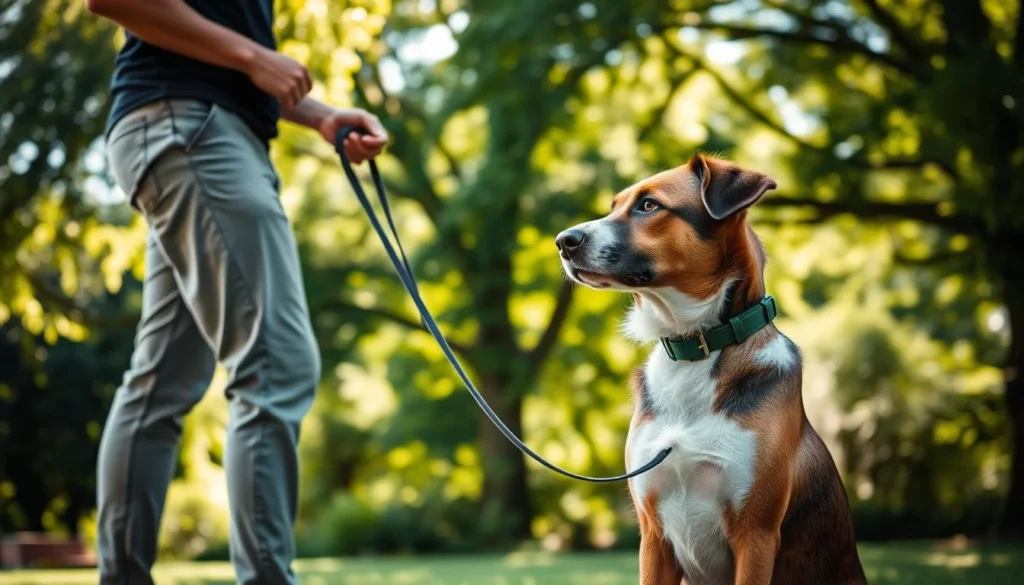
Then, I focus on small steps to assess their comfort. If my dog has bitten before, I use a muzzle and controlled exposure. I keep sessions short and positive to build confidence.
I set clear goals for public behavior before we go out. Instead of a vague goal, I aim for specific actions. These include walking on a loose leash and ignoring other dogs.
When picking places to go, I call ahead to check if they allow pets. I look for outdoor spots, pet stores, and dog-friendly breweries. I always follow leash laws and have a plan if my dog gets stressed.
Practical preparation makes outings easier. I take my dog out when they're not too excited. I give them a bathroom break and use treats to reward calm behavior.
I keep a checklist for each outing. It includes the goal, known triggers, rewards, and when to stop. This helps keep training focused and predictable for my dog. Choosing places that match their comfort level makes training in public safe and steady.
Mastering basic obedience before public outings
I start by mastering the basics at home. This gives me a strong foundation for when we go out. I focus on short, focused sessions to build confidence and consistency.
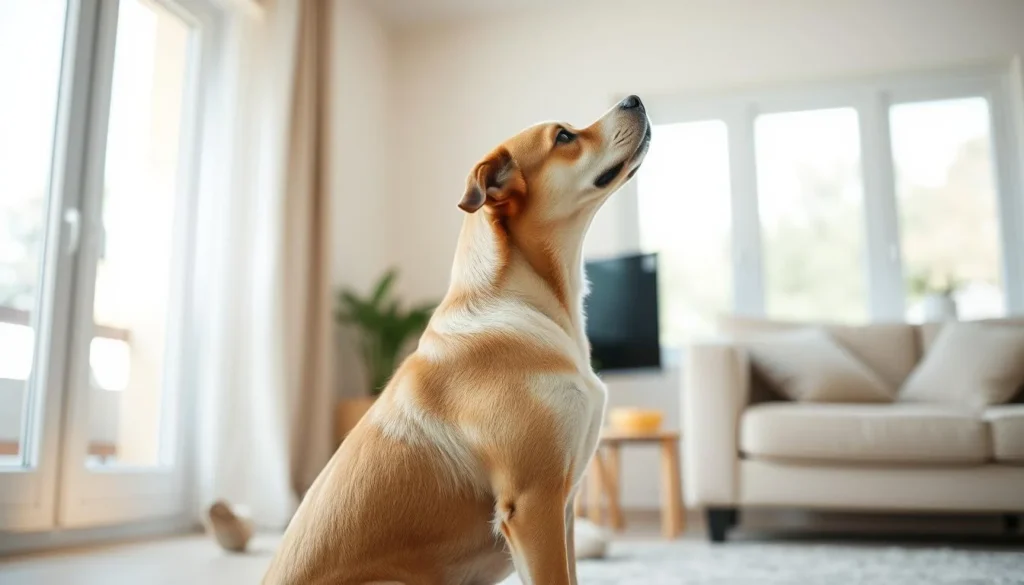
I make sure my dog responds quickly to cues, even with distractions. I break each skill into small steps and reward them right away.
Core commands to have solidified at home
I focus on key commands like sit, down, leave it, come, stay, and heel. Practicing these at home helps my dog learn without distractions. I do short drills after meals or when it's calm.
I use both low-value and high-value rewards to keep things interesting. I work on clear cues, leash handling, and timed releases. This makes responses smooth and predictable.
Teaching a portable “go to your bed” or mat behavior
I teach my dog to go to a mat using a towel, mat, or rug. I reward them for approaching, then for lying down and staying calm. I make the mat a positive place with treats and occasional chew toys.
I move the mat around the house, then to the car and quiet spots outside. I practice short sits on the mat in different places. This helps the cue work everywhere.
Building duration and reliability
I start with short stays and gradually increase the time. I use a clear release word and vary rewards to keep things interesting. This helps my dog stay calm and focused.
I take my dog on short outings, then gradually make them longer. I practice in different settings, like the yard, quiet parking lots, and parks. This helps build reliability without causing setbacks.
I keep training sessions short and frequent, often daily or three times a week. I use high-value treats, praise, and consistent cues. This keeps behaviors strong even when there are distractions.
Socializing dogs for public settings
I start by planning short, positive outings for my dog. These outings help them get used to new sights and sounds without feeling stressed. I keep these sessions short, under 15 minutes, to build their confidence and teach them to focus and recall.
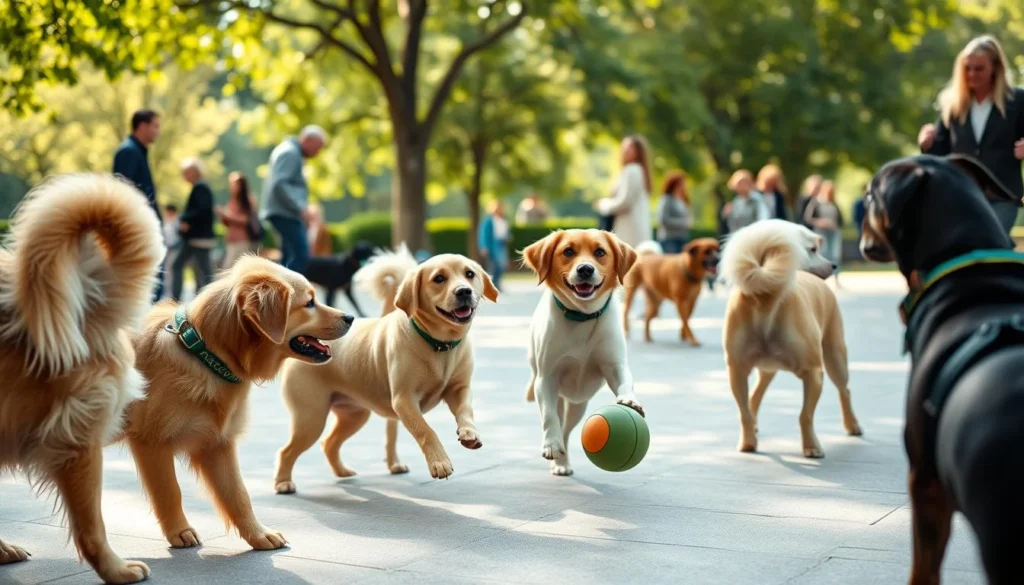
I introduce moving objects like carts and strollers from a distance. I use high-value treats to help my dog associate these new things with good experiences. I only take one step closer if my dog shows they are relaxed.
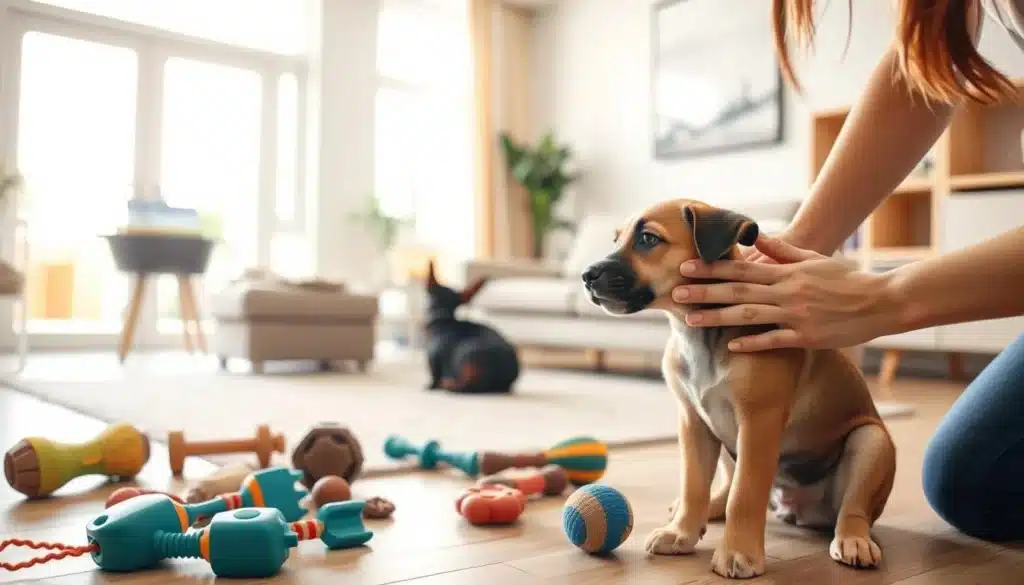
When I have a young dog, I follow specific tips for socialization. I expose them to different people, surfaces, and friendly dogs in a controlled way. Short, frequent sessions help them learn that new things are safe.
If a dog missed early social experiences, I use strategies for late-start socialization. I move slowly and use counterconditioning to change their emotional responses. Small steps over weeks lead to big progress.
I'm careful when it comes to dog-dog interactions. I only let them greet if I know they can be polite. In crowded areas, I keep the leash short and intervene if another dog looks tense.
I practice saying lines to strangers, like “My dog is in training; we’re not meeting right now.” I avoid petting if I think it might lead to jumping or overexcitement. If a child rushes in, I step between them and my dog and remove us if needed.
Below is a quick comparison to guide on-setting choices and goals.
| Scenario | Goal | Action | Timing |
|---|---|---|---|
| Busy sidewalk | Calm passing of people and objects | Keep distance, reward calm, progressively close | Short sessions, 5–15 minutes |
| Park with other dogs | Polite greetings or no greeting | Observe body language, permit greeting only if both dogs relaxed | Controlled introductions, 2–3 minutes each |
| Café patio | Settle on a mat beside me | Bring mat, high-value treats, practice “bed” at home first | Build duration over weeks |
| Puppy class | Positive exposure to people and sounds | Short supervised play, frequent breaks | Multiple short visits across weeks |
| Late-start socializing | Reduce fear and increase curiosity | Desensitization, counterconditioning, predictable rewards | Gradual program over months |
Training tools, equipment, and safety precautions
I have a simple kit for my dog to do well in busy places. The right gear and being aware of risks make outings better. Here's what I trust, what I pack, and how I stay safe.
Selecting leashes, harnesses, and collars
I use a 6-ft leash for control and to keep in touch. I avoid retractable leashes in crowded areas. For many dogs, I suggest the EasyWalk harness or Gentle Leader headcollar.
For strong pullers, I might use a Herm Sprenger prong collar with a trainer's help. Or a martingale collar for dogs that slip out of collars.
I test gear at home before taking it out. Comfort is as important as control. If unsure, I ask a certified trainer or vet for advice.
Packing a training bag for public outings
I have a bag ready for quick trips. It has a towel or mat, poop bags, treats, and a water bowl. I also carry a clicker and cash or an empty container for food spots.
I restock after each trip. This keeps my bag ready and lets me focus on training.
Hazard awareness and public safety
I check the area before letting my dog explore. I avoid chemical and fertilizer aisles and watch for dropped food. I look out for trash, broken glass, and spills.
I keep my dog focused and avoid strangers. I know local leash laws and carry vet contact and pet insurance details. Being prepared keeps us safe and makes training productive.
Practical training tips for loose-leash walking and focus
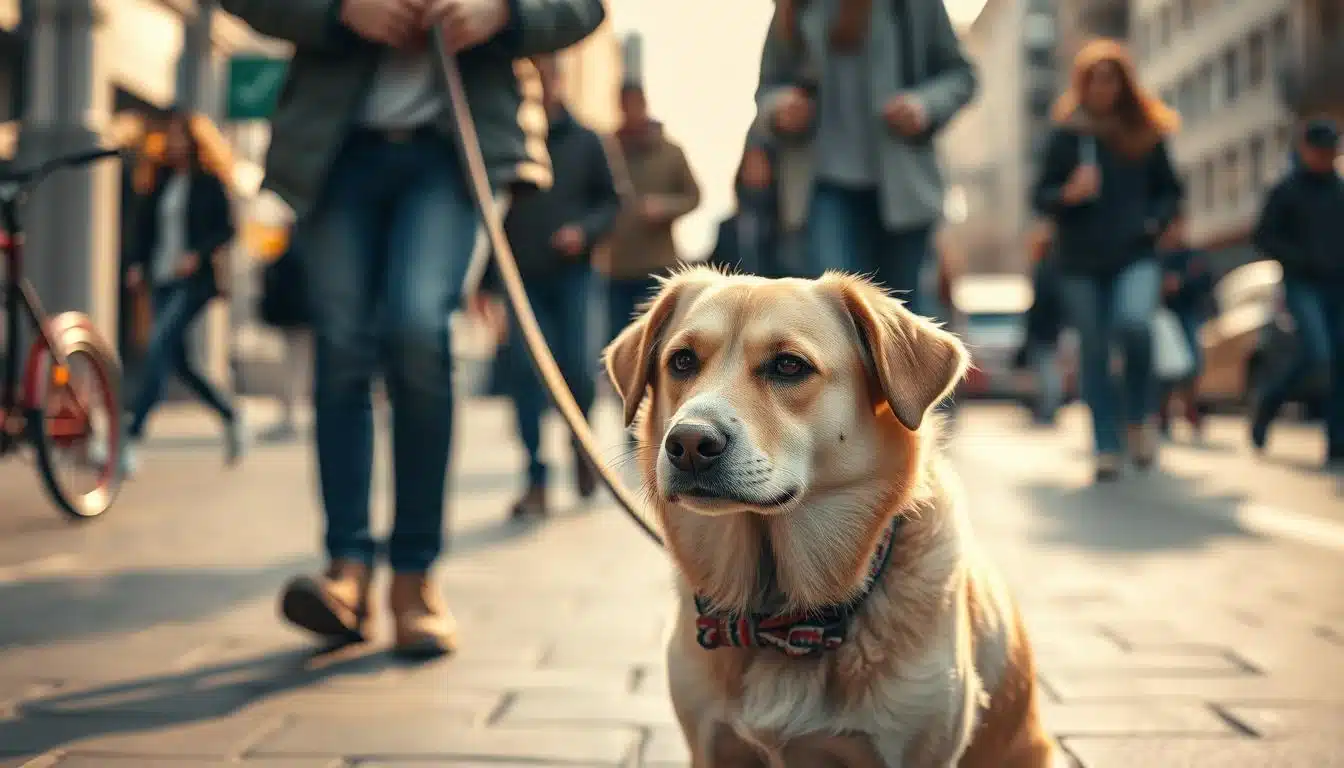
I break down leash manners into small, clear steps. Each success builds on the last. Start where your dog already feels calm, then move to slightly busier spots as the dog improves. Tiny progress prevents frustration and keeps practice positive.
I use simple drills like circle turns, U-turns, and short zig-zags. These discourage straight-line pulling. At home, I reward side-by-side walking, then take that drill to the front yard.
After the yard, I practice in a quiet park. Finally, I try a busier trail once the dog is reliable.
I focus on reinforcing dog attention and eye contact. While seated on a bench, I click or treat for each glance. Then, I reward longer check-ins. This teaches my dog to seek my guidance even with distractions.
For public practice, I keep sessions short and frequent. I aim for at least three 10-minute focused training sessions per week. When possible, I work daily in small bursts. One short outing per week to a new place helps generalize skills.
High-energy dogs do better after exercise, so I give them a quick run or play before a public session. I end every session on success, with praise and a treat. This makes the dog want more training.
Use a consistent cue and reward system so your dog understands what you expect. These practical training tips for public spaces help transfer loose-leash walking tips into real life. They support long-term focus and calm behavior.
Training schedules for obedient dogs work best when they mix repetition with variety. Keep sessions short, graduated, and predictable. This way, your dog learns to check in with you in any setting.
Managing excitement, reactivity, and overload in public
I keep a close eye on my dog during outings. This way, I can catch early warning signs and act fast. Small changes can keep us both calm and safe.
Spotting stress signs in dogs is key. I look for stiff posture, frozen stillness, and heavy panting. I also watch for barking, lunging, and loss of eye contact. These signs tell me it's time to give my dog space or use a cue to redirect.
Recognizing signs of stress or overstimulation
- I scan body language for tension in the neck and tail.
- I note changes in breathing and vocalization that signal discomfort.
- I track eye contact and avoidance to judge when to back away.
Strategies to reduce reactivity to dogs and people
- I use distance and high-value treats to countercondition. I reward calm behavior while a trigger is far away, then slowly reduce distance.
- I practice planned redirects like "look at me" and reinforce those cues on walks and at parks.
- I avoid forcing greetings. I politely decline interactions when my dog shows stress.
- I consider management tools such as a headcollar or a no-pull harness when reactivity is intense, and I seek a certified trainer from the Association of Professional Dog Trainers if needed.
When to exit and regroup
- I have a clear exit plan: ask for distance, cue a sit, or head to the car to regroup.
- If the environment becomes too busy or my dog shows escalating signs of stress, I end the visit and try a calmer time another day.
- I prioritize safety and the dog’s emotional well-being over persisting with a stressful outing.
Advanced public manners and certification paths
I want my dog to be calm in busy places. I start with short visits to quiet spots. Then, I move to longer outings.
I break each scenario into tiny steps. For a patio visit, I first reward my dog for settling on a mat at home. Next, I try a brief, low-traffic patio stop and reward calm behavior. Then, I add distractions like people standing or servers passing by.
Preparing for real-life scenarios like stores and patios
I practice tolerating brief handling at checkout and steady walking through aisles in Home Depot. I teach my dog to stabilize near wheeled carts and ignore sudden noises. Short, frequent rehearsals in low-traffic windows speed progress more than occasional long sessions.
AKC tests and structured certifications
I use formal goals to measure progress. The AKC Canine Good Citizen CGC offers clear steps that map directly to everyday manners. After CGC, I can aim for AKC Urban CGC and Community Canine for higher-level public skills. These certifications give objective milestones and helpful structure for training plans.
Hiring a trainer or joining a class
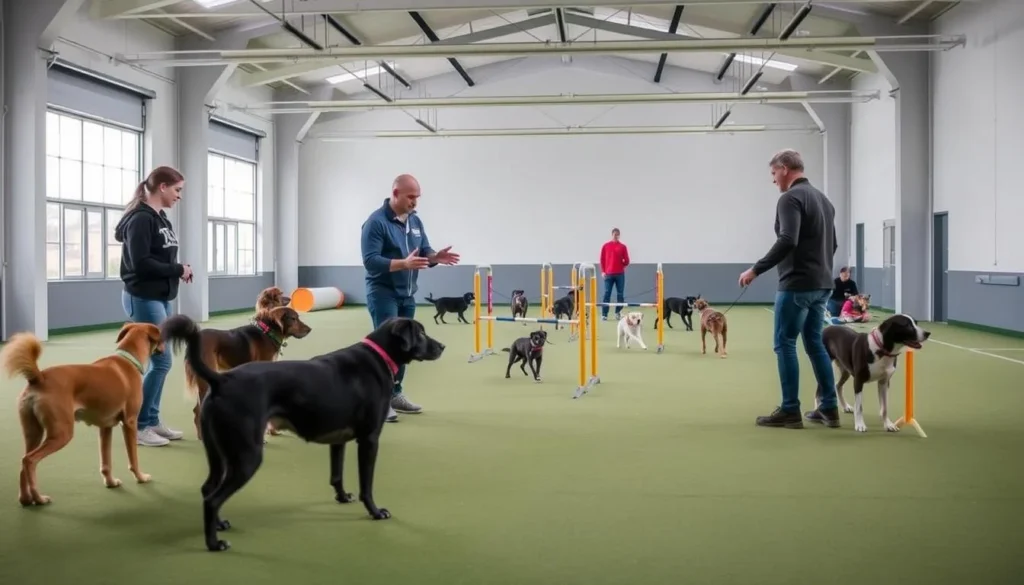
I often join group obedience classes to practice around distractions. Group work exposes my dog to varied surroundings while I get feedback. If I need tailored help, hiring a dog trainer gives one-on-one coaching and specific behavior modification. A good trainer spots subtle handler habits and suggests gear or routines that speed up success.
Maintenance, troubleshooting, and lifelong practice
I keep my dog's manners sharp by making practice a regular part of our routine. We do short refreshers a few times a week and go on outings to practice in real-life situations. I change the location and add distractions to keep the cues clear, no matter where we are.
When we hit a roadblock, we go back to simpler settings where my dog was doing well. We work on building up the time and use high-value treats as rewards. I focus on small victories to overcome any training setbacks.
I stick to a few reliable tools and routines for long-term success. I always carry a training bag with a Clicker by Karen Pryor, treats from Blue Buffalo, and a spare leash. We also do short training sessions during our walks to keep the cues fresh.
Keeping skills reliable
- Short, focused drills three times weekly
- One full real-world outing per week to generalize behavior
- Rotate parks, sidewalks, and cafés to vary distractions
Troubleshooting common setbacks
- Regressions: return to the last successful level and rebuild duration
- Low motivation: upgrade rewards to cooked chicken or commercial high-value treats
- Persistent reactivity or escape risk: consult a certified professional like an APDT trainer or a veterinary behaviorist
Tools and routines for long-term success
- Keep a training bag stocked with treats, toys, waste bags, and spare collar
- Plan outings when crowds are lighter and exercise before you leave
- Use management: pick quiet times, have an exit plan, and reassess equipment as your dog ages
I see obedience as a lifelong journey for my dog. Regular check-ins with a trainer, CGC refreshes, and consistent exposure keep our skills sharp. This approach makes our outings more enjoyable for both of us.
Conclusion
I've outlined a clear plan for training my dog to behave in public. First, I assess my dog's temperament and set realistic goals. Then, I build solid obedience at home.
I introduce public stimuli slowly and choose pet-friendly spots. I also use the right gear to keep outings safe and predictable.
My plan includes focused manners training for pets. This includes loose-leash walking, a reliable “place” cue, and short attention drills. I manage excitement and reactivity with distance and counterconditioning.
Small, frequent practices help skills generalize to real environments. If I want deeper validation, I can explore AKC or local certification courses, or hire a skilled trainer for targeted work.
Training is ongoing—start small, be consistent, reward eye contact, and accept occasional setbacks as part of progress. With patience and these practical steps, dog training for social situations becomes achievable.
I'll keep routines, refresh skills regularly, and enjoy calmer, more confident public outings with my dog.