I still remember the first time a neighbor's dog lunged at mine on a walk. My heart hammered, my voice shook, and for a moment I felt helpless. That fear stuck with me and drove my search for answers about how to train aggressive dogs without making matters worse.
Over the years I’ve learned to put safety first. I rule out medical causes and favor reward-based methods. Experts like Michael Baugh and organizations such as BC SPCA emphasize shifting from suppression to true behavior change. They use high-value treats, praise, and gradual exposure so triggers predict good outcomes.
This guide lays out a clear, humane path. It explains why aggression and reactivity differ and how to set realistic goals. It covers practical safety strategies and step-by-step behavior modification. I’ll explain when to seek veterinary or professional help and how to work toward lasting results.
Key Takeaways
- Start with safety and a veterinary check to rule out medical causes.
- Use reward-based techniques to change emotional responses, not punishment.
- Begin training in low-stress settings and increase challenge slowly.
- Muzzles and management tools are acceptable when they keep people and dogs safe.
- Seek qualified, reward-focused professionals for complex or high-risk cases.
Understanding dog aggression and reactivity: causes and differences
I help owners understand and solve problem behaviors. First, I sort behaviors into two groups: reactive responses and true aggression. This helps decide on safety and training methods.
Defining aggression versus reactivity
Reactivity is when a dog gets very excited and acts out, like barking or spinning. It's often because of something normal, like someone walking by.
Aggression is more serious. It's when a dog acts to scare someone away or to protect something. This can include growling, snapping, or biting.
Common causes: fear, frustration, resource guarding, territorial and protective aggression
Fear is a big reason for aggression. Dogs may act out to avoid something they see as threatening. I look for signs of fear and past scary events.
Frustration happens when a dog can't get what it wants. This can lead to acting out, like when a dog can't get to something it wants.
Resource guarding is when a dog protects food, toys, or a place to rest. Territorial and protective aggression is when a dog defends its family or space. Pain can also cause aggression, so a vet check is important.
Why understanding motivation matters for training
Knowing why a dog acts helps choose the right training. For fear, I use methods that change how the dog feels, not just stop the behavior. This is how to train dog aggression effectively.
For frustration, we manage the situation and teach new behaviors. If pain is the cause, we start with medical treatment.
Understanding the reason helps set realistic goals and safety steps. It also makes training more effective and prevents bad habits from forming.
| Problem | Common Signs | Primary Approach |
|---|---|---|
| Fear-based | Freezing, growling, retreat, avoidance | Desensitization and counterconditioning to change emotional response |
| Frustration | Leash pulling, lunging toward barrier, redirected snapping | Management, structured exercise, impulse control training |
| Resource guarding | Stiffening, guarding, growl at approach | Controlled trading, gradual acceptance training |
| Territorial/protective | Alert barking, charging windows or doors | Boundary management, desensitization, alternative behaviors |
| Pain-related | Sudden aggression, guarding of body, behavior change | Veterinary exam, treat pain, then behavior plan |
how to train aggressive dogs
I start with a safe, step-by-step plan to train aggressive dogs. Changing behavior takes time. I set small, achievable goals to track progress.
Safety is my top priority. I use tools like muzzles and secure leashes to keep everyone safe. I teach owners to read their dog's body language and avoid stressful situations.
I work with vets to check for medical issues before starting training. Pain can make dogs react aggressively. A vet's advice on medication can help the training process.
For tough cases, I hire certified professionals. They use positive methods like desensitization and counterconditioning. This approach avoids punishment and dominance.
I focus on changing behavior, not just suppressing it. Tools that just quiet a dog can lead to relapse. I teach calm behaviors to replace aggression.
I follow a three-step plan: management, positive behavior modification, and teaching new behaviors. Medication is used only to help learning. Consistency and daily practice are key to success.
For dog-to-dog aggression, I adjust training to the dog's comfort level. I reward them for calm behavior around other dogs. Celebrating small victories keeps owners motivated during the slow process.
Initial safety and management strategies to prevent escalation
I start by making the environment predictable for my dog. This lets them learn without fear. I plan routes to avoid busy areas and walk at quiet times. Keeping triggers out of reach helps my dog learn early successes.
Environmental management and avoidance
I arrange the home and outings to reduce confrontations. I block access to the fence line to cut down on territorial lunging. I also set up baby gates to control room access and pick calm walking paths.
These steps are crucial when learning how to train aggressive small dogs. Small breeds can react strongly when surprised or cornered.
I avoid busy dog parks and crowded sidewalks while I work on behavior. This lowers stress and prevents rehearsing the problem behavior. I practice brief, controlled exposures where the dog is comfortable, then slowly raise the challenge over weeks.
Use of muzzles, harnesses, and other safety tools
I use gear that keeps people and dogs safe while I train. A front-clip harness or head halter gives me better steering without pain. I prefer a properly fitted basket muzzle when risk is present; it protects everyone and lets me work on cues with less pressure.
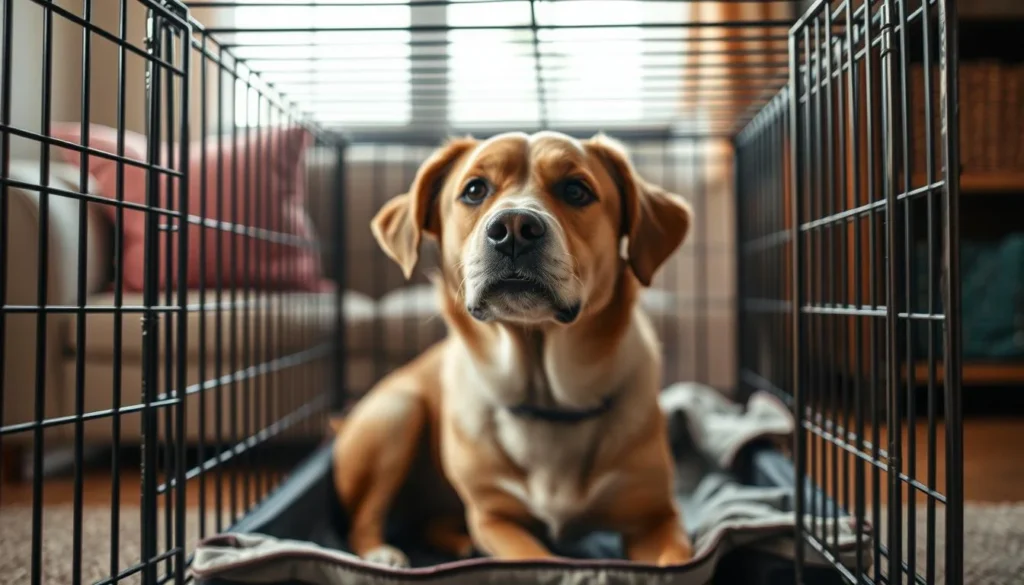
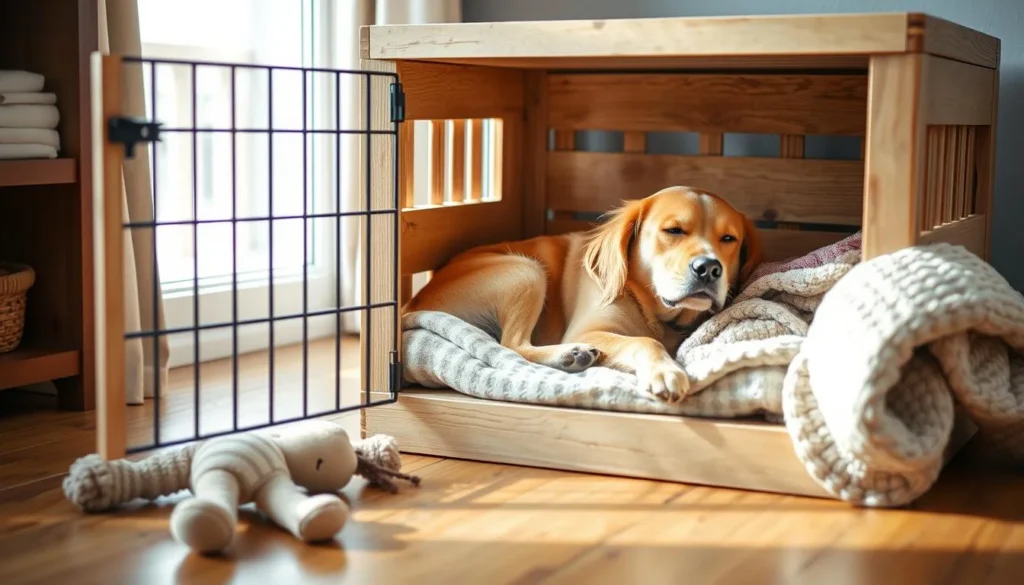
For home control, I use crates and gates for predictable management. I pair tools with reward-based work from trainers who follow AnimalKind standards. This approach supports progress and reduces the chance of setbacks.
Reading body language and early intervention signs
I watch for subtle signals so I can step in early. Lip-licking, yawning, staring, pinned ears, and body stiffening are early warnings. I change the dog’s focus at those first signs with a treat or a cue before shouting or pulling the leash.
When I catch a warning, I move the dog farther from the trigger, reward calm behavior, and note the distance that felt safe. Tracking this distance helps me measure progress and informs how to train aggressive dogs towards other dogs in realistic steps.
- Plan routes and times to avoid triggers
- Use front-clip harnesses or head halters for control
- Employ basket muzzles when risk requires it
- Set up barrier training to reduce fence reactivity
- Watch for subtle body language and intervene early
These management steps create the space I need to practice safe, structured training. They form the base for working on how to train dog aggression and refine methods for how to train aggressive small dogs over time.
Positive reinforcement principles and setting your dog up to succeed
I teach owners to use reward-based methods for training aggressive dogs. Punishment might stop a behavior, but it can also increase stress and distrust. Instead, I focus on steps that replace unwanted reactions with calm, rewarded alternatives.
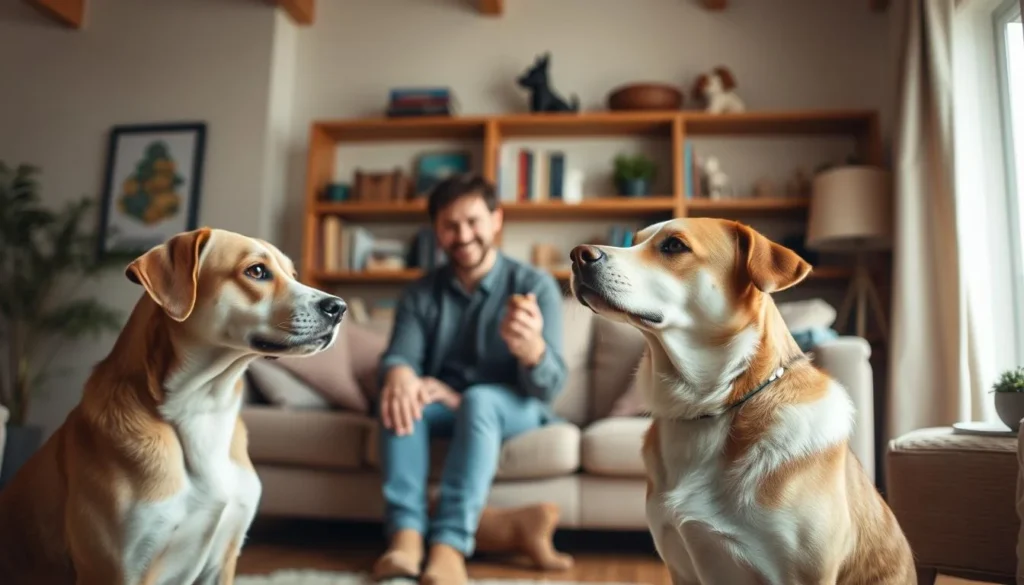
Following scientific advice and recommendations from groups like the BC SPCA, I prefer humane, reward-based training. When teaching clients, I show them how rewards build new habits and safer responses. This approach trains the dog to choose better behaviors because they feel better.
Creating successful training scenarios and gradual progression
I start exercises when the dog is calm. Begin far from the trigger to keep the dog relaxed. Reward any calm behavior, like looking away or showing loose body posture. Repeat these exercises in short sessions.
As the dog gets better, slowly increase the challenge. Add real-life distractions only when the dog succeeds at the current step.
I use the doorbell example to teach the dog to go to a mat when it rings. Start with high praise and chicken rewards. Then, add realism gradually. This method shows how to change what the dog expects when a trigger occurs.
Choosing the right rewards and timing
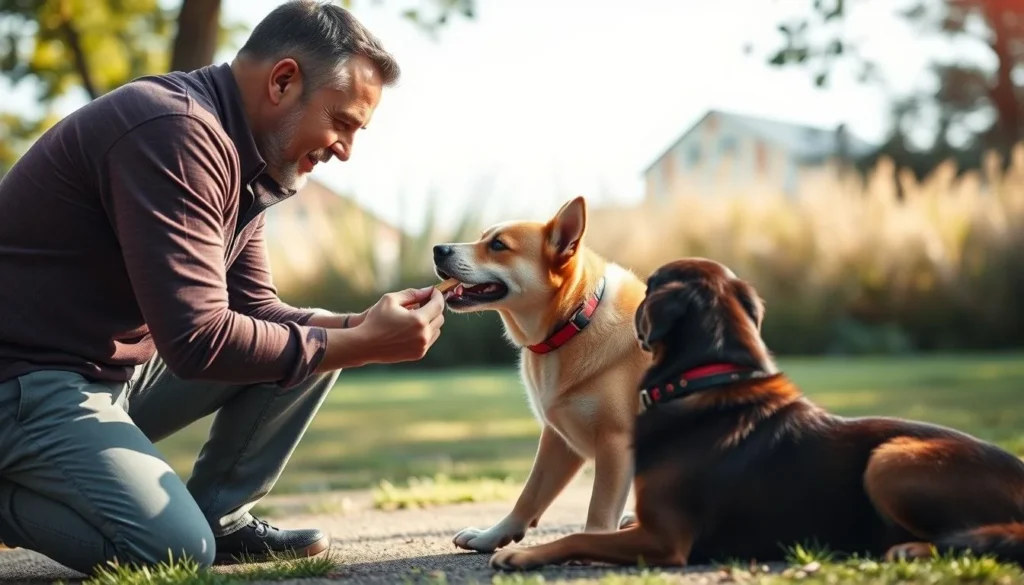
High-value treats like cooked chicken or small cheese cubes work best for quick changes. Timing is key. Reward within 0–2 seconds of the desired response. This links the action to the outcome.
Reinforce small steps, then fade treats into occasional rewards and praise. I advise owners to work with a vet or a certified trainer if needed. Consistency, short daily practice, and ending on a positive note keep progress steady. These methods are key to training against dog aggression without causing new issues.
Behavior modification techniques: desensitization and counterconditioning
I use desensitization and counterconditioning to change how a dog feels about triggers. These methods work best when paired with solid management and reward-based training. I aim to keep the dog below its reactivity threshold so learning stays calm and predictable.
I start by setting clear, measurable goals for each session. Short sessions with high-value rewards help the dog form new associations. I keep records of distance, intensity, and reactions to track steady improvement.
Counterconditioning to change emotional responses
I pair the trigger with something the dog loves, like small pieces of cooked chicken or a favorite toy. The idea is to swap a negative emotional response for a positive one. I present the trigger at a comfortable level while delivering rewards the moment the dog notices the trigger but stays calm.
I avoid flooding the dog with intense exposure. I adjust timing so the reward arrives quickly and consistently. Over repeated sessions, the trigger predicts good things instead of stress. This teaches the dog a new emotional response to previously frightening or arousing cues.
Systematic desensitization: gradual exposure steps
I break down the trigger into tiny, manageable steps. For example, if a dog reacts to other dogs, I start at a distance where the dog remains relaxed. I decrease distance in small increments only after calm behavior repeats across sessions.
I vary context and environment so the dog learns the new response beyond a single location. I use tools like long lines, muzzles, and controlled park settings when necessary to keep everyone safe while progressing.
Measuring progress and when to increase difficulty
I keep a session log and track three metrics: latency to reaction, duration of calm, and number of reinforcements needed. I use a simple threshold rule: only raise difficulty when the dog shows calm behavior across multiple sessions at the current level.
I increase challenge in small steps and watch for reliable performance before advancing. If the dog regresses, I return to the last successful level and rebuild consistency. This prevents setbacks and supports steady gains when learning how to train aggressive dogs and how to train dog aggression.
| Measure | What I record | When to progress | Common adjustment |
|---|---|---|---|
| Distance | Exact feet/meters from trigger where dog stays calm | Calm response across 3 sessions | Move 1–3 feet closer or shorten time between exposures |
| Latency to reaction | Seconds until first sign of stress or alert | Latency increases consistently over sessions | Lengthen exposure slightly while keeping rewards frequent |
| Duration of calm | Seconds/minutes the dog remains relaxed during stimulus | Duration stable or improving in 3+ sessions | Maintain current level then introduce mild variation |
| Reinforcements needed | Number of treats or cues per minute to maintain calm | Fewer rewards needed to sustain calm | Shift to intermittent reinforcement and increase real-world practice |
When I work with dogs that have dog-directed aggression, I apply the same steps with careful spacing and controlled partners. This approach helps owners learn how to train aggressive dogs towards other dogs while keeping everyone safe. I recommend consulting veterinarians or certified behaviorists when progress stalls or when safety is a concern.
Teaching incompatible and alternative behaviors
I teach dogs what to do instead of what not to do. When a dog lunges or barks, I teach them a new behavior. This method works for all kinds of aggressive dogs.
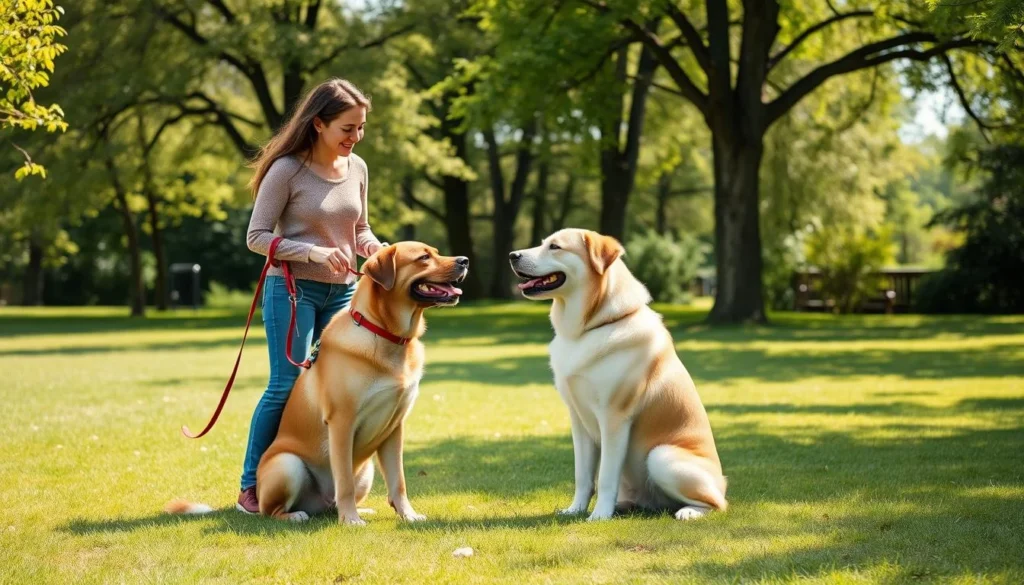
Look at me, place, and leave-it are my go-to commands. I start with a simple attention cue. I reward any glance and then work on longer focus.
For place training, I start with short times. I reward calm settling, then add more time and distractions. This makes the place command a safe spot for dogs.
I use walking drills to teach new leash behaviors. I change direction and pace, rewarding calm attention. Parallel walks help dogs see other dogs without stress.
My practice drills follow a clear progression:
- Watch me from increasing distances, starting very close and moving out gradually.
- Place/stay with stepwise duration increases and brief returns to reinforce success.
- Walk-and-turn drills that reward orientation to me instead of the trigger.
- Parallel approach sessions that move closer only after consistent calm responses.
I start with continuous rewards. Then, I switch to variable rewards to make the behavior consistent. This helps dogs learn in different places.
When teaching small aggressive dogs, I use smaller rewards and distances. Small breeds can get overwhelmed quickly. Short, frequent sessions and clear rewards help them progress.
To help owners manage aggressive dogs, I suggest management techniques. Muzzles, safe distances, and exits keep everyone safe. For severe aggression, I recommend a reward-based trainer to tailor training.
Addressing specific scenarios: aggression towards people and other dogs
I help owners create safe plans for risky situations. I start with keeping a safe distance and managing the environment. My goal is to change how the dog feels when they see a trigger.
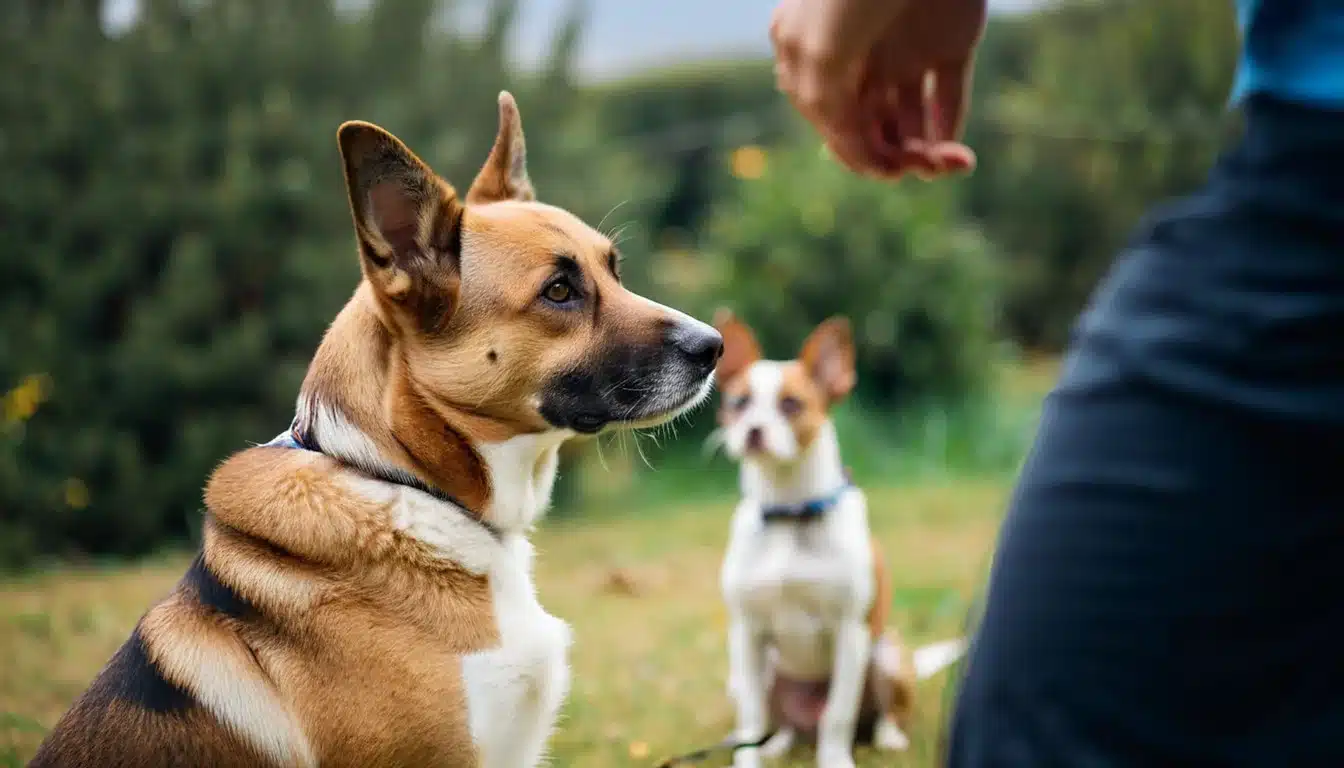
I set up controlled environments for dog interactions. Parallel walks at a safe distance help the dog succeed. I add short, frequent sessions to teach new associations.
How to train aggressive dogs towards other dogs
I start with strict management and a gradual exposure plan. I reward calm behavior and only increase proximity when the dog remains calm. I build tolerance and teach new behaviors.
Reducing fear-based aggression toward people
I make people predictable to help dogs feel safe. I have strangers toss treats instead of approaching directly. I watch for signs of stress and intervene early.
Strategies for small dogs and size-related challenges
Small dogs often show defensive aggression. I teach handlers to manage close interactions and use barrier training. I also recommend muzzle training and professional help.
I stress the importance of owner education and consistent practice. I remind owners that medication can aid in training, but it's not a replacement for behavior change. My approach focuses on safety, emotional change, and skills for everyday use.
When medication or professional intervention is needed
I always start by saying to check for medical issues first. Problems like pain, hormonal imbalances, and brain issues can cause sudden behavior changes. Before we talk about training, I suggest a full vet check-up. This includes checking for pain and basic blood tests.
Medicine can help if a dog is too stressed to learn. I tell people that medicine helps, but it's not a fix-all. With a vet's help, it can reduce stress. This lets a dog learn to be calmer.
For tough cases, I team up with experts. We have certified pros like IAABC consultants, CCPDT trainers, and DACVB vets. Working together helps us find the best way to help dogs and their owners.
Here's what I do and what I suggest:
- Get a vet check to rule out health problems.
- Use medicine only if a vet says it's okay and has a plan.
- Pair medicine with a behavior plan from a certified expert.
- Choose trainers who use positive methods for slow, steady progress.
For dog-to-dog aggression, we create special plans. These plans focus on what triggers the aggression and teach social skills. Learning to manage dog aggression towards other dogs needs careful steps, clear goals, and teamwork.
I keep track of how the dog's behavior changes and how the medicine works. Regular checks help us decide when to adjust the plan. This way, we can help owners get better, safer results over time.
Measuring progress, troubleshooting setbacks, and long-term maintenance
I track small wins and data to guide every step when I work on how to train aggressive dogs. Consistent notes help me spot trends in distance, latency, and intensity. I celebrate longer calm periods, shorter reactions, and reduced barking as real progress.
Tracking behavior data and small wins
I keep a simple behavior log with the date, context, distance to triggers, intensity scores, and rewards used. This lets me measure change over weeks instead of relying on memory. I record one clear goal per session, like extending calm by five seconds or adding two feet of distance.
I use a short checklist after each outing: calm duration, number of reactive events, reward consistency, and any medical signs. That checklist maps directly back to strategies I try when learning how to train dog aggression out of a dog.
Common setbacks and how I troubleshoot them
Setbacks often stem from pushing distance too fast or inconsistent reinforcement. I stop increasing challenge when I see regression. I scale back to a proven step and rebuild small successes.
Unmanaged medical issues can mimic behavior relapse. I consult my veterinarian at the first sudden change. If a pattern repeats, I share my log with a certified trainer or veterinary behaviorist for targeted adjustments.
When reactive behavior escalates because attempts to create distance repeatedly fail, I change the approach. I add stronger management tools, reset the context, and focus on repeatable, low-stress wins. This method supports long-term learning about how to train against dog aggression.
Maintaining gains: ongoing practice and socialization
Maintenance requires ongoing practice in varied settings. I schedule short, regular sessions that reinforce alternative skills and generalize calm responses. I keep management measures like muzzles and safe routes until gains are steady.
Socialization stays gradual and controlled. I expose the dog to real-life stimuli at low intensity, reward calm behavior, and slowly raise the challenge. That steady progression is what helps teach how to train against dog aggression without forcing risky confrontations.
I review logs monthly and adjust goals every four to six weeks. If progress stalls, I reduce difficulty, rebuild success, and bring in professional help when needed. My process focuses on consistency, safety, and measurable wins while I work on how to train dog aggression out of a dog.
Conclusion
To train aggressive dogs, start with a medical check to rule out pain. Then, set up a safe environment for training. Work with your vet and a reward-based trainer to create a plan.
This plan should use desensitization, counterconditioning, and teach new behaviors. Avoid punishment. Change comes from shifting the dog's emotional response.
Follow the advice of Baugh and BC SPCA for positive reinforcement and humane standards. For small breeds, the steps are the same. Assess health, manage the environment, and teach new behaviors.
Teach focus and place to reduce reactivity over time. There are no quick fixes for reactivity and aggression. They often need long-term behavior modification and, when needed, medication under vet supervision.
Track progress and troubleshoot setbacks with data. Commit to consistent practice for lasting gains. Training aggressive dogs is a patient, structured process.
With the right professionals, humane tools, and effort, most dogs can learn safer responses. Prioritize safety, seek expert support, and believe in the power of reward-based work for lasting change.