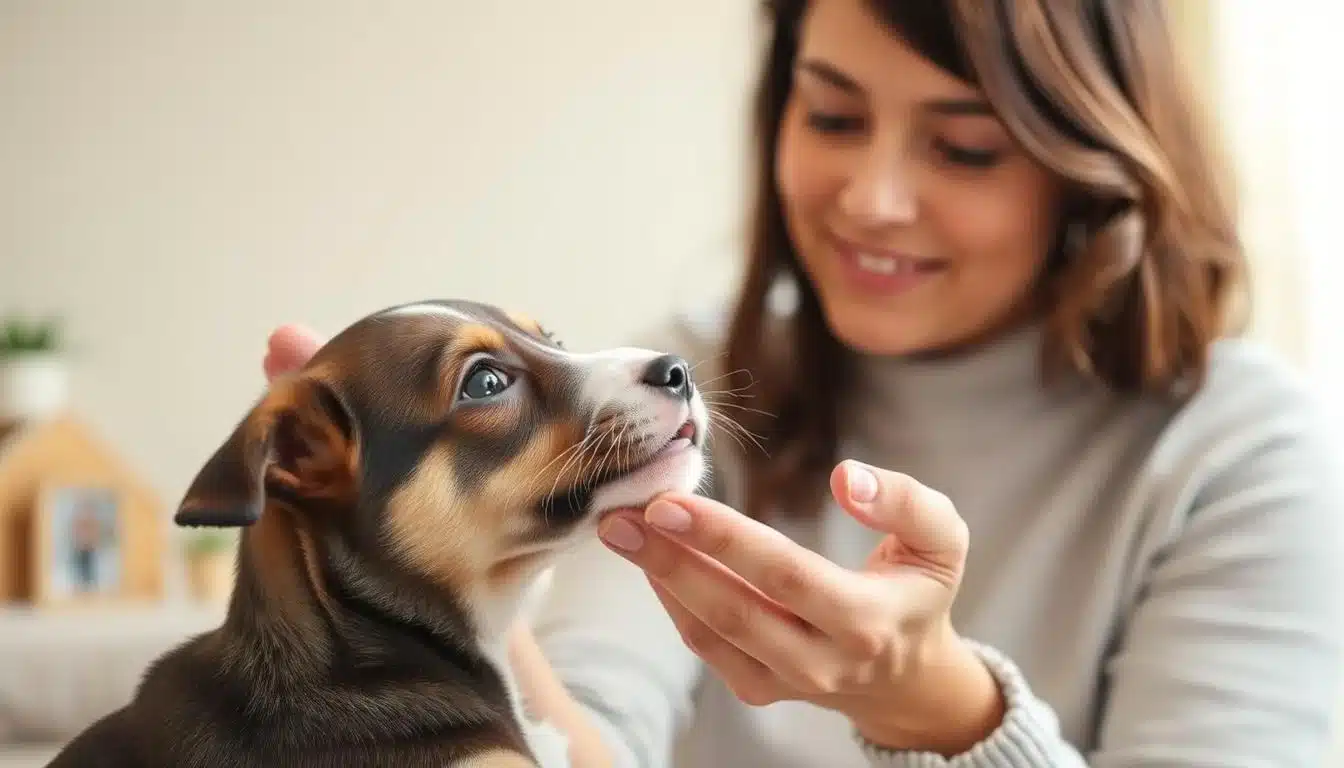
Bringing a puppy home was a joy, but it came with a challenge. Those tiny teeth were sharp and eager to play. It's natural for puppies to bite, but we need to teach them not to.
I learned that knowing why puppies bite and how to stop them is key. I found some great tips and solutions that helped. Now, our home is a safe and loving place for both of us.
Key Takeaways
- Understanding why puppies bite is crucial for training.
- Normal play biting is part of a puppy's development.
- Bite inhibition helps prevent serious injuries as the puppy grows.
- Positive reinforcement techniques encourage good behavior.
- Redirecting biting behavior with toys can be effective.
- Consistency in training is vital for success.
Understanding Why Puppies Bite
Puppies bite for many reasons that help them grow. One big reason is exploration. They use their mouths to learn about their world. This helps them understand what's around them.
Teething is another reason. Just like babies, puppies get sore when their teeth come in. They chew on things to feel better. Knowing this helps us find safe things for them to chew on.
Play is also a big part of biting. Puppies play rough with their siblings, using their mouths. This teaches them to be gentle, which is important for playing with others.
Seeing biting as play helps us react better. If we scold them, it can confuse them. It's important to teach them that human skin is softer than dog skin. This way, we can guide their energy and curiosity into good habits.
Normal Puppy Behavior and Play Biting
Watching my puppy play, I see what looks like chaos is actually important. Play biting is not just a bad habit. It's a way for puppies to learn about their world and friends. They figure out their strength and how to be gentle through these bites.
Playtime includes mouthing and light biting, which is normal at first. But as my puppy grows, I need to teach them limits. I let them play a bit rough to show it's okay, but not too much. This helps them learn to communicate and grow into well-behaved dogs.
Why Bite Inhibition is Important
Learning about bite inhibition is key for puppies and their owners. It helps ensure safe and fun interactions. Puppies learn to control their bite during play, shaping their future behavior.
The Concept of Bite Inhibition
Bite inhibition training helps puppies manage their bite force. Without it, a playful nip could become a painful injury. Puppies learn to gauge their bite pressure through interactions with humans and other dogs. A gentle mouth is vital for safe play and harmonious relationships.
The Role of Play with Littermates
Puppy play behavior is crucial for developing bite inhibition. Puppies learn that biting too hard stops play. If one puppy yelps, the game ends, teaching them to adjust their bite.
This lesson is a powerful form of puppy socialization. It teaches valuable communication skills early on.
How to Teach a Puppy Not to Bite
Teaching a puppy not to bite is a rewarding task. As a pet owner, it's key to teach them right behaviors. Two good ways are yelping to stop biting and using time-outs.
Using a High-Pitched Yelping Sound
Yelping when your puppy bites too hard works well. This sound is like saying "ouch" to a playmate. It's a quick way to stop the biting.
When I yelp, my puppy knows they might have hurt me. This makes them pause. Doing this often teaches them not to bite during play.
Implementing Time-Outs for Hard Bites
If yelping doesn't work, I use time-outs for hard bites. After yelping, I ignore my puppy or stop play. This shows biting too hard ends fun.
By patiently using this method, my puppy learns biting hard means no play. These steps help teach a puppy not to bite.
Redirecting Puppy Biting Behavior
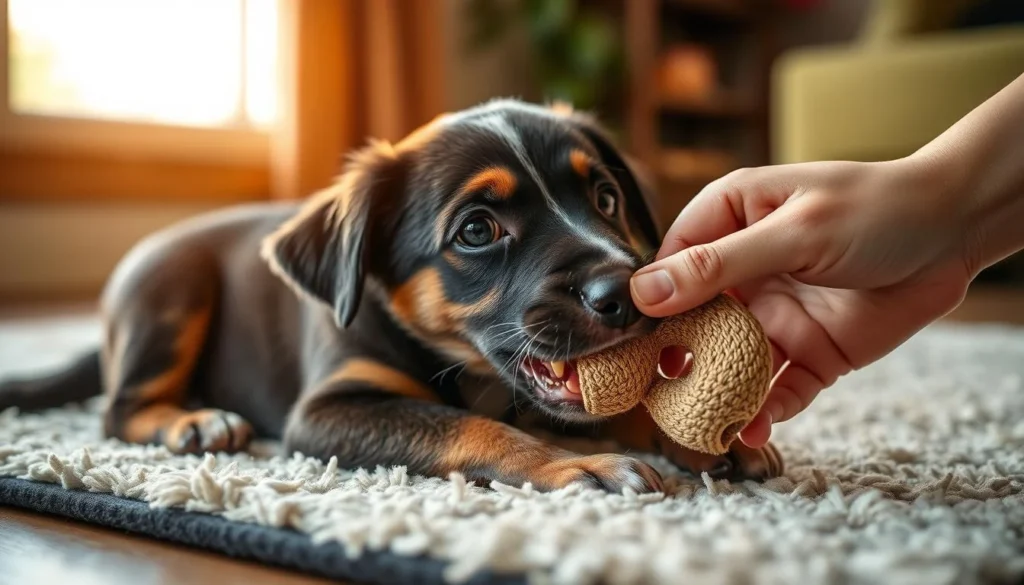
Redirecting puppy biting is key to better training. When my puppy starts to nip, I guide them to better behaviors. Giving them chew toys is a great way to do this. These toys keep them busy and teach them it's okay to bite toys, not hands or furniture.
Providing Acceptable Chew Toys
Having the right chew toys is important. They should be tough and safe. Some good choices are:
- Rubber toys for teething
- Stuffed toys for gentle chewing
- Interactive toys that give treats
When my puppy bites, I give them a toy. This makes them learn to chew the right things.
Offering Alternatives During Playtime
Playtime is a chance to teach them not to bite. Instead of biting me, I play games with them. This keeps them busy and happy. Some fun games are:
- Playing tug-of-war with a rope toy
- Playing fetch with a ball or frisbee
- Learning new tricks for treats
These games keep them focused and strengthen our bond. By giving them toys and fun games, I change their biting into playtime.
Positive Reinforcement for Biting
Teaching my puppy the right way to play is key. I use positive reinforcement to show them what's okay during play. This method helps them learn to play gently and strengthens our bond.
Praising Good Behavior
When my puppy plays gently, I praise them a lot. Saying "good job" and petting them shows them they're doing well. This helps them connect their actions with the praise, which is important for learning.
Using Treats to Encourage Soft Biting
Using treats for soft biting is a great way to teach them. When they play gently, I give them treats. This teaches them that soft biting is good and makes playtime fun.
With time and positive reinforcement, my puppy learns to play better. This makes our time together happier and healthier.
Understanding the Importance of Consistency
Teaching a puppy not to bite requires consistency in training. Every time you interact with your puppy, you must send the same message. This means everyone in the house should use the same training methods.
This approach helps the puppy understand what is expected of it. It makes it clear what behavior is okay and what isn't.
Consistency is key because dogs love routine. If they get mixed signals about biting, they get confused. This makes learning hard for them.
Setting clear rules and following them helps the puppy trust its humans. This trust makes training easier. The puppy feels safe to learn and grow.
Puppy Behavior Modification Techniques
Understanding the different levels of biting is key for puppy behavior modification. I sort these levels to match my responses. This method teaches the puppy right behavior while keeping everyone safe and comfortable.
Identifying Different Levels of Biting
Puppies show different biting behaviors, which I categorize. Knowing these levels helps me respond better. Here's how I break it down:
| Level | Description | Recommended Response |
|---|---|---|
| 1 | Gentle nips during play | Ignore and continue play |
| 2 | Moderate nipping | Yelp softly and pause play |
| 3 | Hard nips | Implement a short time-out |
| 4+ | Intense biting | Immediate time-out |
Gradually Reducing Bite Pressure
Reducing bite pressure takes patience and consistency. Every time my puppy bites softer, I praise and treat them. This way, I see improvement over time, helping in puppy behavior modification.
Preventing Puppy Nipping and Jumping Up
Stopping puppy nipping and jumping up needs careful planning and quick actions. Knowing how to control the environment and using good teething solutions helps a lot. This way, I can keep these behaviors in check during play.
Taking Precautions During Play
Setting up playtime with some rules helps a lot. I make sure my puppy knows what's okay and what's not. I pick safe play areas without distractions to stop jumping.
Playing calmly helps my puppy learn what's right. This way, they understand how to play nicely.
Using Frozen Treats for Teething Puppies
Frozen treats are great for teething puppies. They ease sore gums and take their mind off nipping and jumping. I use frozen fruits or puppy ice treats to help them.
These treats make playtime fun and safe. They prevent bites and jumps, making everyone happy.
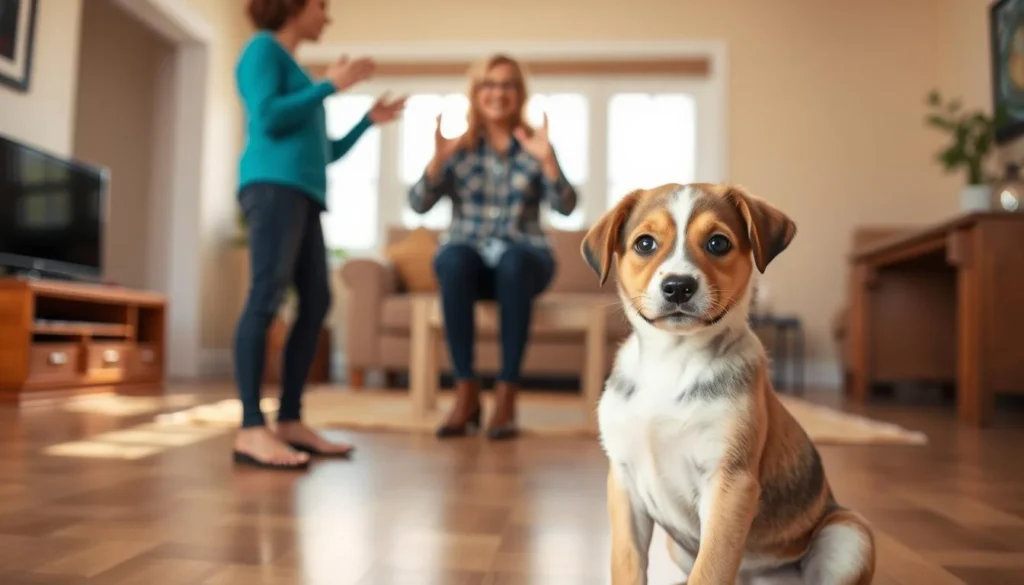
How to Manage Overexcitement in Puppies
Managing puppy overexcitement is key for dog owners. I focus on recognizing excitement signs to balance my puppy's environment. Signs include too much barking, jumping, or play. Spotting these cues lets me calm my puppy down.
Recognizing Signs of Overexcitement
Being alert to excitement signs in my puppy is crucial. Look out for:
- Barking loudly and often
- Restlessness or panting
- Jumping or too much movement
- Hard time focusing on commands
Creating a Calm Environment for Your Puppy
Using calming methods for puppies helps a lot. A peaceful setting makes them feel safe. Here are some effective strategies:
- Make quiet areas with soft bedding
- Do regular, moderate exercise to use up energy
- Play calming music or white noise
- Give them interactive toys to keep them focused and not bored
By using these methods, I create a calmer space. This not only improves my puppy's behavior but also strengthens our bond.
The Benefits of Puppy Classes
Putting my puppy in puppy training classes has been a great choice. These classes offer many benefits, especially in socialization. My puppy gets to meet other dogs, learn to play nicely, and understand how to act in different situations.
These classes teach both my puppy and me how to train effectively. They focus on introducing my puppy to new things early on. This helps my puppy feel more confident and less anxious in new places.
My puppy learns important skills through fun activities and gets lots of praise. Being around other pet owners makes the experience even better. Seeing my puppy grow and learn with others is very rewarding.
Understanding When Biting Becomes Aggression
As a dog owner, it's key to know when a puppy's bite is normal or aggressive. Spotting the difference early can avoid future problems. It's important to watch for puppy aggression signs in their body language and actions.
Identifying Signs of Fear or Frustration
I always watch for fear or frustration in my puppy. These signs often mean the biting is due to anxiety, not play. I look for behaviors like:
- Growling or snarling
- Stiffening of the body
- Prolonged biting with a tense posture
- Avoiding eye contact or hiding
These signs are key to spotting fear in my puppy. It's vital to tell play from aggression. If I see these signs, I know I need to act fast to keep everyone safe. Getting help from a professional trainer is often a good idea.
General Tips for Teaching Puppies
Setting clear rules is crucial in managing puppy biting. I use the same commands and expectations in every training session. This consistency helps a lot. I reward my puppy with treats and praise for good behavior. This creates a positive learning cycle.
Socializing my puppy is also key. It helps them get used to different situations. This makes training easier in the long run. The more experiences they have, the better they learn.
Positive reinforcement and consistent practices are essential. They help build good habits for life. I'm committed to raising a well-behaved puppy with patience and love.
Seeking Professional Help if Necessary
Dealing with my puppy's biting can be tough. Sometimes, it feels like I need help. That's when I turn to a Certified Professional Dog Trainer (CPDT). They know how to solve my puppy's specific problems.
Professional dog training gives me the tools I need. It helps me understand and fix my puppy's behavior. Knowing when to ask for help is key. Early action can stop small issues from getting worse.
Finding a certified trainer is not a sign of failure. It's a step towards success for both me and my puppy. The right trainer offers classes and one-on-one sessions. This way, my puppy learns in a supportive setting.
Conclusion
Teaching a puppy not to bite is all about understanding their natural behaviors and using different techniques. It's crucial to teach them bite inhibition for a well-behaved dog. By using consistent training and positive reinforcement, I create a safe and loving space for my puppy.
Looking back, patience and consistency are essential. Redirecting their attention and giving them the right chew toys helps a lot. If needed, getting professional help can make our training better and strengthen our bond.
My journey to teach my puppy not to bite is ongoing. With dedication and a positive attitude, I'm sure we'll have a great relationship without biting problems.