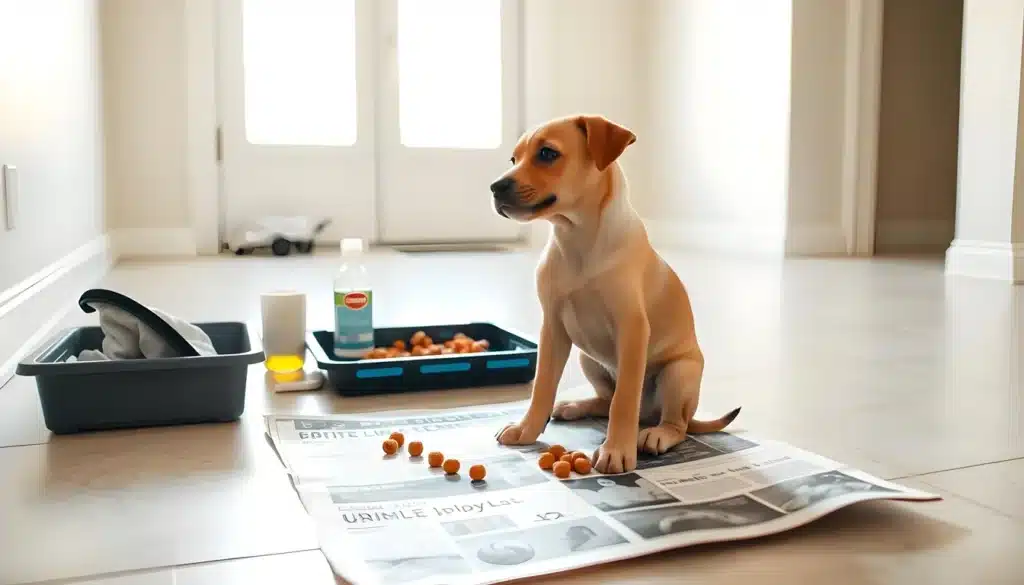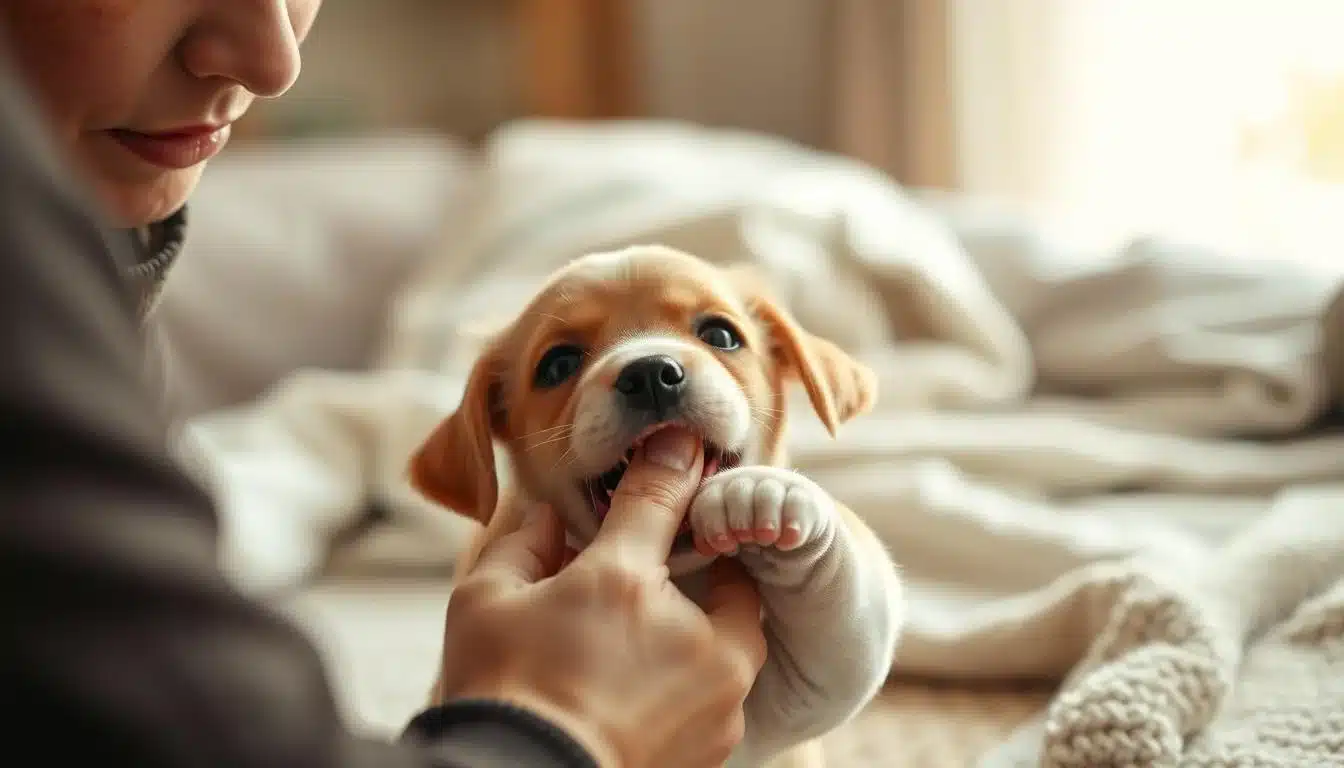
Getting a new puppy was incredibly exciting. Their little paws, wiggly tails, and endless energy brought joy to my home. But, I soon faced a challenge—puppy biting.
As they bit my hands and pulled on my clothes, I saw it wasn't just cute. It was a natural part of their growth. I knew I had to learn how to stop it, for both my sake and theirs. I wanted to teach them to control their bites during teething, so they'd grow into well-behaved dogs.
Key Takeaways
- Puppy mouthing is a normal behavior as they explore their environment.
- Teaching bite inhibition is crucial for future behavior.
- Addressing biting early can prevent aggressive habits later.
- Consistent training techniques are essential in managing biting.
- Puppy teething can heighten the need to chew and bite.
The Importance of Teaching Bite Inhibition
Teaching puppies to control their bites is key for safe play with humans and other pets. This skill helps dogs understand how hard they can bite. By teaching this, we make sure playtime is fun without any accidental injuries.
Learning to control their bites helps puppies know how their actions affect others. This is important for safe play and avoiding hard bites.
Understanding Bite Inhibition
Bite inhibition means a puppy knows how hard to bite. Puppies naturally mouth things to explore. Teaching them to be gentle is crucial during this time.
This skill helps prevent problems like aggressive play later on. It's important for their safety and well-being.
How Puppies Learn from Each Other
Puppies learn to bite gently from their siblings. When they bite too hard, their siblings will yelp and pull away. This teaches them to be gentle.
Watching and joining in puppy training tips helps them learn better. These early lessons shape their future behavior.
Recognizing Normal Puppy Behavior
It's key for pet owners to understand puppy behavior. Puppies often bite playfully, which might look aggressive at first. Knowing the difference in their behavior is important to avoid misunderstandings.
There are many signs, like body language and the type of bite, that show if a puppy is playing or showing aggression. This knowledge helps me keep interactions safe and positive.
Playful Mouthing vs. Aggression
Playful biting happens during games or when interacting with me. It feels like gentle nibbles, not painful bites. Puppies often wag their tails and have loose body language when they're playing.
But, signs of aggression in puppies are different. They might have a stiff posture, growl, or bite harder. It's crucial to recognize these signs to ensure a safe and positive interaction.
Why Puppies Chew
Puppies chew for many reasons. It helps with teething and is important for their development. Chewing lets them explore their world and can relieve boredom or stress.
Knowing why they chew helps me find the right ways for them to play. This way, I can tell the difference between playful and aggressive behavior.

Effective Techniques to Stop Biting
Stopping puppies from biting requires clear communication and timing. Two effective methods are using a high-pitched yelp and time-outs. These techniques help correct bad behavior and teach what's okay.
Using a High-Pitched Yelp
A high-pitched yelp can stop puppy biting fast. It's like a warning from a sibling when play gets too rough. When my puppy bites too hard, a quick yelp teaches them it's too much.
If that doesn't work, saying “Too bad!” shows them to be gentle. This way, I teach my puppy about play rules.
Implementing Time-Outs
Time-outs are another key to stopping biting. If my puppy bites too much, I take them away for a bit. This pause helps them see their actions are wrong.
Using time-outs often teaches them to play gently. It's all about being consistent to see results.
How to Stop a Puppy Biting
Training a puppy needs the right approach to stop biting. Each puppy is different, so we must tailor our training. This ensures we teach them in a way that works best for them.
Recognizing the Right Approach
It's important to know how my puppy reacts to different methods. Positive reinforcement is key. When they don't bite, I praise them or give a treat.
This helps them learn what's okay. Finding what they enjoy most helps too.
Consistency is Key
Being consistent in training is crucial. The same rules and commands help them understand. It's important that everyone in the family agrees on this.
This way, my puppy knows what to expect. With patience and effort, we can teach them not to bite.
Alternatives to Chewing on Humans
It's important to keep my puppy from chewing on me. Giving them the right chew toys is a great way to solve this problem. Knowing which chew toys are best for puppies helps manage their chewing.
Puppies love to chew, and it's key to give them safe options.
Providing Chew Toys
Using the right chew toys can change my puppy's focus from my hands. I give them different puppy-safe chews to keep them busy and happy. Rotating these toys keeps things interesting and prevents boredom.
Having high-value toys ready helps when my puppy tries to bite.
Engaging in Non-Contact Play
Playing with my puppy in ways that don't involve biting is also helpful. This keeps their energy and focus away from my hands. I play interactive games that are fun and don't involve biting.
| Type of Chew Toy | Benefits | Examples |
|---|---|---|
| Rubber Toys | Durable and safe for chewing | Kong Classic, Nylabone |
| Rawhide Alternatives | Good for dental health | SmartBones, dream bone |
| Soft Plush Toys | Comforting for gentle play | PetFusion, ZippyPaws |
Redirecting Biting Behavior
Redirecting puppy bites is key to teaching my pet right behavior. I introduce safe chew toys to show what's okay to bite. This keeps my hands and feet safe and sets clear rules.
Using toys instead of hands teaches my puppy the difference between play and biting. It's a way to show him what's right and what's not.
Substituting Toys for Hands
When my puppy bites my fingers, I grab a toy fast. This teaches him that toys are the right thing to bite. I pick chew toys that can handle his energy and keep him interested.
Deflecting Attention from Feet and Ankles
Puppies often bite feet and ankles because they're excited. I use toys to take his attention away. If he goes for my feet, I give him a squeaky toy or rope.
This teaches him to play with toys instead of my legs. Doing this often helps him learn better habits.
The Role of Positive Reinforcement
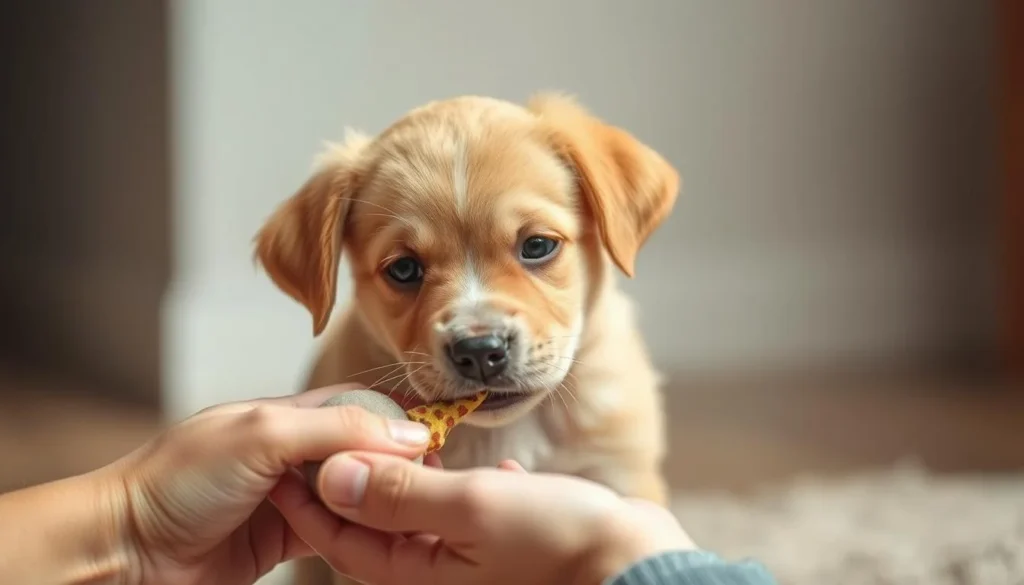
Positive reinforcement in dog training has been a game-changer for me and my puppy. It helps me teach him to be gentle. When he plays softly, I reward him with praise and treats. This makes him connect good behavior with positive results.
Praising Gentle Behavior
When my puppy plays gently, I praise him and give him treats. This shows him that being gentle is what I value. Using positive reinforcement, I'm helping him become a calmer puppy.
Encouraging Calmness and Quietness
I also reward my puppy for being calm. When he's quiet, I give him treats. This routine helps us both feel happier. It strengthens our bond and improves his behavior.
| Behavior | Response | Outcome |
|---|---|---|
| Gentle play | Praise and treats | Reinforces gentle behavior |
| Quiet moments | Treat rewards | Encourages calmness |
| Excessive barking | Ignored or redirected | Discourages unwanted behavior |
The Importance of Socialization
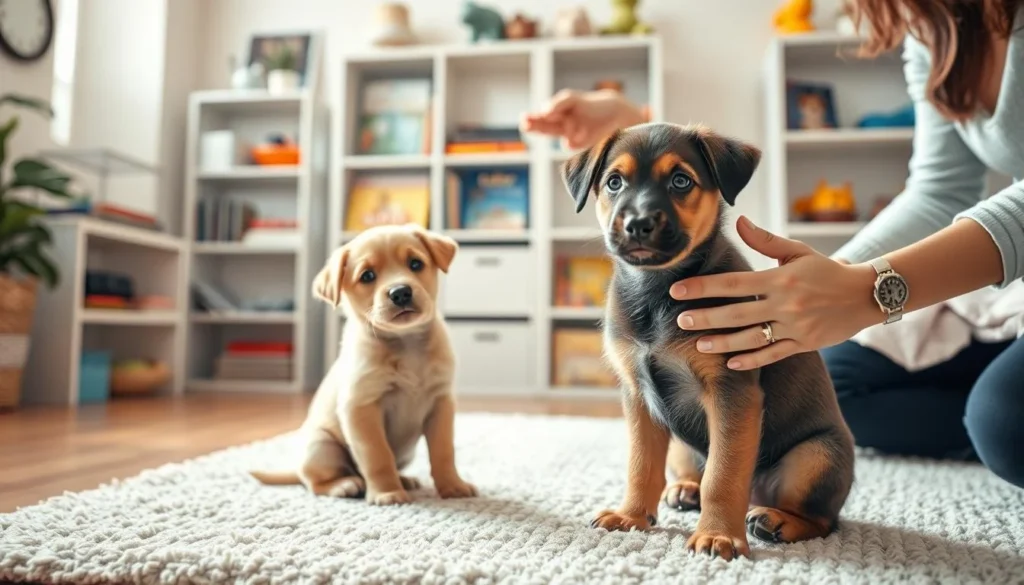
Socialization is key for puppies to become well-adjusted adult dogs. By enrolling my puppy in training classes, I opened the door to new experiences. This exposure to different environments and sounds helps them learn good behavior.
Regular meetings with other puppies and people teach them important social cues. This knowledge is vital for understanding what is acceptable in social situations.
Benefits of Puppy Classes
Puppy training classes offer more than just basic obedience. They provide a structured setting where puppies and their owners learn together. This environment fosters a sense of community.
Here are some key benefits:
- Encourages confident interactions with other dogs.
- Offers insights into effective communication and bonding.
- Helps in managing fear or aggressive tendencies through socialization.
- Allows for positive reinforcement through shared experiences.
Playing with Other Puppies
Supervised puppy play is vital for teaching them how to play nicely. It's a safe space for puppies to learn social skills. They learn to express themselves and interact politely.
My experience shows that regular play dates make dogs happier and more balanced. It's a win-win for everyone involved.
Managing a Biting Puppy’s Energy Levels
It's key to manage a puppy's energy to stop unwanted biting. Puppies are full of energy and need the right amount of exercise. Knowing the exercise requirements by puppy age helps prevent too much energy, which can lead to biting. Keeping a regular exercise plan helps my puppy stay calm and content.
Understanding Exercise Needs
Every puppy is different, needing the right amount of exercise based on age, breed, and personality. Young puppies have short bursts of energy, while older ones need more. Knowing this helps me give the perfect amount of activity to keep my puppy happy and not overwhelmed.
Here's a quick guide to help:
| Age of Puppy | Recommended Daily Exercise |
|---|---|
| 8-12 Weeks | 5-10 minutes of playtime, 3-4 times a day |
| 3-6 Months | 20-30 minutes of playtime, twice a day |
| 6-12 Months | 30-60 minutes of playtime, once or twice a day |
| 1 Year and Older | 1 hour or more of exercise, daily |
Offering Mental Stimulation
Mental stimulation is as important as physical activity for puppies. Toys, puzzle feeders, and training keep their minds busy and prevent biting from boredom. Games like scent work or hide-and-seek challenge their minds and keep them entertained. A mix of physical and mental exercises makes for a happier, less biting puppy.
Creating a Safe Environment
Keeping my puppy safe is key to teaching good habits and stopping bad ones. I use puppy-proofing to make a safe space. This way, my home stays safe, and my puppy has a comfy place to be.
Puppy-Proofing Your Home
Puppy-proofing means finding and removing dangers in the house. I start by tying up loose cables and hiding small things. I also pick furniture that can handle my puppy's chewing.
Using baby gates helps keep my puppy in certain areas. This makes it easier to watch him and keep things safe.
Creating safe areas for dogs helps them play without risk. I set up a cozy spot with toys and a comfy bed. This encourages my puppy to relax in a safe place.
Using Deterrents Effectively
When my puppy bites, I use deterrents to train them. Non-toxic deterrents like taste aversives help my puppy learn not to bite. These products taste bad and are used on furniture or play areas.
Over time, these lessons stick, making my puppy more disciplined.
Using Taste Deterrents
I choose safe, non-toxic deterrents for my puppy. Bitter apple sprays or cayenne solutions work well. They make my puppy not want to bite.
Consistency is key. Regular use during training shows my puppy what's not allowed.
Employing Behavioral Aversives
Behavioral aversives also help with biting. Stopping play suddenly teaches my puppy that biting is wrong. Using both taste deterrents and behavioral aversives helps a lot.
| Deterrent Type | Examples | Effectiveness |
|---|---|---|
| Taste Deterrents | Bitter Apple Spray, No Chew Bitter | High |
| Behavioral Aversives | Time-Outs, Ceasing Play | Moderate |
| Combination Approaches | Taste Sprays + Heel Command | Very High |
Building a Stronger Bond Through Play
Playing with my puppy is more than fun; it's key to our training. Play-based methods make learning fun and strengthen our bond. It turns training into a natural way for my puppy to learn, building trust and connection.
The Importance of Play in Training
Play makes training effective. Games excite my puppy, making them focus and learn better. Play-based training makes my puppy more eager and responsive. This strengthens our bond and encourages good behavior.
Fostering Positive Interactions
Play builds a strong relationship with my puppy. Fun games create a relaxed space for my puppy to be themselves. Activities like fetching or tug-of-war deepen our bond, showing my puppy I'm a reliable partner. These moments are crucial for a strong bond and necessary training.
When to Seek Professional Help
Training a puppy can be tough, especially when they keep biting. Sometimes, I might need to get help from certified dog trainers. They can give me the extra guidance my puppy needs.
Enlisting a Certified Professional Dog Trainer
Certified trainers create plans just for my puppy. They know how to fix problems that don't go away. Using their help means I'm using methods that really work.
Recognizing Signs of Aggression
Puppies can show signs of feeling scared or upset. Growling, snapping, or showing teeth are big warnings. If I see these signs, it's time to get help.
Talking to a trained professional is key. They can help control my puppy's aggression. This makes a safer place for everyone.
Conclusion
Managing puppy biting needs patience, consistency, and understanding canine behavior. This summary shows that teaching bite inhibition and using deterrents helps a lot. Positive reinforcement is key to teaching my puppy to behave right.
It's not just about stopping bad behavior. It's also about making my puppy's life fun and interesting. By using good training methods, I find ways to solve the biting problem. This also strengthens our bond.
Every little thing I do helps build a loving relationship with my puppy. With the right guidance and effort, I turn the tough times of puppy biting into chances for growth and friendship.