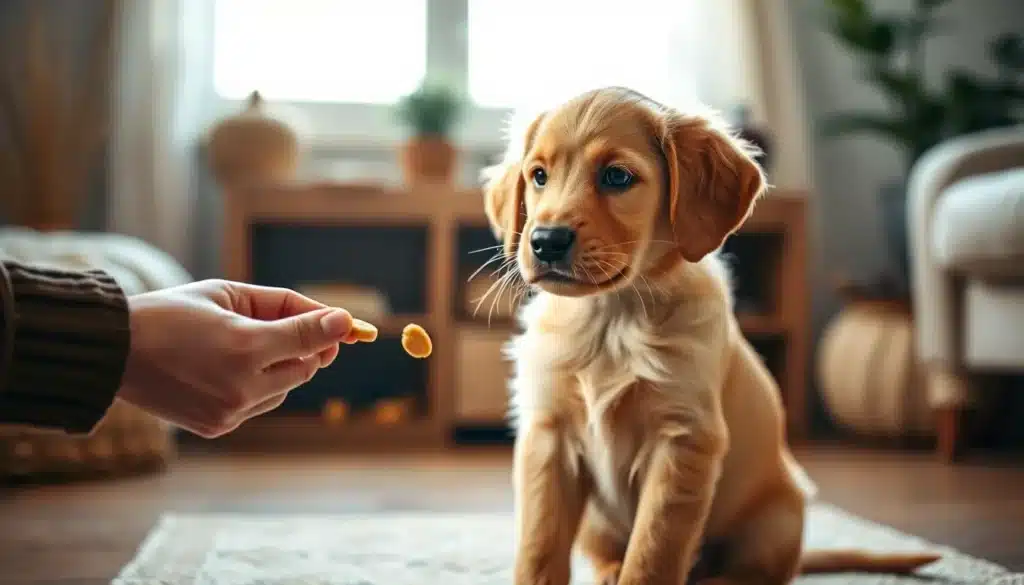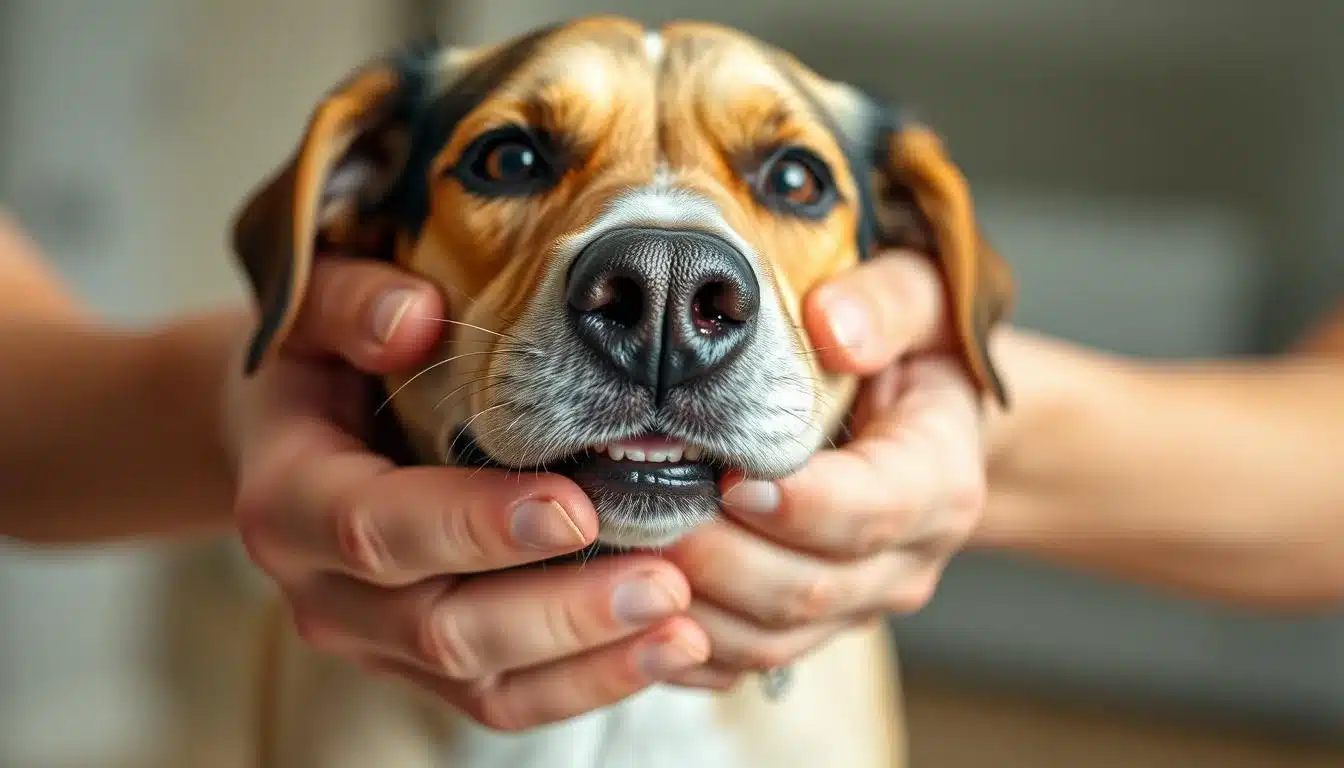
Have you ever been surprised when your dog nips or bites? It happened to me once in the park. I was playing fetch with my dog when he playfully nipped my hand. It was a moment of panic.
Understanding how to stop a biting dog is key for both our safety and well-being. Biting can cause serious harm, both physically and emotionally.
As a dog owner, it's important to address biting behaviors with patience and understanding. Training is crucial to avoid injuries. It's also important to manage behavior to ensure a safe and loving relationship. Let's explore how to stop a dog from biting, for a better future together.
Key Takeaways
- Understanding the reasons behind dog biting is essential for effective management.
- Implementing positive reinforcement can change biting behavior.
- Recognizing playful mouthing versus aggression helps in proper response.
- Teaching bite inhibition is crucial for a safe interaction.
- Creating a safe environment reduces the likelihood of biting incidents.
- Consider professional training when behavior issues persist.
Understanding Dog Biting Behavior
When I think about dog biting behavior, several factors come to mind. Dogs show different types of biting, from playful mouthing to serious aggression. Puppies often mouth things as they learn and explore.
Biting in dogs is linked to emotions like excitement, fear, or stress. Knowing the environment and what leads to biting helps us understand why dogs bite. Simple situations can turn into mouthing or biting if a dog feels scared or stressed.
Body language is key to understanding dog behavior. A wagging tail with tense muscles can mean a dog is both playful and aggressive. Paying attention to these signs helps dog owners better understand their pets' feelings.
| Type of Behavior | Description | Common Triggers |
|---|---|---|
| Mouthing | Gentle chewing or nibbling with no intent to harm. | Excitement, play, or exploration. |
| Playful Biting | A soft bite during play, usually accompanied by a wagging tail. | Engagement with other dogs or humans. |
| Aggressive Biting | Hard bites intending to assert dominance or defense, marked by a stiff posture. | Fear, territorial disputes, or stress. |
| Fearful Biting | Biting due to perceived threats, often accompanied by growling or backing away. | Strange environments, loud noises, or unexpected handling. |
Understanding dog behavior leads to better interactions and helps solve biting issues. My goal is to create a safe and empathetic environment for dogs. This knowledge is vital for reducing future biting incidents.
Is it Playful Mouthing or Aggressive Behavior?
Knowing the difference between playful mouthing and aggression is key for dog owners. By watching a dog's body language, owners can keep everyone safe. Dogs mainly talk through their body language. Spotting these signs helps tell if a dog is just playing or might be aggressive.
Recognizing Body Language Signs
When I check a dog's behavior, I look for certain signs. Playful mouthing shows a relaxed dog with a wagging tail. Play bows, where a dog lowers its front legs, mean they're ready to play.
But, aggressive behavior shows stiff body, raised hackles, and intense eyes. Growling or barking means the dog feels scared or defensive.
Distinguishing Between Play and Aggression
Telling play from aggression can be tricky. Playful mouthing is gentle and fun. Aggression, however, is biting with the intent to harm.
Watching how a dog acts with others helps me understand their signals. This knowledge keeps me and the dog safe. It also helps us have a better relationship.
Why Dogs Bite
It's key to know why dogs bite. Biting can come from many emotions and situations. Fear is a big one. A scared dog might bite to protect itself.
Excitement during play also plays a part. Dogs use their mouths to explore and play. This can look like aggression, but it's usually just fun.
Other reasons include anxiety and feeling protective of their space. Dogs might bite if they feel their family or territory is threatened. Knowing these reasons helps fix dog behavior problems.
Understanding a dog's past and surroundings helps manage biting. Training and socializing can make a big difference. This way, dogs and their owners can live safely together.

The Importance of Teaching Bite Inhibition
Teaching bite inhibition is crucial for my dog's safety and well-being. It helps them learn how hard to bite, reducing the chance of hurting people or other animals. This skill is key for safe and fun interactions, making it essential for dog owners.
Defining Bite Inhibition
Bite inhibition is about controlling how hard a dog bites. Puppies learn this during play, where they adjust their bite if it's too hard. This teaches them that being gentle is better.
Learning Through Play
Dogs learn best through play. They play with others or me, learning about bite inhibition. By offering safe play, I help my dog understand and practice this important skill.
How to Stop a Biting Dog
Stopping a biting dog needs patience and consistent guidance. Gentle play and time-outs can teach your dog boundaries. This makes training a positive experience for both of you.
Implementing Gentle Play Techniques
Allowing controlled mouth play during playtime is effective. It teaches dogs the difference between gentle and hard bites. If a bite is too hard, a sharp yelp signals it's not okay.
This mimics the feedback they get from their littermates. Gentle play makes your dog feel secure and teaches them what's acceptable.
Utilizing Time-Outs for Hard Bites
Time-outs are crucial for stopping biting behavior. If your dog bites too hard, pause the play and step away for a bit. This shows biting stops playtime.
Consistency is key in using time-outs. Repeating this helps your dog understand the rule over time.
Strategies for Addressing Puppy Mouthing
Puppy mouthing is a common issue for many pet owners, especially during play. To stop a biting puppy, we need to use strategies that redirect their energy. This helps them learn better habits and makes playtime fun for everyone.
Redirecting to Toys
Redirecting your puppy to toys is a great technique. High-quality chew toys satisfy their chewing urge and encourage good behavior. It's important to pick toys that are safe, durable, and interesting to your puppy. Engaging with them while they play helps keep their focus on the toys.
Here are some toys that work well:
- Rubber chew toys
- Soft plush toys
- Interactive treat-dispensing toys
Encouraging Noncontact Play
Encouraging noncontact play is another strategy. Games like fetch or hide-and-seek let your puppy play without biting. These activities help your puppy thrive and strengthen your bond. They also reduce mouthing behavior.
Here are some fun activities to try:
| Activity | Description |
|---|---|
| Fetch | Throw a toy and encourage your puppy to retrieve it. |
| Hide-and-Seek | Hide in the house and call your puppy to find you. |
| Tug-of-War | Use a sturdy rope or toy and encourage tugging without biting. |
Using these strategies helps manage your puppy's mouthing. Redirecting to toys and encouraging noncontact play are essential for teaching your puppy to play gently.
Teaching Your Dog to Be Gentle
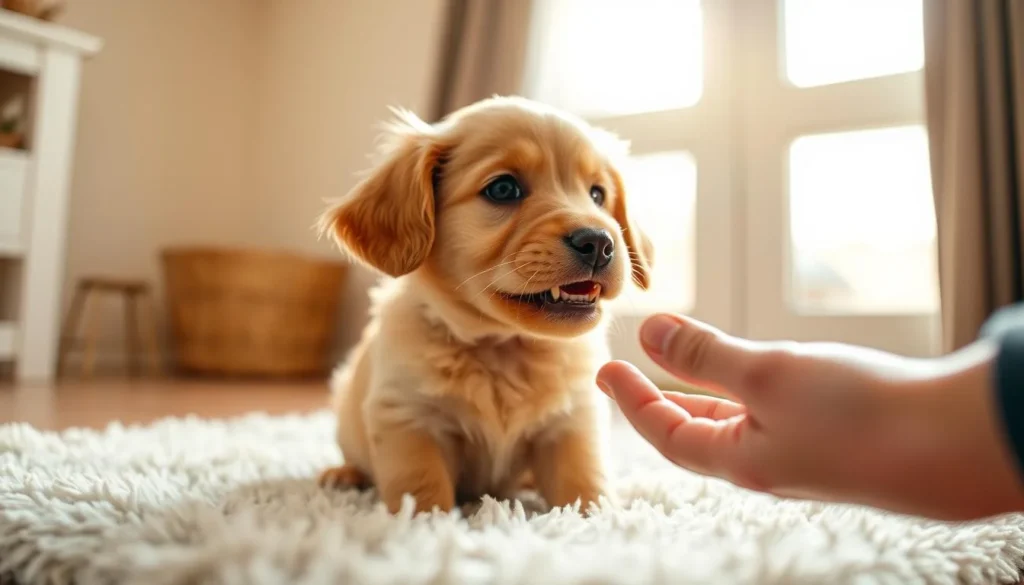
It's important to teach your dog to play gently for their safety and fun. Using certain techniques can help. Giving them feedback right away is especially important for learning play boundaries.
Using Yelps as Feedback
Using yelps to tell your dog they're being too rough works well. If they bite too hard, a yelp signals them to ease up. This sound helps them understand when to be softer. It's a big help in teaching them to play gently.
Establishing Gentle Play Rules
Setting clear play rules is key. I always remind my dog of these rules. Some rules are:
- No biting or nipping at any time.
- Gentle paws only during play.
- Taking breaks if play becomes too rough.
By sticking to these rules, my dog learns to play without biting. I praise and reward them for being gentle. This makes gentle play a positive experience for them.
Substituting Behaviors to Prevent Biting
Finding new activities for dogs can help stop biting. By giving them fun things to do, I can keep them from biting me. Giving them chew toys and playtime are great ways to do this.
Offering Chew Toys
Chew toys meet a dog's need to chew and distract them from biting. I choose tough toys made for chewing to keep them busy and healthy. When my dog picks a toy over my hand, I know I'm doing well.
Providing Proper Play Outlet with Other Dogs
Playing with other dogs is a great way to keep my dog active. Supervised play helps them learn how to play right and control their bites. It keeps them from biting me and keeps them happy and busy.
Training Techniques to Minimize Biting
Effective training techniques can greatly reduce biting in dogs. A structured approach teaches impulse control, which is key for positive interactions. Commands help your dog understand their limits, promoting good behavior in different situations.
Impulse Control with Commands
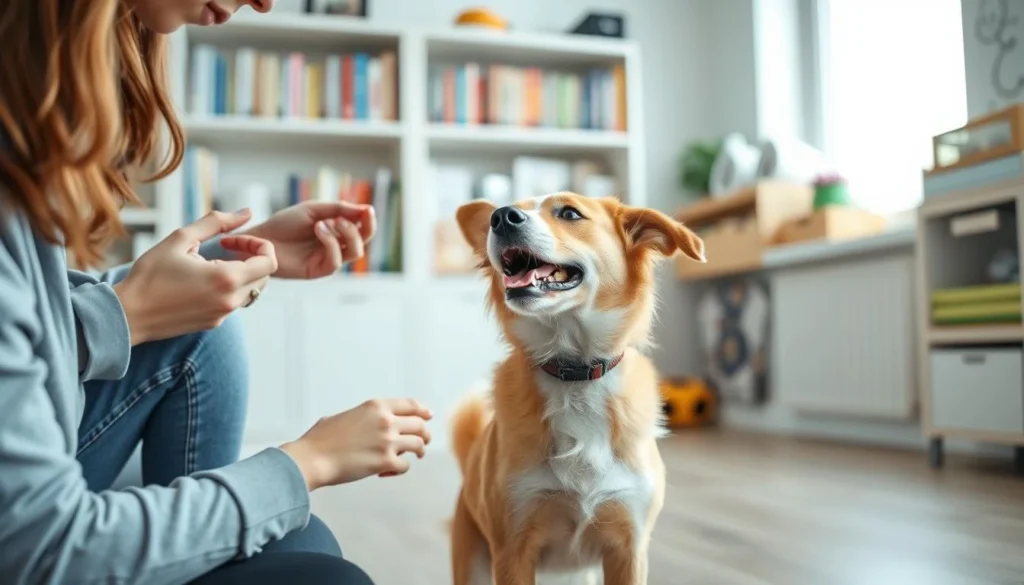
Commands like "sit" and "stay" teach dogs to pause before acting. This training helps them manage their urges, reducing biting incidents. When dogs obey commands first, they're less likely to bite out of excitement or frustration.
Using Positive Reinforcement
Positive reinforcement encourages dogs to act in desirable ways instead of biting. Rewarding them with treats or praise for following commands or staying calm creates a positive link. This consistent method leads to lasting changes in their behavior.
| Training Technique | Description | Benefits |
|---|---|---|
| Impulse Control Commands | Teaching commands like "sit" and "stay" to encourage dogs to pause before acting. | Reduces impulsive biting, enhances obedience. |
| Positive Reinforcement | Rewarding non-aggressive behaviors with treats or praise. | Fosters positive associations, encourages desired behaviors. |
Utilizing Deterrents for Undesirable Behavior
Dealing with biting in dogs can be tough. But using different deterrents can really help. These methods aim to stop biting and encourage good behavior. Knowing about taste deterrents and managing triggers helps me keep my dog safe.
Taste Deterrents for Biting
Taste deterrents are a smart way to cut down on biting. Sprays or no-chew formulas can stop dogs from biting things they shouldn't. If a dog doesn't like the taste, they might not bite as much. It's important to pick safe, dog-friendly options that are okay for pets.
Managing Environment and Triggers
Managing my dog's environment is also key. Knowing what makes them bite helps me fix the problem. I can make a calm space and avoid stressful situations. This makes my dog feel safer and less likely to bite.
When to Consult a Professional Trainer
Getting help from a professional dog trainer is key when dealing with aggression in dogs. It can be hard to know when to seek help. Knowing the signs of serious issues is crucial. This ensures your dog's safety and the safety of others.
Identifying Signs of Serious Aggression
Watching your dog's behavior closely is important. Look out for signs like growling, snapping, or raised hackles. Also, if your dog bites due to fear, you need a professional's help. Some signs to watch for include:
- Consistent growling or barking at unfamiliar people or dogs
- Immediate aggression when approached while eating or playing with toys
- Extended periods of anxiety or restlessness
Spotting these behaviors early can greatly help your training efforts. It also keeps social interactions safe.
Finding a Qualified Dog Trainer
Finding a good trainer is essential when dealing with aggression. Start by looking for local trainers who specialize in aggression. Check if they have certifications from groups like the Association of Professional Dog Trainers (APDT) or the International Association of Animal Behavior Consultants (IAABC). Ask yourself:
- What is the trainer's experience with aggression cases?
- Does the trainer use positive reinforcement methods?
- Are they willing to provide references from previous clients?
Choosing the right trainer can make a big difference. Take your time to find the best fit for your needs.
General Precautions for Dog Owners
As a dog owner, it's important to keep a safe space for both me and my pet. Knowing how to interact well helps avoid bites and ensures safety. The right steps can greatly improve my dog's behavior and lower the chance of accidents.
Avoiding Encouraging Bite Behavior
It's key to avoid actions that might make my dog bite. I must think about the games we play. Games like wrestling can actually make my dog want to bite more. So, I teach my dog how to play nicely instead.
Setting clear rules helps my dog know what's okay and what's not. This stops them from biting.
Promoting Safe and Gentle Interaction
To have safe play with my dog, I need to encourage gentle behavior. Giving treats and praise for good behavior works well. This teaches my dog how to play nicely.
By being gentle myself, I make my dog feel safe and happy. This makes them less likely to bite.
Long-Term Management of Biting Issues
Managing a dog's biting behavior needs careful planning and consistent effort. It's about creating strategies that grow with the dog as it gets older. Regular training is key. I work on making good behaviors stronger and gently fixing bad ones.
My dog and I check in often to see how we're doing. This helps us adjust our plan as needed.
Keeping up with training is important to avoid going back to old ways. Training keeps things fresh and helps my dog know what's expected. Patience is crucial. Changing biting habits takes time.
Being patient and encouraging helps my dog feel supported. This leads to lasting changes in their behavior.
It's important to watch for situations that make my dog bite. Knowing what triggers it helps me act fast. Socializing my dog with others helps them learn good habits.
When we face challenges, I look back at our journey. This helps me adjust our training plan. With hard work and positivity, I aim for a future where biting is no longer a problem.
Creating a Safe Environment for Your Dog
Creating a safe space for my dog is key to reducing bites and keeping them happy. Using physical barriers and socializing them helps a lot. This way, my dog feels safe and comfortable in different places.
Physical Barriers and Safe Zones
Using baby gates or crates makes safe areas in my home. These spots let my dog take a break when they're feeling stressed. It keeps them safe from situations that might make them act out.
Socialization Opportunities for Dogs
Socializing my dog is crucial for their happiness. Taking them to new places and meeting new people helps them learn social skills. Playdates and training classes help them interact well, reducing the chance of biting due to fear.
Conclusion
Understanding why dogs bite is key to managing their behavior. We've looked at why dogs might bite and how to stop it. Knowing the difference between play and aggression is crucial.
Being patient and consistent is important in solving biting problems. Training and positive reinforcement help make our homes safer. By using the tips from this article, we can reduce biting and improve our relationship with dogs.
Every effort we make helps in creating a better life for dogs and us. Training and understanding our pets lead to stronger bonds and better behavior. Keeping in touch with our pets is essential for a happy and healthy life together.