I still remember the first time my Labrador, Rosie, vaulted up and nearly knocked over my grandmother at the door. My heart sank—Rosie meant nothing but love, but the moment exposed a real danger and a training gap we had to fix fast.
Learning how to get a dog to stop jumping up on people changed our daily routine. I found that teaching a clear rule—like "keep your front paws on the floor"—gave Rosie something to do instead of only being told "no." That shift made progress faster and kept guests safe.
Jumping is a common greeting. The AKC GoodDog! Helpline notes dogs often jump to get face-to-face attention, and that attention reinforces the behavior. Whether you're dealing with how to stop dog jumping on people at the door or wondering how to stop dog from jumping on new people at a park, small changes in timing and consistency make the biggest difference.
Key Takeaways
- Jumping is often a learned greeting behavior that gets reinforced by attention.
- Teach an alternative action, such as keeping all four paws on the floor, instead of relying on punishment.
- Be consistent: reward the dog the moment its paws hit the floor.
- Use management tools—leashes, gates, crates—to prevent practice of the unwanted behavior.
- Professional resources like the AKC GoodDog! Helpline can offer tailored guidance if progress stalls.
Why dogs jump on people and what it means
Dogs jump for many reasons, like saying hello or getting attention. It's also a learned behavior. Knowing why helps you train them better and stay safe.
Attention-seeking and learned reinforcement
Dogs quickly learn what actions get a reaction. If they jump and someone laughs or pets them, they'll do it again. Any strong response, good or bad, encourages them to jump.
Greeting behavior and canine instincts
Jumping is how dogs greet each other. They want to get close and sniff. Humans, being upright, make this instinct stronger.
Safety risks for kids, seniors, and guests
Jumping can be dangerous for kids and seniors. Big dogs might knock them over, and small dogs can scratch or soil clothes. Teaching dogs to greet politely is crucial for their safety.
Teach an incompatible behavior: four on the floor and sit greetings
I want to replace jumping with clear, repeatable actions your dog can do instead. Teaching an incompatible behavior gives the dog something rewarding to offer. This reduces stress for both of us and answers how to stop dog jumping on people when excited in a positive way.
Why an incompatible behavior works better than punishment
Punishment can feel like attention and may teach fear or mistrust. I prefer to teach a behavior that cannot occur at the same time as jumping. When the dog learns incompatible behavior four on the floor, they earn attention for a calm choice. This strengthens the bond and makes greetings predictable.
Step-by-step: teaching "keep all four paws on the floor"
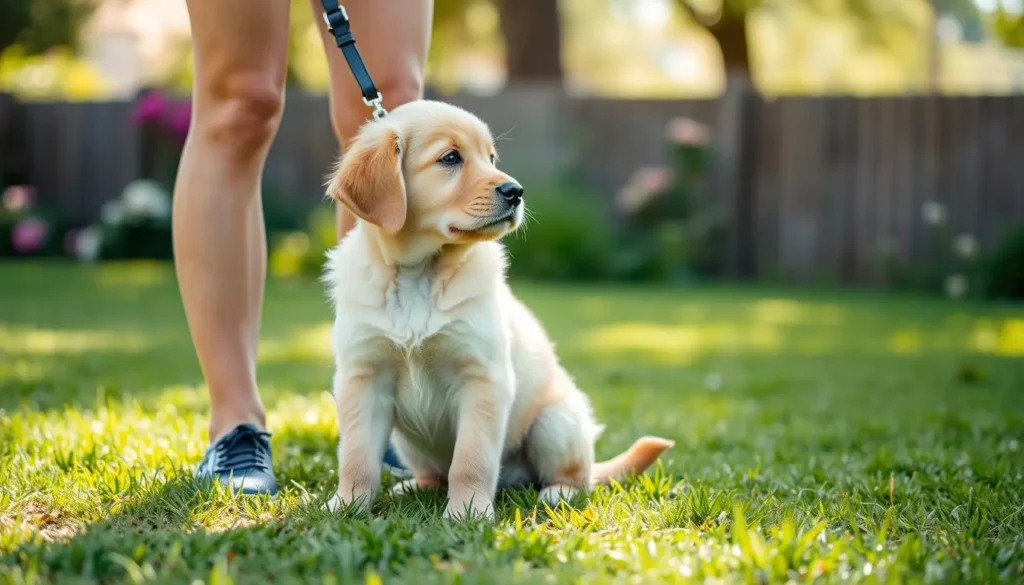
Pick a rule and stick to it: no attention unless four paws are on the floor. Start with short practice sessions in low-distraction settings. I drop tiny treats on the floor so the dog looks down and keeps paws down. Reward the instant the front paws land.
- Set up easy wins: scatter treats on the floor or hold a treat at your hip to lure the dog down.
- Mark the correct moment with a clicker or a word, then give a fast treat.
- Repeat in short reps, then add mild distractions like the front door opening.
- Gradually reduce food, keep rewards varied with praise and petting.
Training the sit as a default greeting
I teach a reliable sit with a lure and mark method. Hold a treat at the dog's nose and move it up over the head. When the rear hits the floor, mark and reward. Practice sits during calm moments until the dog offers them willingly.
Next I chain the sit into real greetings. During door drills, I cue the sit just before guests enter. This is training the sit as a default greeting. Guests are asked to reward the sit and ignore any attempt to jump. With repetition, the sit becomes the shared, polite way to meet people.
how to get a dog to stop jumping up on people
I want to make this part practical and short so you can use it today. Pick one greeting rule and stick to it. Mixed messages slow progress and confuse your dog.
Set a clear greeting rule and always follow it
Decide whether you want “four on the floor” or a polite sit as the default. I recommend choosing one and applying it every time someone greets your dog. If you let jumping happen when you’re tired or in different clothes, the dog learns that rules are optional.
Use immediate reward when rule is obeyed
Timing matters. Give attention or a treat the instant the dog keeps paws on the ground or sits. I use a marker word or a clicker to tag the exact moment, then reward. Delayed praise makes the dog wonder which action earned the reward and leads to trial-and-error behavior.
Consistency across family members and guests
Teach everyone in the home the rule and why it matters. Ask visitors to ignore the dog until you say the dog may greet. If a guest won’t follow directions, keep the dog on a leash or behind a baby gate so the dog cannot practice jumping.
If you want faster change, rehearse greetings in short sessions and reward precisely. Small, steady wins build the habit I want you to keep.
Timing rewards: give attention as soon as paws hit the floor
I teach owners a simple rule: reward the moment all four paws touch the floor. This split-second is key when teaching dogs not to jump on people at the door. Dogs learn quickly when rewards are clear and timely.
Short practice sessions at the door are effective. First, have treats ready. Then, mark and reward the dog the instant they keep their paws down. This method helps dogs connect calm behavior with positive rewards.
Why immediate reinforcement is critical
Dogs learn from immediate consequences. Waiting can confuse them about what action earned a treat. Quick feedback is essential to teach dogs what you want.
Practice with a friend at the door. One person opens the door while the handler rewards the dog for staying calm. Repetition with precise timing makes the behavior reliable.
Using high-value treats and marker words for faster learning
Begin with tasty, high-value treats to beat the excitement of visitors. Use small pieces of cooked chicken or Zuke’s treats. Pair the treat with a consistent marker word like “yes” or a clicker.
Below is a quick comparison to help choose tools that speed learning.
| Tool | Best for | How to use |
|---|---|---|
| High-value treats (chicken, cheese) | Initial training, high-drive dogs | Deliver immediately after marker to outcompete excitement |
| Commercial soft treats (Zuke’s, Wellness) | Frequent reps, small mouths | Keep in pocket, reward quickly for sustained practice |
| Marker word (“yes”) | Precision marking | Say once at the exact moment paws hit the floor, then treat |
| Clicker | Fast learners who respond to sound | Click when desired behavior occurs, follow with treat |
Use consistent markers and high-value treats in short, focused sessions. My clients see faster, cleaner results when they combine precise timing rewards with reliable treats and marker words.
What to do when your dog jumps: remove attention effectively
I stay calm when my dog jumps. My goal is to stop the behavior by ignoring it until they calm down. This method uses clear consequences and rewards.
When my dog jumps, I turn away and step back. I don't look at them until they calm down. Once they do, I reward them with attention and affection.
I also do short training sessions. We practice things like arriving home and greeting guests. These drills help my dog learn quickly.
Physical corrections can harm our relationship. Pushing or knee-blocking can make things worse. It's better to ignore the behavior and reward calmness.
Choosing to step back instead of push makes things predictable. I always respond the same way and reward calm behavior. This helps my dog learn faster.
Here's a comparison of different responses and their effects:
| Response | What I do | Effect on jumping | Notes |
|---|---|---|---|
| Turning away | Face away, step back, no eye contact | Decreases jumping by removing attention | Works best with immediate reward when paws are down |
| Ignoring | Stand still, no touch, wait for calm | Teaches that jumping does not get attention | Requires consistency from everyone |
| Physical push or grab | Shove dog or pull down | Often increases jumping or triggers fear | Can be mistaken for play; risks injury |
| Knee-block | Use knee to stop approach | May be seen as rough play and reinforce jumping | Explains why knee-blocking backfires; avoid for trust |
Management strategies to prevent practice and failures
I use simple tools to stop my dog from practicing bad habits when I'm not around. This keeps our training sessions clean and helps avoid setbacks. It also helps us work on the behavior better.
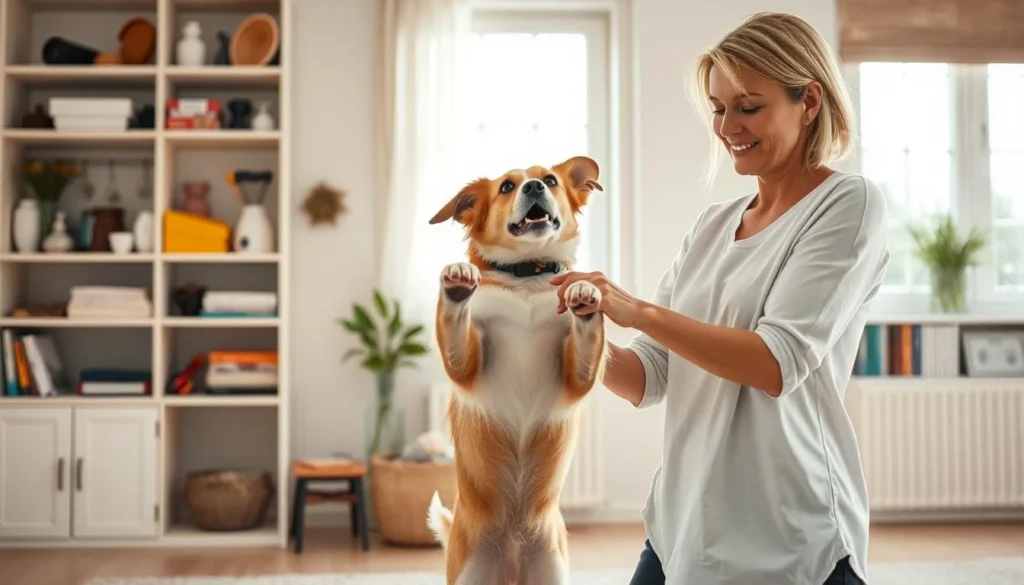
I use leashes, baby gates, and crates when guests come over or when I open the door. A short leash at the entry gives me quick control. Baby gates or closed rooms keep my dog safe without causing stress. When needed, a crate or mat provides a calm, safe spot for my dog until they settle down.
I keep treat jars near the door for rewards when my dog responds correctly. Practicing in calm moments helps build good habits. I also do exit-and-entry drills with low distractions and reward small successes.
I teach my dog a clear place cue and use management to stop jumping. Sending them to a mat or bed gives a consistent target. If they try to approach, the gate and leash stop them from practicing unwanted jumps.
Below is a practical comparison to help choose the right tool for your home and routine.
| Tool | Best use | How it prevents failures |
|---|---|---|
| Short leash | Active control at door or with guests | Stops a jump instantly and lets you reward four-on-floor responses |
| Baby gate | Separating dog in hallway or entry | Prevents access so the dog cannot practice greeting jumps |
| Crate | Calm, supervised management for high arousal | Provides a safe timeout where jumping cannot be rehearsed |
| Place mat or bed | Comfortable target for sit/stay at entry | Gives the dog a clear, rewarded location to remain calm |
| Treat jar | Fast rewards during greetings | Enables immediate reinforcement so the dog learns the right choice |
Training for real situations: door greetings, guests, and walks
I show you how to practice in real-life scenarios. Small, easy exercises help your dog understand the rules. We use a mat, a treat jar, and clear cues for doorways, guests, and walks.
First, we do short exit-and-entry drills. I go out, then come back and ask for a sit or four-on-floor before opening the door. I only give treats when the dog follows the rule. This makes them sure about not jumping on people at the door.
Next, we add distractions. We ring the doorbell, knock, or have someone wear a jacket and hurry by. Each new challenge comes with the same cue and treat reward for calm behavior. This helps the dog learn to stay calm in real situations.
Before guests arrive, I prepare them. I tell friends to ignore the dog until I say it's okay to greet. I also use a treat jar outside for strangers to reinforce the cue. This makes learning faster and easier for everyone.
On walks, I keep the dog on leash and control how close they get to people. If they jump, I use a quick "watch me" or a treat lure to refocus them. This teaches them to interact politely in public.
I check progress with short daily reps. Consistent rewards and steady challenges are key. With time, door greetings and walking politely become second nature, not impulsive reactions.
| Practice | Goal | Tools | Progression |
|---|---|---|---|
| Exit-and-entry drills | Reliable sit or four-on-floor at the door | Mat, treat jar, cue word | Add doorbell, knocks, stranger at threshold |
| Guest preparation | Guests wait for permission to greet | Instructions, cooperative friends, treat jar outside | Move from friends to casual visitors |
| On-leash passing | Calm focus when meeting or passing people | Leash, "watch me" cue, high-value treats | Increase distance, add moving crowds |
| Reinforcement timing | Reward the instant paws stay on floor | Marker word, small treats, consistent timing | Fade treats to praise once reliable |
Special considerations for big dogs and excited jumpers
I work with many owners of large breeds and excitable dogs. Big dogs need a plan that keeps people safe while teaching good manners. I focus on simple steps, short practice sessions, and clear management so training stays calm and effective.
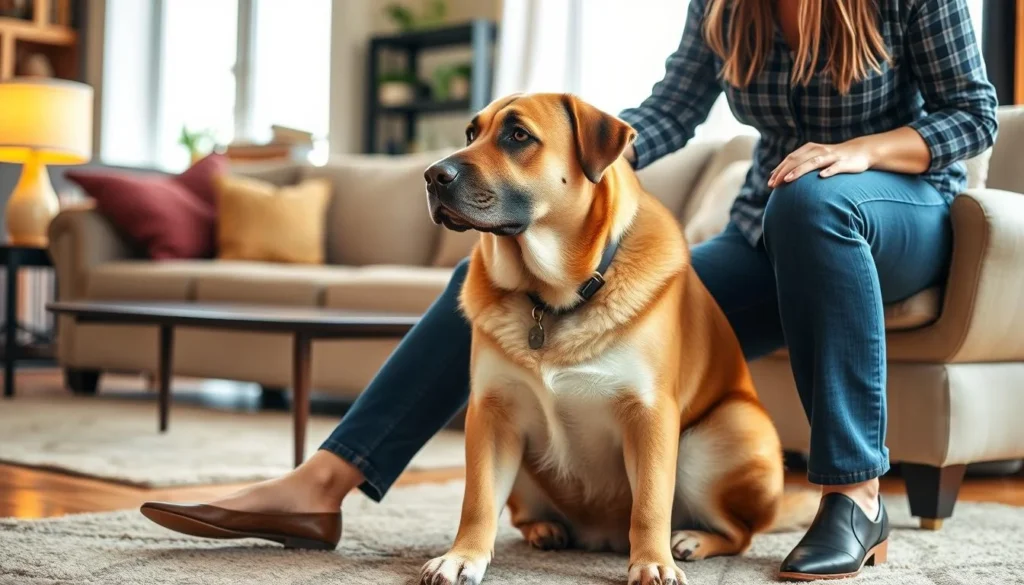
I start by setting up reliable management tools. A secure leash, a harness or slip lead, and a doorway barrier stop a practice run of poor behavior. This prevents injuries and lets me shape habits without drama.
How to train a big dog to not jump on people safely
I teach an incompatible behavior, like four-on-the-floor or a sit, and reward the dog the moment all paws touch the floor. For large dogs I rehearse at low excitement times first. I use high-value treats and a clear marker word so the dog links calm posture to reward quickly. This approach answers the core question of how to train a big dog to not jump on people without force.
Managing strength and safety while teaching incompatible behaviors
I ask a family member to help hold the leash during early reps so I can reward and release safely. A helper keeps the dog at a short distance while I cue and treat. I avoid blocking or grabbing since that can spike arousal. Instead I step back and use the leash to create distance until the dog composes. These tactics cover managing strength safety and reduce the chance of an accidental injury.
Gradual exposure and controlled practice for very excitable dogs
I break training into short, frequent drills and slowly raise the challenge. Start with calm entry drills, then add a light knock, then a louder doorbell, then a cooperative guest who follows instructions. Each step stays small so the dog can succeed often. This staged exposure teaches control and answers how to stop dog jumping on people when excited by building tolerance over time.
| Focus | Tool or Technique | Why it works |
|---|---|---|
| Prevention | Leash, harness, baby gate | Stops practice of jumping and keeps people safe during learning |
| Incompatible behavior | Four-on-floor or sit with marker | Teaches an alternative action that earns immediate reward |
| Safety during practice | Assistant holds leash, step-back distance | Manages strength safety and reduces sudden lunges |
| Progression | Calm entry → knock → doorbell → guest | Gradual exposure prevents overwhelm and builds reliability |
| Reinforcement | High-value treats, marker words | Speeds learning and keeps motivation high in excited dogs |
Addressing jumping tied to aggression or overarousal
Dogs jump for two main reasons: excitement and aggression. Excited dogs jump for attention. Aggressive dogs may show fear or protect their space, leading to dangerous behavior.
For excited jumpers, setting clear rules and rewarding calm behavior works well. But for aggressive dogs, it's crucial to avoid DIY fixes. Instead, manage their environment and seek professional help.
How to fix an aggressive dog
Fixing aggression needs a careful, safe plan. Start by managing their environment with muzzles and secure areas. Use positive training to change how they react to triggers.
How to change aggressive dog behavior
Changing behavior requires a step-by-step approach. Use positive training to teach new behaviors and avoid punishment. Gradually increase challenges and reward calm behavior.
When to consult a professional behaviorist
If your dog shows aggression, like growling or snapping, get professional help. A certified expert can create a plan to address your dog's specific issues.
| Situation | Immediate action | Next step |
|---|---|---|
| Excited jumping at greetings | Ignore contact, reward the first moment paws are down | Practice entry drills with high-value treats and clear cue |
| Growling or lunging at doorways | Remove people and secure dog; avoid face-to-face corrections | Contact a certified behaviorist for assessment and plan |
| Overarousal on walks | Shorten exposure; increase distance from trigger | Use desensitization and counterconditioning with progressive steps |
| Resource guarding that leads to snapping | Manage access to items; trade-up with high-value treats | Work with a trainer to create a structured program focused on safety |
Building habits: practice routines, enrichment, and exercise
I set a simple plan that fits daily life and makes training feel natural. Small, repeatable routines help a dog learn what I expect. I pair practice with calm rewards so progress stays steady and stress-free.
Short, frequent training reps every day and habit formation timeline
I break sessions into tiny chunks: 1–2 minutes, three to six times per day. These short frequent training reps every day keep focus high and prevent boredom. I use predictable moments like arrivals, before guests, or right after a walk.
Expect noticeable change in weeks. For many dogs the habit formation timeline for dog training spans several weeks, with stronger habits often appearing around three months. I track small wins so I can adjust timing and rewards as needed.
Use of enrichment: snuffle mats, puzzles, and scent games to reduce excess energy
I add mental work to lower jumpy energy. Snuffle mats puzzles scent games, food-dispensing toys, and scent hide-and-seek keep my dog engaged and calm. A mentally tired dog learns faster and practices good behavior more often.
Mix enrichment into routines before training sessions. That makes short reps more productive and reduces the chance of relearning old habits during exciting moments like door greetings.
Celebrating and reinforcing small wins to maintain progress
I reward each step toward the goal with a marker word, a treat, or soft praise. I celebrate without exciting the dog too much so calm behavior stays the reward. Over time I shift from food to praise and occasional treats to keep the behavior reliable.
Consistency matters. I make sure everyone in the home follows the same plan so habits strengthen instead of wobbling when routines change.
| Focus Area | Action | Timing | Expected Result |
|---|---|---|---|
| Short training reps | 1–2 minute drills, 3–6 times daily | Daily, predictable moments | Faster attention, steady habit formation |
| Enrichment | Snuffle mats puzzles scent games and toys | Before training or high-arousal times | Lower arousal, better learning |
| Reinforcement | Marker word, treats, calm praise | Immediate when desired behavior occurs | Clear association, longer-lasting habits |
| Progress tracking | Note small wins and adjust rewards | Weekly review | Keeps training on target, avoids plateaus |
Conclusion
To stop dog jumping on people, choose one rule: either four on the floor or sit. Always enforce it. When the dog jumps, ignore them. Then, reward them the moment they put all paws down or sit.
This simple method is key to stopping dog jumping. It's all about consequences followed by rewards. This approach works well.
Being consistent and on time is crucial. Everyone in the house should react the same way. This avoids confusing the dog.
Use tools like leashes or baby gates to stop unwanted behavior. Short training sessions every day help a lot. They also make learning faster.
Training should be part of your dog's daily routine. It's not just about stopping jumping. It's about teaching good behavior.
For lasting results, add exercise and fun activities to your dog's day. Improvement takes time, so be patient. It might take weeks or months.
If your dog's jumping is aggressive or too energetic, get help from a pro. The AKC GoodDog! Helpline is a great resource. Stay committed to your training plan, and you'll see positive changes.