I remember the first time my Labrador, Bella, shook during a thunderstorm. I felt so helpless. I wanted to give her a pill, but I looked for better options first. This moment changed how I calm my dog, focusing on kinder steps before meds.
In this article, I'll share ways to calm your dog at home, in the car, during storms, and before vet visits. Dogs, like us, get scared by noise, change, being left alone, and health problems. Spotting these early and using gentle ways to help them can greatly improve their well-being.
This guide is for dog owners in the United States who want to learn how to calm their dogs. It covers everything from puppies to seniors. You'll learn about changing behavior, using environmental tools, and even over-the-counter aids like Thundershirt and Adaptil®.
Key Takeaways
- I focus on nonprescription, compassionate methods before medication.
- Early recognition of signs helps with calming a dog long term.
- Solutions include routine, exercise, enrichment, and environment tweaks.
- Desensitization and counterconditioning address specific fears safely.
- Over-the-counter tools like Thundershirt and Adaptil® can help when used correctly.
Understanding Dog Anxiety and Common Signs
I study canine behavior and aim to help you spot problems early. Knowing why dogs get anxious and the early signs helps calm them down. Quick action lets me use desensitization, counterconditioning, and routine changes to prevent issues.
Why dogs experience anxiety
Dogs get stressed for many reasons. Separation anxiety is common when they fear being alone. Loud noises like thunder or fireworks scare sensitive dogs. Sudden changes in routine or home environment also upset them.
Puppies often react to new things because their systems are still learning. Breed tendencies also play a role. Herding breeds like Border Collies and hunting breeds like Labrador Retrievers have more energy and alertness. This makes it harder to calm them down, so knowing breed-specific calming strategies is key.
Behavioral and physical signs to watch for
Look for persistent behaviors that are not normal. Excessive barking, whining, destructive chewing, and digging are red flags. I also watch for pacing, trembling, continual panting, hiding, or trying to escape the house.
Other signs include zoomies that seem driven by stress, mouthing or nipping, jumping and circling, and loss of appetite. I separate over-excitement, which is dopamine-driven and often short-lived, from anxious behavior that feels compulsive or hard to interrupt.
When anxiety becomes a health concern
Anxiety becomes a medical issue when signs persist or get worse despite simple interventions. If a dog injures itself trying to escape, loses weight, or stops eating, seek professional help. Continuous trembling or relentless panting can point to underlying medical or severe behavioral problems.
At that stage, I recommend consulting a veterinarian or a veterinary behaviorist. They can evaluate health, suggest behavior modification, and consider prescription options. Understanding how to calm down dog anxiety early reduces the chance of escalation and helps protect your dog's wellbeing.
how to calm down a dog
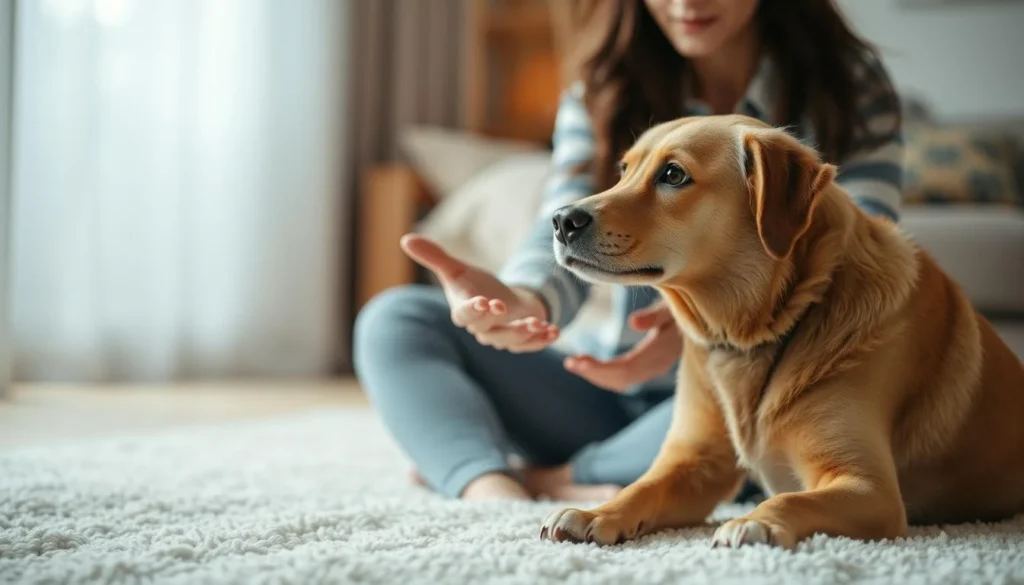
I always speak calmly and move slowly when my dog is stressed. This helps me figure out the best way to calm them down. Even small changes can make a big difference.
Immediate calming steps I use at home
I turn down the lights and make the room quieter. I talk softly and move slowly to show my dog I'm calm. If they keep pacing, a short walk can help.
I give them a crate or a safe place with a blanket. For extra calm, I use a Thundershirt® or gentle pressure wrap. I also give them a stuffed KONG or a long-lasting chew to distract them.
Short-term comfort techniques
I play soft music, like classical or mellow reggae, at a low volume. Gentle brushing releases happy hormones, so I brush my dog quietly. I avoid excited petting that can make them more anxious.
I use an Adaptil® diffuser or a spray on their bedding for quick relief. For puppies, I make sure they have chew toys and regular nap times to avoid too much energy.
Setting expectations and monitoring progress
I keep track of when and how long my dog is anxious in a notebook. I note what works and what doesn't to improve my methods.
I know it takes time to see progress, so I'm patient. If things don't get better or get worse, I talk to my vet before trying new things.
Building a Consistent Routine to Reduce Stress
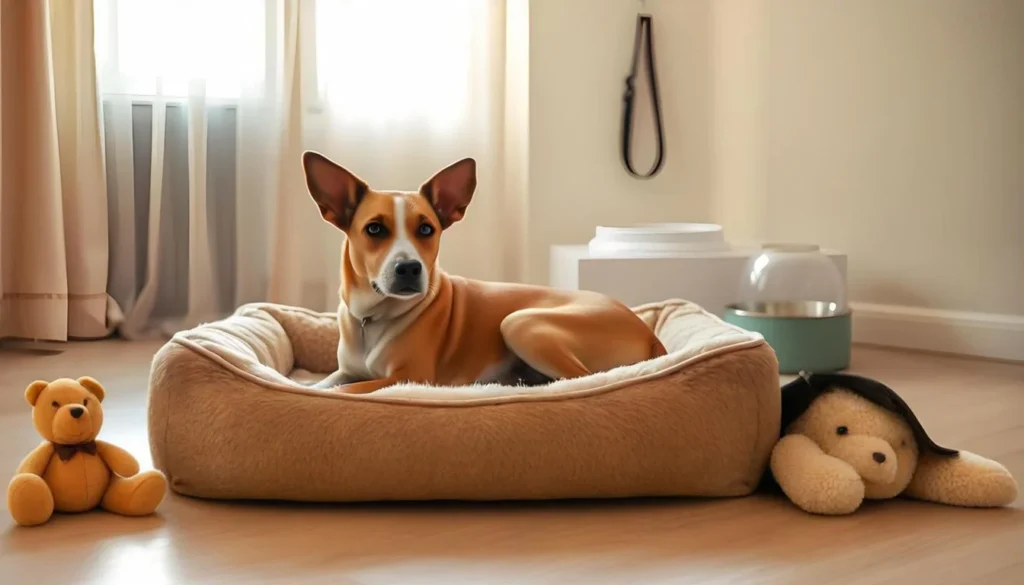
I create a daily plan to help dogs feel secure. A routine helps them know what to expect. It includes set times for meals, walks, play, and rest.
Daily schedule elements that help
Adult dogs usually eat twice a day, while puppies might need three meals until they're about six months old. I also schedule regular exercise times. Morning walks help burn energy, and evening strolls help them relax.
Short training sessions and play periods are added to keep their minds active. Potty breaks and a fixed bedtime complete the routine. This makes it easy for anxious dogs to follow.
How routine reduces uncertainty
Dogs rely more on cues than clocks. A consistent pattern for meals, walks, and rest helps them feel secure. This reduces their stress and anxiety.
Consistent cues make things predictable. I use the same leash and phrases for meals to set clear expectations. This is how to calm your dog down with routine in everyday life.
Adapting routines for puppies and seniors
Puppies need more naps and shorter play sessions to avoid getting too excited. I break training into short sessions and use crates to teach impulse control.
Seniors might need gentler walks and more frequent potty breaks. I adjust their routine based on their health and mobility. Keeping the routine consistent is crucial, as one change can upset them.
| Age Group | Key Routine Elements | Typical Schedule |
|---|---|---|
| Puppy (8–24 weeks) | Frequent naps, 3 meals, short play, crate training, short lessons | Meals at 7am/12pm/5pm, play 4x/day, 5–10 min training sessions |
| Adult (1–7 years) | Twice-daily meals, 30–60 min exercise, mental enrichment, set bedtime | Walk at 7am and 6pm, training 10–15 min after walks, play midday |
| Senior (7+ years) | Gentle exercise, frequent potty breaks, adjusted meal timing, rest periods | Short walks 3x/day, softer play, meals at 8am and 5pm, extra naps |
Exercise, Play, and Mental Stimulation Strategies
I focus on activities that burn energy and build calm habits. Regular movement, play, and brain work help me manage a dog’s arousal. This prevents trouble before it starts.
Physical activities to burn off excess energy
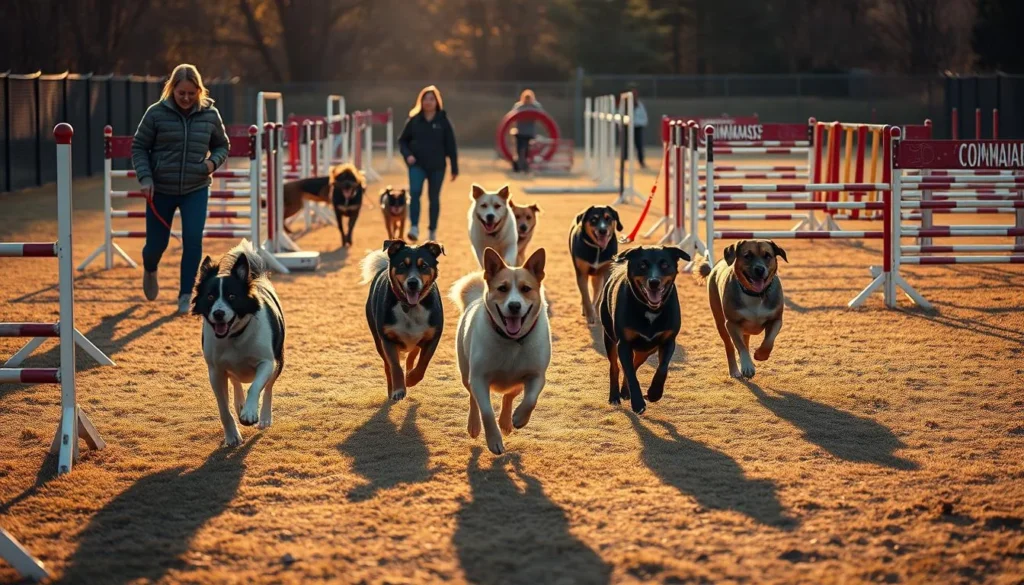
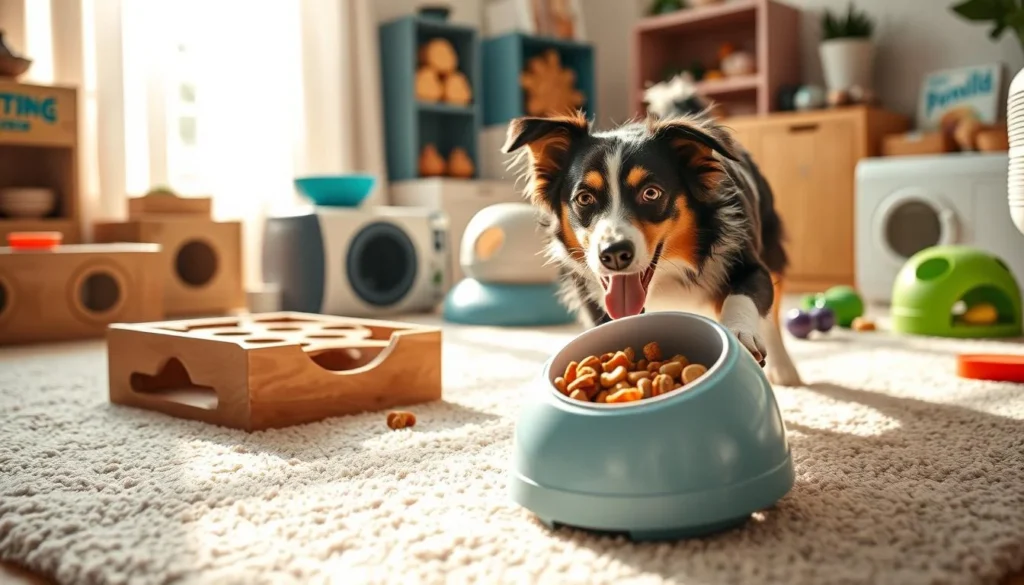
I walk my dog daily, matching the pace to their breed, age, and health. For high-drive breeds, I add a run or off-leash play in a safe dog park. Short games of fetch and tug-of-war help them release energy quickly.
These routines show me how to calm dogs with exercise. They turn excess drive into steady focus.
Mental enrichment and puzzle toys
I use KONGs stuffed with peanut butter, snuffle mats, and treat puzzles to keep their minds busy. Nose-work games and food-dispensing toys slow eating and reward effort. Mental stimulation for dogs reduces boredom and stops destructive or over-excited behavior before it starts.
Training for impulse control
I teach Sit, Stay, and Place in low-distraction spots then raise distractions slowly. Short obedience sessions woven into play help me show a puppy that calm earns rewards. For over-excited pups, I use brief, consistent drills to guide them during high-arousal moments.
I give attention only when the dog is settled. This single habit prevents escalation into long-term problems. It keeps me in control during busy or tense situations.
Environmental Tools: Music, White Noise, and Comfort Items
I use simple tools to help dogs feel less stressed. Changing sounds, smells, and bedding can make a big difference. I stick to methods backed by research and use everyday items to help pets relax.
Using music and white noise
I play special playlists to help pets relax. Studies show that soft rock, reggae, and classical music can help dogs relax more and feel less stressed. I recommend apps or playlists made for pets to match their hearing.
White noise can block out scary sounds like thunder or fireworks. For many owners, a white noise machine or a fan provides a steady sound that helps dogs feel less startled. I watch for signs of improvement and adjust the volume if needed.
Creating a restful den
I create a cozy spot where my dog feels safe. A crate or quiet room with soft bedding becomes a predictable place for rest. I add treats, favorite toys, and a blanket with familiar scents to make it positive.
Using the area only for calm activities helps the dog learn it is safe. During stressful events, I guide my pet there and reward them for staying calm. This builds trust and encourages them to go there on their own.
Comfort items and scent strategies
I use pressure wraps like the Thundershirt® to give a gentle hugging sensation that many dogs find soothing. I also use pheromone tools like an Adaptil diffuser to mimic calming signals and reduce anxiety in the environment.
Familiar-smelling blankets, a worn T-shirt, or a favorite toy can lower stress by providing predictable scent cues. I introduce these items slowly and combine them with soft petting or quiet treats to create positive associations.
| Tool | How I use it | Best for |
|---|---|---|
| Music playlists | Play soft rock, reggae, or classical at low volume during rest periods | General anxiety, settling after play |
| White noise | Run a machine or fan to mask sudden external sounds | Thunder, fireworks, street noise |
| Crate or den | Designate a quiet room with bedding and toys; reward calm use | Safe space for anxious dog, recovery after stress |
| Thundershirt® | Apply snugly during known stressors for gentle pressure | Acute anxiety episodes |
| Adaptil diffuser | Plug in at home to disperse calming pheromone signals | Household-wide anxiety reduction |
| Familiar textiles | Place blankets or worn clothing in the den for scent comfort | Separation stress, travel |
I introduce new tools slowly and pair them with rewards to help the dog like them. I always check with my vet before trying new calming products. Small, steady steps are better than quick fixes for lasting calm.
Desensitization and Counterconditioning for Specific Fears
I guide owners through gentle steps to help dogs feel safe around scary things. My goal is to lessen their reactions and teach them to stay calm. We use short, real-life practice sessions to achieve this.
How desensitization works
Desensitization slowly introduces dogs to things they fear, starting at a very low level. This way, they don't react. For example, we start with quiet recordings of thunder or fireworks and gradually increase the volume.
I watch the dog's body language closely. If they show stress, we stop. We only move to the next level if they stay calm. This approach builds confidence and prevents setbacks.
Counterconditioning techniques
Counterconditioning pairs the scary stimulus with treats or toys the dog loves. This helps them associate the scary thing with something positive. We use treats or toys the dog loves and give them when the scary thing appears.
Our sessions are short and fun. We focus on calm behavior and avoid pushing them too hard. Over time, the dog learns the scary thing means something good.
When to involve a professional
If a dog's fear is severe, such as causing self-injury or aggression, it's time to see a vet or behaviorist. They can create a safe plan and might suggest medication.
I work with trainers from places like The Puppy Academy and positive-reinforcement experts. They help with issues like puppy over-excitement. Professional help ensures a safe and effective plan for both the dog and owner.
| Step | What I do | Goal |
|---|---|---|
| Assess threshold | Observe reactions at very low intensity and note stress signals | Find safe starting level |
| Introduce stimulus | Use low-volume recordings or distant real stimuli | Keep dog below reaction threshold |
| Pair with rewards | Deliver high-value treats or favorite toy during exposure | Create positive association |
| Increase intensity | Gradually raise volume or proximity across many short sessions | Build tolerance and confidence |
| Monitor safety | Stop if stress appears; never force exposure | Prevent setbacks and ensure welfare |
| Seek help | Contact a veterinarian or behaviorist for severe or stalled cases | Get tailored plan and medical support |
Calming Aids: Thundershirts, Supplements, and Pheromones
I use a variety of tools to help anxious dogs feel better. Some items work right away, while others help over time with training and routine changes. Here, I'll talk about pressure wraps, natural supplements, and pheromones to help you find what's best for your dog.
Pressure wraps and Thundershirts
Pressure wraps, like Thundershirts, apply gentle pressure that many dogs find calming. I introduce them slowly, with treats, and make sure they're comfortable. They're great for thunderstorms, car rides, vet visits, and fireworks.
Natural supplements and safety considerations
I look for calming supplements with chamomile, melatonin, L-tryptophan, or herbal blends. But, evidence varies by ingredient and dog. Always check with a vet to ensure safety and correct dosage.
I watch how my dog acts after starting a supplement. If they seem drowsy, upset their stomach, or don't get better, I stop and talk to the vet. Supplements work best when used with training steps.
Synthetic pheromones and other over-the-counter options
Adaptil is a synthetic pheromone available as diffusers, sprays, and collars. I use it in places where my dog spends a lot of time. It can help reduce pacing, panting, or whining in some dogs.
Over-the-counter aids can help with mild stress. But, I avoid using them for severe anxiety. If natural methods don't work or anxiety gets worse, I consult a vet about prescription options and behaviorist referrals.
- Introduce tools slowly and pair them with rewards.
- Combine aids with routine, exercise, and training for best results.
- Consult a veterinarian before starting any supplement or medication.
Calming a Dog in Specific Situations (Car, Thunderstorms, Vet Visits)
I know how stressful it can be for your dog in a car, during thunderstorms, or at vet visits. I've found a few reliable ways to quickly reduce their anxiety and build their confidence over time.
How to calm down dog in car
I start by making sure my dog is safe with a crash-tested harness or a sturdy crate. Short, positive trips help a lot. I give them a frozen KONG or a chew toy and play calming music.
Before long drives, I take them for a brisk walk to burn off energy. If they get motion sickness or panic, I talk to my vet about options.
How to calm down dog during thunderstorm
I create a cozy den with familiar bedding and close curtains to block flashes. I play white noise or calming music and use an Adaptil® diffuser during storms. A Thundershirt® can also offer comfort.
I distract them with chew toys or a grooming session. I also practice desensitization with recorded storm sounds and treats over time.
How to calm down dog before vet visit
I get my dog used to the carrier and short car rides with treats. I use a pheromone pad in the carrier and reward calm behavior. I ask the vet for low-stress handling and quiet times.
I keep my own energy calm to avoid passing on stress. For severe anxiety, I consult my vet for behavior plans and medical support.
I plan each step carefully and introduce changes slowly. For severe anxiety in any situation, I always talk to my vet for help.
Conclusion
I've shared ways to spot and handle dog anxiety. Look for signs like changes in behavior and physical signs. Keep a regular routine, use exercise, and mental games to reduce stress.
For quick help, try calming music, white noise, Thundershirt, or Adaptil. These can help while you work on long-term solutions.
Long-term solutions involve gradual steps like desensitization and counterconditioning. Treat it as a journey, not a quick fix. Celebrate small victories and stay calm to help your dog feel safe.
Keep a record of what triggers your dog's anxiety and how they react. Try the quick fixes first. If your dog's anxiety doesn't get better, talk to your vet. They might suggest therapy or medication.
With patience, the right tools, and consistency, you can help your dog feel better. This will improve their life and yours.