
I remember the first time my rescue, a nervous Labrador mix, froze at a raised voice. I felt helpless until a trainer gave me a small plastic clicker. They showed me a new way to communicate with my dog.
That quiet, consistent click changed everything. It helped my dog learn to trust me more.
Clicker training for dogs uses positive reinforcement. It focuses on marking the exact moment a dog does something right. A clicker is a small device that makes a sound when you press it.
When you use it with a treat or praise, the click becomes a signal. It tells the dog that a reward is coming.
Learning how a clicker works in dog training changes everything. It moves you from correcting mistakes to rewarding success. This method is based on operant conditioning.
It uses a neutral sound, so your timing and consistency are key. This makes your message clear to your dog.
In this article, I'll explain how a dog training clicker works. I'll talk about why the click becomes a conditioned reinforcer. I'll also show you how to use clicker training for dogs, from puppy basics to behavior changes for adult pets.
Key Takeaways
- Clicker training is a mark-and-reward method that makes reinforcement precise.
- A clicker becomes meaningful after pairing with a primary reinforcer like a treat.
- Clickers offer a neutral, consistent signal that improves communication with your dog.
- Timing the click at the exact moment is essential for clear learning.
- Clicker training for dogs is gentle, effective, and works from puppies to adults.
What is clicker training and why it matters for dogs
Let's dive into the basics of clicker training and why it's so popular. It's all about a clear signal that tells a dog what they did right. This makes learning faster and boosts their confidence.
Definition of clicker training and mark-and-reward method
The mark-and-reward method uses a unique sound to reward a dog. I click when they do something good, then they get a treat. Over time, the click alone tells them what to do next.
Operant conditioning and the science behind the clicker
Clicker training is based on operant conditioning by B.F. Skinner. It's about doing something and then getting something good in return. The click is like a special signal that tells the dog they did well.
How clicker training differs from traditional methods
Clicker training is different because it doesn't use punishment. The click is clear and doesn't upset the dog. It's kinder and more effective for teaching new tricks.
| Feature | Clicker Training | Traditional Punishment-Based Methods |
|---|---|---|
| Primary principle | Mark-and-reward method using a neutral sound | Correction or aversive stimulus to stop behavior |
| Learning mechanism | Operant conditioning with conditioned reinforcer | Operant conditioning with negative consequences |
| Timing precision | High; click marks exact moment of desired action | Lower; corrections may follow or precede action inconsistently |
| Effect on relationship | Builds trust and motivation | Can create fear or confusion if misused |
| Versatility | Works across ages and species for shaping behavior | Often limited to stopping or deterring behaviors |
how does a clicker work for dog training
I explain how a clicker helps dogs understand what's expected of them. First, we teach the clicker to mean something good. This is done by linking the sound to a treat or favorite toy many times.
Conditioned reinforcer: how the click becomes meaningful
The click starts as just a sound. But after linking it to treats or toys many times, the dog learns to expect a reward. This makes the click a trusted signal.
With the click as a trusted signal, we can teach new behaviors quickly. It helps dogs understand what we want without getting confused.
Timing and the importance of marking the exact moment
Getting the timing right is crucial in clicker training. I click the exact moment the dog does what I want. This tells them which action got the reward.
If the click is off, the dog might think the wrong action got the reward. So, I practice often to keep my timing sharp.
How the click bridges delay between action and reward
The click helps when I can't give a treat right away. For example, if a dog jumps through a hoop, I click as they clear it. Then, I walk over to give them the treat.
This way, the click helps even when I'm far away or can't give a treat right away. It keeps the dog's actions and rewards clear.
| Concept | Practical Tip | Benefit |
|---|---|---|
| Loading the clicker | Pair click then treat 10–20 times in short bursts | Creates a reliable conditioned reinforcer |
| Precise timing | Click the exact frame of the desired behavior | Reduces confusion and speeds learning |
| Bridging delay | Click immediately, reward after reaching the dog | Allows rewards at a distance or after brief delays |
| Shaping behavior | Click small approximations toward the goal | Builds complex actions from simple steps |
| Handler consistency | Use the same neutral marker across people | Removes emotional bias, keeps signals clear |
Types of clickers and alternative markers for training
I look at the main choices to help you find the right tools for your dog and your training style. The right marker is key to clear timing and keeping your dog confident.
I explain the common types and their trade-offs below. Each one notes when I use it in real training sessions.
Mechanical box clickers, pen clickers, and soft-click options
The mechanical box clicker has a sharp, consistent sound that dogs learn quickly. It's great for busy places where a clear sound is important.
Pen-style clickers are easier to carry because they sit flat in your pocket. They make a softer sound that some trainers like.
Soft-click options, like rounded clickers or modified pen clicks, are good for shy dogs or those with sensitive hearing. Choose a soft-click option that doesn't scare your dog and is easy to hear.
Verbal markers like “Yes” or “Good” and when to use them
Verbal markers work by linking a word with a reward until the dog learns it means a treat. I use “Yes” in walks or when my hands are busy.
Using your voice can make your bond stronger. Keep the word consistent in tone and timing to make it reliable for your dog.
Visual and tactile markers for deaf or sensory-sensitive dogs
For deaf dogs, use hand signals, the starfish gesture, or agreed motions. Pair these with rewards until they mean the same as a click.
Tactile markers, like a gentle tap on the chest or a light vibration, work for some dogs. Use clear, gentle touches that don't scare them.
| Marker Type | Typical Use | Best For | Key Tip |
|---|---|---|---|
| Mechanical box clicker | Fast, sharp auditory marking | General obedience, noisy settings | Keep a single finger technique for consistency |
| Pen-style clicker | Compact, thinner sound | Everyday training, portability | Test sound level before use near shy dogs |
| Soft-click options | Milder auditory mark | Skittish dogs, sensitive ears | Ensure distinct tone that isn’t used in daily talk |
| Verbal markers | Voice-only signaling | Hands-free training, social settings | Use one word and keep your tone steady |
| Visual markers | Hand signals and gestures | Deaf dogs, distance work | Train signal-response with high-value rewards |
| Tactile markers | Light taps or vibrations | Sensory-sensitive or deaf dogs | Pair touch with reward until predictive |
Loading the clicker: teaching your dog what the click means
I start each training with a simple exercise. It's the foundation for all that comes next. In a quiet room, I focus on short, repetitive steps to teach the sound and reward connection. This is key to clicker training basics and makes learning easier for both of us.
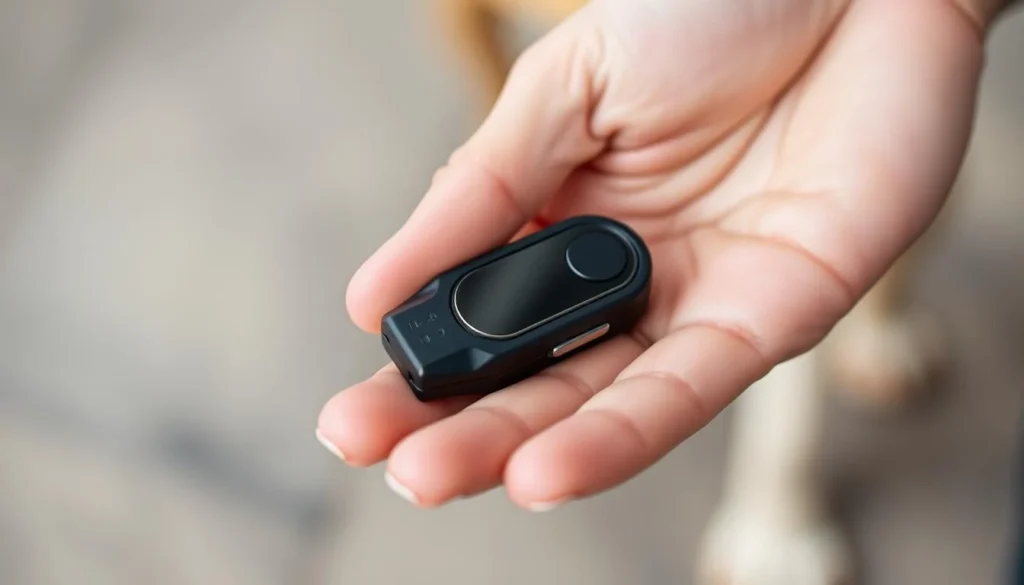
Step-by-step pairing
I click, then treat, doing this 10–20 times. I wait just a moment after the click to give a small reward. This makes the sound a clear promise. Sessions are short, usually under five minutes, and end when my dog wants more. This quick routine helps the dog quickly learn the click means a positive outcome.
Choosing treats
Choosing the right treats is crucial for learning. I use small, high-value treats like cut-up hot dog, cooked chicken, or Zuke's training treats. For dogs who love play, a quick tug on a Kong or a short ball toss works. I avoid big treats so I can reward many times without overfeeding.
Signs the dog understands
You'll know it worked when your dog looks at you after a click, moves to get the treat, or shows eagerness for more. Some dogs even start to pause, expecting the reward. When these signs are consistent, the click is a conditioned promise.
I follow these steps to establish a clear, reliable signal. My goal is to motivate learning and speed up progress.
Clicker training basics and setting up effective sessions
I keep training sessions short and fun for both me and the dog. This prevents boredom and keeps everyone motivated. It shows how dog clicker training works in everyday life.
It's better to have several short sessions a day than one long one. Aim for 5–10 minutes per session. This keeps the dog focused and ready to learn more.
Begin in a quiet room with few distractions. Once the dog masters a behavior, add distractions slowly. Setting achievable goals helps avoid frustration.
Consistency is key in clicker training. Click the exact moment the dog does what you want and reward them. This single click always means a treat or praise.
If the dog gets stuck, change your approach. Use lures or shaping to guide them instead of punishing. This keeps training positive and teaches the dog without stress.
Here's a simple guide to help plan your sessions. It shows how often, how long, and what to focus on at each stage.
| Training Stage | Frequency per Day | Session Length | Main Focus |
|---|---|---|---|
| Foundation (loading) | 3–5 | 5–7 minutes | Pair click with reward; build conditioned reinforcer |
| Skill building | 2–4 | 5–10 minutes | Teach single-step goals; use lures and shaping |
| Proofing | 1–3 | 5–10 minutes | Add distractions; generalize behavior to new places |
| Maintenance | 1–2 | 5 minutes | Keep skills sharp with short, fun practice |
Dog clicker training techniques: capture, lure, shape
I use simple methods to teach clear behaviors with a clicker. I explain three core approaches to help you choose the best fit for each dog. These techniques—capture, lure, shape—work together to refine or speed up learning.
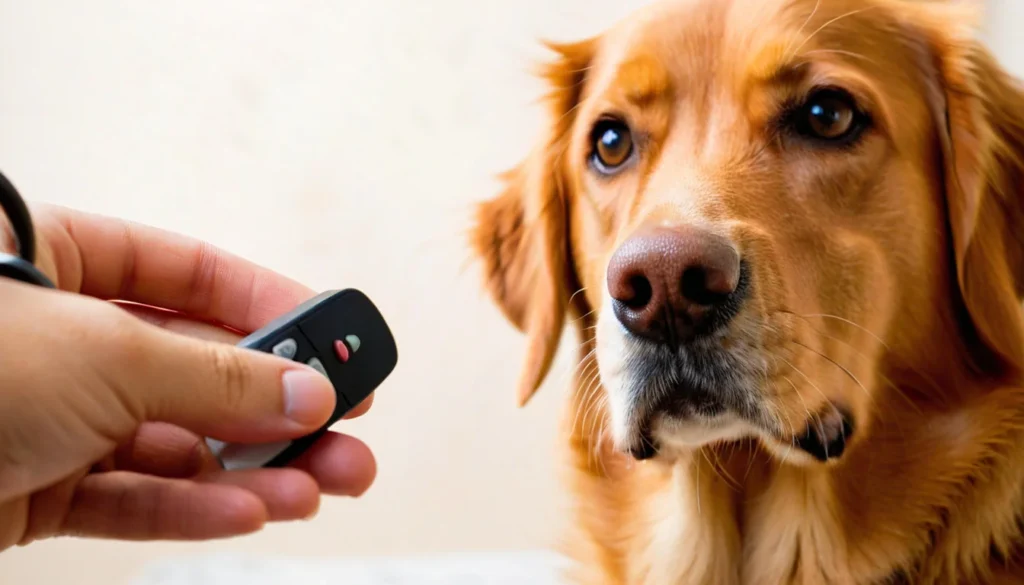
I start with capture when a behavior appears on its own. I watch for spontaneous actions like a dog lying calmly on a mat. The instant the dog does it, I click and reward.
This makes the click meaningful. It shows how does a clicker work for dog training: it marks the precise moment and ties that moment to a reward.
When a dog needs guidance, I use a lure. I hold a treat near the nose to guide a sit or a turn. I click at the exact moment the posture is correct, then reward.
Over a few repetitions, I phase out the treat as a guide. This helps the dog generalize without depending on food in my hand.
For complex skills, I rely on shaping behaviors through small steps. I break the final action into tiny approximations and click each closer attempt.
For example, when training recall, I click any movement toward me at first. Gradually, I click only larger progress until the dog completes full recall reliably.
One rule I follow strictly is never to click for the wrong action. If the dog does not perform the intended step, I wait and try again.
If a dog seems unsure, I combine methods. I lure to begin, capture to register natural occurrences, and shaping to refine the result. This blend keeps sessions positive and steady.
| Technique | When to Use | Key Steps |
|---|---|---|
| Capture | Natural, spontaneous desirable behaviors | Watch closely, click the instant, reward immediately |
| Lure | Unfamiliar or unsure behaviors | Guide with treat, click exact moment, phase out lure |
| Shaping | Complex behaviors or sequences | Break into steps, click successive approximations, increase criteria |
Clicker training for puppies and building early foundations
I teach new puppy owners simple ways to start strong with clicker training for puppies. Early sessions set the tone for a lifetime of learning. Gentle, clear marking helps a young dog know what earns praise and treats.
Why puppies respond well to mark-and-reward training
Puppies repeat actions that bring rewards. I use positive reinforcement with a clicker to make good behavior obvious and fun. That clear feedback speeds learning and builds enthusiasm for training.
Simple starter behaviors ideal for puppies
I begin with short, concrete goals like name recognition, sit, touch, and a calm down. Click and reward tiny steps so the puppy gains confidence. Loose-leash walking basics can start in low-distraction areas.
Age-appropriate treats, short sessions, and socialization
Very young puppies need small, soft treats and sessions that last one to five minutes. I recommend repeating those short bursts several times a day. Socialization gets equal attention so learning happens around people, sounds, and other dogs.
I keep the marker consistent and pair each click with a reward until the puppy understands the promise. For pups who startle easily, I switch to a softer click or a calm verbal marker. My goal is frequent, positive interactions woven into daily routines to build puppy training basics and a strong bond.
Clicker training for obedience and practical skills
I use click-and-reward to teach clear, reliable obedience cues. A well-timed click marks the exact moment the dog performs the behavior I want. Click when the butt hits for sit, click when the belly touches for down, click when the dog moves toward me for recall.
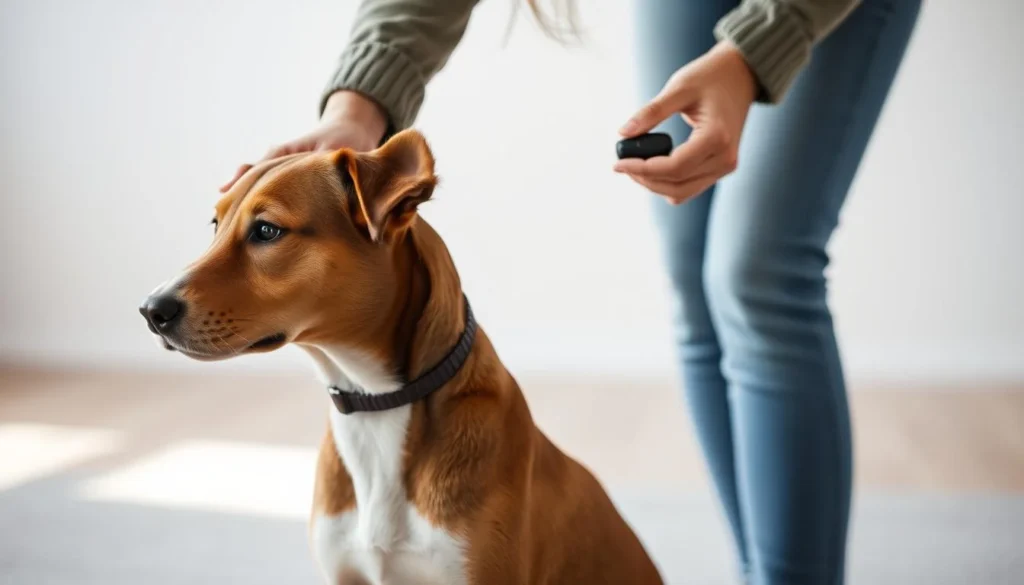
To teach sit, down, come, and stay, I break each skill into small steps. I reward the first correct try, then shape the sequence toward a full response. Short sessions keep the dog engaged. High-value treats speed progress during early stages of clicker training for obedience.
To transfer to verbal cues, I pair the cue with the click and reward. I give the verbal cue, click the precise moment of the behavior, then treat. As the dog learns the link, I slowly reduce clicks and rely on the spoken cue more. This gradual shift makes the transfer to verbal cues smooth and reliable.
For proofing behaviors, I increase distance and add distractions in stages. I practice inside, then in the yard, then in parks with people and other dogs. The click bridges the gap when I cannot deliver a treat immediately, so correct responses stay reinforced even at a distance. I use higher-value rewards for long-distance or off-leash work.
I train different handlers to click and reward the same way so commands stay consistent. Once a behavior is solid, I fade treats using intermittent reinforcement schedules while occasionally reloading the clicker. That approach strengthens recall and stay, especially when proofing behaviors around real-world distractions.
Positive reinforcement with a clicker for behavior modification
I use clicker training to change unwanted habits. I reward safer alternatives with a clicker. This method focuses on what I want the dog to do instead of punishing mistakes.
I start by picking a behavior to change and a new action for the dog. For example, I reward a sit instead of a jump. This gives the dog a simple choice for a click and treat.
I aim for precise timing to capture calm responses to triggers. When the doorbell rings, I click the moment the dog stays calm. This builds calm responses over many trials.
I avoid punishment and never click for the wrong response. I use luring and shaping to guide the dog. Clicker training is humane and builds trust between me and the dog.
Patience is key. I consistently pair the click with a reward and repeat sessions. With practice, timing, and clear rewards, I can change habits and strengthen calm behavior.
| Step | Action | Why it works |
|---|---|---|
| 1 | Pair click with treat 10–20 times | Creates conditioned reinforcer so the click predicts reward |
| 2 | Choose a replacement behavior (sit, settle) | Gives the dog a clear, rewarded alternative to unwanted actions |
| 3 | Click at the exact calm moment during a trigger | Marks calm responses to triggers and speeds learning |
| 4 | Use short, frequent sessions | Maintains focus and prevents frustration |
| 5 | Fade treats gradually while keeping the click | Maintains behavior without constant food rewards |
Benefits of using a clicker in dog training
Clicker training is a clear way to teach dogs new tricks. The click marks the exact moment I want the dog to do something. This makes learning faster and less confusing.
Precise communication and faster learning
When I click, the dog hears a clear signal. This signal connects the action to the reward. It helps me teach complex behaviors step by step.
Clicking at the right moment makes learning quicker. Dogs repeat successful actions faster when they know exactly when they're right.
Increased enthusiasm for training and stronger bond
Dogs get excited to learn with clicker training. It makes training fun and predictable, boosting their motivation.
As I reward good behavior, trust grows. The dog learns to do things to get the click. Our training time becomes a fun activity that strengthens our bond.
Consistency across handlers and reduced trainer emotion bias
The click doesn't change with my mood. Anyone can use the same sound and get the same results. This consistency helps the dog learn from different people.
Using a neutral marker makes training more reliable. I focus on timing and reward, not how I sound. This makes training outcomes consistent, no matter who's working with the dog.
Common mistakes and troubleshooting dog clicker training
Many owners learn quickly but hit roadblocks due to small mistakes. This guide will help you avoid these errors. It shows how to fix common problems in clicker training, so you can focus on positive reinforcement.
Click timing and reward pairing
Timing the click and reward is crucial. I click only once for the exact behavior I want, then reward right away. If the dog doesn't do what I want, I don't click. This rule helps avoid a major mistake in clicker training.
Single click, clear outcome
Don't use multiple clicks for one action. One click means one reward. I wait a second before giving the treat to show the dog the connection. This simple change fixes many common issues.
Fading treats without losing gains
Using too many treats is a common mistake. I use fading rewards by mixing in play, praise, and lower-value kibble. This keeps the dog's behavior strong while reducing treat use.
Choosing gentler marker options
Some dogs are scared by loud clicks. I try softer clickers or a calm "Yes" instead. For deaf or sensitive dogs, I use visual or touch markers with treats. This helps find a marker that works for every dog.
Session length, handlers, and distractions
I keep training sessions short to prevent boredom. I use high-value rewards when training in distracting places. Having one marker rule helps when different people train the dog. These steps help overcome many training challenges.
Conclusion
Learning how a clicker works for dog training is all about simple science. A clicker becomes a special reward after you pair it with treats. This lets you mark the exact moment a dog does what you want.
This clear timing helps connect the action with the reward. It makes learning faster.
Clicker training is based on operant conditioning and positive reinforcement. It's a kind, precise way to teach dogs. You can use it for obedience, tricks, and changing behaviors.
Because the click is neutral, many people can use it and get good results. This makes training consistent and effective.
To start clicker training, first load the clicker with treats. Keep training sessions short and choose rewards that motivate your dog. Use different techniques like capture, lure, and shaping to build skills step by step.
With patience and regular practice, clicker training can make learning fun. It also strengthens the bond between you and your dog.


