When I brought home my Labrador puppy, training was all about treats. I loved her happy eyes and wagging tail. But, I worried about her weight and bones.
I wanted to reward her without overfeeding. So, I balanced her training rewards with her daily calories. I used part of her meals for short training sessions. I also tried single-ingredient bites and gently cooked options like Spot & Tango UnKibble.
This small change helped her weight, energy, and focus. It was a big improvement.
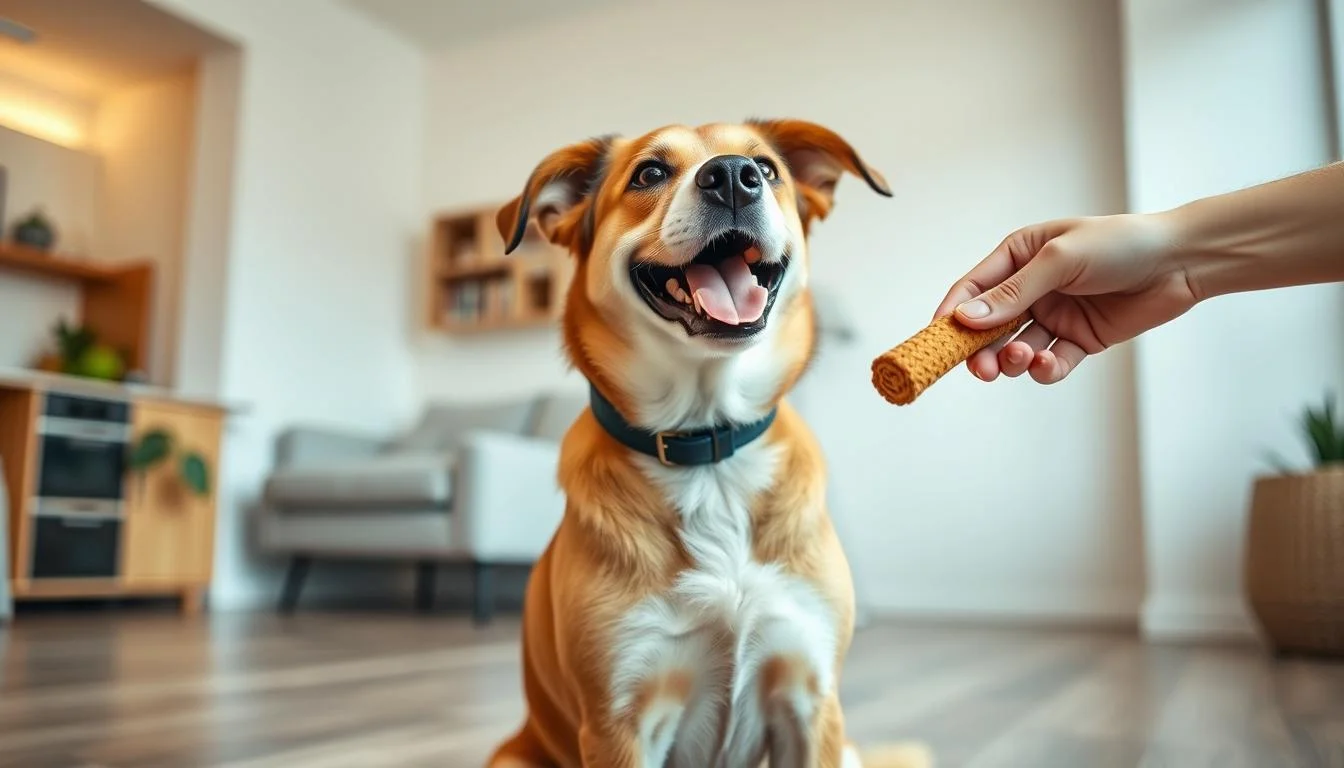
Consistency was key. Positive reinforcement dog training works best with immediate and predictable rewards. I mixed verbal praise, quick petting, and tiny food pieces. This kept sessions rewarding without extra calories.
Key Takeaways
- Use part of your dog’s daily ration for training to avoid extra calories.
- Keep sessions short (3–5 minutes) and frequent to reduce treat need.
- Pair small food rewards with verbal praise and affection for strong results.
- Choose low-calorie, single-ingredient treats or portioned UnKibble-style food.
- Follow the 10% rule: treats should be a small slice of daily calories.
Why avoiding overfeeding during dog training matters for health and behavior
I focus on why careful reward choices matter. Training should build good habits without risking long-term health. Overfeeding during sessions can quietly add calories that lead to weight gain and change how a dog responds to cues.
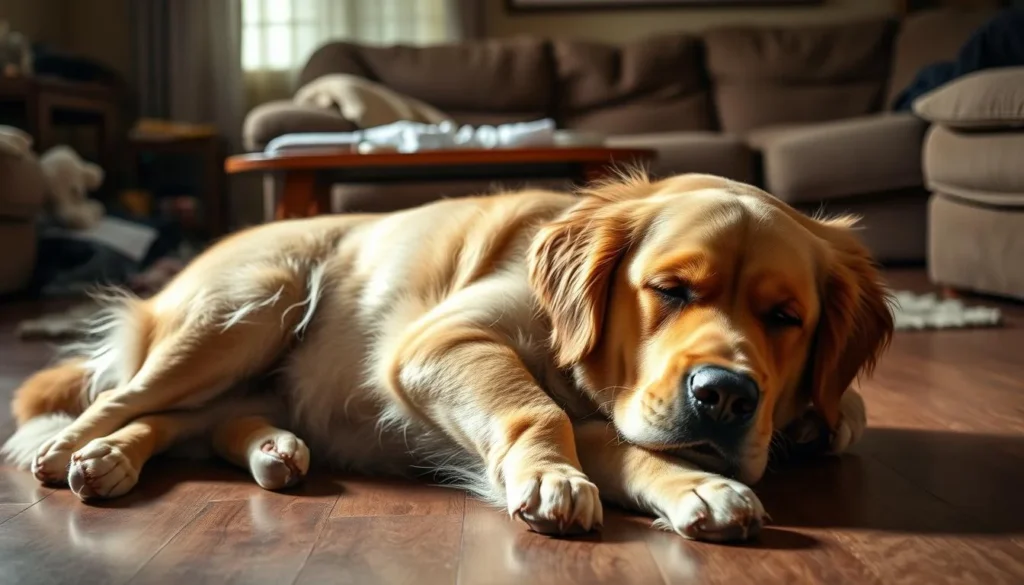
I watch growth stages closely with puppies. Extra calories stress growing bones and joints in large breeds and can cause musculoskeletal problems. Small breeds often fill out by six to eight months. Medium breeds finish later. Large and giant breeds need tailored caloric plans up to 18–24 months to avoid nutrient imbalances like excess calcium or too much fat that risks pancreatitis.
I pay attention to digestive signs. Overfeeding can cause bloating, constipation, diarrhea, or vomiting. Those issues interrupt training and lower quality of life. Long-term excess calories raise the chance of obesity in dogs, which links to arthritis, diabetes, and higher surgical risk.
Dog training rewards must shape behavior, not create dependence. If I reveal a treat before a cue, the dog may learn to wait for food instead of obeying. Poor timing or inconsistent praise can confuse dogs and reduce reliability of commands.
I use clear cue–reward phrasing such as "Good sit" to help a dog link action and outcome. That method reduces treat dependence while keeping training effective. When I ask how can i reward my dog during training without overfeeding, timing and choice matter most.
Beyond health and behavior, overfeeding has practical impacts at home. Extra food raises vet bills and shortens lifespan. Heavier pets need more resources and increase the household carbon pawprint through higher food consumption.
I find a balanced approach keeps sessions productive and sustainable. Thoughtful use of low-calorie treats, brief praise, and short training bursts reduces excess calories while preserving positive reinforcement.
| Issue | What to watch for | My practical tip |
|---|---|---|
| Growth and skeletal health | Rapid weight gain, joint soreness in puppies and large breeds | Adjust calories by age and breed; consult your veterinarian for growth plans |
| Digestive problems | Bloating, vomiting, diarrhea, constipation after training snacks | Limit fatty treats; use small portions of easily digestible food |
| Behavioral dependence | Treat-focused responses and inconsistent obedience | Use timed praise, variable reward schedules, and nonfood rewards |
| Long-term health costs | Obesity in dogs, increased chronic disease, higher vet bills | Track daily calories and select low-calorie dog training rewards |
| Environmental impact | More food consumption raises carbon pawprint | Cut waste by portion control and efficient reward strategies |
how can i reward my dog during training without overfeeding?
I make training fun and light by fitting rewards into my dog’s daily food plan. Using part of their regular meal as treats helps me control how much they eat. I hand-feed kibble during short sessions to slow things down and add fun without extra calories.
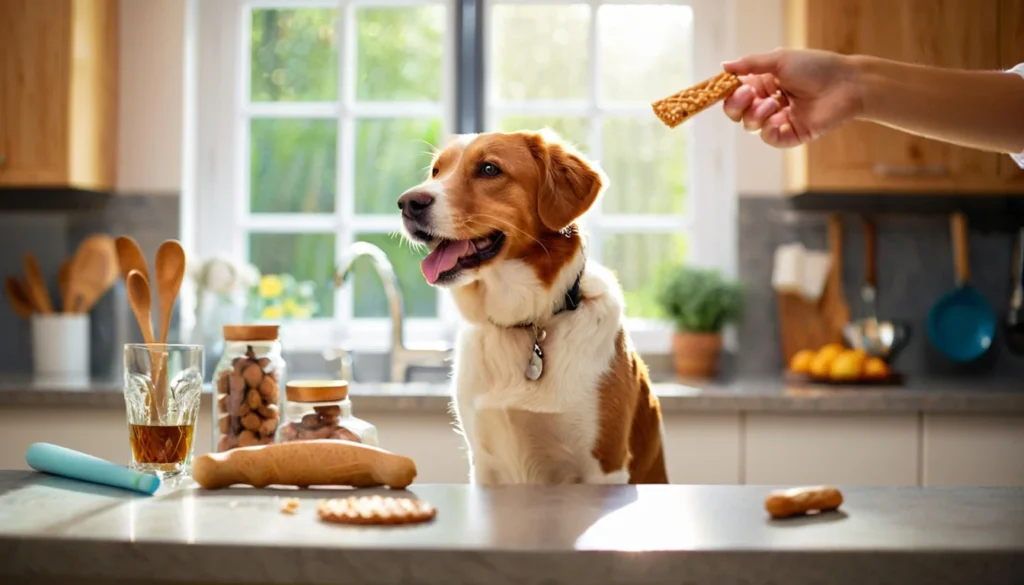
Balance treats with daily calorie goals
I figure out my dog’s daily food needs and keep treats under 10 percent. When they learn something new, I cut their next meal a bit. For walks and outings, I pack mealtime biscuits or save part of breakfast for training.
I have a reward system where simple cues get low-calorie treats and harder behaviors get tastier ones. This keeps training positive and helps my dog stay at a healthy weight.
Short, frequent sessions to minimize treats
I prefer short training sessions of 3–5 minutes, several times a day. This keeps my dog focused and cuts down on treats. At first, I use continuous rewards to help them learn, then switch to variable rewards and praise as they get better.
I always give the reward right after they do the behavior. This way, each treat is a reward for their effort, not just a bribe. It helps them learn and stay healthy with low-calorie rewards.
Healthy dog training treats and portion control
I choose treats that are good for training without adding too many calories. It's important to pick the right snacks and control portions. This way, I can reward my dog without harming their health or weight.
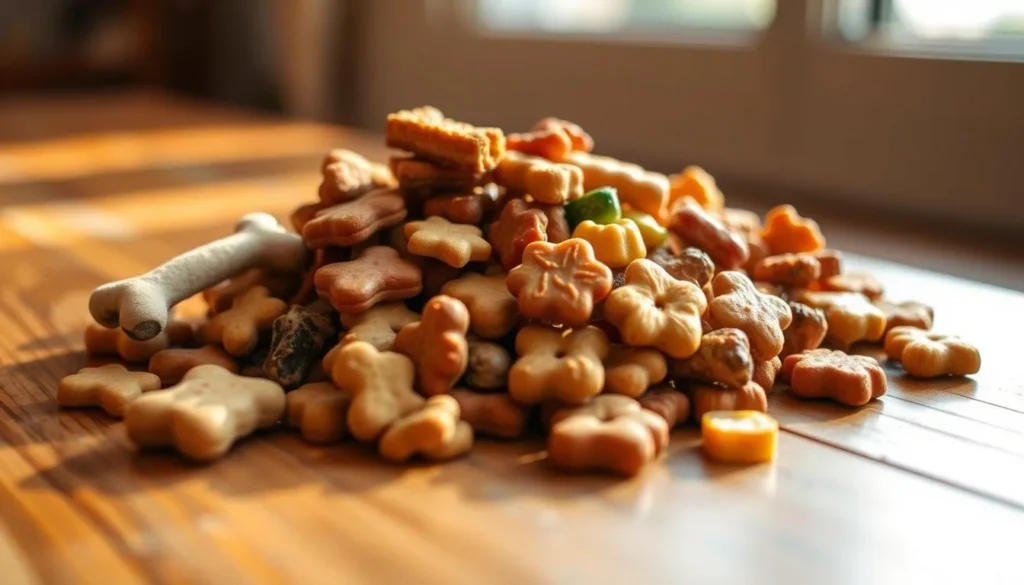
Choose low-calorie, single-ingredient options
I prefer single-ingredient treats like small beef liver strips or lean chicken. I also use Spot & Tango UnKibble pieces from their meal plan. This avoids the need for extra rewards and keeps nutrients balanced.
Cut treats into smaller pieces
I cut treats into pea-sized bits for quick rewards without too many calories. Carrot, broccoli, and pumpkin are great options. Apple, blueberries, and strawberries are also good for quick training sessions.
Use balanced meal-based training food
Sometimes, I use daily kibble or UnKibble during training. This way, meals help with training and prevent extra calories. When using special treats, I reduce the main meal to keep calorie intake in check.
I keep treats short and reward often for small achievements. I also watch the total calories. These strategies help me give healthy treats while staying within daily calorie goals.
Low calorie dog rewards beyond edible treats
I mix non-food dog rewards to keep training fun and calorie-free. I switch from treats to actions or toys. This protects my dog's weight and keeps sessions exciting.
I use short, clear praise. Saying “Good sit” and giving a quick pat tells my dog what I want. Verbal praise is great anywhere and works best when it matches the action.
Play is perfect for high-drive dogs. A quick tug or a single toss of a top-quality ball rewards them instantly. Durable toys from brands like Kong or West Paw prevent breakage and make play rewards reliable.
Life rewards give my dog access to what they love. I let them sniff on walks after a good heel. I also give them access to favorite spots or social time after a solid recall. These rewards reinforce real-world behavior and cut down on treats.
I change up the rewards so my dog doesn't always expect treats. Mixing praise, quick affection, play, and life rewards makes training varied and effective. This keeps training balanced and saves on daily calories.
- Verbal praise: immediate, consistent, and zero calories.
- Quick affection: one pat or stroke to mark success.
- Play rewards: tug or ball toss using durable gear.
- Life rewards: access to sniffing, play areas, or social time.
Positive reinforcement dog training techniques to reduce treat reliance
I focus on the dog's learning and have a plan to use fewer treats. Short sessions and clear cues help dogs understand what they're doing. I use phrases like “Good stay” to make the cue and reward one thing.
I start by rewarding every correct action to teach new skills. Once the behavior is solid, I mix in non-food rewards. This keeps the dog motivated without adding too many calories.
Timing and consistency
I reward right after the action to make the connection clear. I don't show treats before asking for a behavior. This way, the dog learns to do the task first, then get the reward.
Fade food rewards gradually
I cut down on treats by using play, praise, or favorite toys as rewards. Hand-feeding meals in short sessions helps control calorie intake. It also strengthens our bond without adding extra calories.
Avoid bribing
I never use treats as a lure or show them before giving the cue. Bribing makes the dog wait for the treat, not follow the command. I reward good behavior, ignore bad, and redirect when needed.
- Start with short 3–5 minute sessions to keep energy and focus high.
- Gradually replace treats with verbal praise, quick petting, or a short play burst.
- Track treat calories so positive reinforcement dog training stays healthy and balanced.
Using these methods, I keep an eye on the dog's weight and happiness. Finding the right balance in rewards keeps training fun and safe for both of us.
Alternative rewards for dog training: creative, effective options
I mix food, play, and environment to keep training fresh. This way, I teach new behaviors without harming my dog's waistline. Small changes in rewards keep motivation up without needing treats all the time.
I use enrichment toys and puzzle feeders for meals or kibble. Hand-feeding and slow-feeders add mental work and control calories. Kongs with a bit of dinner or yogurt keep my dog busy for little extra calories.
I have a clear reward hierarchy in training. High-value rewards go to new or hard behaviors. Low-value kibble or short play breaks reward simple commands. This method makes training efficient and cuts down on treats.
Social and environmental rewards are very powerful. Letting my dog sniff new trails, meet friends, or go for a short walk often beats treats. I choose rewards based on what my dog likes to keep motivation high without extra calories.
For variety, I offer low-calorie rewards like fresh veggies, small fruits, or insect-based treats. Puzzle feeders, plant-based chews, and interactive toys add fun and mental exercise while keeping calories low.
I change enrichment toys and rewards between sessions. This keeps my dog curious and eager to learn. By combining smart food choices with social and play rewards, training becomes more fun, effective, and healthy.
Balanced dog treats and meal planning for trainers
I plan meals and rewards for training to keep sessions lean. I split a dog’s daily food for meals and rewards. This way, I reward my dog without overfeeding.
Split meals for training sessions
I divide daily portions for meals and training. I put measured pieces in a training pouch for walks. Services like Spot & Tango’s UnKibble offer pre-portioned scoops for predictable feeding.
Consider fresh, portion-controlled food
I suggest fresh or subscription meals with training-sized pieces. These options make portion control easy and prevent extra calories. Using fresh pieces keeps my dog motivated and saves time on planning.
Consult a nutritionist or veterinarian
Always check with a vet or pet nutritionist for calorie targets. Use calculators or vet advice to keep treats under 10% of daily calories. A pro adjusts portions for different needs and ensures treats are balanced.
Practical training tips to monitor weight and avoid overfeeding
I keep training practical and focused to keep my dog healthy and eager to learn. Making small changes to treats, meals, and activities helps avoid extra calories. Here are steps I use to track progress and keep rewards effective.
Track treats and daily calories
I log every treat, meal, and snack in a notebook or app. This helps me see how many calories training adds. I aim to keep treats under 10% of daily calories and use calculators for guidance.
I split meals into training portions when possible. Hand feeding during short sessions helps control pacing and avoid extra calories. Spot & Tango’s portion scoops and custom plans help with portion sizes as dogs grow.
Use body condition scoring
I check ribs, waist, and overall shape weekly with body condition scoring. Feeling ribs with light pressure tells me if weight is creeping up. If I see loss of a visible waist or too much fat over the ribs, I adjust feeding right away.
Body condition scoring pairs well with photos. I take a quick side view each month to compare changes. This makes subtle trends easier to spot than relying on the scale alone.
Adjust exercise and portion size
If my dog gains weight, I increase daily activity before cutting meals drastically. Longer walks, play sessions, or a puzzle feeder session burns extra calories and keeps training fun. I talk with my veterinarian about safe changes to exercise and portion sizes.
When I reduce food, I focus on volume through low-calorie additions like steamed green beans or plain pumpkin. This keeps meals satisfying. This way, I can reward my dog during training without overfeeding while keeping treats meaningful and effective.
I monitor for signs of over-treating such as loose stools, dental issues, or loss of appetite. Regular checks and a clear log allow me to balance rewards, apply body condition scoring, and track treats and calories. This keeps training healthy and sustainable.
Conclusion
I keep training rewarding and healthy by using part of my dog’s daily food. I choose low-calorie single-ingredient treats and cut them into small pieces. Short, focused 3–5 minute sessions help link behavior to outcomes without extra calories.
These steps help me reward my dog without overfeeding. They keep training motivating.
Beyond bites, I use non-food dog rewards like verbal praise and quick affection. I also use play and life rewards such as sniff breaks. Puzzle feeders and hand-feeding add mental work and slow eating.
Reserving high-calorie rewards for new or difficult behaviors keeps daily intake balanced. This makes other rewards more meaningful.
I track treats and daily calories to keep them under about 10% of total energy. I split meals for training and consider fresh portion-controlled options or services for convenience. I check resting energy requirements with my veterinarian or a clinical pet nutritionist.
Watching body condition helps avoid risks like arthritis or chronic disease. Reducing unnecessary food rewards also trims my dog’s carbon pawprint. This keeps training fun and effective.