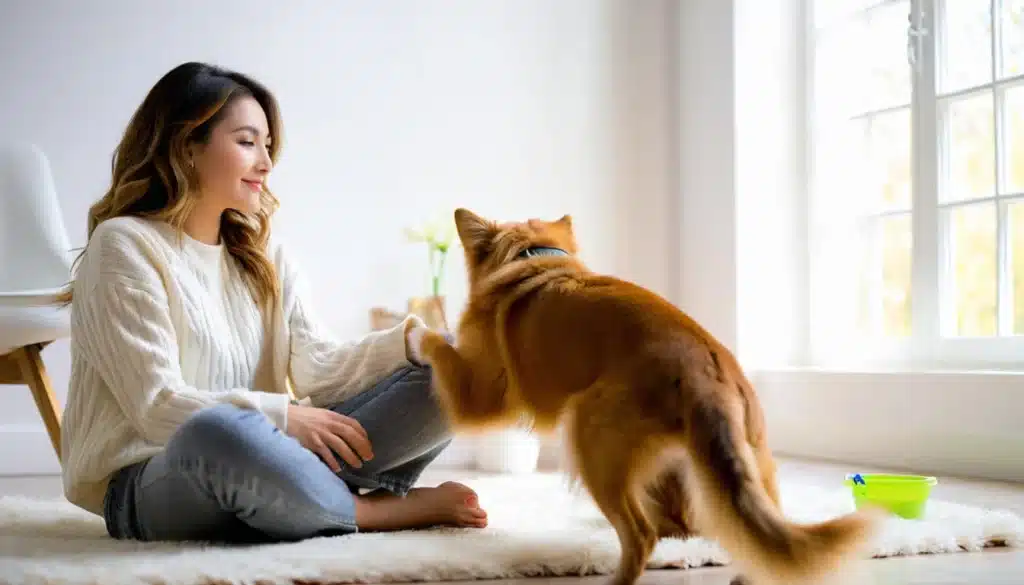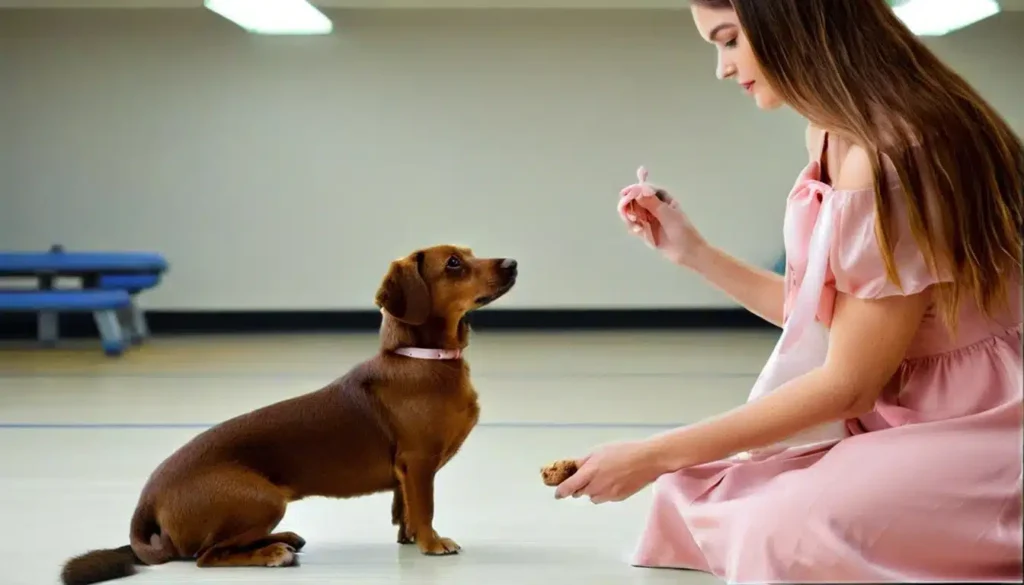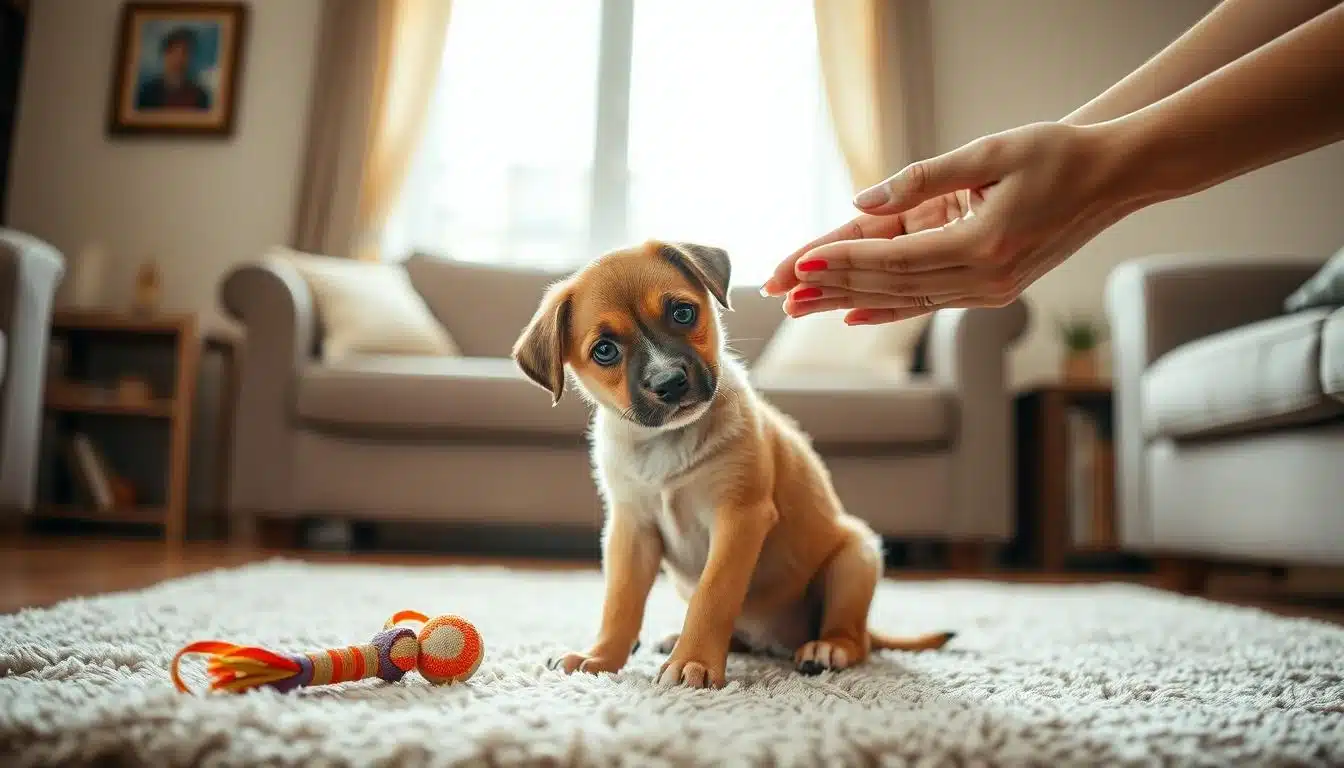
When my puppy first came home, I was excited and a bit nervous. They were full of energy and love, but also had a biting problem. I wondered, how can I stop my puppy from biting?
Learning about puppy biting behavior is key to a strong bond. This article will cover how to prevent puppy biting and offer training tips. We'll work together to raise our puppies into well-behaved friends.
Key Takeaways
- Puppy biting is a natural behavior, often linked to teething and play.
- Understanding the distinction between playful biting and aggression is crucial.
- Establishing bite inhibition helps puppies learn to control their bites.
- Effective training techniques can reduce biting behaviors over time.
- Socialization and mental stimulation are key to a well-behaved puppy.
Understanding Puppy Biting Behavior
Puppies are naturally curious and often use their mouths to explore. This curiosity can lead to biting, a common issue for pet owners. Knowing why puppies bite is key to managing this behavior.
Why Do Puppies Bite?
Puppies bite as a way to understand their world. They may do it playfully or to test boundaries. This behavior is especially common during their early months of life.
It's important to remember that biting is a normal part of a puppy's development. Training and redirection can help them learn acceptable behaviors.
The Role of Teething in Biting
Puppy teething is a big reason for early biting. Puppies, like human babies, feel discomfort as their teeth come in. They may bite anything to ease this pain.
Providing chew toys can help. It encourages healthy biting habits and keeps playtime positive.
Playfulness vs. Aggression in Puppies
It's key for dog owners to know the difference between playful and aggressive puppy behavior. Puppies show their feelings in many ways, making it hard to tell if they're just playing or showing aggression. By spotting these signs early, I can help my puppy learn good behavior and keep our home peaceful.
Recognizing Normal Puppy Behavior
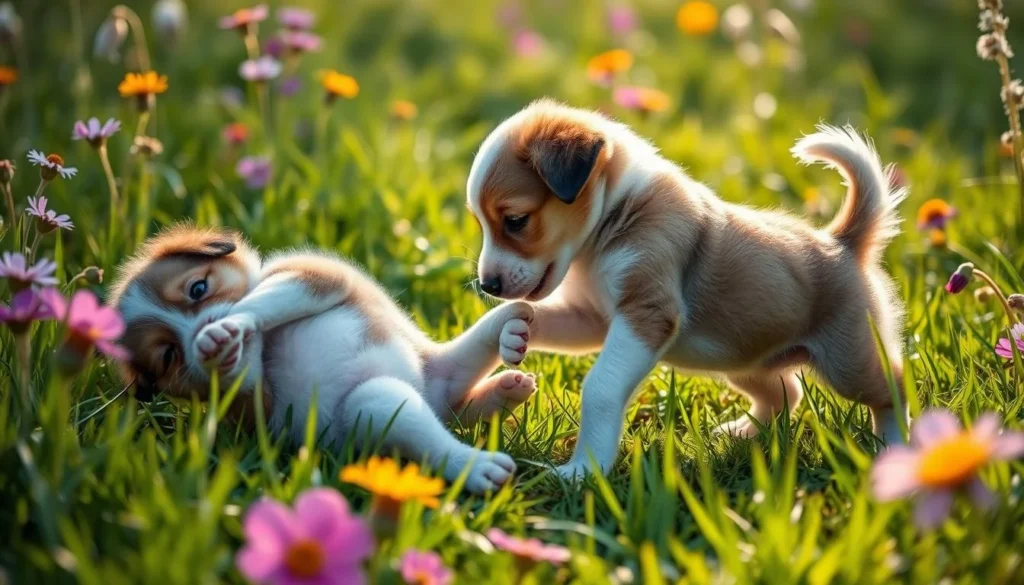
Normal puppy actions include chasing, nipping, and gentle wrestling. These are important for their growth and learning. Watching my puppy's body language helps me see if they're happy or not. Signs like relaxed posture and playful barks show they're enjoying themselves.
Identifying Signs of Aggression
Some signs might mean my puppy is showing aggression. Stiff body, low growling, and staring are warning signs. If they bite too hard, it's time to stop and think about what's happening. Keeping an eye on these signs helps me teach my puppy to behave well.
The Importance of Bite Inhibition
Bite inhibition is key for a puppy's growth. It's about learning to control the force of their bites. This skill keeps everyone safe as they grow up.
What is Bite Inhibition?
Bite inhibition means puppies learn to use their mouths softly. This skill is important to avoid painful bites later. When a puppy bites too hard, they get feedback like yelping. This teaches them to adjust their bite.
How Puppies Learn to Control Their Bites
Puppies learn to control their bites from their littermates and mom. They play and wrestle, and when biting is too hard, they yelp or stop. This helps them learn to bite softly. I can also help by playing with them and teaching them to bite toys instead.
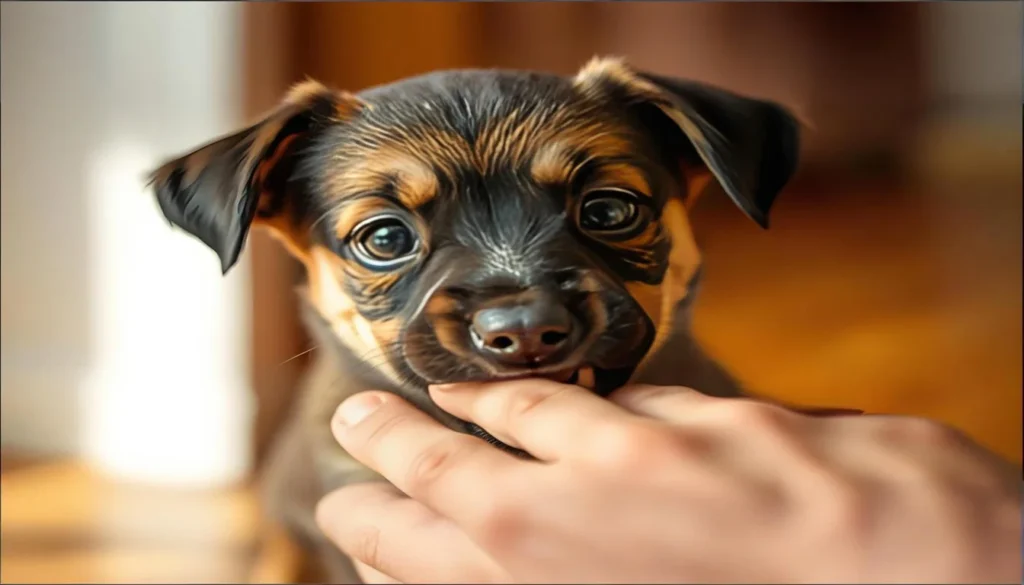
Get My Puppy to Stop Biting: Step-by-Step Techniques
Two key methods can help stop puppy biting: using a high-pitched yelp and time-outs. These methods teach your puppy what is acceptable and what isn't. They guide your puppy's actions in a good way.
Using a High-Pitched Yelp
Using a high-pitched yelp is a simple yet effective way to stop biting. This sound tells your puppy their bite is too hard. It's like saying, "Hey, that hurts!"
After the yelp, pause playtime. This shows your puppy that biting means no more fun. It helps them learn fast.
Implementing Time-Outs
If the yelp doesn't work, try time-outs. When your puppy bites too hard, take them away for a little while. This teaches them that biting means no play.
Make sure these time-outs are short. This way, they're effective without upsetting your puppy.
Substituting Toys for Human Interaction
As a puppy owner, finding ways to manage biting is key. Giving puppies the right chew toys is a good start. When they want to bite, the right toys can steer them in a good direction.
Choosing Appropriate Chew Toys
Choosing the right chew toys is important for my puppy's happiness and growth. Toys that are fun and last long can meet their natural urge to chew. Here's a table with some top chew toys, their sizes, and special features:
| Toy Name | Size Suitability | Features |
|---|---|---|
| KONG Classic | Small to Large | Durable, can be stuffed with treats |
| Benebone Wishbone | Medium, Large | Flavor-infused, ergonomic design |
| Nylabone Dura Chew | Small to X-Large | Long-lasting, promotes dental health |
| PetSafe Busy Buddy | Medium to Large | Interactive, encourages chewing and play |
Redirecting Biting to Toys
When my puppy bites my hands or clothes, I use a chew toy to redirect them. This teaches them what's okay to bite. Being consistent helps them learn and encourages good behavior.
Using toys instead of hands during playtime makes things better. It also strengthens our bond.
Encouraging Gentle Play
It's important to teach puppies to play gently. Playing with them helps set boundaries and lets them enjoy their natural instincts. By avoiding rough play, we create a safe space for them to interact healthily.
Playing Without Roughhousing
Choosing games that don't involve rough play is crucial for a well-behaved puppy. I pick activities that are fun for both of us but don't encourage biting or nipping. This way, my puppy learns to play without being too aggressive.
Introducing Non-Contact Games
Non-contact games are a great way to keep my puppy entertained safely. Games like fetch, hide-and-seek, or light tug-of-war with toys are perfect. They let my puppy use their natural instincts while staying within safe boundaries.
Understanding Puppy’s Energy Levels
Every puppy has its own energy levels. These levels affect their behavior. Knowing this helps me give them the right exercise and understand their needs.
Physical activity is key to using up their energy. It also stops bad behaviors like too much biting.
Providing Physical Exercise
Regular play and outdoor fun are great for puppies. A fast walk, playing fetch, or exploring new places helps them use up energy. I make sure they get at least 30 minutes of exercise each day.
This keeps them happy and stops bad behaviors.
The Importance of Mental Stimulation
Mental games are important for dogs. I use puzzle toys, training, and games to keep my puppy's mind sharp. These activities keep them busy and stop boredom-related bad behaviors.
By mixing physical and mental activities, I help my puppy stay balanced and well-behaved.
Socializing Your Puppy
Puppy socialization is key for their emotional and behavioral growth. It's important for them to meet other dogs. This helps them learn and grow through playdates.
Benefits of Playdates with Other Dogs
Playdates with other dogs teach my puppy good behavior. Here are some key benefits:
- Promotes healthy social interactions
- Encourages positive play behavior
- Allows my puppy to develop confidence
- Reduces fear and anxiety around other dogs
- Provides vital exercise through active play
Enrolling in Puppy Classes
Puppy training classes boost socialization. In these classes, my puppy learns important skills and manners. They also have fun. Key benefits include:
- Expert guidance on effective training techniques
- Socialization with a variety of dogs
- Opportunities for supervised playtime
- Exposure to different environments and stimuli
- Development of lifelong good habits
Establishing Consistent Training Routines
Creating effective puppy training routines is key for their growth. I find that starting early helps my puppy understand what's expected. A consistent schedule shapes their behavior and creates a positive learning space.
Starting Training Early
Training early in a puppy's life has many benefits. They learn quickly, which helps build a strong foundation for their future. Consistent training routines help them develop good habits early on, making learning fun and easy.
Reinforcing Good Behavior
It's important to reinforce good behavior in puppies. Verbal praise, treats, and affection are great ways to encourage them. This positive approach not only helps them learn commands but also boosts their confidence. As a result, they are less likely to bite as they learn to seek approval through good behavior.
| Training Method | Description | Benefits |
|---|---|---|
| Early Training | Initiating training in the puppy's first few weeks. | Faster learning, better habit formation. |
| Positive Reinforcement | Using praise and treats to motivate good behavior. | Enhanced bond and confidence, reduced biting. |
| Consistent Routines | Establishing a regular training schedule. | Clear expectations, smoother learning process. |
Preventing Biting Before It Happens
Learning how to stop puppy biting is key to having a well-behaved pet. Biting can be caused by excitement, fear, or stress. Knowing what triggers it lets me take steps to avoid it. Also, having a safe area for puppies makes them feel secure and less likely to bite when scared.
Identifying Triggers for Biting
Spotting the reasons behind biting changes how I manage my puppy's actions. Common causes include:
- Too much excitement during play
- Scared reactions to loud sounds or quick movements
- Meeting new people or animals
Watching how my puppy reacts in different places helps me find these triggers. Then, I can act early to stop biting.
Creating a Safe Space
Having a safe area for puppies greatly improves their behavior. This spot should be calm and free from distractions. It lets them take a break when they're feeling anxious. It should have:
- A cozy bed or blanket
- Favorite toys
- Chew items to keep them occupied
Knowing they have a safe place to go helps lower their stress. This makes them less likely to bite when things get tough.
Using Taste Deterrents for Biting Issues
Dealing with biting in puppies can be tough. Taste deterrents are a helpful tool. They change how puppies behave. It's important to pick safe ones to avoid harming your puppy.
Choosing Safe Taste Deterrents
Choose products made just for dogs. Many brands have safe, non-toxic options. Look for bitter sprays or gels with ingredients like bitter apple or citrus.
Reading reviews and talking to your vet can help find the best ones.
Applying Deterrents Effectively
Consistency is key when using deterrents. Spray or apply them to areas your puppy likes to bite. This helps them learn what not to do.
Be patient and keep trying. It might take time for your puppy to get it. But with the right approach, they'll learn to avoid those areas.
What to Avoid When Correcting Biting
When teaching my puppy not to bite, it's key to use positive methods. I must avoid physical punishment, as it can make my puppy scared and resentful. Knowing how negative reinforcement affects them helps me train better.
Instead of harsh corrections, I should use kinder ways to teach them right from wrong. This approach helps my puppy learn good behaviors without fear.
Avoiding Physical Punishment
Physical punishment can harm my puppy deeply. It might make them more anxious and fearful, leading to worse biting. Gentle guidance and redirection help my puppy feel safe while learning.
Instead of getting angry or frustrated, I use methods that build trust and communication. This way, my puppy learns without feeling scared or intimidated.
Steering Clear of Negative Reinforcement
It's important to understand the effects of negative reinforcement. Using it can make my puppy link training to bad experiences. This can make them less eager to learn.
Using positive reinforcement is better. It encourages my puppy to behave well without fear of punishment. This approach leads to better results and a happier puppy.
Addressing Puppy Temper Tantrums
Understanding puppy temper tantrums is key to a peaceful home. I've learned to spot tantrum signs with my pup. Signs include stiffness, growling, or too much barking. Knowing these helps me meet my puppy's emotional needs.
Recognizing the Signs of a Tantrum
Being alert to my puppy's frustration is crucial. Look out for:
- Stiff body posture
- Growling or whining
- Excessive barking
- Pawing or scratching at the door
Spotting these signs helps me manage tantrums and guide my puppy's energy.
Handling Tantrums Calmly
Staying calm when my puppy tantrums is important. I avoid getting upset, as it can make things worse. Instead, I use consistent training to teach good behavior.
Deep breaths and a soft voice calm my pup. A calming routine helps both of us.
When to Seek Professional Help
Dealing with biting behaviors can be tough for puppy owners. If my puppy keeps biting even after I've tried to train them, it's time to get professional help. This can really help my puppy and make me feel better too.
Identifying Persistent Biting Issues
It's important to know when my puppy's biting is a problem. I should look out for signs like:
- Biting that hurts me or others.
- Biting that doesn't stop even after I've tried to train them.
- Aggressive behavior during play or when eating.
- Constant anxiety or stress that leads to biting.
If I see these signs, getting help from a professional can really help my puppy.
Finding a Qualified Trainer or Behaviorist
When searching for a dog trainer, there are a few things to keep in mind. Looking for recommendations from other pet owners can be helpful. Here are some important things to consider:
- Experience with biting problems.
- Using positive training methods.
- The trainer's qualifications and training.
- How well they match my puppy's personality.
Finding a trainer who knows about biting can give my puppy the right help they need.
Maintaining a Positive Relationship
Creating a positive relationship with my puppy is key for both of us. This bond makes my puppy feel loved, secure, and understood. When we spend quality time together, it leads to better behavior and boosts my puppy’s confidence.
The Importance of Bonding With Your Puppy
Bonding techniques are vital for my puppy's learning and adaptation. Quality time through play, training, and daily routines builds trust. Simple actions like cuddling or praising my puppy show our relationship is based on love and respect.
Utilizing Positive Reinforcement Techniques
Positive reinforcement is a top training method for puppies. Rewarding good behavior with treats, praise, or playtime encourages repetition. This method not only reinforces good behavior but also strengthens our bond, benefiting both of us.
Conclusion
Teaching your puppy to stop biting is a journey that needs patience and understanding. Using high-pitched yelps and substituting toys for human play are key strategies. These methods help shape your puppy's behavior.
By following these tips, I've seen big improvements in my puppy's behavior. This has made our relationship more harmonious. Puppy biting can be tough, but with consistent training and positive reinforcement, it's doable.
This journey not only stops biting but also strengthens our bond. It makes our time together enjoyable and fulfilling. Reflecting on this, I realize that tackling biting early on leads to a happy, well-adjusted pet.