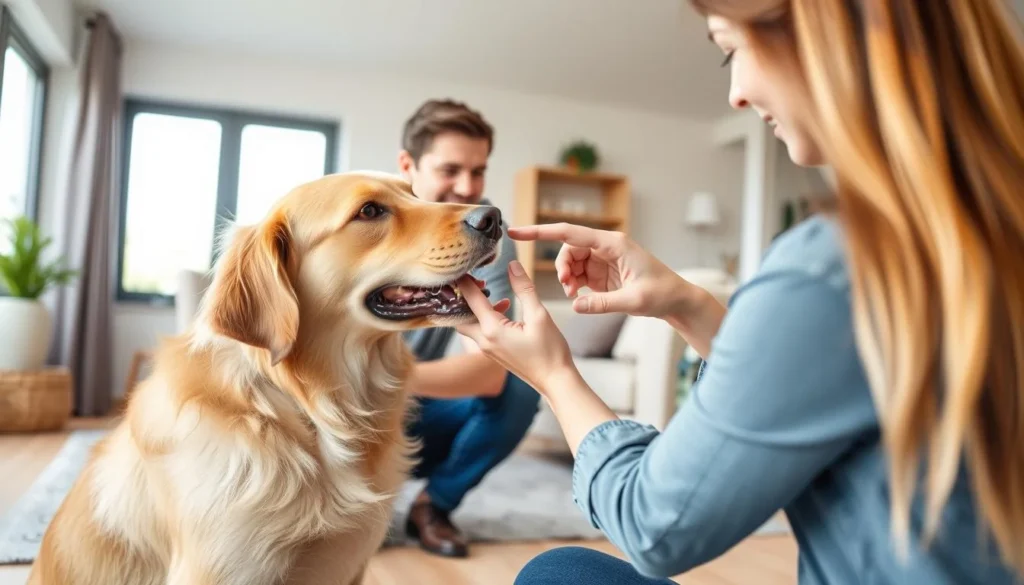
Every time I welcomed a new puppy into my home, I was met with an avalanche of energy wrapped in a tiny, furry package. Those precious moments of snuggles soon turned into frantic apologies as my playful pup turned my fingers into chew toys. Sound familiar? Understanding how to tame a puppy biting is crucial, especially when that innocent nibbling can escalate into problematic behavior. If there's one thing I've learned, it's that teaching my puppy to control their biting is fundamental in nurturing a happy, well-adjusted dog and fostering healthy bonds with everyone around them. In this article, I will share insights on why puppies bite, along with effective techniques to address and manage this common behavior.
Key Takeaways
- Puppy biting is a common behavior that can develop into a habit if not addressed.
- Understanding your puppy's biting helps in formulating effective training methods.
- Teaching bite inhibition is essential for ensuring safe interactions.
- Positive reinforcement and redirection can significantly reduce unwanted biting.
- Puppy discipline techniques play a vital role in managing biting behavior.
- Recognizing when biting leads to aggression can prevent future issues.
Understanding Puppy Biting Behavior
Puppy biting is a normal part of a dog's growth. Puppies use their mouths to explore and learn. This is how they figure out their world.
It's also how they learn to get along with other dogs. Watching my puppy, I see that biting is both a way to explore and a social skill.
While chewing is okay, too much biting can be a problem. It can hurt if it gets out of hand. Catching it early helps in teaching my puppy better manners.
Knowing why they bite helps me teach them better. I can make a plan that fits their needs. This way, I address the biting and the reasons behind it.
Telling my puppy what's okay to bite is key. It helps me manage their biting and strengthens our bond. Starting early and understanding their behavior helps them grow into a well-behaved dog.
Why Do Puppies Bite?
Puppies bite for many reasons, making owners wonder why they do it so often. One big reason is teething. Just like babies, puppies go through a teething phase. This makes them want to chew on things, including hands and furniture.
Playtime is another reason puppies bite. They use their mouths like they do with their littermates during play. It's important to teach them not to nip, as it can turn into a bad habit.
It's key to understand why puppies bite when training them. Some bite because they're excited or trying to tell us something. They might not know their bites can hurt. It's crucial to teach them the difference between playful and aggressive biting.
Recognizing Normal Play Biting
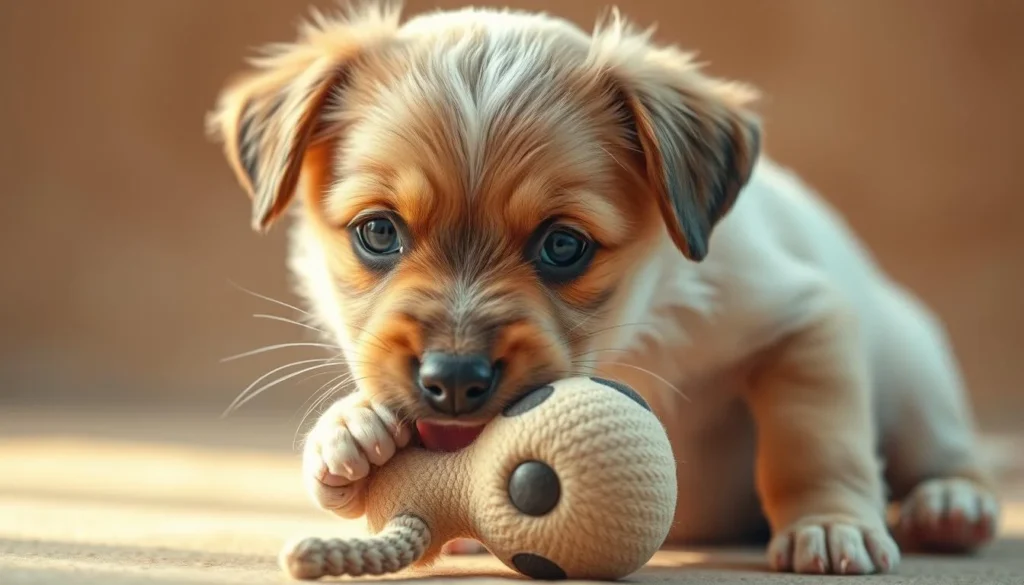
It's key for puppy owners to know when play biting is normal. Puppies play bite to learn about their strength and boundaries. They test how hard they can bite without hurting others.
When a puppy yelps or moves away, the other learns to be gentler. This shows how important it is to understand puppy behavior during play. Watching how different puppies react helps us understand play biting better.
Regular play with siblings or friends is crucial. It helps us see what's normal in play biting. This also prepares puppies for future interactions with humans and other animals.
Teaching Bite Inhibition
Bite inhibition is key for good puppy behavior. It means a dog can control their bite strength, keeping everyone safe. Puppies learn this by playing with their siblings. By teaching teaching bite inhibition, I help my dog be gentle and well-mannered.
What is Bite Inhibition?
Bite inhibition is important for all dogs. Puppies learn to control their bite by playing with their siblings. If they bite too hard, their siblings yelp, teaching them to be softer. This skill helps prevent aggressive behavior later on.
How to Teach Bite Inhibition
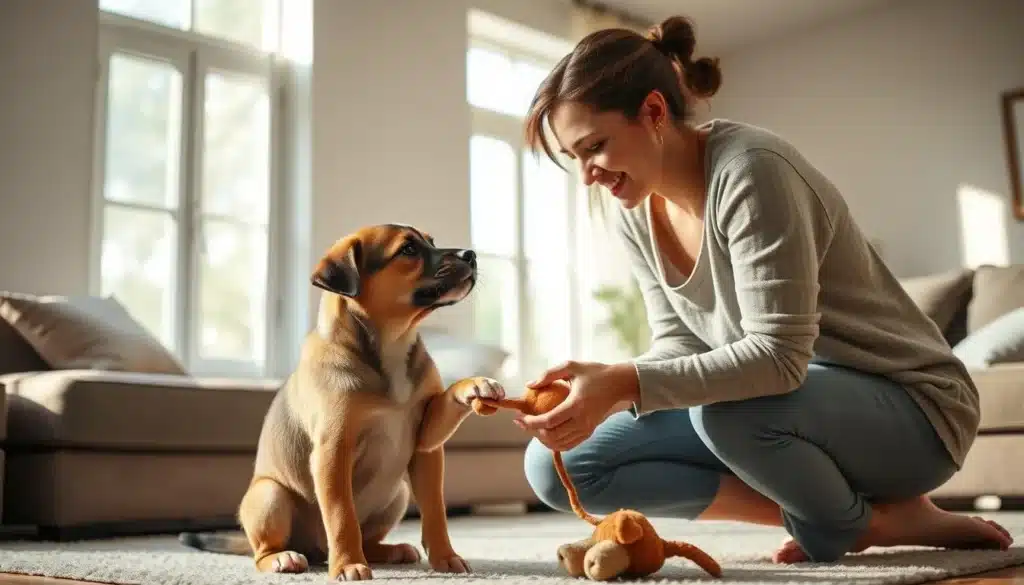
To start biting training for puppies, I use a method that works. When my puppy bites hard, I make a high-pitched yelp sound. If they stop, I praise them to show I'm happy.
If they keep biting, I ignore them for a bit. This teaches them about gentle play. Learning how to train a biting puppy helps them grow into a good friend.
Effective Techniques on How to Tame a Puppy Biting
Managing puppy biting requires effective techniques for training. I focus on positive reinforcement and redirecting to toys. These methods help change my puppy's biting habits and improve our interactions.
Using Positive Reinforcement
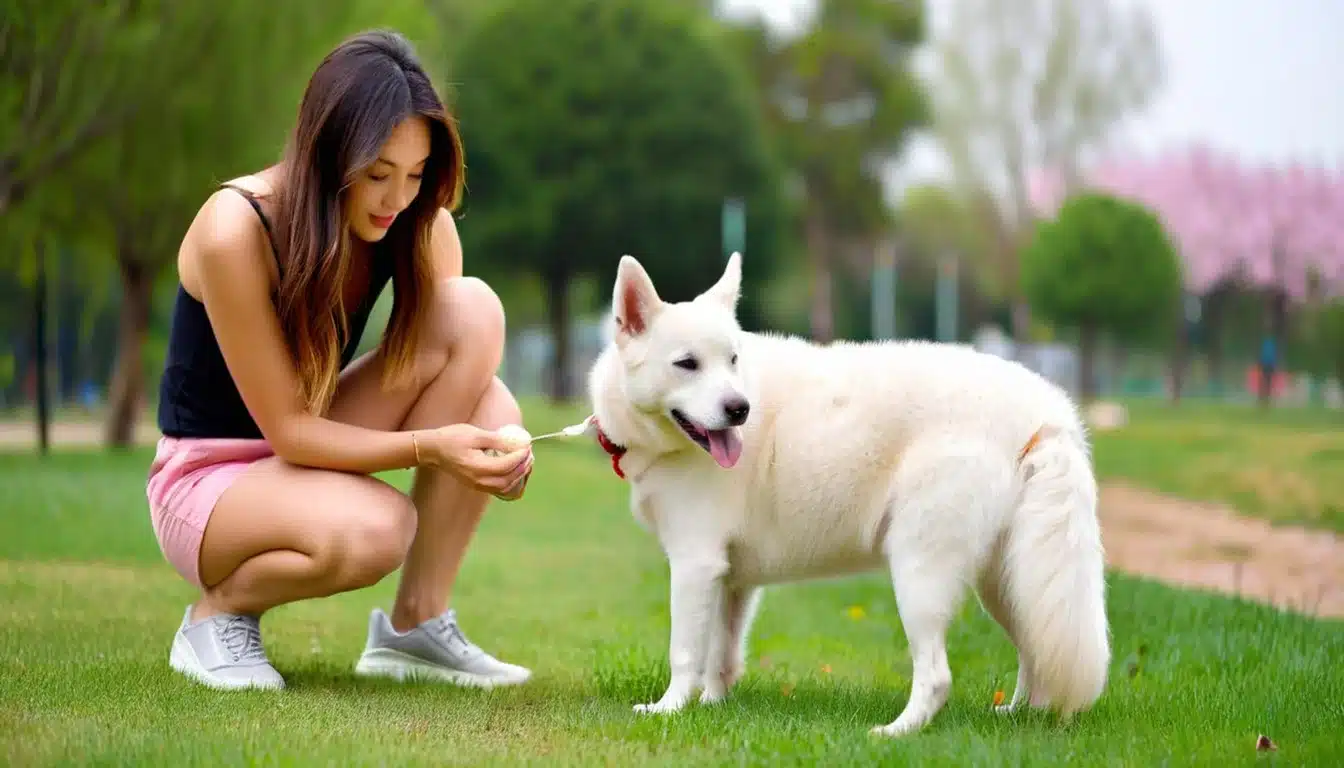
Positive reinforcement rewards my puppy with treats and praise for good behavior. This encourages them to be gentler. When they bite softly or stop biting, I praise them a lot. This teaches them what's expected and helps prevent biting.
Redirecting to Toys
Redirecting to toys is also key in controlling biting. I keep many chew toys ready for them. If they try to bite me, I give them a toy instead. This teaches them what to bite and keeps them busy, preventing mishaps.
Puppy Training Techniques for Biting
Teaching my puppy the right way to behave is key. I use basic commands like sit, stay, and leave it to control biting. These commands help my puppy learn to do better things instead.
Training sessions need to be fun and focused. I use praise and treats to reward good behavior. This makes my puppy want to listen and not bite. With regular practice, my puppy learns to behave better and stops biting.
Puppy Biting Prevention Strategies
It's important to prevent puppy biting to keep everyone safe and happy. By taking steps early on, we can stop unwanted biting. This helps our puppies grow well and behave better.
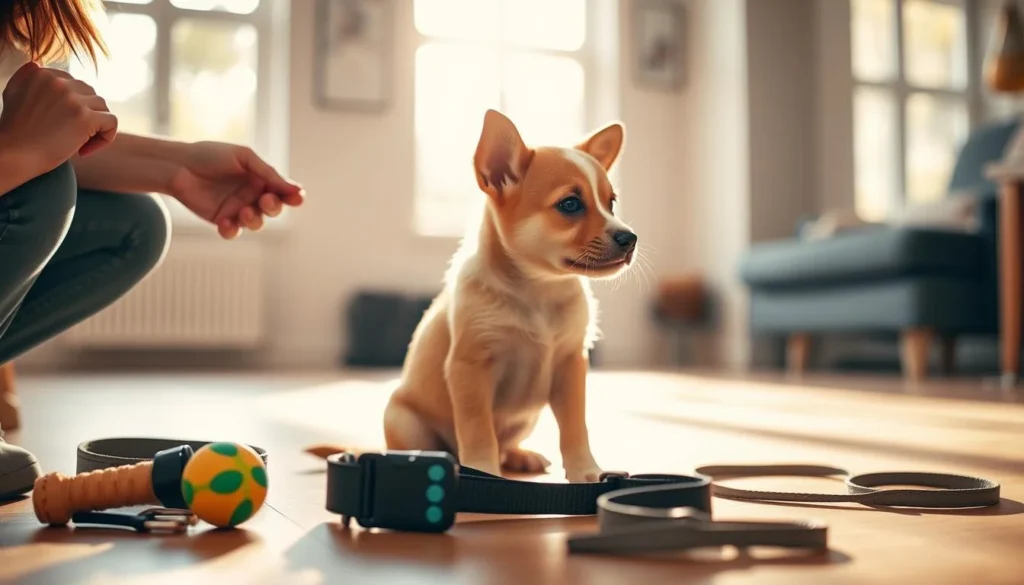
Providing Adequate Chew Toys
Having the right chew toys is key. Toys like rubber, bones, and puzzles keep puppies busy and happy. They help avoid biting when they're excited or bored.
By giving them these toys, we guide their natural chewing towards safe options. This is a big help in preventing bad biting habits.
Encouraging Noncontact Play
Noncontact play is another great way to prevent biting. Games like fetch and tug-of-war are perfect. They let puppies use their energy without biting us or things we care about.
These games also help us bond with our puppies. They teach them good behavior, which is vital for obedience training.
Understanding When Biting Becomes Aggression
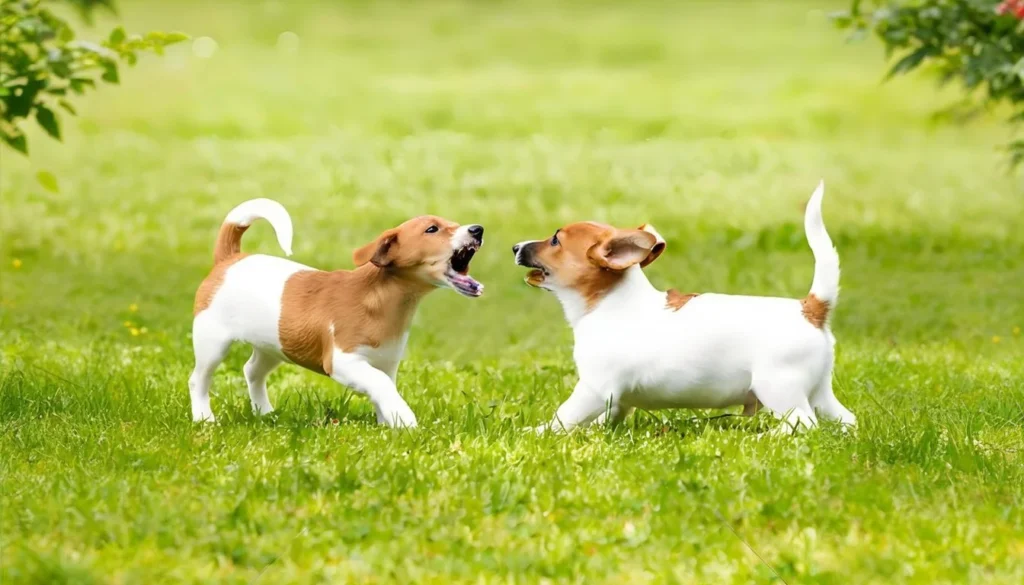
It's important to know the difference between playful biting and aggression in puppies. A puppy might playfully nip, but some signs show aggression. These signs include growling, stiff body, and intense focus.
I always watch my puppy's body language and sounds. If playful nipping turns to aggression, I act fast. Small changes in behavior are early warnings to stop further problems.
Using the right puppy behavior modification strategies is key. Understanding why my puppy bites helps us bond better. If I see aggression, I focus on training to fix it.
- Watch for growling or snapping that disrupts playtime.
- Recognize the shift from playfulness to tense body language.
- Act swiftly to redirect the puppy's focus to appropriate toys or activities.
Adopting Puppy Discipline Techniques
Training my puppy has shown me how key discipline techniques are. Using time-outs to manage biting is a standout method. It teaches my puppy important lessons and encourages good play behavior.
Using Time-Outs Effectively
When my puppy bites too hard, I step away for a bit. This teaches them that biting stops our fun. At first, I ignore them for a few moments to help them think about their actions.
After the time-out, I play gently with them again or give them a toy. This rewards good behavior and shows them what's right. Time-outs help my puppy understand limits and learn discipline consistently.
Seeking Professional Help When Needed
If I'm having trouble with my puppy's biting, getting help from a pro might be the smartest move. Certified dog trainers know how to tackle these problems. They can create plans that fit my puppy's special needs.
Using puppy training resources helps change bad habits and strengthens our bond. Working with a professional helps me learn the best ways to guide my puppy. This ensures I'm giving them the best support. Getting help can make me feel more confident and clear about our training progress.
Conclusion
Taming a puppy's biting needs patience, consistency, and knowing how to manage their behavior. This guide has shared many strategies to help your puppy become a polite friend. By using these methods, you can handle your puppy's biting well.
Remember, training and socializing your puppy is key. I learned that positive reinforcement is crucial in teaching good manners. Enjoying the training and bonding with your puppy makes the journey worthwhile.
The aim is to have a happy and balanced relationship with your puppy as they grow. Using the tips from this guide will help tame your puppy's biting. It will also make our time together more enjoyable. Let's enjoy this journey together!