When I brought home a Labrador mix, I felt both joy and worry. Joy at the puppy's warmth and worry about accidents. The first week taught me that potty training is about trust, routines, and a calm home.
Potty training is a big commitment for pet owners. Before starting, I learned about crate training, puppy pads, and schedules. A good plan turned messes into lessons, making obedience and recall easier.
I used a mix of structure and positive reinforcement. This included a schedule, recognizing signals, and introducing the crate slowly. I want to share practical steps for housebreaking that create lasting habits. Remember, every puppy learns at their own pace, but consistency is key.
Key Takeaways
- Potty training a puppy builds trust and reduces household stress.
- Research methods beforehand to pick the best way to potty train a puppy for your lifestyle.
- Consistent routines, crate use, and positive rewards speed up puppy potty training.
- Expect individual variation—rescue, age, and breed affect learning time.
- Successful housebreaking lays the groundwork for other training and better behavior.
Why potty training matters for puppy house training
I make potty training a top priority when I bring a new puppy home. Clear routines and early expectations set the stage for puppy house training that works. Small wins in the first weeks speed learning and cut down on long-term problems with accidents and confusion.
The benefits of early housebreaking for behavior and bonding
Starting puppy toilet training early gives both of us predictability. A regular schedule helps my pup learn faster, lowers anxiety, and makes it easier to teach sit, stay, and come. I notice stronger bonding when training is calm and consistent, because my pup learns to trust my cues and praise.
How successful potty training reduces mess, odors, and stress
When I teach a puppy a specific elimination spot, the house stays cleaner and smells better. Consistent potty locations plus enzymatic cleaners stop repeat soiling in the same places. That keeps rugs, floors, and furniture from becoming chronic problem areas and lowers household stress for everyone.
When to start: age and readiness signs for the first lessons
I begin lessons as soon as the puppy arrives. Very young pups need breaks every one to two hours. Use the rule of thumb that a pup can hold its bladder about as many hours as it is months old, with full maturity sometimes taking nine to twelve months.
Watch for readiness signs like whining, circling, sniffing, or scratching at the door. When I see these cues, I move quickly to prevent accidents and reward success with praise and a treat. Early attention to these signals makes puppy house training smoother and faster.
how to potty train a puppy
I created a simple plan that worked for my Labrador and Beagle mix. It focuses on regular routines, one cue, and clear rewards. This method is great for training indoors and outdoors, or for quick results in just 3 days.
My step-by-step daily routine for quick, consistent results
In the morning, I take the puppy out first, clip on a leash, and walk to the spot. I say the cue and wait until it's done. Then, I reward with a treat and calm praise.
During the day, I feed the puppy three small meals. I take them out after waking, playing, eating, and drinking. I also take them out every one to two hours for young puppies. As they grow, I stretch these intervals. Naps and crate breaks always end with an outdoor trip.
In the evening, I take the puppy out before bed. I remove water about 2.5 hours before bedtime. This helps prevent accidents at night while keeping them hydrated.
Using a single cue word and consistent praise to build the habit
I use one cue word, like “potty,” every time. This creates a strong link between the action and the cue. I wait until they finish before treating to avoid interrupting.
Rewards are immediate and specific. I use small treats, quick praise, or a short play break. This teaches the puppy to associate the behavior with the reward.
Tracking progress: what success looks like day-to-day
I keep a log of eliminations, accidents, weather, and activity level. This helps me see patterns and adjust schedules. Success signs include fewer accidents, longer intervals, and steady use of the spot.
Some puppies improve quickly, while others take weeks. Consistency and patience are key. These tips focus on predictable routines and measured progress, whether you aim for fast results or steady progress.
Choosing a potty training method that fits your lifestyle
I've tried different methods and seen what works for others. This way, you can find a plan that fits your daily life. Each method has its own trade-offs. I share tips for apartment living, busy schedules, and cold weather.
Many families do well with a mix of methods. Crate training gives structure and helps with accidents. Puppy pads are a good temporary solution when going out is hard. Training your puppy to go outside only works best when you can take them out often.
Comparing crate training, puppy pads, and outdoor-only approaches
Crate training uses your puppy's natural instincts and helps with nighttime. It's great for travel and vet visits. Puppy pads protect floors and are good for owners who can't go out often. Training your puppy to go outside only teaches them one thing: to go outside.
Pros and cons of indoor pad training versus immediate outdoor training
Puppy pads are convenient and protect floors. They're good for small breeds and during storms. But, they can make it harder to switch to going outside.
Training your puppy to go outside only is clear and often works faster. But, it needs many trips, which can be tough for working owners or young pups. I find that a mix of crate training and outdoor reinforcement works best. It keeps your puppy controlled indoors and reinforces going outside.
Adapting methods for apartment living, busy schedules, and cold climates
In apartments, use balcony turf or indoor grass near exits. Leash-train balcony trips to make them feel like going outside. Start with pads near the door and move them outside gradually.
If you're busy, consider hiring a dog walker or pet sitter. Use pads as a temporary solution while keeping a strict schedule. This balance helps prevent accidents and keeps potty times predictable.
In cold weather, start with indoor potties. Praise and treat each outdoor attempt to make it more appealing. Over time, move the training spot outside until your puppy goes outside reliably.
| Method | Best for | Main benefits | Key drawbacks |
|---|---|---|---|
| Crate training | Owners needing structure, travel, night control | Prevents unsupervised accidents, builds bladder control, aids travel | Requires correct size and patient introduction |
| Puppy pads / indoor patch | Apartment dwellers, busy schedules, severe weather | Convenient, protects floors, useful for tiny breeds | Can teach indoor elimination as acceptable, slows outdoor transition |
| Outdoor-only | Owners with flexible time or help | Clear expectation, fastest route to outdoor-only habits | Demands frequent trips, not always feasible for young pups or busy owners |
| Hybrid (crate + outdoor) | Most households seeking balance | Combines containment with outdoor reinforcement, reduces accidents | Requires consistency in both crate use and outdoor schedule |
Use trusted products like Pet Life Unlimited pads and enzyme cleaners to remove odors. These are helpful when training your puppy indoors and finding the best method for your home.
Crate training as a foundation for puppy toilet training
I use a crate to teach bladder control and safe rest. Dogs are den animals by nature and tend to avoid soiling the place where they sleep. This instinct makes puppy crate training a practical first step when I start housebreaking.
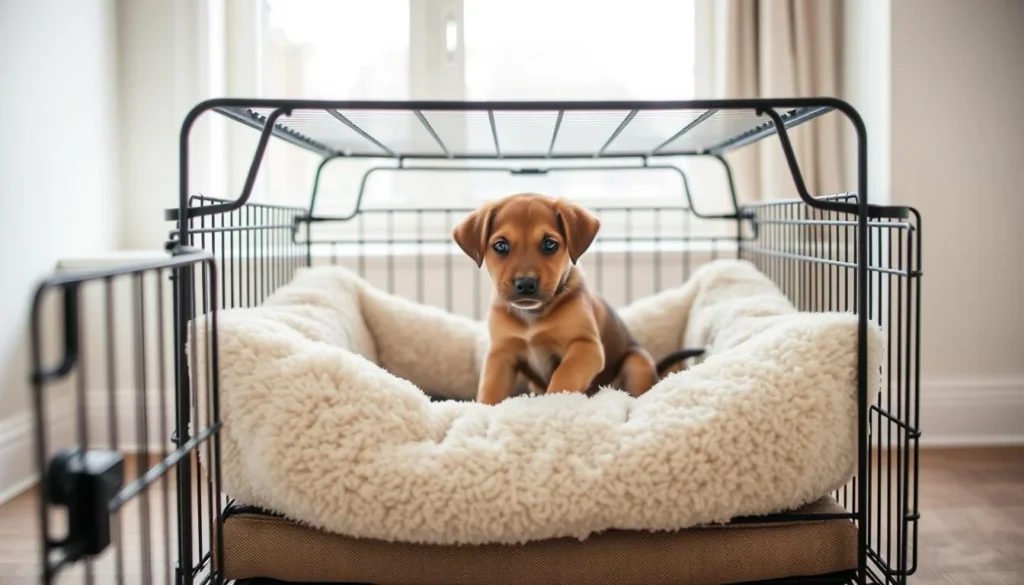
I begin gently, letting the pup explore the crate with the door open. Short, calm sessions build confidence. I never use the crate for punishment. Positive associations speed acceptance and reduce stress during vet visits or travel.
Why crates help: natural den behavior and bladder control
Crates create a clear boundary between rest and potty time. When a pup learns to avoid soiling its sleeping space, bladder control improves. That makes crate training for potty training one of the most reliable tools I recommend.
Crates also give a quiet refuge for naps and a safe place when I can't supervise. That lowers the chance of accidents and helps the puppy form consistent elimination patterns.
How to choose the right crate size and use partitions
I pick a crate just large enough for the puppy to stand, turn, and lie down. Too much space lets a pup separate sleeping and elimination areas, which defeats the purpose.
Dividers or partitions let me shrink the usable area as the pup grows. That keeps the crate appropriately snug and supports progress without changing the whole setup every few weeks.
Introducing the crate without stress: gradual exposure and comfort items
I make the crate inviting with a soft bed, safe chew toys, and feeding inside the crate. Treats help the pup see the space as positive. I start with short stays while I'm home and slowly extend time to naps and nights.
If the puppy whines, I check real needs first: a potty break, water, or discomfort. I avoid releasing the pup every time it whines. That teaches patience while still preventing soiling in the crate, which would undermine crate training for potty training.
Rescued dogs sometimes soil from past confinement. I go back to basics: control meals, increase outdoor trips, and rebuild positive crate habits step by step. With consistency, the crate becomes an aid, not a sanitation problem.
| Focus | My approach | Why it works |
|---|---|---|
| Initial introduction | Open-door exploration, treats, short sessions | Builds trust and positive association |
| Size management | Use divider to limit space as puppy grows | Prevents elimination in crate corner |
| Daily routine | Feed in crate, schedule outdoor trips, supervise | Creates predictable elimination windows |
| Handling whining | Check needs, brief potties, gradual tolerance | Teaches patience without reward for fussing |
| Rescue retraining | Reset schedule, increase outings, slow reintroduction | Repairs past confinement habits |
Creating a practical potty training schedule
I created a simple daily plan that links feeding, naps, play, and sleep to potty breaks. This routine helps learn how to potty train a puppy indoors and outdoors. It also cuts down on surprise accidents.
I stick to a consistent feeding schedule for puppy potty training. Most puppies do well with three meals a day. This schedule helps me predict when they need to go.
Feeding times, nap times, and the “age in months” guideline for bladder control
The age in months bladder control rule is a good starting point. A three-month-old pup can hold for about three hours. I never push limits and adjust for each puppy's needs. Young puppies need to go every one to two hours.
After meals, I plan a potty break within 10–20 minutes. I take puppies out after naps and crate time because they wake up and need to go. This habit helps when teaching them to potty indoors and outdoors.
High-risk times to take your pup out: after waking, after play, after meals
I watch for high-risk windows: first thing in the morning, before bed, after play, after eating, and after naps. These times are when they are most likely to go.
When play gets intense or the pup gets excited, I pause and take them outside. This routine pairs activity with a predictable potty stop, speeding up learning.
How to plan breaks if you work outside the home (dog walker, pet sitter, pads)
I plan for workday coverage early. A trusted dog walker or neighbor can help with midday trips. Dog daycare is great for long days and adds socialization.
If no one is available, I use puppy pads near the exit. This encourages them to go outside eventually. I keep a log of times and accidents to refine the plan. This matches the feeding schedule puppy potty training to my pup’s needs.
I aim to balance consistency with flexibility. Regular check-ins and small adjustments make the schedule realistic. It's also kinder to the puppy’s developing bladder control and confidence.
Recognizing your puppy’s signals and body language
I keep a close eye on my puppy to catch early signs of needing to go. Spotting these signals helps us train faster and reduces stress. It lets me quickly take my pup to the right spot and praise them.
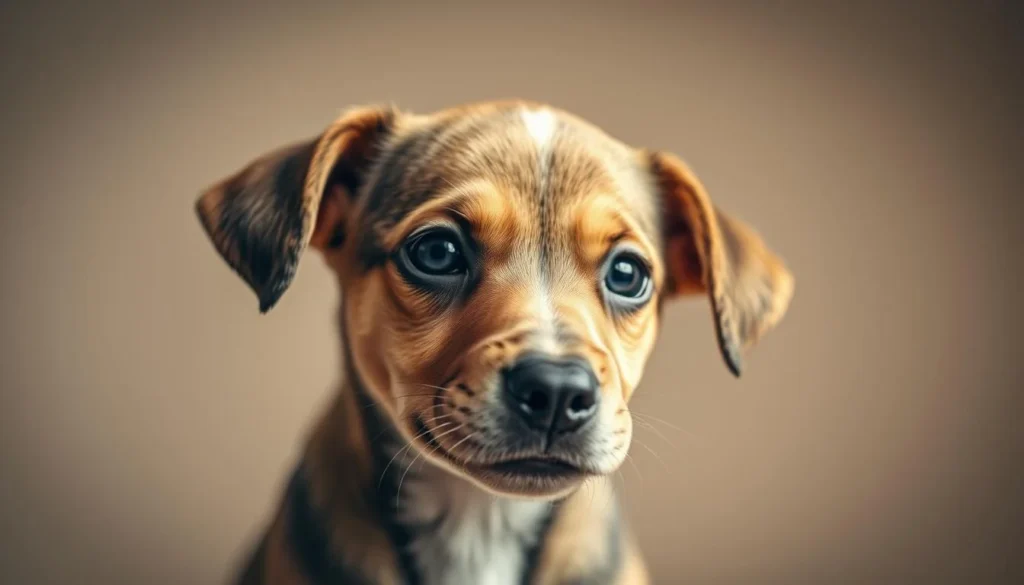
My puppy often sniffs the floor, circles, or gets restless suddenly. Whining or scratching at doors are clear signs. Sometimes, they squat or hesitate while looking for a spot. These signs usually happen after naps, meals, or playtime.
How I supervise indoors
I use a six-foot leash to keep my puppy close when I'm sitting or standing. This way, I can react quickly. If I can't watch, I use a playpen with a pad to limit accidents.
When we go outside, I keep the leash on to focus on the task. This helps avoid distractions and rewards them immediately after they go. This connection between action and reward helps them learn good habits.
What I do the moment I see a signal
When I see a sign, I move my puppy to the right spot quickly but calmly. I use a cue word and wait patiently. If they squat indoors, I pick them up and take them outside. If they go outside, I reward them well to reinforce the right behavior.
I never scold them after the fact. Instead, I clean up accidents with a special cleaner to remove any scent. This way, I can watch over my puppy indoors and help them learn faster.
Using puppy pads and indoor solutions effectively
I use indoor options when weather, work hours, or small size make outdoor trips hard. A clear plan for pad placement, the right equipment, and a cleaning routine keeps progress steady and limits accidents.
I place pads in visible, consistent spots near a back or side door to create a link between indoor elimination and later outdoor exits. I keep pads away from feeding and sleeping areas so a pup learns distinct zones.
Placing pads strategically and transitioning from pads to outdoors
I begin with pads as temporary aids for nights, long workdays, or storms. For a smooth puppy pads transition, I move the pad a few inches toward the door every day. After several days, I set the pad outside and praise attempts to go outdoors.
I use the same cue word each trip and reward quickly so my dog connects the action with the praise. If regression occurs, I step back to the previous pad location for a day, then repeat the gradual shift.
Types of indoor potties and how they can help small breeds or extreme weather
Choices range from disposable puppy pads like Pet Life Unlimited Smart Prints and overnight absorbent pads to reusable turf patches and litter-box-style trays. Grass mats mimic the outdoors and often speed transfer for small breeds.
For toy breeds or males who prefer standing, I try litter-box-style solutions or small indoor dog potty systems designed to fit apartment spaces. Health-tracking pads with pH-sensitive dyes alert me to unusual urine changes that may need a vet visit.
Cleaning and odor control to prevent repeat accidents
I use enzymatic cleaners to break down organic molecules that draw a puppy back to the same spot. For carpets I blot first, then treat with a product made for pet stains following label directions.
I replace disposable pads on a strict schedule and wash turf or trays weekly. Regular cleaning plus timely praise for correct use makes the indoor system effective without creating a long-term dependence on pads.
| Item | Best for | Pros | Cons |
|---|---|---|---|
| Disposable puppy pads | Busy households, overnight use | High absorbency, easy swap-out, odor coatings | Wasteful, can slow outdoor-only goals |
| Reusable turf patches | Apartments, gradual outdoor transition | Real-feel surface, washable, eco-friendly over time | Needs frequent cleaning, upfront cost |
| Litter-box-style trays | Toy breeds, males preferring to stand | Compact, controlled area, easy to place near doors | May need training to accept, can smell if not cleaned |
| Health-tracking pads | Puppies with urinary concerns, senior dogs | Early detection of pH shifts, quick vet alerts | More expensive, not necessary for every puppy |
Positive reinforcement and reward-based puppy training techniques
I take simple steps to teach puppies where to go. Reward-based training makes learning faster and keeps trust strong. I keep training sessions short and regular. This helps your puppy connect the action with the reward.
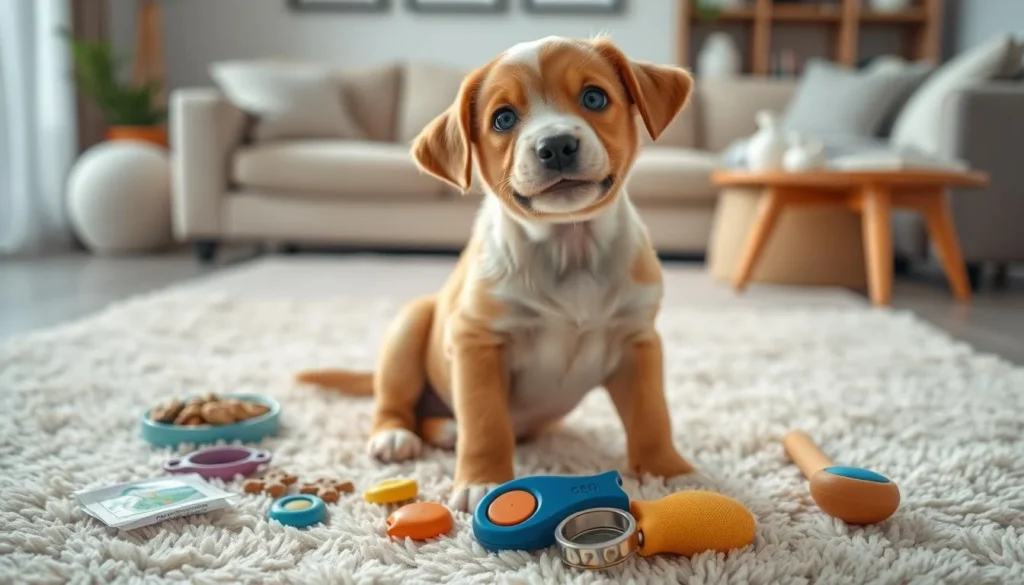
Timing is key. I give treats right after they go in the right spot. If I praise too soon, it can stop them. Wait until they're done, then use the cue word and reward.
Small, soft treats are best because they're eaten fast. I also use lots of praise and a quick playtime. Short playtime makes coming back inside a positive experience.
Being consistent builds good habits. I use the same cue and reward every time. This steady approach is crucial for positive reinforcement training.
Scolding after the fact doesn't teach puppies. They can't connect a later punishment with an earlier accident. If I catch a puppy in the act, I calmly interrupt and move them outside. If they finish outside, I reward them right away.
For accidents, I use enzymatic cleaners and stay calm. I never make a puppy rub their nose in it or use harsh words. Gentle correction and steady rewards help avoid fear and speed up learning.
Here's a quick guide on rewards and when to use them. This will help you apply these tips at home.
| Reward Type | When to Use | Why It Works |
|---|---|---|
| Small soft treats | Immediately after finishing outdoors | Fast to eat, high value, strengthens the elimination-action link |
| Verbal praise | With treat and cue word | Builds emotional connection and reinforces the cue |
| Short play | After successful outdoor potty | Makes going outside rewarding and reduces rush back inside |
| Consistent cue | Every successful elimination | Creates a predictable signal for the pup to repeat the behavior |
Monitoring diet, water, and how they affect potty training
I keep a close eye on my puppy's food and water. This makes potty training easier. A regular routine helps my puppy learn faster. Small changes in meals and drinks can also help avoid accidents.
Feeding on a schedule helps a lot. I feed my puppy at the same times every day. This way, I know when they need to go outside.
For water, I offer it throughout the day but cut it off an hour before bed. This helps prevent accidents at night. If my puppy is very active, I give them a little water after playtime.
If my puppy's stool is loose, hard, or they have accidents often, I call the vet. Signs like diarrhea, blood, or changes in appetite can mean something is wrong. The vet can help figure out what's going on and suggest changes.
When I change my puppy's food, I do it slowly over seven days. I mix the new food with the old one to avoid upset stomachs. If my puppy doesn't like the new food, I stop and ask the vet for advice.
I use a small table to keep track of meals, water, and when my puppy goes outside. This helps me see patterns and talk to the vet if needed.
| Action | Timing | What I watch for |
|---|---|---|
| Morning meal | 7:00–8:00 AM | Bathroom within 10–20 minutes |
| Midday meal | 12:00–1:00 PM | Elimination after play or rest |
| Evening meal | 5:00–6:00 PM | Bathroom before bedtime routine |
| Water cutoff | About 1 hour before bed | Fewer nighttime accidents, watch for dehydration |
| Transitioning food | 7-day gradual mix | Monitor stool consistency and appetite |
I reward my puppy with praise and treats after successful trips outside. This positive feedback helps them learn the routine faster. Keeping everything consistent makes life easier for both of us.
Common potty training challenges and troubleshooting
I face the same issues with many owners. A puppy who suddenly stops using the potty can be tough. I first check if the schedule is consistent and if there have been any recent changes at home.
If accidents happen in the same spot, I start supervising more and use short leashes. This stops the puppy from learning the wrong spot and helps me catch signs like circling or sniffing.
When a puppy soils the crate, I look at the crate size and timing. The crate should be just right, not too small or too big. I also make sure to give the puppy breaks outside, either with a dog walker or in a playpen.
Nighttime accidents often happen because of water left out too late or a missed trip outside. I move the last water offering earlier and add a calm bathroom trip before bed.
Some breeds take longer to learn bladder control. For small breeds like Yorkshire Terriers and Chihuahuas, I shorten the time between trips outside and increase how often they go.
Fear or anxiety can make a puppy not want to go outside. I make going outside a calm experience and reward small successes. If a puppy is scared of loud noises or other dogs, I find a quieter place and use treats and praise to build confidence.
If a puppy has frequent accidents, blood in urine, or sudden changes in stool, I call a vet like the American Veterinary Medical Association for advice and tests.
I keep a simple log of accidents, trips outside, and meals to find patterns. This helps me adjust feeding times, potty breaks, and decide if I need to try something new like pads or scheduled trips outside.
When progress slows down, it's important to stay patient and celebrate small victories. I break goals into weekly steps, celebrate each improvement, and avoid punishing accidents. This keeps the puppy eager to learn.
Tips for potty training in apartments and indoor environments
I live in a third-floor apartment and I learned that small changes make big progress. I set a clear indoor potty spot near a window and kept it consistent. My puppy learned faster when the surface smelled like the spot he used before.
I use a predictable schedule tied to feeding, play, and naps. I take my pup to the spot right after waking, after meals, and after active play. Short, frequent trips beat long, uncertain waits.
Crate time became my ally for nighttime and alone hours. I sized the crate so my pup could turn but not sleep at the far end. Crate breaks line up with potty breaks to avoid accidents.
When outdoor trips are limited, I combined puppy pads and a balcony routine. I moved the pad gradually closer to the door over several days, then onto the balcony. This stepwise shift eased the transition to outside elimination.
I reward the exact moment my puppy finishes. I use tiny treats and calm praise so he links the action to the reward. If an accident happens, I clean with an enzymatic cleaner and avoid scolding, which only confuses him.
Visitors or noisy hallways can startle a young dog. I carry him to the door or use a leash to keep him focused on the potty cue. I practiced door exits so he learned to wait calmly before stepping out.
I keep tools handy: paper towels, enzyme cleaner, extra pads, and a travel leash. This cuts reaction time and keeps routines consistent when life gets busy.
I track progress in a simple chart. The chart lists time, success, and notes on what worked. Small wins helped me stay patient and made training feel manageable.
| Challenge | My Solution | Why it Works |
|---|---|---|
| Limited outdoor access | Use balcony or indoor pad with gradual transition | Reduces stress and creates a clear, repeatable option |
| Noisy hallway or elevator | Practice door exits, use short leash for focus | Builds calm behavior and prevents missed opportunities |
| Nighttime accidents | Smaller evening water, mid-night crate break | Improves bladder control and fewer messes |
| Inconsistent household schedule | Set fixed feeding and potty times, use dog walker if needed | Predictable routine speeds learning and reduces accidents |
| Lingering odors | Enzymatic cleaner and routine ventilation | Removes scent cues that trigger repeat marking |
Conclusion
I've simplified this guide into easy steps for daily use. Keep a regular feeding schedule with top-notch puppy food and three meals a day. This helps with potty training. It also makes accidents less likely by managing when they go.
Don't worry about setbacks; they're part of the journey. If accidents keep happening in the same spot, I clean with enzymatic cleaners. I also keep them away until the smell is gone. If a puppy starts to go back to bad habits or has loose stools, I check with a vet. This helps figure out if it's a health issue or a training problem.
If you live in the city and wonder how to potty train a puppy in an apartment, try a few things. Use balcony turf, indoor grass, or pee pads. Make sure to follow a strict routine of tethering and short walks. Use a crate or playpen when you can't watch them, and get help during long workdays.
My house training checklist is straightforward. Stick to a feeding schedule, keep them confined when you're not around, and watch for signs they need to go. Reward them right away, clean up accidents with enzymatic cleaners, and seek vet help if needed. With patience, consistency, and vet advice, most puppies learn to use the bathroom where they should.