I remember the first night my puppy was scared under the lamp. His eyes were wide with fear. I felt a strong urge to help and worry about making mistakes.
This moment taught me that training a puppy is about calm choices and a steady heart. It's more important than perfect techniques.
Puppies learn fast in their first months. The key is emotional health, building relationships, and structure. I use positive reinforcement because it makes learning fun and safe.
AKC evaluators like Kate Naito say to focus on safety and trust first. This makes obedience training easier.
Before teaching tricks, I focus on simple routines. Where they sleep, where to go potty, and short training sessions. Trainers like Heather Gillihan suggest using treats like chicken or cheese. Keep sessions short to keep the puppy interested and end on a positive note.
Key Takeaways
- Start by building emotional safety and a predictable routine before pushing behaviors.
- Use positive reinforcement training for puppies with high-value treats and praise.
- Keep training short and frequent to match a puppy's attention span.
- Prepare your home and supplies before bringing the puppy home to reduce stress.
- Focus first on relationship and structure—obedience training becomes easier from there.
Preparing before you bring your puppy home
I want your new pup to arrive in a calm, predictable place. Preparing ahead reduces stress and sets the stage for success with how to train a puppy. A little planning helps the puppy feel safe and lets me start basic learning from day one.
Puppy-proofing your home
I walk through each room and remove hazards. Hide electrical cords, secure houseplants, and lock cleaning products in cabinets. Decide early which rooms are off-limits so the puppy learns boundaries right away.
Gathering essential supplies: crate, leash, collars, high-value treats, toys
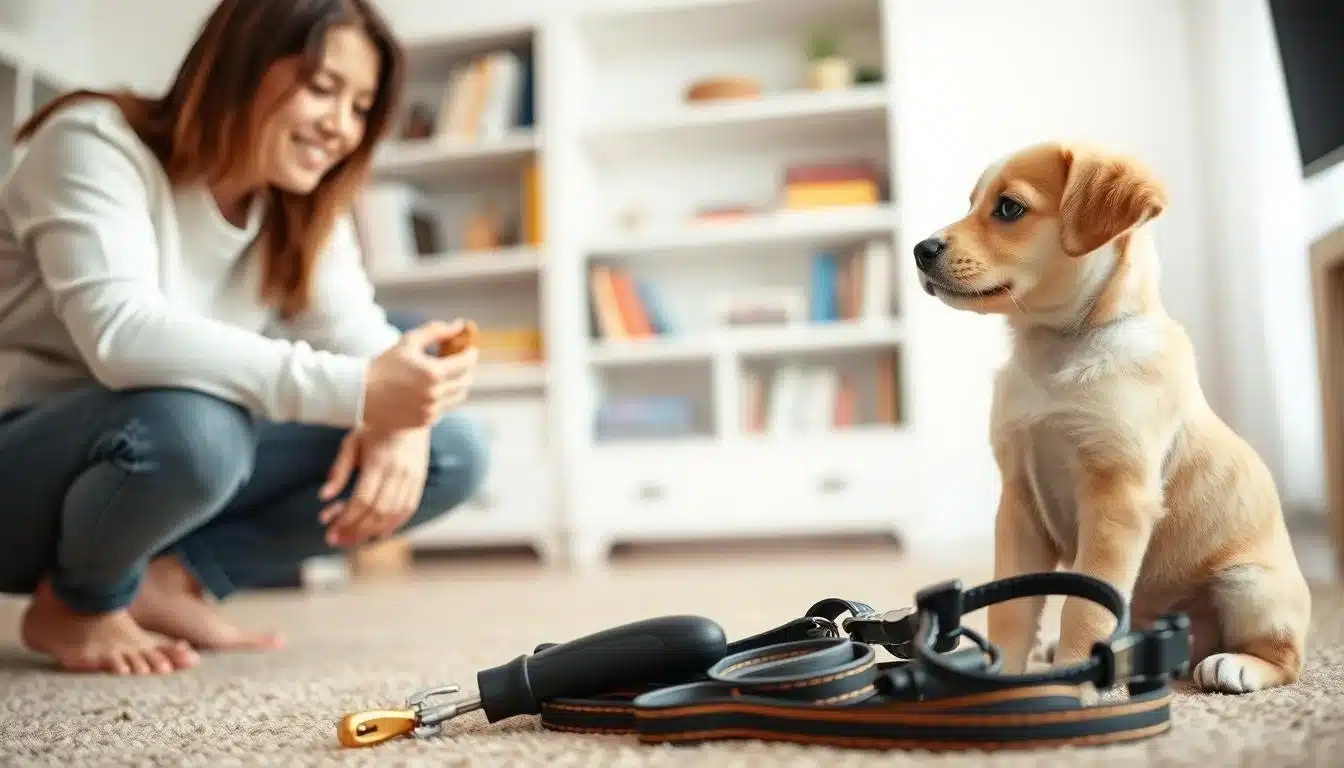
I pick a crate that fits the pup comfortably, a sturdy leash, and a collar with ID. High-value treats like small pieces of chicken or cheese work well for early lessons. Soft toys and chew items ease teething and protect your shoes.
Deciding sleeping and potty areas to create structure
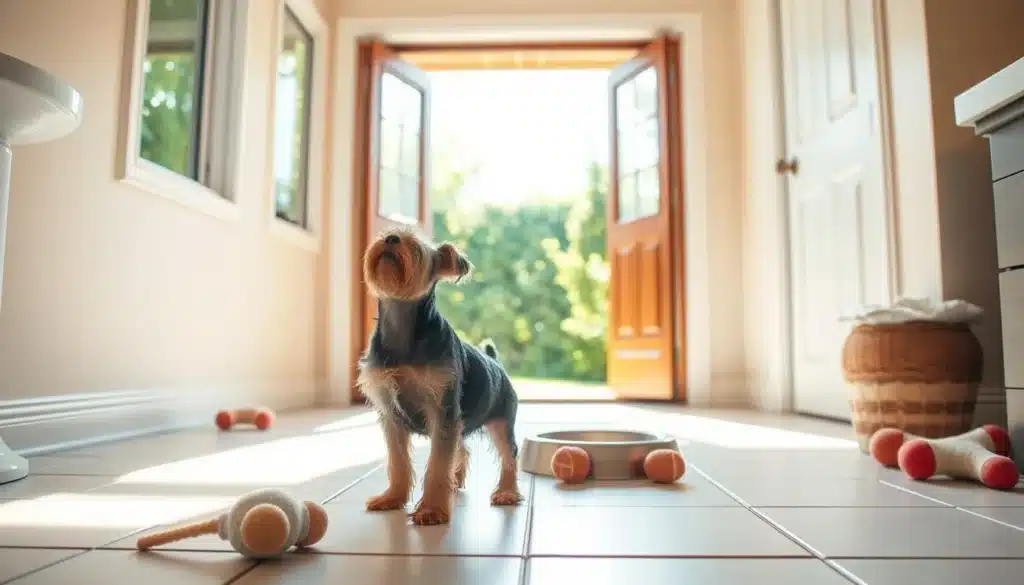
I choose one sleeping spot and one potty zone before arrival. Consistent places teach bladder control and support house training a puppy. Using the same sleep area each night speeds comfort with the crate and bedtime routine.
Setting expectations for family members to build a consistent routine
I ask everyone who will handle the pup to agree on cues, mealtimes, and potty breaks. Short training sessions and the same words from each person reduce confusion. Clear roles and consistent timing make puppy training tips much more effective.
how to train a puppy
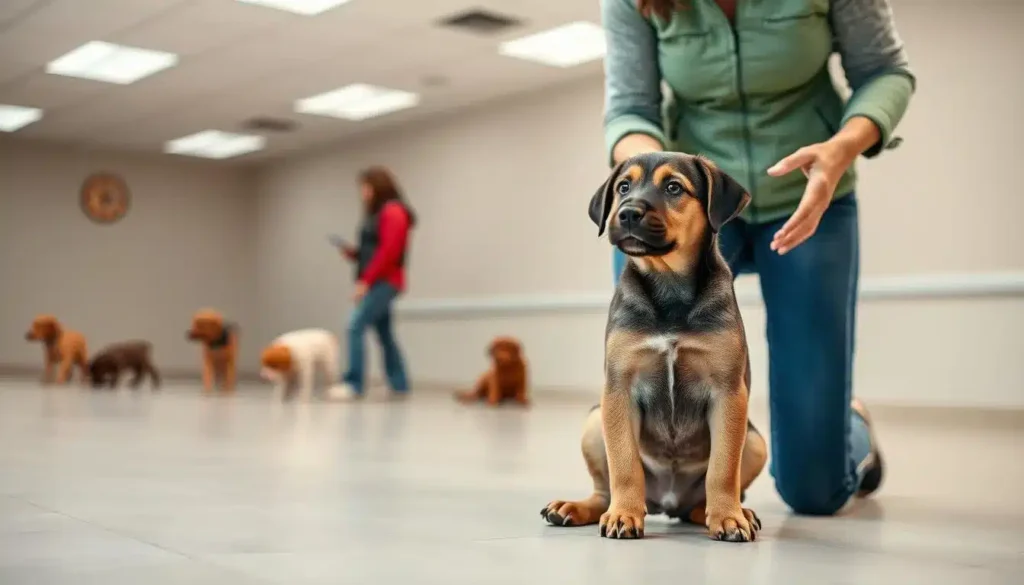
I start by stressing the 8–16 week window. This stage shapes how a dog sees the world. Early puppy socialization is a priority.
Gentle exposure to people, sounds, car rides, veterinary visits, and calm dogs helps. It teaches a pup that the world is safe and interesting.
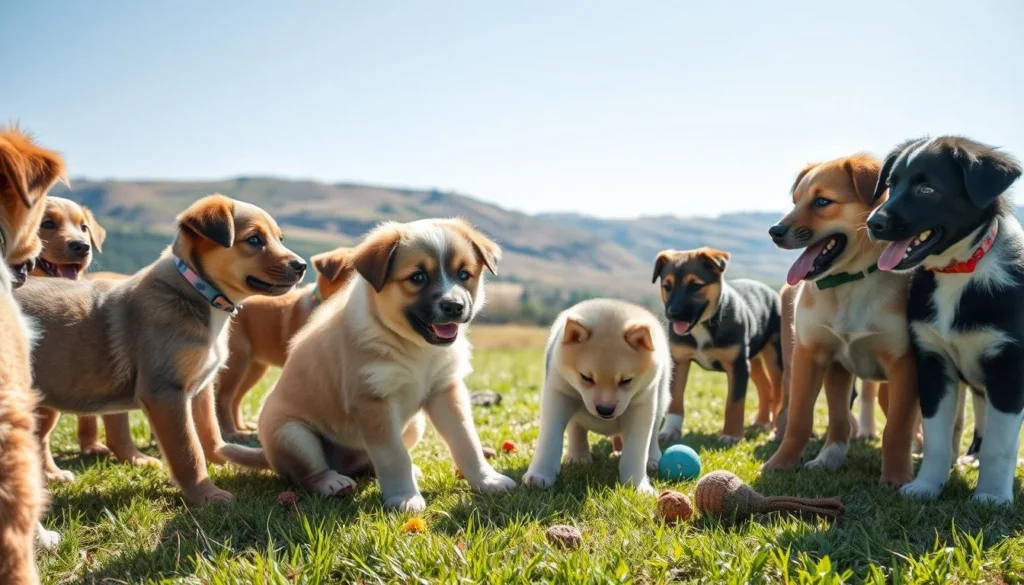
I build the relationship first. Emotional safety makes learning easier and speeds up puppy obedience training. I spend time earning trust with low-pressure play, predictable routines, and brief handling exercises before asking for formal cues.
I keep sessions short and frequent. Five- to ten-minute bursts, several times a day, work best for young brains. I aim for easy wins and end each slot on a positive note so the puppy feels confident and eager to train again.
I begin impulse control from day one with simple rules like sit-before-meals and sit-before-play. These routines teach boundaries and cut down on common nuisance behaviors such as jumping. Structure and gentle confinement help the pup learn house rules faster.
When a puppy struggles, I slow down the steps or raise reward value. Positive reinforcement training for puppies creates clear expectations without fear. I use high-value treats, praise, and brief games to link good choices with great outcomes.
For balanced progress I mix play, exposure, and cue work. Short practice of basic obedience, supervised meet-and-greets, and safe environmental exposure combine into a steady plan. This approach keeps training fun while building real-world skills.
Positive reinforcement training for puppies
I use reward-based methods because they build trust and make learning fun. Positive reinforcement training for puppies means giving a valued reward after a puppy offers a desired behavior. This creates clear communication and reduces fear, which helps with puppy obedience training and long-term cooperation.
I follow simple puppy training tips: short sessions, high-value rewards, and consistent timing. Every interaction is a training moment, so I praise or reward the behavior I want. This approach answers common questions about how to train a puppy without creating confusion or anxiety.
What positive reinforcement is and why I use it
Positive reinforcement means adding something the puppy likes after a correct response. Kate Naito emphasizes force-free work to build trust and clear cues. I choose this method because it prevents fear-based problems like reluctance to come or resource guarding.
Choosing high-value rewards and transitioning from treats to praise
Heather Gillihan recommends hot dog, chicken, or cheese for early learning. I start with those treats to teach new behaviors, then pair praise with treats so the puppy learns to enjoy verbal cues. Gradually I fade food and move to intermittent rewards, play, and heartfelt praise.
Avoiding punishment and using force-free methods
Punishment such as leash jerks or yelling confuses puppies and breaks trust. I never force a dog into a position. If a puppy struggles, I shorten the session, reduce criteria, and reward smaller attempts. This keeps training positive and supports puppy obedience training goals.
House training a puppy
I guide you through the steps to house train a puppy. Begin with a routine and be patient. Small victories build trust and progress over time.
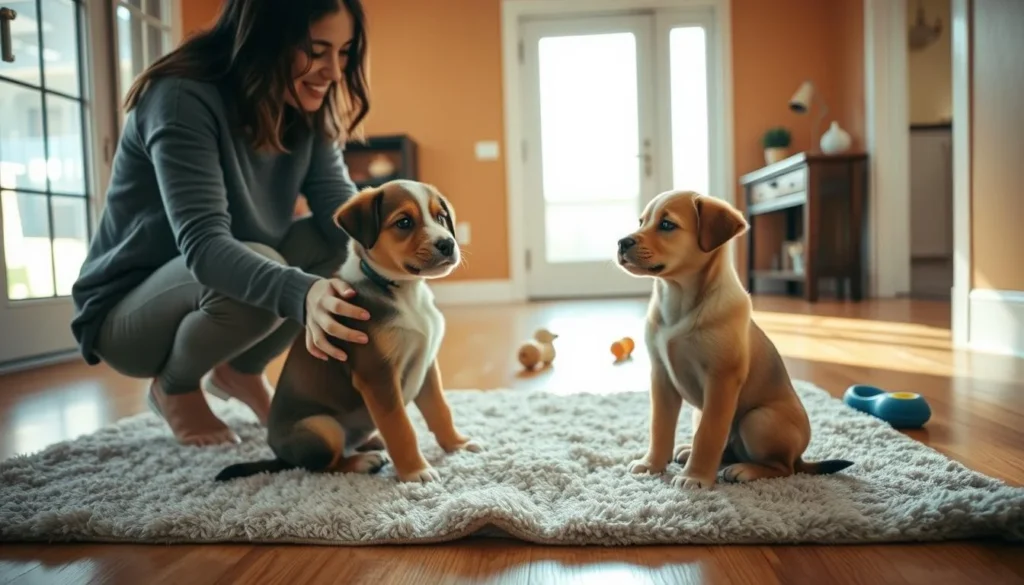
Establishing a potty schedule
Start with a simple schedule: morning, after meals, naps, and play. Frequent, short trips outside help teach the puppy where to go.
For successful potty breaks, reward with 30–45 minutes of play. This sequence—potty → play → crate break—makes learning easier.
Confinement strategies for safe learning
I use crates, gated areas, and a house line to limit freedom. This reduces accidents and speeds up learning when I'm not watching.
When crate training, keep it positive and consistent. Use feeding, short door closures, and calm returns to make the crate safe.
Reading signals and expanding freedom
Watch for circling, sniffing, and restlessness as potty signals. Catching these cues helps prevent accidents.
Expand home access slowly. For every month without accidents in the main area, add another room. If accidents happen, reduce freedom and go back to smaller spaces.
I share these tips because structure, clear rewards, and supervision make house training doable. Short sessions, predictable timing, and body language help create reliable habits.
Crate training a puppy
I use the crate as a safe anchor for a young dog. When I show a puppy that the crate is calm and rewarding, it becomes a retreat for naps, quiet time, and rest. Crate training a puppy can speed up house training and support healthy behavior when done in short, consistent steps.
I start by letting the pup explore the crate with the door open. I place soft bedding, a safe chew toy, and a few high-value treats inside. Feeding meals in the crate builds trust fast. When the puppy eats comfortably, I close the door for a few seconds and open it right away. This brief success helps the puppy link the crate with positive events.
I move slowly from short, supervised sessions to overnight stays. For the first nights, I keep the crate near my bed so the puppy hears me and feels secure. As the pup relaxes, I shift the crate to its permanent spot. If the puppy cries at night, I take them out to potty, return them to the crate, and wait for calm before offering praise.
I fold crate use into daily routines to teach being alone without stress. Short absences, then longer ones, let the puppy learn independence. For longer outings, I combine the crate with gated safe zones and a potty plan so house training continues smoothly while I am away.
Baby steps prevent fear and reduce separation problems later. I never use the crate as punishment. Instead, I treat it as a predictable part of puppy behavior training and a practical tool for confident, calm alone time.
Basic obedience and the “Basic 5” cues
I teach the Basic 5 cues as the foundation for lifelong manners and safe outings. These cues give a puppy clear rules and help me shape impulse control by six months. I use short sessions through the day so learning stays fun and simple.
Teaching sit and the methods of capturing and luring
I start sit by watching for natural sits and rewarding them. Capturing means I mark the behavior as it happens and reward right away. Luring uses a treat above the nose to guide the bottom down. I never force a puppy into position. These puppy training tips make sit a positive experience.
Teaching down with lures and captures, and never forcing
From sit I lure a treat to the floor and reward when elbows touch. If a pup offers a down naturally, I capture and reinforce it. For reluctant puppies I break the movement into tiny steps and reward each improvement. Gentle shaping keeps the dog confident during puppy obedience training.
Teaching stay and the release cue to build duration and distance
I add a clear release word like “free” or “OK” so the puppy understands when the stay ends. I toss a treat as I release to link movement with the cue. I use short holds, then slowly increase duration and distance with the ABC approach. This builds reliable stays without stress.
Teaching recall (come) with games, long line practice, and making coming fun
Recall starts indoors with name plus “come” and tasty rewards. I step away and toss treats while calling the pup, turning coming into a game. Outdoors I use a long line for safety and to proof distractions. Play and tug after the return make coming the best choice for the puppy.
Loose-leash walking: introducing the leash, rewarding position, and redirecting pulling
I begin by rewarding the puppy for wearing the leash and staying next to my knee. I mark and reward the position often. If the pup pulls, I stop and change direction so pulling does not work. Over time I space rewards farther apart and allow sniff breaks. A consistent cue like “Let’s go” signals the walk has started.
I rely on these Basic 5 cues to set a clear routine for how to train a puppy. Short, positive sessions and steady reward fading help make puppy training tips stick. When I practice these skills daily, puppy obedience training becomes a natural part of life.
puppy socialization and environment exposure
I guide readers on safe steps for puppy socialization. My aim is to show a young dog that the world is both interesting and friendly. I use short, positive sessions and careful handling to build trust and curiosity.
I start during the critical socialization window, between eight and sixteen weeks. I expose puppies to traffic sounds, car rides, and different surfaces in small doses. I never overwhelm them. I pair new experiences with tasty treats and calm praise, so the puppy links novelty to reward.
Critical socialization window and safe exposure before 16 weeks
During this period, I focus on variety: strollers, children at a distance, delivery noises, and gentle handling of paws and ears. I split sessions into two or three minutes each when needed. I track reactions and back off when a pup shows fear, then try a gentler approach later.
How to introduce noises, people, different ages, and other dogs safely
I introduce sounds in quiet settings first. I play low-volume recordings of thunder or traffic while feeding treats. I let strangers offer a treat, keeping distance until the puppy relaxes. I bring puppies to controlled meetups with vaccinated, well-mannered adult dogs for calm, supervised interactions.
Balancing vaccination timing and socialization risk with AVSAB guidance
I follow AVSAB guidance by using low-risk environments before full vaccination. I avoid crowded dog parks and high-risk areas. I choose puppy classes that accept very young dogs and confirm instructor vaccination policies. Risk management means favoring controlled exposure over isolation.
These puppy training tips support overall puppy behavior training and fit into how to train a puppy that learns confidently. Small, frequent wins build a dog that enjoys new places and people for life.
puppy behavior training and impulse control
I focus on clear, short steps to teach calm habits and safe play. Puppy behavior training is best when sessions are brief and fun. I use positive reinforcement to reward good choices, not punish mistakes.
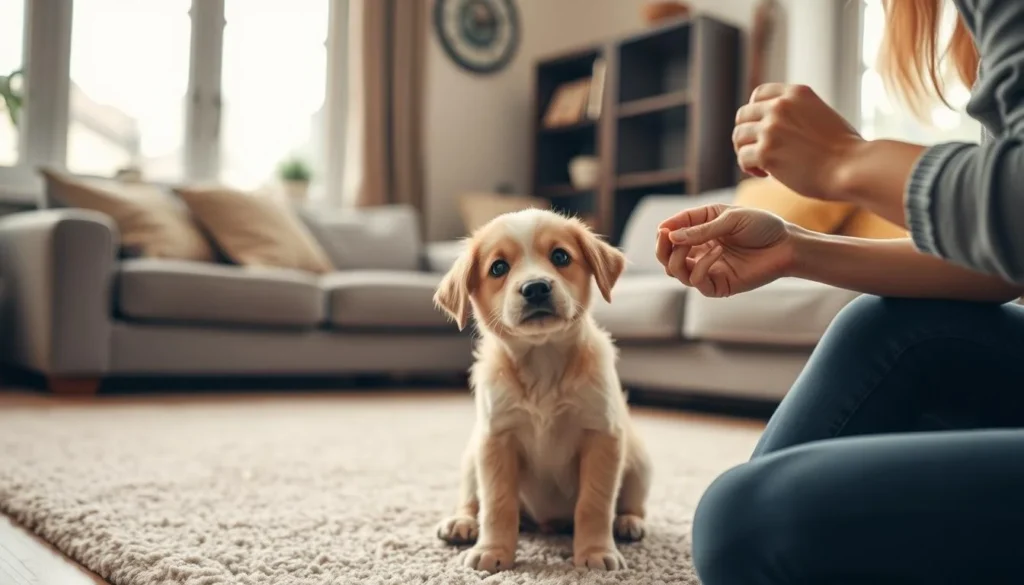
Teaching polite play, “drop it,” and no biting while teething
I teach polite play by giving immediate feedback when mouthing starts. If a pup bites too hard, I stop the game and step away for a few seconds. This pause signals that rough play ends playtime.
For drop-it, I trade a low-value toy for a high-value treat, then reward the release. These small exchanges build trust and show the puppy that letting go gains something better.
Using impulse control exercises like sit-before-meals and sit-before-play
Impulse control exercises set a calm tone for the day. I ask for a sit before meals, before opening the door, and before toys come out. Repeating this form of self-control helps a puppy make better choices under excitement.
Short, consistent drills fit into daily routines so learning becomes automatic. I use treats and praise from brands like Zuke’s or Wellness to reinforce good behavior during training sessions.
Redirecting mouthing and ending play briefly to teach bite inhibition
When teething drives a pup to mouth hands and feet, I offer suitable chew toys immediately. Chew-safe options protect skin and teach acceptable outlets for discomfort. I supervise play and swap toys the moment mouthing gets intense.
If a bite is too hard, I end the interaction for 10–20 seconds, then resume once the puppy is calm. Consistent timing and calm reactions make training easier for both of us.
I mix these puppy training tips into daily life so rules stay clear. Positive reinforcement training for puppies keeps lessons gentle and effective while building a strong bond.
how to train a puppy not to bite and addressing common puppy issues
I take a clear and kind approach to training puppies. When they mouth or bite, I use simple cues and quick actions. This helps them understand the lesson fast.
I teach bite inhibition by mimicking what littermates do. If a puppy bites too hard, I yelp and pause play for 10–20 seconds. This teaches them that gentle play is best.
Redirecting is a key part of training. I keep chew toys like Kong and Nylabone ready. When they bite, I offer a toy instead and praise them for choosing it.
I watch closely during teething and offer cold rubber toys. Short training sessions are more effective than long ones. Ending on a positive note rewards good behavior.
Jumping and barking for attention are about what I give them. Ignoring them until they calm teaches them to be quiet. When calm, I reward them with pets or treats.
For guarding, I use force-free methods. I offer a low-value item and trade it for a treat. This makes them comfortable with giving up things.
Short, consistent training is key. I teach them to sit before meals and play. This helps them control impulses and makes life easier.
If problems like guarding or aggression don't improve, seek help. A certified trainer or veterinary behaviorist can provide the support needed. They ensure safety and trust during training.
how to train a puppy to be a service dog and advanced goals
The journey from pet to service dog begins with solid basics. You need trust, recall, impulse control, and reliable housetraining before public work. Short, positive sessions build a calm bond and prepare for more complex tasks.
Consistent puppy obedience training lays the groundwork. Focus drills, sit-stays, and ignoring distractions teach predictability. Rewards and clear cues help dogs understand expectations in various situations.
Progress is gradual. We start in quiet rooms and move to busy streets. From short sits to long stays near distractions, recall and focus improve.
Training targets real-world challenges. Dogs learn to greet politely, walk through doors calmly, and stay calm in crowds. Short, frequent drills increase the challenge only when the dog succeeds.
For task-specific training, certified help is crucial. Working with an accredited trainer ensures legal standards and distraction-proofing. Programs like AKC S.T.A.R. Puppy provide early structure and guide you to specialized training.
Choosing a professional is key for certification or public access. Look for trainers with service-dog experience, clear progress markers, and a track record of reliable dogs.
Training at home or with a program requires patience and consistent practice. Keep lessons brief, celebrate successes, and use techniques that build lasting reliability.
Conclusion
The first few months are crucial for a puppy's behavior. I start with emotional safety, strong routines, and gentle rules. Teaching a puppy involves using positive methods to build trust and reduce fear.
My puppy training tips include short, frequent sessions. I also use crates and gated areas for safety. Consistent family rules make training easier and fun, while keeping your puppy healthy during vaccinations.
Begin with the Basic 5 cues and use high-value rewards. Gradually switch to praise. Adjust your pace if your puppy finds it hard. For more advanced training, consider AKC S.T.A.R. Puppy or a certified trainer by six months. By one year, your puppy will be polished.