I remember the first time I took my dog outside. She saw a squirrel and pulled hard. This moment made me look for ways to make walks better.
Leash training is not magic. It's about using clear cues, the right tools, and short sessions. This made our walks safer and more fun.
This article will give you simple tips for leash training. You'll learn about positive reinforcement and exercises for any dog. You'll also find out about the right gear and when to get help from a pro.
Key Takeaways
- Start early but know dogs of any age can learn leash skills.
- Use positive reinforcement and short, focused practice sessions.
- Choose appropriate gear: a good harness, leash, and a marker.
- Train in low-distraction spaces, then gradually add challenges.
- Core techniques include stop-and-wait, change direction, and circle.
- Games and rewards build engagement and predictability on walks.
- Seek a certified behavior consultant if reactivity or fear persists.
Why leash training matters for happy, safe walks
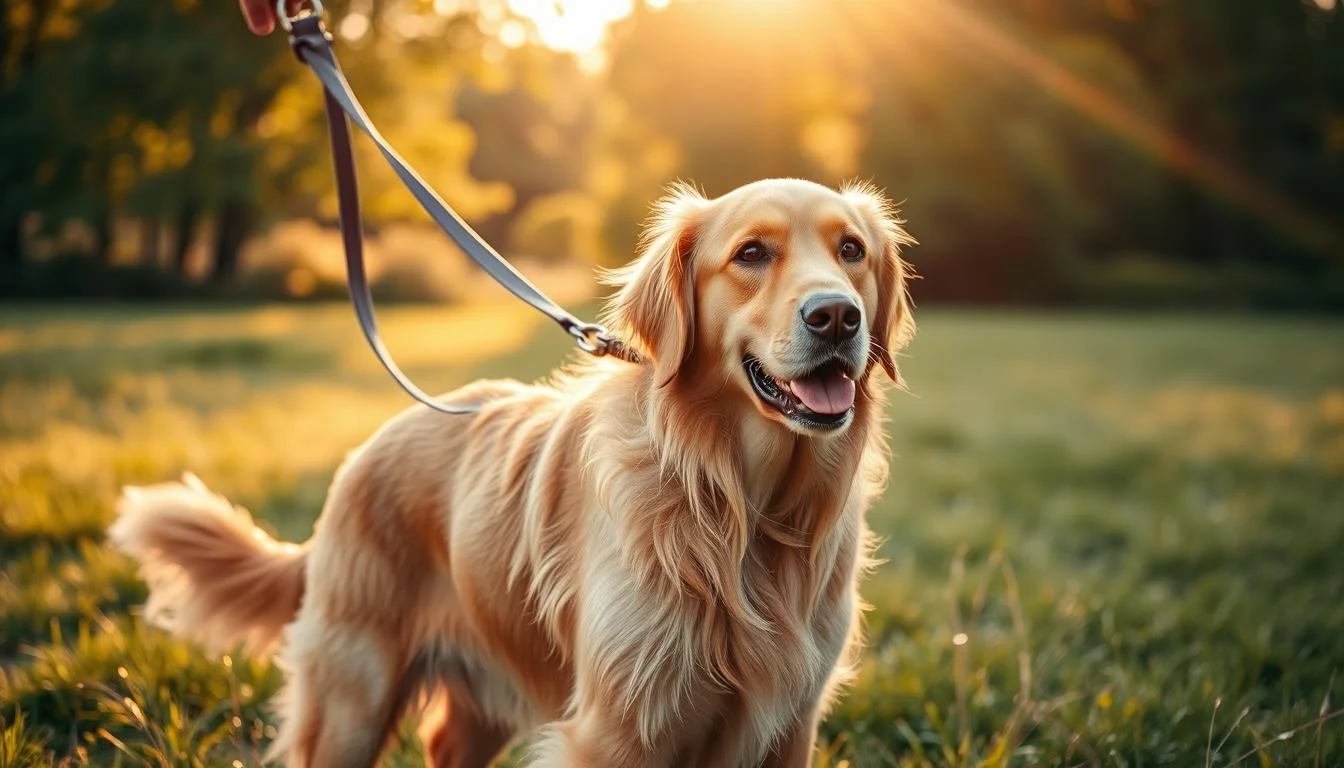
I think leash training is a key skill for dogs. It keeps them safe near roads and from surprises. It also helps follow city leash laws. When dogs walk calmly on a leash, walks are more enjoyable for both.
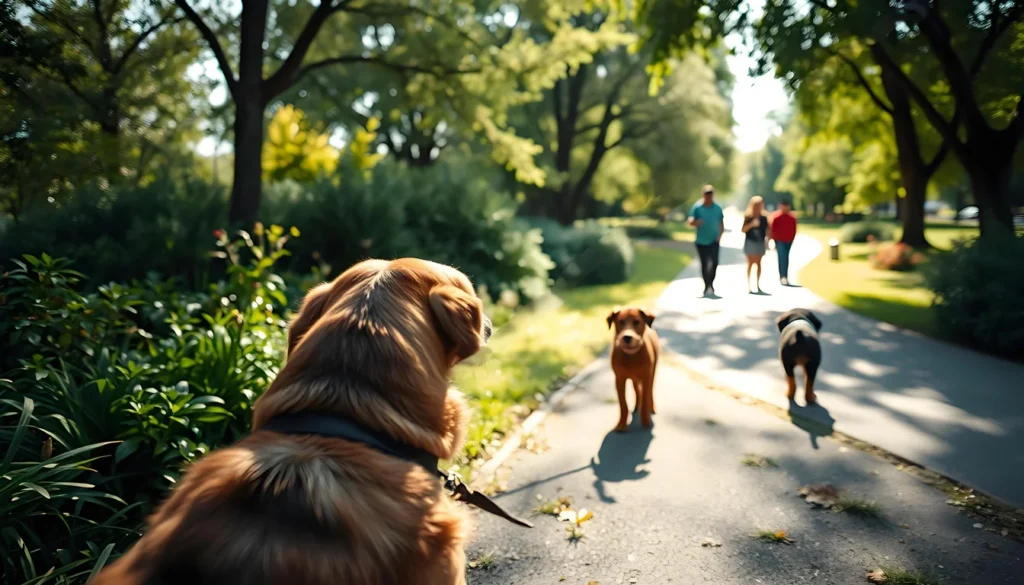
Safety and following the law are more important than looks. A trained dog is less likely to run into traffic or chase wildlife. Leash laws in many places require dogs to be on a leash, so training helps avoid fines and neighbor issues.
Leash training makes walks less stressful for owners. A well-trained dog lowers my heart rate during busy walks. This calm comes from clear expectations, steady practice, and positive feedback.
Leash training also helps with behavior and social skills. Walking on a leash makes socializing easier. I can handle dog and human greetings without chaos. Good leash skills also reduce the chance of bad reactions and teach polite behavior.
Many owners find dog leash training classes helpful. In these classes, trainers teach how to use a harness and layer cues into walks. These sessions help me practice every day and speed up progress.
Here are some simple tips for dog leash training: be consistent with commands, reward small achievements, start in quiet places, and then move to busier areas. Short, regular practice is better than long, irregular sessions.
| Concern | What leash skills help | Practical step |
|---|---|---|
| Escapes and traffic | Reliable recall and loose-leash walking | Use a secure dog leash training harness and practice at home first |
| Legal or park rules | Controlled behavior and easy management | Attend a dog leash training class to learn local regulations and routines |
| Owner stress | Predictable walks and fewer surprises | Start short, calm walks and reward focus with treats |
| Social encounters | Polite greetings and reduced reactivity | Practice check-ins and position work during neighborhood walks |
dog leash training
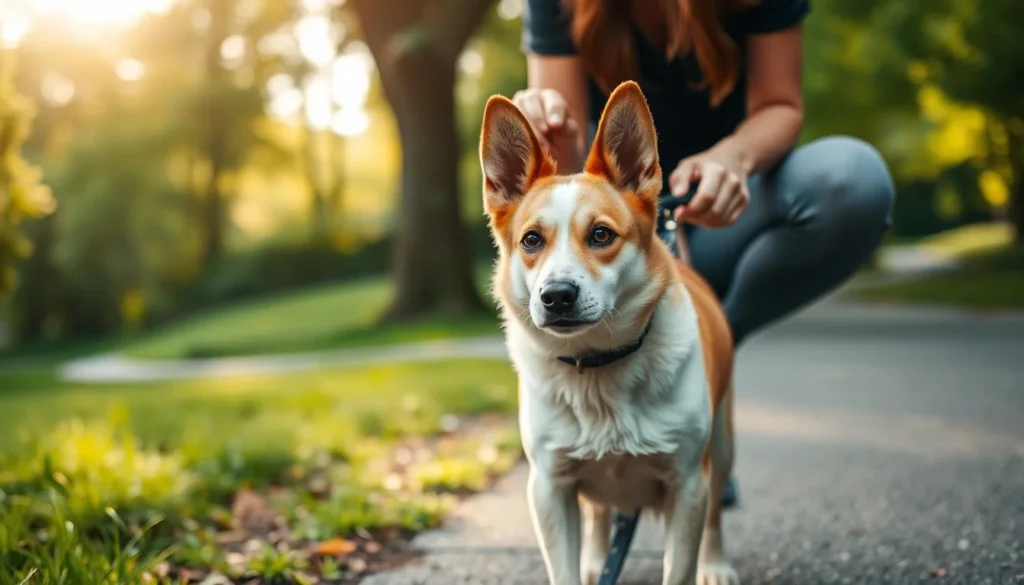
I teach leash skills step by step, building trust. Dogs don't know how to walk on a leash at first. It can feel scary or uncomfortable for them.
Understanding that leash-walking is a learned skill
Leash-walking needs practice, patience, and clear signs. I teach dogs that walking on a loose leash is good. When they feel safe, they learn faster and stress less.
Building a training plan: equipment, environment, and timeline
I start training at home, where it's quiet. Then, we move to outdoor spots that are less busy. This helps dogs learn to walk well outside.
Use a strong harness, a short leash, a marker, and treats. Practice in short sessions, several times a day. Reward them for walking nicely, use cues like "let's go," and slowly add more challenges.
Start off-leash in a safe area to teach them to focus. Then, add the harness and leash. Taking it slow helps them learn without getting overwhelmed. For more practice, consider dog leash training classes.
When to seek a certified behavior consultant
If your dog is very scared, hides, shakes, or lunges, get help. A certified behavior consultant or trainer can create a special plan. They can help with dog leash reactivity training when simple steps don't work.
Trust and consistency are key in my training. Regular, positive practice and the right help make walks better for both of you.
Choosing the right gear: harnesses, leashes, and markers
I choose gear that makes training clear, safe, and comfy. A good setup is key for walks, whether at home or outside. Fit, durability, and ease of use are most important for both me and the dog.

Harness types:
I like a simple back-clip harness for calm walkers. It sits on the shoulders and avoids neck pressure. For pullers, I use a dual-clip or front-clip harness for better control.
Head halters and safety:
Head halters are good for strong dogs, but only with careful use. I slowly introduce them and use positive reinforcement. It's important to learn proper fitting and handling to avoid stress or injury.
Leash length and types:
I avoid retractable leashes for training. A flat or round non-retractable leash offers consistent feedback and control. For more freedom, I use longer lines from 10 to 30 feet. Small dogs do well with a 10-foot line, while larger dogs need 20–30 feet.
Markers and accessories:
I use a clicker or a clear verbal marker like “yes” to mark good behavior. A waist-mounted treat pouch keeps rewards handy and my hands free. I also carry poop bags, a small phone, and keys in a compact bag to stay focused.
Practical choices:
I choose waterproof, stink-resistant materials for active dogs. Fit prevents chafing and lets the dog move naturally. Durability and simple hardware save time and reduce frustration during lessons.
Quick checklist:
- Back-clip for calm walkers; dual/front-clip for pullers.
- Head halter only after slow introduction and positive pairing.
- Non-retractable leash for daily use; 10–30 ft lines for controlled freedom.
- Clicker or verbal marker plus a hands-free treat pouch.
- Waterproof, durable materials and correct fit to prevent chafing.
These tips help me pick the right gear for training. Matching the harness, leash, and markers to the dog’s size and needs makes sessions smoother and progress faster.
Setting up for success: environment and preparation
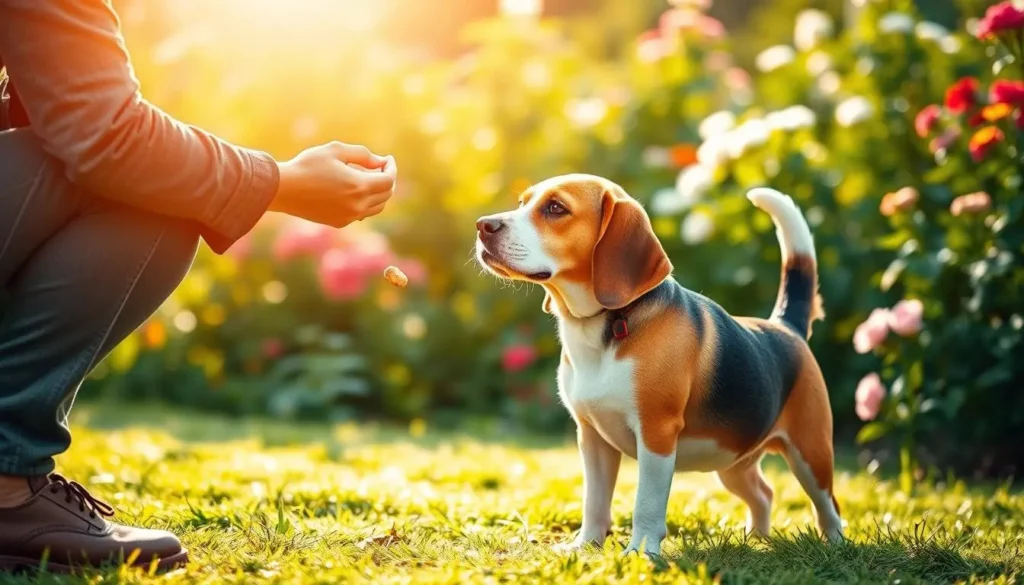
I start leash work in a quiet, familiar spot so my dog can focus. A hallway, living room, backyard, or a fenced garage makes a safe first stage for dog leash training at home. Short steps with a clear marker and a treat keep lessons simple and rewarding.
Start at home and progress to quiet outdoor spaces
I build confidence by moving from indoors to a calm yard, then to a quiet park. Each move adds a little distraction while preserving success. I keep sessions short and frequent to maintain motivation and to embed positive habits for dog leash training.
How to reduce pre-walk arousal (play, calm routines, scatter feeding)
High energy before a walk often becomes pulling. I use a brief play session or a calm five-minute routine before harnessing so my dog arrives at the leash calmer. Scatter feeding works well here; scattering kibble or small treats on the ground encourages sniffing and reduces frantic energy.
I watch my dog’s body language during scatter feeding. If the dog seems too stressed to eat, I step farther from the trigger and try again. Scatter feeding becomes a gentle counterconditioning method when space is tight or when I can’t create distance.
Using long lines to give freedom while training
I use 10–30 ft long lines in low-distraction areas so my dog experiences choice while I control safety. Long lines cut leash pressure and lower pulling that comes from feeling restrained. I let my dog explore, then call them back to practice short, reinforced walking segments.
For each long-line session I bring high-value treats, a marker, and patience. Short, regular sessions beat long, frustrating attempts. This approach speeds learning and keeps the dog eager for more dog leash training tips.
| Step | Setting | Goal | Tools |
|---|---|---|---|
| 1 | Indoors or fenced yard | Build focus and reward stepping toward handler | Treats, marker, short leash |
| 2 | Quiet outdoor area | Introduce mild distractions, reinforce loose leash walking | Long line (10–20 ft), high-value treats |
| 3 | Park with fewer people/dogs | Practice recalls and short reinforced walking segments | Long line (20–30 ft), scatter feeding, marker |
| 4 | Busier streets or trails | Maintain control under higher distraction while rewarding calm | Harness or head halter if needed, treats, plan for exits |
Core leash training techniques that work
I keep walks calm and clear with a few simple techniques. These methods help with everyday dog leash training. They also support progress in tackling tough issues like dog leash reactivity or aggression.
Stop and wait: turning movement into a reward system
When my dog runs ahead, I stop without yelling. Standing still makes forward motion a reward. With a 6-foot leash, stopping limits exploration and encourages calm re-engagement.
Change direction and circle around to regain engagement
If pulling continues, I change direction or circle back. Denise Fenzi suggested this to restore focus. Circling slows the pace and brings the dog back to familiar ground, often without food.
Back up and reverse-follow to encourage your dog to follow you
I step backward to invite my dog to follow. Backing up creates movement the dog wants to match. This builds the idea that following me pays off and helps increase distance from triggers.
Using conversational cues like "let's go," "this way," and "wait"
I use short, consistent phrases in everyday walks. Conversational cues become meaningful through repetition and context. Saying "let's go" or "this way" guides movement without needing formal training sessions.
I reward check-ins, loose-leash walking, and eye contact. These behaviors grow. These dog leash training tips work across breeds and ages. They fit into broader dog leash training plans and help when facing leash reactivity or aggression training challenges.
Training with games and positive reinforcement
I use short, playful drills to keep walks lively and teach reliable responses. Games build predictability and make rules clear. They work well for dog leash training, whether you practice in the yard or on neighborhood routes.
Pattern games create a rhythm the dog can read. The 1-2-3 game begins while you stand still. Reward on counts one and two, then on three move a step and reward for following. Gradually add walking. This pattern helps with dog leash training at home before you try busier streets.
I use a moving “get it” game when we walk. I toss a low-value treat a few feet ahead, let the dog pick it up, then praise when they return and walk with me. That moving reward encourages check-ins and keeps attention during motion. Use high-value treats near strong triggers to maintain focus.
Reinforce small wins: a glance back, steady side position, or brief eye contact. Mark those moments and reward. Pick a consistent side for walking. Rewarded proximity should feel earned, not constant. That pattern makes the dog choose to stay near you.
Keep sessions brief and upbeat. Short repeats throughout a walk beat long, heavy drills. Let the dog make some choices so training stays fun. These dog leash training tips translate easily into structured practice or into dog leash training classes when you want guided feedback.
Below I compare three simple games and their benefits to help you plan sessions.
| Game | How to run it | Key benefit | Best setting |
|---|---|---|---|
| 1-2-3 pattern | Stand, reward counts 1–2, step on 3 and reward for following | Builds anticipation and steady engagement | Dog leash training at home or quiet park |
| Moving “get it” | Toss low-value treat ahead while walking, reward return | Encourages following and returning during motion | Neighborhood walks or low-distraction routes |
| Check-in rewards | Mark and treat when dog looks back, offers eye contact, or returns to your side | Reinforces position and voluntary attention | Any walk; use higher-value treats near triggers |
Addressing leash reactivity and leash aggression
I help owners deal with tense moments on walks. Leash reactivity and aggression can be sudden and scary. Spotting early signs is key to safety and success.
Recognizing signs of reactivity
I look for signs like lunging, barking, and growling. Dogs may react from fear or excitement. Knowing why helps me choose the right approach.
Management strategies to de-escalate
My first step is to create distance. I use a long line or change direction to avoid triggers. Stopping and waiting helps the dog calm down and prevents pulling.
Counterconditioning for calmer responses
I use treats to teach dogs to look at me calmly. I start far away and slowly get closer as they improve. Sniff breaks help when they get too excited.
Reinforcement and precise marking
I reward calm behavior with treats and clear markers. This helps dogs learn to stay calm. It's a key part of training.
When to seek classes or professional help
I suggest classes for extra practice and feedback. If a dog is very scared or aggressive, I call a behavior consultant. Professional help keeps everyone safe.
Practical walk routines and troubleshooting common problems
I break walks into short training segments to keep my dog engaged and learning. This way, I don't lose sniff time. I let a few minutes of exploration on a long line, then stop for a focused one- to two-minute practice bout of leash walking.
This pattern of free exploration followed by practice helps me apply dog leash training tips. It also preserves choice for my dog.
When pulling happens, I stop and become an immovable object. I wait until slack appears, mark the slack, and reward by placing a treat on the ground or walking the opposite direction. I never yank or shout.
These simple contingencies rebuild reliable slack-leash behavior. They address episodes of dog leash aggression without escalating tension.
Exits and transitions are high-arousal moments for many dogs. I put the harness on, wait for calm before opening the door. I use brief play or scatter feeding to lower energy when needed.
In busy areas, I switch to a long line and raise reinforcement value for correct attention. These tactics bring structure to chaotic environments. They support progress from dog leash training at home to street-level practice.
Puppies respond best to very short, frequent sessions and gradual exposure. I keep expectations modest and celebrate tiny wins. Adult dogs learn at a different pace. They often need more repetitions and gentle counterconditioning for ingrained reactions.
Consistency matters: same cues, same side for walking, and the same rewards each session. This helps me and my dog stay on track.
I use a simple routine I can repeat every walk. I watch for behaviors I want and reward them immediately. If a problem persists, I schedule focused practice or consider dog leash training classes to add structure and expert support.
Patience and steady reinforcement drive long-term change. They bring calmer outings for both of us.
| Problem | Quick Fix | Practice Drill |
|---|---|---|
| Intermittent pulling | Stop, wait for slack, reward on ground | 5 short stop-and-reward bouts during a 15-minute walk |
| Doorway overexcitement | Harness on, require calm before exit | Repeat calm-wait drill 4 times before opening door |
| Distraction in busy areas | Use long line, high-value treats | 1 minute focused walking alternating with 2 minutes exploration |
| Leash aggression toward other dogs | Create distance, reward calm, change direction | Counterconditioning sessions at increasing distances; consider dog leash training classes |
| Puppy overarousal | Short sessions, lots of breaks | Multiple 3–5 minute training bouts spread through the day |
Conclusion
Dog leash training is a skill we can learn together. It makes walks safer and more fun for both of us. By building a strong bond, using the right gear, and slowly getting used to new places, we can reduce stress and increase trust.
Key elements like positive reinforcement, clear signals, and regular routines are crucial. They help turn short practice times into lasting habits. This way, our walks become more enjoyable and safe.
To keep lessons fun, I use various techniques like stop-and-wait and simple games. I also use scatter feeding and short, frequent sessions. This keeps learning exciting. Long lines give my dog choices while I reinforce good behaviors.
For those who face strong fear or aggression, seeking help is important. Dog leash training classes or a professional behavior consultant can be very helpful. With patience and consistency, we can move from tense walks to calm, well-managed ones.
Start small today by trying one technique on your next walk. If you want more support, consider local dog leash training classes. Step-by-step practice will help you achieve calm, confident walks sooner than you think.