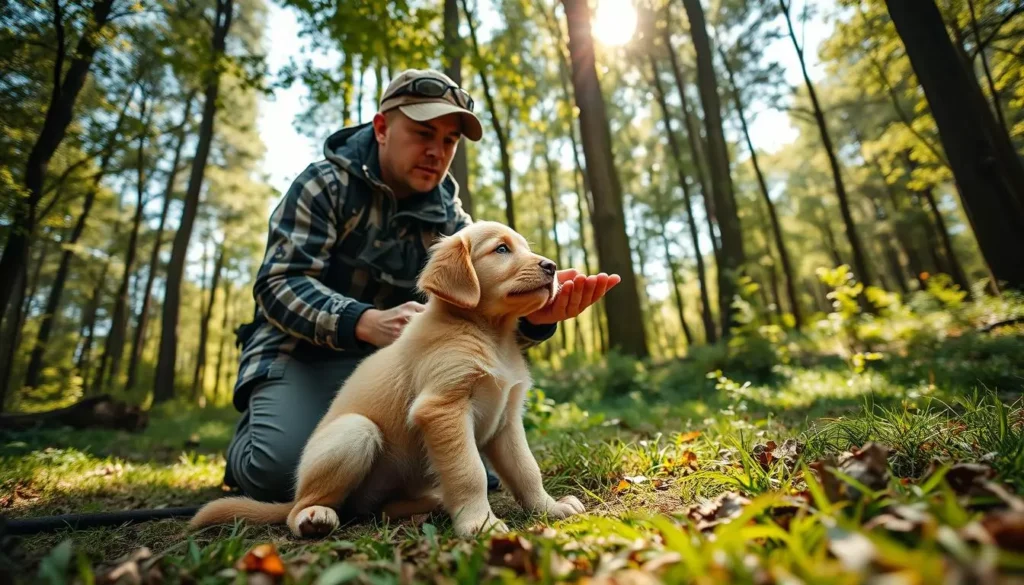
When I first brought home my puppy, I was excited. But soon, I faced the challenge of their sharp teeth and playful nips. It's a common issue for new dog owners. Stopping this behavior is key for my safety and teaching my puppy to play nicely with others.
With time and the right strategies, we can change this biting into something more loving. It's all about patience and the right approach.
Key Takeaways
- Understanding the reasons for puppy nipping is essential for effective training.
- Teaching bite inhibition can help puppies learn to control their nipping.
- Use positive reinforcement and gentle redirection to modify biting behavior in puppies.
- Creating a safe space for your puppy can mitigate unwanted nipping interactions.
- Consistent training helps establish boundaries and promotes gentle play.
Understanding Puppy Nipping Behavior
Nipping is a natural part of puppy behavior. It happens as they explore their world. Puppies use their mouths to learn about their environment. This behavior might seem cute at first, but it can cause problems if not stopped early.
Understanding why puppies nip is key in training them. They might nip because they're excited, curious, or playing. It's important to recognize these reasons.
Ignoring nipping can lead to bigger problems as the puppy grows. It's crucial to teach them not to nip. Training should help them learn to use toys instead of biting people or other pets.
Why Puppies Nip During Play
Puppies nip during play as a natural part of growing up. This behavior comes from their instincts and is key for learning to communicate with other dogs. In a litter, puppies learn to bite gently by watching their siblings.
They see how hard is too hard by their siblings' reactions. If they bite too hard, they get a yelp. This teaches them the right amount of pressure.
Understanding play is key to stopping dog biting and nipping. If a puppy misses this learning phase, they might not understand gentleness as adults. This can cause behavior problems later on.
Teaching them what's okay to bite is a challenge. It takes patience and positive reinforcement. By doing this, we help them learn the limits of their mouth.
Teaching Bite Inhibition Effectively
Teaching a puppy not to nip is about understanding bite inhibition. This is key for them to learn to control their bites. It's important for safe play with humans and other animals.
What Is Bite Inhibition?
Bite inhibition is when a dog knows how hard to bite during play. Puppies learn this by playing with others. They get feedback that helps them understand their strength.
This learning helps them play softly. It also helps prevent aggressive behavior when they grow up.
How Puppies Learn Bite Control
Puppies learn bite control by playing. If they bite too hard, others might yelp or stop playing. This tells them to play softer.
To teach a puppy not to nip, try these:
- Use high-pitched yelps to show discomfort when they bite too hard.
- Redirect their attention to toys or chew items when they nip.
- Encourage gentle play and praise them for soft play.
Using these methods helps my puppy learn to play safely. Teaching them not to nip is crucial for their behavior as adults.
Stopping a Puppy from Nipping: Step-by-Step Guide
Dealing with puppy nipping and biting can be tough. But, with consistent strategies, I can manage this behavior. Here's a guide on preventing puppy nipping in five steps:
- Recognize the Moments: I watch for when my puppy nips. It usually happens during play or when they're excited. Spotting these triggers is key to stopping the behavior fast.
- Consistent Response: Every time my puppy nips, I react the same way. This might be a firm "no" or taking away my attention. Being consistent shows them nipping is not okay.
- Utilize Time-Outs: If my puppy nips, I take them away for a bit. A short time-out in a safe spot teaches them nipping means isolation.
- Provide Alternatives: I give my puppy lots of chew toys. This lets them bite on the right things, showing what's okay to chew.
- Increase Expectations Gradually: As my puppy gets better at not nipping, I expect more from them. Gradually increasing expectations helps them learn the behavior I want.
The Importance of Redirecting Nipping Behavior
Redirecting nipping behavior is key in puppy training. If I see my puppy nipping, I find it better to give them a chew toy instead of punishing them. This way, they can use their energy and satisfy their biting instinct.
Engaging my puppy in different activities or games helps reduce nipping. This method is part of effective puppy biting solutions. By focusing on toys or play, I create a positive space for learning and growth.
Positive reinforcement shows that good behavior is rewarded. When my puppy chooses to chew on toys instead of biting me, I celebrate. This approach helps build a calm and happy relationship, preventing aggressive behavior.
Encouraging Gentle Play with Toys
Starting gentle play with my puppy means picking the right toys. I look for durable and fun chew toys. These toys make playtime safe and enjoyable, helping to stop nipping.
Choosing the Right Chew Toys
I think about a few things when picking chew toys. They need to be the right size and made from safe materials. Rubber or fabric toys are great because they can handle rough play.
A good chew toy can distract my puppy from biting my hands. It keeps their focus on the toy instead.
Substituting Hands for Toys
Using toys instead of hands is key to stopping nipping. I always offer toys during play. If my puppy bites my hands, I give them a chew toy instead.
This teaches them that toys are for biting, not hands. It helps us have a better relationship.

Implementing Time-Outs as a Training Technique
Time-outs are a great way to stop nipping in puppy training. They help create a learning space, not a punishment area. This method is calm and doesn't harm my puppy's feelings.
When my puppy bites, I stop playing and step back. This tells them biting is not okay. Then, I give them a toy to play with instead. Using time-outs often helps my puppy understand what's right and wrong.
How to Properly Use Time-Outs
- Recognize the signs of nipping behavior and be prepared to act swiftly.
- Stop playing instantly when a nip happens, signaling the end of fun.
- Take a few steps away to give your puppy space to calm down.
- After a brief moment, reintroduce a toy to redirect their energy.
- Maintain a calm demeanor throughout the process to avoid creating anxiety.
Using these tips can make our relationship better and encourage good behavior. Regular time-outs help my puppy learn how to interact with others.
Using Positive Reinforcement
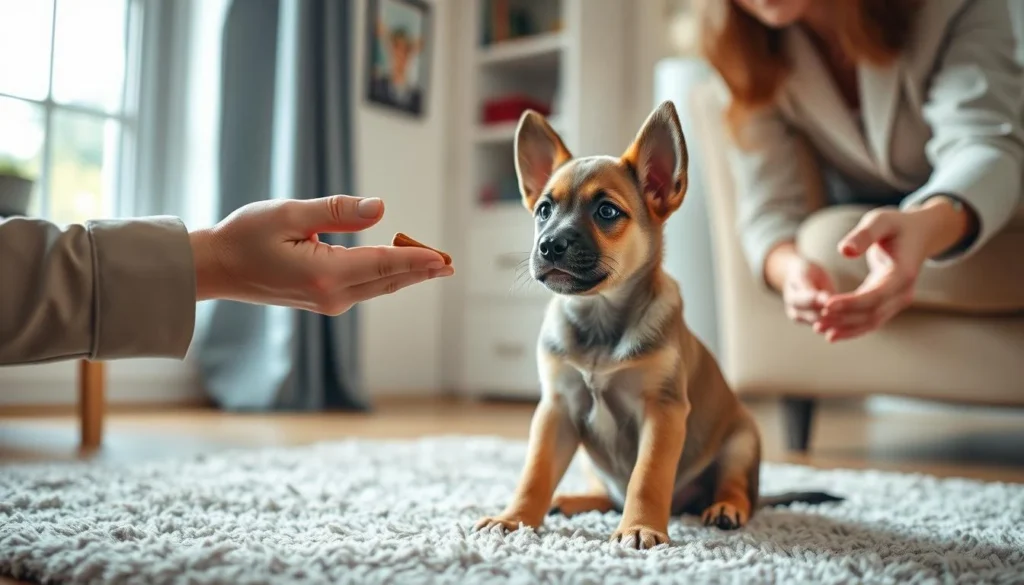
Positive reinforcement is a great way to teach our puppies good habits. When I give treats and praise for calm behavior, my puppy learns what I want. This method makes him excited to play nicely and strengthens our bond.
Being consistent is crucial when teaching good behavior. I always reward my puppy for playing gently or using toys instead of biting. This way, he knows that good actions get him treats and praise. It's incredible how fast puppies learn when they're rewarded for it.
Patience is key when teaching puppies with positive reinforcement. Every puppy learns differently, and it's my job to support them. By sticking to these methods, I help my puppy develop good habits that aid in his training.
Understanding the Difference Between Playful Mouthing and Aggression
Exploring puppy behaviors, it's key to know the difference between playful mouthing and aggression. Puppies often mouth during play, which can look like aggression. Knowing the signs is crucial for using the right puppy training techniques.
Playful mouthing shows a relaxed body and wagging tails. Puppies give soft bites and seem to enjoy it. Aggression, on the other hand, has stiff body language, raised hackles, and intense growling. Spotting these signs helps me react right to my puppy's actions.
To better understand, I watch for certain signs. If my puppy nips lightly and bounces around playfully, it's likely playful mouthing. But if the movements get stiff and barking gets louder, it might be aggression.
Using good puppy training techniques helps avoid confusion. By encouraging gentle play and calmly stopping aggressive acts, I create a safe space for my puppy. Learning to tell these behaviors apart not only helps in handling them but also strengthens our bond.
Creating a Safe Space for Puppy Interaction
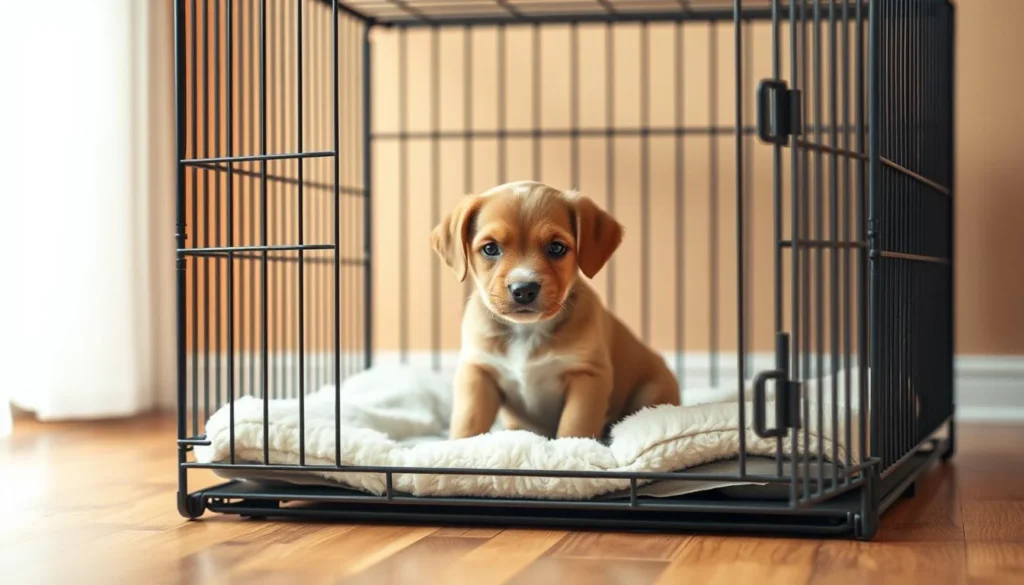
Creating a secure environment for my puppy makes playtime fun and stress-free. Safe spaces are key for positive interactions and avoiding accidental nips. I choose areas without distractions, letting my puppy focus and explore safely. This setup is vital for puppy safety during play.
When setting up a safe space, I think about a few things:
- Use sturdy gates to create a defined area.
- Remove any hazardous items or potential stressors.
- Ensure the surface is clean and non-slip.
- Incorporate soft, padded blankets or toys for comfort.
Watching my puppy in the safe space helps me see if they're uncomfortable. If they nip, I step in and guide them to better play. This way, I teach them boundaries while helping them socialize.
Creating a safe area is key to my puppy's confidence and security. It lets us have fun and strengthens our bond through play.
Socialization Opportunities for Your Puppy
Socialization is key for a puppy's growth. It means introducing them to new places, sounds, and people. I've seen how puppy training classes boost their confidence and adaptability.
The Benefits of Puppy Classes
Puppy training classes are great for socialization. They offer a safe space for puppies to play and meet others. Here are some benefits I've seen:
- Enhanced social skills: Playing with other dogs helps them learn to communicate.
- Exposure to various environments: Classes often take place in different places, helping puppies get used to new settings.
- Learning from trainers: Trainers teach important lessons on behavior and training.
- Building confidence: Positive interactions with other puppies and trainers help them feel secure and confident.
These classes do more than just playtime. They also teach obedience and behavior. My puppy is now more comfortable in different situations, which improves their daily life.
Choosing to enroll my puppy in training has been a great choice. It has made them a happier and more well-adjusted dog.
Maintaining Consistency in Training
When I started training my puppy, I learned how important consistency is. Everyone in the family must use the same commands and responses. This makes it clear to my puppy what is expected.
Inconsistency can confuse my puppy and make unwanted behaviors like nipping last longer. It's crucial for everyone to stick to one training method.
Keeping up with puppy training habits means everyone must agree on how to train. A consistent environment helps my puppy learn faster. It also builds trust between us.
Here's a quick list of tips to help maintain consistency in training methods:
- Agree on commands and signals with everyone involved in training.
- Using the same rewards for desired behaviors across all sessions.
- Avoiding mixed signals to minimize confusion.
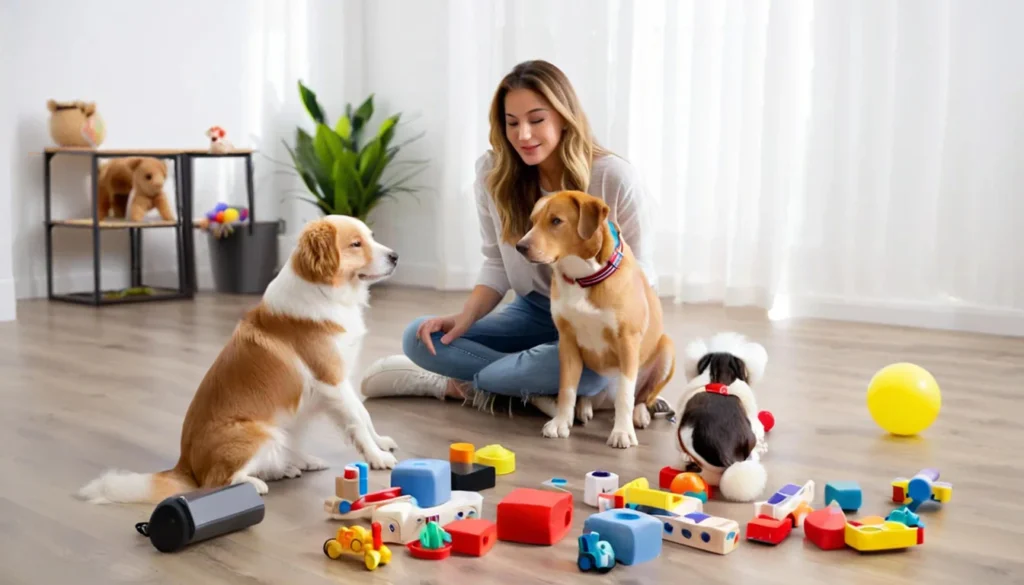
Common Mistakes to Avoid When Training a Puppy
Training a puppy should be fun, but many owners make mistakes. One big mistake is using harsh punishment. This can make puppies scared and anxious, which stops them from learning.
Another mistake is not giving puppies enough to do. They need lots of activities to keep them busy and happy. Without these, they might start to bite and act out.
Using different words or signals for the same thing can confuse puppies. It's key to be consistent with commands. This helps dogs know what you want from them. Fixing these mistakes can make training a better experience for everyone.
| Mistake | Description | Consequences |
|---|---|---|
| Harsh Punishment | Using negative reinforcement during training | Leads to fear and anxiety, harming the bond |
| Lack of Stimulation | Insufficient physical and mental engagement | Results in boredom and destructive behavior |
| Inconsistency in Commands | Changing commands or cues frequently | Confuses the puppy and delays learning |
When to Seek Professional Help
At times, managing my puppy's behavior can be tough. Knowing when to ask for help from professional dog trainers is key. If my puppy's nipping persists, even after training, it's a sign to seek expert advice. Fear aggression also points to the need for professional help.
When my puppy has trouble following commands or doesn't respond to positive reinforcement, it's time to get help. Professional trainers can create customized plans for my puppy's specific issues. They have the expertise to help my puppy learn the behaviors I want.
General Tips for Preventing Nipping
Preventing nipping starts with making our homes safe for puppies. By puppy-proofing, we create a space that reduces triggers. This approach helps our puppies learn good ways to play and interact.
Keeping the Environment Safe
Creating a safe space for puppies is key. Here are some ways to do it:
- Remove valuable or fragile items from reachable areas.
- Provide appropriate chew toys to satisfy the natural urge to nip and chew.
- Use baby gates to limit access to certain rooms or areas.
- Create a designated play zone for my puppy that has safe toys and no harmful objects.
- Be mindful of how I interact with my puppy to avoid scenarios that foster nipping behavior.
By focusing on puppy-proofing, we encourage good behavior and stop nipping.
Conclusion
Understanding a puppy's behavior and consistent training are key to stopping nipping. This article has covered various methods to shape a puppy's play. It highlights the need for patience and positive reinforcement.
Reflecting on stopping nipping, I see that a nurturing environment is crucial. It helps puppies learn what's okay during play. Redirecting nipping, using chew toys, and consistent time-outs have worked for me.
With dedication and the right training, we can teach our puppies to play gently. It may take time, but the joy of a well-behaved puppy is priceless.