I remember the first night my Labrador mix came home. She curled up beside my shoes, wide-eyed and curious. That moment made me realize the importance of starting training early. It shapes habits, safety, and a strong bond that lasts for years.
Experts say the best time to start training a dog is between 6 and 16 weeks. Puppies usually come home around eight weeks. Training starts the moment they arrive, teaching them from their environment and through short, consistent sessions.
This article explains why early training is crucial. It covers matching training to puppy stages and why positive methods are best. You'll get a simple plan for starting early, what to expect at different ages, and practical routines to build a confident, well-mannered dog.
Key Takeaways
- Begin training the moment you bring a puppy home — typical bring-home age is about eight weeks.
- The most sensitive learning period is roughly 6–16 weeks; early exposure shapes adult behavior.
- Starting training early uses short, positive sessions to build skills and trust.
- Focus on socialization, environment, and basic cues for strong foundations.
- Positive reinforcement aligns with scientific guidance for lasting results.
when is the best time to start training a dog
I explain how a puppy's mind grows and how timing impacts their behavior. Knowing when to start training helps you plan important steps. This includes socialization, basic commands, and building confidence.
Overview of critical windows in puppy development
Puppies have special learning times in their first months. They learn about sights, sounds, people, and surfaces. This period is crucial for their social skills and how they handle challenges.
Early experiences are more important than later ones. Training starts with gentle introductions and grows into structured lessons. Small, consistent experiences help reduce fear and build trust.
Why early learning matters: 6 to 16 weeks as a sensitive period
Between six to sixteen weeks, puppies learn best. Experts and trainers agree on this time for introducing new things. I focus on friendly interactions to show the world is safe.
Teaching basic cues like name recognition, sit, and come is easier during this time. I use positive reinforcement and short lessons to help them learn without feeling overwhelmed.
How “bring-home” age (around 8 weeks) fits into training start times
Many puppies arrive home around eight weeks, making it a great time to start training. At home, I start with name recognition, crate training, and touch desensitization. I also introduce short leash and harness use right away.
At this stage, I focus on safe socialization and early impulse control. This includes teaching a sit before meals. Starting formal training at this age is ideal.
| Age Range | Focus | Practical Steps |
|---|---|---|
| 6–8 weeks | First social exposures | Gentle handling, name games, short play, crate curiosity |
| 8–12 weeks | Begin basic cues | Introduce sit, come, leash walks at home, supervised socialization |
| 12–16 weeks | Broaden experiences | New surfaces, calm interactions with strangers, short outings per vet advice |
| 16+ weeks | Consolidation and build-up | Longer training sessions, practice with distraction, start impulse-control games |
I advise owners on the best time to start training based on the puppy training timeline. Training early is key, but ongoing practice after these windows is crucial for lasting skills.
Why I recommend starting training as soon as you bring your puppy home
I start training my puppy the moment they arrive. Learning is a constant process in their early years, not just in formal classes. They learn from everything around them, like the couch, the yard, and my voice.
Purina and The Puppy Academy say that even simple moments like meals and playtime are great for learning. This is why starting early is so important. It helps create a routine for their daily life.
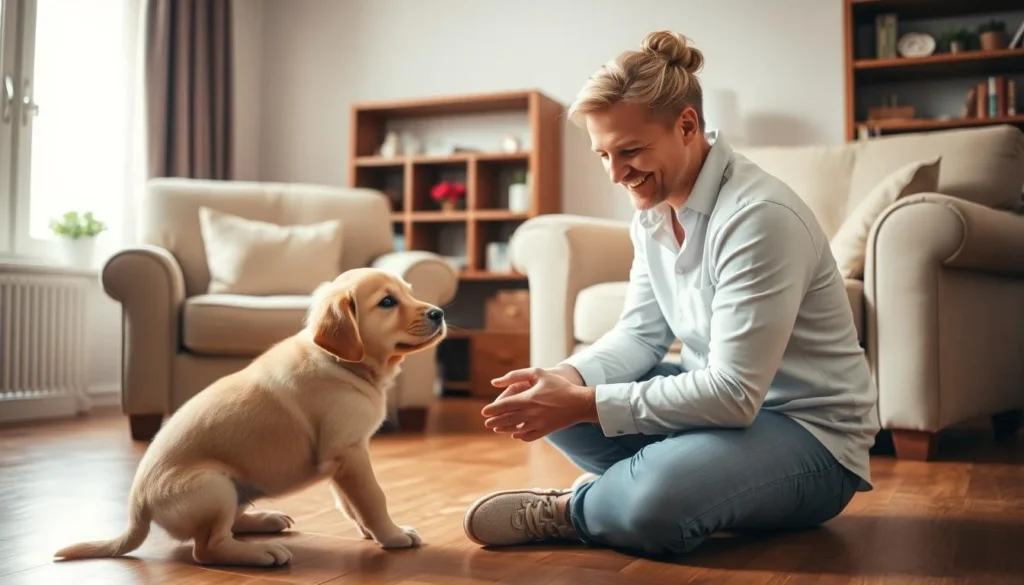
Learning happens constantly: environment, socializing, and direct training
Puppies learn at an incredible rate. I teach them small lessons during meals, walks, and when we have guests. These lessons help them learn their name, basic manners, and how to calm down.
So, when is the best time to start training a dog? The answer is the first day they come home.
Building a foundation for adulthood through early socialization
Early socialization is key for confident adult dogs. I introduce them to different people, ages, and sounds in a calm way. Experts like Kate Naito and Purina say this helps them see the world as interesting, not scary.
This early exposure improves their recall, play, and drop-it behavior later on.
Emotional health first: creating a safe, trusting environment
I focus on emotional safety before obedience training. A consistent routine, gentle handling, and building a relationship help build trust. Using positive methods avoids fear and anxiety, making training easier.
This approach is perfect for the right dog obedience training age. It helps them learn rules like crate and potty training faster.
Starting right away helps me establish important routines. This leads to faster progress and fewer problems. When people ask about dog obedience training age or training your new puppy, I say early, kind training is best.
Optimal age for training a dog: puppy stages and milestones
I divide puppy development into stages to match training to their abilities. Knowing when to start training is key. I base my advice on common behaviors and effective training tips for homes in the United States.
8–16 weeks: exposure, impulse control, name recognition
At this age, I focus on introducing new things gently. Short, fun sessions help with name recognition and basic commands like sit and come.
I suggest crate training and getting them used to leashes or harnesses. Using mealtime for training is helpful. I also teach impulse control with simple exercises.
3–6 months: polite play, housetraining progress, being alone
Between three and six months, I expand their skills. I teach them to play nicely and improve housetraining with a regular schedule.
I start short periods of time alone to reduce anxiety. I also work on impulse control and leave-it exercises. This period sees steady progress with consistent training.
6–12 months and beyond: mastery of basics and continued reinforcement
From six months on, I aim for mastery and generalization. I gradually reduce treats, using praise for good behavior.
I use a long-line for outdoor training to increase recall distance. Adolescent dogs may regress, so I emphasize routine and patience. Training should be a lifelong habit to ensure lasting results.
| Stage | Focus | Typical Sessions | Key Outcomes |
|---|---|---|---|
| 8–16 weeks | Exposure, name recognition, crate threshold, leash intro | Short (≈5 minutes), multiple times daily | Basic cues, impulse control at meals, comfort with handling |
| 3–6 months | Polite play, housetraining, short alone time, threshold work | 5–10 minute sessions, combined with play and potty routine | Improved recall, steady housetraining, calmer social interactions |
| 6–12 months+ | Generalization, distance and duration, treat fading | 10–15 minute focused sessions, longer practice outdoors | Reliable cues under distraction, extended recalls, lifelong habits |
Positive reinforcement as the scientifically backed training method
I suggest using a force-free method that rewards good behavior. This approach, known as positive reinforcement, makes learning faster and builds trust. I use treats, toys, and praise to guide actions. It makes early training sessions both fun and effective.
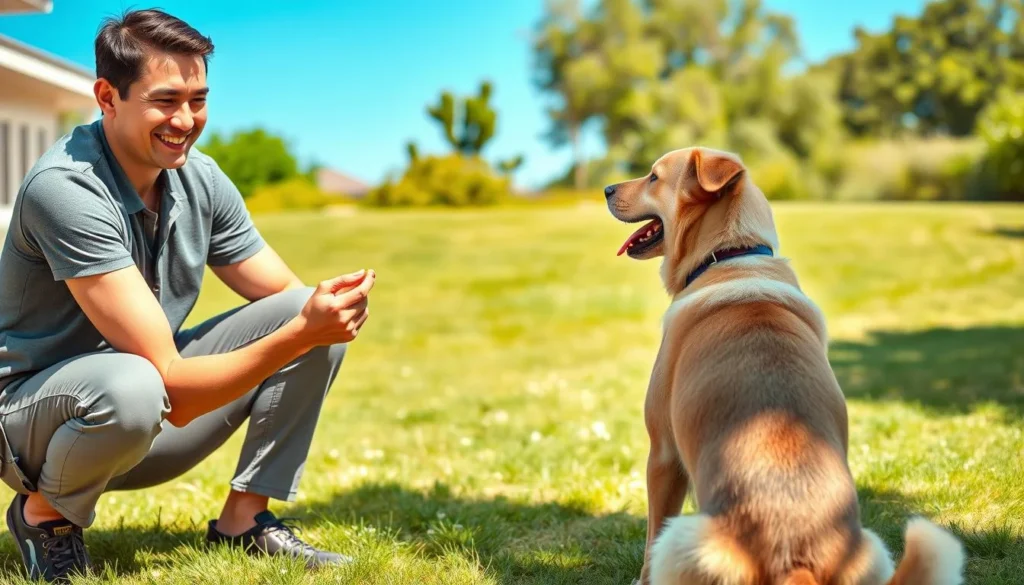
What positive reinforcement looks like:
In the first weeks, I use small treats to teach basic commands. I also add short play sessions with a favorite toy and warm praise. Using a puppy’s meal as a training tool keeps things predictable and helps teach commands like sit and recall.
Why punishment and aversive tools create long-term problems:
I steer clear of choke collars, shock devices, and harsh corrections. Experts like Purina and many trainers agree these tools increase fear and anxiety. They also damage the bond between dog and owner. Dogs trained without force stay calmer and learn faster with reward-based training.
Finding the right rewards for your puppy’s motivation:
I test different rewards to find what motivates each puppy. Some like kibble, while others prefer higher-value treats or tug games. As behaviors become reliable, I switch to praise and intermittent rewards. Being consistent with cues and signals is key.
I practice training in short sessions throughout the day, even during potty breaks. This consistent practice turns small moments into learning chances. It helps answer when to start training a dog and makes teaching commands natural and lasting.
Practical puppy training schedule and daily routine (dog training schedule)
I've created a simple daily routine for busy homes and energetic puppies. It helps avoid accidents, boosts confidence, and shows when to start training. This routine fits into every day.
Training sessions are short. Young puppies do best with 3–4 short sessions of 5 minutes each. Older puppies can handle 10–15 minute blocks. This schedule matches a puppy's growth from short, frequent lessons to longer, focused practice.
Mealtime is also training time. I use kibble for teaching sit, name recognition, and come. Over time, I replace treats with praise and play. This helps puppies learn to respond without food rewards.
I follow a routine of potty, play, training, and rest. For potty breaks, I use the age-in-months ÷ 2 rule. Frequent naps and crate time help with housetraining. Short social outings are okay after the vet says it's safe.
I also practice leash training and threshold drills. These make outings calmer. Brief leash sessions with sit and recall practice reinforce manners.
Here's a sample daily plan you can adjust.
- Morning: wake, immediate potty, 5-minute name/sit session, breakfast with "work for food" drill, 20–30 minute play, crate nap.
- Late morning: potty, 5–10 minute leash or threshold practice, quiet rest.
- Afternoon: midday potty, short training block (sit, come, leave it), lunch or kibble rewards, supervised social/household exposure, nap.
- Evening: potty before dinner, 10-minute focused training, family time with calm play, final potty before bedtime, short crate period to settle.
Stick to a consistent routine. It helps avoid setbacks and supports steady progress. These tips offer a practical guide from day one.
Core skills to teach early: sit, stay, come, heel, and leash manners
I focus on safety, consistency, and short training sessions. Teaching your dog commands early helps prevent danger. It also builds calm habits before they face busy streets or parks.
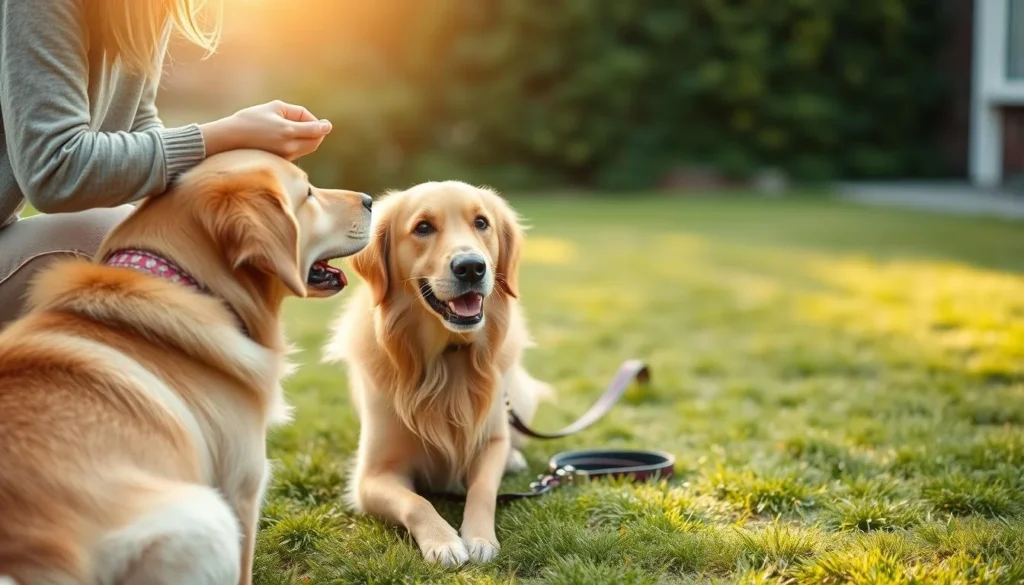
Teaching sit and recall early for safety
I teach sit and come first because they save lives. During mealtime, I lure with food to shape a reliable recall. I also arch my hand over the nose to prompt a sit. Quick rewards help the puppy link the cue to good things.
I make recall a top priority before opening doors or crossing streets. Short sessions and high rewards build trust and speed. I repeat the cue in different rooms to improve responses.
Leash training and what “heel” means when training a dog
I start leash training indoors with a harness and short walks. When training a dog, I explain heel as walking politely at your side. I mark small wins with rewards and release.
I use stop-and-start drills and tiny steps to teach the puppy to check my pace. I start in low-distraction spaces, then move to a backyard, and finally a quiet sidewalk.
Progressing commands with distance, duration, and distractions
I focus on the 3Ds: distance, duration, and distractions. For duration, I lengthen the sit each session. For distance, I back up one step at a time, keeping the puppy successful. For distractions, I move from quiet rooms to busier spots.
Long-lines and staged environments help increase challenges without losing control. I mix food, toys, and praise to keep the puppy motivated. This keeps them engaged as they grow and expectations rise.
I incorporate teaching sit, come, and stay into daily life. This includes doorway checks, greeting manners, and recall games. This steady practice makes these skills natural when they're most important.
Socialization and exposure: where and when to introduce new experiences
I help owners socialize puppies in a safe way. This helps puppies feel calm and confident around new things. We start with short, positive outings that fit the puppy's age and follow the vet's advice on vaccines.
Safe socialization before vaccines and veterinarian guidance
I always check with my vet before introducing puppies to other dogs. We avoid busy parks until they're fully vaccinated. At home and on quiet walks, we introduce people, surfaces, and sounds.
For controlled meetings, we use calm, vaccinated dogs or meet behind a barrier. This way, puppies learn to greet without health risks.
Building confidence with people, places, sounds, and surfaces
I plan short sessions for new experiences. Ten to fifteen minutes is a good start. We expose puppies to traffic noise, car rides, and different surfaces like concrete and grass.
Each new experience is paired with treats or praise. This helps puppies associate new things with safety.
Handling drills are part of our routine. We practice paw touches, mouth checks, and gentle nail handling. Keeping interactions brief and upbeat helps. This makes vet visits and grooming less stressful later.
Quality over quantity: choosing positive interactions with dogs and people
I focus on a few calm, guided encounters over many chaotic ones. I choose playmates carefully for their temperament and vaccination status. Supervised playdates teach puppies to behave politely and control themselves.
If a puppy seems overwhelmed, we let them opt out. We also interrupt any rough play. Following a staged approach ensures socialization is safe and effective for each puppy's pace.
| Stage | Focus | Session Length | Safe Examples |
|---|---|---|---|
| Weaning to 8 weeks | Home sounds, handling, brief surface changes | 5–10 minutes | Household noises, gentle handling, carpet to tile |
| 8–12 weeks | Controlled people introductions, short outings | 10–15 minutes | Quiet streets, vaccinated dog visits, car rides |
| 12–16 weeks | Broader exposures, impulse control, varied surfaces | 15–20 minutes | Public transport (quiet times), vet clinic walkthroughs, sand/grass |
| 4–6 months | Longer outings, supervised group play, resilience building | 20–30 minutes | Puppy classes, busy sidewalks, short hikes |
Common training topics and techniques by age (puppy training timeline)
I guide owners through steps that fit a realistic puppy training timeline. Short, daily sessions and a steady dog training schedule help puppies learn faster. Below, I cover potty basics, crate training, impulse control, and what to expect during adolescence.
Potty training timeline and crate training basics (8–12 weeks onward)
Start potty training at about 8–12 weeks. Use an age-based schedule: take the pup out after sleep, play, meals, and every 30–60 minutes during the day for very young puppies. Praise or reward every success to build the habit.
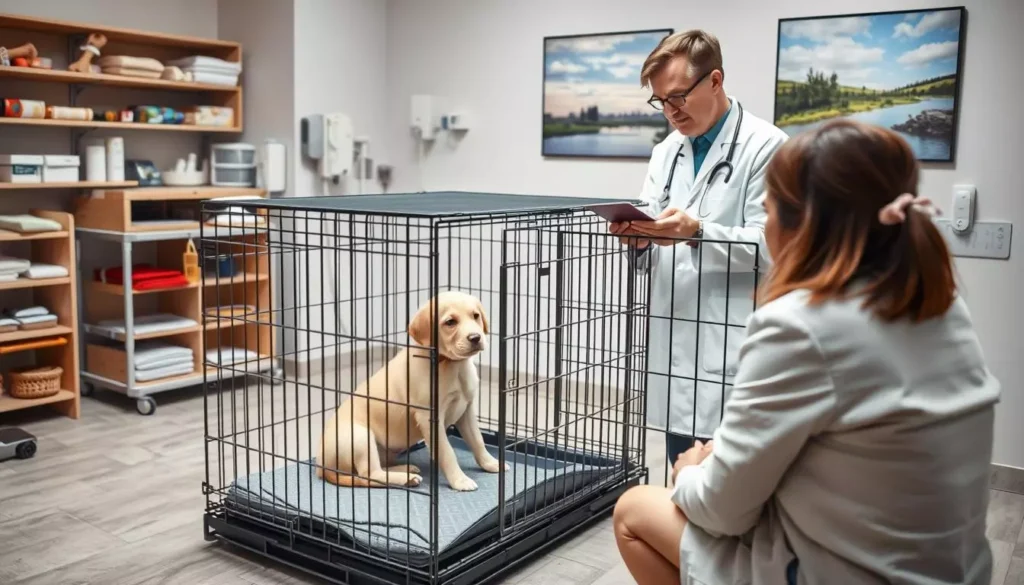
Crate training pairs well with the potty plan. Choose a crate that lets the pup stand, turn, and lie down. Make it comfortable with a bed and a safe toy. Close the door for a few seconds at first, then open. Gradually lengthen the time inside while watching for stress signals like whining or frantic scratching.
Impulse control, threshold training, and “leave it” progressions
I teach impulse control with predictable routines. Start with “sit before meals” and make door or crate threshold pauses part of the dog training schedule. Practice stepping back from the threshold and asking for a sit before release.
For “leave it,” begin with low-value items on the floor. Reward the pup for turning away or checking you for permission. Raise the difficulty slowly: higher-value treats, moving targets, and distractions come next. Keep sessions short, upbeat, and consistent.
How adolescent regression can appear and how to stay consistent
At around six months, some puppies test limits. You may see new chewing, nipping, or potty slip-ups. This regression feels frustrating but it is common. Maintain the same routines from earlier months and keep training short and regular.
I recommend stepping up the 3Ds: distance, duration, and distractions. That strengthens cues during teen months. Use the crate and a steady potty training timeline to reduce accidents. Patience and repeated practice help puppies regain reliable behavior.
| Age | Focus | Daily goals | Typical timeframe |
|---|---|---|---|
| 8–12 weeks | Potty basics, crate introduction | Frequent outdoor trips, short crate door closures, praise | Days to a few weeks for initial pattern |
| 3–6 months | Impulse control, threshold sits, basic recall | “Sit before meals,” short leave-it drills, steady dog training schedule | Weeks to months for solid responses |
| 6–12 months | Adolescent-proofing, reinforce boundaries | Increase distance and distractions, consistent crate training | Variable; expect occasional regression then improvement |
| 12+ months | Mastery and lifelong practice | Maintain routines, regular refreshers, real-life reinforcement | Ongoing; many dogs reliable by 5–6 months but practice continues |
Training your new puppy versus training an older dog (proper dog training age)
Many people wonder when to start training a dog. I say puppyhood offers big advantages, but adult dogs can learn too. The right approach depends on the dog's age, past experiences, and your training goals.
Why starting early makes certain behaviors easier to teach
Training a puppy early helps them feel less scared and more in control. Puppies that meet new things calmly are less likely to be scared later. This early start makes teaching them to listen, drop things, and play nicely easier.
Early training also helps prevent them from guarding things. I teach owners simple games that help puppies learn to share and accept handling. These small steps help build good habits for later.
How to modify techniques for adult dogs and rescue dogs
It's never too late to start training a dog. For older dogs and rescues, I use simple exercises, high-value rewards, and slow steps. Building trust is the first step. I start with small achievements, like sitting for a treat, to make them associate cues with good things.
With rescued dogs, I avoid methods that stress them out. Instead, I use positive reinforcement to change bad behaviors into good ones. I use clear routines and signals to help them feel secure. Kate Naito's approach to training is all about rewarding good behavior.
Realistic expectations: learning pace varies by dog and environment
Every dog learns at their own pace, based on their breed, personality, past experiences, and home life. I set realistic goals and remind owners that each dog is different. A quick learner won't be the same as a shy dog from a shelter.
Keeping up training is key. Even after dogs learn the basics, I suggest regular practice. Short, frequent sessions help keep their training sharp and prevent them from forgetting what they've learned.
| Aspect | Puppy (8–16 weeks) | Adult or Rescue |
|---|---|---|
| Best focus | Socialization, impulse control, name recognition | Trust rebuilding, tolerance, clear cues |
| Training pace | Quick gains, rapid generalization | Slower progress, more repetition |
| Rewards | Small, frequent treats and play | High-value treats, longer sessions when calm |
| Common goals | Recall, drop-it, polite play | Reduce fear, stop guarding, basic manners |
| Recommended tips | Short sessions, exposure variety | Low-distraction starts, predictable routine |
| Relation to proper dog training age | Optimal window for many behaviors | Effective at any age with patience |
Conclusion
Starting to train your dog is best when you first bring them home. This is usually around eight weeks old. The next few months are key for learning and remembering new things.
Begin with gentle, consistent steps to set a good foundation. Focus on building a strong bond and using positive methods. Short training sessions and a regular schedule are important.
Use mealtime to teach basic commands like sit and come. Introduce new things slowly as your puppy gets older. This helps them grow up confident and well-adjusted.
Remember, growing up can be tough for dogs. Stay patient and keep routines steady. If you need extra help, talk to your vet or consider puppy classes.