When I first taught my rescue Labrador to sit, I kept a pocket full of tiny, irresistible rewards. Watching him transform from distracted to eager in minutes was amazing. This taught me a simple truth: treats are the dog's paycheck. They speed learning, keep focus, and make training feel like a game rather than a chore.
In this article, I'll share the best training dog treats for different situations. I'll explain why food rewards often outpace toys. I'll also talk about how treat size and smell can change results. You'll find practical picks I trust, from Pet Botanics Mini Training Rewards to ZIWI Peak air-dried bites.
I'll give you clear advice on the best treats to train a dog. I'll also talk about when to use low-calorie options versus high-value “heavy hitters.” Remember, most dogs have distinct preferences. I'll help you narrow your choices quickly.
Key Takeaways
- Treats act as a paycheck and speed learning when used consistently.
- Small, soft, and smelly treats often work best for rapid reinforcement.
- High-meat options like Tuesday’s Natural or ZIWI Peak are great for tough training moments.
- Low-calorie or kibble can be effective for long sessions to avoid excess calories.
- I’ll recommend practical, real-world treat options and when to use each type.
Understanding why treats matter in dog training
I use food rewards because they speed up learning. Food is an immediate, predictable cue a dog can link to a behavior. From my work with hundreds of dogs, food motivates faster than most toys or praise alone.
High reinforcement rate matters when you teach new skills. Quick-eating treats let you repeat exercises many times in one session. Small, pea-sized pieces keep the dog focused without filling them up.
Soft, smelly options hold attention in distracting places. In busy parks or near other animals, high-value bites cut through the noise and keep the dog engaged.
Why I use food rewards to speed learning
I choose treats that are immediate and reliable. When a dog gets a tasty bite right after a correct action, they learn the connection faster. That is why effective dog training treats are central in early sessions.
Using treats reduces confusion. Clear, consistent rewards help dogs repeat the right behavior, so training moves along more smoothly for both of us.
How treat value influences behavior
Treat value is contextual. Low-value items like kibble work well at home or for routine cues. High-value foods such as real meat or cheese are best for hard tasks or noisy environments.
I think of treat value like money: small payments for routine work, bigger payouts for tough or distracting situations. This approach answers the question what are the best treats for training a dog depending on the context.
Balancing calories and reinforcement
Keeping sessions intense means many rewards. I cut calories by breaking treats into tiny pieces, using low-calorie commercial options, or reducing meal portions that day.
Air-dried, high-meat treats work well because they can be broken into small bits without turning sticky. Using part of a dog’s daily kibble or soaking kibble in low-sodium broth helps me maintain a high reinforcement rate while managing weight.
| Training Need | Typical Treat Type | Why I Use It | Portion Strategy |
|---|---|---|---|
| Foundational cues at home | Kibble or low-calorie bites | Low distraction, maintains routine without excess calories | Pea-sized pieces; use part of daily meal |
| Recall in park | High-meat, air-dried strips | Strong smell and flavor wins attention among distractions | Small tear-apart pieces; keep to a few per success |
| Classroom or group training | Soft, fast-eating treats | Quick consumption keeps session pace high | Thin slices or micro-bits to avoid filling up |
| Weight-sensitive dogs | Low-calorie commercial treats | Allows frequent reinforcement without excess calories | Count treats against daily allowance; reduce meal size |
what are the best training dog treats
I keep my recommendations simple so you can choose the right treats easily. Below, I list the criteria I use and the top dog treats for training. I also explain when to use high-value versus everyday rewards.
What I look for when recommending treats
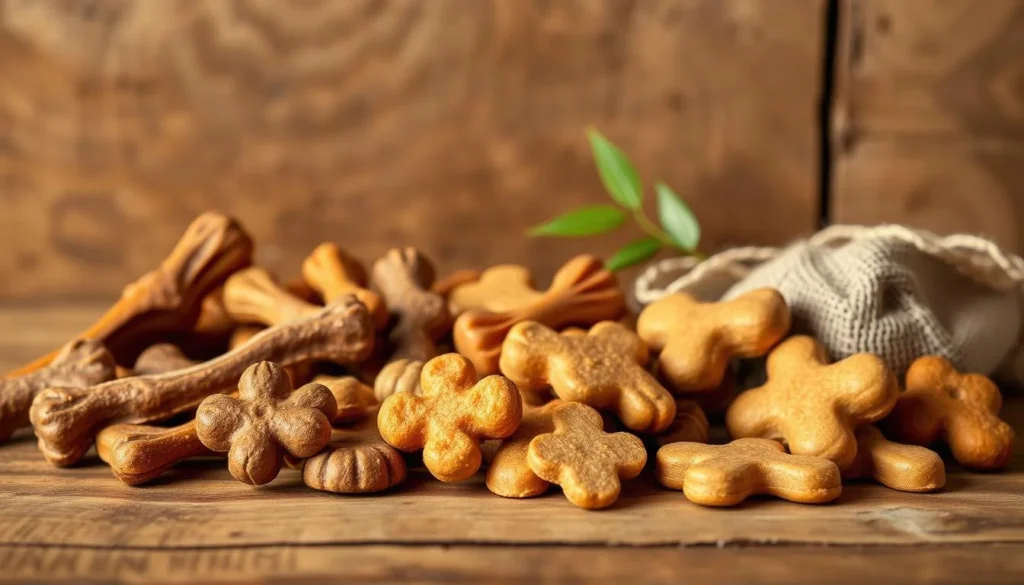
I look for small treats to reward often without overfeeding. Pea-sized pieces help keep training fast and focused. Soft texture is important for quick chewing.
Fast consumption keeps your dog engaged and reduces breaks. Strong aroma helps with distraction-proof motivation. I prefer low-mess, non-sticky options that won’t ruin pockets.
Limited ingredients suit dogs with sensitivities. High meat content wins over picky eaters. Calorie control and the ability to split treats into tinier pieces are must-haves.
Top picks I use and recommend
Pet Botanics Mini Training Rewards are a favorite for many dogs. They are small, bacon-flavored, and widely accepted. Zuke’s Mini Trainers work well for long sessions because they’re chewy and low-calorie.
ZIWI Peak Air Dried makes an excellent high-value option that’s less messy than deli meats. Tuesday’s Natural Dog Company 95% Meat Training Treats are great when I need limited ingredients and a high meat ratio. I also use a dog’s regular kibble or canned food when I want strict calorie control or need to manage medical diets.
| Product | Why I use it | Best for |
|---|---|---|
| Pet Botanics Mini Training Rewards | Small, tasty, pocket-friendly, bacon flavor | Everyday training, shaping, puppy basics |
| Zuke’s Mini Trainers | Low-calorie, chewy texture, breaks into small pieces | High-repetition sessions and class work |
| ZIWI Peak Air Dried | High meat content, less greasy, complete nutrition | High-value rewards, recalls, competitive training |
| Tuesday’s Natural 95% Meat Treats | Single-protein, dry and breakable, minimal ingredients | Sensitive dogs, picky eaters, limited-ingredient diets |
| Dog’s regular kibble / canned food | Calorie control, cost-effective, suitable for medical needs | Diet-managed dogs, long training sessions |
When to use high-value versus low-value treats
I use low-value rewards like kibble, Zuke’s, or Pet Botanics for repetition, shaping, and low-distraction environments. These keep calories down while allowing many quick repetitions.
High-value options such as air-dried meat, cooked chicken, cheese, or freeze-dried liver come out for recalls, reactive dogs, or crowded, noisy settings. Reserve perishable human foods as heavy hitters for critical moments when the dog must succeed.
Choosing the right treat comes down to context: use modest treats to build behavior and high-value treats to secure it under pressure. That approach answers what are the best dog training treats by matching reward type to training goal.
Fast-eating and small treats for efficient training
I keep training sessions short and focused with tiny, tasty rewards. I want the dog to eat and return attention in under a second. This method boosts repetition without adding calories, answering the question: what are the best dog treats for training?
Why small, pea-sized pieces matter
Small pieces allow me to reward often. I can reinforce a behavior ten times in the same time it takes to reward once with a big biscuit. This speeds up learning and keeps the dog from getting too full.
Even big breeds do better with small pieces when training fast sequences. For toy breeds, I cut portions even smaller to avoid overfeeding and keep training momentum.
Soft and stinky options I favor
Soft textures are key for quick consumption. A soft treat like a chewable mini or a tiny piece of cheese disappears fast. This keeps the dog focused on the next repetition.
Strong scents like bacon, cheese, and liver are highly valued by dogs. I choose stinky treats when distractions rise or tasks get hard. Fast-eating dog training treats with strong scents keep dogs engaged outdoors or in busy areas.
Commercial examples that fit these criteria
I recommend products that meet speed, size, and scent needs. Pet Botanics Mini Training Rewards offer small, bacon-flavored bites that dogs gobble up in one gulp. Zuke’s Mini Trainers come in chewy formats with various flavors and last well in pockets. Freeze-dried liver or jerky, sliced into tiny bits, is a nonperishable, high-value option for quick sessions.
I mix treats in a session to prevent boredom. I use softer, stinkier options for tough cues and milder minis for routine cues. This mix keeps performance high without adding extra calories.
| Product | Texture | Typical Use | Why I Like It |
|---|---|---|---|
| Pet Botanics Mini Training Rewards (Bacon) | Soft, small | Everyday training, high-rep drills | Pea-sized, strong aroma, fast-eating |
| Zuke’s Mini Trainers | Chewy mini bites | Clicker work, indoor sessions | Multiple flavors, durable pockets, low crumble |
| Freeze-dried liver | Dry but soft when cut small | Outdoor distractions, proofing behaviors | High-value, nonperishable, intense scent |
| Beef jerky (cut tiny) | Dense, flavorful | High-distraction environments | Long shelf life, very motivating |
When trainers ask about the best dog treats for training, I suggest items designed for speed and appeal. Using fast-eating, top-rated treats for dog training allows for many short, effective trials. Having a mix of soft minis and nonperishable high-value bits keeps me ready for any session.
High-value training treats for tough situations
I use high-value training treats for quick changes in behavior. This is for recalls in parks, working with reactive dogs, or teaching new skills. Choosing the right treats is key to beating distractions and motivating the dog.
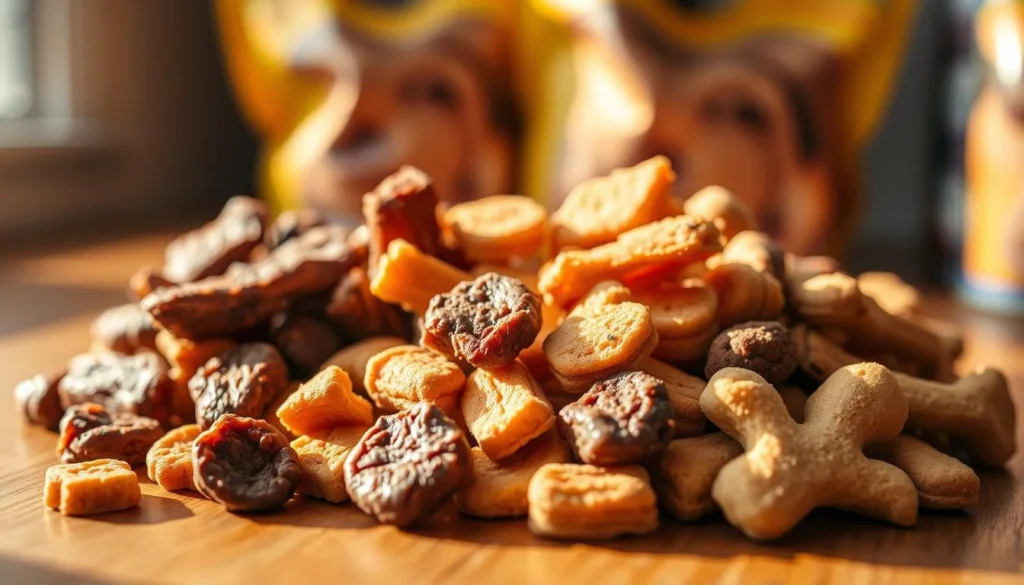
High-value treats are like a premium tool. I use them sparingly to keep their power. For everyday practice, I use lower-value kibble. But for urgent or risky situations, I go for something more enticing.
When to pull out the heavy hitters
I use these treats for recalls, when a dog is fearful, or in new, distracting places. They help the dog make the right choice under pressure. They also quickly change a dog’s emotional state from reactive or anxious to calm and focused.
Think of these treats as “$100” rewards compared to regular kibble. This contrast makes them meaningful. For consistent results in hard situations, these treats are my go-to.
Air-dried and 95% meat options I trust
I prefer air-dried formulas and meat-forward bites for their strong smell and real protein. ZIWI Peak air-dried pieces are a compact, complete option. Tuesday’s Natural Dog Company 95% Meat Training Treats come in various meats and can be broken into smaller pieces.
These brands meet my criteria for the best treats: limited ingredients, high meat content, and easy portioning. They keep a dog’s focus better than flavored biscuits or processed bits.
Using perishable human foods safely
I use cooked chicken, small bits of cooked fish, and lean deli meat as occasional rewards. Cheese is also used in tiny amounts for many dogs. I always trim excess fat and avoid bones, onions, garlic, grapes, and xylitol.
When using human foods, I cut regular meal portions to balance calories. I save these items for big moments to keep them effective. This approach helps me offer effective dog training treats without overfeeding or risking health problems.
Low-calorie and diet-friendly dog training treats
I keep calories low during training to keep my dogs healthy and motivated. Giving rewards often can add up quickly. Choosing low-calorie treats helps me reward without overfeeding or ruining a weight-loss plan.
Why low-calorie treats are important
When teaching new skills, I give out many small rewards. This can double a dog’s daily calories in one session. Low-calorie treats prevent weight gain and are good for dogs on restricted diets or with health issues.
Using low-calorie options makes training sessions longer and more effective. I can reward often while still controlling portions and overall intake.
Examples of low-calorie commercial treats
I choose brands that offer tasty, low-calorie treats. Zuke’s Mini Trainers are chewy and low in calories, perfect for long sessions. Pet Botanics Mini Training Rewards are small and easy to portion for quick reinforcement.
I recommend changing treats often to keep things interesting. These treats pack flavor without many calories, helping with variety and consistent response.
Using your dog’s regular kibble as treats
Sometimes, plain kibble is the best choice. I use part of a meal as rewards, then reduce the dinner portion to keep calories steady. This is great for dogs on strict diets.
To make kibble more appealing, I soften it with hot water or mash a spoonful of canned food and bake small crunchy bites. I also put softened kibble into a squeeze tube for on-the-go training. These simple changes let me use existing food without adding extra calories.
I often wonder what are the best low-calorie dog training treats for picky dogs. My go-to approach is to test kibble as treats, try Zuke’s Mini Trainers and Pet Botanics, then cut portions down to pea-sized pieces. This keeps training effective while managing weight and health.
Long-lasting treats and enrichment for downtime training
I use slow-eating rewards when I want my dog to settle, not race through repetitions. Long-lasting treats for dogs are great for crate training, separation practice, and quiet time after play. They're not for quick drills where I need fast rewards.
I choose enrichment treats for dogs for longer engagement. Food-dispensing toys and stuffed Kongs keep my dog interested and calm. These items help build positive associations with downtime.
When slow-eating treats are better
Slow rewards are best for alone time, vet visits, or when guests arrive. They help dogs focus on safe tasks and reduce pacing. I don't use them in short training where fast feedback is key.
Safe stuffing ideas and freezing tips
I fill Kongs with plain canned pumpkin, xylitol-free peanut butter, or low-sodium dog food. I seal the hole with kibble, add broth, then freeze. Freezing makes the treat last longer, increasing its value.
I watch every session and adjust portions based on my dog's size and chewing style. For soft fillers, I use Greek yogurt in small amounts. For long chew times, I freeze a fill with a bully stick, given under watch.
Balancing long-lasting chews with training needs
I see bully sticks and durable chews as occasional enrichment, not main rewards in training. They're great for long engagement and dental health, but slow lessons. I pair them with small kibble or sliced treats for active work.
Popular training treats and top dog treats are still key for short sessions. I mix these fast rewards with enrichment treats for dogs. This balance keeps training effective and safe, offering both quick feedback and soothing downtime.
Special-diet and sensitive-stomach treat options
I work with dogs that have allergies, medical limits, or tight calorie goals. Choosing the right rewards is key to keep training safe and effective. Here are some practical options, packing tips, and brand examples that I recommend for dogs with health concerns.
Limited-ingredient and single-protein treats
Limited-ingredient formulas reduce the risk of stomach upset. I often choose Tuesday's Natural 95% meat treats for their single-protein content. These treats come in various proteins like chicken, turkey, and beef, making it easy to find a safe option.
Single-protein treats help pinpoint any allergies and keep the ingredients simple. If a dog is on a specific diet, I stick to their food or a new flavor from the same brand. This way, treats don't introduce new allergens.
Dry, non-sticky treats for on-the-go training
For outdoor training, I prefer dry, non-sticky treats that are easy to carry. Brands like ZIWI Peak and small 95% meat bites are great because they don't crumble. Freeze-dried liver in pea-sized pieces is also a favorite for its high value and mess-free nature.
These treats are perfect for outdoor training. They save calories, avoid sticky hands, and keep training sessions efficient. This is especially important when I need to repeat commands quickly.
How I adjust rewards for medical or weight concerns
For dogs on a strict calorie diet, I use their regular kibble as rewards or low-calorie mini trainers. I adjust their meal portions to account for the treats, especially when using high-value foods.
For dogs with medical restrictions, I follow the vet's advice closely. I cut treats into smaller pieces, use vet-approved single-protein options, and sometimes swap treats for play or praise. This approach ensures safety and motivation.
I test new treats in small amounts and watch for any signs of intolerance. I also track daily calories to maintain consistency in training while protecting the dog's health and comfort.
How to carry and manage treats during training sessions
I keep my packing simple to have treats ready when needed. A small pouch holds low-calorie, soft treats for repetition and high-value ones for tough cues. I also carry a folded towel or waste bag and a small container to keep things dry. This routine helps manage dog training treats smoothly.
What I keep in my training pouch
Zuke’s and Pet Botanics are my go-to for low-calorie treats. For bigger rewards, I bring ZIWI Peak or 95% meat bites in small amounts. A clicker or my phone is in the pouch for timing. A small plastic container keeps soft treats from getting crushed. This selection is best for most training sessions.
Tips for keeping treats fresh and accessible
I use airtight containers or resealable bags to keep treats dry. For perishable snacks, I add a small insulated pouch or cooler pack. I cut larger treats into smaller pieces before heading out. Soft treats go in small plastic tubs to avoid crushing them. These steps help carry dog training treats without mess.
Pocket-sized non-perishable options I recommend
For quick rewards, I use freeze-dried liver, jerky cut small, and Tuesday’s Natural 95% meat bites. Air-dried ZIWI Peak pieces are also great for travel and don't stick. These treats are perfect for rewarding on the go, fitting my most-used list.
Top-rated and popular training treats I recommend
I have a few favorite treats for quick rewards, picky eaters, and sensitive stomachs. They're easy to carry, quick to eat, and work well in many training situations. I recommend these brands so you can find reliable treats for dog training.
Pet Botanics Mini Training Rewards are my go-to for everyday training. They're small, bacon-flavored, and dogs love them. For low-calorie needs, I use Zuke’s Mini Trainers. For high-value rewards, I choose ZIWI Peak air-dried pieces and Tuesday’s Natural 95% meat training treats.
Here's why these treats are great in my experience.
- Small portion size lets me reinforce quickly without overeating.
- Soft or aromatic texture speeds consumption so the dog stays focused on the next cue.
- High meat content raises perceived value for picky or stressed dogs.
- Limited ingredients reduce reactions in sensitive dogs.
- Dry format keeps treats pocket-stable during outdoor work.
I look for clear labels and honest ingredient lists when shopping. Real meat near the top is a good sign. I avoid treats with unclear fillers and check calories for long sessions. For special diets, I confirm single-protein claims and no xylitol.
Here's a quick comparison to help you choose the best treats for your dog. I considered appetite appeal, calorie friendliness, and portability. This way, you can find the perfect match for your training style.
| Brand / Product | Best use | Key feature | Why I choose it |
|---|---|---|---|
| Pet Botanics Mini Training Rewards | Everyday repetition | Tiny, bacon flavor | Highly accepted, fast to give, low mess |
| Zuke’s Mini Trainers | High-volume practice | Low-calorie, many flavors | Great for multiple reps without weight gain |
| ZIWI Peak Air-Dried | High-value reinforcement | Air-dried, rich meat content | Perceived as premium, motivates distracted dogs |
| Tuesday’s Natural 95% Meat | Tough training situations | 95% meat, non-sticky | Limited ingredients suit sensitive dogs, breaks easily |
You can find these products at pet stores, specialty retailers, and online at Chewy and Amazon. Always check the nutrition panel and ingredient order. This helps you choose the most effective and safe treats for your dog.
For a starter pack, pick one low-calorie, one high-value, and one dry option. This mix covers basic obedience, distraction work, and long sessions without extra calories. This simple approach makes it easy to find the best treats for your dog's training goals.
Conclusion
I've shown how treats can make training fast and effective. I talked about the best training dog treats for various needs. Small, soft, and smelly treats are great for lots of repetitions. Air-dried and 95% meat treats like ZIWI Peak and Tuesday’s Natural are top rewards.
For watching calories or for sensitive dogs, kibble and low-calorie treats are good. Pet Botanics Mini Training Rewards and Zuke’s Mini Trainers are good choices.
My advice is simple: find your dog's favorite treats. Carry a mix of low-calorie and high-value treats in your training pouch. Cut treats into small pieces.
Reduce your dog's meal portions to balance extra calories. Use long-lasting chews and enrichment only for calm, not fast learning.
The best treats for training depend on your goals and your dog's needs. Keep different treats ready. Focus on timing and portion size. Switch between snacks for repetition and powerful rewards.
Try these effective dog training treats in your next session. Make small changes and see big results.