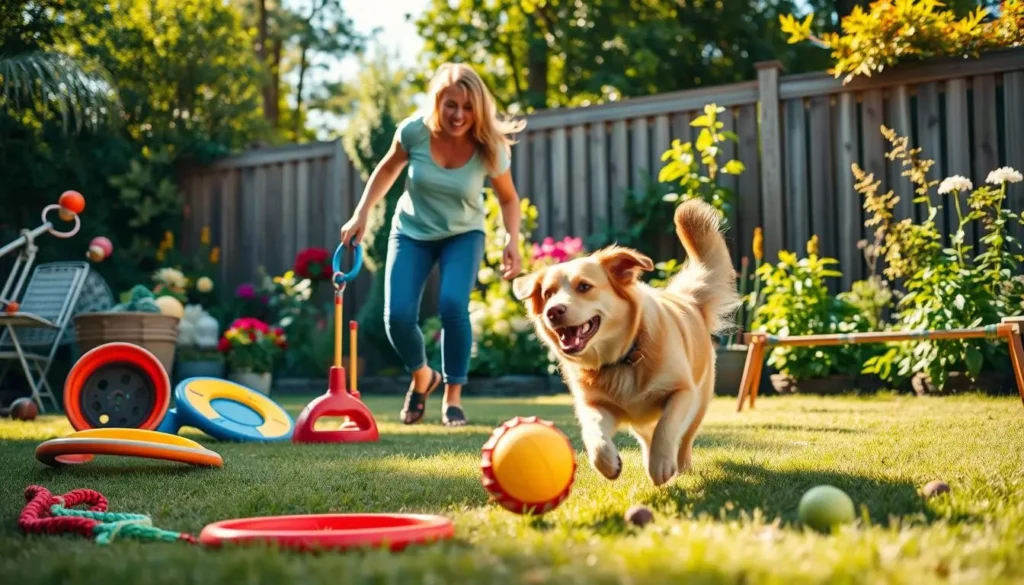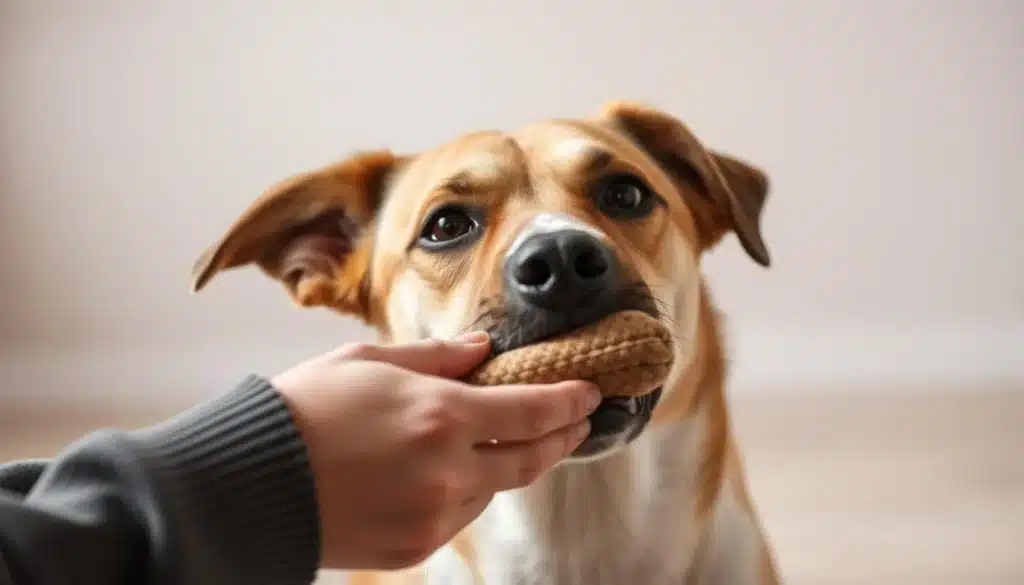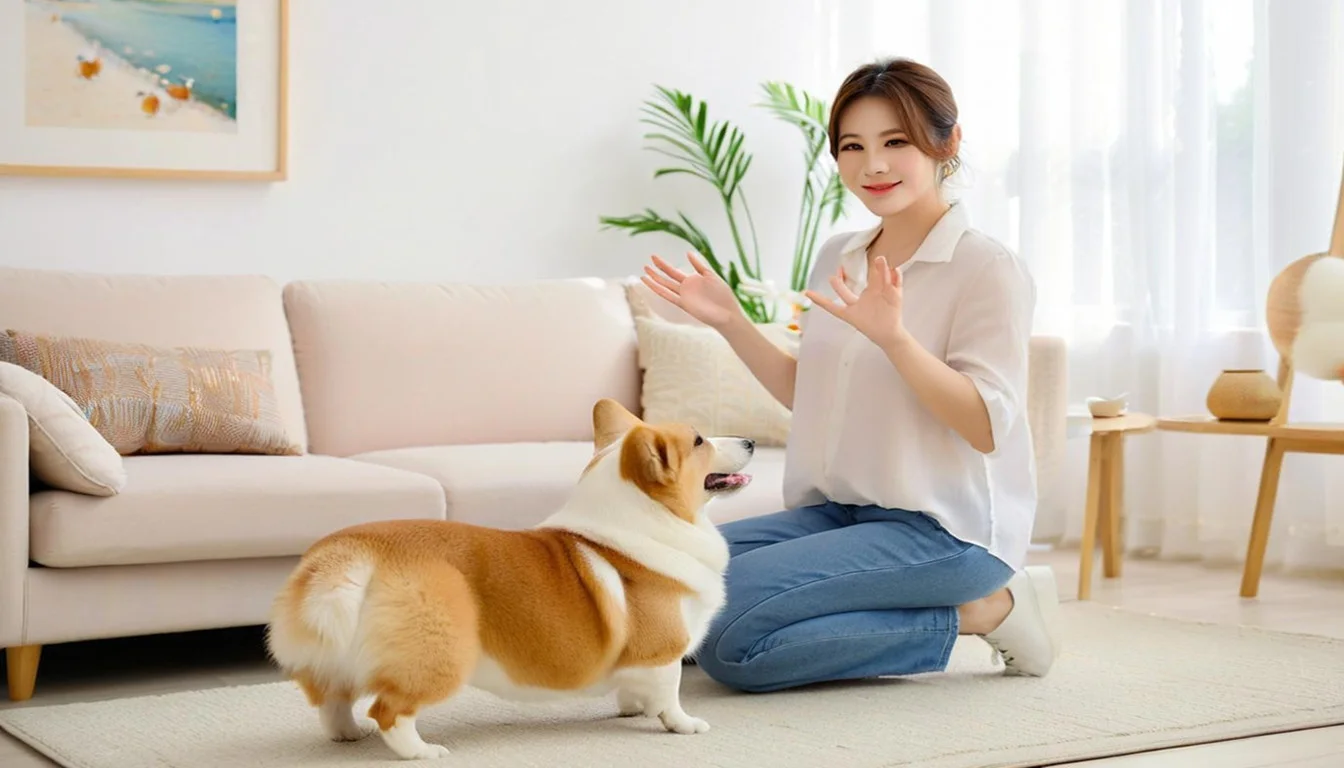
I remember the first time I taught my dog to sit in a busy park. There were squirrels, a delivery truck, and a labradoodle everywhere. But a few tiny, smelly treats made everything calm.
This moment showed me how powerful the right treat can be. It shapes behavior and builds trust.
Food treats are the best way to use positive reinforcement. For everyday training, I choose small, fast-eating bites. This keeps the training flowing without interruptions.
In distracting places, soft, stinky treats work best. For quick walks, I carry tiny pieces of freeze-dried liver or jerky.
Certified trainers say palatability, size, texture, and ingredients matter. I look for treats that are small, count towards daily calories, and don't have artificial preservatives. Brands like Purebites, Stella & Chewy’s, Zuke’s, and Nulo are top choices.
When teaching new cues or reinforcing behaviors, the right treats save time and keep your dog's waistline in check. I'll share practical picks and when to use quick treats, high-value rewards, and longer-lasting chews.
Key Takeaways
- Use small, fast-eating bites to keep a high reinforcement rate when training.
- Soft, smelly treats work well in distracting environments and for puppies.
- Carry nonperishable options like freeze-dried liver or jerky for outings.
- Look for treats that break into pea-sized pieces and avoid artificial additives.
- Brands such as Purebites, Stella & Chewy’s, Zuke’s, and Nulo are commonly recommended.
what are some good dog treats for training
I use treats as the main reward in training. Food motivates most dogs, so I give them quick, tasty treats. This makes training sessions short, fun, and productive.
Why treats are central to positive reinforcement
Treats help dogs learn fast because they link action to reward. Early on, giving rewards for every small step helps dogs learn quickly and stay interested.
What makes a treat “good” for training: palatability, size, texture, calories
Good training snacks should smell and taste good but be easy to use. I choose strong-smelling treats like liver or cheese for tough distractions. At home, I use milder bites like kibble.
Size is important too. I prefer treats that are pea-sized or break easily. This lets me give many rewards without too many calories. Texture also matters; soft, moist treats or tiny freeze-dried cubes are best for quick repetition.
Calories and ingredients are also key. I look for treats with simple ingredients and avoid fillers. For dogs with allergies, single-ingredient treats like liver cubes are safer.
How I choose treats based on training context and my dog’s preferences
I choose treats based on where we are. At home, I use kibble or crunchy bits for practice. In the park or vet, I use high-value treats like jerky or soft cheese to overcome distractions.
I carry a variety of treats on walks. This lets me switch to more effective treats when needed. Darris Cooper’s advice to mix high- and low-value rewards helps me. I also check ingredients for allergies.
Here's a quick guide for choosing treats in different situations.
| Training Context | Typical Picks | Why I Use Them |
|---|---|---|
| Home/Low Distraction | Dry kibble, small crunchy bits | Low calories, easy to give many times, keeps routine consistent |
| High Distraction/Public | Freeze-dried liver, soft jerky pieces, cheese | Strong scent and flavor grab attention for effective treats for dog obedience |
| Puppies and Seniors | Soft rolls that slice, pâté-style treats | Easy to chew, gentle on teeth, fast to consume during repetition |
| High-Repetition Drills | Pea-sized soft bits, tiny freeze-dried cubes | Fast-eating, low downtime between reps, ideal for shaping new behaviors |
| On-the-Go Convenience | Small jerky rolls, single-ingredient liver cubes | Lightweight, portable, minimal mess; match popular dog treats for positive reinforcement training |
Fast-eating and small treats for high-repetition training
I use quick, tiny rewards to teach new skills. These treats are eaten fast, allowing me to repeat behaviors quickly. Small treats also help keep my dog focused during short, intense sessions.
Benefits of quick-consumed treats during new-skill repetition
Quick treats cut down on waiting time between actions and rewards. This helps my puppy understand cause and effect better. It also lets me practice more often without breaks.
Examples: pea-sized soft bits, freeze-dried mini cubes, tiny jerky pieces
I prefer treats that can be broken into small pieces. Ziwi Peak Air-Dried bites are packed with nutrients and easy to break. Crump’s Naturals Mini Trainers are tiny, freeze-dried liver cubes.
Vital Essentials Mini Nibs and Bixbi Rawbble are great for quick training. Only Naturals Max Meat breaks into tiny pieces for fast practice. These are top picks for quick training sessions.
Practical tips: breaking larger treats into pea-sized pieces and treat pouch carry
I cut rolls and jerky into small pieces before training. This saves time and keeps rewards quick. It's important for smooth training sessions.
I carry treats in a pouch for easy access. This helps me keep up the pace during training. In obedience class, I mix kibble with high-value treats for the right reward without overfeeding.
| Treat Type | Example Brand | Strength | Best Use |
|---|---|---|---|
| Air-dried mini | Ziwi Peak | Nutrient-dense, breaks easily | High-frequency practice, short sessions |
| Freeze-dried cube | Crump’s Naturals Mini Trainers | Very low calorie, aromatic | Puppy training, rapid reinforcement |
| Mini jerky pieces | Vital Essentials Mini Nibs | Chewy but quick, strong scent | Distraction-proof short rewards |
| Breakable roll | Only Naturals Max Meat | Economical, easy to portion | Extended sessions, high repetition |
When asked about good dog training treats, I recommend these. For the best results, use small, fast treats. Mixing freeze-dried minis with high-value treats keeps training sessions effective and calorie-controlled.
High-value treats for distraction-heavy environments
I use high-value dog training treats when it's noisy and my dog needs extra motivation. These treats have a strong smell and taste. They help my dog ignore distractions and repeat the behavior.
What “high-value” looks like
High-value treats are often made from liver, cheese, or bacon. They smell and taste so good that most dogs can't resist. I use freeze-dried liver or small cheese cubes for quick focus.
When I save them for important work
I save the best treats for big moments: teaching new cues, busy parks, or vet visits. Using them sparingly keeps them special. This makes them effective during critical training times.
Brand examples that often work
Trusted brands I rely on include Crump’s Mini Trainers freeze-dried liver and Saint Rocco’s jerky-style treats. Happy Howie’s rolls, sliced thin, are also great. Purebites and Stella & Chewy’s freeze-dried minis are perfect for walks. These are among my top picks for training treats in distracting situations.
I carry small portions in my treat pouch. This keeps calories low while providing treats for obedience when needed.
Healthy dog training treats and calorie-conscious options
I keep training sessions short and focused. I use treats that support my dog’s daily calories and health. Choosing healthy treats means thinking about size, ingredients, and how they fit into the day.
Small changes like using kibble for low-value marks and saving richer bites for big wins cut calories. This doesn’t kill enthusiasm.
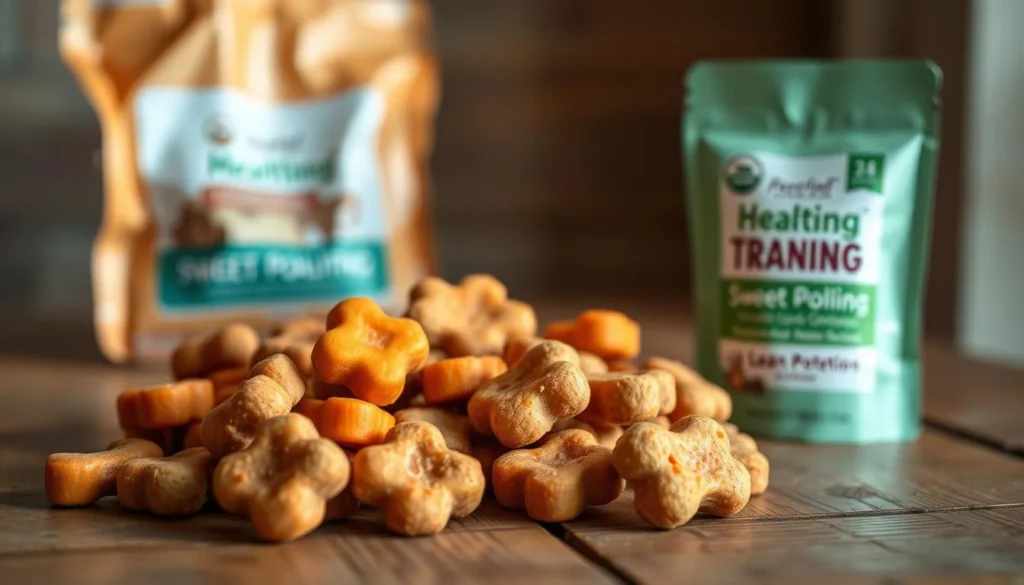
I aim to keep treats under 10% of my dog’s daily caloric intake. For high-repetition drills, I use tiny pieces or crumble soft treats. This way, each reinforcement is tiny.
Kibble works well as a low-value reward during simple drills. This answers the question: what are some good dog training treats when weight control matters?
Complete-and-balanced options that count toward nutrition
When I want treats that also contribute to nutrition, I choose air-dried and complete-and-balanced products. Brands like Ziwi Peak and Only Naturals Max Meat offer options that can count toward daily food. This way, frequent rewards don’t automatically mean overfeeding.
Choosing a complete-and-balanced treat gives me peace of mind. It still uses the best dog training treats for frequent practice.
Single-ingredient, low-calorie choices
For a lean, high-flavor option, I use single-ingredient freeze-dried liver cubes and similar snacks. Purebites and Benny Bullys make simple-choice items that keep calories low and training effective. I introduce rich treats like liver slowly to watch for digestive sensitivity.
These picks often answer “what are some good dog training treats” for dogs that need a nutritious, compact reward.
Mixing strategies like small portions, kibble for low-value rewards, and complete-or single-ingredient treats for higher-value moments helps me train consistently without excess calories. This balance keeps my dog motivated and healthy while I use the best dog training treats for each situation.
Soft, stinky, and easy-to-chew options for puppies and seniors
I choose treats that fit the dog's needs. Soft treats are best for puppies and seniors. They chew faster and stay focused during training.
I prefer rolls, pâté, and soft jerky. Happy Howie’s rolls are easy to cut and don't crumble. Pâté and soft jerky smell great and are easy to portion for older dogs.
Portioning is key during training. I cut rolls into small pieces to keep calories low. This way, puppies get rewards quickly and training stays fast.
Keeping treats fresh is important. I store them in the fridge and follow the use-by date. Freezing portions helps, and airtight containers keep homemade treats fresh.
For outdoor training or long sessions, I mix soft treats with low-calorie kibble. This keeps rewards consistent without overfeeding. It works for both young and older dogs.
Freeze-dried and jerky-style treats for portability and appeal
I always carry a small pouch of treats for walks or training. Freeze-dried and jerky treats are perfect for quick rewards. They're light, easy to portion, and dogs love them.
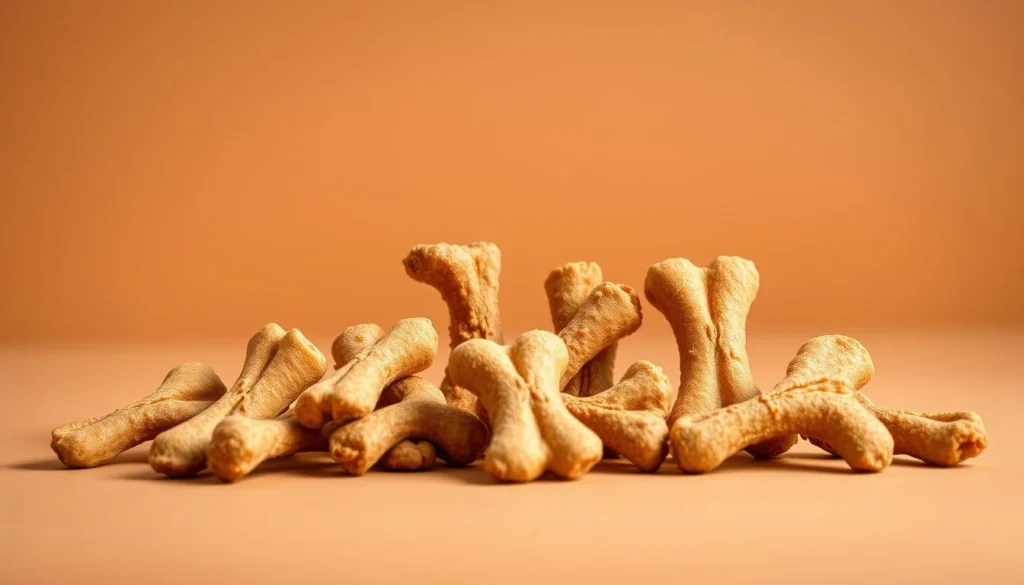
I look for treats that don't crumble and are easy to carry. Purebites, Stella & Chewy’s, Vital Essentials, and Saint Rocco’s are my go-to brands. Their treats are durable, making them perfect for quick rewards without mess.
Nonperishable snacks are great for training on the go. I use Bixbi Rawbble for outdoor training. Its light color makes it easy to spot on grass or dark pavement.
When picking treats, I consider their shape and size. Flat, uniform treats stay put on uneven ground. Small, thin treats save time and keep training moving.
For longer training sessions, I mix budget-friendly and premium treats. This balance keeps my dog motivated without overfeeding. It's a smart way to keep training sessions effective.
Long-lasting treats for calming and enrichment
I choose slow-eating treats for my dog during crate time or when I'm away. These treats help my dog relax by keeping them busy. They also prevent boredom and destructive behavior.
Use cases for extended chews
Long-lasting chews make crate training easier. They keep my dog calm and focused. I also give them to my dog during travel or when we have guests.
Practical examples I use
Bully sticks are a favorite for many dogs. I fill Kongs with peanut butter or pumpkin and freeze them. This makes them last longer. For dogs who like to chew, I use rawhide or antlers.
Balancing safety, dental, and calories
I make sure the chew fits my dog's mouth and watch them closely at first. This helps avoid choking. I also switch up the treats to protect my dog's teeth.
I keep an eye on the calories to ensure they don't eat too many treats. On chew days, I limit treats to ten percent of their daily calories. I use low-calorie frozen veggies as a substitute when needed.
Novelty and rotation: keeping your dog motivated with variety
I keep training fresh by rotating rewards. Dogs can lose interest when the same treat appears every session. Switching flavors, textures, and treat types brings back excitement and keeps reinforcement unpredictable.
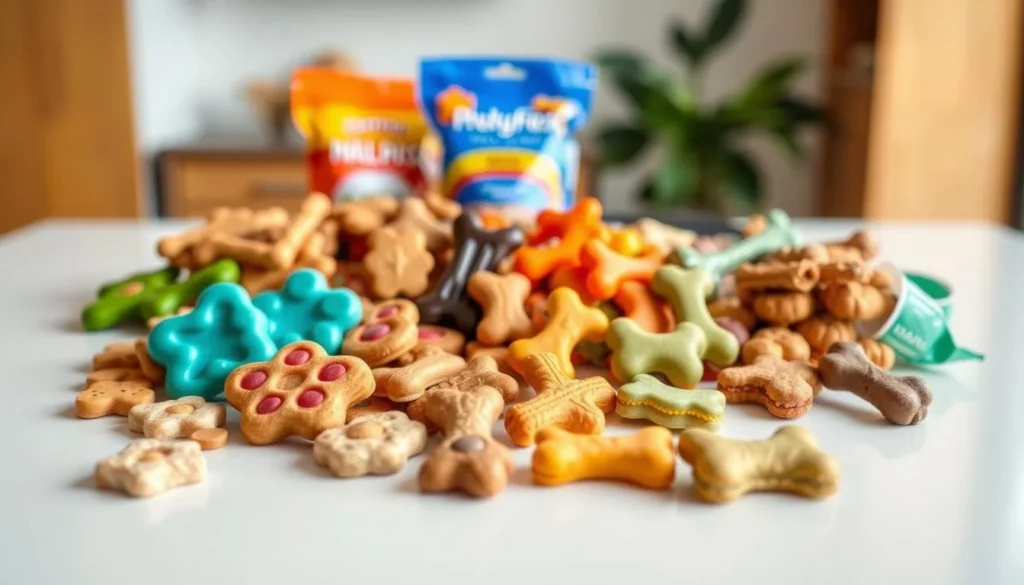
I break sessions into short bursts and offer different treats within a single run. I use tiny pieces of high value dog training treats for difficult steps, then follow with natural dog treats for training during routine drills. This mix keeps my dog engaged without overfeeding.
I vary proteins and textures across the week. One day I use air-dried bites, the next day freeze-dried minis, then soft rolls or jerky. Novelty dog treats for training revive interest, while natural dog treats for training provide gentler options for daily work.
I sometimes introduce novel proteins for dogs with sensitivities or for sustainability reasons. Jiminy’s cricket-based chews can be useful for allergic dogs. I add small samples first, watch for reactions, and only increase supply if my dog tolerates the new item.
Below is a simple comparison I use when planning rotations. It helps me balance appeal, calories, and suitability for training goals.
| Treat Type | Best Use | Appeal | Calorie Impact |
|---|---|---|---|
| Freeze-dried minis | High-repetition sessions | High scent, very palatable | Low per piece |
| Air-dried bites (Ziwi-style) | Frequent training and nutrition | Rich flavor, meaty texture | Moderate, counts as food |
| Soft rolls / pâté-style | Puppies and seniors | Soft, easy to chew | Low to moderate |
| Jerky and chews | Distraction-heavy settings | Very high appeal | Higher; use sparingly |
| Insect-based treats (Jiminy's) | Sensitive dogs, sustainable option | Novel scent, variable appeal | Low to moderate |
When I plan rotations I follow a simple rule: pair one high reward item with two lower-calorie, natural dog treats for training. I keep high value dog training treats for key wins or when distractions spike. This strategy preserves interest and keeps progress steady.
Recommended top-rated training treat categories and real-world picks
I test treats in different settings to find the best ones. For everyday training, I like air-dried and complete-and-balanced snacks. They're easy to break into small pieces. For when distractions are high, I use chewy jerky or soft rolls to keep my dog focused. Freeze-dried minis are great for quick, short training sessions.
Ziwi Peak Air-Dried Original Series is my top pick for dog training treats. They're full of nutrients, not greasy, and fit into my dog's daily calorie needs. When I need a budget-friendly chewy that's also a meal-sized reward, I choose Only Naturals Max Meat.
Vital Essentials Mini Nibs and Bixbi Rawbble are perfect for freeze-dried minis that stay together. For meaty, sliceable rewards, I go for Saint Rocco’s Treats and Happy Howie’s Rolls. Crump’s Naturals Mini Trainers are great for tiny, single-ingredient rewards. Jiminy’s Chewy Treats are my go-to for sustainable or novel protein options.
I shop at Homes Alive Pets and choose brands like Purebites, Benny Bullys, Stella & Chewy’s, Zuke’s, and Nulo. I avoid artificial preservatives and colors. I pick treats that match my training goals.
Below is a summary of the categories I use and my top picks. This helps me choose the best dog training treats for each exercise. I keep a variety of recommended training treats for dogs in my kit.
| Category | Why I use it | Top Picks | Best use |
|---|---|---|---|
| Air-dried, complete | Breakable, counts toward daily nutrition, low mess | Ziwi Peak Air-Dried Original Series | High-rep sessions, frequent reinforcement |
| Affordable chewy complete | Budget-friendly, hearty texture, large bags | Only Naturals Max Meat | Training at home, meal-replacement rewards |
| Freeze-dried minis | Lightweight, intense flavor, quick to eat | Vital Essentials Mini Nibs, Bixbi Rawbble | Fieldwork, classroom, agility |
| Jerky-style & sliceable rolls | High-value smell and texture, very motivating | Saint Rocco’s Treats, Happy Howie’s Rolls | Public spaces, vet visits, tough distractions |
| Single-ingredient liver cubes | Minimal calories, strong aroma, easy portioning | Crump’s Naturals Mini Trainers | High-frequency training, clicker sessions |
| Novel/sustainable proteins | Alternative for sensitivities, eco-minded owners | Jiminy’s Chewy Treats (insect-based) | Rotation days, allergy-friendly options |
How to use treats effectively during training sessions
I use treats as a tool, not a crutch. Clear timing and a steady pace help dogs link a behavior with its reward. For new skills, I reward immediately after the action so the association stays strong.
Timing and high rate of reinforcement for new behaviors
I give rewards the instant the dog completes a cue. Fast-eating, pea-sized bites let me repeat exercises rapidly without long pauses. This high rate of reinforcement speeds learning and keeps the dog focused.
Mixing low-value and high-value rewards depending on distraction level
At home, I use lower-value items like kibble or crunchy biscuits for routine rehearsal. I save rich-smelling treats such as liver or cheese for parks, vet visits, or tough distractions. This mix keeps rewards meaningful when I need them most.
Portion control strategies and tracking daily treat calories
I break larger treats into many small pieces and pre-portion servings in a treat pouch. I limit treats to about 10% of daily calories and favor complete-and-balanced options when treats count toward a meal.
Below is a quick comparison I use to pick effective treats for specific training needs and monitor intake.
| Training Goal | Recommended Treat Type | Portion Tip | Why it works |
|---|---|---|---|
| High-repetition practice | Soft pea-sized bits or kibble | Use 1/4 to 1/2 pea per rep | Low calories, fast consumption, keeps momentum |
| Distraction-heavy environments | Freeze-dried liver, small jerky pieces, cheese | Reserve for challenging reps only | Strong smell and flavor regain focus quickly |
| Puppies and seniors | Soft rolls, pâté-style or soft jerky | Slice thinly; refrigerate per package | Easy on teeth, palatable, prevents choking |
| Long sessions or enrichment | Complete-and-balanced air-dried treats | Count toward meal calories; pre-weigh portions | Nutritionally sensible for extended work |
I watch weight and energy as I train. If the dog slows or gains pounds, I reduce portions or switch to lower-calorie options. Keeping a treat log and using a pouch keeps sessions smooth and effective.
Conclusion
Treats are a key tool in dog training. For simple tasks, I use small, quick treats. For busy moments, I give high-value ones. And for quiet times, I offer long-lasting chews.
Choosing the right treats is important. I look at taste, size, texture, and calories. I trust brands like Ziwi Peak and Only Naturals Max Meat for training.
My rules are simple. Treats should be less than 10% of daily calories. I change flavors to keep things interesting. And I pick treats that fit my dog's age and needs.
These tips help make training faster and more fun. They work whether we're practicing at home or in public.