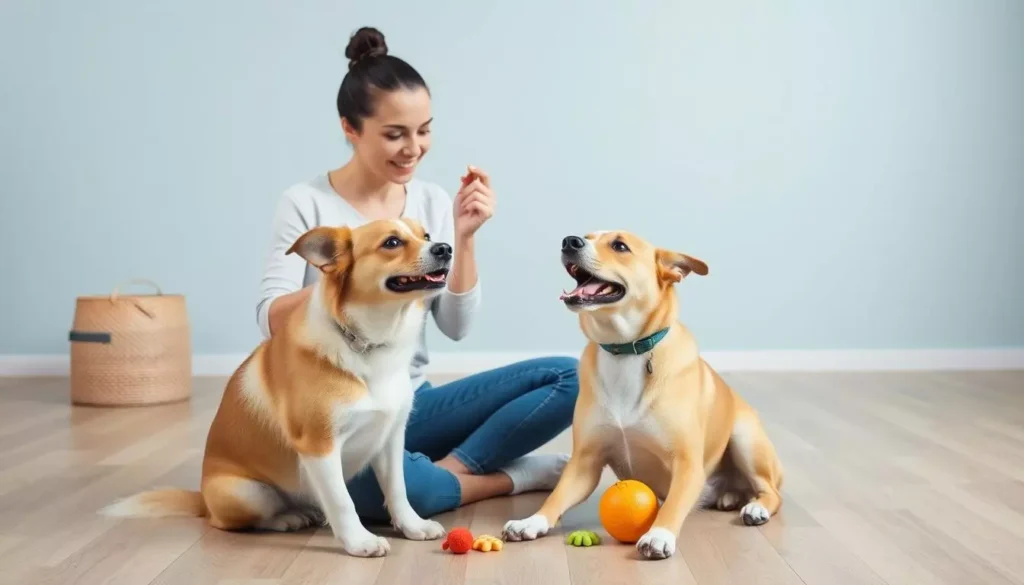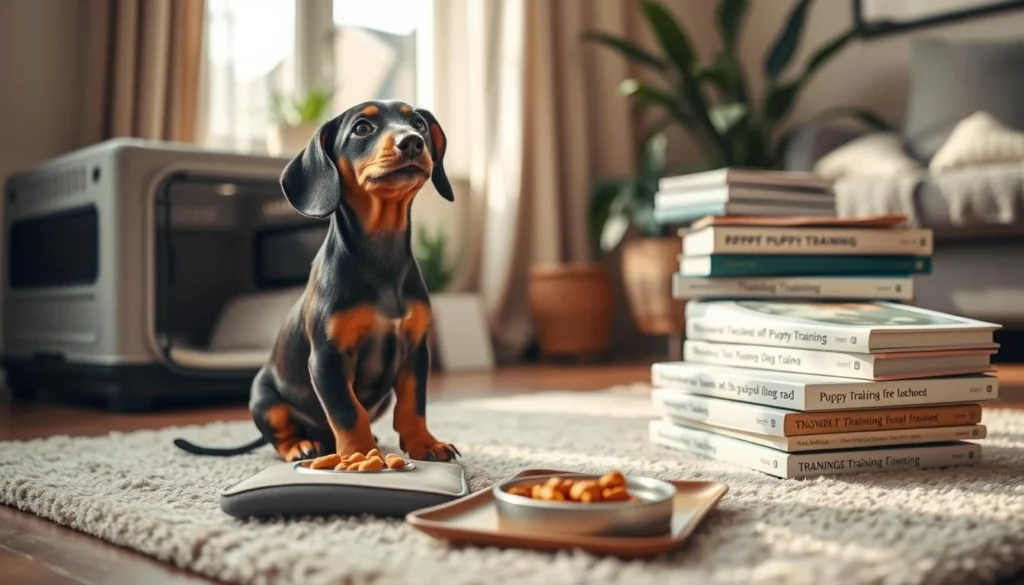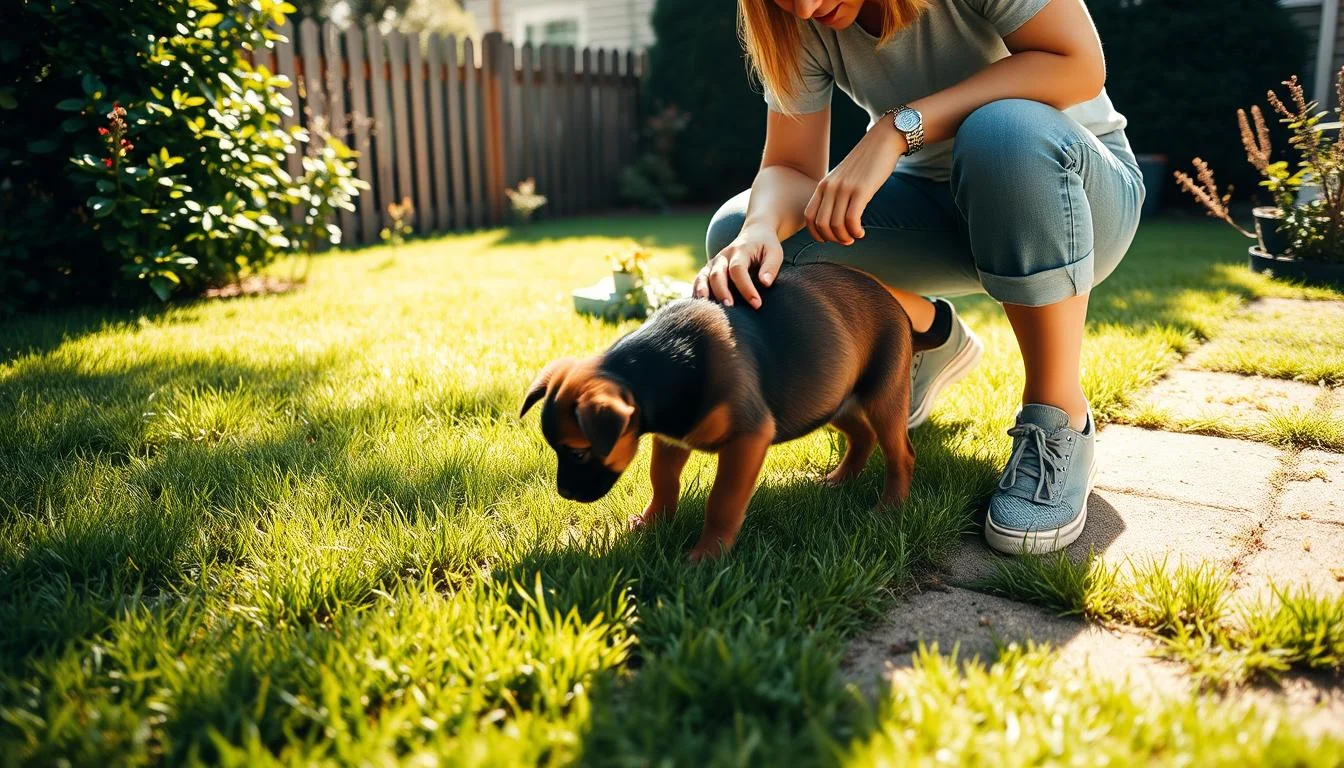
I remember the first time I brought my puppy home. I felt both joy and worry. I wanted our home to be safe from accidents. So, I learned how to train my puppy to go potty outside.
Before getting a puppy, I read a lot. I followed American Kennel Club advice and vet tips. This helped me plan a training schedule that fit my life.
Training your puppy is all about repetition, clear routines, and positive feedback. Punishment can slow them down and hurt trust. Every dog learns at their own pace, especially if they're a certain breed or were adopted.
This article will cover why potty training is important. We'll talk about crate training, puppy pads, and creating a schedule. You'll learn how to read your puppy's signals, manage their diet, and use rewards. We'll also share tips for common problems. All advice comes from the AKC and vets, so it's safe and effective.
Key Takeaways
- Start with a plan that fits your schedule and living situation.
- Focus on repetition, consistency, and positive reinforcement.
- Use crates and schedules to speed housebreaking your puppy.
- Watch diet and timing to reduce accidents.
- Expect steady progress rather than instant perfection.
Why potty training matters for your new puppy
I want my home to stay clean and my puppy to feel secure. Good routines help achieve this. By focusing on housetraining from the start, I reduce accidents and set clear expectations.
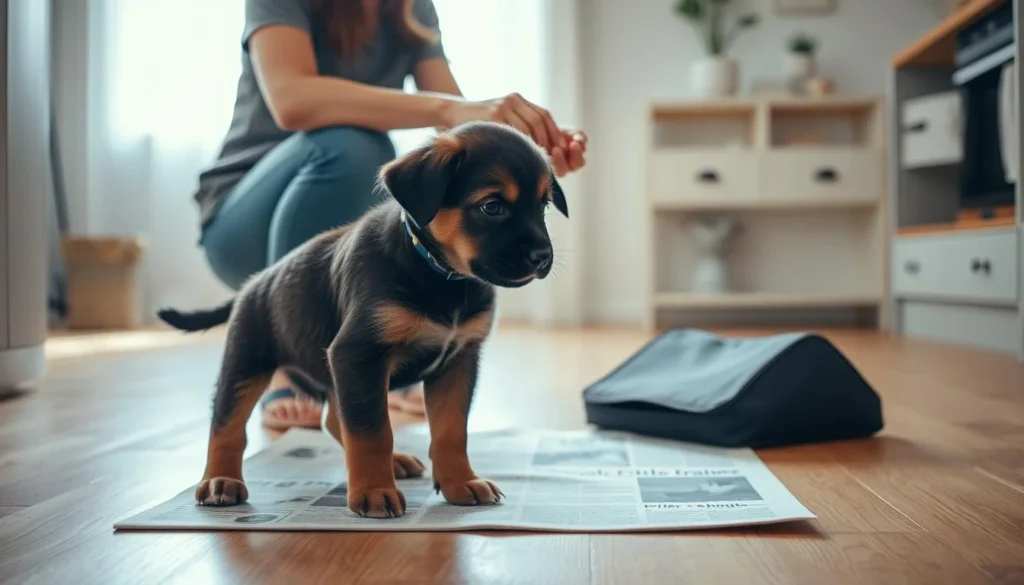
Benefits for your home and relationship
Housebreaking builds trust. Short, consistent sessions and praise make training safe for my dog. A clean home and no bad smells reduce stress for my family.
Positive reinforcement strengthens our bond. This makes learning new things, like leash work, easier later on.
Behavioral and health reasons to prioritize housetraining
Teaching puppy to pee outside helps with impulse control. A clear routine reduces indoor accidents. I can spot health issues early by watching for patterns in urine and stool.
Vets often suggest tracking accidents to catch urinary tract infections or digestive problems early.
When to start: age and readiness cues
I start as soon as the puppy arrives. Young pups need breaks often, while older dogs can hold it longer. I watch for signs like circling, sniffing, and whining to know when to take them out.
| Age Range | Typical Bladder Control | Recommended Break Frequency |
|---|---|---|
| Under 8 weeks | Minimal control | Every 30–60 minutes; supervised constantly |
| 8–16 weeks | Developing control | Every 1–2 hours; after naps and play |
| 4–6 months | Improving control | Every 2–4 hours; longer overnight stays possible |
| 6+ months | Near adult control (varies) | 3–6 times daily depending on size and breed |
Creating a consistent outdoor potty training schedule
Having a regular routine makes training your puppy easier. It helps them learn to hold their bladder and reduces accidents. It also makes both of you more confident.
Here's how to set up a schedule by age, link it to feeding times, and adjust it for weekdays and weekends.
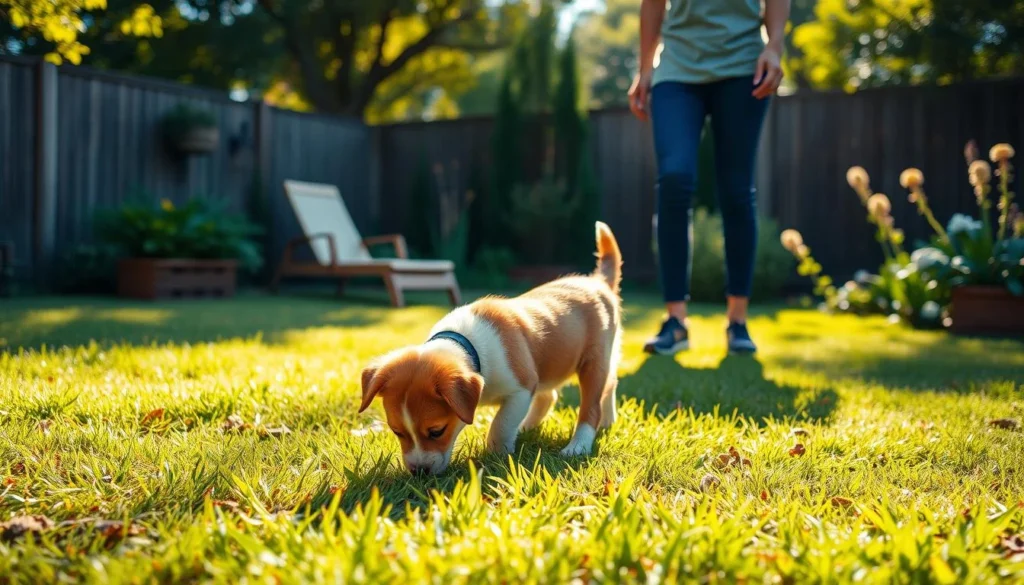
How often to take a puppy out by age
A puppy can hold its bladder for about as many hours as it is months old. For example, a 3-month-old can hold for about three hours. Puppies under eight weeks need to go every one to two hours.
They need to go after naps, meals, play, and crate time. I watch for signs like sniffing or circling. Short trips often are better than long ones for reliable training.
Linking feeding times to potty breaks
Feeding three small meals a day helps with digestion and knowing when they'll go. I take them out before meals and 10–20 minutes after. This makes mealtime and potty breaks predictable.
I measure food portions and keep meal times the same. This helps the puppy learn when to expect food and a break.
Adjusting schedule for workdays and weekends
When I'm away, I get help or a dog walker to keep the routine. For a five-month-old, a weekday might include: 6:30 am wake, 7:00 am breakfast, 12:30 pm visit, 5:30 pm dinner, and 10:30 pm last trip.
An adult dog might have: 7:00 am, 1:00 pm, 6:30 pm, and 11:00 pm breaks. If help isn't possible, I use indoor pads and plan to switch back to outdoors as soon as I can.
| Age | Typical Hold Time | Key Break Moments | Sample Weekday Plan |
|---|---|---|---|
| Under 2 months | 1–2 hours | After naps, after feeding, after play | Take out every 1–2 hours; short, frequent trips |
| 2–4 months | 2–4 hours | After meals, first thing awake, after crate time | Wake, breakfast + break, play + midday break, dinner + break, bedtime |
| 4–6 months | 4–6 hours | Before and after meals, long play sessions | Morning, midday helper, evening, late-night |
| 6–12 months | 6–8 hours | Before sleep, after food and exercise | Morning, midday check, evening, final night break |
| Adult (1–2+ years) | 8+ hours | Routine-based: meals, exercise, bedtime | Morning, midday or walker visit, evening, late-night as needed |
Keeping a consistent schedule builds trust with your puppy. I adjust the timing based on their progress, health, and energy. Pairing regular feeding with timely potty breaks makes training a manageable habit.
Crate training for puppies as a potty training tool
I use crates to help housetrain puppies. A crate is a clear sleeping spot for a puppy. It also helps with bladder control by limiting space.
I start with short, calm crate sessions. This makes the puppy see the crate as safe, not a punishment.
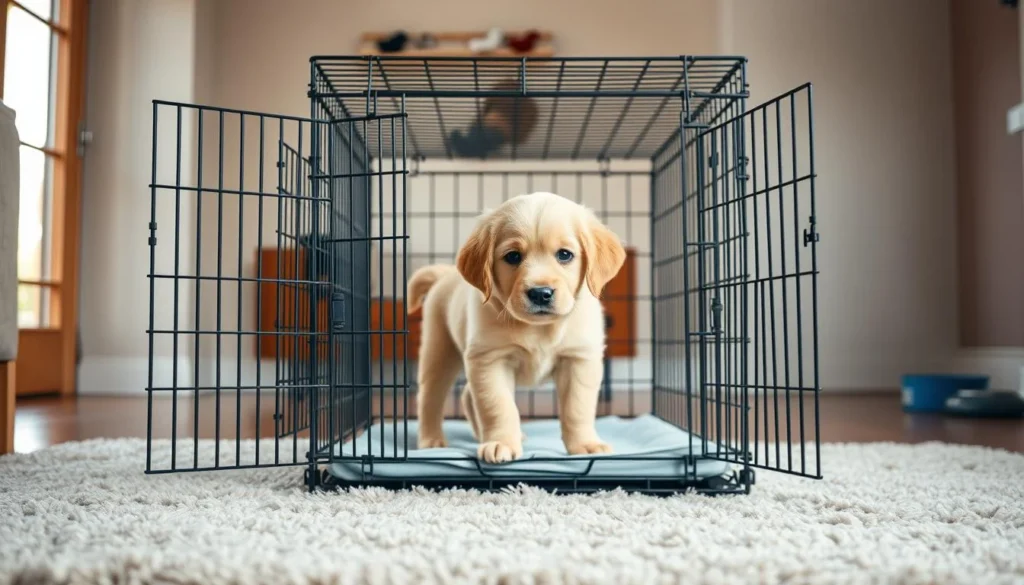
Why crates work: den instincts and bladder control
Puppies naturally avoid soiling their sleeping area. Crate training uses this instinct. A correctly sized crate helps a puppy hold its bladder until it's time to go outside.
Choosing the right crate size and setup
I choose a crate that's just big enough for the puppy to move around. This size prevents accidents and doesn't overwhelm the puppy.
For growing puppies, I use a divider. It keeps the crate the right size as the puppy grows. I pick a soft mat for bedding that's not too absorbent.
Using the crate without punishment
Never punish a puppy for being in the crate. I introduce the crate with meals, toys, and treats. This makes the puppy look forward to being in it.
Short naps and supervised crate time help build a positive association. If a rescue has crate soiling issues, I go back to basics. I control feeding, increase outdoor trips, and offer calm reassurance. With patience, I can reset crate training and rebuild trust.
Recognizing and responding to potty signals
I keep a close eye on my puppy to catch the early signs of a potty break. Spotting these cues helps me avoid accidents and teaches them to go outside. I always respond calmly and consistently, so they learn where to go.
I look for clear signs before I intervene. Early recognition keeps the training positive and reduces stress for both of us.
Common signs your puppy needs to go
I watch for whining, barking, or scratching at doors. I also look for pacing, circling, intense sniffing, sudden restlessness, and squatting. When I see any of these, I quickly take them outside.
How to interrupt indoor elimination and redirect outside
If I catch my puppy starting to go inside, I make a short, calm sound like “hey!” or clap lightly. I gently pick them up and head to the outdoor spot. If they finish outside, I praise and reward them right away.
I never shout, rub noses, or punish after the fact. Those reactions confuse the puppy and slow progress. Quick, calm redirection and an outdoor reward teach them the right place to go.
Supervision, tethering, and confinement strategies
I keep a close eye on my puppy during the day to spot signals early. I use baby gates to limit access to rooms and a short tether when I need to keep them nearby. When I can't watch directly, I confine them to a small, safe area or crate to prevent accidents.
Practical containment helps me pair supervision with consistent outdoor practice. This combination reduces mistakes and builds reliable habits.
| Strategy | When to use | Benefit |
|---|---|---|
| Close supervision | Active training sessions and first weeks at home | Catches signals early and allows immediate redirection |
| Short tethering | While working nearby or doing light chores | Keeps puppy visible and prevents sneaky accidents |
| Baby gates | To block risky rooms or stairs | Limits roaming while preserving visibility |
| Small-area confinement | When unsupervised for short periods | Teaches bladder control and reduces cleaning needs |
| Crate use | Overnights and brief absences | Leverages den instincts to prevent elimination indoors |
Positive reinforcement and reward strategies
I use clear, immediate rewards to teach good habits. When a puppy goes outside and does its business, I give a quick "good job" and a small treat. This makes the puppy learn faster.
I give treats that are small and easy to eat. This way, they don't fill up the puppy. I also mix up the rewards, like praise, treats, or a quick game. These steps are key to reliable potty training tips for puppies.
Timing praise and treats for clear associations
The reward must come right after the puppy finishes. Waiting too long can make the connection weak. I stand quietly until they're done, then I praise and give a snack.
Using the same spot and calm voice helps. This consistency makes it easier for the puppy to learn. It also helps with positive reinforcement in different places.
Verbal cues and consistency: teaching a potty command
I use a simple cue like "go potty" every time. This helps the puppy connect the words with the action. I always use the same phrase and don't rush.
I keep my voice steady and calm. This makes the cue reliable. When the puppy responds, I praise and give a small reward. This builds dependable responses over time.
What to do after outdoor success to reinforce behavior
After a successful potty break, I give gentle play or a short walk. This makes the puppy associate going outside with freedom. Then, I calmly take them inside and clean any gear if needed.
If there's an accident, I don't scold. I clean up with an enzymatic cleaner to remove odors. These steps, along with patience, are common in effective potty training tips. They align with advice from AKC and PetMD on positive reinforcement.
Using puppy pads, paper training, and transitioning outdoors
I guide owners through easy steps for using pads without causing confusion. Pads are great for urgent needs, small breeds, or bad weather. I make sure the plan is simple for busy caregivers.
When pads are helpful and potential drawbacks
Pads are useful for travel, crates, or winter storms. They're good for small breeds and owners needing a quick fix. Dr. Mary Burch and PetMD say supervised pad use can help with accidents.
But, pads have downsides. Puppies might learn two places to go, making outdoor training harder. I advise owners to have a plan to stop using pads soon.
Gradual moving of pads toward the door and outside
I recommend moving the pad slowly toward the door. Start by moving it a little each day. Keep training sessions short and praise the puppy for using the pad.
When the pad is near the door, move it outside. Pet Life says this helps the puppy connect the indoor spot with the outdoors.
Techniques to transition from indoor pads to fully outdoor pottying
I use pads with grass scent to help a pup go outside. I use a firm cue and a regular schedule. Take the puppy outside on leash at the same times each day.
When the puppy goes outside reliably, start to remove the pads. First, make pads less available inside. Then, replace indoor breaks with outdoor trips at the same times. Keep a pad for emergencies but encourage regular outdoor practice.
Below is a compact comparison to help decide when to use pads and how to move toward outdoor training.
| Situation | Recommended use | Key action |
|---|---|---|
| Busy owner with long work hours | Temporary pad use near exit | Schedule walks before and after work, move pad toward door |
| Tiny or toy breeds | Short-term indoor relief with crate management | Frequent outdoor trips, gradual pad relocation to outside |
| Severe winter or storm days | Keep a pad for emergency use | Use grass-scent pads, maintain outdoor routine when possible |
| Travel or temporary housing | Paper training to outdoors as a bridge | Place pad near exit, use leash, reward outdoor elimination |
| Goal: full outdoor pottying | Phase out pads entirely | Replace pads with outdoor trips, keep consistent cue and timing |
Managing diet, hydration, and timing for fewer accidents
I take steps to link meals, water, and potty breaks. This helps reduce accidents and boosts confidence. A steady routine makes it easier to predict when a puppy needs to go.
Feeding frequency and predictable elimination windows
I feed my puppies three small meals a day. This schedule helps their digestion and makes bathroom breaks easier to plan. I take them out 10–20 minutes after meals, and also in the morning and before bed.
I measure their food to keep portions right. With three meals, their stool timing becomes regular. For young puppies, I take them out more often until they can hold it longer.
Monitoring stool and when to consult a vet
I check the puppy's stool every day. If it's bulky, loose, or smells bad, it might mean they need a diet change. If problems keep happening, I talk to my vet.
I call the vet if a puppy can't learn to go outside. Sometimes, health issues can make it hard for them to learn. Early vet advice can help figure out what's wrong and fix it fast.
Nighttime water management and overnight crate tips
For older puppies, I take away water a few hours before bed. Young puppies always have access to water. A late-night potty break helps, and a final trip outside before bed reduces accidents.
I make sure the crate is big enough for the puppy to move around. For young ones, I plan wake-ups for potty breaks. Keeping the crate near my room helps me hear and respond to their needs.
| Item | Action | Reason |
|---|---|---|
| Three meals/day | Feed at consistent times morning, midday, evening | Creates predictable elimination windows for potty outings |
| Post-meal potty | Take outside 10–20 minutes after eating | Leverages natural digestive timing to reinforce outdoor success |
| Stool checks | Inspect daily for firmness and odor | Detects dietary or medical issues early |
| Water before bed | Remove 1–2 hours before sleep for older pups | Reduces nighttime accidents while keeping hydration safe |
| Young puppy nights | Plan overnight potty trips; keep crate nearby | Supports bladder development and prompt response |
| When to call vet | Persistent accidents or abnormal stool | Rule out UTIs, GI issues, or other medical causes |
I follow the American Kennel Club and PetMD for advice. Using a measured feeding schedule and applying nighttime potty training tips helps me reduce accidents and build reliable habits.
Troubleshooting common potty training challenges
Potty training problems can be tough. But, small setbacks are normal. Having a clear plan helps you fix issues without losing patience.
I suggest a three-part approach: eliminate odor cues, reset routines for special-case puppies, and get professional help when medical or behavioral issues persist.
Handling repeat accidents in the same spot (cleaners and prevention)
To prevent repeat accidents, blot fresh urine with paper towels first. Then, use an enzymatic cleaner made for pets. Brands like Nature’s Miracle or Simple Solution break down proteins that draw a puppy back to that spot.
After cleaning, restrict access with baby gates or close doors. Place a bed or a chew toy where the puppy used to go. Puppies avoid soiling their sleeping area, which helps retrain them.
Dealing with small-breed, adopted, or previously trained-on-pads puppies
Small-breed dogs often have faster metabolisms and smaller bladders. Expect more breaks and use shorter, regular potty outings to reduce accidents.
If you are training adopted puppy to pee outside, start with a reset schedule. Take the dog out: first thing in the morning, after meals, after naps, and before bed. Use crate time to build bladder control and teach a consistent toileting cue.
For pad-trained puppies, move the pad gradually toward the door, then outside. Reward each step so the dog links the outdoors with success.
When to seek veterinary or professional behavior help
If accidents continue beyond a few months, arrange a vet exam. Urinary tract infections, parasites, or hormonal issues can mimic training failure.
If medical causes are ruled out and your puppy still struggles, hire a certified trainer or a veterinary behaviorist. Trainers certified by the Association of Professional Dog Trainers or a veterinary behaviorist at a university clinic have experience with stubborn housetraining cases.
| Issue | Immediate step | Follow-up |
|---|---|---|
| Repeat accidents in same spot | Blot, apply enzymatic cleaner, block the area | Restrict access, retrain with outings and rewards |
| Tiny bladder in toy breeds | Increase frequency of potty trips | Use crate training and short schedules |
| Adopted or pad-trained puppy | Reset to consistent schedule, move pads outside slowly | Crate work, reinforce outdoor success with treats |
| Possible medical cause | Visit your veterinarian for exams and tests | Treat medical issue and restart training plan |
| Persistent behavioral issues | Consult a certified trainer or behaviorist | Implement tailored behavior modification plan |
Conclusion
I've shown you how to train your puppy to go potty outside. It's all about a consistent schedule, smart crate use, and close supervision. Positive rewards and careful diet timing also play a big role.
Every puppy learns at their own pace. Some pick it up quickly, while others take longer. Use the tips I shared: choose one cue word, praise right away, and watch for accidents.
If you can't keep up with the schedule, get help from friends or a dog walker. If accidents keep happening, talk to your vet. You might need a professional trainer for tough cases.
Begin with a realistic schedule and celebrate small victories. With patience and these strategies, you'll have a reliable routine. And your puppy will be happier at home.