I remember the first time my Labrador, Rosie, jumped up on a neighbor. She covered their face with her paws. I felt embarrassed and worried about safety. I vowed to teach her a better way to greet people.
In this article, I'll share easy, reward-based methods. You'll learn how to stop your dog from jumping without yelling. We'll use animal welfare and vet behavior to guide us.
Dogs jump for many reasons, and it can be risky. I'll show you exercises like teaching a sit and rewarding calm behavior. With practice, you'll see fewer jumps and happier visitors. If you're looking for ways to stop your dog from jumping, you're in the right place.
Key Takeaways
- Jumping is common but can be changed with reward-based training.
- Combine management tools (gates, leashes, crates) with training for faster results.
- Teach alternative behaviors like sit or four paws on the floor.
- Consistency from every family member is essential for success.
- Humane methods protect guests and build a polite routine on walks and at the door.
Why dogs jump on people and the risks of allowing it
Dogs jump to get attention and be close to people. Knowing why they do this helps me stop them from jumping on guests. It's important to understand their motives and the dangers.
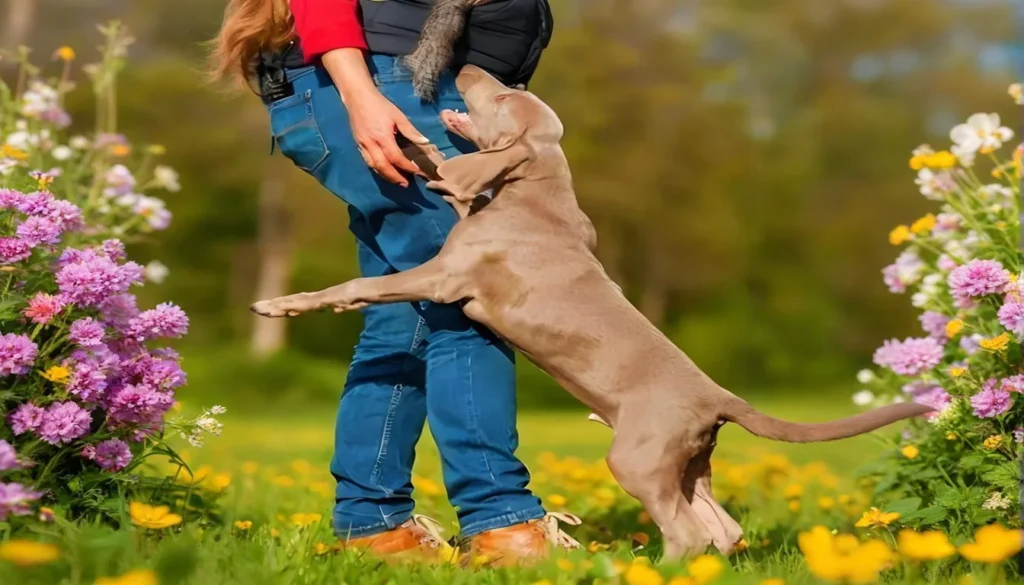
Puppies start jumping early because it gets them attention. A quick lick or pat is a reward for them. Adult dogs also jump for attention when someone comes home.
People often teach dogs to jump by reacting to them. This reaction is seen as a reward. If dogs get mixed signals, they learn jumping works sometimes.
There are safety reasons to stop dogs from jumping. Muddy paws can ruin clothes, and sharp nails can scratch. Big dogs can also knock over people, causing injuries.
If dogs show warning signs like growling, it's serious. In these cases, I suggest talking to a certified behaviorist. They can assess the risk and create a plan.
To stop dogs from jumping, I remove the rewards and teach them something else. This approach helps discourage jumping and prevents it in everyday situations.
| Cause | Human response that reinforces it | Practical risk |
|---|---|---|
| Attention-seeking | Petting, talking, giving treats | Clothing damage, persistent begging |
| Excitement at greeting | Fussing, open-arms welcomes | Knocked-over children or elderly visitors |
| Social greeting to get face-level contact | Allowing close access to faces | Scratches, bites in rare escalations |
| Intermittent rules | Some people allow it, others don't | Inconsistent behavior, hard to train out |
| Fear or frustration (escalates) | Ignoring body language or reacting loudly | Possible growling or snapping; consult professional |
how to stop a dog from jumping up on people
I start by choosing a single, clear goal for greetings. Pick either four paws on the floor, a sit, or a place cue such as a mat or crate. Telling the dog what to do is easier than only telling them what not to do.
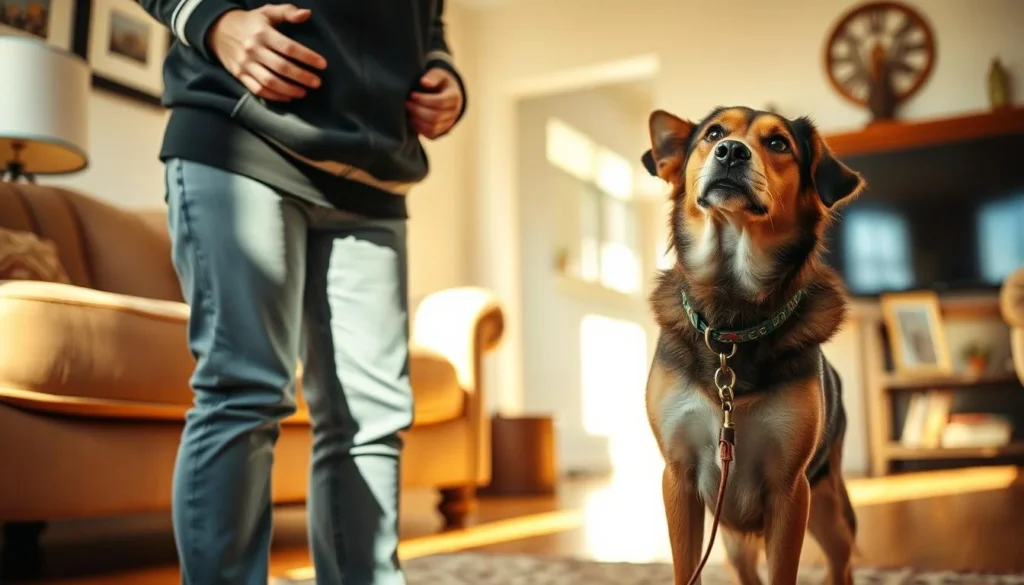
Set a clear goal: four paws on the floor, sit, or place cues
I decide exactly which cue will be the default at doors, during visits, and at mealtimes. If the goal is four paws on the floor, I teach the dog to offer feet-down behavior and reward it immediately. If the goal is sit, I build a reliable sit under mild distraction before using it for greetings. For a place cue, I train short stays on a mat and slowly increase duration.
Combine management and training for reliable results
I use management to prevent practice of the unwanted behavior while I teach the alternative. Gates, leashes, and tethering at the door keep the dog from rehearsing jumps during guests’ arrivals. Crates or a supervised hold in another room work when I expect several visitors.
I pair management with short, frequent training sessions. Practicing sit or place for two to five minutes, three times a day, gives steady progress. Management and training together speed up reliable results and reduce frustration for everyone.
Be consistent: why every family member must follow the same rules
I make rules simple and share them with the whole household and regular visitors. No exceptions, even from excited children or well-meaning friends. Mixed messages stall progress and confuse the dog.
I plan routines for common moments: arrivals, leash pickups, feeding, and play starts. Predictable cues and repeated reinforcement help the dog learn correct dog jumping behavior. When everyone follows the plan, I can more easily teach dog not to jump on people and keep results steady.
| Goal | Management Tools | Short Training Focus |
|---|---|---|
| Four paws on floor | Leash at door, baby gate | Reward feet-down with food or praise within 1 second |
| Sit for greetings | Tethering, brief crate wait | Practice sit duration, add mild distractions |
| Place cue (mat) | Mat by entry, supervised stays | Short stays, gradually increase time and distance |
| Household consistency | Shared rules, visitor briefing | Role-play arrivals, assign a helper to rehearse |
Management strategies to prevent jumping before training works
I use simple management to stop my dog from jumping on guests. I teach better manners while keeping everyone safe. This short-term plan gives training a chance to succeed.
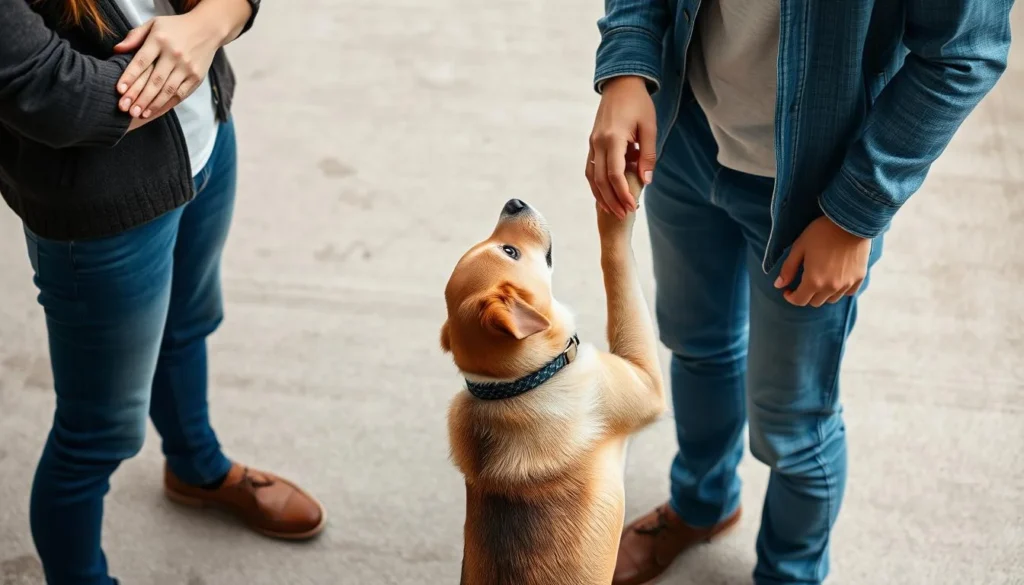
I crate or confine my dog during busy times. A cozy crate or quiet room stops jumping and protects visitors. Crate training is done with comfort and rewards, keeping the dog calm and willing to go inside.
I use baby gates, leashes, or a short tether at the door. A gate blocks the entryway. A leash or tether lets me ask for a sit as guests enter. Fast, calm action at the threshold reduces incidents and shows the dog that calm behavior wins attention.
On walks and visits, I remove chances to practice jumping. I ask strangers to ignore my dog until I give permission. I carry treats to reward four paws on the floor. If a person approaches, I step between them and the dog or turn away until the dog is steady and relaxed.
I keep the door routine low-key. If my dog jumps as I enter, I step back and try again. Repeat entrances with quiet greetings teach the dog that calm earns attention. This management to prevent jumping is temporary but essential while I train the alternative behavior.
Training an alternative behavior: teaching sit for greetings
I'll show you a simple plan to teach your dog to sit when guests arrive. This behavior replaces jumping and makes greetings calm for everyone. These tips focus on short, frequent sessions and clear rules for the whole household.
Prerequisite skills
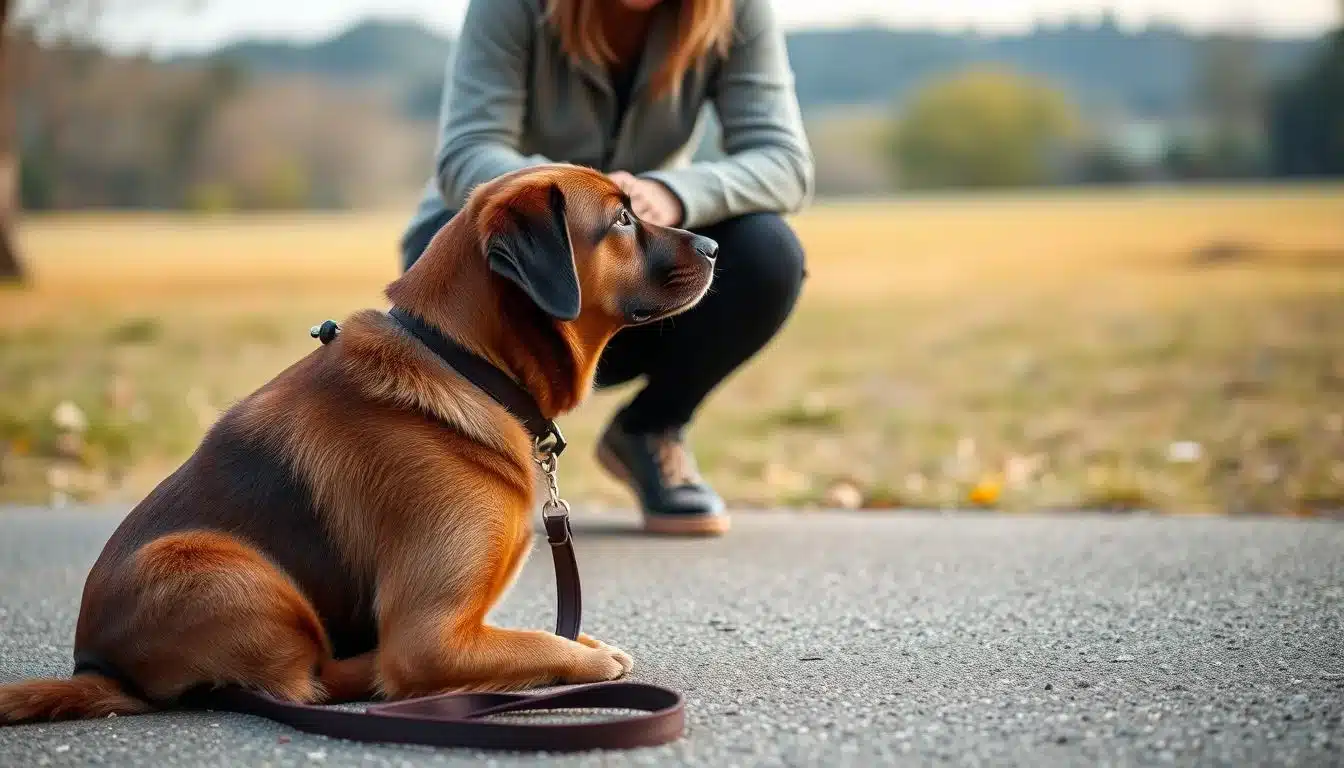
Start by teaching a steady sit in a quiet room. Use treats like small pieces of chicken or cheese. Keep sessions under five minutes and repeat several times daily. I expect the dog to hold a sit while I take two or three steps toward them before adding distractions.
Step-by-step sit-for-greeting exercise with a helper
Ask a trusted helper to act as a guest. From a few feet away, cue the sit. The helper approaches slowly. If the dog stands or lunges, the helper turns and walks away.
Return to the start and ask for sit again. Reward the dog only when they remain seated as the helper nears. Gradually increase the speed and warmth of the greeting once the dog stays seated reliably.
Generalizing sit for greetings
Practice with different people, clothing, and rooms so the dog learns this rule everywhere. Teach every family member the same routine to prevent confusion. For public encounters, have friends follow the sit protocol before letting strangers greet the dog.
This step helps teach dog not to jump on people and prevent dog from jumping on family members in daily life.
Pair sit-for-greeting with other routines like before walks or meals. Making sit a regular “please” behavior increases consistency. With patience and clear consequences—approach for staying seated, leave when jumping—you will see steady progress.
Training an alternative behavior: teaching four on the floor
I teach a dog to keep four paws on the floor by rewarding the exact behavior I want. This method gives a clear, repeatable alternative and fits into any dog behavior training for jumping plan. I set up short, controlled greetings and make the floor the most valuable place to be.
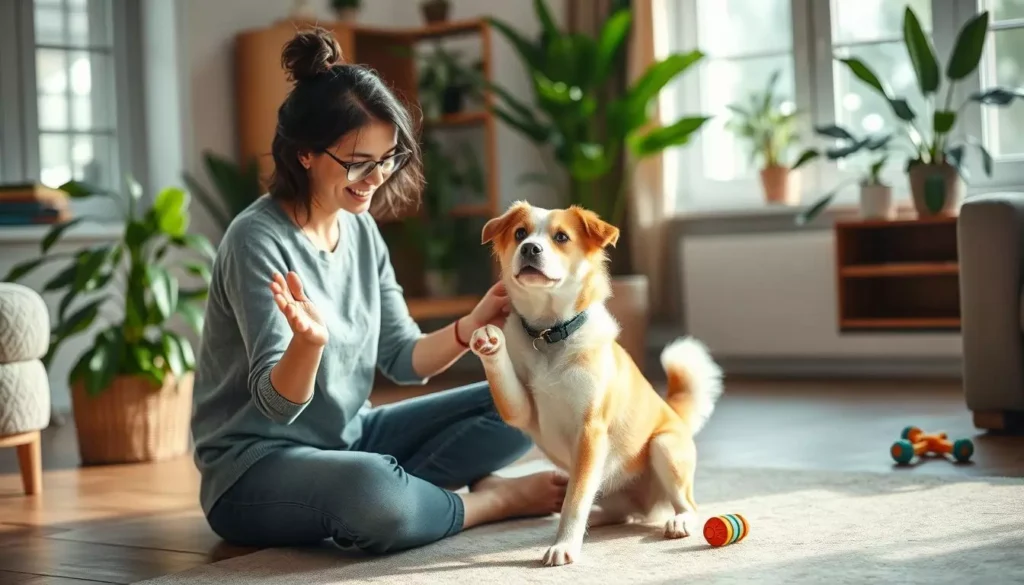
I start with the dog on a loose leash and an assistant who will act as the greeter. Before the person reaches the dog, I toss several small treats onto the floor so the dog eats with all four paws down. While the dog is eating, the greeter calmly pets and speaks softly. I keep treats coming quickly and predictably so the dog learns that feet-on-floor equals reward.
I use the following steps to make learning fast and reliable:
- Deliver treats to the ground near the dog as the person approaches.
- Keep greetings short at first, then slowly lengthen them while still feeding on the floor.
- Gradually reduce treat frequency until the greeting itself becomes reinforcing.
My progressions move from heavy reward to faded treats. At first, I give treats every few seconds to prevent jumping. Next, I increase the greeting duration while spacing treats out. Then I let the greeter pause briefly before placing the first treat and finally stop treats altogether once the dog stays reliably. These gradual changes help the dog generalize the four-on-floor cue across different people and contexts.
If the dog jumps during practice, I cancel the reward and have the greeter turn and walk away right away. I never push or scold. Attention of any kind can reinforce the jump. After walking away, I return to the start, ask for the four-on-floor cue, and try again. With consistent timing and repeated practice, this method becomes one of the most effective ways to discourage dog from jumping on people.
I make timing and consistency my top priorities. Anticipating a possible jump and rewarding the preemptive feet-on-floor response shortens training time. These small, steady steps are practical ways to stop a dog from jumping up on people while building calm, polite greetings.
Real-world practice: applying techniques at the door and on walks
I guide you through simple drills for calm greetings. Start with quiet arrivals and short rehearsals. This teaches your dog that calm behavior gets attention. Use tools like leashes or crates to prevent jumping and protect guests.
Quiet entrances
Have guests ignore your dog at the door. If your dog jumps, they should step back. Use a helper for many trials to teach calmness.
Door routine steps
- Keep greetings calm and voice steady.
- If the dog jumps, pause the visit and retry only when the dog is calm.
- Reward four paws on the floor with attention or a treat.
Walk-time management
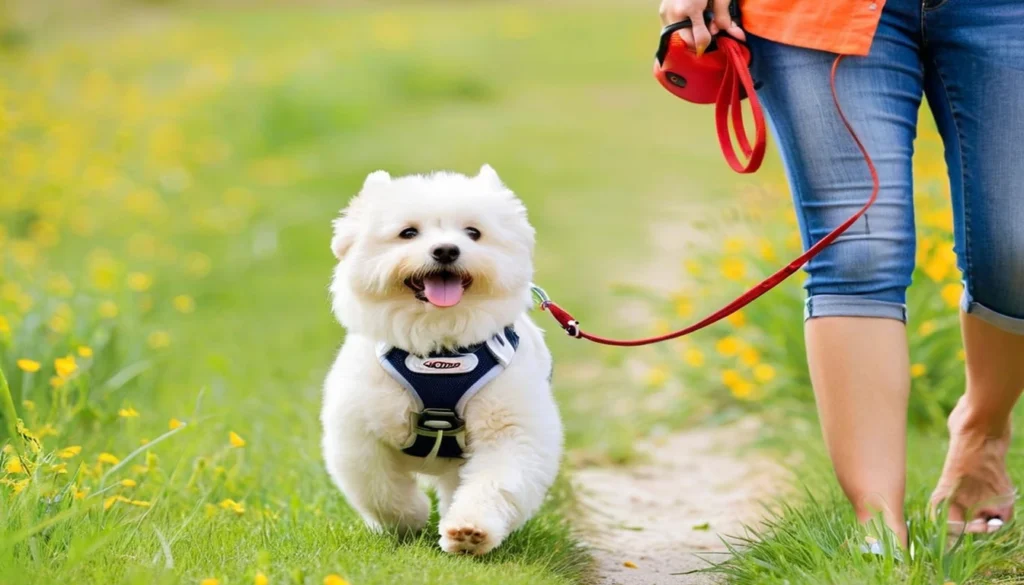
During walks, ask people to ignore your dog until you say it's okay. Use a short leash and the “watch me” cue. Rewarding the look or a sit teaches your dog not to jump.
Greeting guidance for strangers
If someone wants to pet your dog, wait for a sit or four paws on the ground. This rule helps your dog learn faster. These tips are easy to follow on the street.
Mock visitors and variation
Invite friends to act as mock visitors. Practice calm greetings with them. Use different clothes and tones to teach your dog to greet everyone calmly.
Practice schedule
- Do many short sessions daily rather than one long session.
- Mix door drills with walk rehearsals for broader success.
- Use management tools until the routine is consistent.
Consistent, short repetitions and clear rules lead to reliable results. These steps help your dog greet everyone politely and calmly.
Common mistakes and troubleshooting dog behavior training for jumping
I see many homes struggle with teaching dogs not to jump. Small mistakes by family or guests can undo all the hard work. A consistent reminder and plan help keep training on track.
Inconsistent rules and accidental reinforcement
When dogs jump on some but not all people, they get mixed signals. If mom lets them jump but guests don't, the dog learns by context, not rule.
Accidental reinforcement happens when we pick up the dog, laugh at their face, or pet them when excited. Even yelling can be seen as attention and reward.
Why punishment backfires and humane alternatives
I steer clear of physical punishment and loud yelling. They can make dogs fearful or confused. Dogs might stop because they're scared, not because they understand.
Using rewards to teach new behaviors works better. Teach them to sit, stay, or lie down and reward them well. Use tools like crates, baby gates, or leashes to stop jumping.
Practice with helpers in short sessions. This makes greetings predictable and teaches what gets treats and praise.
When jumping signals fear or aggression and when to seek a behaviorist
Jumping with growling, showing teeth, or stiff body language means fear or aggression. In these cases, I suggest getting in touch with a certified canine behaviorist or veterinary behaviorist right away.
If training doesn't improve, even with consistent, humane efforts, a professional can help. They can find out what's causing the problem and create a plan. Knowing when to seek a behaviorist keeps everyone safe and helps the dog recover faster.
- Slow down training and reduce distractions.
- Raise reward value when progress stalls.
- Use mock visitors to rehearse real scenarios.
- Ensure all household members follow the same responses to build correct dog jumping behavior.
Conclusion
Choose one clear greeting rule today. It could be sitting, having all four paws on the floor, or a place cue. Make it the standard for your home.
Decide what polite greeting means for your place. Then, use tools like gates, leashes, or brief confinement. This stops your dog from jumping while you teach the new behavior.
Train the alternative with rewards and short, frequent sessions. Use tips that focus on timing and calm rewards. Gradually add real-world distractions.
Practice mock greetings with a helper. Apply the routine at the door and on walks. This helps your dog learn in different situations.
Consistency is key to protect your guests and family. Everyone must follow the same rules. This prevents your dog from jumping on family members.
If your dog shows fear or aggression, or if jumping doesn't stop, seek help. Talk to a qualified behaviorist or your vet.
Start now: pick your rule, get a helper, and practice short, predictable sessions. With patience, routine, and positive reinforcement, most dogs learn polite greetings. This way, you can have safer, calmer interactions with your dog.