I remember the first time my Labrador, Bella, leapt into my arms when our neighbor rang the doorbell. Her joy was infectious, but my jacket was soaked and my toddler was startled. This mix of love and frustration is common among dog owners in the United States.
Jumping up is a natural action for dogs. They do it to get attention and to be at the same level as us. However, it can ruin clothes, scare children and seniors, and pose safety risks. My goal is to teach you humane ways to stop dogs from jumping up.
I'll show you how attention, even scolding, can make jumping worse. I'll also share drills, tips, and ways to reward good behavior. These methods work for puppies and adult dogs, helping them learn to greet without jumping.
Key Takeaways
- Jumping is natural for dogs but can cause safety and etiquette issues.
- Attention, even negative, can reinforce jumping; removing rewards is key.
- Teach calm alternatives like four on the floor or sit for greetings.
- Use management to prevent practice and build reliable behavior over time.
- Approaches work for puppies and adults with clear, consistent steps.
Why dogs greet by jumping and what reinforces the behavior
I see many owners wonder why dogs jump up when people come home. Knowing why helps in training them to stop jumping and in preventing it.
Natural reasons dogs jump to greet people
Dogs are social creatures. They jump to get their nose and eyes to human faces, just like they do with other dogs. This face-to-face contact meets their social needs and feels good to them.
Young dogs and certain breeds, like Labradors and Border Collies, jump up more. They quickly learn that getting close means they'll get attention.
How attention and reactions reinforce jumping
Owners often react in different ways—laughing, pushing, petting, or yelling. Any response tells the dog something. Even a quick push or a sharp "down" can be seen as a reward.
When one guest pets the dog after a jump and another ignores it, the dog gets mixed signals. This makes the behavior hard to stop, so it's important to have consistent rules.
Other causes: anxiety, excitement, and overstimulation
Not all jumpers are looking for play. Some jump due to anxiety or stress. Others jump because they're too excited after a walk or when visitors arrive. These reasons need different training approaches.
For anxious or overexcited dogs, using calm techniques works better than harsh corrections. I suggest ignoring the jumping, teaching a calm behavior, and managing situations to prevent practice of jumping.
training dogs jump up
I first decide what I want from my dog when they greet me. Do I want them to stand still, sit, calm down, or wait for permission? Having a clear goal helps me train them to not jump or to jump on command.
Setting a clear training goal
I figure out what my dog likes during greetings. Is it treats, pets, a game, or praise? Using something they love as a reward makes training easier.
I start with small steps in a quiet room. I ask for the desired behavior, reward them, and then make it harder slowly. This keeps them focused and makes training smoother.
Why having a goal improves consistency
I create a rule for the household and share it with everyone. We all use the same cues and rewards. This keeps jumping from being rewarded accidentally.
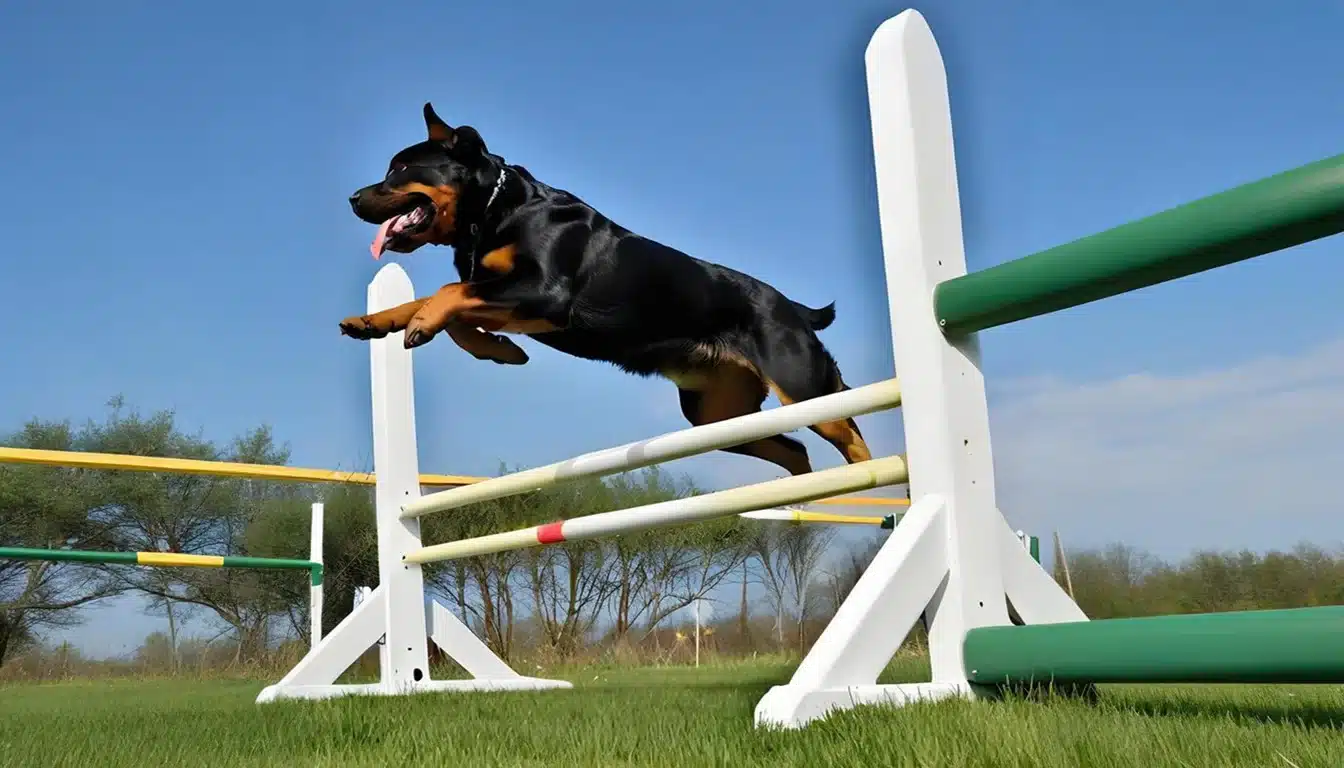
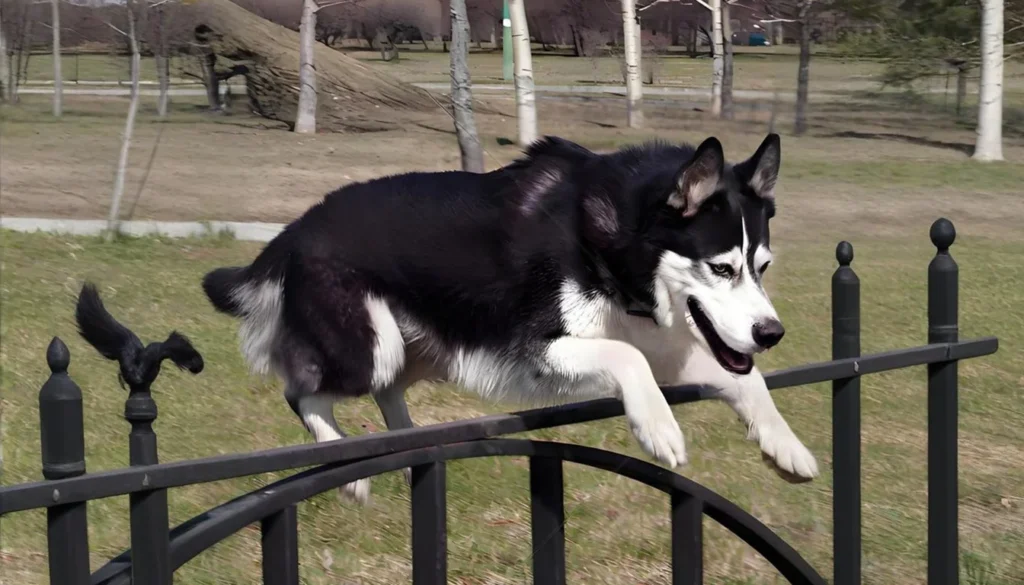
I teach a controlled jump as a separate behavior. This way, I can teach them to jump on command without it being a greeting.
While training, I use tools like leashes, baby gates, crates, or a "place" cue. These help manage their behavior and prevent jumping. It lets me train them without confusing them.
Teach a calm alternative: four on the floor
I want to share a simple way to teach your dog a calm greeting. This method, called four on the floor, is great for teaching dogs not to jump. It's easy to fit into your daily routine.
Start with your dog on a leash and a helper approaching. Drop treats on the floor before the helper gets there. This keeps your dog busy and prevents jumping.
While your dog eats, the helper greets from a low position. Then, they step back before the treats are gone. If your dog jumps, the helper walks away without rewarding them. This teaches your dog not to jump.
Do short sessions and gradually increase the greeting time. When your dog reliably stays down, let them approach first. This changes the cue from food to the greeting itself.
Use a calm verbal marker like “nice” or a clicker for correct behavior. Then, drop the food between their front paws. This teaches them to expect rewards on the floor, not by jumping.
To stop using food rewards, increase the time your dog must stay down before getting a treat. Reduce treat frequency and vary the environment. Eventually, use attention and eye contact as rewards during training.
Teach a calm alternative: sit for greetings
I teach dogs to sit politely for attention and permission. This simple rule makes greetings clear for everyone. Training dogs not to jump involves short, consistent steps for success.
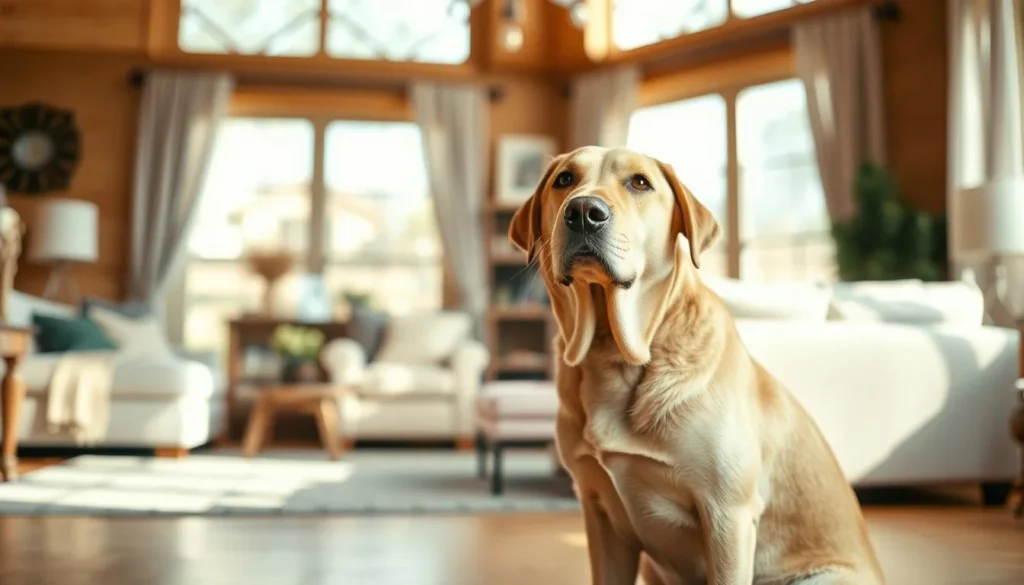
I start by tethering the dog to prevent jumping. From a distance, I ask for a sit. If they sit, I reward them calmly with praise or treats.
If they stand, I step back and ask again. This method teaches dogs to sit instead of jumping.
I increase excitement gradually as the dog learns to sit in low distractions. I practice sit before walks and meals. This teaches the dog that good things come when they stay seated.
This routine helps stop dogs from jumping on people during greetings.
I make the dog reliable by practicing in new places and with different people. I increase the time they need to sit and vary the rewards. I ask family and visitors to follow the same steps.
If a dog jumps, I keep the leash tight to prevent lifting. I reward them for sitting and then ask for sit again. This trains them to sit instead of jumping.
If a dog shows fear or avoidance, I use treats instead of forced petting. I aim for positive sessions so the dog wants to sit for greetings. With consistent cues and gentle management, dogs learn to sit politely.
Management strategies to prevent practice of jumping
I use management to remove the chance for practice when I want to prevent jumping behavior. If a dog never gets rewarded for jumping, the habit fades faster. Simple tools and a clear plan keep guests safe and the dog calm while training builds alternative responses.
Environmental controls at the entry
I block access with baby gates or close doors so the dog cannot rush visitors. Tethering the dog to a sturdy post or leash to a doorknob gives me control of approach and helps me stop dog from jumping before it starts. Crating or placing the dog on a mat when the doorbell rings creates a predictable routine.
I keep toys and treats near the door. When guests arrive I toss a toy or a treat away from the entry to redirect attention. I tell visitors to ignore any pawing and only reward calm behavior. Clear instructions to friends and family make management to stop jumping consistent.
Managing greetings on walks and with strangers
I avoid unsupervised greetings until the dog is reliable. On walks I use a short leash and ask for a sit when someone approaches. Repeating sit-in-front builds a habit so I can control dog jumping on visitors and passersby.
I use "watch me" cues, squeaky toys, or high-value treats to shift focus during encounters. I ask strangers to walk by without engaging or to toss a treat past us. That prevents reinforcement and helps me control jumping when excitement rises.
Extra tactics and consistency
I put the dog on leash the moment visitors arrive so I can manage body position. If the dog becomes too aroused I use a very brief time-out by calmly separating for a minute, then resume training when the dog is calm. Short breaks stop practice without harshness.
My plan works when everyone follows it. I communicate exact steps to neighbors, dog walkers, and houseguests so the dog receives the same message from every person. Consistent management to stop jumping speeds progress and reduces setbacks.
| Situation | Management Tool | Goal |
|---|---|---|
| Doorbell / Visitors | Baby gate, crate, tether, mat | Prevent practice, control dog jumping on visitors |
| Immediate entry | Toss toy/treat away from door, instruct guests to ignore | Redirect focus, reward calm behavior |
| Walks near strangers | Short leash, "watch me" cue, sit for approach | Stop dog from jumping, reinforce polite greetings |
| High arousal moments | Brief time-out, calm separation, restart training | Reduce excitement, prevent reinforcement of jumping |
| Consistency across people | Written/briefed plan for guests and neighbors | Maintain prevention strategy, prevent jumping behavior |
How to use rewards effectively: treats, toys, and petting
When training dogs to stop jumping, it's key to match rewards to what they like. Some dogs love kibble, others enjoy playing fetch, and some prefer a gentle scratch. I quickly test different options to find out what motivates each dog before starting the training.
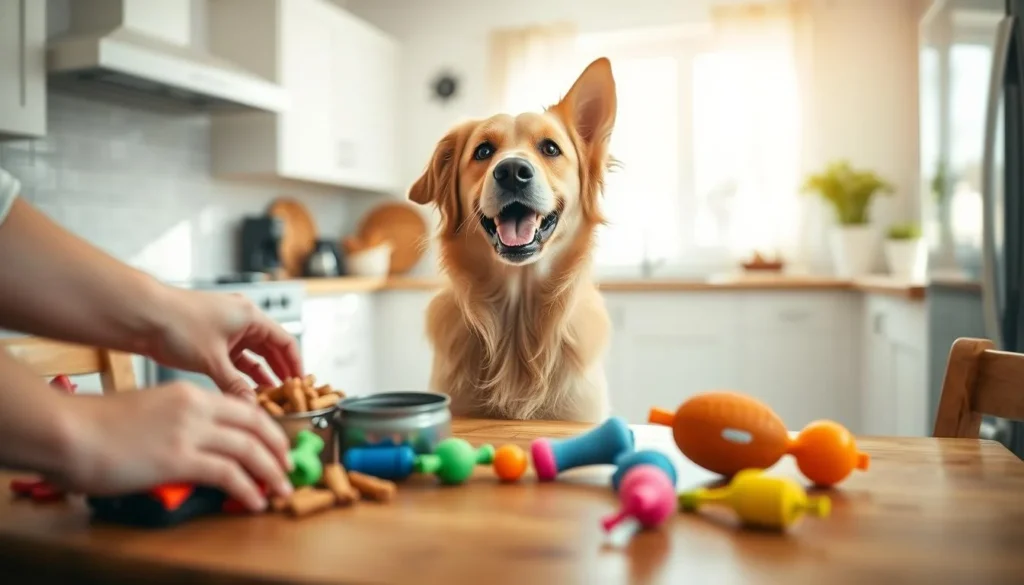
Timing is everything. Rewards should be given the moment the dog's paws touch the floor. Using a clicker or saying "yes" clearly helps the dog connect the reward with the right behavior. I place treats on the floor during training to teach them where to look for rewards.
Choosing the right reinforcer
I observe how dogs react to different rewards. If a Labrador ignores hands but loves chasing balls, toys are the way to go. For a Cavalier King Charles that gets nervous around strangers, treats are better than petting. Most dogs do well with a mix of food for learning and play or petting to keep the behavior.
When to use petting vs. treats
Deciding between treats and petting depends on the dog's comfort and what works best. Treats are great for quick feedback during the learning phase. Once the dog is calm and confident, petting becomes the reward. Starting with petting when a dog is nervous or overly excited can make things worse.
I plan a gradual transition from treats to other rewards. Start with treats all the time, then switch to them less often as the dog becomes more reliable. Replace some treats with praise and brief petting to help the dog not rely too much on food. For dogs who love to play, a quick game can be a great reward when they greet politely.
It's important that everyone in the family rewards the dog the same way. If everyone doesn't agree on what's good behavior, it can confuse the dog. For dogs that jump up, consistent rules and timing are key to breaking the habit.
Training sessions should be short and happen often. This keeps the dog focused and avoids confusion. When guests come over, I teach the dog a calm behavior and reward it right away. Over time, the rewards for good behavior change from treats to attention, play, or a gentle touch.
Corrections, time-outs, and why scolding can backfire
Many owners try to stop their dogs from jumping by scolding or pushing them. But this approach often backfires. It gives the dog attention, which can make the problem worse.
Why attention-based corrections often strengthen jumping
When you look at a dog or call its name, it gets your attention. Dogs don't know the difference between praise and scolding if they get a reaction. This is why scolding can make jumping worse.
Physical corrections or loud noises can scare a dog. This fear might lead to avoidance or aggression. I avoid these methods to protect the bond and prevent new problems.
Humane alternatives: ignore, turn away, and brief time-outs
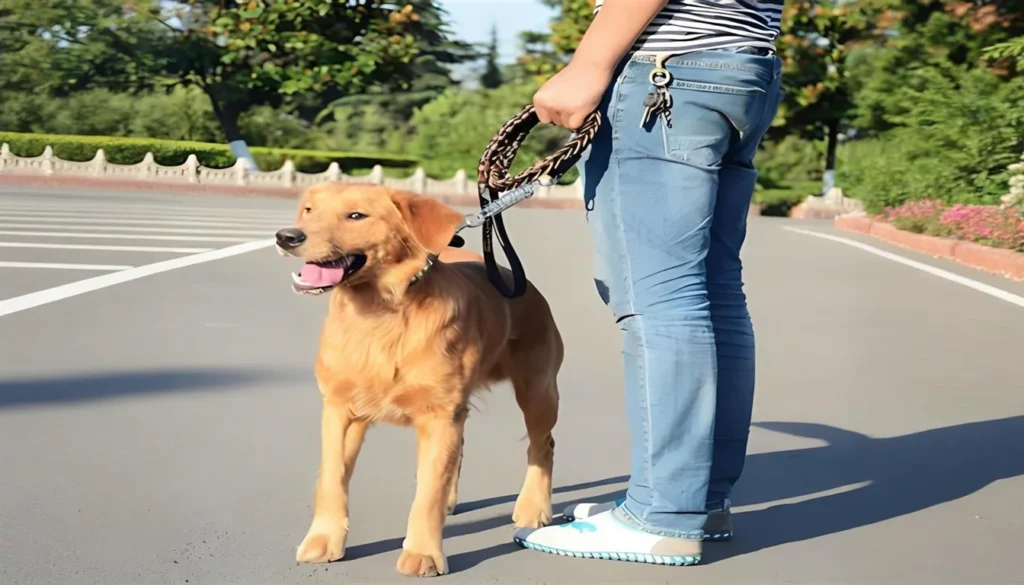
I teach owners to use kind, clear responses to reduce jumping. Ignore the dog by not looking at it or talking to it. Turning your back and standing still also helps.
If ignoring doesn't work, a short time-out is effective. Guide the dog to another room or use a baby gate for one to two minutes. The time-out must be immediate to work.
Redirect the dog to a calm behavior like sitting and reward it. Grounding the leash teaches the dog to choose calmness. These methods teach the dog what to do instead of just stopping it.
If the jumping seems caused by fear or anxiety, use low-arousal methods. Seek help from a positive-reinforcement trainer or certified behaviorist. This approach keeps everyone safe and teaches the dog to respect personal space.
| Problem | Why it backfires | Humane alternative |
|---|---|---|
| Scolding or loud reprimand | Gives attention; reinforces social reward | Ignore and turn away; reward calm behavior |
| Pushing the dog off | Physical contact still meets attention goal | Step away or pass through a doorway to avoid contact |
| Startling corrections (spray, noise) | May create fear or avoidance | Use brief, immediate time-out for jumping dog; keep it calm |
| No clear alternate behavior | Dog repeats jumping to get results | Teach sit or place; redirect and reward |
| Leash yanking | Increases arousal and may escalate jumping | Ground leash, release and reward settled behavior |
Training puppies versus adult dogs: adapting methods
I focus on practical steps that match a dog's age and history. Young pups learn fast when sessions are short and calm. Older dogs need clear management while we change long-standing habits. This balance keeps training humane and effective.
Puppy training tips to prevent jumping habits
I start puppy jumping training with tiny, frequent sessions. Puppies have short attention spans. I reward quiet four-on-the-floor and brief sits every time they offer the right behavior.
I coach visitors to ignore pawing and give attention only when all four paws stay on the floor. I use low-excitement greetings and high-value treats so pups learn the contingency fast.
Controlled socialization matters. I arrange safe meetings with people who follow the same rules. That prevents mixed signals and lowers the chance that a pup learns to jump for attention.
Working with dogs that already jump: rebuild rules and consistency
I treat adult dog jumping training as a two-part plan: prevent practice, then retrain. I use a leash or tether at greeting points to stop rehearsals. This buys time while I teach alternatives.
I hold a family meeting to rebuild rules for jumping dog. Everyone must agree: no touching, talking, or eye contact when the dog jumps. We rehearse scripted greetings so every person responds the same way.
If anxiety drives the jumping, I lower arousal and rely on treats for calm behavior. I progress slowly and generalize cues across people, places, and excitement levels so gains hold up in real life.
| Age/Stage | Key Action | Tools | Expected Timeframe |
|---|---|---|---|
| Puppy (8–20 weeks) | Short, frequent practice of four-on-floor and sit | Tasty treats, calm visitors, short sessions | Days to weeks for reliable responses |
| Adolescent (5–18 months) | Increase proofing in varied settings and people | Leash control, higher-value rewards, structured rehearsals | Weeks to months for generalization |
| Adult with established habit | Manage practice, rebuild household rules, retrain alternatives | Leash/tether, family agreement, gradual desensitization | Months for durable change |
Common troubleshooting and advanced practice scenarios
Many owners struggle with their dogs jumping. I start by observing their interactions. I look for hidden rewards like inconsistent petting or surprise treats. I also check for signs of stress or excitement that can slow progress.
I suggest a simple checklist to diagnose the issue. Record training sessions and note who rewards the dog. If rewards are not consistent, it takes longer to stop the jumping. A steady routine makes it easier to tackle the problem.
To make the dog more resilient, I introduce challenges gradually. Start with small changes like louder greetings or more people arriving. Each step should be mastered before moving on. In public, I teach strangers to ignore the dog unless it follows the rules.
For greetings, I train a controlled entry plan. One person approaches while others ignore the dog until it calms down. This method is safe and helps the dog learn to behave in public.
To teach a polite lift or embrace, I start with basic commands. The dog must learn to sit and stay before learning the jump cue. This way, the dog learns to jump only when asked, not randomly.
If progress is slow, seeking professional help is a good idea. A certified trainer or veterinary behaviorist can provide a tailored plan. Remember, small, consistent steps and clear rules are key to advanced training.
Conclusion
To stop a dog from jumping, we need a clear goal, management to prevent practice, and a reliable alternative behavior. This could be four on the floor or sit. When we have a specific plan, progress is faster. Everyone knows what to do and what not to reward.
To stop dogs from jumping on people, we should remove rewards for jumping. No eye contact, touch, or verbal attention should be given when they jump. Instead, we reward calm behavior. Using a leash, baby gate, and high-value treats helps teach the alternative behavior.
Next, we need to pick a greeting goal and prepare management tools. We should run short training sessions in low-distraction settings. Then, we slowly introduce busier situations and new visitors. Consistency is key to avoid jumping.
If anxiety or fear causes the behavior, working with a certified positive-reinforcement trainer or behaviorist is a good idea. With patience, clear rules, and rewarding alternatives, we can teach our dogs not to jump. This way, we keep their excitement and safety in check.