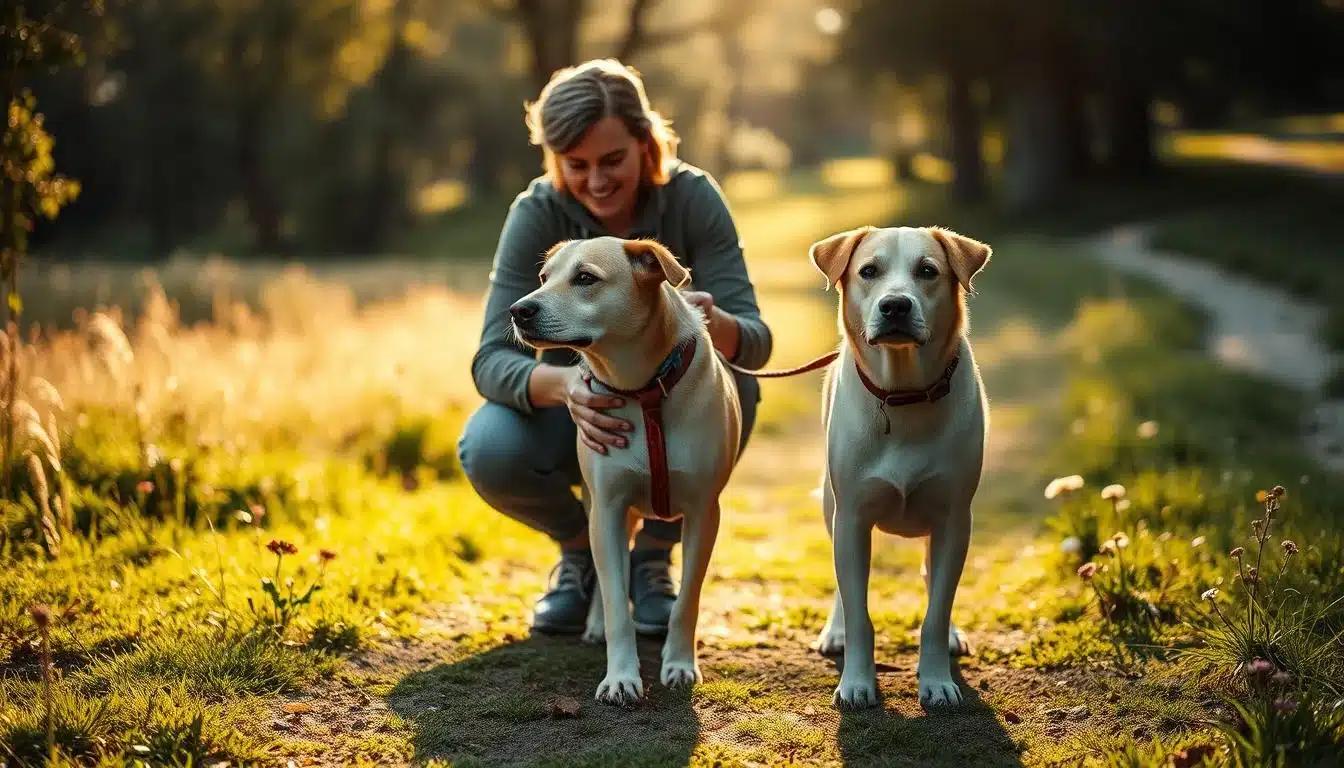
Imagine the wind in your hair and the sun on your skin. Your dog runs freely beside you, without a leash. This is a dream many dog owners share. Training your dog to walk without a leash strengthens your bond and lets them explore freely.
But, it's crucial to teach them to behave responsibly off-leash for their safety and happiness. I learned that leash-free training is more than just letting them run. It's about teaching them to obey commands and thrive in a world full of wonders.
In this article, I'll share the steps and insights I gained. I focus on both enjoyment and safety, so you can create joyful moments with your dog.
Key Takeaways
- Off-leash training enhances the bond between you and your dog.
- Dogs benefit from mental stimulation and exercise provided by freedom.
- Thorough training is necessary for ensuring safety when off-leash.
- Basic commands are crucial for effective leash-free training.
- Responsible oversight makes off-leash walking enjoyable for both dog and owner.
Understanding Off-Leash Training
Off-leash dog training lets my dog move freely while keeping them safe and under control. It's not just about letting them run wild. It's about teaching them to listen and control their impulses. This training is different from basic obedience, which focuses on commands while on a leash.
To start off-leash training, I need to make sure my dog knows basic commands well. This foundation is key when I take off the leash. It's important to use consistent commands, be patient, and reward good behavior. This makes the transition to off-leash training smoother and more successful.
Before letting my dog off-leash, I need to understand the basics of off-leash training. I must know how my dog behaves and how to communicate with them clearly. Being consistent in training helps my dog learn to stay close and respond well, even with distractions around.
Benefits of Freedom for Dogs
Letting dogs roam free can change their health and happiness for the better. Off-leash walking boosts their physical fitness and mental well-being. My dog's energy and enthusiasm soar when she explores new places.
Off-leash adventures bring dogs joy, letting them act on their instincts. They might chase butterflies or run in fields. This freedom boosts their confidence and makes them more secure pets.
Off-leash walks also strengthen the bond between dogs and their owners. These shared experiences help us communicate better and create lasting memories. It's more than just training; it's about creating a space where my dog can thrive and feel free.
Assessing Your Dog's Readiness for Off-Leash Walking
Teaching my dog to walk without a lead is not for every dog. It's important to check if they're ready for off-leash training. This means looking at several factors that show if a dog can handle freedom well.
I start by checking if my dog listens to basic commands like sit, stay, and come. If they always listen, it shows they understand important rules. It's also key to see if they can control their excitement. Dogs who get too excited or have trouble controlling themselves might find off-leash too much.
How well my dog gets along with people and other dogs is also crucial. A dog that's good with others is less likely to act aggressively or fearfully when off-leash. I also think about the breed, as some breeds have instincts that affect how they behave off-leash.
Looking at my dog's past behavior is important too. If they've been anxious, fearful, or aggressive, I need to think carefully before starting off-leash training. This careful check helps make sure my dog has a good time learning to walk without a lead.
| Factor | Importance |
|---|---|
| Responsiveness to Commands | High |
| Impulse Control | High |
| Socialization | Critical |
| Breed Tendencies | Variable |
| Behavioral History | High |
Basic Obedience Commands for Off-Leash Training
Mastering basic commands is key for safe and fun off-leash training. Commands like "come," "stay," and "heel" are the basics. Teaching these commands boosts my dog's confidence and makes them more responsive.
First, I work on the "come" command. It's crucial for my dog to come back when called. I use treats and praise to make it rewarding. I practice this command both on and off-leash, rewarding them for good behavior.
The "stay" command needs patience and consistency. I start by asking my dog to sit, then increase the distance. Rewarding them for staying in place is important, especially off-leash.
The "heel" command helps my dog not pull on the leash. It teaches them to walk close to me. I guide them with the leash and reward them for staying close. Regular practice helps them walk calmly beside me, giving them more freedom off-leash.
These basic commands have greatly improved my dog's behavior and reliability. Consistency and positive reinforcement are essential. Every training session is both fun and productive.
Training Dog to Walk Without a Leash: Getting Started
Starting to train your dog to walk without a leash is exciting. Begin in a quiet place where your dog can focus. A park or your backyard is perfect for this.
Here, you can work on basic commands your dog already knows. This makes the transition smoother.
When you move to new places, take it slow. Each new spot has its own distractions. By doing this, your dog learns to listen in different environments.
This makes off-leash training important for your dog's obedience and your bond. It's not just about following commands.
Here's a simple plan to follow:
- Begin with short, regular sessions on basic commands.
- As your dog gets better, make the sessions longer.
- Move to places with some distractions, like a busy park.
- Add fun activities like fetch or agility training.
- Always reward your dog for good behavior.
Using Positive Reinforcement Techniques
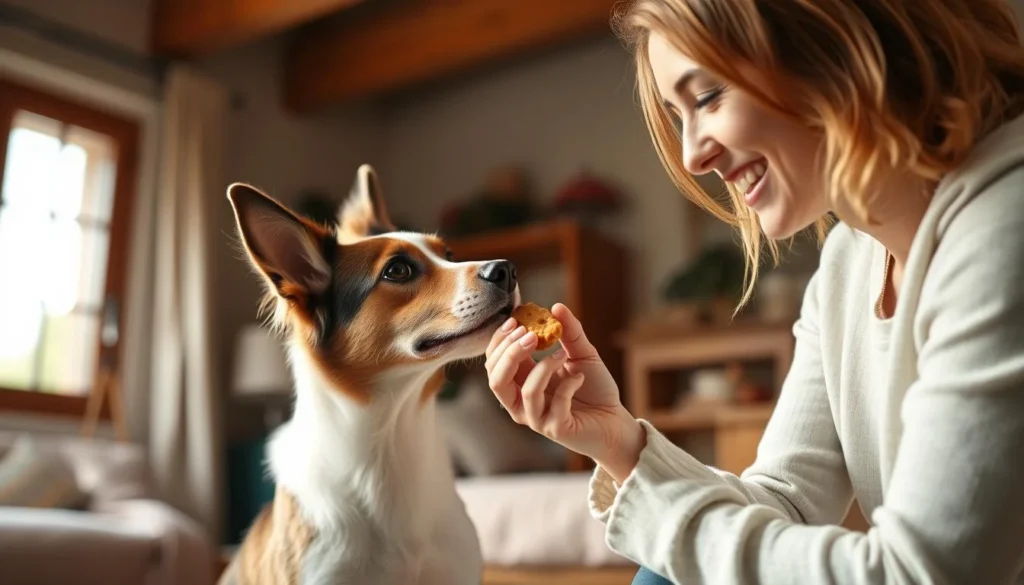
When I train my dog to walk without a leash, I always use positive reinforcement. This method strengthens our bond and encourages good behavior during walks. Treats, praise, and play make our training fun and effective.
I give treats as rewards for good behavior, like staying close or following commands. Later, I use praise or games to keep my dog motivated. This way, my dog learns without getting too used to treats.
To make our walks more interesting, I change up the rewards. I mix treats with praise or games. This keeps my dog excited and eager to learn. It makes every walk a new adventure for my furry friend.
Setting Up a Safe Training Environment
Creating a safe space for dog training is key for off-leash success. I set up areas free from distractions so my dog can focus. Fenced yards are great for this, helping my dog feel safe and confident.
Choosing the right spot is important. I like dog parks during quiet times for fewer distractions. This lets my dog explore safely and learn at their own pace. I only move to more complex places when they're ready.
Being consistent is crucial. I always watch out for dangers and remove them. This way, I make sure my dog is safe and comfortable, helping them do well off-leash.
How to Use a Long Leash for Transition Training
A long leash is great for teaching dogs to walk off-leash. It lets them explore while keeping me in control. This way, I can teach them to be off-leash in a safe place.
I choose a safe spot like a park or big backyard. I attach the leash to their harness. This lets them run while I hold the leash.
When they learn basic commands, I let them go a bit further. But I keep the leash tight to avoid tangles. This helps them learn to stay close.
As they get better at commands, I loosen my grip on the leash. I always give them positive feedback. This makes them more confident and focused on coming back to me.
As we move forward, I watch how my dog reacts. If they go too far or get distracted, I pull them back. This teaches them to respect their freedom and stay close when needed.
Creating a Home Base for Your Dog
Creating a "home base" is key for dog training. It's a safe spot where your dog knows they can find rewards and love. I noticed my dog was more reliable and happy during walks without a leash.
To make a great home base, follow these steps:
- Choose a designated area: Pick a spot in your yard or home where your dog feels safe and happy.
- Furnish with appealing elements: Add soft bedding, toys, and treats. These make the area a positive place for your dog.
- Practice the recall command: Use this spot to teach your dog to come back. Call them to the home base often and reward them with praise and treats.
- Gradually increase distance: As your dog gets used to the home base, call them from farther away. Reward them when they return.
- Consistency is key: Use the home base for training often. This helps your dog understand and obey better.

By making the home base a caring place, my dog's focus and obedience improved. Training them in this safe space strengthens our bond. This leads to better off-leash walks.
Best Practices for Off-Leash Walking
When I think about the best practices for dog freedom, certain strategies come to mind. Staying alert to potential hazards is a top priority. I keep an eye on my surroundings, looking for other animals, cyclists, or distractions.
Maintaining communication with my dog is key in our off-leash adventures. I regularly call out commands like "come" or "stay." These commands reinforce our bond and help manage unexpected situations.
Using safe areas for exercise is another guideline I follow. Finding a designated dog park or an open space free from traffic provides peace of mind. These environments are designed for dogs to run and socialize without constant supervision.
Incorporating these guidelines promotes the kind of best practices for dog freedom that creates lasting memories. A mix of vigilance, communication, and location awareness allows us both to relish our time together. This enhances our overall bond.
Emergency Commands for Safety
Off-leash training is all about safety. Emergency commands like "stop," "come," and "down" are crucial. They help keep our dogs safe, especially when they're free to roam.
Regular practice of these commands is key. It makes sure our dogs respond well, even when there's a lot going on. For instance, "come" means my dog should come back to me fast. This is important to keep him safe.
Learning about emergency commands makes our training better. It lets me keep my dog safe while still giving him freedom.
Identifying Risks of Off-Leash Walking
Walking my dog off-leash is a joy, offering freedom and happiness. But, I must watch out for dangers. Not all places are safe for this. Busy roads, wildlife, and other dogs can be threats.
Traffic is a big danger. I worry about my dog running into the road. So, I choose quieter spots for walks. Also, meeting wildlife can be unpredictable. My dog might chase a squirrel, but it could get hurt.
Meeting other dogs can be risky too. Not all dogs are friendly. I need to know how to tell if a dog is aggressive. It's important to understand how to keep my dog safe.
| Risks of Off-Leash Walking | Safe Off-Leash Procedures |
|---|---|
| Traffic hazards | Choose quieter areas for walks |
| Wildlife encounters | Keep a close eye on your surroundings |
| Unfamiliar dogs | Assess behavior before interactions |
| Separation or loss | Use GPS collars for tracking |
| Injury from rough terrain | Stick to familiar walking paths |
Being responsible is more than just enjoying walks. I must know the risks and follow safe rules. This keeps my dog safe and makes our walks better.
Legal Considerations for Off-Leash Dogs
Being a responsible dog owner means knowing the leash laws in your area. Each place has its own rules, which can differ a lot. Some parks let dogs off-leash, while others don't. It's important to know these laws to avoid fines or other problems.
Before taking my dog out, I check the local rules about off-leash dogs. This helps me follow the law and keep everyone safe. It's key to know if certain areas have leash-free zones and when they're open.
| Area | Leash Law | Fines for Noncompliance |
|---|---|---|
| City Park | Leash required at all times | $50 |
| County Dog Park | Off-leash permitted | N/A |
| State Beach | Leash required, except during designated hours | $100 |
| Neighborhood Trails | Off-leash allowed if dog is under voice control | $25 |
Knowing the leash laws and rules for off-leash dogs protects me and my dog. It also keeps everyone safe. By following the rules, we can all enjoy walks without worries. Knowing the rules makes a better place for dog owners and their pets.
Training Dog to Walk Off Leash: Advanced Techniques
After mastering basic off-leash skills, I dive into advanced training methods. These techniques boost my dog's abilities and make our walks more fun.
I focus on advanced commands for quick responses, even in busy places. Training my dog to walk off-leash includes commands like “stay,” “come,” and “leave it.” These help improve focus and obedience.
Adding multi-skill exercises keeps my dog interested and focused. For example, I might have them switch commands while walking on different terrains or in crowded spots. This strengthens our bond and reliability.
Positive reinforcement is key during training. I reward my dog for good behavior, especially when they handle distractions well. This keeps them excited and attentive during our activities.
Practicing in real-world settings is also important. I expose my dog to various environments like parks, busy streets, or quiet trails. This helps them adapt and respond to commands, building confidence.
Increasing distractions is crucial. I challenge my dog with other people, pets, or unexpected events. With patience and consistency, training becomes rewarding, enhancing our bond.
Conclusion
Off-leash training is a rewarding experience for dogs and their owners. I've shown how important it is to prepare and train before letting dogs roam free. This builds trust and makes walks more fun for both of us.
Being patient and consistent in training brings great rewards. It boosts my dog's confidence and strengthens our bond. We get to enjoy nature together safely and happily.
Preparing and dedicating time to off-leash training is key. The benefits far outweigh any challenges, leading to many happy moments. I encourage all dog owners to try it. The joy and memories it brings are well worth the effort!