As a pet owner, I've seen how much joy puppies bring. Their playful energy fills our hearts. But, that energy can also lead to unwanted behaviors like biting.
I remember the day I started teaching my puppy about bite inhibition. It was both rewarding and challenging. Learning to train a dog to not bite is key for a safe and happy home for pets and families.
In this article, I'll share important techniques and insights from my puppy training journey. We'll explore the importance of managing dog behavior and the role of patience and love in shaping our pets.
Key Takeaways
- Understanding bite inhibition is crucial for safe interactions.
- Puppy training should begin as early as possible.
- Natural instincts play a role in puppy biting behavior.
- Utilizing positive reinforcement can promote better behavior.
- Creating safe environments helps prevent biting incidents.
- Regular socialization is key for healthy dog behavior.
Understanding the Importance of Bite Inhibition
Bite inhibition is key for a dog's growth, affecting how they act with people and other animals. It's about controlling the force when biting or mouthing. Teaching this is vital for dogs to know how to be gentle with humans and other pets.
Puppies learn this by playing with their siblings or adult dogs. They get feedback if they bite too hard, like yelps or being pulled away. This helps them understand how to behave during play and interactions.
What is Bite Inhibition?
Bite inhibition is about training puppies to not bite too hard. If a puppy bites too hard, their playmate might react, teaching them a lesson. This feedback is crucial for safe play.
As puppies learn from these experiences, they get better at controlling their bite force. They learn to adjust their mouth pressure in different situations.
How Socialization Affects Bite Inhibition
Socialization and biting are closely linked. Puppies need to play with other dogs and humans to learn bite inhibition. The more they socialize, the better they understand what's okay when biting.
They learn what's acceptable through different experiences. This includes puppy classes, playdates, and dog parks. It helps them develop good behavior and emphasizes the importance of bite inhibition.
Why Do Puppies Bite? The Natural Instincts
Puppy biting often comes from natural instincts important for their growth. These instincts help them understand and interact with their world. It's key for anyone training a dog to understand these instincts.
The Role of Teething in Puppy Biting
Teething is a big reason for puppy biting. As they grow, they lose baby teeth and get adult teeth, causing pain. This pain makes them bite and chew to feel better.
Offering the right chew toys can help with this pain. It keeps them from biting things they shouldn't. Knowing about teething is vital in managing their biting.
Play Behavior and Mouthing
Play is crucial for puppies. Mouthing is a natural part of play, helping them learn and interact. They use their mouths to talk and play with others.
Encouraging good play and gently stopping too much mouthing helps. This way, they learn better habits and bite less as they grow.
Training a Dog to Not Bite: Techniques to Curb Mouthing
Stopping puppies from mouthing requires using positive methods. It's important to teach them good behavior early on. The yelp method and time-out training are great for teaching them what's okay and what's not.
Using a High-Pitched Yelp
I use a high-pitched yelp to tell my puppy they're biting too hard. It's like how they would react in a play fight. This helps them learn what's right and wrong.
It's crucial to be consistent with this method. Every time they bite too hard, I use the yelp. This way, they learn the right amount of pressure for play.
Implementing Time-Outs Effectively
Time-out training is another effective way to stop mouthing. When my puppy bites, I stop playing and ignore them for a bit. This shows them that biting means no fun.
Being consistent is key. I only start playing again after a short time. This teaches them that gentle play is fun, but biting isn't.
Substituting with Chew Toys and Alternatives
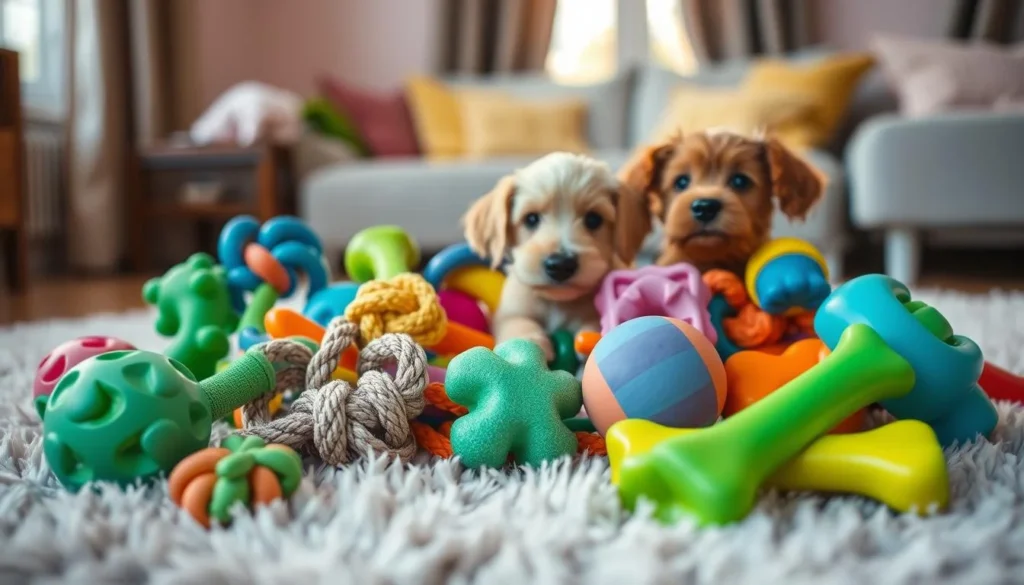
It's key to give puppies the right chew toys. When I introduce specific puppy chew toys, I help my pup learn what's okay to bite. This makes managing their mouthing easier.
Introducing Appropriate Chewing Items
Choosing the right toys is crucial for my puppy's happiness. Good chew toys can handle their chewing and keep their teeth clean. Rubber, plush, and natural chew items are great choices.
Offering different toys keeps my puppy interested and teaches them to chew right.
Redirecting Energy to Toys
If my puppy tries to bite hands or furniture, I quickly switch their attention to a chew toy. This encourages good behavior and lets them use up their energy. Giving them toys often helps them not bite human skin.
Having these toys nearby makes my puppy happier and more well-behaved.
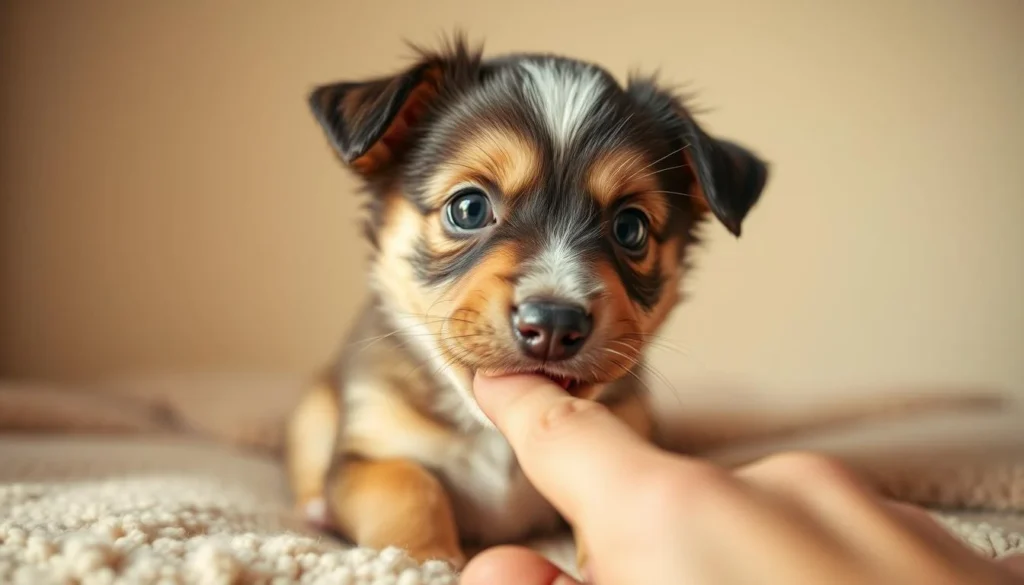
Preventing Problematic Puppy Biting Behavior
Setting clear rules and boundaries is key to stopping puppy biting. Puppies test their limits, so it's important to guide them. Playtime should be fun but also follow rules to avoid bad habits.
By saying no to certain behaviors, I keep my puppy safe. This way, I create a safe space for them to play.
Establishing Play Rules and Boundaries
Setting play rules greatly shapes my puppy's behavior. Key rules include:
- No rough play, which encourages biting.
- Encouraging gentle interactions with toys.
- Using commands to teach good behavior.
These rules help my dog know when play is too much. Sticking to these rules helps them learn what's expected during play.
The Role of Quiet Time
Quiet time is crucial for dogs to avoid biting. Puppies can get too tired or excited. Resting helps prevent them from biting.
Having a quiet space for my dog to rest helps a lot. It reduces the chance of them biting or mouthing things they shouldn't.
Understanding Your Dog's Body Language
It's key to know your dog's body language to spot aggression or discomfort early. Dogs show a lot through their posture, movements, and faces. By paying attention, I can understand what they're feeling and thinking.
This knowledge helps us all stay safe and have fun together. It's all about better communication between dogs and people.
Identifying Warning Signs of Aggression
Looking at dog body language, there are clear signs of aggression. These include:
- Dilated pupils
- Raised hackles (elevated fur along the back)
- Flattened ears against the head
- Excessive lip licking
These signs mean a dog might feel scared or too excited. Spotting them early helps prevent trouble. It keeps everyone happy and safe.
Decoding Playful vs. Aggressive Biting
Telling playful from aggressive biting can be hard. Playful biting is relaxed, with a wagging tail and happy barks. Aggressive biting is stiff, with growls and hard bites.
Knowing the difference is vital for good interactions. It ensures a safe and joyful place for all dogs. By being aware, we can build strong bonds between dogs and people.
Managing Exercises to Reduce Biting
Creating a routine of physical activities and mental games is key to less biting. Regular play helps puppies use their energy in good ways. Games like fetch or tug-of-war are fun and teach them boundaries.
This balance makes a positive space for both of us.
Engaging in Regular Playtime
Playtime is a way for puppies to release their energy. It's important to mix up activities that excite their senses and instincts. Chasing a ball or playing hide-and-seek are great ways to keep them busy.
These activities help reduce bad behaviors like biting. They also make our bond stronger.
Using Positive Reinforcement Techniques
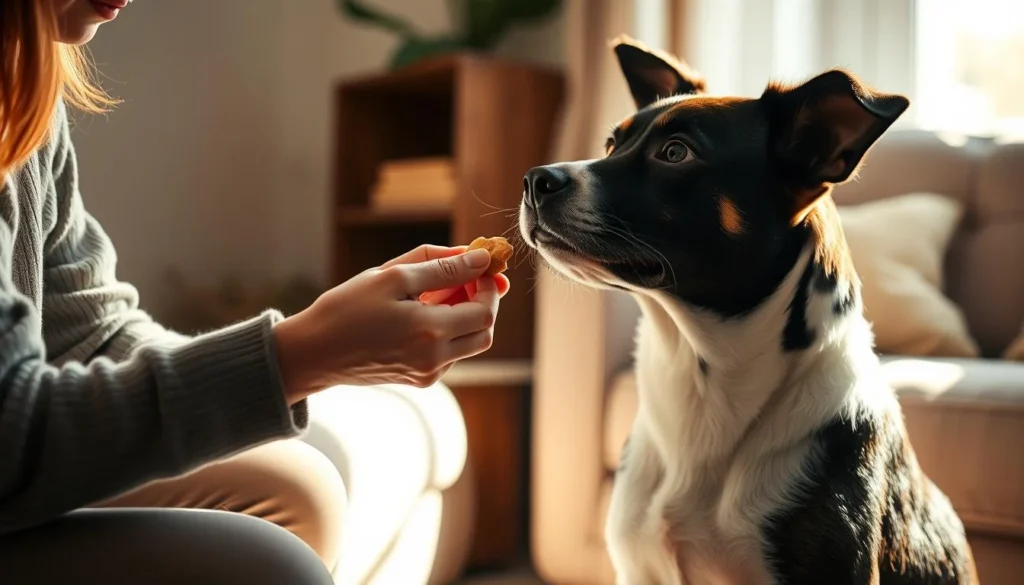
Positive reinforcement is a strong tool in training dogs. Rewarding your dog for good behavior during play strengthens your bond. Treats or praise for calm behavior teach them what's expected.
When to Seek Professional Help
It's important to know when my dog shows signs of biting problems. Sometimes, I see signs of aggression in dogs that mean they need special help. Spotting these signs early is hard, but it's key for a good relationship between my dog and others.
Getting help early can make training more successful.
Recognizing Signs of Potential Aggression
Some actions can mean a dog's aggression is more than play. Growling, snapping, and staring too long at something are signs. If I see these, it's time to talk to a pro.
Seeking professional help means getting advice that fits my dog's needs.
Finding Certified Professional Dog Trainers
Finding the right trainers is crucial for solving biting issues. I look for finding dog trainers who are CPDT or canine behavior specialists. They know how to tailor training for my dog's unique needs.
Common Mistakes to Avoid in Training
In my journey of training dogs, I've seen many common mistakes. One big issue is misunderstanding behavior. Puppies often play in ways that look like aggression. It's key to tell the difference to avoid scaring them.
Misinterpreting Behavior as Aggression
Seeing normal behaviors like biting as aggression is a common mistake. This can start a cycle of fear and anxiety. It makes training harder. It's important to understand your puppy's actions during this time.
Instead of seeing playfulness as aggression, guide them to better ways to show energy.
Avoiding Punishment-Based Training
Using punishment can make things worse. It can make dogs anxious and even worsen biting. Positive reinforcement is better. It builds trust and makes learning easier.
Training methods that reward good behavior help puppies learn without biting.
Incorporating Socialization into Training
Training dogs to avoid biting is all about socialization. I think putting my puppy in puppy classes is key. These classes are perfect for positive social experiences. They let puppies play with others while trainers guide them, teaching them how to be social.
The Importance of Puppy Classes
Puppy classes are vital for healthy dog interactions. They teach more than just commands; they focus on social skills too. Puppies learn to handle different situations through play, which helps them know what's right and wrong.
Organizing Playdates with Other Dogs
Playdates are another great way to socialize dogs. They meet with other friendly, vaccinated dogs in a calm setting. It's amazing to see my puppy grow confident and learn how to communicate with other dogs. Regular playdates help a lot in their learning and social growth.
| Activity Type | Benefits | Frequency |
|---|---|---|
| Puppy Classes | Structured interactions, learning obedience | Weekly |
| Playdates | Informal learning, practicing social skills | Bi-weekly or as needed |
Combining puppy classes with playdates makes a solid socialization plan. This mix helps my puppy's training and overall growth. It leads to better-adjusted adult dogs.
Long-Term Strategies for Biting Issues
Managing biting behavior in dogs needs a careful plan. A consistent routine helps with continuous training. It makes sure your pet learns good habits. Training should keep going throughout your dog's life.
Creating a routine helps your dog thrive. It should include training, play, and socialization. Doing these things every day helps your dog understand what's expected.
Building a Routine for Continuous Training
A good routine makes training fun and effective. Set times for training, play, and quiet time. This way, your dog learns in a natural way.
Mixing commands into daily activities makes your pet happier and better behaved.
Understanding Lifelong Socialization Needs
Socialization is a lifelong journey, not just a phase. Keep introducing your dog to new things, people, and animals. This keeps their behavior good and builds confidence.
Regular social outings make a big difference. My own dog became more confident and friendly because of it.
Creating a Safe Environment for Training
Creating a safe space for dog training is key for learning. I know that my dog's safety makes training better for both of us. Using tools like leashes and muzzles helps keep control and keeps the mood positive. This builds trust and security, letting my dog concentrate on learning.
Using Tools like Leashes and Muzzles
Leashes and muzzles are vital for keeping my dog safe during training. Leashes let me guide my dog during walks or training. They prevent my dog from running off or getting into trouble with other animals or people. Muzzles are useful in certain situations to keep my dog calm and safe, especially around strangers or other pets.
Adapting Home Spaces for Safe Play
Keeping my home safe for pets is important for a good training space. I make sure to have safe play areas in my home, away from dangers. Baby gates keep my dog out of risky spots, letting them play safely. Changing toys and giving them mental challenges keeps them busy and good, without biting.
Conclusion
Training a dog to not bite is a rewarding journey. It takes patience and consistency. I've learned how important bite inhibition, socialization, and positive reinforcement are.
Each method helps create a well-mannered dog. They learn how to interact properly.
Reflecting on the strategies, I see that not all situations can be solved alone. Getting professional help can make a big difference. It helps improve my dog's learning and strengthens our bond.
Creating a safe and loving environment is key to effective training. By using these strategies, I'm not just stopping puppy biting. I'm also making my dog happier and more balanced.
The effort and understanding needed will lead to big behavioral improvements. This is the conclusion on puppy biting.