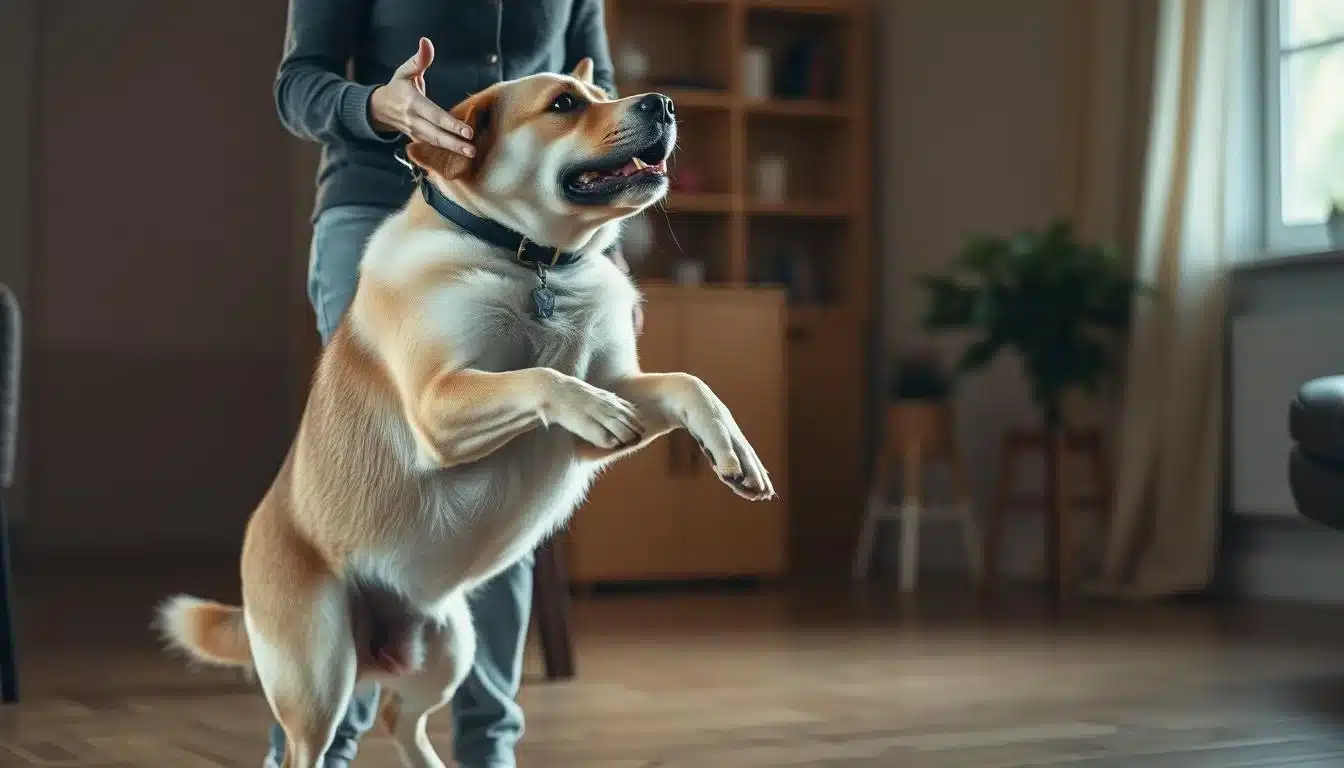
When I first got my dog, I was full of excitement and love. But, I soon found out that his jumping up on people was a big challenge. Dogs often jump up because they want attention and are naturally curious.
I remember how my guests would look surprised when my dog would jump up to greet them. That's when I knew I had to teach my dog not to jump on people. I wanted to make our home a safer and more welcoming place for everyone.
Teaching your dog not to jump is more than just about being polite. It's about making sure everyone feels safe, especially kids and the elderly. By using consistent training and understanding why dogs jump, we can teach them better ways to say hello. This journey is filled with patience, love, and the joy of seeing our dogs do well in social situations.
Key Takeaways
- Understand the reasons behind your dog's jumping behavior.
- Create a safer environment for all guests, especially vulnerable individuals.
- Utilize consistent and positive training methods.
- Focus on building a calm greeting routine with your dog.
- Be persistent and patient, as progress takes time.
Understanding Why Dogs Jump Up
Dogs jumping up is a common and often misunderstood behavior. Many owners see their pets jump to greet them. This comes from natural instincts and learned behaviors. Knowing how dogs behave helps us train them better.
The Natural Canine Behavior
Dogs naturally want to engage with their surroundings. Jumping shows their excitement and eagerness. It lets them reach eye level with people, making social interaction easier.
By jumping, dogs show their enthusiasm and want to connect. This behavior is a natural part of their nature.
Seeking Attention and Reinforcement
When dogs jump, they usually get attention, whether it's positive or negative. Humans often laugh or pet them, which makes them jump more. Dogs learn quickly and think jumping gets them what they want.
Creating a clear plan is key to training a dog not to jump. It helps manage their instinctive behavior better.
Risks Associated with Jumping
Dogs jumping can be dangerous for themselves and others. It's important to understand the risks to tackle this behavior. Both the person and the dog can get hurt, making training urgent.
Potential Injuries to People
Jumping can hurt people, especially kids or the elderly. A dog's sudden jump can make someone lose their balance. This can cause falls or other accidents. It's crucial to keep everyone safe and in control.
Damage to Clothing and Personal Space
Jumping isn't just about physical harm. It can also invade personal space. Dogs with dirty paws can ruin clean clothes, upsetting guests. This shows why it's key to manage jumping behavior.
Management Strategies for Jumping Behaviors
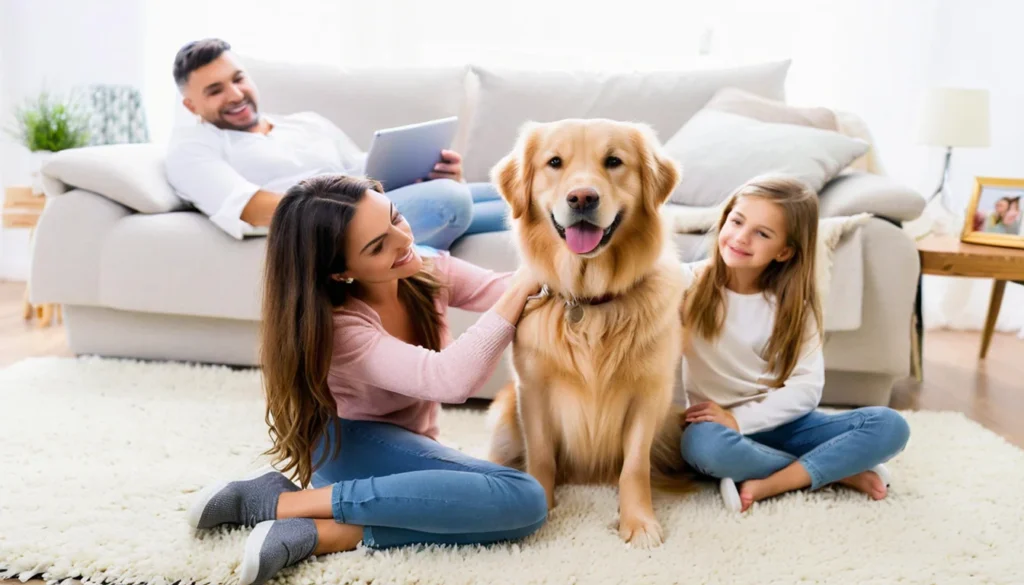
Managing dog behavior is key, especially when visitors come. Setting up strategies before guests arrive helps a lot. It makes sure everyone has a good time.
Controlling Situations before Guests Arrive
Before guests arrive, there are a few things you can do. Crate training is a great idea. It gives your dog a safe place to be while guests come in.
This helps keep your dog calm and stops them from jumping. You can also keep your dog in a separate room. This reduces distractions and stops bad behavior.
Using leashes at the door is another good idea. It lets you control your dog's actions and teach them how to greet guests right.
Using Leashes and Crates Effectively
Leashes and crates are very helpful in managing your dog's behavior. When guests arrive, put your dog on a leash. This lets you control their movements and teach them good manners.
If your dog is crate trained, they'll feel safe in it. It's a great way to stop them from jumping when it's needed. Using these methods regularly helps keep your home calm and jumping-free.
Training Alternatives to Jumping
Looking for ways to stop your dog from jumping can be very rewarding. Using commands like the sit command helps make a clear rule. It not only cuts down on jumping but also teaches my dog to greet others nicely.
Teaching 'Sit' as a Greeting Command
Teaching my dog to sit is a top alternative training method. When they sit, they get praise or treats. This teaches them that sitting is good and jumping is not.
It's amazing to see how fast they pick up this skill. It makes our interactions much easier and more enjoyable.
Incorporating 'Four on the Floor'
Along with the sit command, I use the four on the floor method. This means my dog gets treats for keeping all four paws on the ground. It teaches them to stay calm and reduces jumping.
Every time they stay grounded, they get a treat. This encourages them to keep doing it. With regular practice, jumping becomes less common.
Training a Dog Not to Jump Up on People
Effective dog training starts with knowing what we want to achieve. Setting clear goals is key to success. When teaching a dog not to jump, defining these goals is crucial.
Knowing what behaviors to reinforce helps create a solid training plan. This makes the process easier and more effective.
Establishing Clear Training Goals
When setting training goals, I aim for specificity and measurability. For instance, I want my dog to stay seated when greeting someone. This clarity keeps me focused and provides a clear success benchmark.
Dogs do best when they know what actions earn rewards. This clarity helps them understand what's expected.
Utilizing Positive Reinforcement Techniques
Positive reinforcement is central to my training method. I use treats and praise to encourage good behavior. For example, if my dog stays calm and doesn't jump, I reward them right away.
This creates a strong link between calm behavior and rewards. With regular practice, my dog learns that staying calm is rewarded. This is a key part of effective dog training.
Practicing with Familiar People
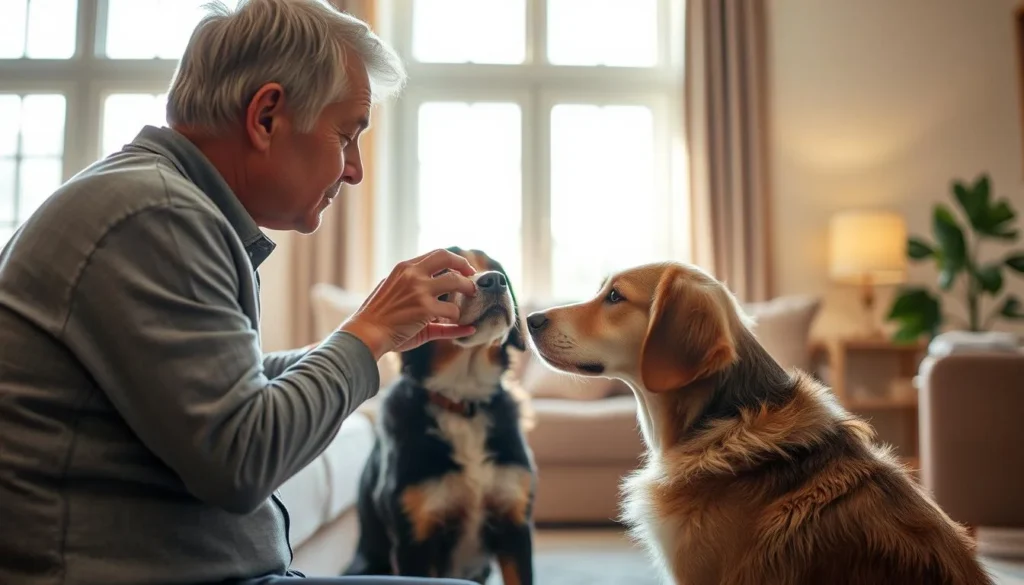
To train my dog not to jump on people, I start with practice sessions with friends. This makes my dog feel safe and confident. Friends help reduce my dog's anxiety, making it easier to learn commands.
Building Confidence in a Controlled Environment
In a controlled environment training, my dog learns to handle excitement. I ask friends to greet my dog calmly, showing the right behavior. This helps my dog understand how to act in real situations.
Using High-Value Rewards
Using high-value rewards for dogs makes training fun. I give treats or toys for good behavior. This way, my dog learns that calm behavior is rewarded, making training a positive experience for both of us.
Creating a Calm Greeting Routine
Setting up a calm greeting routine is key for good interactions between my dog and visitors. Keeping things low-key helps keep the atmosphere relaxed. When I don't make a big deal at greetings, my dog stays calm too.
Keeping Greetings Low-Key
I aim for calm energy at first meetings. I greet guests quietly and wait for my dog to calm down before eye contact. This tells my dog that jumping isn't needed for attention. These calm interactions make my dog feel secure and teach them to stay calm.
Ignoring Jumping Behaviors During Greetings
Ignoring jumping is crucial. Reacting to it makes it worse. Instead, I ignore the jumping by turning away or staying still. My dog learns that calm greetings get attention, while jumping doesn't.
Following these steps, I'm sure my dog will greet calmly. This makes every meeting enjoyable for all.
Gradually Introducing New People
After working with familiar faces, introducing new people to dogs is the next step. This is key for their growth and comfort in social situations. I take it slow to make sure the dog gets used to new faces without feeling stressed.
This approach helps them ease into social interactions smoothly. It keeps their training on track.
Using Familiar Faces to Help With Training
Using familiar faces helps a lot when introducing new people to dogs. When a dog knows and trusts certain people, it's easier for them to meet new ones. I get those familiar faces to help in controlled meetings.
This not only makes the dog feel safe but also encourages them to be friendly with new people.
Slowly Easing Into Social Situations
When introducing new faces, I make sure it's easy for the dog. I keep the first meetings short and relaxed. This lets the dog get used to new people at their own speed.
I also keep calm and reward good behavior. This builds their confidence in being around others.
Using Toys and Treats During Training
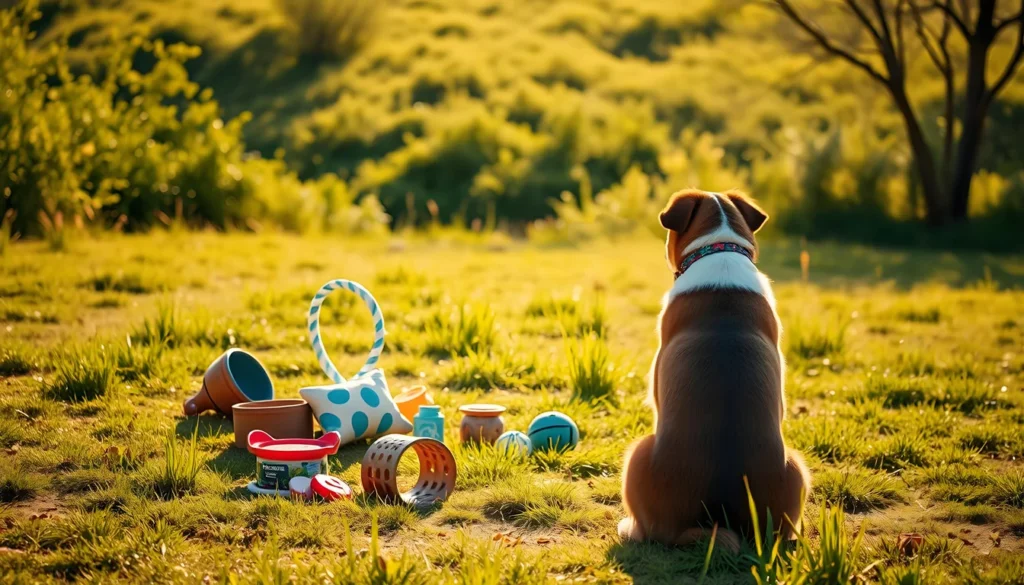
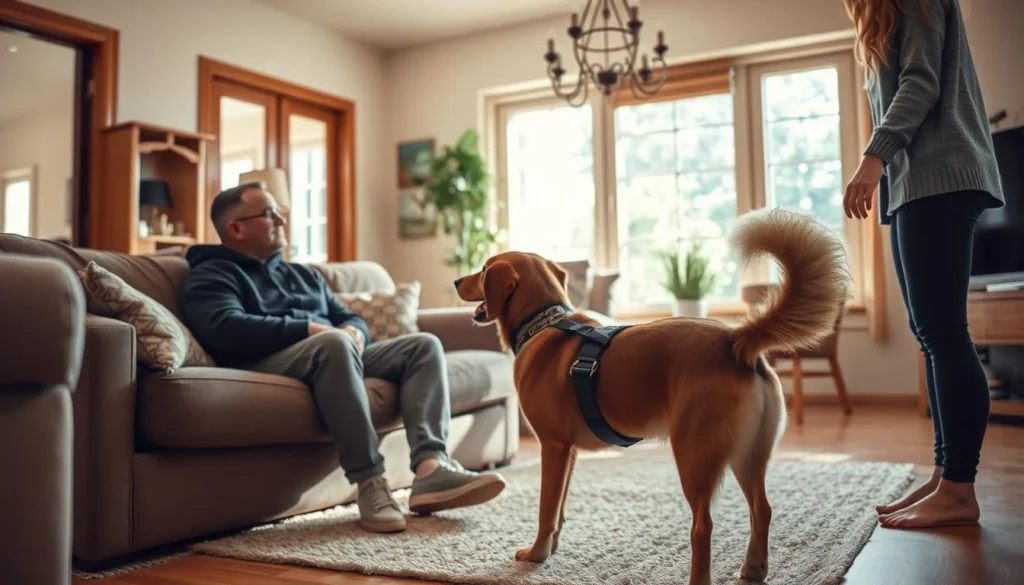
Using toys and treats in training is key to managing my dog's jumping. Toys help keep my dog's focus positive, especially when guests arrive. Rewards during training make good behavior more likely to happen again.
Distracting with Rewards at Greetings
When guests come over, I use treats to keep my dog calm. I throw treats on the ground to distract from jumping. This teaches my dog that staying calm gets rewards, making greetings more fun and controlled.
Throwing Treats to Keep Focus Away from Jumping
Throwing treats when guests arrive is another great trick. It keeps my dog's attention on the treats, not on jumping. This teaches my dog to be calm, making greetings more enjoyable for everyone.
Training on Walks and Public Situations
Going out in public with my dog can be tricky. People often don't know the commands I use or what I expect from my dog. But, with some preparation, we can have a good time and make others happy too.
Managing Interactions with Strangers
Being aware is key when we're out with my dog. I watch for strangers and guess how my dog will act. Keeping my dog at a safe distance helps everyone feel less stressed.
If someone wants to talk to my dog, I wait until they're calm. This way, we all have a better time.
Using Commands to Navigate Encounters
Using clear commands is very important when we're out. Saying "sit" or "stay" helps keep things under control. I practice these commands a lot so my dog knows what to do.
Using treats or praise makes these moments fun. And, being ready to change the subject helps my dog stay focused in public.
Reinforcing Good Behavior Consistently
Teaching dogs good behavior is key, and a routine is essential. Everyone must be on the same page. This consistency helps my dog feel secure and learn faster.
Ensuring Everyone Follows Training Rules
It's important for family members to talk about dog training rules. If rules change, it confuses dogs. We all need to agree on how to train to avoid confusion.
Staying Consistent to Build Strong Habits
Consistency is crucial for lasting results. Regular training times help make good behavior a habit. I reward my dog right away to make the connection clear.
Sticking to this routine, even with distractions, is key. With time and effort, my dog's behavior improves greatly.
Patience and Persistence in Training
Training a dog takes a lot of effort and time. It's important to remember that dogs learn at their own pace. Some dogs learn fast, while others need more time.
This journey of learning has its ups and downs. It shows how crucial patience is in dog training.
Understanding each dog's personality and needs is key. Changing training methods as needed helps both the trainer and the dog. A flexible approach makes the learning environment supportive and safe.
Common Training Mistakes to Avoid
Training a dog can be very rewarding. But, it's important to avoid common mistakes. Keeping training consistent helps your dog understand what you expect. Without consistency, your dog might get confused and struggle to learn.
Not Being Consistent with Rules
Inconsistent training can really slow down progress. If I sometimes let my dog jump up, they might think it's okay all the time. To avoid this, I always follow the same rules. This makes training more effective and helps my dog learn faster.
Allowing Exceptions to Jumping Rules
It's easy to want to let my dog jump up on special days. But, making exceptions messes up training. Each time I relax the rules, I confuse my dog. Staying consistent helps my dog learn the right behaviors and reduces jumping.
Conclusion
Training a dog not to jump up on people is doable for many pet owners. The key is to be consistent and patient. This approach leads to the best results in training your dog.
Understanding the importance of proper dog behavior is crucial, especially in social situations. Techniques like rewarding calmness or using commands during greetings help. They teach our dogs what's expected of them in different scenarios.
My experience shows that a well-trained dog makes life better for everyone. With time and effort, we can change jumping into gentle greetings. This makes every meeting with our furry friends a joy.