Welcoming a puppy into my home was a joyful moment. It was filled with laughter and warmth. But, it also brought an unexpected challenge: biting.
Whether it was playful nibbles or unexpected nips, I felt a whirlwind of emotions. I learned that understanding why puppies bite is key to stopping it. My journey has shown me valuable tips to stop puppy biting. I'm excited to share them with you.
Together, we can turn those energetic, biting puppies into gentle companions. They will understand boundaries.
Key Takeaways
- Understand the reasons behind puppy biting to address the behavior effectively.
- Implement effective puppy training techniques to navigate biting challenges.
- Establish clear boundaries while emphasizing positive behavior.
- Utilize redirection to chew toys to keep your puppy engaged.
- Maintain patience and consistency in training for long-term success.
Understanding Why Puppies Bite
As a new puppy owner, I quickly learned that understanding puppy behavior is key. Puppies use their mouths to explore and interact with their world. This often shows up as biting or mouthing, especially during play.
Recognizing this helps in using the right tips for biting puppies. It also helps in fostering positive interactions.
Puppy Play Behavior
Puppies are naturally playful, which means they often bite during play. This biting is a way for them to communicate and explore. It's important to understand this phase for effective behavior modification.
Setting boundaries while still allowing play is crucial. This helps puppies learn what is acceptable.
The Teething Stage
Teething puppies chew on everything between 12 weeks and 6 months. This is because they are trying to ease the discomfort of new teeth. Giving them chew toys can help satisfy their urge to bite.
Knowing about this phase helps manage biting behavior better.
Tips to Stop Puppy Biting
Learning how to stop puppy biting is key for dog owners. Understanding bite inhibition and teaching gentle mouthing helps my puppy behave well. This ensures positive interactions with others. Here are some tips to help.
What is Bite Inhibition?
Bite inhibition lets puppies control their bite strength. It's vital for their social growth. Teaching my puppy to be gentle helps avoid painful bites later. This skill is important for play and interactions with people and dogs.
Importance of Gentle Mouthing
Teaching gentle mouthing is crucial in puppy training. I can use several methods to encourage this, such as:
- Playing games that promote light nibbling, not hard biting.
- Stopping play if my puppy bites too hard.
- Using toys instead of my hands during play.
With regular practice, my puppy learns the importance of being gentle. This lays a solid base for good social behavior.
Encouraging Positive Behavior
In my journey of effective puppy training, I've found that promoting positive behavior is vital. It makes for a happy and well-adjusted pet. Positive reinforcement techniques are especially beneficial. They reward the behaviors I want to see more often, making it clear to my puppy.
Using Positive Reinforcement
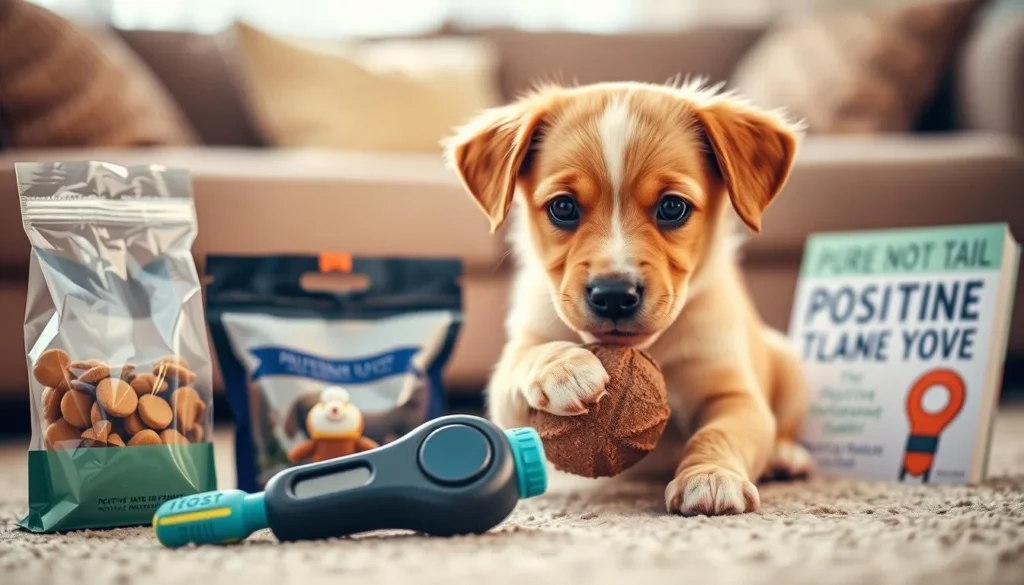
Positive reinforcement happens when I reward my puppy for good behavior. This includes staying calm or avoiding mouthing. By offering treats, praise, or affection, I help solidify this positive behavior in their mind.
This method not only shapes actions but also strengthens our bond. It makes training a fun and collaborative experience.
Rewarding Calmness
Whenever my puppy shows calmness or gentle behavior, I reward them immediately. Whether it's a tasty treat or enthusiastic verbal praise, these moments are key. They become opportunities for effective puppy training.
Consistency is key in this practice. It helps my puppy clearly understand which behaviors I appreciate. This encourages them to repeat those actions in the future.
Redirecting Puppy Biting
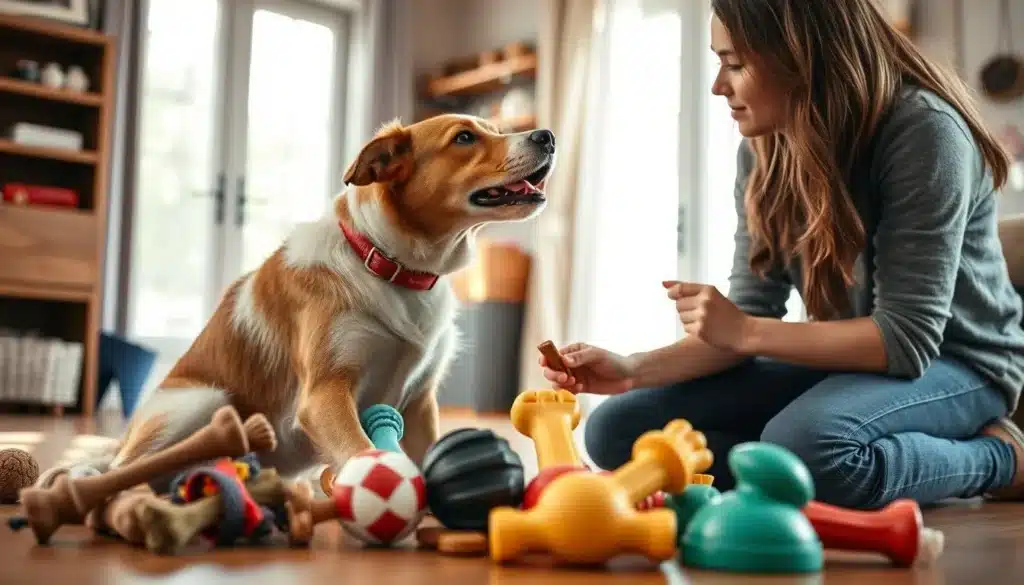
When my puppy bites, it's important to teach him what's okay to chew. Offering chew toys is a great way to do this. It helps lower biting and teaches him to play with the right things.
Offering Chew Toys
Having safe and fun chew toys is crucial. I choose different textures and sizes to keep him interested. If he bites my hands or furniture, I give him a chew toy instead. This teaches him that toys are for biting, not fingers.
Substituting Hands for Toys
When my puppy wants to play, I use toys instead of my hands. This teaches him what's okay to bite. Using toys during play helps him learn good habits and become a well-adjusted pet. It also helps him play with the right things.
Using Time-Outs Effectively
Time-outs are great for teaching puppies not to bite too hard. They help my puppy learn that biting means losing playtime. This teaches them what's okay and what's not.
A good time-out helps a lot with training. It shows my puppy what's expected of them.
Implementing a Time-Out Procedure
To use time-outs right, I follow some key steps:
- Know which behaviors need a time-out.
- Choose a quiet, calm spot for time-outs.
- Start the time-out right after the bad behavior.
- Time-outs should be short, 2-5 minutes.
- Play again when the puppy is calm, to show positive play.
How to Use Crates for Time-Outs
Crates are good for time-outs too. But, I make sure my puppy sees the crate as safe and cozy. When he bites too much, the crate helps him relax.
Keeping the crate time short and making sure he feels safe is key. This way, I teach him without making him scared or upset.
Playing It Safe: Discouraging Biting
It's important to know what makes a puppy bite. This could be excitement or frustration. Knowing these triggers helps me train my puppy better. I set clear rules to teach them what's okay and what's not.
Being consistent is key. It helps my puppy learn and remember the rules. This way, they know what's expected of them.
Understanding and Avoiding Triggers
Knowing what triggers biting helps prevent it. High energy or too much stimulation can be triggers. I watch my puppy closely to spot these moments.
If my puppy bites when visitors come, I keep them calm. This helps my puppy learn to handle new situations better.
Establishing Clear Boundaries
Setting clear rules is crucial for good puppy behavior. I teach my puppy that biting is not allowed during play. If they bite, I gently show them a toy instead.
This teaches them to choose the right thing to chew on. Over time, they learn to interact better, biting less.
The Power of Socialization
It's important to introduce my puppy to social activities like playdates and puppy classes. These experiences help him interact with other dogs and learn important skills. They also help reduce bad behaviors, like biting.
Benefits of Puppy Playdates
Puppy playdates are great for my furry friend. Here are some key benefits:
- Learning Social Skills: Playing with other vaccinated dogs teaches my puppy how to play right and control his mouth.
- Energy Release: Playtime helps my puppy use up his extra energy, making him calmer at home.
- Confidence Building: Meeting different dogs helps my puppy feel more confident and less anxious in new places.
Enrolling in Puppy Classes
Puppy classes offer a structured setting for learning and socializing. I've seen how they've helped my puppy in many ways:
- Structured Learning: Classes teach important commands and manners, which can stop bad biting habits.
- Socialization Opportunities: Being around other puppies makes my puppy feel less nervous and encourages good interactions.
- Expert Guidance: Trained professionals teach me how to socialize and train my puppy effectively.
Using Aversive Techniques Wisely
Using aversive techniques for puppy behavior can be tricky. These methods might be needed to stop bad habits. But, they must be used carefully to avoid making my puppy scared or aggressive.
Safe Deterrent Options
Safe deterrents can be a good choice. For example, bitter apple spray can protect furniture and toys from chewing. By spraying these items, my puppy learns what not to bite.
It's important to introduce these methods gently. This way, they work well with positive reinforcement, showing what good behavior is.
Keeping Puppy Away from Off-Limit Items
It's key to make a safe space for my puppy. Setting clear boundaries helps him know what's off-limits. This helps with training and makes him feel secure.
I use barriers like baby gates to block access to certain areas. When he tries to go there, I gently correct him. This balanced approach helps with effective training.
Recognizing the Signs of Aggression
Understanding puppy behavior can be tough. It's hard to tell when play turns into aggression. Knowing when my puppy is getting too rough is key to keeping us both safe.
Differentiate Between Play and Aggression
Watching my puppy closely is important. Playful signs include barking, playful nipping, and big movements. But aggression shows up differently, like:
- Stiff body posture
- Low growling
- Bared teeth
- Direct stare with no blinking
Spotting these differences helps me act fast. This way, we can keep playtime fun and safe.
Understanding Puppy Temper Tantrums
Puppies can get upset and throw tantrums. They might yell, jump, and bark a lot. They might even nip at others or toys.
Seeing these signs lets me calm down and teach my puppy better ways to behave. With patience, we can both feel better.
Maintaining Patience in Training
Patience is key in my puppy training journey. When my puppy bites, it tests my patience. I remember that excitement can lead to frustration. But staying calm helps us communicate better.
My puppy senses my mood. A calm me means a stronger bond. This is crucial in our training.
I focus on being consistent and understanding. Every positive response from my puppy reinforces what I teach. It's vital that he feels calm and clear.
Patience makes learning easier. By following my tips to stop puppy biting, I use a steady and gentle method. This helps us both grow together smoothly.
Providing Adequate Mental and Physical Stimulation
To make a happy home for my puppy, it's key to give him enough mental and physical play. Keeping him busy and active helps in training him. Playing with different toys and activities keeps him happy and focused, stopping him from biting.
Ensuring a Varied Toy Selection
Having a wide range of toys is great for my puppy's brain. I pick toys that make him think and play interactively. Changing his toys often keeps them fun and interesting. Some good choices are:
- Chew toys made of durable rubber
- Interactive puzzle toys with hidden treats
- Soft toys that promote gentler play
Daily Exercise and Engagement
Daily walks and playtime are crucial for my puppy's health. Activities like fetch or tug-of-war keep him fit and strengthen our bond. Regular exercise also reduces the risk of him biting due to boredom.
Common Mistakes to Avoid
Training a new puppy can be tough, even for those who have done it before. One big mistake is how we discipline them. It's key to find the right balance between discipline and punishment to build trust.
Effective Discipline vs. Harsh Punishment
Some think harsh punishment is needed to stop biting. But this can make my puppy scared and anxious, making the problem worse. Instead, I should use consistent, positive methods to guide my puppy's actions.
Consequences of Inconsistent Training
Using different training methods can confuse my puppy. This makes it hard for them to know what's right. To avoid this, I need a clear, structured plan. This helps my puppy learn faster and do better.
When to Seek Professional Help
Knowing when to ask for help is key to my puppy's training. If my puppy keeps biting, even after trying many training methods, it might mean there's a deeper issue. In such cases, getting expert advice is crucial.
Identifying Signs of Behavioral Issues
There are clear signs that a puppy might need professional help. If my puppy is often aggressive, shows extreme fear, or keeps biting, it's time to act. These behaviors could point to deeper problems, making it important to seek guidance.
Finding a Certified Professional Dog Trainer
When searching for a dog trainer, look for one who uses positive methods. An experienced trainer can greatly help with my puppy's issues. Working with a skilled trainer teaches me how to modify my puppy's behavior effectively.
Understanding Puppy Behavior Modification
Puppy behavior modification is about changing bad habits into good ones. It's about setting up a routine that teaches and helps my puppy learn. By mixing training into their daily life, they learn what's okay and what's not, especially about biting.
Using Behavior Techniques to Modify Actions
Using certain techniques can really help cut down on bad puppy behaviors. Things like positive reinforcement help my puppy want to do the right thing. Knowing different methods lets me adjust training to fit my puppy's personality. This is key to making positive changes.
Incorporating Training into Daily Life
Putting training into our daily routines gives lots of chances to practice good behavior. Every moment can be a chance to teach my puppy better ways to act. For example, praising them during play or giving them toys instead of hands helps a lot. Over time, these actions become second nature, and my puppy bites less.
The Importance of Supervision
Supervising a puppy is key to their safety and happiness. Watching them closely helps me catch and stop any bad biting. This way, my puppy gets along better with everyone around him.
Watching Interactions Between Puppy and People
It's important to see how my puppy acts with others. This includes kids and new people. If things start to go wrong, I can step in fast. This helps avoid bites and makes sure my puppy has good social times.
Puppy-Proofing Your Home
Keeping my home safe for my puppy is also crucial. I remove dangers and pick out areas for him to play. This keeps him from getting hurt and helps him learn in a safe place.
Conclusion
Stopping puppy biting needs patience, understanding, and good training. I've learned to see why puppies bite, which helps a lot. Knowing about teething and play helps me teach my puppy better.
Using positive rewards has really helped. When my puppy is calm or plays right, I give them treats. This builds trust. Also, playdates and puppy classes help my puppy get along better with others, reducing biting.
The goal is a happy, respectful relationship with my puppy. With patience, good training, and understanding, we're getting there. These tips are key for a lifelong friendship with my puppy.