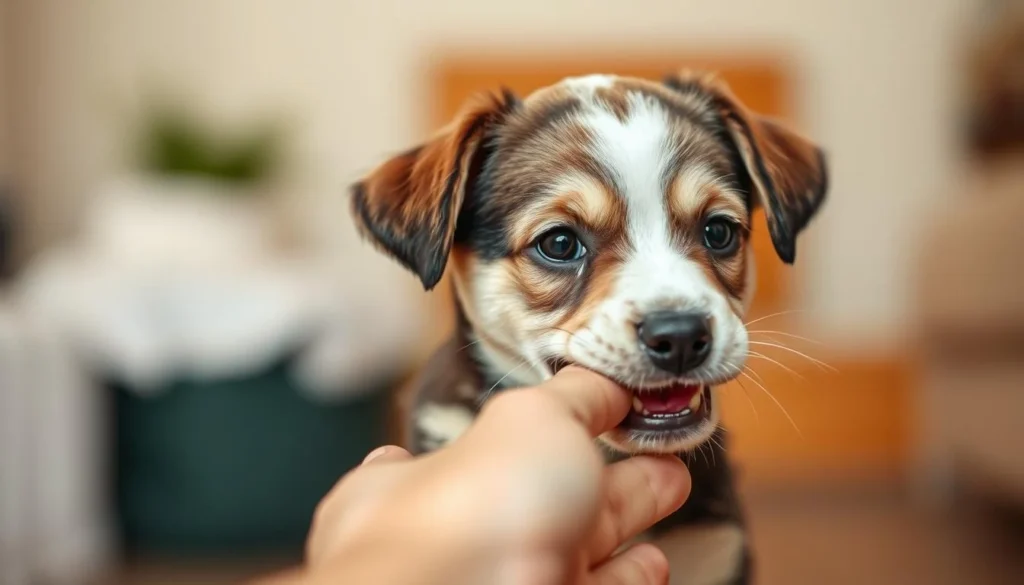
Bringing a puppy home is a joy, but it comes with challenges. Watching my puppy playfully nip at my fingers was both funny and worrying. Puppy biting is natural, but teaching them boundaries is key.
The best approach is patience, love, and the right training. In this article, I'll share how to teach your puppy not to bite. This ensures a happy home for everyone. Let's start this journey and make a safe space for your puppy!
Key Takeaways
- Understanding your puppy's mouthing behavior is crucial.
- Positive reinforcement is an effective training method.
- Recognizing the difference between normal mouthing and biting is essential.
- Socialization plays a key role in reducing biting tendencies.
- Establishing gentle play rules helps foster appropriate behavior.
- Consider professional training if problems persist.
Understanding Puppy Behavior
Puppy behavior training begins with knowing how puppies interact with their world. They use mouth play to explore and learn. This includes biting, chewing, and mouthing as they figure out their surroundings and social cues.
It's key to recognize these behaviors to prevent unwanted mouthing. This helps in teaching them right play habits.
The Importance of Mouth Play
Mouth play is a natural way for puppies to release energy and curiosity. It helps them develop muscle coordination and learn. By letting them mouth-play, we support their growth while keeping them safe.
Setting limits on mouth play teaches them what's okay. This helps prevent unwanted biting.
Puppies Like to Use Their Mouths
Puppies naturally want to use their mouths. They try out different textures and shapes, learning about their world. This might sometimes lead to chewing, but it's a vital part of their growth.
Knowing this helps me guide them to good behaviors. It ensures their natural instincts are respected.
What is Bite Inhibition?
Bite inhibition is key in a puppy's growth. It's about controlling how hard they bite. This skill is important for playing with humans and other animals.
When playing with littermates, puppies learn to be gentle. They get feedback if they bite too hard, like a yelp. This teaches them to be careful, especially with humans.
Definition of Bite Inhibition
Bite inhibition is when a puppy learns to play gently. They understand that human skin is sensitive. Without this skill, a playful nip can turn into a serious injury.
Why Is Bite Inhibition Important?
Bite inhibition is vital for many reasons. It helps a puppy play nicely with other dogs, avoiding aggression. It also prevents injuries when a puppy needs to defend itself.
Teaching a puppy not to bite too hard early on is crucial. It sets them up for being a well-behaved dog as an adult.
Best Way to Teach a Puppy Not to Bite
Teaching a puppy not to bite is a mix of positive methods and clear rules. These strategies help create a positive learning space. They also strengthen the bond between puppy and owner.
Using Positive Reinforcement Techniques
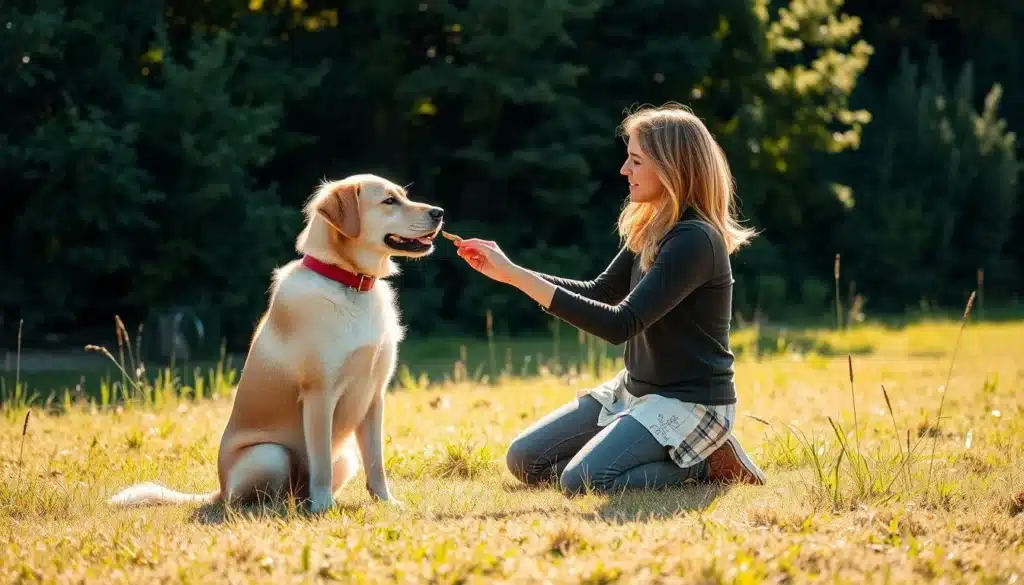
Positive reinforcement training is key. I reward my puppy for good behavior, not punish for bad. Treats, praise, or gentle petting are used when they play softly.
For example, if they play nicely, I give them a favorite toy. This shows them that good behavior is rewarded. It turns stopping puppy biting into a positive experience.
Establishing Gentle Play Rules
Clear rules for play are essential. I tell my puppy when their play is too rough by stopping. This pause teaches them that biting ends play.
To encourage gentle play, I use specific commands. These commands help my puppy know when to calm down or play with a toy. This makes playtime fun without biting.
Recognizing Normal Puppy Mouthing
It's key to know the difference in puppy behavior for good training. Puppies use their mouths to explore, which is normal. But, it's important to tell the difference between playful mouthing and signs of aggression or discomfort.
The Difference Between Mouthing and Aggression
Don't confuse normal mouthing with aggression. Playful biting is light and relaxed. Aggression shows through growling, stiff body, or tense posture. Knowing these signs helps my puppy learn right behavior and stay safe during play.
When to Allow Some Biting
Light mouthing is part of training. It teaches my puppy to control their bites. I watch for when it gets too hard or long, then it's time for a break or a chew toy.
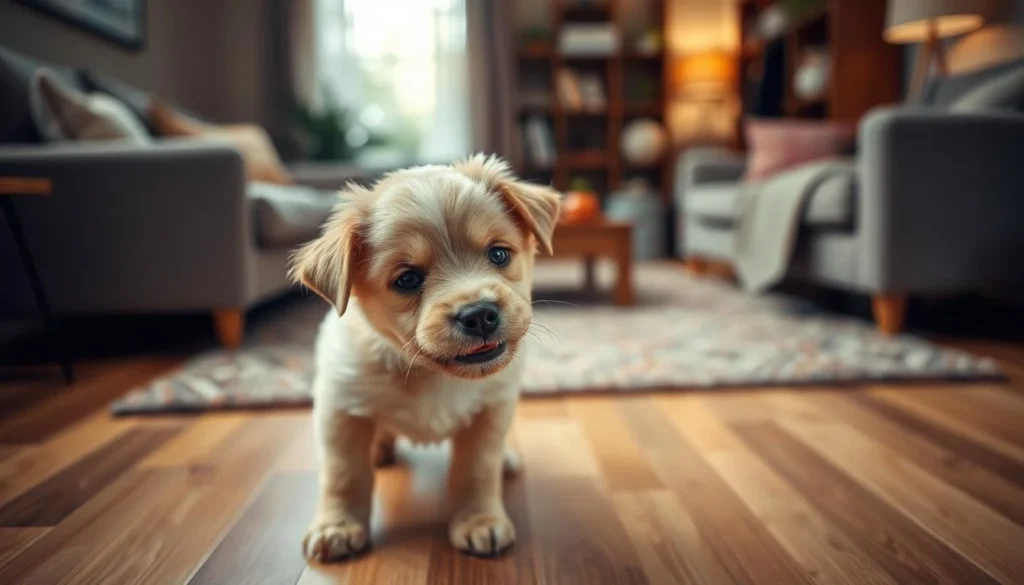
In short, knowing normal puppy behavior and mouthing is crucial for good training. Watching these moments helps me set healthy limits and raise a well-adjusted dog.
Teaching Effective Puppy Bite Inhibition Methods
Learning how to play with your puppy in a responsible way is key. Playing in a way that promotes good behavior is best. If your puppy bites too hard, it's important to stop play right away.
How to Play Responsively
Playtime should always be positive. Paying attention to your puppy's actions helps you react when they bite too hard. If they start biting harder, stop the game right then.
This teaches them that hard bites mean no more play. It's a great way to teach them about the right way to mouth during play.
Responding to Hard Bites with Yelps
Using yelps to react to hard bites works well. It's like telling them playtime is over. This sound tells your puppy that biting too hard is not okay.
After a few times, they learn to bite softer. This method is part of a bigger plan to teach them about biting. It keeps training fun and effective.
| Response Method | Description | Effectiveness |
|---|---|---|
| Stop Play | Cease playtime immediately after a hard bite. | High |
| High-Pitched Yelp | Use a yelp to imitate a negative reaction from a playmate. | Medium to High |
| Redirect to Toys | Encourage biting on appropriate chew toys instead. | High |
Substituting with Chew Toys
In my experience with puppy biting training, having many chew toys around is key. These toys keep puppies entertained and teach them not to bite people. When my puppy bites, I show them a toy instead. This teaches them that toys are for biting, not hands or feet.
Using the right puppy training techniques helps them learn to bite correctly. This makes training easier and faster.
Keeping Puppy Chew Toys on Hand
Having lots of chew toys ready helps my puppy learn good chewing habits. Some top picks include:
- Rubber toys
- Dental chews
- Stuffed toys
- Rawhide alternatives
With these toys always available, my puppy is less likely to chew on things they shouldn't.
Redirecting Biting Behavior to Toys
Redirecting is key in puppy biting training. When my puppy bites, I give them a chew toy instead. This teaches them that biting is okay with toys, but not with people.
This method makes training fun for both of us. Over time, my puppy learns to bite only toys. This shows they understand what's right and wrong.
Implementing Time-Outs for Bad Biting
Time-outs are a great way to stop puppies from biting too much. They show that biting means no more fun. When I take my puppy away from play, they learn biting is wrong.
Understanding the Time-Out Procedure
Time-outs mean taking my puppy away from play briefly. I take them to a quiet spot with no distractions. This lets them think about their actions. It's a key way to teach them not to bite.
When to Apply a Time-Out
I use a time-out right after my puppy bites. If they bite hard or keep mouthing, I act fast. This teaches them biting has consequences. Being consistent helps them understand biting means no play.
Encouraging Non-Contact Play
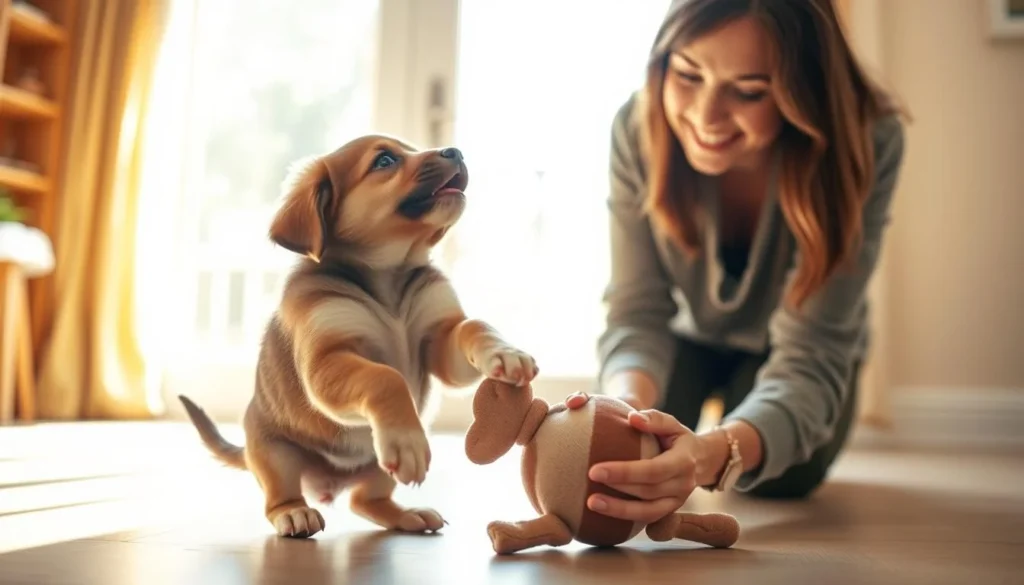
Playing without touching is a great way to train puppies. Games like fetch and tug-of-war are fun and safe. They help puppies use their energy in a good way.
Playing Fetch and Tug-of-War
Fetch and tug-of-war are good for stopping puppies from biting. Fetch lets puppies run after toys, which helps them learn to bring things back. Tug-of-war is a way for puppies to play hard without biting.
I take the toy away if my puppy gets too rough. This keeps playtime safe and fun.
Benefits of Non-Contact Play
Non-contact play keeps puppies busy and helps them focus. These games are structured and reduce biting urges. When puppies learn to play without biting, they behave better at home and outside.
Socializing Your Puppy
Socialization is key for a puppy's growth. Meeting other dogs in a safe place helps them learn important social skills. Puppy classes offer great chances for them to interact and learn.
The Role of Interaction with Other Dogs
Meeting other dogs teaches my puppy about play and boundaries. They learn from watching how others play and respect space. This early learning helps avoid future behavior problems.
Benefits of Puppy Classes for Socialization
Puppy classes are very beneficial. They provide a safe space for my puppy to practice social skills. Here are some main benefits:
- Structured Learning: Classes teach my puppy how to handle different social situations.
- Confidence Building: Playing with others boosts my puppy's confidence and encourages good behavior.
- Expert Guidance: Trainers share tips on how to handle various social situations.
- Peer Learning: Dogs learn from each other. Watching others helps them understand social norms.
Understanding Puppy Temper Tantrums
Knowing how to read your puppy's behavior is key to training them well. Puppies, like young kids, can get upset and throw tantrums when they're overwhelmed. Spotting these moments helps me manage my puppy's feelings and steer them towards good actions.
Identifying the Signs of a Tantrum
When my puppy is upset, I can tell by certain signs. Here are a few:
- Stiff Body Language: My puppy might look tense, showing they're not comfortable.
- Growling: Growling means my puppy feels scared or upset.
- Intense Biting: Aggressive biting during play or handling shows they're too excited.
These signs often happen during play or when they feel their space is invaded. Knowing these signals lets me quickly change the situation. This helps my puppy stay calm and enjoy positive interactions.
Preventing Unwanted Biting Behavior
Understanding my puppy's energy levels is key to stopping unwanted biting. High energy often leads to biting. So, it's important to keep them active and mentally challenged all day.
Regular walks, fetch, and interactive toys help them release energy. This way, they focus on good play instead of biting.
The Impact of Energy Levels on Biting
Unspent energy can make my puppy bite more. A structured routine, including play and training, helps. It keeps their energy in check.
Keeping them engaged and stimulated is crucial. This helps discourage biting.
Establishing a Calm Environment
A calm home is essential to reduce biting. Consistent routines and a stress-free space help. They lower anxiety and prevent overwhelming situations.
Calming activities like soft music or massages help too. They promote peace and strengthen our bond. This way, we work together to stop biting and build a positive relationship.
Common Mistakes to Avoid in Puppy Training
Training puppies requires avoiding common mistakes. One big error is banning all play to stop biting. This can lead to frustration and doesn't help. Play is key for a puppy's growth.
Banning All Play Might Backfire
Not letting puppies play can harm their development. It doesn't help with biting issues. Play is important for social skills and learning right from wrong.
Understanding Your Puppy’s Responses
It's important to know when a puppy is playing versus being aggressive. Many confuse play with aggression. By understanding my puppy, I can train better and create a positive environment for both of us.
Consulting Professional Help
When my puppy keeps biting, I know I need a dog trainer's help. A professional can really change things. They create plans that fit my puppy's special needs, which is key for good training.
When to Seek a Certified Professional Dog Trainer
Knowing when to get help is important. If my puppy bites a lot and I can't stop it, I need a trainer. Signs like aggressive play or not learning basic commands mean it's time to seek help.
Finding Qualified Trainers in Your Area
Finding a good dog trainer can be tough, but there are ways to make it easier. Here's what I do:
- Check online directories dedicated to dog trainers.
- Ask for recommendations from local veterinarians or pet stores.
- Read reviews and testimonials to gauge previous clients’ experiences.
- Look for trainers who specialize in puppy behavior training.
Conclusion
Teaching a puppy not to bite is all about understanding their natural behaviors and using structured training. Positive reinforcement and the right chew toys are key. This helps my puppy become a well-behaved friend.
Consistency and patience are essential. They help me teach my puppy to play gently. This way, we can avoid unwanted biting.
Socializing my puppy with other dogs and going to puppy classes is also important. These activities help my puppy learn good behavior. They learn by playing and interacting with others.
Building a strong, trusting relationship with my puppy is crucial. It makes training easier and more effective. This way, we can enjoy each other's company as my puppy grows up.
Success in teaching my puppy not to bite comes from being committed and understanding. Most importantly, it's about the love we share along the way.