Welcoming a puppy into my life was exhilarating. The cuddles, playful antics, and joy they bring are unmatched. Yet, the biting was a big challenge. It's how puppies explore their world.
Figuring out how to stop puppy biting was crucial for peace at home. I learned that preventing biting promotes a healthier relationship. It also helps them grow into well-mannered adults. In this article, I'll share tips to help you stop pup biting and teach your puppy boundaries.
Key Takeaways
- Puppies bite as a way to explore their environment.
- Understanding the reasons behind biting is essential for effective training.
- Strategies like teaching bite inhibition can be crucial for harmony.
- Redirection to toys helps stop puppies from biting everything.
- Socialization is key in shaping your puppy’s behavior.
Understanding Why Puppies Bite
Puppy biting is a common behavior that can leave many new owners confused. It's important to understand why puppies bite. They often bite as a natural way to explore their surroundings.
This exploratory biting lets them engage with their environment. It helps them learn about different textures and sensations.
Play is another big factor in puppy biting. During playtime, puppies may nip and bite. This is how they interact with their littermates or humans.
It's part of their social development and helps them learn boundaries.
Teething discomfort also contributes to this behavior. As puppies grow, their teeth emerge, causing discomfort. This discomfort often leads them to chew and bite.
By understanding the reasons behind puppy biting, I can better address the behavior. I can provide appropriate outlets for their energy and needs.
Teething and Its Impact on Puppy Behavior
Puppy teething starts between 12 weeks and 6 months old. During this time, they go from 28 baby teeth to 42 permanent ones. This can be quite uncomfortable for them, leading to changes in their behavior.
They start chewing and biting more, looking for relief. This is because their gums are sore.
It's important for pet owners to understand teething behavior. Puppies often chew on furniture and clothes during this time. They do this to ease their discomfort and to explore their surroundings.
By recognizing this, we can give them the right things to chew on. This helps them feel better and keeps them from chewing on things they shouldn't.
For teething puppies, it's best to offer a variety of chew toys. These should be durable and soft, made just for puppies. This helps them chew in a healthy way and makes the teething process easier.
Common Playful Puppy Behaviors
Puppies are full of joy and show off their lively personalities through play. They love to pounce, chase, and mouth things. These actions help them learn about their world.
Watching my puppy play is always fun. They do many things that help them grow and learn. For instance, they learn how to talk to other dogs through play.
Play biting can be a worry, but it's a normal part of puppy play. My puppy used to get too excited and bite during play. Setting clear rules helped keep playtime fun for everyone.
Importance of Bite Inhibition
Understanding puppy bite inhibition is key for a well-behaved dog. Teaching bite inhibition helps puppies learn the right amount of pressure when playing with people and other animals. This starts when they play with their siblings.
When a puppy bites too hard, a sibling might yelp. This teaches the puppy to adjust their play. By teaching bite inhibition, I help my puppy develop good habits that prevent biting.
Setting these boundaries early makes playtime safer. It's especially important in stressful situations where puppies might bite excitedly.
Understanding why bite inhibition is important helps my puppy succeed in social situations. A dog that knows how to control their biting has better interactions. This leads to a happier relationship with their family.
Investing time in this training is worth it. It ensures peace of mind for me and those around my puppy.
How to Stop Puppy Biting
Stopping puppy biting can be a rewarding journey. It shapes your pet's behavior in a big way. I use playful teaching and positive reinforcement to help. Fun activities guide my puppy to better behavior and gentler play.
Teach Bite Inhibition Through Play
Teaching bite inhibition starts with letting puppies mouth during play. I let my puppy nibble gently during play. If they bite too hard, I yelp softly or stop playing for a bit.
This teaches them that only gentle play is allowed. It makes playtime fun while teaching them to be gentle.
Use Positive Reinforcement Techniques
Positive reinforcement is key in stopping puppy biting. When my puppy plays gently or listens after a hard bite, I reward them. I give treats, praise, or more playtime.
This not only teaches them but also makes good behavior rewarding. With patience and consistency, these methods help my puppy become well-adjusted.
Alternatives to Biting
Finding the right puppy biting alternatives is key to managing your puppy's behavior. Offering various chew items can redirect their chewing away from your hands and furniture. Durable chew toys, like rubber or soft nylon, are great choices.
Creating an engaging environment is crucial. It helps discourage biting during playtime.
Engaging in non-biting play options is also effective. Activities like fetch or tug-of-war with designated toys keep your puppy focused. If your puppy starts nibbling, replace it with a chew toy right away.
Introducing new toys regularly keeps play exciting. It also prevents boredom.
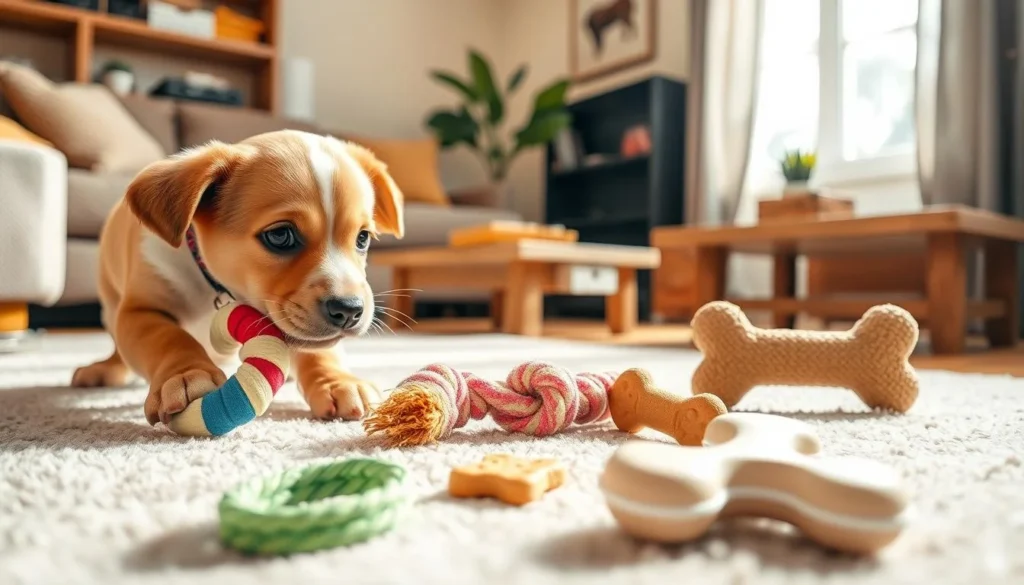
Mixing chew toys with puzzle toys challenges your puppy mentally. This makes them less likely to chew on things they shouldn't. Being consistent with these alternatives helps build positive habits and healthy play behavior.
Redirecting Attention to Toys
Managing puppy biting is easier when you redirect their attention to toys. The right chew toys are key. Look for safe, age-appropriate, and engaging options. The size and texture of the toy can also stop them from chewing on household items.
Choosing the Right Chew Toys
The best toys for biting puppies are those that keep them interested and can handle their play. I consider a few things:
- Material: Durable rubber or soft but resilient fabric can sustain a puppy's chewing.
- Size: A toy that fits comfortably in their mouth encourages play while preventing choking hazards.
- Texture: Toys with varied textures can provide sensory stimulation, keeping my puppy engaged for longer periods.
Rotating Toys to Maintain Interest
Rotating puppy toys is another effective strategy. Changing out toys keeps playtime exciting. It prevents boredom and encourages my puppy to choose toys over other items. I swap out toys every few days to keep them interested and mentally stimulated.
Establishing Boundaries with Time-Outs
Using time-outs for puppies is a great way to set boundaries. Puppies love to explore and may bite things they shouldn't. A short time-out tells them that's not okay.
I set up a special area for time-outs. It's safe and comfy, helping them calm down.
When training with time-outs, staying calm is crucial. If I get upset, my puppy might think the time-out is punishment. Instead, I create a calm space. This shows them the time-out is for their actions, not a bad thing.
Teaching puppies about boundaries is important. I use time-outs every time they bite. This helps them learn what's right and wrong.
Using Taste Deterrents for Biting
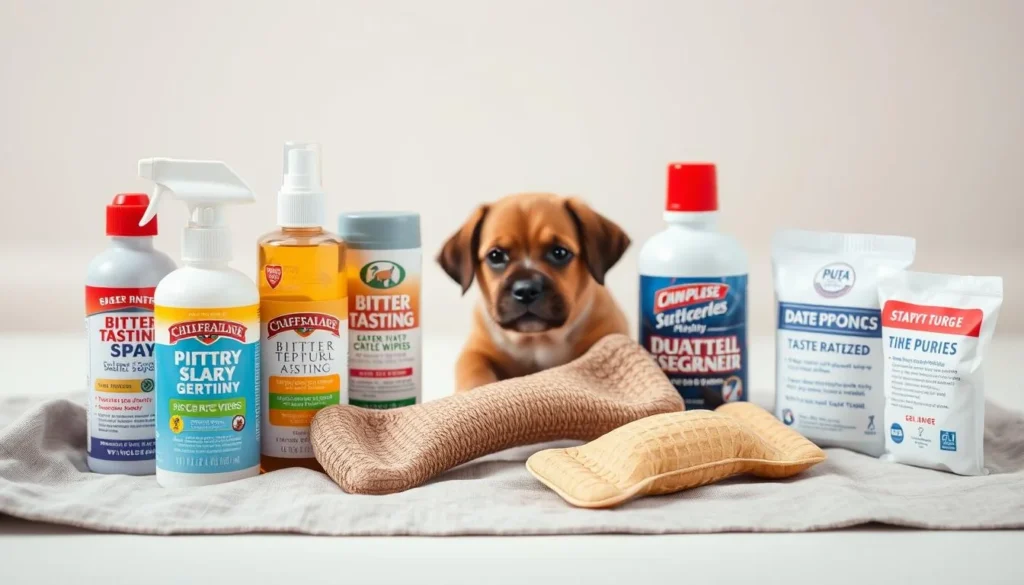
Using taste deterrents for puppies can help manage biting. When I spray items with a bitter-tasting substance, my puppy stops biting them. Bitter apple spray or other commercial deterrents work great.
Being consistent is crucial. Regularly using these sprays helps a lot. It's also important to reward my puppy for playing with toys instead of biting. This way, they learn good habits.
Here’s a quick overview of some popular taste deterrents for puppies:
| Product Name | Type of Deterrent | Flavor | Effectiveness |
|---|---|---|---|
| Bitter Apple Spray | Spray | Bitter | High |
| PetSafe Bitter Lemon | Spray | Lemon | Moderate |
| Nature's Miracle No More Chew | Spray | Spicy | High |
Bitter sprays are a great addition to training. By using positive reinforcement with toys, my puppy learns to choose better. This mix of taste deterrents and play helps build good behavior.
The Importance of Socialization
Puppy socialization is key for their growth. It helps them learn how to act around others. This includes people, places, and other dogs. It teaches them important skills and stops them from biting.
It's not just about stopping bites. Socialized puppies are also more confident. They are less likely to be scared or aggressive. Puppy classes are great for this. They offer a safe place for puppies to play and learn.
Learning social skills early makes life better for puppies and their owners. It helps avoid problems later on. So, socializing puppies is a must for their development.
How to Discourage Excessive Nipping
Teaching puppies not to nip is a mix of patience and training. Spotting when play gets too rough is key. If my puppy bites too hard, I stop playing. This shows them biting stops our fun.
It's important to praise gentle play. When my puppy plays nicely, I give them treats or praise. This helps them learn not to nip too much. Being consistent is crucial, as puppies love routine and clear rules.
Using toys is another good trick. If my puppy starts to nip, I give them a toy instead. This teaches them what's okay to play with. It keeps our playtime positive and fun for both of us.
Recognizing Signs of Frustration in Puppies
Understanding puppy frustration signs is key to better interactions with our pets. Each puppy is unique, but common signs of frustration include stiff body language and growling. Excessive energy is also a clue, as frustrated puppies often try to release their feelings.
When identifying frustration in puppies, watch their actions and the situation. For example, if a puppy starts nipping or barking after trying to get a toy, it's frustrated. Spotting these signs can stop biting and improve our interactions.
In handling frustrated puppies, it's important to redirect their attention. Give them a favorite toy or start a new activity. Providing exercise and mental challenges meets their needs. By recognizing and responding to these signs, we can strengthen our bond with our puppies and make our time together better.
Engaging Puppy Classes for Social Skills
Attending puppy training classes is a great way for my puppy to learn important social skills. These classes offer structured training and a safe place for my puppy to meet other dogs. It's a fantastic way to help my puppy grow.
The benefits of puppy classes are huge. My puppy learns essential skills like bite control and basic commands. With expert trainers, my puppy becomes more confident and learns to socialize well. This helps them feel comfortable in new places.
In short, puppy training classes are key in shaping my puppy's behavior. They combine structured training with socialization. This not only improves my puppy's skills but also strengthens our bond.
When to Seek Professional Help
As a puppy owner, I know biting issues can be tough. Sometimes, I need to think about getting professional dog training. If my puppy bites a lot or shows aggression or fear, it's time to get help.
Looking for signs that my puppy needs expert advice is key. Watching their body language and behavior helps a lot. Talking to Certified Professional Dog Trainers (CPDT) or Certified Applied Animal Behaviorists (CAAB) can offer specific solutions.
When I'm unsure, asking for professional advice is a smart move. It helps my puppy grow up healthy and strong. Professional help can fix biting problems and make our bond better.
| Signs of When to Seek Help | Potential Solutions |
|---|---|
| Persistent biting beyond six months | Professional dog training programs |
| Aggressive behavior towards people | Behavioral assessments by experts |
| Fearfulness around other animals | Socialization coaching |
| Consistent nipping despite training | Customized training plans |
General Precautions to Consider
When I bring a puppy home, safety is my main concern. I make sure to watch over playtime and pick toys that fit my puppy's size and chewing style. Soft, safe toys help avoid injuries and keep play fun.
Managing puppy biting means being careful in how I interact with them. I avoid play that might lead to biting, like rough games or teasing. By rewarding gentle play, I teach my puppy that soft play is good, but biting is not.
To improve my puppy handling, being consistent in training is key. Regular routines help my puppy know what's expected. This consistency builds trust and reinforces good behavior over time.
| Precaution | Description |
|---|---|
| Supervised Playtime | Always monitor your puppy during play to prevent accidents and encourage safe interactions. |
| Appropriate Toys | Provide toys that are suitable for your puppy's age and size to ensure safety during play. |
| Avoid Provocative Actions | Do not engage in activities that may encourage biting, such as teasing or roughhousing. |
| Reinforce Gentle Behavior | Reward soft interactions with praise and treats, promoting positive behavior in social situations. |
| Consistent Training | Implement a regular training schedule to help your puppy understand behaviors and expectations effectively. |
Conclusion
Reflecting on my puppy's biting behavior, I see how key it is to know why they bite. This summary shows patience and consistency are key in training. Using good puppy training methods helps my puppy learn right from wrong and strengthens our bond.
Techniques like redirection and positive reinforcement are crucial. They help shape my puppy's behavior. Understanding playful biting and the need for structured playtime makes my puppy happier and healthier. It's about creating a nurturing space, not just stopping bites.
If I'm struggling, getting professional help or joining puppy classes can help. With dedication and the right methods, I can make our home a place of joy. Here, my puppy will learn, grow, and thrive, making our time together even more special.