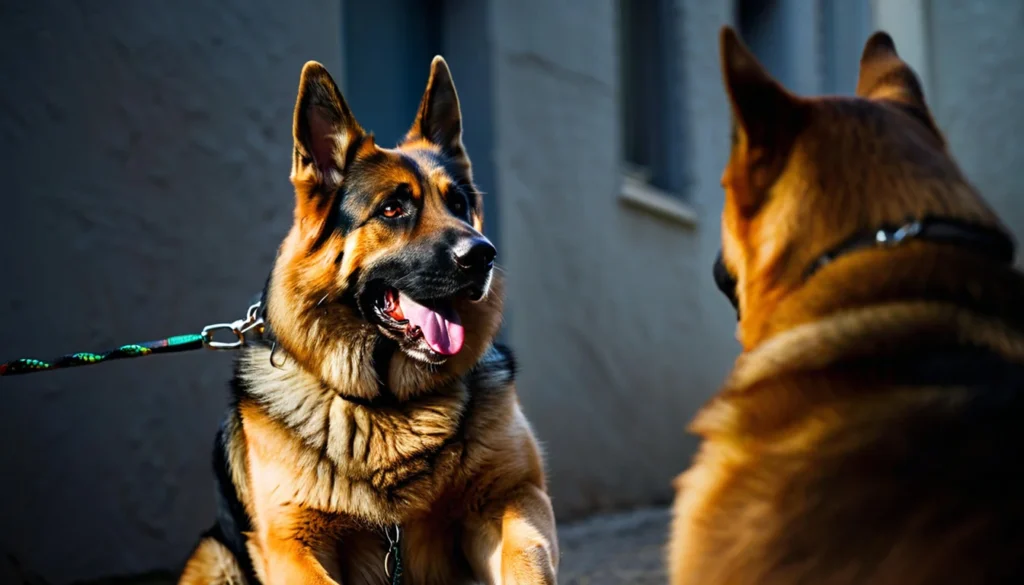
As a dog owner, I've experienced the joy of their wagging tails and playful barks. But, there are times when I worry about them biting. Teaching a dog not to bite is key for safe and happy times together.
Both puppies and adult dogs can bite if not trained. It's important to understand why they bite. With patience and the right training, we can change their bites into gentle play. This builds trust and love, and keeps everyone safe.
Key Takeaways
- Recognizing the reasons behind biting behavior is crucial for effective training.
- Understanding the signs of playful vs. aggressive biting can help in addressing the issue.
- Positive reinforcement is a powerful tool in teaching your dog safe play behavior.
- Early socialization can prevent undesirable biting habits in puppies.
- Creating a safe environment is essential for managing interactions with dogs.
- Knowing when to seek professional help can lead to a more effective training experience.
Understanding Dog Biting Behavior
It's important for pet owners to understand why dogs bite. Dogs may bite due to fear, frustration, or play. Knowing the reasons helps prevent bad incidents and improves our bond with dogs.
Defensive aggression can cause fear-based biting. This happens when dogs face new or scary situations. It's often linked to bad past experiences.
Why Dogs Bite
Many things can make dogs bite. For example, not socializing them can lead to defensive behavior. Frustration can also cause quick, biting reactions.
Understanding these reasons helps me manage my dog better. It lets me respond to their actions more effectively.
Types of Biting: Playful vs. Aggressive
Distinguishing between playful and aggressive biting is key. Playful biting is relaxed and often accompanied by wagging tails or barks. It's usually not painful and is part of normal dog play.
Aggressive biting, however, is stiff, growls, or shows teeth. It can cause serious harm. Knowing the difference helps me manage my dog's behavior and train them properly.
Recognizing the Warning Signs
It's important to understand dog behavior signals to prevent unwanted biting. Dogs communicate through body language, showing their emotions. Knowing these signs helps create a safer space for everyone.
Body Language Indicators
Dogs mostly talk through body language. Signs like growling, stiff body, and big pupils show discomfort or aggression. Raised hackles and lip licking mean they're stressed or unsure. Paying attention to these helps me know when my dog is feeling uneasy.
Common Triggers for Biting
Stressful situations, new people, loud noises, or too much play can make dogs bite. Knowing these triggers helps me manage my dog's interactions better. This way, I can keep everyone safe.

The Importance of Bite Inhibition
Understanding bite inhibition is key in dog training. It ensures dogs play gently and reduces injury risks. Let's explore what bite inhibition is and how dogs learn it.
What is Bite Inhibition?
Bite inhibition is a dog's skill to control their bite strength. It's vital for safe play with humans and other dogs. Dogs that learn to bite softly can play rough without hurting anyone. This skill makes playtime fun and improves their social skills.
When and How Dogs Learn Bite Inhibition
Puppies learn bite inhibition from their littermates. They practice controlling their bite during play. Owners can help by giving feedback during play.
For example, if a puppy bites too hard, a gentle yelp or stopping play teaches them to be gentle. This consistent feedback helps puppies learn to bite softly.
Teaching a Dog Not to Bite
Teaching dogs not to bite is key for a good relationship with them. We use positive reinforcement and gentle corrections to help. These methods lead to better behavior.
Utilizing Positive Reinforcement
Positive reinforcement is a top way to stop dogs from biting. It rewards good behavior with treats, praise, or play. When my dog is gentle, I give them a treat or lots of praise.
This makes them learn that being gentle is good. It helps them change their behavior for the better.
Implementing Gentle Corrections
When a dog bites too hard, I use gentle corrections. A yelp or stopping play tells them it's not okay. This teaches them that biting ends the fun.
Doing this often helps them understand their actions. It guides them to be gentler. Positive reinforcement and gentle corrections are the best way to teach dogs not to bite.
Training Techniques for Puppies
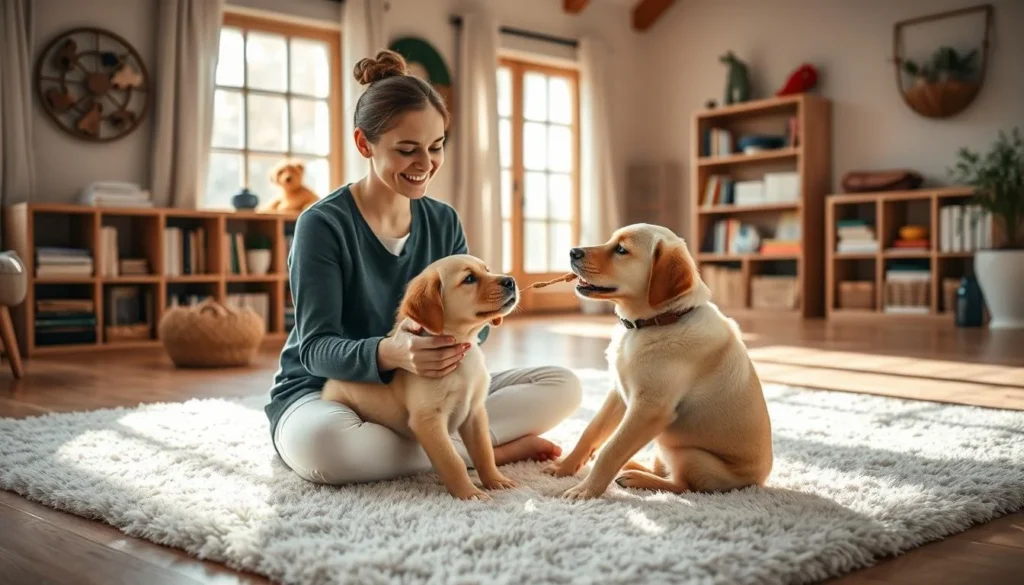
Teaching a puppy not to bite starts with socialization and clear play rules. By introducing them to different people, places, and dogs early on, I help them grow up well. This approach also boosts their confidence.
Socialization and Playtime
I take my puppy to various places for socialization. This helps prevent future behavioral problems. Playdates with other dogs, trips to parks, and meeting new people teach them right from wrong.
It's important to keep playtime structured and watchful. This ensures my puppy stays safe and happy.
Establishing Gentle Play Rules
It's crucial to teach my puppy about gentle play. This means showing them what's okay and what's not during play. I use toys to distract them from biting and always reinforce gentle behavior.
This way, my puppy learns to play nicely and understand what's acceptable. It makes our playtime more enjoyable and peaceful.
Managing Mouthy Behavior in Adult Dogs
Managing adult dog behavior is key. Understanding why they mouth is important. It could be from old habits or not enough socialization. Knowing the reason helps a lot in training.
Identifying the Cause of Mouthing
Adult dogs mouth for many reasons. It might be from learning or boredom. Knowing when they mouth helps me train better.
It's important to see if they mouth during greetings or play. This lets me focus my training.
Redirecting Mouthy Behavior
After finding out why they mouth, redirecting is next. Giving them chew toys or playing fetch helps. These activities keep them busy and teach them new habits.
Using Time-outs Effectively
Time-outs are key for controlling dog behavior. They help dogs learn what actions are okay. Knowing when and how to use them can really help with training.
How to Implement a Time-out
Start by removing your dog from the situation right after they act out, like biting. Pick a quiet spot with no distractions. This lets your dog think about their actions.
After a few minutes, you can bring them back. This helps them understand what's not allowed.
When to Use a Time-out
Use time-outs when your dog bites hard or their teeth touch skin. This teaches them that bad behavior has consequences. Being consistent with time-outs helps dogs learn what's okay and what's not.
Utilizing Taste Deterrents
When your dog bites or mouths things they shouldn't, taste deterrents can help. These products make certain things taste bad to dogs. This encourages better behavior in a simple way. Here, I'll talk about picking the right one and how to use it.
Choosing the Right Deterrent
Choosing the right taste deterrent is key. There are many options, like bitter apple sprays and citrus-based ones. Make sure it's safe for your dog and works well. Look for products made just for dogs, as human ones might not be safe or effective.
How to Apply a Deterrent
To get the best results, applying deterrents the right way is important. I apply them to my hands and clothes before playing with my dog. This way, if they try to bite, they won't like the taste. It's also important to always say no when they mouth or bite.

In short, taste deterrents are a great tool for stopping biting. By picking the right one and using it right, you can teach your dog what's okay to mouth and what's not. With time and effort, your dog's behavior can really improve.
Reinforcing Positive Interactions
Creating a nurturing environment is key for a healthy bond with my pet. Engaging in safe play and trust-building exercises is crucial. By focusing on positive interactions, my dog feels secure and less likely to be aggressive.
Encouraging proper play etiquette makes our time together enjoyable. It's important for both of us to have fun.
Engaging in Safe Play with Toys
Using designated toys during playtime is safer and more fun. It keeps my dog's energy up and teaches them right play behavior. I always have a variety of toys ready, making playtime exciting and positive.
Building Trust Through Exercises
Trust-based exercises are great for building trust with pets. Simple activities like teaching commands or new tricks strengthen our bond. This trust helps prevent aggressive behaviors, making our relationship better.
With regular practice, my dog responds positively. This creates a more harmonious home environment.
Creating a Safe Environment
Creating a safe space is key to reducing dog bites and ensuring positive interactions. Managing how dogs meet children and strangers is very important. Dog-proof areas help dogs feel safe when they're overwhelmed.
Managing Interactions with Children and Strangers
It's vital to watch over my dog when they meet new people or kids. Teaching kids how to interact with dogs helps everyone have fun. I make sure they know not to disturb dogs when they're eating, sleeping, or playing.
Visual reminders like signs can also help guests remember to respect my dog's space.
Setting Up Dog-proof Spaces
I make special areas in my home for my dog to relax. These spots have comfy beds, toys, and water. Using baby gates or rooms helps my dog feel safe and calm.
These safe zones not only provide comfort but also lower the chance of my dog getting upset or aggressive.
| Element | Description |
|---|---|
| Supervision | Always monitor interactions between dogs and children or unfamiliar individuals. |
| Safe Zones | Designate quiet areas where dogs can feel secure away from activity. |
| Education | Teach children proper dog etiquette to ensure safe and positive interactions. |
| Visual Aids | Use signs to remind guests to respect the dog's space and boundaries. |
Working with a Professional Trainer
At times, my dog's biting doesn't get better, no matter how hard I try. That's when I know I need a professional dog trainer's help. They bring new ideas and methods that I might not think of.
When to Seek Outside Help
If my dog keeps biting, even after trying different training methods, it's time to get outside help. A professional dog trainer can give me specific advice for my dog's needs. They can help with aggression or just rough play, showing me new ways to handle the behavior.
Choosing the Right Trainer or Behaviorist
Finding the right trainer is key for changing my dog's behavior. I look for someone who knows a lot about aggression and biting. Look for certifications from groups like the Association of Professional Dog Trainers (APDT) or the Certification Council for Professional Dog Trainers (CCPDT). This shows they're experienced and trustworthy.
Getting help for your dog's behavior shouldn't be scary. By doing some research and asking questions, you can make a smart choice for your dog's training.
General Precautions to Prevent Biting
It's important to take steps to prevent dog bites. Knowing how to act helps keep everyone safe and happy.
Avoiding Common Mistakes
Not knowing how to handle mouthing can confuse dogs. Instead of scolding, I focus on clear rules. I avoid activities that might make my dog want to bite, like too much excitement.
Keeping things calm helps my dog learn right from wrong. This way, they know what's okay and what's not.
Establishing Safe Play Guidelines
Setting safe play rules is key for both humans and dogs. I make sure playtime is structured and clear. This way, everyone knows when it's time to play and when to stop.
These rules help us have fun together without any biting. They build trust and make our time together enjoyable.
Monitoring Progress and Setting Goals
Training my dog is a journey where tracking progress and setting goals are key. A structured plan helps me see how my dog changes and makes adjustments as needed. This way, we can both grow and learn together.
Tracking Behavioral Changes
Keeping a record of my dog's behavior gives me deep insights. I note when they mouth or show aggression. This helps me see patterns and what training works best.
By tracking these changes, I can fine-tune my training methods. This makes our sessions more effective and enjoyable for both of us.
Setting Realistic Training Goals
Setting goals is essential for our training success. I aim for goals that are reachable and help my dog improve steadily. Being flexible is also crucial.
As my dog grows, so do their needs and behavior. Adjusting our goals keeps us both motivated and engaged in our training.
Conclusion
Teaching a dog not to bite requires dedication and consistency. Each dog is different, needing its own training approach. Understanding this helps in shaping a well-behaved pet.
Patience and persistence are crucial in preventing bites. Whether it's an adult dog or a playful puppy, clear communication and positive reinforcement are key. This approach builds trust and respect, encouraging positive interactions.
I'm now better prepared to create a safe space for my dog and me. Every step I take brings us closer to a well-adjusted companion. Remember, consistency is key. Every effort helps in creating a loving environment free from biting incidents.