Ever felt frustrated when your dog won't stop barking? I have too. It's like they're trying to tell us everything. When I got my pup, her barking was cute at first. But soon, I wanted to know how to stop her from barking so much.
Learning how to teach dogs to be quiet is key for a peaceful home. Understanding what they're trying to say is the first step. It helps us find solutions and strengthens our bond with them.
In this guide, we'll look at ways to reduce barking. This way, you and your dog can enjoy a quieter home. With patience and practice, we can make our homes peaceful again and understand our pets better.
Key Takeaways
- Knowing why your dog barks is crucial for training.
- Teaching the "quiet" command can greatly reduce barking.
- Positive reinforcement is essential in shaping your dog's behavior.
- Identifying what causes barking helps address it.
- Regular exercise can help reduce unnecessary barking.
- Creating a calm environment encourages the right behavior.
Understanding Barking: A Canine Communication
Barking is a key way dogs talk to us and each other. It shows feelings like excitement, fear, or a need for attention. Knowing what our dogs bark about is important for any dog owner.
The barking significance is more than just noise. It helps dogs and humans connect better. For example, a loud bark might warn us of danger. On the other hand, a series of high-pitched yips could mean they want to play.
For effective training, understanding bark language is essential. By watching when and why our dogs bark, we can guess their emotions. This helps create a peaceful home where both dogs and owners are happy.
Why Dogs Bark
Understanding why dogs bark helps us understand their behavior. It can also help solve problems like too much barking. Dogs bark for many reasons, and each bark has its own meaning.
Territorial Barking
Territorial barking is a common reason for barking. Dogs bark when they see strangers or other animals near their home. They bark to show they're in charge and watchful.
Alarm Barking
Alarm barking happens when dogs sense danger or something odd. They bark to warn their owners of potential threats. This is a natural way for dogs to alert us to possible dangers.
Attention-Seeking Barking
Some dogs bark to get attention. They might bark for play, treats, or just to be petted. But, giving in to this can make barking worse. Dogs learn that barking gets them what they want.
Identifying the Cause of Excessive Barking
Figuring out why my dog barks too much is key. I've learned to watch closely to understand the reasons. By doing this, I can find better ways to stop the barking.
It's important to know what makes my dog bark. Things like other animals, loud sounds, or boredom can be triggers. Spotting these patterns helps a lot.
Keeping a journal of barking episodes is a good idea. It helps me see when and why my dog barks. This information is crucial for making a plan to reduce the barking.

Making a calm space can also help. Meeting my dog's needs is key to understanding his barks. With patience and careful observation, I can solve the problem and keep my dog happy.
Teaching Your Dog the "Quiet" Command
Teaching your dog the "quiet" command can really help with too much barking. I find that setting up good dog training sessions is key. It's important to practice this command in places where distractions might happen.
Setting Up Training Sessions
During dog training, I try to mimic situations that might make them bark. For example, someone might ring the doorbell or walk by while I'm training. This helps my dog learn to stay quiet when they usually bark.
Using Positive Reinforcement
Positive reinforcement is very important in dog training. When my dog is quiet, I give them treats or praise right away. This makes them want to be quiet more because it feels good.
Training Techniques for Excessive Barking
Teaching our pets when to bark and when to be quiet is key. I use command training, like saying "quiet," to show them when to stop. This method needs patience and repetition to work well.
Positive reinforcement is also important. When my dog is quiet, I give them treats or praise. This teaches them that being calm is good. I start with short quiet times and increase them slowly.
Identifying what makes my dog bark is also helpful. Once I know, I can help them get used to it. Keeping a regular training schedule helps my dog feel secure and understand what's expected.
How to Teach Dog Not to Bark
Teaching my dog not to bark too much is a journey of patience and understanding. It starts with basic commands. I teach the "quiet" command and use treats to encourage silence.
When my dog barks, I say "quiet" calmly. Then, I reward them with a treat when they stop. This method strengthens our bond and helps my dog learn not to bark.
Then, I use behavioral techniques to handle what makes them bark. It's important to know what triggers their barking. It could be the mailman, other animals, or noises.
I make a plan to manage these triggers. Sometimes, blocking their view helps reduce barking.
As we move to real-life situations, consistency is key. Regular practice and patience are crucial. I prepare for barking moments and use the training techniques to reinforce what they've learned.
In the end, consistent training makes our home peaceful. It's a rewarding journey for both of us.
Reducing Barking Through Behavior Modification
To cut down on barking, it's key to know what triggers it and change the dog's surroundings and reactions. This method works well when paired with training. It's a great way to tackle too much barking.
Block Visual Stimuli
One smart way to stop dogs from barking is to block their view. Using things like opaque barriers or blinds helps. It keeps them from seeing outside and barking at people or animals.
Conditioning for Calmness
Teaching dogs to be calm is another effective strategy. Rewarding them for being quiet in noisy places helps. This teaches them to stay calm, which is good for both them and their owners.
Distraction Techniques for Barking
Managing my dog's barking has improved a lot with distraction techniques. Redirecting their attention helps create a quieter space. Using their favorite toys, treats, or games is great for this.
These strategies not only reduce barking but also strengthen our bond. Playing fetch or solving puzzles keeps them engaged. It shows them there are better ways to react than barking.
Using a Citronella Bark Collar as a Last Resort
When other methods fail, I look at the citronella bark collar. These devices are known for their effectiveness. They spray a harmless citronella scent when a dog barks. This scent usually stops the dog from barking because it's unpleasant.
These collars aren't for every situation, especially if the barking is due to anxiety. It's key to find out why the dog is barking before using these devices. Many owners see a big change in their dog's behavior with these collars, thanks to their training power.
Before getting a citronella bark collar, it's smart to do some research and read reviews. Knowing the features can help pick the right collar for your dog. Stopping too much barking can make your home quieter and improve your bond with your pet.

Addressing Underlying Issues: Anxiety and Fear
Ensuring our dogs live happy and healthy lives is crucial. Often, barking is a sign of fear or anxiety. This is especially true for dogs with separation anxiety, who get distressed when left alone.
Understanding and treating separation anxiety in dogs is complex. Using comfort items can help. Familiar blankets, toys, or clothing can make them feel secure when alone.
Separation Anxiety Solutions
Gradual desensitization is a key strategy for dog anxiety. It helps dogs get used to being alone without fear. Here are some tips:
- Start with short absences, gradually extending the duration as your dog becomes more comfortable.
- Create a safe space with their favorite toys and blankets to help ease their anxiety.
- Maintain a calm atmosphere during departures and arrivals to reduce excitement or fear.
- Consider using interactive toys to keep them engaged while alone.
These methods help with separation anxiety and make dogs more relaxed. They can greatly reduce barking caused by anxiety. This creates a more peaceful home and community environment.
Positive Alternatives to Barking
When I want to stop my dog's barking, I teach them new ways to act. I give them fun things to do instead of barking. This keeps them happy and busy.
For example, I might throw a toy for them to catch. Or I'll ask them to sit quietly. These actions are great alternatives to barking.
It's key to reward them for these new behaviors. Every time they choose to fetch a toy instead of barking, I give them a treat. This teaches them that being quiet is rewarded.
Creating a Quiet Environment at Home
Creating a quiet space for dogs is key to less barking. It's about planning to cut down on distractions and noise. I found that setting up quiet areas for my dog really helps.
Designating a special spot away from busy areas lets my dog relax and feel safe. This makes a big difference.
Adding calming elements also boosts the quiet atmosphere. I play soft music or use pheromone diffusers. These help my dog feel calm and relaxed.
Here are some home strategies to cut down on barking:
- Set up a quiet corner with a comfy bed and toys.
- Use curtains or rugs to reduce noise from outside.
- Limit access to rooms that may be overly stimulating.
By using these tips, I've made a peaceful space for my dog. This has greatly reduced their barking and improved their happiness.

Utilizing Interactive Toys to Distract Your Dog
Keeping my dog mentally stimulated has really helped with their barking. Interactive toys are a great way to keep them focused. These toys take their mind off things that might make them bark too much.
Using toys like puzzle feeders or treat-dispensing balls keeps my dog busy. They love figuring out how to get the treats. This keeps them quiet and happy.
Adding these toys to my dog’s daily routine helps a lot. It cuts down on barking and encourages good behavior. It's a fun way to keep them from getting distracted and barking too much.
Incorporating Regular Exercise into Your Dog's Routine
Regular exercise is key for dogs' health and behavior. A good exercise plan can cut down on barking by using up your dog's energy. I've noticed that different exercises keep my dog happy and less bored or anxious.
Here are some activities to make your dog's day better:
- Daily walks: Try for at least 30 minutes of walking. It's good for their body and mind.
- Playtime: Games like fetch or tug-of-war help release energy and bond with your dog.
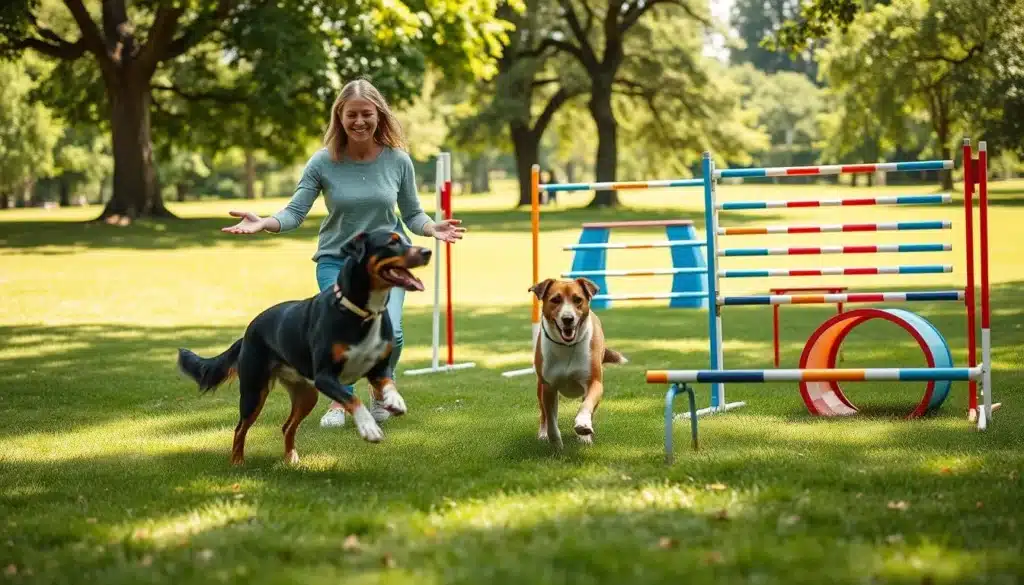
- Group classes: Agility or obedience classes are great for exercise and socializing. They teach good behavior and help your dog meet others.
- Interactive toys: These toys keep your dog's mind busy, reducing boredom barking.
Having a regular exercise plan keeps your dog healthy and calm at home. When they exercise, they're less likely to bark at things that might upset them.
Socialization and Its Impact on Barking Behavior
Socializing my dog is key to how they react to different things. When dogs meet many people and animals, they bark less out of fear or to protect their territory. This helps them feel more confident and calm.
By taking my dog to various places, I see big improvements in their social skills. They learn to stay calm in situations that used to make them bark a lot. It's important to make these experiences positive for them.
It's best to start socializing dogs early, as it shapes their behavior for life. I take my dog to parks and dog-friendly events often. These outings help them learn to act right without barking too much.
- Enhances confidence in new situations
- Reduces fear-based behavior
- Improves relationships with other dogs and people
- Promotes a calm and balanced temperament
Conclusion
Reflecting on teaching dogs not to bark too much, a mix of methods is key. Understanding why dogs bark, like to protect their territory or seek attention, is crucial. This helps us create a training plan that fits our dogs' needs.
Patience and regular practice are vital in training dogs. Using commands like "quiet," distracting them, and keeping a calm space are important. These steps help us and our dogs live in peace. Remember, it might take time, but with effort, we can have a quiet home.
Using positive methods and fun activities helps solve barking problems and strengthens our bond with dogs. As we train together, let's keep in mind that understanding and patience are the keys to success.