
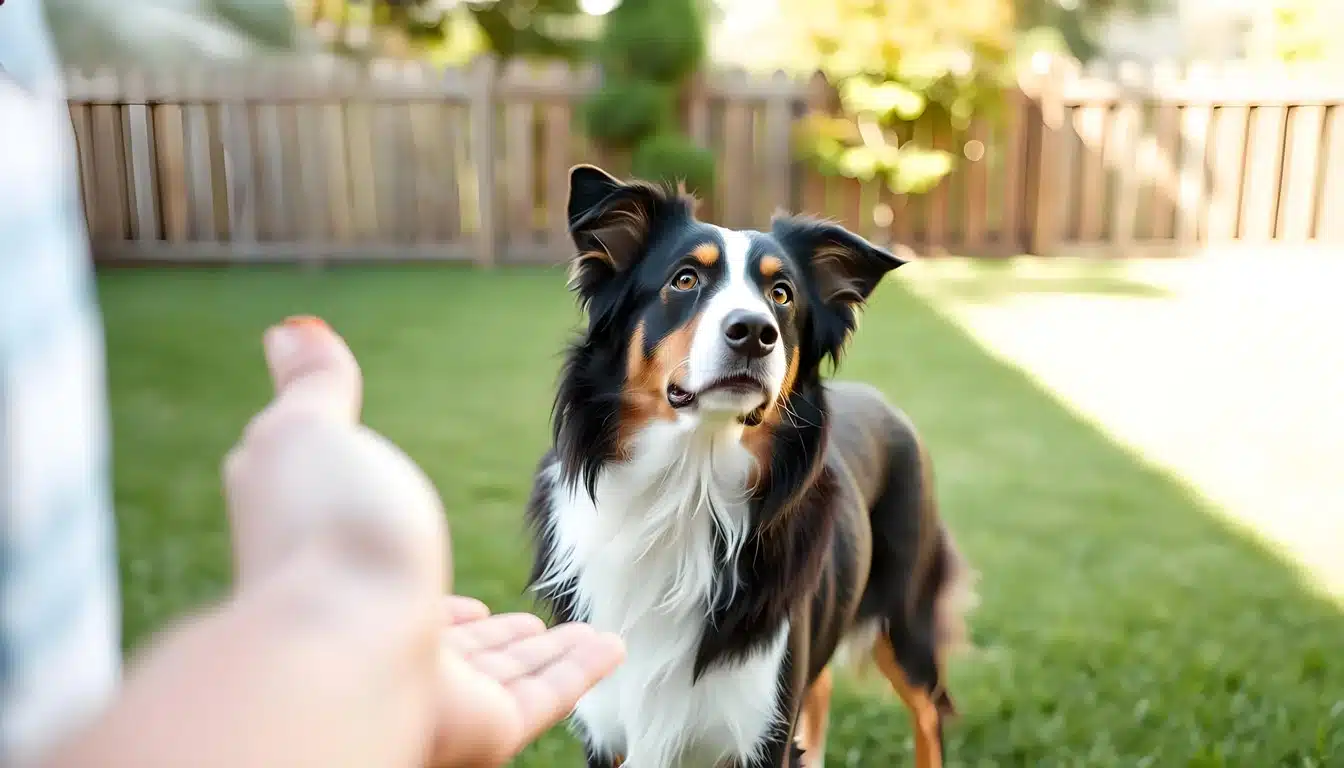
As a dog owner, I've often found myself in uncomfortable situations. Caught between my excited canine and startled passersby. Watching my dog bark at strangers not only embarrassed me but also made me realize that this behavior could create tension in our community.
Understanding my furry friend's instinctual need to react was the first step. It helped me learn how to stop dog from barking at people in a constructive way. To teach dogs not to bark at unfamiliar faces, addressing the root cause of their reactions is essential.
This journey has taught me valuable lessons about training dogs not to bark at people. I’m excited to share effective strategies that worked for me with you.
Key Takeaways
- Understanding your dog's barking helps form a solid foundation for training.
- Identify the triggers that cause your dog's excessive barking.
- Building positive associations with strangers can significantly reduce barking.
- Effective training techniques include commands and positive reinforcement.
- A calm environment can greatly aid in managing your dog's barking behavior.
Understanding Why Dogs Bark
Barking is a key way dogs communicate. It shows their feelings and thoughts. Knowing why they bark helps us keep them happy and well-adjusted.
Common Reasons for Barking
There are many reasons dogs bark. These include:
- Attention-seeking: Dogs bark to get my attention, whether they want to play, eat, or go outside.
- Alerting: They bark when they sense danger or something unusual.
- Boredom: Without enough to do, they bark to find something to do.
- Anxiety: Stress makes them bark as a way to cope.
When is Barking Normal?
It's important to know when barking is normal. Dogs bark sometimes to show excitement or warn us of visitors. But, knowing when it's too much helps us fix any problems.
Looking at how often and why they bark tells us a lot. It shows us what they need and how they feel.
Assessing Your Dog's Behavior
Understanding your dog's behavior is key to stopping their barking. By watching them closely, I can find out what makes them bark a lot. Each dog is different, and many things can make them bark, like loud noises or strangers.
Observing Triggers
Knowing what makes my dog bark is important. Triggers can be:
- Specific people walking by
- Other animals in the area
- Unfamiliar sounds like sirens or construction
By paying attention to these, I can understand why my dog barks. Knowing the reasons helps me train them better.
Recognizing Fear and Protection Instincts
Dogs bark when they're scared or feel threatened. It's important to know if my dog is barking from fear or to protect. Signs of fear include:
- Tail tucked between legs
- Ears pinned back
- Body language indicating retreat
But dogs also bark to protect their territory. Knowing if my dog is scared or trying to protect is crucial for training.
Stop Dog from Barking at People
Teaching your dog to accept strangers can make life easier for you. It's important to change how they see new people. This way, every meeting can be positive and stress-free.
Changing Perceptions of Strangers
Start by introducing your dog to strangers slowly. Keep a safe distance at first. This lets them watch without feeling scared.
As they get used to it, you can get closer. Reward them for staying calm. This method teaches them to be calm around new people.
Establishing Positive Associations
Make sure your dog has good experiences with strangers. Give them treats when people come over. This shows them that new people are good.
Doing this often helps your dog feel more at ease with new faces. It's a great way to stop them from barking at strangers.
Effective Training Techniques
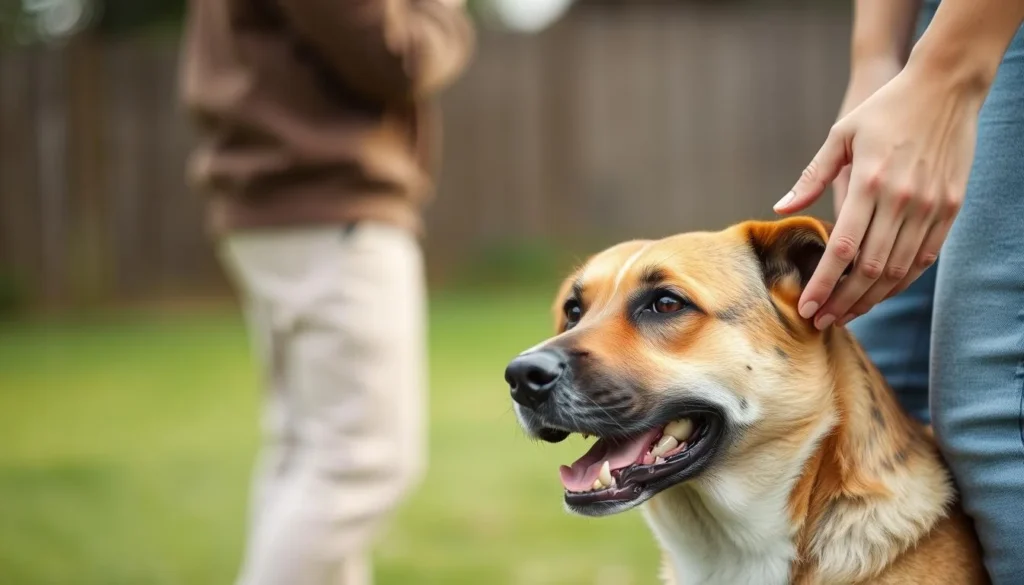
Using the right training methods is key to stopping dogs from barking too much. Teaching them specific commands helps them focus on what you want. This makes your daily life together easier and clearer.
Positive reinforcement makes these commands even more effective. It helps your dog learn good habits and behave better.
Using Commands to Redirect Behavior
Commands like “quiet” or “leave it” are very helpful. They tell your dog to stop barking and focus on something else. Using these commands often helps your dog learn fast.
When your dog listens, give them praise or treats right away. This makes them want to do it again, helping them learn good habits.
The Power of Positive Reinforcement
Positive reinforcement makes training fun and rewarding for your dog. When you give them treats for being calm, they learn to associate calmness with good things. This method not only trains them but also reduces barking over time.
As you keep training, you'll see big changes in your dog's behavior. It makes training sessions enjoyable for both of you.
| Training Technique | Description | Benefits |
|---|---|---|
| Dog Training Commands | Specific commands used to direct dog's focus. | Improves communication and helps redirect attention. |
| Positive Reinforcement Techniques | Rewarding desired behaviors with treats or praise. | Encourages calm behavior and builds positive relationships. |
| Consistency | Regular practice of commands and reward systems. | Fosters understanding and solidifies learned behaviors. |
Creating a Calm Environment
Creating a calm space for my dog helps reduce barking. By managing noise and cutting down on distractions, I make a safe and secure place. Simple changes can make our home more peaceful.
Managing Noise Levels
Keeping an eye on noise levels is key to my dog's calmness. I use white noise machines or soft music to mask outside sounds. This helps create a calm space for my dog.
Reducing Visual Stimuli
Limiting what my dog sees also helps. Blocking views of people or cars can calm them down. Closing curtains or using privacy screens does the trick, reducing distractions.
| Noise Management Strategies | Visual Reduction Techniques |
|---|---|
| White Noise Machines | Closing Curtains |
| Soft Music | Using Privacy Screens |
| Soundproofing Doors | Strategic Furniture Placement |
| Noise-Reducing Materials | Providing a Cozy Hideaway |
Socialization Techniques for Puppies
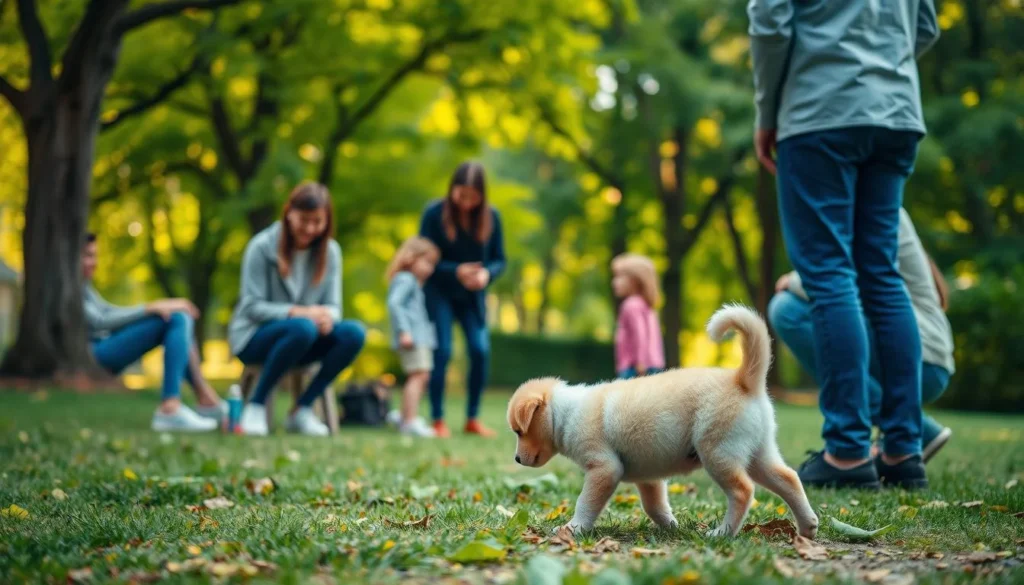
Socializing puppies is key to raising confident dogs. Early exposure to different people, sounds, and places helps them adjust. It's important to introduce puppies to new things to avoid behavioral problems like barking too much and anxiety.
Importance of Early Exposure
Starting socialization early helps puppies see the world positively. They learn that different sounds and sights are not scary. By experiencing different environments, puppies become more open to new things, reducing fear and defensive barking.
Gradual Introduction to Various Situations
Introducing puppies to new things step by step is best. Start with simple situations and gradually add more complex ones. This includes:
- Meeting different people and friendly dogs
- Exploring various terrains
- Listening to a range of sounds, like traffic, sirens, or crowds
Consistent socialization makes my puppy comfortable and confident in many situations. This approach helps my dog adapt to life's surprises.
Training Adult Dogs
Training adult dogs needs a gentle touch and clear plans. It's key to use consistent commands and cues to manage their barking and other actions. With patience, we can help them become well-behaved.
Consistent Commands and Cues
Keeping training consistent is vital for adult dogs. They love routine and knowing what to expect. Using the same commands for certain actions helps them understand better.
Clear cues make them feel more at ease and confident. Whether it's "quiet" or "stay," using the same commands helps a lot.
Using Treats and Rewards Effectively
Rewards make training more fun and effective for dogs. Treats during training show them that good actions get rewards. This makes them more likely to repeat those actions.
By rewarding calm or quiet behavior, we strengthen our bond. This approach creates a positive training space. It helps in managing barking and other issues.
Preventing Future Barking Issues
To keep the peace, we need to act early to stop barking. Setting clear rules for dogs is key. Dogs do best when they know what's expected of them.
Keeping dogs' minds busy is also crucial. Activities like puzzle toys and training keep them engaged. This not only stops barking but also makes them happier and calmer.
Setting Boundaries and Rules
- Be consistent with reinforcement of rules.
- Designate specific areas where barking is acceptable.
- Use clear commands to guide behavior.
Providing Mental Stimulation
- Incorporate puzzle toys into playtime.
- Schedule daily training sessions to challenge your dog.
- Engage in activities that utilize their natural instincts.
Seeking Professional Help
As a dog owner, I know how tough it can be to deal with barking issues. When my dog keeps barking even after trying different methods, I think it's time to get help. Finding out when to seek professional help can really help solve these problems.
When to Consult a Dog Trainer
If my dog's barking gets too much or hard to handle, it's time to call a pro. A professional dog trainer has the skills and knowledge to help. They can figure out what's causing the barking and teach me how to stop it.
Behaviorist Insights and Strategies
Behaviorists give me a deep look into my dog's behavior. They find out why my dog barks and suggest ways to change it. Their advice is super helpful in making my dog quieter and happier.
Importance of Routine and Structure
Having a routine is key for a dog's mental and emotional health. Structured training helps me teach my dog new things. It also makes them feel safe and confident.
Daily Training Sessions
Daily training makes my dog's world more predictable. It helps them learn and remember what I teach. I keep training sessions short and fun to keep my dog interested.
These regular sessions help me teach my dog consistently. It also lets me see how they're doing.
Establishing Consistent Rules
It's important to have the same rules at home for training to work. Everyone needs to follow the same rules so my dog knows what's okay. This makes my dog feel secure and less confused.
Clear rules lead to better behavior and fewer problems. It makes life easier for both of us.
Managing Your Dog’s Anxiety
Understanding how to manage dog anxiety is key to a peaceful home. Dogs can get anxious, leading to a lot of barking and stress. I look for what makes them bark too much, like loud noises or being left alone.
Identifying Anxiety Triggers
Watching my dog closely helps me find what makes them anxious. Common things that upset them include:
- Thunderstorms or fireworks
- Strangers approaching our home
- Changes in routine or environment
- Other pets or animals nearby
Writing down these triggers helps me plan how to calm my dog's anxiety.
Calming Techniques for Anxious Dogs
There are ways to calm anxious dogs. I use a few methods, like:
- Creating a safe space with cozy blankets and toys
- Using anxiety wraps that provide gentle pressure
- Doing calming activities like gentle walks or quiet playtime
- Practicing deep-breathing exercises to promote relaxation
These methods not only calm my dog but also make them feel safe. With time and effort, my dog learns to relax in different situations.
Engaging in Positive Activities
Adding positive activities to my dog's day improves their happiness and cuts down on barking. These activities create a happy space, making our bond stronger. They keep my dog calm and content.
Physical Exercise as a Barking Solution
Exercise is key to stopping my dog's barking. Daily walks or fetch games help burn off energy. Agility training is great because it's both a workout and a brain game.
It helps my dog focus less on barking and more on fun.
Mental Games to Distract from Barking
Mental games are also vital. Puzzle toys and scent games keep my dog's mind sharp. They also help prevent barking caused by boredom or stress.
These games are a great way to keep my dog's mind active. They also boost their problem-solving skills.

| Activity Type | Description | Benefits |
|---|---|---|
| Walks | Daily leash walks in various environments | Physical exercise, exposure to new stimuli |
| Fetch | Throwing a ball or toy for the dog to retrieve | High energy burn, reinforces recall |
| Agility Training | Course that includes jumps, tunnels, and weave poles | Improves coordination, provides mental stimulation |
| Puzzle Toys | Toys that dispense treats when solved | Engages problem-solving skills, delays gratification |
| Scent Games | Hiding treats or toys for the dog to find | Stimulates natural instincts, encourages focus |
Encouraging Quiet Behaviors
Encouraging quiet in dogs is key for a peaceful home. Dogs bark due to habit or anxiety. Rewarding silence helps them learn to be quiet is good.
Rewarding Silence as a Response
When my dog is quiet, I reward him right away. This could be with praise, treats, or playtime. This consistent reward teaches him quiet is valued.
It's vital to pay close attention to their actions. Rewarding silence helps both me and my dog feel calm.
Gradually Increasing Independence
Teaching my dog to be alone is also important. I start with short times and increase it, rewarding him for staying quiet. This reduces anxiety barking.
As he becomes more confident, he learns to relax on his own. This makes our home a more peaceful place.
Communication with Neighbors
Talking to neighbors is key in handling a dog's barking. Keeping the lines open helps everyone understand and support each other. Explaining how I train my dog can ease their worries.
Explaining Training Efforts
When we talk about dog training, explaining the barking can clear things up. I share how I use positive methods to train. This makes neighbors feel included in solving the problem, not just annoyed by it.
Building Community Understanding
Trust grows when we talk to our neighbors. Small acts, like sharing treats, can help. When neighbors get what we're doing, patience increases. This leads to a more peaceful place for everyone.
Staying Patient and Consistent
Training a dog needs patience. It's not something you can do overnight. Understanding the dog training timeline helps set realistic goals. Each dog learns at their own pace, influenced by their personality, past, and how they learn.
Understanding the Training Timeline
Every dog's training path is unique. A dog training timeline helps track progress and find what works. With regular practice, I see my dog's behavior slowly get better. Here's a quick summary:
| Week | Focus Area | Expected Outcome |
|---|---|---|
| 1 | Basic Commands | Response to Sit and Stay |
| 2 | Leash Training | Improved Walks |
| 3 | Socialization | Comfort in Different Settings |
| 4 | Barking Control | Reduced Incidents |
Importance of Persistence
Persistence in dog training shows my commitment to reinforcing what they learn. It's about being consistent with commands and rewards. This approach strengthens our bond and helps with barking issues.
Conclusion
Managing my dog's barking towards people needs a thoughtful approach. It's about understanding their instincts and using effective training. Recognizing why my dog barks is key, helping me tackle anxiety, fear, or protection instincts.
By making positive associations with strangers and using structured training, I've seen big improvements. This patience and dedication have uncovered many effective ways to reduce barking. It's not just about less noise; it's about strengthening our bond.
Creating a calm space, sticking to training, and keeping my dog's mind active are all crucial. These steps have set my dog up for success in cutting down on barking. This effort not only benefits my dog but also makes our community a more peaceful place.
The journey to improve my dog's behavior is never-ending. Using the dog training tips I've learned, I'm confident in raising a calmer, more secure dog. This will lead to a happier life for both my dog and those around us.


