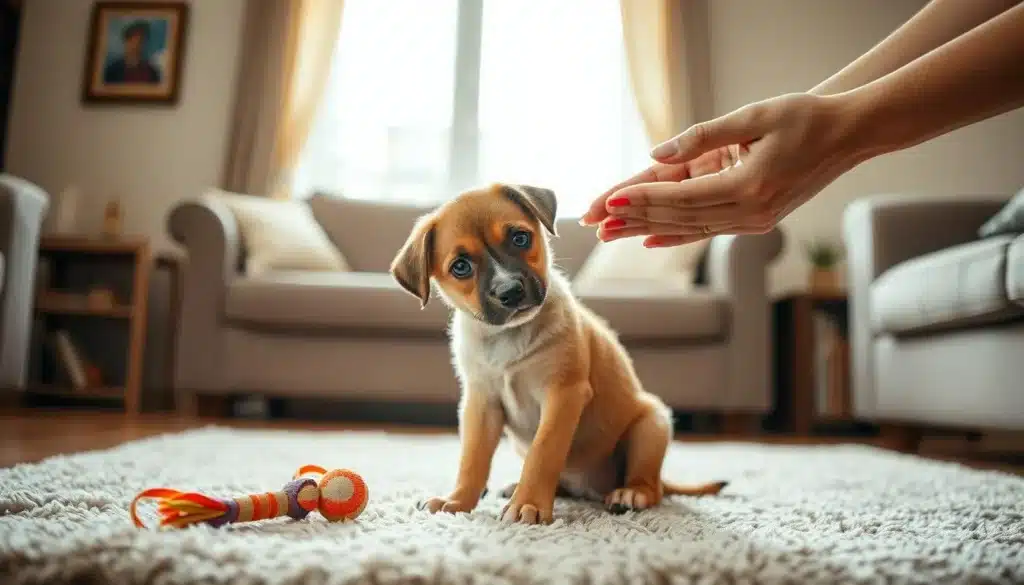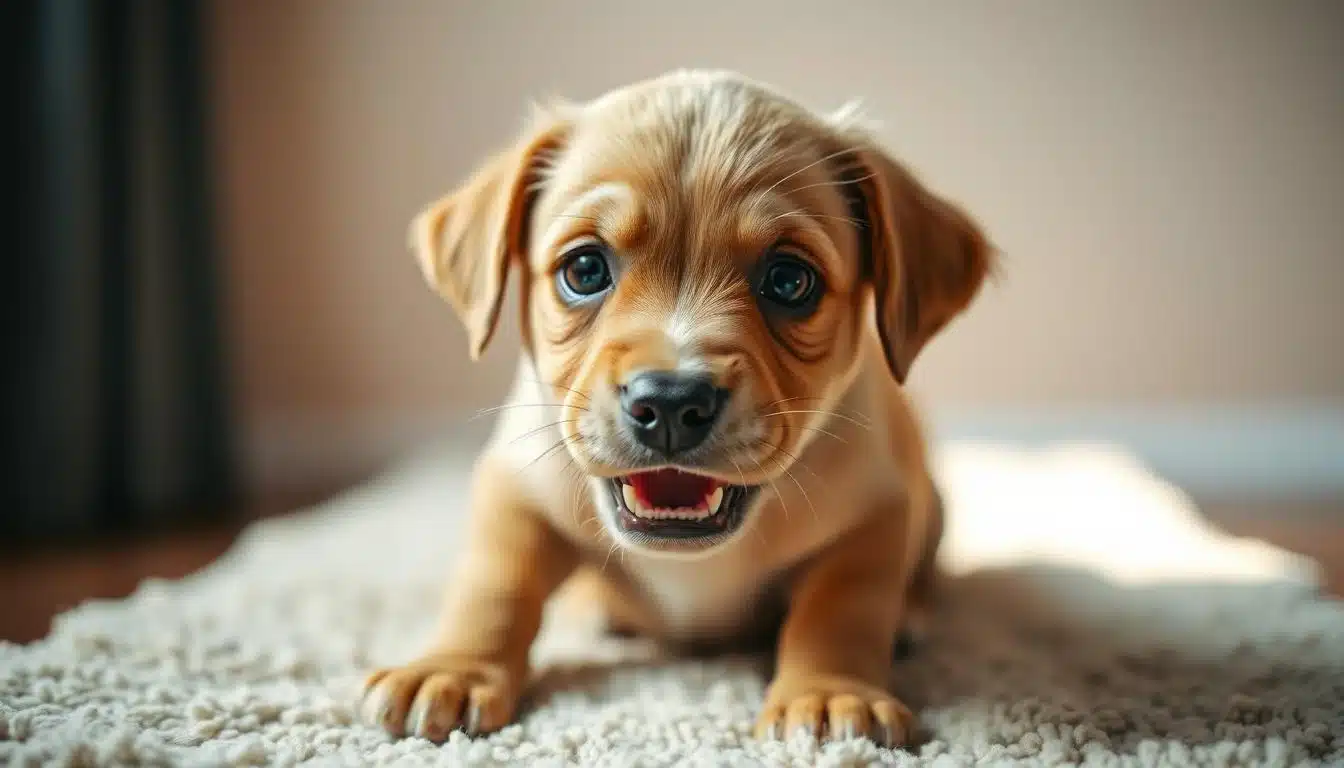
Welcoming a puppy into my home is incredibly joyful. Their energy, play, and puppy eyes melt hearts. But, puppy biting can surprise and worry us.
I remember the first time my puppy bit my hand. It was during play, but it turned to panic. Learning how to stop puppy biting was key for training and keeping our bond strong.
Puppies explore with their mouths, which is normal. But, we need to teach them not to bite humans. This is crucial to prevent bad habits as they grow. Training them early is the first step to a loving and obedient dog.
Key Takeaways
- Puppy biting is a normal behavior during play.
- It’s essential to teach them not to bite humans inappropriately.
- Understanding why puppies bite helps in addressing the behavior.
- Proper training can foster a strong bond with your puppy.
- Establishing early habits contributes to a well-behaved adult dog.
Understanding Puppy Biting Behavior
As a new puppy owner, it's key to grasp puppy biting behavior. Puppies often bite as they explore their world. This happens during play with owners and other dogs. Their mouths are their main way to interact and test their surroundings.
Normal Playful Mouthing
Playful mouthing is a fun part of puppy behavior. It shows their excitement and curiosity. When they bite humans, it's like they're inviting us to play. Watching your puppy can tell you a lot about their personality and energy.
Causes of Puppy Biting
Knowing why puppies bite is important. It could be due to teething, excitement, or curiosity. When they get too excited, they might bite to cope. Finding out what triggers this helps us teach them better play habits.
Importance of Bite Inhibition
Bite inhibition is key for a puppy's growth. It makes training better for both the puppy and the owner. It also makes playtime safer and more fun.
What is Bite Inhibition?
Bite inhibition means a puppy can control how hard they bite during play. It stops injuries when they get too excited. Teaching this skill keeps everyone safe and healthy.
It helps a puppy learn to bite softly. This reduces the chance of serious harm.
How Bite Inhibition Develops
Bite inhibition grows naturally with littermates. Puppies learn to control their bite from their siblings. If they bite too hard, their siblings will yelp or pull away.
This feedback is crucial for them to understand the right amount of pressure. Playing with me and correcting them for hard bites helps too. With time and effort, they get better at biting softly.
How to Keep My Puppy from Biting
Stopping puppy biting needs understanding and the right actions. I've learned certain methods can really help. With regular practice, we can enjoy a more relaxed time together.
Use High-Pitched Yelps to Signal Pain
A high-pitched yelp is a way to tell my puppy they're biting too hard. It's like saying, "Hey, that's too rough!" This sound makes them stop and think about their actions. It teaches them that biting hurts and ends the fun.
Implementing Time-Outs Effectively
If my puppy keeps biting after the yelp, time-outs are a good next step. I take them away from play or send them to their crate for a bit. This teaches them that biting means no more fun. Using time-outs often helps them learn to play better.
| Method | Description | Effectiveness |
|---|---|---|
| High-Pitched Yelps | Mimics a puppy's response to biting. | Highly Effective |
| Time-Outs | Temporarily ends play by removing the puppy. | Effective |
Puppy Training Tips for Positive Reinforcement
Using effective puppy training tips can really help my puppy's behavior. Positive reinforcement is key in shaping their actions. By rewarding good behavior, I encourage them to do it again. This leads to a better relationship between us.
Reward Good Behavior
When my puppy acts well, like not biting during play, I reward them. It could be a treat, praise, or a hug. These small rewards teach them the value of positive actions.
Redirect to Toys
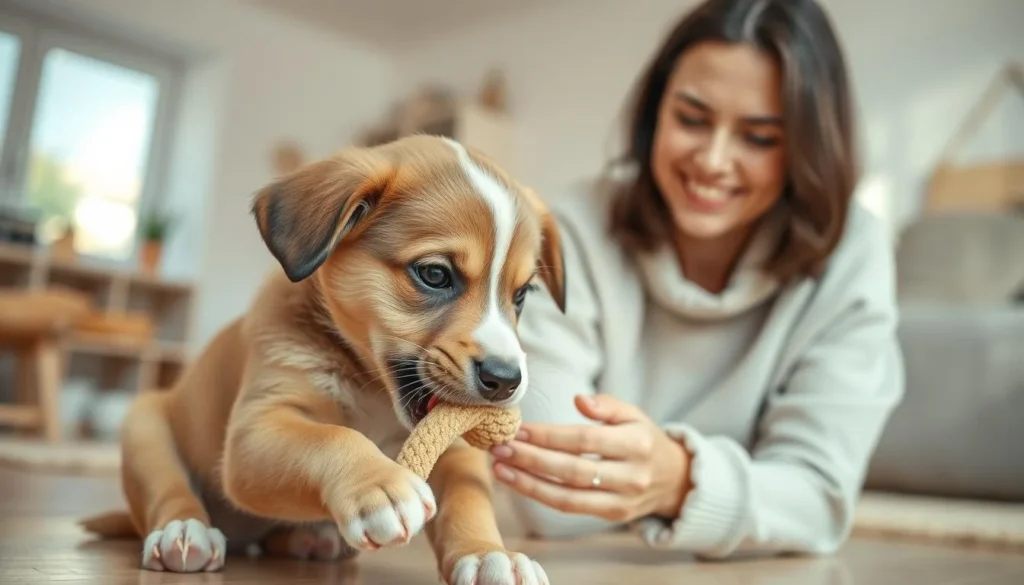
If my puppy bites or mouths me, I quickly show them a toy. This protects my hands and teaches them what's okay to chew. It sets boundaries and gives them a place to satisfy their chewing instinct.
Incorporate Calm Handling
Being calm when handling my puppy makes them feel safe. Gentle petting and soft words help them get used to human touch. This reduces biting and builds trust, making our bond stronger.
Puppy Teething Remedies
Teething can be tough for puppies and their owners. Finding good puppy teething remedies is key to keeping them comfortable. I can help soothe teething puppies and reduce biting.
Safe Chew Toys to Provide Relief
Choosing the right chew toys is important. Look for durable, non-toxic toys made for puppies. These toys help them chew and keep their teeth healthy.
Brands like Nylabone and KONG offer great options for teething puppies. They have a variety of toys that are perfect for this stage.
Naturally Soothe Teething Puppies
There are natural ways to soothe teething puppies. Frozen carrot sticks or teething rings can numb sore gums. Fresh fruits like bananas are also good in small amounts.
These simple remedies can make my puppy much more comfortable during teething.
Dealing with Puppy Nipping
Nipping is a natural behavior in puppies, but it can become a problem if not handled right. It's key to know when nipping is too much. This helps prevent habits that could lead to bigger issues later.
Recognizing When Nipping is Excessive
Watching my puppy with others, I notice how often and hard they nip. Too much nipping shows in different ways:
- Persistent biting even when told to stop.
- Nipping that leaves marks or bruises.
- Nipping in calm situations.
Spotting these signs lets me act fast to fix the behavior.
Understanding the Reasons for Nipping
When dealing with puppy nipping, it's crucial to know why they do it. Puppies nip for:
- Fun during play.
- Frustration from being held back or not getting something.
- Curiosity as they check out their world.
Knowing these reasons helps me find better ways to channel their energy. This keeps my puppy happy and healthy.
How to Prevent Puppy Biting
Setting clear rules for how to interact with my puppy is key. Being consistent helps my puppy know what's expected. This is crucial for preventing bites and building a strong bond.
Consistent Rules for Puppy Interaction
Having clear rules makes my puppy feel secure. They learn fast when I show them what's okay and what's not. This way, they know what play is good and what's not.
This approach not only stops bites but also strengthens our trust.
Use Positive Distraction Techniques
When my puppy gets too excited or bored, I use positive distractions. Giving them toys or playing games takes their mind off biting. I love using chew toys, playing fetch, or teaching new tricks.
These methods not only stop bites but also make our playtime more fun.
Encouraging Gentle Playtime
Creating a positive play environment is key for my puppy's growth and behavior. Encouraging gentle play helps reduce biting urges. Avoiding rough play stops behaviors that make biting seem fun.
Instead, I play safe games with my puppy. These games are fun and keep them active without risk of injury.
Avoiding Rough Play
Rough play can make a puppy more likely to nip or bite. By avoiding tugging or wrestling, I teach my puppy to play calmly. Gentle games let my puppy have fun without being aggressive.
Safe Games to Play with Your Puppy
Playing safe games builds trust and fun in our relationship. Here are some great options:
- Fetch: It lets my puppy run and retrieve items safely.
- Hide and Seek: It's a fun way to challenge my puppy's mind and teach recall.
- Obstacle Courses: Using household items, it's a fun challenge that reinforces good behavior.
- Tug of War (with soft toys): A soft toy makes tugging a gentle game.
These games give my puppy lots of exercise. They also help develop social skills and understanding of good interaction.
| Game | Description | Benefits |
|---|---|---|
| Fetch | Throw a ball or toy for your puppy to retrieve. | Physical exercise and fetching instincts. |
| Hide and Seek | Hide in your home and call your puppy. | Recall practice and mental stimulation. |
| Obstacle Course | Create a small course for your puppy to navigate. | Enhances agility, focus, and bond. |
| Soft Tug of War | Gently tug on a soft toy with your puppy. | Reinforces control and gentle play. |
Socialization and Interaction with Other Dogs
Proper socialization with other dogs is crucial for a puppy's development. Puppy classes help them learn social skills in a safe space. These classes also teach them how to behave around other dogs.
Playdates with puppies are great for reinforcing these lessons. They provide a fun and safe place for my dog to practice what they've learned.
Importance of Puppy Classes
Puppy classes are essential for young dogs. They teach basic commands and focus on play to improve social skills. My puppy learns to play gently and respectfully with other dogs.
This helps prevent future biting issues. It's a key part of their training.
Benefits of Playdates with Other Puppies
Playdates with other puppies are very beneficial. They offer a relaxed setting for my puppy to explore different play styles. Here are some benefits:
- Encourages healthy social interaction.
- Allows practical application of skills learned in puppy classes.
- Promotes physical exercise and mental stimulation.
- Offers opportunities to develop appropriate play behaviors.
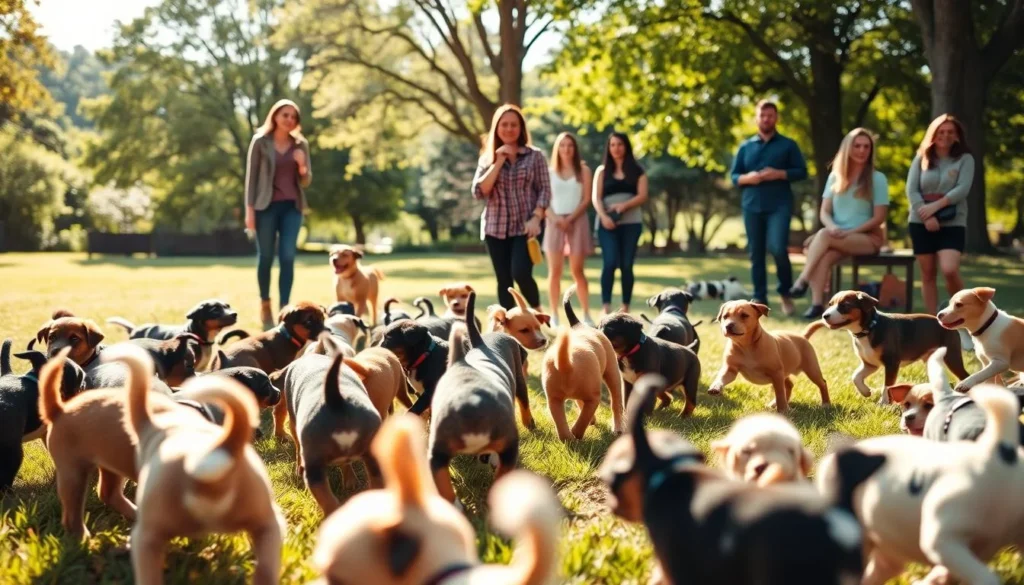
Combining puppy classes with regular playdates ensures a well-rounded social experience. My puppy becomes confident and friendly, ready to interact positively with others.
Managing Overexcitement That Leads to Biting
Overexcitement in puppies can cause them to bite. Knowing the signs of overexcitement helps prevent these behaviors. When my puppy barks a lot, runs around, or plays too hard, it's time to calm them down.
Signs of Overexcitement in Puppies
It's important to know when a puppy is too excited. This can make a home less peaceful. Look out for these signs:
- Excessive barking
- Pacing back and forth
- Jumping up and down
- Digging or scratching
- Creating a whirlwind of activity during playtime
Techniques to Calm an Overexcited Puppy
When I see these signs, I know what to do. Here are some ways to calm my puppy:
- Implementing quiet time to help them settle down
- Engaging in structured play sessions that allow for controlled excitement
- Using calming music to create a soothing atmosphere
- Practicing deep breathing alongside my puppy to promote relaxation
How to Handle Separation Anxiety
Separation anxiety can make puppies act out, like biting. It's key to spot the signs early and use good strategies. Knowing when your puppy whines, gets destructive, or clings too much helps. A structured plan for alone time can help your puppy feel better emotionally.
Recognizing Signs of Anxiety
Knowing what anxiety looks like in your puppy is the first step. Look out for:
- Whining or barking when left alone
- Destructive behaviors, such as chewing furniture
- Following you around the house excessively
- Potty accidents in the house
Spotting these signs early lets you plan better for handling separation anxiety.
Gradual Training for Alone Time
Gradual training is a great way to ease separation anxiety. Here's how:
- Start with short times alone, then increase as your puppy gets used to it.
- Give a safe space with toys and familiar smells for a calm place.
- Positive reinforcement when your puppy stays calm alone.
This method lowers anxiety and cuts down on biting due to stress or frustration.
Setting Up a Safe Environment for Your Puppy
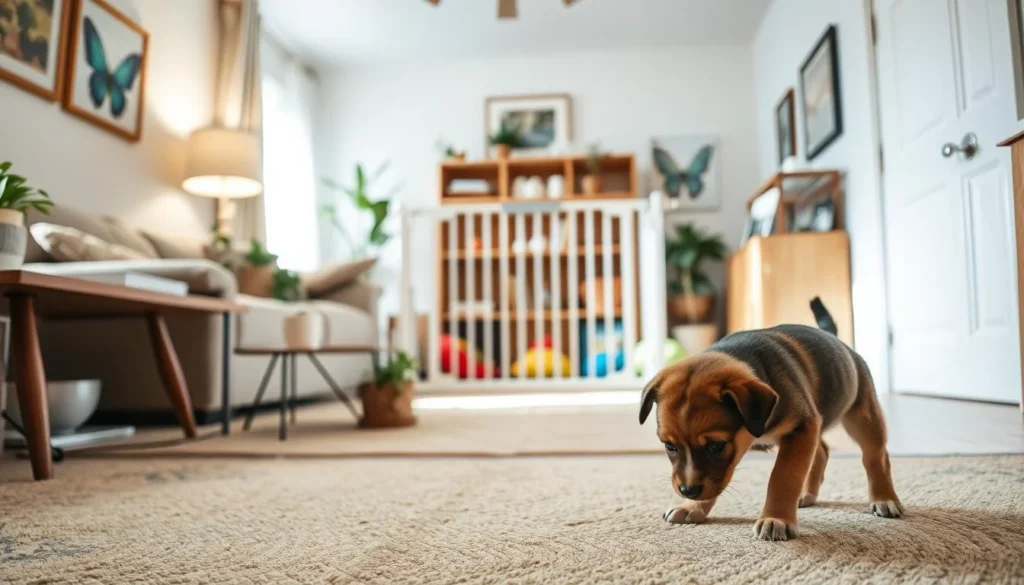
Creating a safe and welcoming space for my puppy is key for effective training. Puppy-proofing my home reduces hazards and protects valuable items from being chewed. This helps minimize biting triggers and creates a fun environment for my puppy to thrive in.
Puppy-Proofing Your Home
Several areas need attention when puppy-proofing my home:
- Securing electrical cords and cables to prevent chewing.
- Putting away items that could be dangerous, like cleaning supplies and medications.
- Using baby gates to restrict access to certain rooms.
With careful planning, I can enjoy time with my puppy while reducing unwanted biting behaviors.
Removing Temptations and Distractions
To support my puppy's training, I must remove temptations that encourage undesirable chewing. Here’s how I manage this task:
- Place shoes, clothes, and essential items out of reach.
- Provide designated chew toys that satisfy their chewing instincts.
- Keep my living area tidy to reduce distractions from objects that may seem appealing to my puppy.
By focusing on puppy-proofing my home and eliminating distractions, I can enhance my puppy's learning experience and promote positive behaviors.
| Puppy-Proofing Strategies | Benefits |
|---|---|
| Securing Cords | Reduces risk of electrical hazards. |
| Removing Hazardous Items | Prevents accidental ingestion of harmful materials. |
| Providing Toys | Encourages appropriate chewing behavior. |
| Using Gates | Limits access to unsafe areas. |
Essential Ongoing Training Practices
It's key to keep training my puppy to help them learn and remember important commands. Regular training builds a strong bond and encourages good behavior. This way, my puppy becomes more obedient and well-adjusted.
Practicing Commands Regularly
Regular practice of commands helps my puppy know what's expected. I make sure to train them every day, even if it's just for a few minutes. By focusing on simple commands like "sit," "stay," and "come," my puppy learns faster.
This regular training not only improves their skills but also reduces bad behaviors like biting.
Establishing Consistency in Training
Being consistent in training is vital for clear communication with my puppy. I make sure everyone in the family uses the same commands and methods. This consistency helps my puppy understand what's expected of them quickly.
Through consistent training, my puppy's obedience improves, and biting incidents decrease.
Enlisting Family Support in Training
Getting my family involved in puppy training is key to success. When we all work together, it helps the puppy and us. Good communication and being consistent make learning fun and reinforce good habits.
How to Involve Family Members
To get my family involved, I can do a few things:
- Have a family meeting to talk about training goals and plans.
- Give each family member a specific training task based on their schedule and skills.
- Make training sessions fun by doing them together.
- Ask everyone to use the same commands and methods for consistency.
Consistency Among All Family Members
It's important to keep family support in training consistent. This helps my puppy learn faster. Here are some ways to stay consistent:
- Keep a training log to track progress and see what needs work.
- Talk about any changes in training right away to avoid confusion.
- Celebrate small wins together to keep everyone motivated.
- Check in regularly to make sure everyone feels confident in their role.
Consulting Professional Help
Training my puppy has taught me the importance of knowing when to ask for help. If my puppy keeps biting or shows signs of anxiety, it's time to see a dog trainer. This step can make a big difference in our relationship.
When to Seek a Dog Trainer
It's not always easy to know when to ask for help. Here are some signs that it's time to find a dog trainer:
- Persistent biting behavior that doesn't improve
- Signs of anxiety or distress in my puppy
- Difficulty in establishing a routine or boundaries
- Challenges during socialization with other dogs
Finding Qualified Assistance
Finding the right trainer is crucial. I look for someone with the right credentials and experience. Here's how I find the best trainer:
- Look for certifications from reputable organizations, such as the Association of Professional Dog Trainers.
- Seek recommendations from friends, family, or local veterinarians.
- Read online reviews and testimonials to gauge past clients’ experiences.
- Arrange for an initial consultation to discuss training techniques and philosophies.
Getting help from a dog trainer has been a game-changer. It not only helps my puppy but also improves my skills as a pet owner.
Conclusion
Learning to stop my puppy from biting is a big job. It needs a mix of understanding why they bite and using positive training. Each step, from knowing what's normal to managing excitement, helps a lot.
It's also crucial to make a safe space for my puppy. Giving them enough to do and the right things to chew on helps a lot. This way, I can avoid unwanted biting.
Being patient and consistent is the most important thing. By using the tips from this article, I can teach my puppy good habits. This will make our relationship strong and loving.