When I brought my new puppy home, I was filled with joy. The soft fur and big eyes won my heart quickly. But soon, I faced a surprise: my puppy's biting got out of control.
The gentle nibbles turned into chaotic nips during play. This left me frustrated and unsure of how to react. I knew I had to address this issue early for my sanity and my puppy's well-being.
If you're dealing with a similar problem, don't worry. There are effective ways to stop puppy biting. By teaching your puppy proper play, you can avoid harm. Let's explore how to stop puppy biting together, ensuring a safe and joyful experience for both of you.
Key Takeaways
- Understanding early intervention is crucial for effective puppy behavior training.
- Puppy biting is a common challenge that many new pet owners face.
- Effective solutions exist to stop puppy biting without causing fear or anxiety.
- Creating a strong bond during the training process leads to better outcomes.
- Fostering a safe environment helps reduce aggressive biting behaviors.
- Regular practice and patience are key components of success.
Understanding the Puppy Biting Phase
The puppy biting phase can be tough for pet owners. It's key to understand this phase for good puppy training. Puppies use their mouths to explore, which is part of growing up. Teaching them early can shape their behavior later on.
The Importance of Early Training
Starting puppy training early is vital. It teaches them to bite safely around people and pets. Setting rules and rewarding good behavior early helps them grow into well-adjusted adults.
Puppy Development Stages
Puppies go through important stages that affect their behavior. Knowing these stages helps us understand their biting phase:
| Stage | Age Range | Behavior Characteristics |
|---|---|---|
| Neonatal | 0-2 weeks | Development of senses; limited awareness. |
| Transitional | 2-4 weeks | Awakening senses; exploring through mouthing. |
| Socialization | 3-12 weeks | Critical period for learning social skills; biting behavior often peaks. |
| Juvenile | 3-6 months | Increased independence; learning to modify behavior. |
Why Puppies Bite: Natural Behavior
Puppies often bite as they grow and play. This behavior is part of their natural development. It's important to understand mouthing and teething to meet their needs.
Mouthing and Exploration
Mouthing is how puppies explore their world. They use their mouths to learn about things around them. It's normal for them to chew on objects as they discover their environment.
It's crucial to give them the right things to chew on. This helps prevent them from chewing on things they shouldn't.
Understanding Teething in Puppies
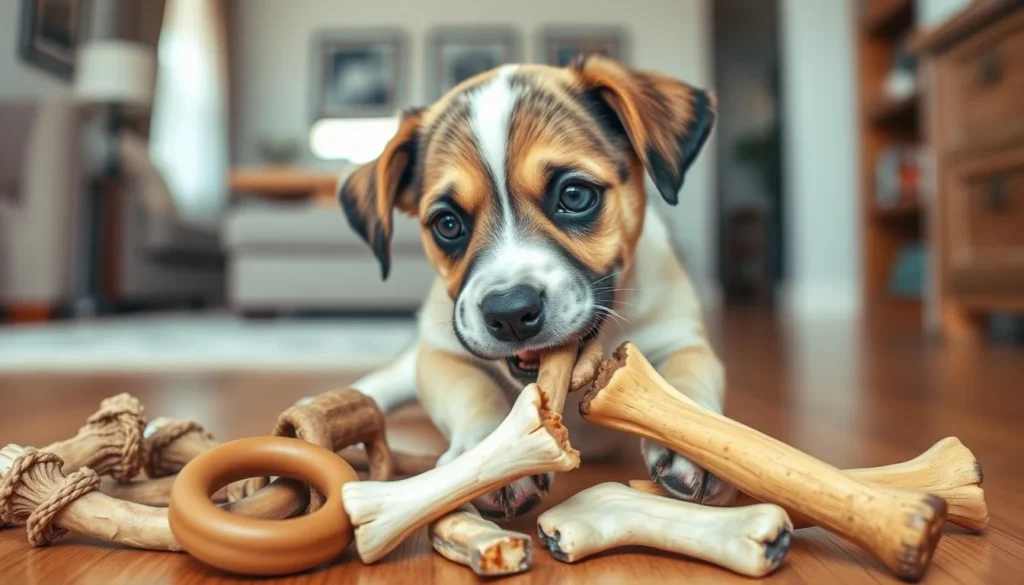
Teething can be tough for puppies. They have to deal with discomfort as their baby teeth fall out. This usually happens until they are about seven months old.
During this time, they might chew on anything they can find. Giving them chew toys can help them feel better. Following some tips can keep them happy and healthy.
The Problem of Puppy Biting
Playtime with puppies is fun for both the pet and the owner. But, it can turn into a worry if the puppy bites too much. Knowing when a puppy is getting too excited is key to stopping these bites.
Playtime Gone Wrong
When puppies play, owners might miss signs that they're getting too tired or excited. Look out for:
- Increased barking or whining
- Excessive biting attempts
- Shortened attention span
- Difficulty in engaging with toys
It's important to stop play if you see these signs. Not stopping can make the puppy's bites worse. Taking breaks helps the puppy calm down and learn how to play right.
Assessing the Severity of Biting
It's hard to tell how serious a puppy's bite is. Knowing the difference between a gentle nibble and a hard bite is crucial. Here are four levels of biting:
| Severity Level | Description | Recommended Action |
|---|---|---|
| 1 - Light Mouthing | Intentional but gentle; usually not harmful. | Encourage alternate behaviors. |
| 2 - Playful Nipping | Can be irritating but not painful; often during play. | Redirect to toys. |
| 3 - Hard Biting | Excessive pressure applied; may cause discomfort. | Immediately stop playtime. |
| 4 - Aggressive Biting | Uncontrolled and forceful; could lead to injury. | Seek professional help. |
Understanding these levels helps me manage my puppy's behavior. It ensures we both have a safe and fun time together.
Puppy Biting Solutions: Effective Techniques
Puppy biting is a common issue for many pet owners. Using effective training methods can help manage this behavior. Teaching your puppy to control their bite is key. This helps them learn when it's okay to bite and when it's not.
Teaching Bite Inhibition
Teaching bite inhibition means showing your puppy when a bite is too hard. A good way is to yelp, like a hurt playmate would. This tells your puppy their bite is too much. Use treats to reward them for playing gently.
This positive reinforcement helps them understand soft play. It's a way to teach them to play nicely without biting.
Using Positive Reinforcement Strategies
Positive reinforcement makes training fun for you and your puppy. Praise or treats when they don't bite during play are great rewards. Interactive toys also keep their attention away from biting.
As they play with toys, they learn not to bite your hands. Here's a quick guide to positive reinforcement:
| Technique | Description |
|---|---|
| Yelp Response | A loud yelp mimics a hurt friend, signaling your puppy to ease their bite. |
| Treat Rewards | Providing treats when your puppy plays gently reinforces appropriate behavior. |
| Interactive Toys | Using toys diverts your puppy’s attention from biting and focuses it on play. |
Managing the Puppy Biting Problem
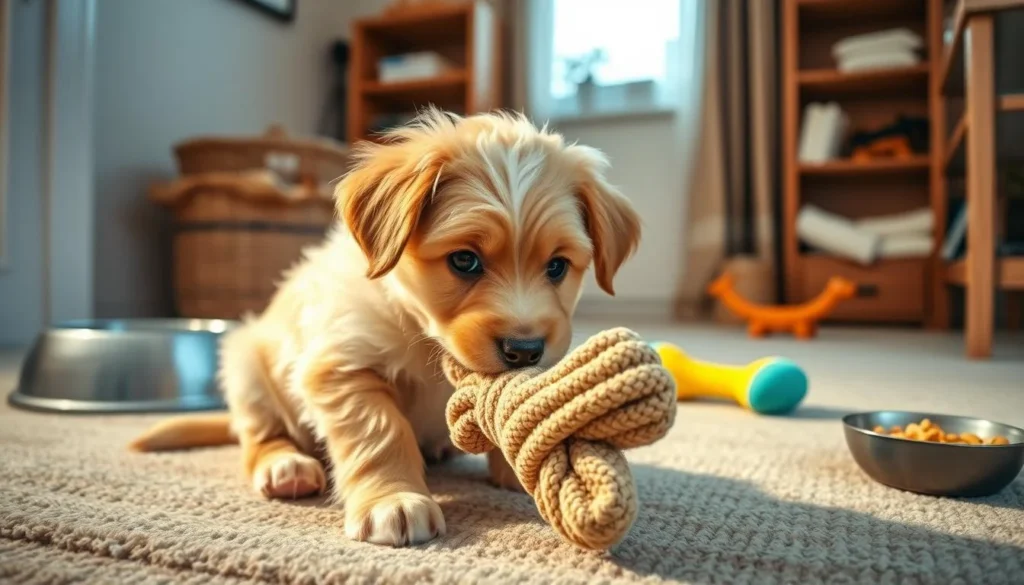
Managing puppy biting needs smart strategies. Redirecting their attention is key. I give them chew toys to play with instead. This helps them learn to play nicely.
Creating a safe play area is also vital. It helps them behave better and bite less.
Redirecting Attention to Toys
Redirecting puppy biting to toys is a good idea. When they nip, I give them a chew toy. This keeps them busy and stops the biting.
I choose toys that grab their attention. Squeaky toys and tug ropes work well. Having many toys around keeps them entertained and stops bad biting.
| Toy Type | Benefits | Recommended Age |
|---|---|---|
| Rubber Chew Toys | Durable and suitable for heavy chewers | All ages |
| Squeaky Toys | Engaging sound encourages playtime | Puppies 3 months and older |
| Teething Toys | Soothes gums during teething phase | Puppies 2-6 months |
| Rope Toys | Promotes dental health and interactive play | All ages |
Creating a Play-Friendly Environment
Creating a good play area is important. I fill it with toys that encourage good play. I use gates to keep them safe and away from trouble.
Changing toys often keeps them interested. Adding training to playtime helps them learn. Watching them closely keeps everyone safe.
Handling Puppy Aggression
Dealing with aggressive puppies can be tough. Spotting aggression early is key to solving behavior problems. Knowing what causes fear-based biting is crucial for finding the right solutions.
Identifying Signs of Aggressive Behavior
It's important to recognize aggression signs early. Look out for:
- Growling or snarling during play
- Stiff body and raised hackles
- Avoidance or hiding
- Biting that seems out of frustration or fear
Seeing these signs means my puppy might be scared or insecure. It's vital to tell fear-based aggression from playful biting.
How to Address Fear-Based Biting
Creating a safe space is key to solving fear-based biting. Here are some effective methods:
- Make a safe area for your puppy to go when anxious.
- Use desensitization to gradually expose them to scary things.
- Introduce them to calm dogs for socialization.
- Manage situations that stress your puppy.
Using these methods regularly has helped a lot. Patience and positive reinforcement are essential. They help build trust and reduce aggression.
Preventing Puppy Nipping
Stopping puppy nipping is key to raising a well-behaved dog. Setting boundaries early helps teach them right from wrong. By doing this during play, I teach them what's okay and what's not. This way, we have positive play that builds good habits.
Establishing Boundaries Early
Right when I bring my puppy home, I start teaching them boundaries. It's important to be clear and consistent with rules. I ensure to:
- Set playtime limits and keep to them.
- Use commands like "no" or "stop" firmly but gently.
- Redirect them to chew toys when they nip.
This helps my puppy understand their limits, making nipping less likely as they grow.
Positive Play Interaction Tips
Safe and positive play is crucial for my puppy's growth. I use various tips to encourage good behavior:
- Use interactive toys to keep them distracted and entertained.
- Play games that encourage gentle play, like fetch with soft toys.
- Praise and treat them when they play nicely and don't nip.
These strategies help create a fun yet structured space. It promotes healthy play while stopping puppy nipping.
Techniques for Redirecting Puppy Biting
Managing puppy biting can be tough, but it's doable with the right methods. Giving them chew toys helps them use their mouths right. It's key to keep them playful with fun activities that distract them from biting.
Effective Use of Chew Toys
Choosing the right chew toys is key. Dogs like different textures, tastes, and sizes. So, having a variety keeps them interested. Look for toys that are safe and durable, like rubber or nylon.
- Rope toys are great for tugging and chewing, helping to strengthen their teeth.
- Rubber chew toys filled with treats can provide mental stimulation.
- Soft, plush toys can satisfy their urge to nibble while snuggling.
Play Alternatives to Nipping
Adding play alternatives to their day is a great idea. It helps them interact positively. Activities like fetch, tug-of-war, or hide-and-seek keep them busy with other things.
- Play fetch with balls or Frisbees to direct their energy appropriately.
- Involve them in tug-of-war using a sturdy toy, reinforcing good manners when they play.
- Create scavenger hunts using treats or their favorite toys, keeping them occupied and engaged.
Time-Out Methods for Biting Puppies
Dealing with a puppy's biting can be tough. Time-out methods help set clear boundaries. They give both the puppy and me a break, making learning more positive.
Establishing a Calm Timeout Zone
Choosing the right spot for time-outs is important. I create a calm area for my puppy, away from distractions. This teaches them that biting means no playtime.
- Quiet area away from family activities
- Soft bedding to make it comfortable
- No toys or stimulating objects around
Using Time-Outs Effectively
Time-outs need to be consistent. I use them right after a bite. I guide my puppy to the zone calmly, without yelling. This shows them biting means no fun.
Here’s a quick overview of my process:
| Action | Expected Outcome |
|---|---|
| Puppy bites during play | Immediate removal to timeout zone |
| Calmness in timeout zone | Puppy can rejoin after a few minutes |
| Repeat incidents | Consistency helps reduce biting behavior |
These time-out methods have improved my puppy's behavior. It's all about patience during training.
Puppy Obedience Training Basics
Puppy obedience training is key to a well-behaved dog. It lays the groundwork for control and builds a strong bond. This training helps us guide our pups and stops bad behaviors like biting.
Importance of Commands in Training
Commands are crucial for puppies. They give clear rules and structure. Commands like "sit," "stay," and "come" help manage their behavior.
Consistent training makes puppies feel secure. It teaches them to behave well instead of biting.
Promoting Good Behavior Through Commands
Commands are vital for good behavior. They teach puppies to focus on right actions, not bad ones. By rewarding good behavior, we encourage more of it.
With time and effort, puppy training turns a playful pup into a well-mannered friend.
Puppy Teething Tips for Pet Owners
Teething can be tough for puppies. They chew and bite because of the pain. Knowing puppy teething tips helps a lot. The right toys and when to see the vet are crucial for your puppy's health.
Choosing Appropriate Teething Toys
Finding the right teething toys is key. Look for ones that are tough but soft for gums. Good choices include:
- Rubber toys that offer a good grip and can be filled with treats.
- Soft, plush toys designed for teething.
- Frozen gel-filled toys that provide cooling relief.
Teething toys with different textures keep your puppy interested. Check them often for damage. A good toy can really help with the pain, so try different ones to see what your puppy likes.
When to Seek Veterinary Advice
Teething is normal, but some signs mean you should see a vet. Look out for:
- Excessive drooling or refusing to eat.
- Swollen or bleeding gums.
- Changes in behavior like increased aggression or withdrawal.
- Difficulty in finding or using toys designed for teething.
Looking after your puppy's health is important. Stay in touch with your vet and ask questions as your puppy grows.
Socializing Your Puppy to Reduce Biting
Socializing puppies is key to their growth. It helps them become well-adjusted adult dogs. By exposing them to other dogs and different places, you reduce biting and improve their behavior.
The Benefits of Playdates with Other Dogs
Playdates are great for socializing puppies. They learn from other dogs, which helps them understand social cues. This reduces biting as they learn to play nicely.
Watching other dogs play teaches them how to interact without biting. It's a valuable learning experience.
Enrolling in Puppy Classes
Puppy training classes are also beneficial. They provide a place for puppies to learn commands and socialize. These classes help puppies learn obedience and interact with others.
They also get to see different behaviors and energy levels. This helps them become more confident and learn to control themselves, reducing biting.
| Activity | Benefits | Frequency |
|---|---|---|
| Playdates with Other Dogs | Improves social skills, reduces biting | Weekly |
| Puppy Training Classes | Enhances obedience, builds confidence | Bi-weekly |
| Daily Walks | Exposes to different environments | Daily |
Exploring Professional Help for Puppy Biting
As a puppy owner, I know how tough it can be to deal with biting. Sometimes, getting help from a professional dog trainer is a good idea. It helps me and my puppy learn how to interact safely and positively.
When to Consult a Dog Trainer
If my puppy bites too much or gets aggressive, it's time to see a dog trainer. Look out for these signs:
- Persistent biting even after trying to train at home
- Biting with growling or other signs of aggression
- Biting due to fear during social times
Talking to a dog trainer can give us new ways to change my puppy's behavior.
Types of Professional Help Available
There are many ways to get help with puppy biting. Here are some:
- Puppy behavior specialists who help fix behavior issues.
- Group classes for socializing and learning obedience.
- Private sessions for customized training plans.
By trying these options, I can improve our communication and make our bond stronger.
Conclusion
As I conclude this guide, I aim to summarize puppy biting solutions. These can help you through this challenging time with your puppy. Training consistently and using effective methods are key to a well-behaved pet. Puppies learn from their experiences, and positive reinforcement helps them grow well.
Patience is crucial. The tips on puppy behavior I've shared are important. By being proactive and setting boundaries early, you'll see lasting results. Every step you take helps create a better environment for you and your puppy.
Enjoy this journey with your furry friend. The rewards are huge. With time and care in training, you'll have a well-mannered dog. Here's to a strong bond filled with joy and positive interaction!