As a dog owner, I've often wondered why my pup bites sometimes. It happens during play, when he's anxious, or when he's too excited. Understanding this behavior is key.
Seeing his sharp teeth can be scary, especially when others are worried about meeting him. Teaching him not to bite is more than just keeping everyone safe. It's about making sure he's well-adjusted and safe for everyone.
Through stop biting dog training and behavior modification, I found the problem often stems from communication. Let's look into why dogs bite and how to make them gentler.
Key Takeaways
- Understand the reasons behind dog biting to address the behavior effectively.
- Differentiate between playful mouthing and aggression for better training.
- Implement positive reinforcement techniques in stop biting dog training.
- Recognize the importance of socialization to prevent biting issues.
- Consistent training and patience are essential in dog behavior modification.
Understanding the Reasons Behind Dog Biting
It's key to understand dog behavior to avoid bites. Dogs bite for many reasons, and knowing these can help us interact better with them. Their instincts often make them bite, due to fear, defending their territory, or discomfort from sudden moves. Knowing why dogs bite helps reduce aggression.
Dogs may bite if they feel threatened or if their space is invaded. They are sensitive and can react strongly to unexpected touches or loud sounds. It's important to remember that any dog can bite when stressed. This shows why teaching dog owners about preventing dog aggression is crucial.
Signs of Playful Mouthing vs. Aggression
It's key to know the difference between playful mouthing and aggression. Playful mouthing shows when my dog is relaxed. They bite gently and playfully, often with a wagging tail. This is their way of saying, "Let's play!"
But, it's also important to spot aggressive behavior. Aggression shows in a stiff body, raised hackles, and a focused stare. Their bites are quick and hurtful, showing they feel threatened. Spotting these signs helps me keep everyone safe.
| Behavior Type | Body Language | Bite Quality | Emotional State |
|---|---|---|---|
| Playful Mouthing | Relaxed, wagging tail | Gentle, sporadic | Happy, excited |
| Aggressive Behavior | Stiff, hackles raised | Quick, painful | Threatened, defensive |
By paying attention to these signs, I keep our environment positive. It also helps in training my dog successfully.
How to Make a Dog Stop Biting
Teaching a dog to stop biting starts with understanding bite inhibition. This skill helps dogs control their bite strength. It's key for safe play with humans and other pets.
Young dogs learn about bite strength through play and socialization. If they bite too hard, their playmates might yelp or back away. This teaches them to be gentle.
Understanding Bite Inhibition
Bite inhibition helps dogs know how sensitive human skin is. It lets them play without hurting anyone. I make sure my dog plays in different ways to learn about his bite strength.
This not only cuts down on biting but also teaches him to play gently. It's a way to make sure he knows how to interact with people safely.
Importance of Gentle Play
Teaching gentle play is crucial in stop biting dog training. I encourage my dog to play in ways that are not too rough. This shows him that being gentle is good.
With regular practice, my dog's playtime became more gentle. This made our interactions better. Gentle play helps my dog learn what's okay and what's not, reducing biting.
Training Methods for Biting Dogs
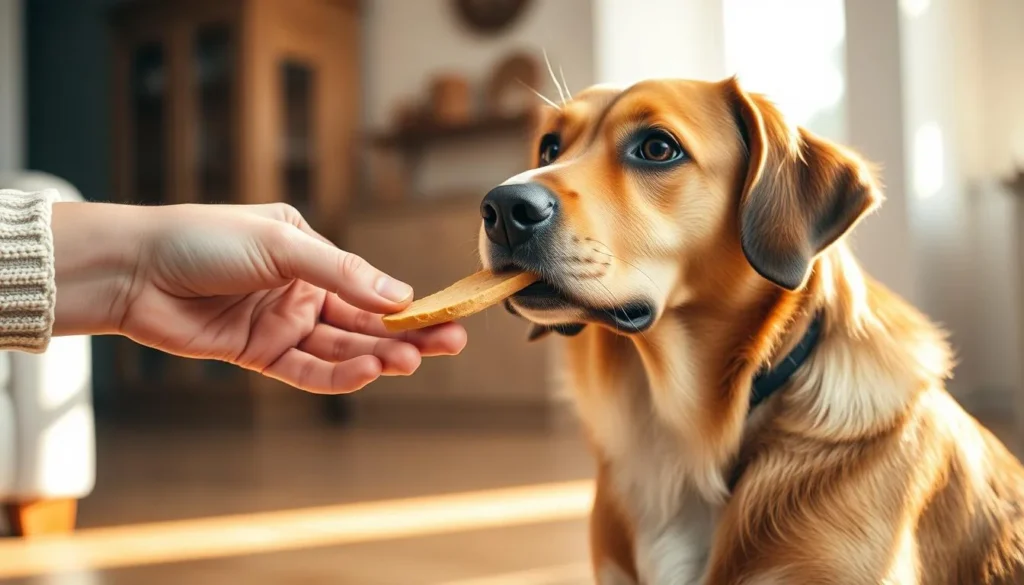
Effective training methods can change a biting dog's behavior. Positive reinforcement and time-out techniques are two key methods. They not only solve the biting problem but also strengthen our bond.
Using Positive Reinforcement
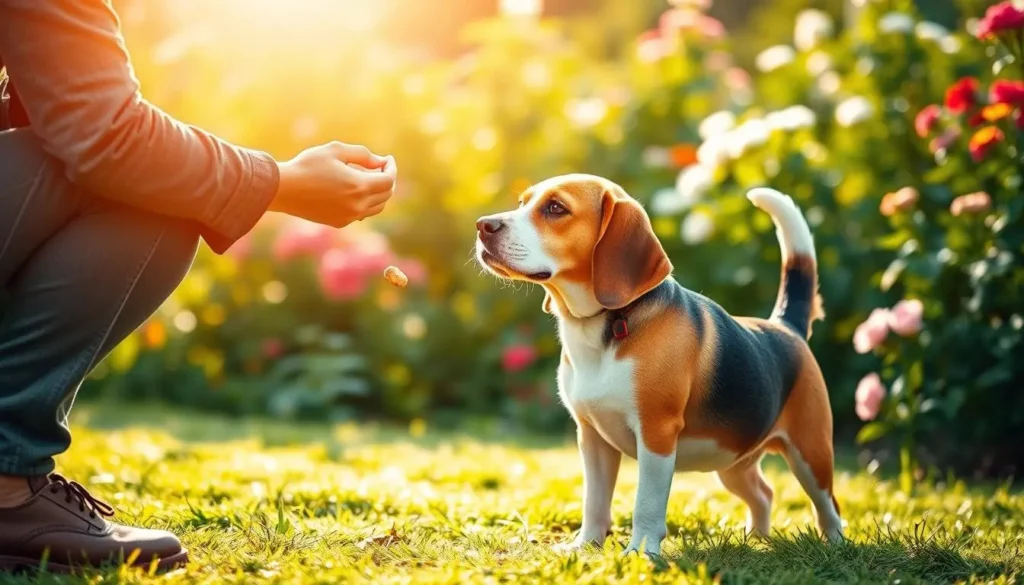
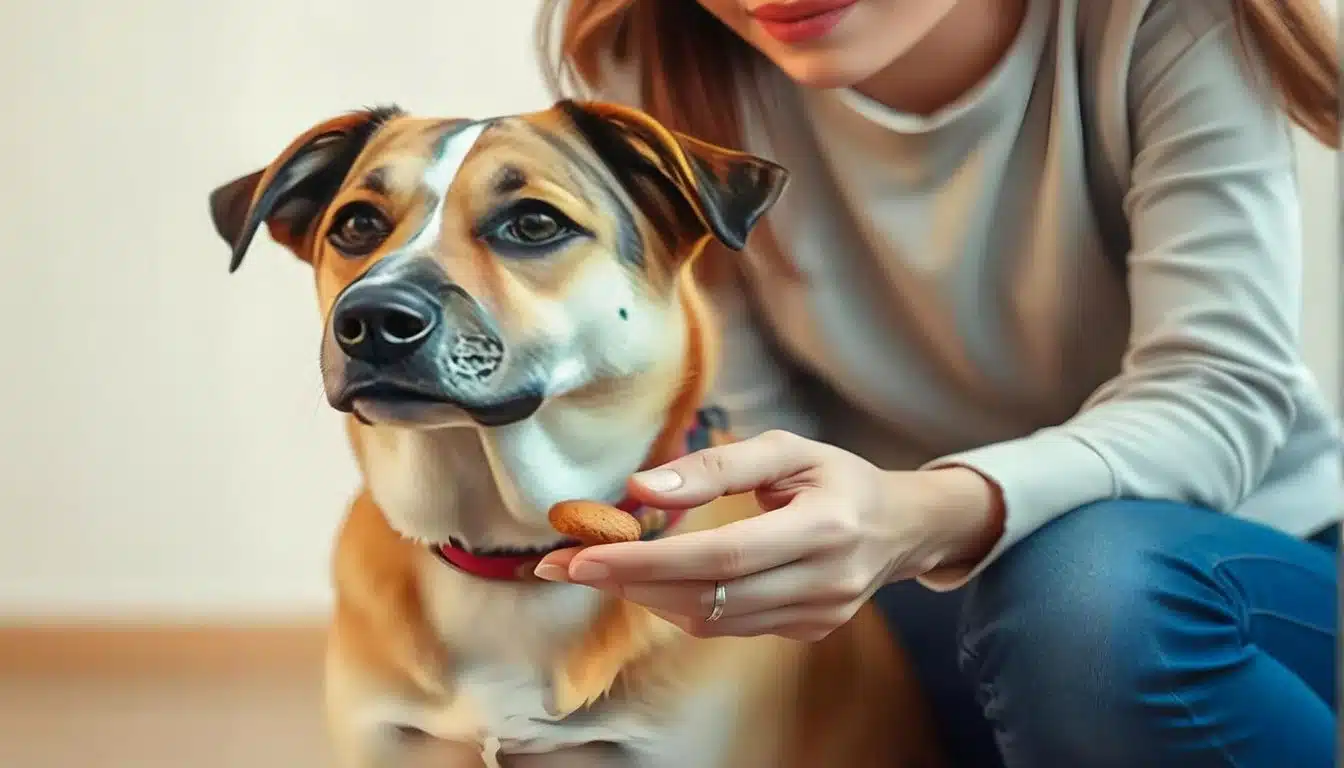
Positive reinforcement teaches my dog good behaviors. It rewards them for acting right. When my dog is gentle, I give them treats or praise.
As time goes on, they learn that calm actions get rewards. This leads to less biting.
Implementing Time-Out Techniques
If my dog bites, time-out techniques set clear boundaries. A high-pitched yelp tells them biting is wrong. Then, I take them away for a short time.
This teaches them that biting means playtime ends. It makes them think twice before biting again.
Tips for Controlling Dog Biting
Dealing with dog biting can be tough, but there are ways to change their behavior. I've learned some tips that really help. Redirecting their attention to toys and encouraging play without biting are key.
Redirecting with Toys
Redirecting my dog's attention to toys is very effective. When they start to nip, I give them a favorite toy. This makes them focus on the toy instead of my hands. It teaches them that toys are for chewing and playing.
By doing this often, I stop them from biting during play. It's a simple but powerful way to change their behavior.
Encouraging Non-Contact Play
Playing without biting is important for gentle interactions. Games like fetch or tug-of-war are great. They let my dog have fun and get some exercise without biting.
Keeping playtime safe makes it fun for both of us. It also helps prevent bad behavior. This makes our relationship happier and healthier.
Managing Aggressive Behavior in Dogs
Aggressive behavior in dogs can be tough to handle. It's key to understand what triggers it. Knowing what makes my dog aggressive helps a lot. It could be fear, defending territory, or past experiences.
Each case is different, and watching my dog closely helps figure out the reasons. This is crucial for managing their aggression.
Desensitization techniques are helpful in solving dog aggression. I slowly introduce my dog to things that make them aggressive. I reward them for staying calm with treats or praise. This helps them associate those things with good feelings.
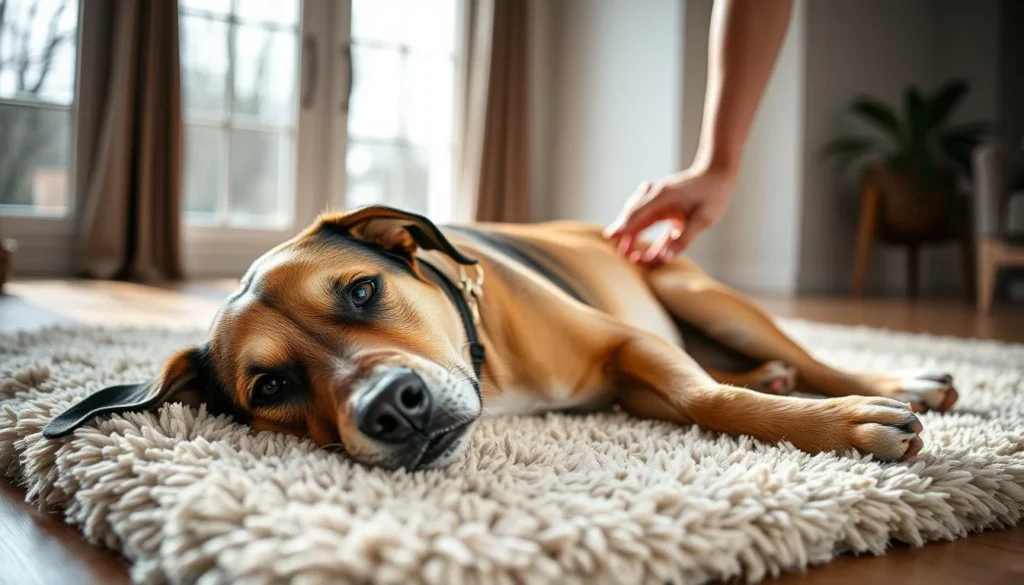
At times, getting professional help is necessary. A dog trainer or behaviorist can offer specific advice. They can give a fresh look at the behavior and suggest training plans that fit my dog's needs.
Keeping everyone safe is always important. Using muzzles during training or in public is a good idea. It keeps my dog and others safe while we work on their behavior.
Importance of Socialization
Socialization is key for a dog's health. It helps them get along with people and places. Early socialization boosts their confidence and lowers the chance of fear biting.
By introducing dogs to new things, they grow into adaptable friends. This makes them easy to adjust to new situations.
Exposing Your Dog to Different Environments
Introducing dogs to new places is important. I take my dog on trips to parks and busy streets. These outings help them get used to new sights, sounds, and smells.
These experiences make my dog more adaptable. They learn to handle different environments well.
Meeting New People and Pets
Meeting new people and pets is crucial. I arrange playdates or visit friends with dogs. This helps my dog make friends and feel less anxious.
Regular socializing helps my dog fit in better. It makes them a happy and well-adjusted member of our community.
How to Teach Your Puppy Not to Bite
Learning how to stop your puppy from biting is key for a good relationship. Early training helps teach your puppy to interact right. Starting with good habits makes your pet happier and easier to handle.
Establishing Bite Inhibition Early
It's important to teach your puppy not to bite early on. I teach my puppy that biting is wrong. When they bite too hard, I say "Ouch!" to show them it hurts.
This helps them learn their limits. By doing this often, I stop them from biting too much.
Offering Alternatives to Chew
It's good to give your puppy chew toys instead of your hands. Toys like rubber chews or rope toys keep them busy and teach them to chew right. This way, they can play and chew safely.
Preventing Dog Aggression
Stopping dog aggression needs a mix of good training and knowing what makes my dog upset. Spotting signs early helps me act fast, making our home more peaceful. Socializing my dog is key. It helps them feel less scared and get along better with others.
Positive training makes our bond stronger. When I reward good behavior, it builds my dog's confidence. Being consistent helps manage their behavior. It's important to watch for any changes in how they act.
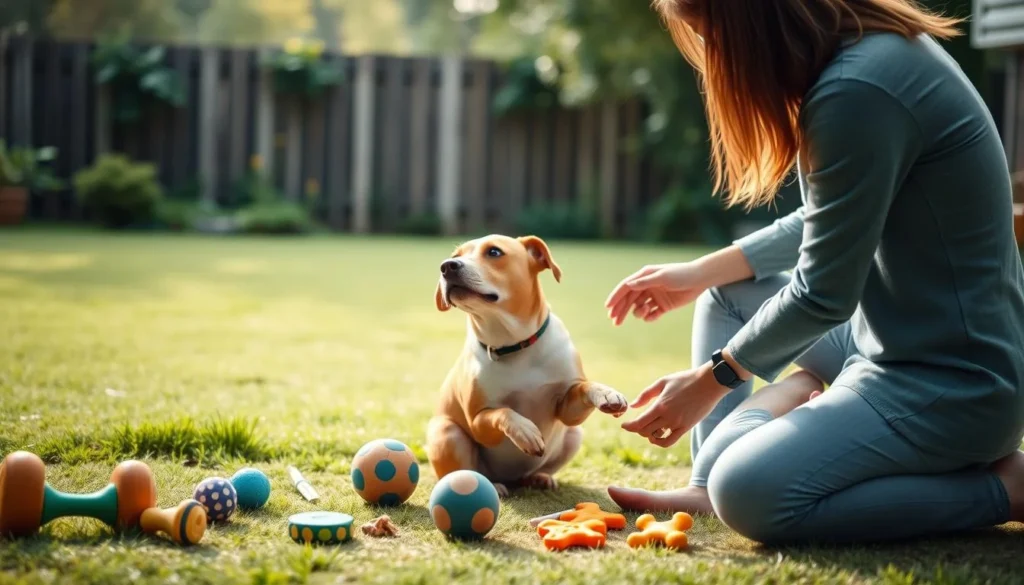
In short, being proactive is key to stopping dog aggression. Training, socializing, and understanding my dog's needs help us get along. These steps improve my dog's social skills and keep our home safe and happy.
Understanding Your Dog’s Body Language
Learning to understand dog body language is key for a safe and happy home. It helps prevent bites by recognizing when a dog is upset. Dogs show their feelings through body language, telling us how they feel and what they need.
Recognizing Warning Signs
It's crucial for dog owners to know the warning signs. Dogs show signs of feeling scared or threatened in different ways. Look out for:
- Stiff body posture
- Tail tucked between legs
- Avoidance of eye contact
- Showing teeth or growling behavior
- Panting or excessive licking
These signs tell us our dog might be feeling stressed. Spotting them early lets us act fast to make things better.
Interpreting Growls and Snaps
Growling can be tricky to understand. Not all growls mean a dog is aggressive. Often, a growl is a warning that the dog feels scared or threatened. I've learned to tell if a growl is playful or serious by watching my dog's body language.
| Type of Growl | Description |
|---|---|
| Playful Growl | Short, quick sounds, often accompanied by wagging tail and relaxed body posture. |
| Warning Growl | Deep, sustained growls, typically paired with stiff posture or direct stare. |
| Fear Growl | Low, rumbling growl indicating anxiety, usually linked to retreating body language. |
By understanding these growls, I can manage my dog's reactions better. This helps create a positive space where my dog feels safe and loved.
Importance of Continuous Training
Continuous dog training is key for a well-behaved pet. It helps keep good behavior strong throughout their life. Regular training sessions make my dog's responses sharper and strengthen our bond.
By committing to lifelong learning for dogs, I keep my furry friend's mind active. This ensures they stay responsive and engaged.
Setting up a routine for training can be fun and effective. Simple tasks and commands fit into our daily life, encouraging positive behavior. This lets me celebrate my dog's growth and build a strong learning foundation.
As time goes on, these activities become natural. They help create a happy and harmonious relationship between us.
Seeking Professional Help for Persistent Issues
As a dog owner, I understand the importance of addressing persistent behaviors like biting or aggression. Sometimes, trying to train my dog myself isn't enough. That's when I look for professional help.
Certified Professional Dog Trainers (CPDTs) and canine behavior specialists are experts in these areas. They can help tackle these challenges effectively.
Knowing when to seek help is key in dog training. If usual methods don't work or if my dog's anxiety and stress grow, it's time to act. A dog behaviorist can create strategies that fit my dog's unique needs.
They can also assess the situation and use techniques I might not know how to use. This can greatly improve our training journey.
By getting professional dog training, we can work towards a better relationship. It ensures a safe and happy home for both of us. Seeking professional help is a smart move to overcome persistent behavioral issues.
General Precautions in Dog Interaction
When I'm with my dog, I always think about safety with dogs. I make sure to understand their behavior and body language. This helps us both have a good time.
Avoiding Provocative Behaviors
To keep things safe, I steer clear of actions that might upset my dog. This means:
- Making sudden movements that may startle my dog
- Engaging in rough play that could be misinterpreted
- Ignoring signs of discomfort, such as growling or stiff posture
Being careful about these actions helps prevent my dog from getting aggressive.
Creating a Safe Space
It's crucial to have a special area for my dog to go to when they need some alone time. This safe space makes them feel secure when they're feeling overwhelmed. Here's what makes a good safe space:
- A comfortable bed or blanket
- Toys that provide comfort
- A quiet location away from commotion
This kind of space makes my dog happy and secure, which is great for their overall happiness.
Engaging in Physical and Mental Exercises
Keeping dogs active is key for their happiness. Activities like leash walks, running, or fetch help them burn energy. These also teach good behavior.
Adding mental games to their routine is also important. Puzzle toys and hide-and-seek games challenge their brains. They keep dogs busy and prevent bad behaviors like biting.
It's important to mix physical and mental exercises. This keeps dogs happy and healthy. It helps avoid problems caused by too much energy.
Using Deterrents for Unwanted Mouthing
Managing mouthing in dogs can sometimes need extra strategies. If my furry friend keeps mouthing despite training, using deterrents for biting behavior helps. Taste deterrents are a good option. They involve spraying something unpleasant on my skin or clothes.
This makes my dog understand that mouthing is not good. Bitter apple or citrus sprays are often suggested. They help dogs avoid mouthing things or people.
It's key to use these sprays regularly. This way, my dog learns that mouthing is not okay. Training and taste deterrents work together. They help make our relationship better.
How to Help Your Dog Calm Down After Biting
After a biting incident, it's key to help my dog relax. Using calming techniques for dogs helps them feel secure and manage their behavior. Staying calm myself is also important.
I start by making a peaceful space, avoiding loud noises and distractions. Gentle exercises like deep breathing or slow petting help my dog relax. I watch to see what works best for my dog, as they all react differently.
Using soft music or aromatherapy adds to the calm atmosphere. I adjust my methods based on my dog's reactions. My main goal is to help my dog relax, building trust and tranquility in our bond.
Building a Strong Bond Through Play and Training
Bonding with dogs is key to a strong relationship. Training and play teach my pet important skills and create lasting memories. These moments help me understand my dog's personality and what they like, making our bond stronger.
Fun and structured activities help me teach good behavior. Training sessions with treats motivate my dog and build trust. Our strong bond means my dog is more well-behaved, making life happier and less stressful.
Playtime is a big part of our routine. Whether it's playing in the park or at home, it strengthens our bond. Recognizing my dog's need for play and companionship is important. The joy we share in these moments shows how beautiful our bond is.
In short, bonding through training and play brings understanding, trust, and happiness. Each activity strengthens our connection, leading to a loving and well-adjusted pet.
Recognizing and Addressing Health Issues
I know that health problems can cause my dog to bite. Dogs may bite when they're in pain or uncomfortable. It's important for me to watch for signs that my dog might be sick.
Changes in eating, energy, or how they act around me and others are key signs. These changes could mean my dog is not feeling well.
It can be hard to tell if a dog is in pain. They might bark a lot, hide, or bite more than usual. These signs can mean my dog is trying to tell me something is wrong.
If I think my dog is in pain, I need to get them to the vet. A vet can find out what's wrong and help fix it. This helps my dog feel better and stops the biting behavior.
Conclusion
Fixing my dog's biting needs patience, understanding, and a big commitment. I must first figure out why they bite. Then, I can use the right training methods to fix the problem and strengthen our bond.
Every dog is different, so my plan must fit them perfectly. It's all about being consistent and using positive rewards.
Handling dog biting means looking at it from every side. This includes managing their behavior, socializing them, and teaching them better ways to act. Remember, it takes time and effort to change their biting ways. But with hard work, we can turn biting into something fun and loving.
By following these steps, I'm helping my dog become a better, happier member of our family. A plan for solving dog biting issues helps me guide my dog to be a loving and respectful family member. This journey of training and understanding benefits us both.