I remember the first week with my Labrador mix. It was filled with joy and tiny paws. But, I soon realized our living room was a potential accident zone. This mix of love and responsibility made me slow down and plan carefully.
Learning about potty training saved me hours of frustration. It helped my dog feel secure. Housetraining is more than stopping messes. It's about creating routines, reducing stress, and building trust.
In this article, I'll share practical tips for potty training dogs. We'll cover crate training, indoor options, age-based schedules, and positive reinforcement. With the right preparation and steps, potty training can be rewarding.
Key Takeaways
- Start with a plan informed by trusted sources like the American Kennel Club.
- Consistent routines and prevention reduce accidents and speed learning.
- Immediate rewards reinforce correct elimination in the chosen spot.
- Crate training and age-based schedules are foundational tools.
- Evidence-based potty training dogs tips help build trust and reduce stress.
Why potty training dog is crucial for a happy home
Clear house rules make life easier for everyone. Good housetraining gives a dog structure, which reduces stress and unwanted behaviors. When I set routines for feeding, play, and elimination, dogs learn expectations fast and families feel more relaxed.
Benefits for dog behavior and household harmony
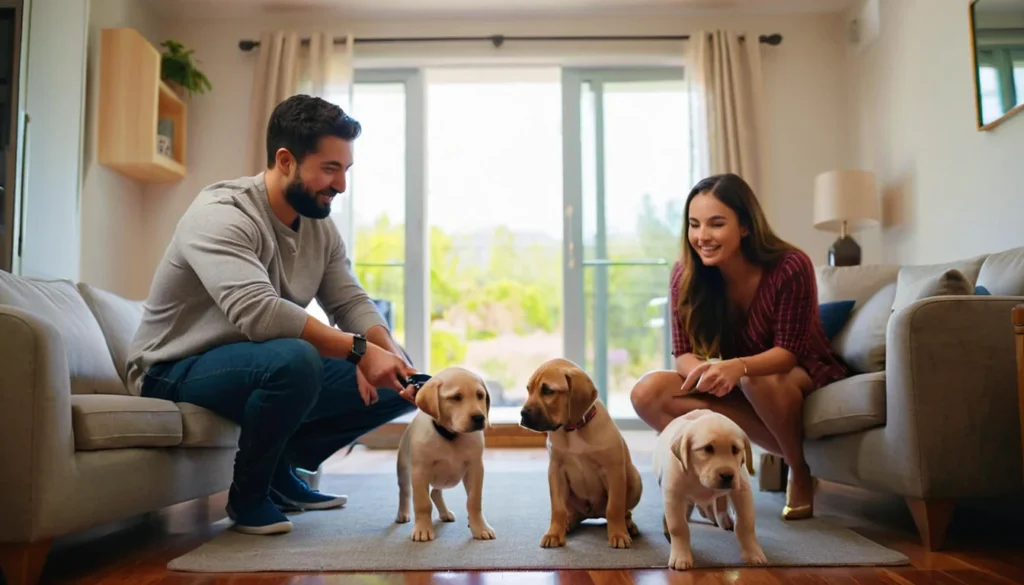
Housetraining builds predictable habits. A dog that understands when and where to go is less likely to chew furniture or beg for attention out of confusion. I teach owners to limit free access during training so dogs learn boundaries without repeated accidents. That clarity speeds learning and helps a pup or adult dog fit into the family routine.
Health and sanitation reasons to prioritize house training
Accidents expose people and pets to bacteria and parasites found in urine and feces. I emphasize cleaning with enzymatic products to remove odors and prevent repeat soiling. Persistent indoor accidents may signal a medical issue, so I advise a veterinary check if problems appear suddenly or often.
When to start: choosing the right age and timing
Puppies can usually hold their bladders roughly the number of hours that matches their age in months. For example, a three-month-old often manages about three to four hours. I encourage starting the moment a puppy arrives home. For rescued or adult dogs, I assess past routines and current control, then build a schedule that fits your life.
I always suggest considering work hours and living situations. If you face long days, plan for help from a dog walker, trusted neighbor, or join potty training for puppy classes that offer structured support. Knowing the typical potty training dogs age milestones helps set realistic goals and keeps progress steady.
Proven potty training methods and approaches
I share practical methods for house training dogs. These methods respect their instincts and reward their efforts. They also work well when you can't take them outside often. I explain how crate training, indoor solutions, and cue training can help you find the best approach for your home.
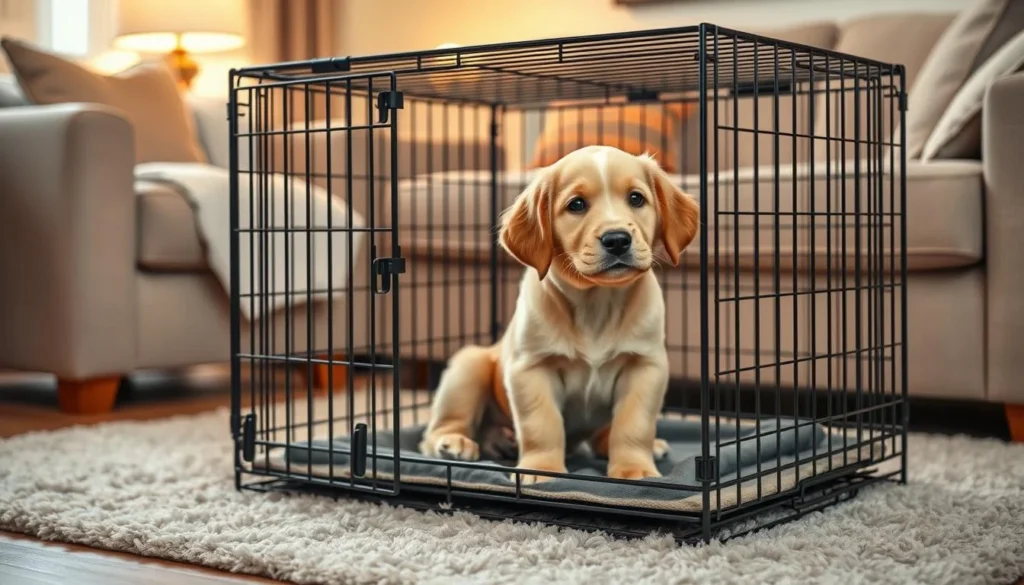
Crate training uses a dog's natural instinct to den. Choose a crate where they can stand, turn, and lie down. As they grow, use partitions or adjustable crates to prevent accidents.
I start crate training slowly. Begin with short periods, comfy bedding, and frequent breaks outside. If a dog soils the crate, check for health issues or past experiences. For anxious or older dogs, start with very short intervals and more outdoor time.
Crate training as a reliable housetraining tool
Crate training helps with bladder control and reduces accidents. Pair it with scheduled potty breaks and praise for success. It's effective for puppies and older dogs needing structure.
Puppy pads, paper training, and indoor potty solutions
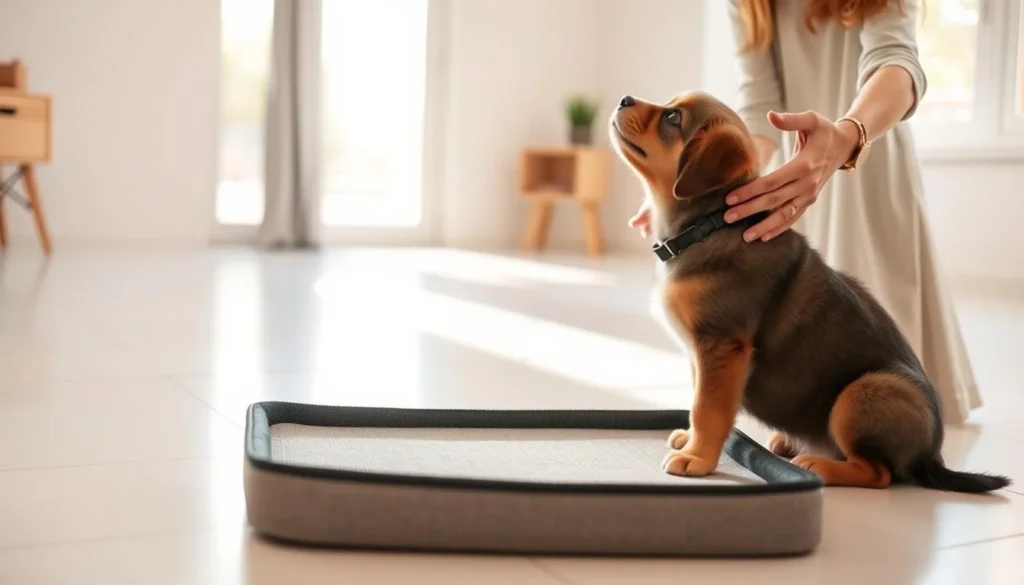
Puppy pads and indoor potties help during long days or bad weather. Use them as a temporary solution, not a permanent one. Unless you need an indoor system long-term.
To move paper-trained puppies outside, start by placing papers near the door. Then, move them outside in small steps. Another option is a shallow box with litter to mimic the outdoors. Remember, using both indoor pads and outdoor elimination at once can confuse dogs. Stick to one method and be consistent.
Teaching elimination on cue and consistent location training
Location training uses scent memory. Take the dog to the same spot each time. This helps them learn through smell. Use a short cue like “go pee” only during elimination for the first weeks.
When the cue works, use it earlier in the routine. Focus on urination first, as it's easier to cue. Reward them immediately with praise or treats. For many, combining cue training with crate training or puppy pads works best.
Creating an effective potty training schedule and timeline
I set a clear daily plan for potty training my puppy. A simple schedule helps avoid accidents and boosts confidence. I track timing, behavior, and small wins to shape habits faster.
I use age-based guidelines to decide bathroom breaks. Young pups need breaks every hour, while adult dogs need them every four hours. I adjust based on health and activity.
I follow a daily routine: morning, after meals, after naps, after play, and before bed. I expect elimination within 5–30 minutes after eating. After play, I plan an extra trip to prevent accidents.
To stay organized, I keep a potty journal. I log feeding times, outings, successes, and accidents. Patterns help me tweak the schedule and prevent repeats.
Below is a practical timeline I use as a starting point. I modify it for my dog's age, size, and medical needs. This balances consistency with flexibility during training.
| Time of Day | What I Do | Why It Helps |
|---|---|---|
| Wake-up | Immediate outdoor trip, praise and brief play | Clears overnight bladder and starts the day with success |
| After Meals | Take out within 5–30 minutes after eating | Most dogs eliminate after meals; timing reduces indoor accidents |
| Mid-morning | Short supervised outdoor break | Maintains routine for young puppies with limited holding time |
| After Naps / Crate Exit | Immediate outdoor trip | Prevents common nap-related accidents and reinforces cue |
| After Playtime | Calm outdoor break before returning indoors | Reduces excitement peeing and links play to potty success |
| Early Evening | Outdoor trip after dinner and before settling down | Helps establish an evening rhythm and fewer late accidents |
| Bedtime | Last trip outside, water access limited beforehand | Sets expectations for overnight holding suited to age |
I review my potty journal weekly. Small, consistent adjustments make the potty training dog timeline realistic and humane. Tracking progress keeps me focused during slow phases and shows steady gains.
Positive reinforcement techniques and rewards
I focus on reward-based training because dogs learn fastest when good behavior leads to something they want. This method is perfect for potty training dogs 101. It gives you clear steps to follow at home. Short sessions, clear markers, and consistent rewards help create a strong habit for your dog.
Timing is key to success. Give a treat or click within a second or two of elimination. This helps the dog connect the reward with the act. If you delay until you get back inside, the connection is lost. A quick verbal marker like "Yes!" or a clicker works well when paired with an immediate treat.
I rely on high-value treats, praise, and play to keep motivation high. Small pieces of cooked chicken, cheese, or commercial training bites are best. They are easy to eat and very desirable. Keep portions tiny to control calories and reduce meal size slightly if you hand out many treats during training.
I make walks and play the payoff for potty success. Withhold the walk until the dog eliminates. This teaches the dog that doing business outside opens the door to fun. If a walk follows a treat, the dog will learn that elimination earns more than food alone.
I recommend mixing reinforcers. Use treats for early training, add enthusiastic praise and short play sessions, and phase to praise and walks as primary rewards. This combination reinforces the behavior without relying on food forever.
For owners using bells, pair the bell cue with immediate rewards when the dog signals and then eliminates. Potty training dogs with bells works best when the bell reliably predicts the chance to go outside and receive a treat or a walk. That sequence strengthens the bell signal and speeds up learning.
These practical potty training dogs tips emphasize consistency. Deliver rewards fast, use high-value items sparingly, and make elimination the gateway to favorite activities. With patience and a precise reward routine, most dogs catch on quickly.
Preventing mistakes: supervision, confinement, and environment control
I keep a close watch when I train a puppy or a rescue. This careful supervision cuts down accidents and speeds learning. When I cannot watch, I rely on containment and clear routines to protect both the dog and my floors.
Using crates, pens, and tethering
I use a crate sized so the dog can stand, turn, and lie down without extra space to soil. An exercise pen gives more room for rest and safe toys. Tethering with a short line keeps the dog near me so I see signs such as circling or sniffing and can take them out quickly.
I arrange for a dog walker or a neighbor during long workdays. This prevents long holding that can lead to stress, accidents, or potty training dog regression.
Dog-proofing rooms and removing tempting potty spots
I block access to bedrooms and carpeted areas until the dog is reliable. Rugs, shoes, and wastebaskets get moved. I place chew-safe toys in view to distract from soiling spots.
If an accident happens, I clean with an enzymatic cleaner to remove scent markers. Leaving odors invites repeat mistakes and slows progress with potty training dogs in apartments or homes.
Managing diet and feeding schedules
I feed measured meals at regular times to predict elimination windows. For puppies, I split food into three smaller meals to match their digestion. I avoid free-feeding during training to keep potty times consistent.
I monitor stool quality for signs of dietary upset. Bulky or loose stools prompt a vet consult and a gradual food change. Clear schedules help me manage late-evening water and plan potty training dogs at night so we both sleep through longer stretches.
- Supervise actively during awake times to catch signals early.
- Use a crate or pen when unsupervised to reinforce cleanliness.
- Tether briefly indoors to spot potty cues and teach timing.
- Remove tempting spots and clean accidents with enzymatic products.
- Set meal and water schedules to create reliable potty windows.
Common challenges: regression, apartment living, and special cases
Many owners get worried when house training goes wrong. Small changes, stress, or illness can cause potty training dog regression. If accidents happen without reason, a vet visit is a good idea to check for health issues.
When regression happens, I go back to watching the dog closely. I use crates or pens, take them out more often, and praise them for good behavior. I also clean up accidents with special cleaners to remove smells and prevent more accidents.
Apartment living requires special strategies. For potty training dogs in apartments, I create a regular routine and a clear path outside. I use a small turf tray or puppy pad near the door and always enter and leave through the same spot.
I get help during the day when dogs can't go outside. Dog walkers or daycare help during the day. I also use leashes and short breaks to keep them from wandering off and to teach them to ask to go out.
Training older dogs needs patience and a fresh start. With dogs over 2 years old, I control when they eat, take them out more, and reward them for good behavior. Some older dogs may need to get used to crates again.
Rescued dogs often have unclear pasts. I train them gently and consistently. I expect small steps of progress and seek help from a trainer or behaviorist if they're scared or not improving.
I keep track of when accidents happen, what triggers them, and when they succeed. With consistent routines and rewards, most dogs can overcome setbacks and learn good habits again.
Tools and aids: bells, sprays, diapers, and enzymatic cleaners
I use a few simple tools to help with house training and reduce stress. Each tool has a specific role when used with consistent timing, rewards, and management. Making small changes in routine and using the right products helps most dogs learn faster.
I use bells to help my dog signal when they need to go outside. I guide their paw or nose to the bell and open the door right away. Then, I reward them for going outside. This takes time and patience, but it works well.
I also use scent cues to help my dog find a consistent potty spot. I use a potty training dog spray or scent attractant on turf or pads. When they go, I praise and treat them. The spray helps, but a steady schedule and praise are key.
If accidents happen, I clean up calmly and remove any scent. I use an enzymatic cleaner to break down urine molecules. This stops repeat soiling and helps the dog learn the right spot faster.
I never scold after an accident. If I catch them, I interrupt gently and take them outside to finish. This keeps the training positive and teaches the right behavior without fear.
Here's a quick comparison I keep handy when choosing aids for different training stages.
| Tool | Best use | How I implement it | Notes |
|---|---|---|---|
| Bell on door | Communication cue for going out | Touch bell before every outing; reward after outdoor elimination | Effective with clear routine; some dogs need extra generalization |
| Potty training dog spray | Scent attractant for pads, turf, or grass | Apply to designated spot; pair with praise and treats | Great for initial targeting; do not rely on spray alone |
| Enzymatic cleaner | Remove odor to prevent repeat soiling | Blot mess, saturate area with cleaner, allow dwell time | Follow product directions; safe options include pet-formulated brands |
| Diapers or belly bands | Temporary protection during training or medical recovery | Use short-term while reinforcing outdoor habits | Not a long-term fix; monitor skin and hygiene |
Advanced tips: night training, classes, and troubleshooting
I guide readers through strategies to cut down on late-night wake-ups. These include quick learning and solving ongoing issues. Establishing night routines, seeking professional help, and knowing when to seek vet or behaviorist advice are key to reliable house training.
For potty training dogs at night, I share simple steps that fit into everyday life. Young puppies might need one or two midnight trips. I give a final outdoor break before bed and a pre-dawn outing when needed.
I place a crate by my bed to hear any whining that means the pup needs to go out. As the pup gets better at holding it, I move the crate farther from my bedroom. If a dog has an accident after excitement, I calm the greeting and reward quietly to prevent more accidents.
For structure and socialization, I recommend potty training dogs classes. Puppy kindergarten and basic obedience classes teach house rules with a trainer's guidance. I look for force-free, reward-based instructors, like those certified by the Certification Council for Professional Dog Trainers.
Group sessions are great for social pups, while private lessons are better for dogs with severe fear or chronic soiling issues.
If accidents keep happening despite consistent management, I suggest a vet check for medical issues. Sudden accidents, frequent urination, straining, or blood in the urine need immediate vet attention. If there's no medical cause, a vet behaviorist or certified trainer can create a custom plan.
Video footage can show separation anxiety, avoidance, or learned incontinence when the dog is unsupervised.
For beginners, potty training for puppy classes teach timing, cueing, and body language reading. These classes help early on and reduce owner confusion. For a simple guide, resources like "potty training dogs for dummies" can be a good start, but choose current, humane methods.
Below is a compact comparison to help choose the right path based on need, time, and budget.
| Option | Best for | Typical cost | Key benefit |
|---|---|---|---|
| Puppy group class | Young puppies needing socialization | $80–$200 for a multi-week course | Structured lessons and peer practice |
| Private sessions | Fearful or chronic soiling cases | $75–$200 per hour | Customized, focused plans |
| Veterinary consult | Sudden or medical-related accidents | $50–$300 depending on tests | Rules out illness and prescribes treatment |
| Behaviorist evaluation | Complex behavioral elimination | $150–$400 for initial assessment | In-depth behavior modification plan |
Conclusion
Success in potty training dogs is simple. Reward them for every good potty break and keep them from making mistakes. Use crate training, a set schedule, and age-based holding times to create a routine they get.
Keeping a potty journal helps track your dog's progress. This way, you can adjust your training plan as needed.
Immediate rewards and managing the environment are key. I use treats, clear signals, and quick praise for each successful potty break. For apartment living or special needs, use puppy pads, indoor toilets, or a dog walker.
If you hit a roadblock, check for health issues first. Then, go back to basics: more watching, shorter waits, and lots of rewards. If problems keep coming up, get help from a trainer or vet.
With time, patience, and the right methods, most dogs will learn. Follow these tips and stay on your training schedule.