I remember the first time my neighbor's Labrador snapped at my terrier. It was scary. This moment made me want to learn about aggressive dog training. I wanted to keep my pets and community safe.
Aggressive dog training is about changing a dog's behavior. It starts with understanding the dog, keeping everyone safe, and using gentle methods. I've learned from the ASPCA, research, and experts like Victoria Stilwell.
There are many reasons for aggression, like genetics or trauma. Dogs can be aggressive in different ways, like towards other dogs or people. Our goal is to make them safer and happier.
It's not cheap or quick. In the US, training costs $30–$120 per session. Changing a dog's behavior takes time, sometimes years. But it's worth it for their well-being.
Key Takeaways
- Aggressive dog training is safety-first, evidence-informed, and focuses on dog behavior modification with positive methods when appropriate.
- Canine aggression training addresses many causes: medical, genetic, trauma, and socialization gaps.
- Common aggression types include resource guarding, human-directed, and dog-to-dog aggression.
- Expect realistic costs ($30–$120 per session) and long-term timelines; progress can be slow but measurable.
- Sources include ASPCA guidance, peer-reviewed research, and experienced positive-reinforcement trainers.
Understanding canine aggression: causes and warning signs
Recognizing aggressive behavior in dogs early is key. It makes training safer and more effective. Spotting patterns helps me pick the right training methods for each dog.
Common types of aggressive behavior
Dog-to-dog aggression is common in walks or dog parks. It needs quick, calm management. Human-directed aggression can range from snaps to lunges when approached.
Resource guarding happens over food, toys, or spots. It needs specific training. Social or dominance aggression is seen in multi-dog homes. It may need leadership exercises.
Fear aggression comes from anxiety or past trauma. Predatory aggression targets small animals. Redirected aggression attacks what's nearest when a dog can't reach its original target.
Root causes and contributing factors
Genetics and breed tendencies set aggression risk levels. Early life experience is crucial; missing the 6–16 week social window can lead to problems. Learned behaviors from neglect or survival on the streets create defensive responses.
Painful medical conditions, neurological issues, and hormonal shifts change a dog’s tolerance. Environmental stressors like loud construction or sudden changes increase reactivity. Past abuse or trauma leads to fear-based triggers in many shelter dogs.
I use these insights to prioritize medical checks and create humane training plans.
Reading early warning signals
Early cues include yawning, lip licking, and avoiding eye contact. Missing these signs can lead to growling, raised hackles, and snapping. I teach owners to respect these signals and avoid punishment.
For puppies, structured socialization and handling exercises build tolerance. I encourage tracking triggers in a log for adult dogs. This helps in targeted management and informs professional training when needed.
Aggressive dog training: assessment and safety first
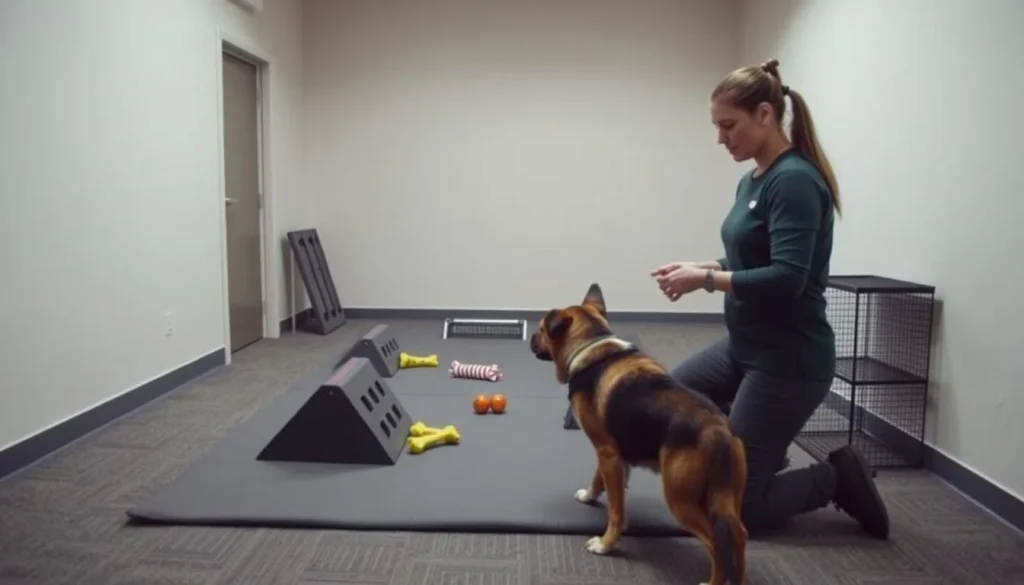
I start every aggressive dog case with a calm assessment and a safety plan. This sets the tone for changing the dog's behavior. It also keeps everyone safe while we gather information. I tell owners to write down when the behavior started, what triggers it, and any patterns they notice.
Initial behavior assessment
I look at the dog's history, context, and how aggression escalates. I classify aggression into types like fear, territorial, or dominance. I ask for videos of incidents when it's safe. Videos help confirm triggers and actions without relying on memory.
Medical check and veterinary collaboration
I always suggest a full vet exam to check for pain, illness, or neurological issues. These can lower a dog's bite threshold. If there's a medical issue, treating it is part of the plan. For complex cases, I recommend a vet behaviorist for further checks or medication.
Short-term safety planning
I introduce practical tools while training starts. I teach owners to use basket-style muzzles positively with treats. This lets dogs pant and accept rewards. Tools like crates, baby gates, and secure fencing help control and reduce risk early on.
Safety protocols
I emphasize separating dogs and vulnerable people at first warning signs. Supervision, confinement, and scheduled access help prevent aggressive rehearsal. For severe cases, I advise contacting accredited professionals quickly.
| Action | Purpose | Who to Involve |
|---|---|---|
| Behavior history and video | Document triggers and escalation for targeted intervention | Owner, professional dog trainer, certified dog behaviorist |
| Full veterinary exam | Rule out pain, illness, medication effects | Veterinarian, veterinary behaviorist |
| Short-term management gear | Reduce risk while behavior modification proceeds | Owner, trainer guidance |
| Positive equipment introduction | Prevent added stress and build trust | Owner with trainer support |
| Immediate professional referral | Handle severe or worsening aggression safely | Certified dog behaviorist, veterinary behaviorist |
Positive reinforcement training for aggressive dogs
I start with a clear promise: I use reward-based methods to rebuild trust and teach new responses. Force-free techniques lower fear and reduce reactive episodes. I avoid punishment or intimidation because those approaches often make aggression worse.
I use a clicker or a verbal marker to link the moment the dog offers a calm choice with a reward. I teach clear cues and shape tiny steps to help the dog succeed often. I block unwanted behavior by managing distance and removing triggers during early sessions.
I focus on building alternative behaviors that replace threat responses. I teach simple cues like “Watch me,” “Place,” and “Leave it.” I also train calm settle routines and impulse-control games such as waits and brief stays. These tasks give dogs workable options when a trigger appears.
When I add obedience training for aggressive dogs, I emphasize reliability under mild stress. Short practice sessions across the household create consistency. Every family member must use the same cues and rewards so the dog receives a uniform message.
I use high-value rewards when triggers are present. Small pieces of cooked chicken, cheese, or squeeze cheese buy attention in high-stakes moments. I start with frequent rewards on a variable-ratio schedule and then thin reinforcement as the dog learns new habits.
Life rewards become the goal. I gradually replace exclusive training treats with meals, play, or access to valued spaces so dog behavior modification persists beyond sessions. I record training to track progress and avoid accidental reinforcement of aggression.
Practical setups matter. I create controlled scenarios with guaranteed success, mark tiny approximations of calm, and increase challenge slowly. I consult with credentialed trainers and veterinary behaviorists when progress stalls. Many professionals agree that consistent, humane aggression training can reshape responses even in dogs with strong predispositions.
| Training Focus | Start Strategy | Progress Goal | Typical Rewards |
|---|---|---|---|
| Force-free foundations | Marker training and short sessions | Reliable calm responses at distance | Cheese, cooked chicken |
| Alternative behaviors | Teach “Watch me,” “Place,” “Leave it” | Dog chooses cue over reaction | Play, life rewards |
| Reinforcement scheduling | Variable-ratio with high-value treats | Thin to meals and access | Meals, walk access, play sessions |
| Household consistency | Unified cues and management | Reduced rehearsals and setbacks | Same reward set for all handlers |
Desensitization and counterconditioning techniques
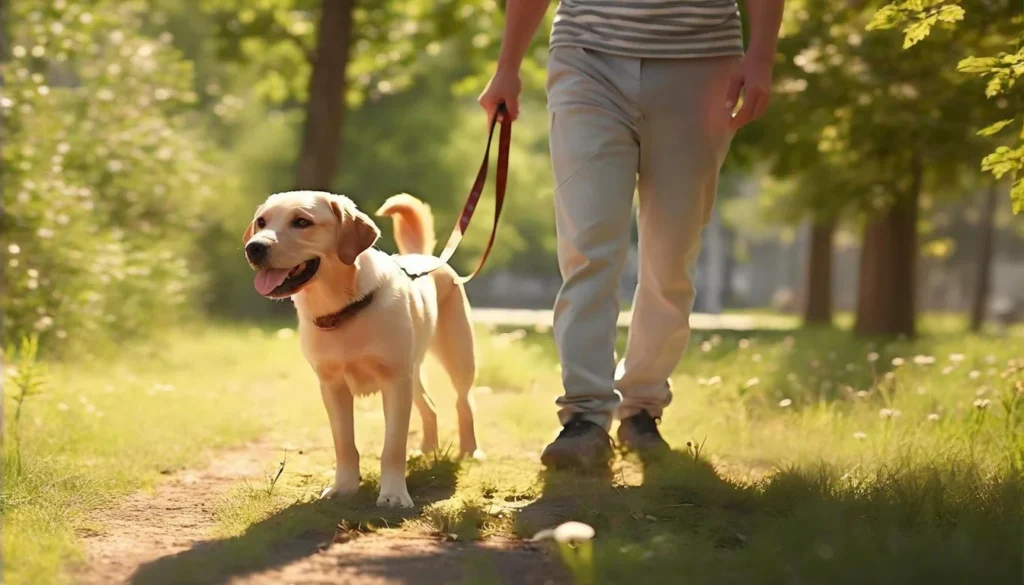
I help owners with step-by-step desensitization for aggressive dogs. Each session aims to reduce tension and build trust. I start with a plan that keeps the dog calm.
Short, frequent sessions are best. I suggest tracking distance, sound level, and timing to measure progress.
Setting up graded exposures
I create a list of triggers, from mild to strong. I use distance, volume, and proximity as main factors. I start with a level where the dog stays calm and accepts treats.
I increase intensity only when the dog shows calm behavior consistently.
Pairing triggers with positive outcomes
I use counterconditioning to change how the dog feels. When a trigger appears, I give high-value rewards. This helps the dog expect good things.
For example, when a stranger is far away, I reward calm attention. Then, I slowly move closer over many trials.
Measuring progress and avoiding setbacks
I track success by lower arousal and longer calm periods. I keep detailed logs and videos to monitor progress. If there's a setback, I slow down and rebuild gradually.
I work with veterinarians for high arousal. Anti-anxiety medication can help desensitization work faster. I recommend certified trainers for complex cases.
I use humane, science-based training techniques. My tools include objective markers, consistent rewards, and careful progression. This approach keeps safety first and helps dogs learn positive associations over time.
Managing resource guarding and possessive aggression
I help owners prevent escalation and keep homes safe from dogs with resource guarding. Early steps in puppyhood are crucial. Teach simple cues like Drop it and Leave it. Approach the food bowl while adding tasty treats to show that humans bring good things.
Never grab items without offering an exchange. This reduces possessive aggression and prepares for later training.
I use clear, stepwise protocols to reduce guarding. Start with exchange games where the handler trades an item for a higher-value treat. Progress to gentle approach work with short distances.
Pair each step with rewards so the dog learns that people mean gains, not loss. These methods are key for aggressive behavior modification training in many cases.
In-training, I set strict boundaries. Practice supervised retrievals and handling while rewarding calm acceptance. Teach controlled access to valued items and rotate toys to prevent fixation.
Use counterconditioning around triggers so the dog builds a new, positive association to a formerly guarded resource.
Home management supports the work. Feed dogs separately and remove high-value items when no one can watch. Use crates or gates during mealtimes and supply durable, low-value chews when family members move about.
Consistent household rules prevent mixed signals. If you don’t want the dog on furniture, everyone must enforce that rule.
I ask every family member to follow the same handling routines. Supervise children closely and teach them to drop treats into bowls rather than reach in. Keep structure so the dog earns access to rewards through calm behavior rather than demanding them.
AKC and The Bark offer useful protocol guidance I recommend reviewing for consistency.
Severe cases of possessive aggression may need specialist input. Some dogs improve a great deal with behavior plans and management. Others show partial remission and require long-term strategies.
I set realistic expectations and, when needed, refer to certified trainers or veterinary behaviorists for aggressive behavior in dogs that risks safety.
Socialization strategies and preventing aggression in puppies
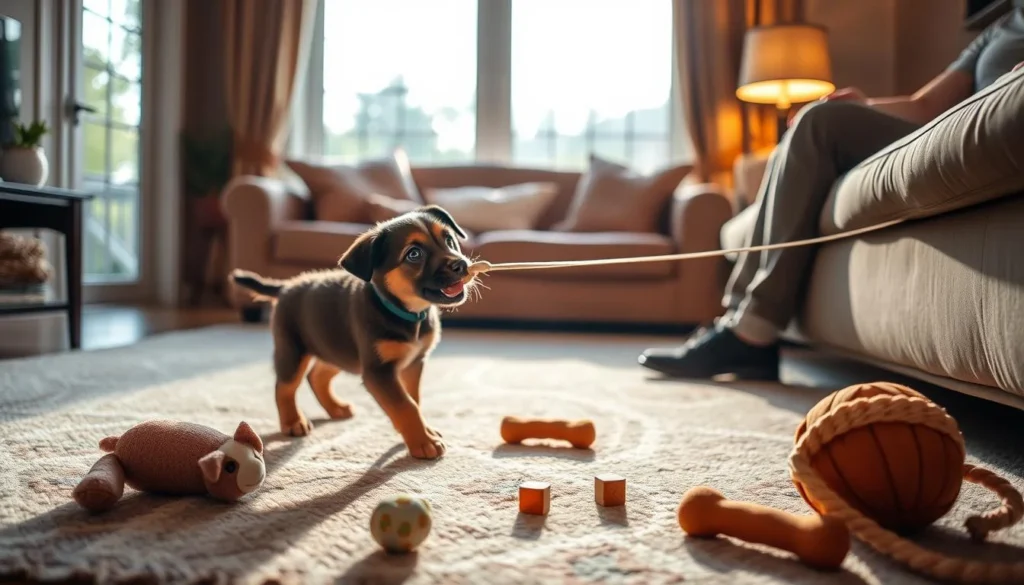
I focus on practical steps for puppies to live calm and confident lives. Early, safe exposure is key in preventing aggression and building social skills. I suggest a plan that includes guided experiences, gentle handling, and clear limits.
Critical socialization windows
Puppies learn best between 3 and 16 weeks. I follow the American Veterinary Medical Association's advice for low-risk settings and up-to-date vaccinations. I aim for varied experiences with people, surfaces, sounds, and brief, positive interactions.
I support the “100 people” idea in a safe way. This means short, calm interactions with adults and children who know how to approach dogs. This mix helps lower fear and supports long-term success in training.
Supervised play and canine communication
I enroll puppies in quality classes with controlled off-leash time. Trainers prevent rough or scary encounters. These sessions teach social skills and reduce the risk of traumatic play.
Introducing puppies to calm adult dogs is helpful. Adults model good behavior and body language. I teach owners to recognize signals like loose bodies and play bows, and to intervene if play gets too rough.
Handling and tolerance exercises
I practice short, frequent handling drills for ears, paws, muzzle, collar, and feet. I pair touch with tasty treats to link touch with care and reward. This helps with vet visits, grooming, and reduces resistance later.
Keep handling sessions brief and positive. I continue gentle touch checks into adulthood. This maintains confidence and supports any positive training for aggressive dogs.
I avoid overwhelming the pup. If a puppy shows fear or aggression, I seek professional help early. Good socialization and focused training reduce risk and help dogs become stable companions.
Rehabilitating rescued and traumatized dogs
I work with many rescues that arrived fearful, reactive, or shut down. Recovery starts with patience, clear safety measures, and a plan that sees each dog as an individual. Rescued dog aggression can stem from neglect, abrupt changes, or pain. I begin by documenting triggers and creating staged goals that prioritize calm learning over quick fixes.
Understanding rescue-specific triggers
Rescue dogs often show fear around strangers, restraint, loud homes, and sudden movements. Some display survival-driven resource guarding. Medical pain can worsen reactions. I use short behavior logs to map when and where triggers appear, who is present, and what preceded each episode.
Customized behavior modification plans
No two rehabilitation plans are identical. I combine desensitization and counterconditioning with force-free obedience and impulse-control work. Environmental management, enrichment, and gradual socialization form core elements. I set small, measurable milestones and adjust based on daily progress.
Tools such as muzzles, gates, and crates keep everyone safe while trust builds. I teach owners how to read body language and run supervised introductions. This reduces setbacks and helps steady gains from aggressive dog training techniques.
When to consider medication and specialist referral
Some dogs need medical input before learning can proceed. I refer to a veterinary behaviorist or a certified dog behaviorist when anxiety, pain, or complex compulsive issues limit progress. Short-term meds like SSRIs can lower fear enough for training to take hold.
For high-risk cases I recommend consulting a Certified Applied Animal Behaviorist or a board-certified veterinary behaviorist. If exhaustive professional efforts fail and safety remains a concern, rehoming to a safer environment may be the most responsible choice.
Professional help and certification: choosing the right trainer or behaviorist
I always suggest making a plan before starting sessions. The right professional can make a big difference for an aggressive dog. Look for someone who explains their methods, safety steps, and how long it will take upfront.
Types of professionals and what they offer
First, I check their credentials and what they can do. A certified dog behaviorist can handle serious aggression and prescribe medicine if needed. Certified trainers focus on obedience and behavior that fits your home life.
Positive reinforcement trainers and consultants are great for gentle fixes. Professional dog trainers offer hands-on sessions, classes, and help for owners. Veterinary behaviorists work with vets to understand and treat your dog's behavior.
Questions to ask prospective trainers
Ask about their experience with aggressive dogs. Look for specific plans and goals they can measure. Make sure they use gentle methods and keep you and your dog safe.
Ask for references or examples of their work. Find out how they work with vets. A clear plan, session notes, and homework are good signs.
Cost considerations and realistic timelines
Costs vary based on the trainer. In the U.S., private trainers charge $30–$120 per session. Veterinary behaviorists and specialty services cost more.
Plan based on how bad the aggression is. Mild cases might improve in weeks. But, more serious cases could take months or years. Remember to include costs for equipment, medication, and follow-up sessions.
Red flags and final selection tips
Stay away from those who promise quick fixes or use harsh methods. Look for trainers who focus on safety and use proven methods. Choose someone who sets clear goals, tracks progress, and communicates well.
Daily management, enrichment, and long-term prevention
I keep my dog's daily life simple and predictable. This helps manage their aggression. A clear schedule reduces stress and prevents unexpected problems.
Exercise and enrichment are key to tire them out. Short walks, play, and puzzles keep them busy. I also use nosework and short training sessions to keep them focused.
For fun, I change toys and puzzle feeders often. This keeps them interested. I also break activities into smaller parts to keep them engaged.
I manage their environment to avoid risky situations. I choose quiet times for walks and use safe fencing. I also pick quiet parks until they're better trained.
I use planned exits and crate breaks to manage situations. A muzzle is used when needed for safety. This helps them learn without risk.
Training is ongoing to keep their skills sharp. I practice basic cues daily in quiet places. Then, I gradually add distractions to help them adapt.
I keep a log of their progress. This helps me see patterns and adjust plans as needed. Keeping training consistent among family members is also crucial.
Preventing aggression long-term involves early socialization and ongoing enrichment. For rescued dogs, I work with experts when needed. Some dogs need permanent management to keep everyone safe.
| Focus Area | Daily Actions | Tools & Equipment |
|---|---|---|
| Exercise | Two short walks, one play or run session, reward-based fetch | Front-clip harness, sturdy leash |
| Mental Enrichment | Food puzzles, short scent games, obedience drills | Kong, snuffle mat, treat pouch |
| Environmental Management | Avoid busy times, rotate exits, secure yard | Escape-proof fencing, baby gates, muzzle if needed |
| Training Maintenance | Daily 5–10 minute cue practice, weekly desensitization refresh | Clicker or marker word, consistency among handlers |
| Long-term Prevention | Early socialization, ongoing enrichment, regular trainer check-ins | Accredited trainers, behavior logs, community classes |
Conclusion
I've shown a clear way to train and rehabilitate aggressive dogs. It starts with safety and a full check-up. First, make sure your dog is healthy by getting a vet exam. Then, document any incidents and create a plan that doesn't use force.
Take small, consistent steps and follow predictable routines. This lowers risk and helps your dog progress faster.
Desensitization and counterconditioning are key tools I use. I also focus on enrichment and managing the environment to stop aggression rehearsals. For many dogs, especially those rescued or traumatized, steady work leads to noticeable changes.
But, some dogs need lifelong management and realistic goals. If you can't handle a situation, get help from a certified dog trainer or a vet behaviorist.
Use safety tools like muzzles, gates, and controlled leashes when needed. Work with your vet and a qualified trainer to create a custom plan. My method combines vet science, shelter experience, and positive reinforcement. It helps families and dogs change behavior safely.