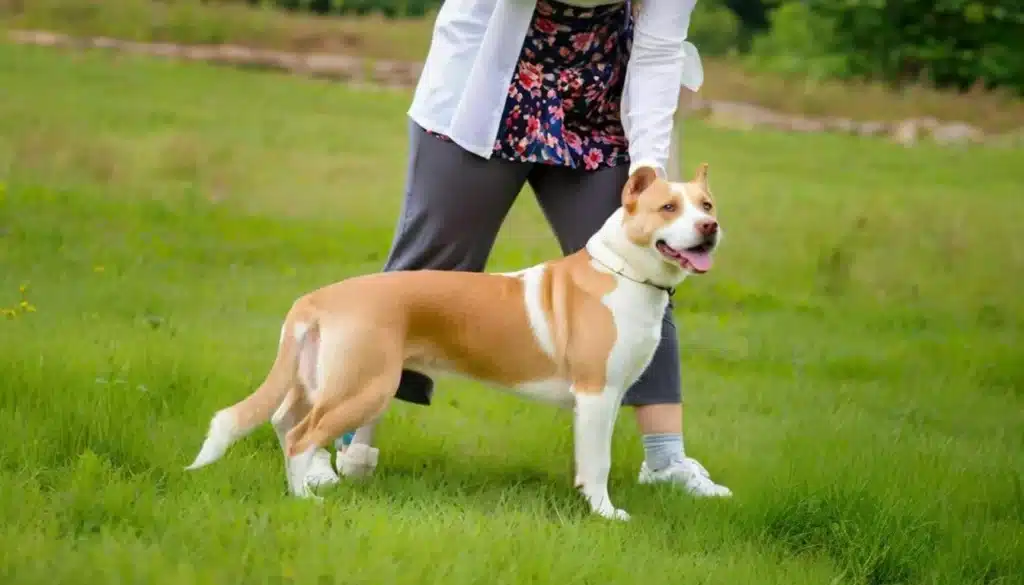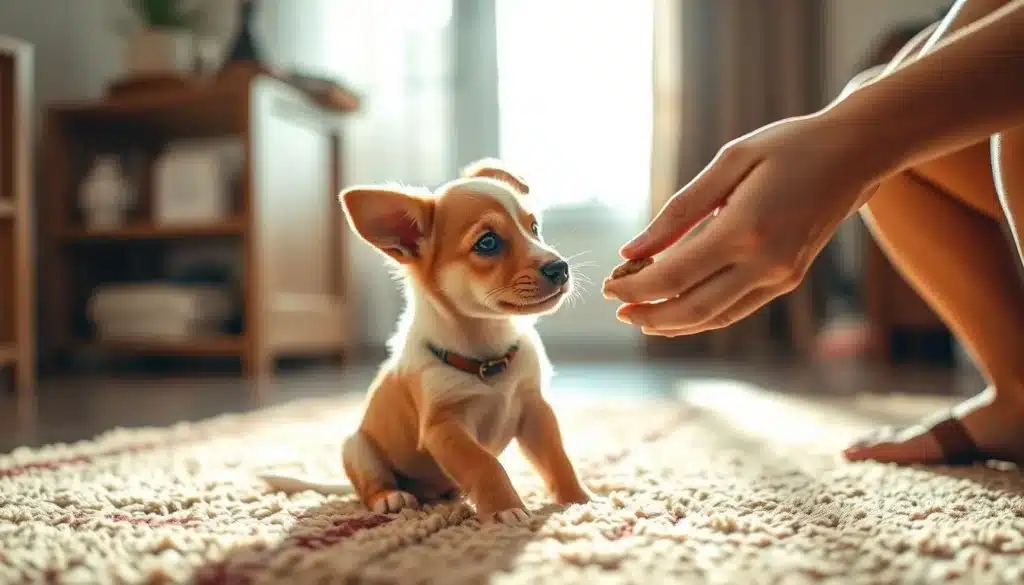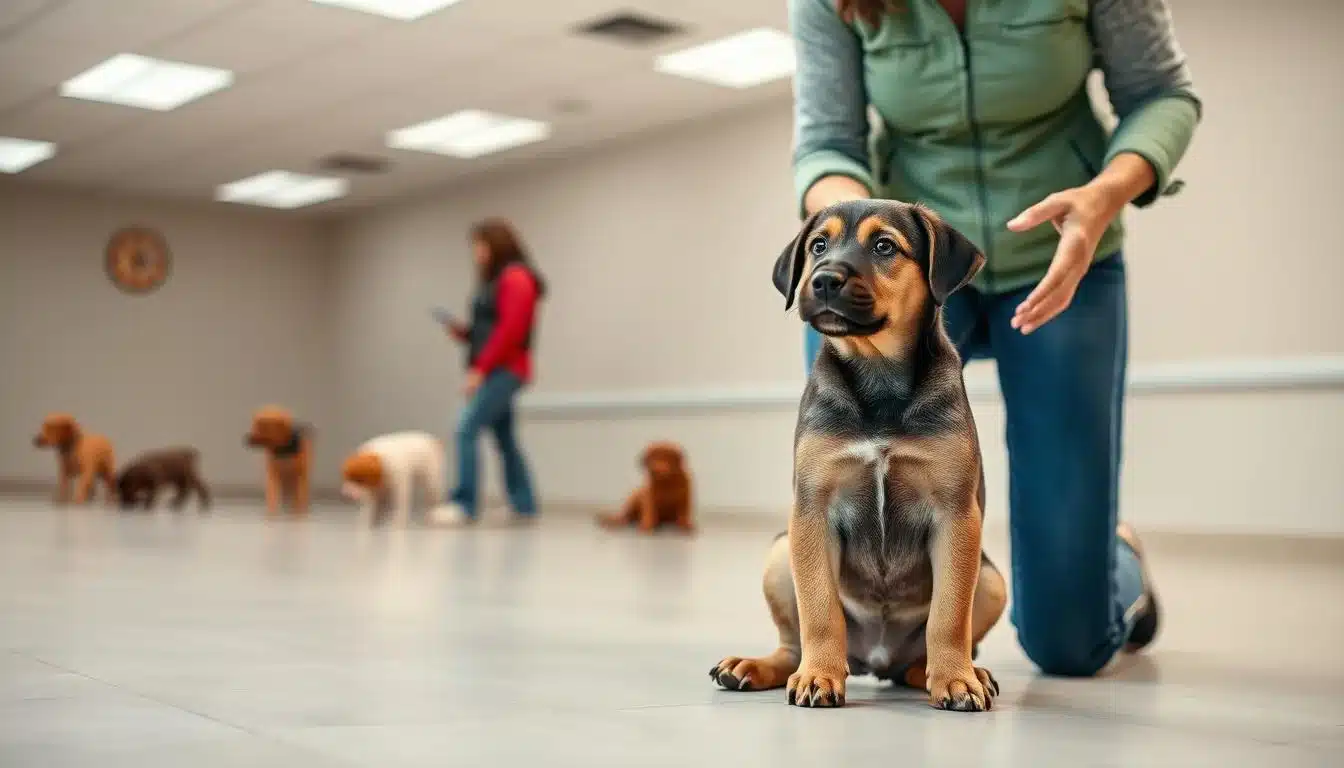
I remember the first night my puppy curled up against my feet. It was both joyful and worrisome. How would I teach this little dog to be safe and calm in my home? That's why puppy obedience training is so important from the start.
Bringing a puppy home is a big deal. Early choices can last a lifetime. I began with basic training: name response, sit, and recall. Short, consistent sessions helped my puppy learn fast. Positive training made each lesson fun.
Whether you choose group classes, private lessons, or apps like Zigzag, the aim is the same. It's about clear communication and reliable routines. Obedience training for puppies sets clear expectations, reduces bad behaviors, and strengthens your bond.
Key Takeaways
- Start obedience training for puppies immediately to take advantage of early learning windows.
- Use short, positive sessions and high-value rewards to keep lessons effective.
- Choose tools that suit your puppy: soft harness, narrow lead, long line, and treat pouch.
- Decide between classes, private lessons, or apps based on your puppy’s social needs and your schedule.
- Puppy manners training builds safety, confidence, and a lasting bond.
The importance of early puppy obedience training
I start training a puppy the moment they arrive home. Early training helps create good habits before bad ones start. Small, consistent steps during puppy learning windows are key to lasting success.
I begin with simple games to teach name recognition, eye contact, and basic impulse control. These short, fun sessions make training feel natural. When puppies get rewards for calm behavior, they learn what I expect without stress.
Early socialization is a top priority for me. I introduce them to people, safe dogs, and different environments. Group classes help them practice focus in distracting situations, speeding up their learning.
Puppy learning windows are brief but powerful. During the first months, puppies form associations quickly. I use this time to teach recall, sit, and polite leash manners to prevent chewing and nipping.
Starting early has clear benefits for owners. Reliable recall improves safety near roads and parks. Better manners boost my confidence on walks and make vet visits easier. Fewer problem behaviors save time and reduce stress at home.
I create a routine that includes socialization, short obedience drills, and play. Consistency during critical stages speeds up learning and lowers the chance of regression. My approach keeps training positive, practical, and focused on real-life results.
Choosing between puppy training classes and home training
I think carefully before choosing a training method. I want my dog to be well-socialized and obedient. I consider my puppy's personality, my schedule, and the training needed.
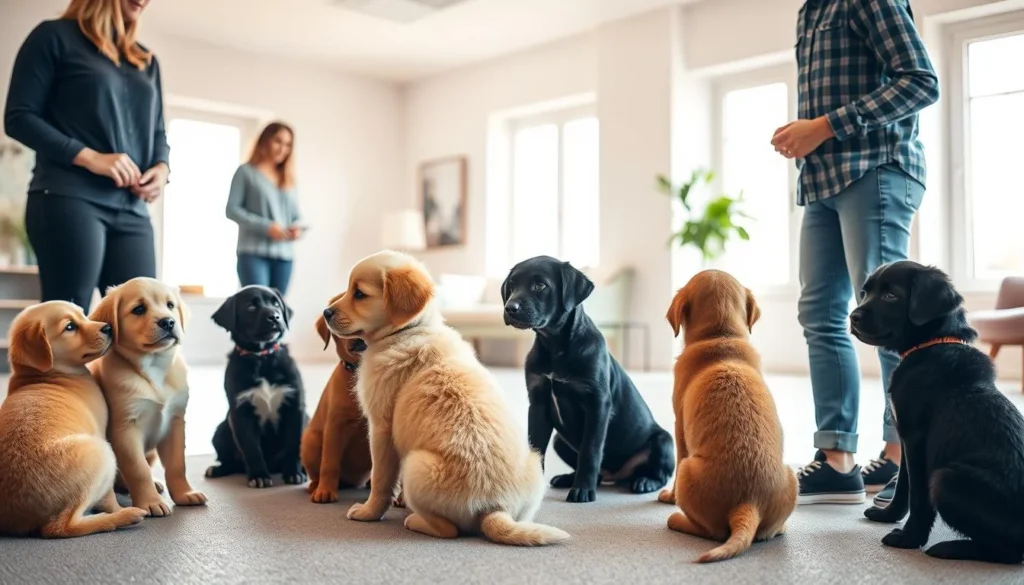
Advantages of group puppy obedience training classes for social skills
Group classes help puppies get used to people, sounds, and other dogs. They learn to focus even when there's a lot going on. Trainers use real-life scenarios to teach commands.
These classes can prepare for AKC STAR Puppy or Canine Good Citizen. Prices vary, but the social benefits are unmatched at home.
When private or at-home training makes more sense
Home training is best for privacy or solving specific issues. Shy puppies may do better with one-on-one training before joining a class. Tools like Zigzag help owners learn at home.
Private sessions are great for those who live far away or have busy schedules. Trainers adapt to your home and routines, making learning easier.
How I decide based on trainer qualifications, convenience, and my pup’s needs
I watch classes before deciding. Dogs should seem happy and focused. The trainer's approach is more important than location.
I look at credentials and ask about training methods. I also watch a session to see if it feels right. For quick social skills, I choose classes. For focused training at home, I opt for private sessions.
While convenience matters, it's not everything. I weigh cost, schedule, and the trainer's experience. My goal is to raise a confident, calm dog ready for life.
Finding and evaluating a puppy obedience training instructor
I look for a trainer who uses humane methods and has clear experience. A good trainer explains their approach, shows credentials, and answers questions. They should talk about class size, session length, and vaccination policy.
Credentials matter. I ask about formal certifications and practical experience. Many trainers have certifications from CCPDT or Karen Pryor Academy. I check if they use reward-based methods and ask for references from past puppy owners.
I prepare questions before calling. I ask about class size, session plans, and homework. I also ask about recommended equipment, like harnesses and treat pouches. Honest answers show a lot about a trainer’s approach.
I like to observe a class before enrolling. I leave my puppy at home to watch objectively. I look for relaxed dogs, upbeat handlers, and an instructor who rewards small wins.
During an observation, I note the pacing and tone. Are rewards frequent? Do dogs seem eager or stressed? Is the trainer gentle when a puppy struggles? These signs help me judge a trainer’s real-world skills.
At times, a trainer is the right first step. For deeper issues, I seek a behaviorist. I choose between trainer and behaviorist based on the problem. Trainers teach obedience and prevention. Behaviorists find the root cause and create plans.
If a trainer refers me to a veterinary behaviorist, I take it as a sign of professionalism. I use local AKC clubs, veterinarians, and recommendations from owners to find trustworthy professionals.
Before signing up, I confirm practical details. I check if digital materials are from credentialed sources and if the instructor provides take-home exercises. A good trainer offers clear goals, safe classes, and support for both puppies and owners.
Positive reinforcement training methods that actually work
I choose reward-based puppy training because it builds trust and clear communication. Short, frequent sessions keep a pup engaged. I focus on setting the puppy up for success and celebrating correct choices.
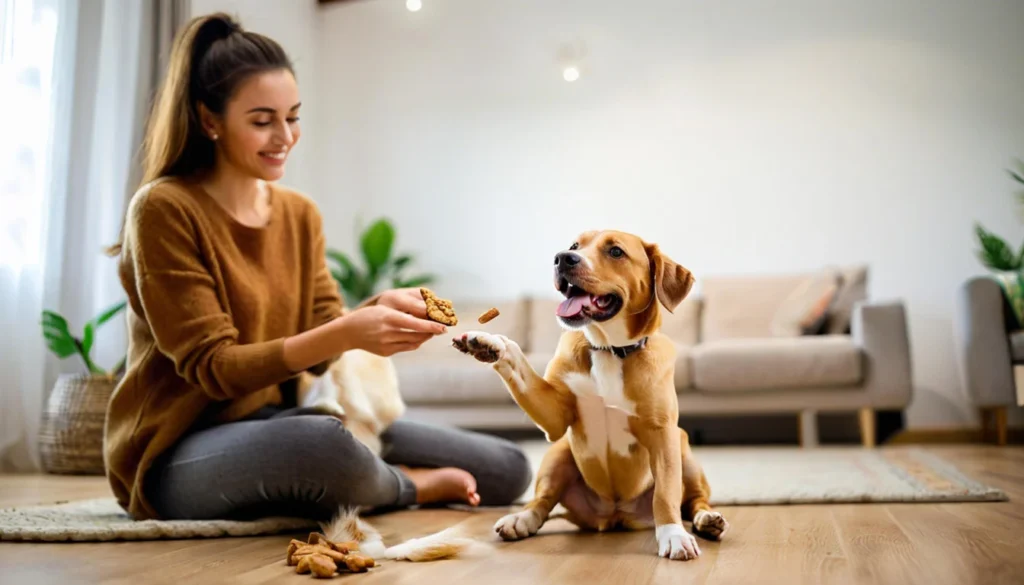
I use simple puppy obedience training techniques that rely on timing and consistency. A clear marker word like "yes" or a clicker tells the puppy the exact moment they earned a reward. This makes learning faster and less confusing.
Food is my primary tool in early stages. I carry a treat pouch with high-value, small pieces for quick delivery. I mix in play and praise so the puppy learns that training feels fun. Later I shift toward life rewards such as access to toys, walks, or desired attention.
I rely on these practical steps to keep sessions effective:
- Keep sessions 5–15 minutes to match attention span.
- Use high-value treats during distractions and routine kibble during quiet practice.
- Mark the correct behavior, reward immediately, then reset for the next repetition.
Marker words and clicker basics speed progress. I teach the marker by pairing it with treats until the puppy expects a reward after the sound. That creates a reliable cue I can use at distance or when I want to shape complex behaviors.
When I wean off food I combine commands before rewarding. For instance, I ask for a sit, a focus, then a recall and reward after the full sequence. This gradual change keeps motivation high while reducing reliance on treats.
These positive reinforcement training habits make puppy obedience training techniques practical for everyday life. They help puppies generalize skills across locations and situations while keeping training humane and effective.
Creating a practical puppy obedience training schedule
I create routines that fit into real life and a puppy's short attention span. A clear schedule keeps days calm. It links training to feeding, play, naps, and potty breaks, making learning natural.
Short sessions and daily frequency
I use short training sessions of 5–10 minutes, three to five times a day for young pups. These brief sessions match their focus and drive steady progress. I place sessions after naps and before meals to catch peak attention.
Sample schedule by age
8–10 weeks: I follow a tight schedule with frequent potty and play intervals, naps, and name recognition drills. Crate time and gentle threshold work start right away.
10–12 weeks: I add place, down, and harness introductions. Socialization continues with safe, vaccinated visits. Short puppy training sessions focus on impulse control and polite greetings.
3–4 months: I introduce stay and leave-it, and begin brief heel practice in low-distraction areas. I lengthen practice to 10–15 minutes when the puppy tolerates it.
4–6 months: I move many lessons outdoors and start adding the 3Ds: distance, duration, distractions. Treat value shifts toward life rewards during routine walks.
6–12 months: I build distance and duration using a long-line for safe recall work. I keep the potty and crate schedule solid as the dog’s bladder control changes with growth.
Combining potty, crate, socialization, and training
I pair potty and crate schedule items with short training bursts. For example, a potty success earns a two-minute recall game. Mealtimes become walk-and-wait practice. Crate rest follows focused work to reward calm behavior.
I track sessions in a simple daily chart. That keeps training consistent when life gets busy. Apps like Pupford or trainers from local clubs can offer six-week class plans that complement a home routine.
Stick to the rhythm I set, expect ups and downs, and adjust break lengths as the puppy matures. A steady puppy training schedule makes house manners and obedience feel like part of everyday life.
Essential commands to teach in puppy obedience training
I start with a clear plan focused on a few high-value behaviors. These make daily life easier. Teaching core skills early gives my puppy confidence and sets the stage for AKC STAR Puppy and Canine Good Citizen goals. I keep sessions short and rewarding so learning stays fun.
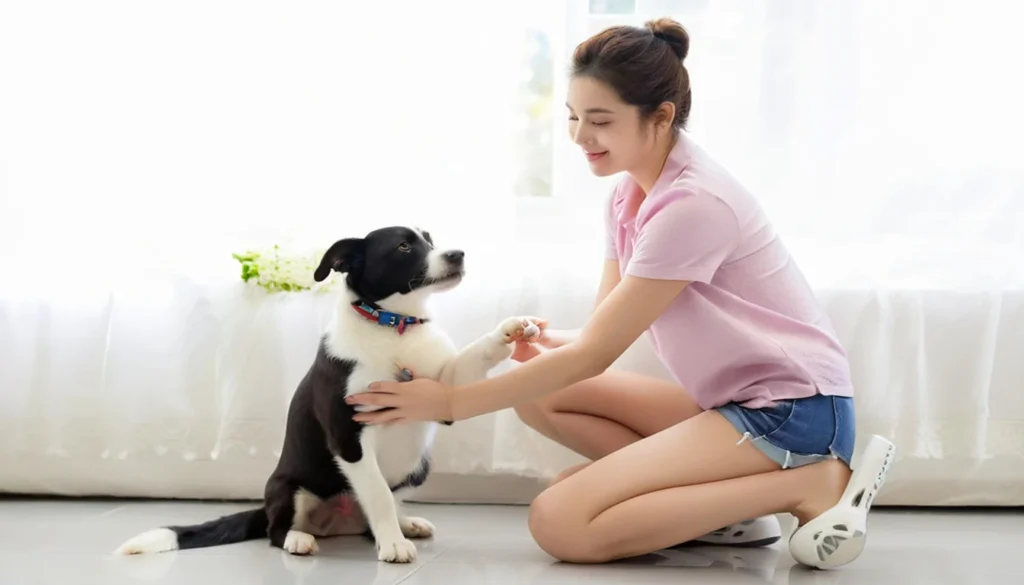
I introduce the name response first with a bright, friendly tone and immediate rewards. A solid name response speeds every other lesson. Next, I teach sit and down using food lures and a consistent marker word to speed learning.
I work recall with playful, high-value rewards so coming when called is a joy. Stay and leave it come after basic impulse control is in place. These essential puppy commands form a safety net for walks and home life.
Leash manners start indoors with a soft harness and short leash. I use treats at waist level to shape "next to me" walking. Gradual steps and short practice walks make leash training for puppies pleasant for both of us.
Drop becomes a game by swapping toys or treats; I reward a clean release every time. For settle on mat, I teach the mat as a safe place with a favorite chew and praise while I relax nearby. Threshold control means a calm sit at every doorway and a clear release cue.
My approach blends obedience training for puppies with puppy manners training. This way, behaviors generalize across rooms and streets. I repeat exercises several times daily and celebrate small wins to keep progress steady.
Below is a compact reference I use when planning sessions.
| Behavior | Goal | Technique | Session Length |
|---|---|---|---|
| Name response | Immediate attention | Bright tone, treat reward, random checks | 2–4 minutes, multiple times/day |
| Sit / Down | Calm stationing | Food lures, marker word, faded prompts | 3–5 minutes, 3–6 reps per session |
| Recall | Reliable return | High-value treats, play rewards, long-line practice | Short bursts, 2–4 times/day |
| Leave it / Drop | Impulse control, safe release | Trade game, staged temptations, praise | 2–4 minutes, frequent short drills |
| Leash manners | Loose leash walking | Indoors harness work, treats to waist, step changes | 5–10 minute walks, several times/day |
| Settle on mat / Threshold | Calm waiting | Designated mat, chew rewards, doorway sits | 5 minutes building to longer durations |
Tools, equipment, and training aids I recommend
I keep my training kit simple and fun for both of us. A few key puppy training tools make practice quicker and less stressful. I choose gear that fits well, rewards fast, and grows with my pup's learning.
I use a soft harness for puppies from brands like Puppia Sport or Ruffwear for secure, gentle control. A well-fitting harness protects the neck and helps teach loose-leash walking without throat pressure.
I pair the harness with a narrow training lead for focused walks. For recall, I use a long recall line that lets the pup earn distance while I keep a safety backup. These pieces are the core of my outdoor training setup.
I always carry a treat pouch with high-value, stinky treats. Quick rewards are key when teaching new behaviors. Puzzle toys and a West Paw Toppl or a well-stuffed Kong help teach settling and crate routines when I need hands-free rewards.
Training apps and puppy obedience training videos are part of my plan. I use apps like Zigzag for structured lessons and live help when needed. I watch videos from credentialed trainers to supplement practice and refresh my timing.
When choosing puppy training tools, I look for durability and smart choices. A soft harness for puppies, a lightweight narrow training lead, a long recall line, reliable treat delivery, and vetted training apps or videos cover early challenges with my pup.
Socialization and handling common puppy behavior problems
I start socializing my puppy early and keep things simple. A clear plan helps me schedule visits and classes. I use hygiene and choose supervised classes to ensure safety.
When introducing new people or dogs, I watch body language closely. I use playpens or gates for safe introductions. This lets shy pups observe before joining in.
I ensure play is balanced and step in if it gets too rough. If fear or aggression shows, I seek help from a certified behaviorist.
To stop nipping and chewing, I redirect and reward good behavior. I give a chew toy at the first nip and ask for a simple action like sitting. This teaches the pup what gets rewarded.
I supervise chew time and change toys regularly. If they chew on shoes or furniture, I calmly remove the item and give them a toy instead. I avoid yelling to teach with positive reinforcement.
Jumping is a problem I solve with timing and consistency. I ignore the jump and reward them for standing on all fours. This teaches them to approach calmly.
Crate work and threshold training help with separation and door-bolting. I leave for short times with a chew puzzle to keep them calm. This builds their tolerance for being alone.
Managing attention-seeking means rewarding calm behavior and ignoring demands. I give attention for calm actions and use short training sessions. Consistent rules from family members help prevent mixed signals.
Below is a quick comparison I use to plan responses for common problems, so I can choose the right approach fast.
| Problem | Immediate Response | Training Focus | Tools I Use |
|---|---|---|---|
| Nipping during play | Offer chew toy, ask for sit, reward calmness | Nipping and chewing solutions; impulse control | KONG Classic, soft toys, high-value treats |
| Chewing household items | Remove item, replace with approved toy, praise | Redirecting habits; puppy behavior training | Chew puzzles, baby gates, supervised play |
| Jumping on people | Turn away, wait for four paws, reward calm greeting | Puppy manners training; greeting manners | Treats, leash for control, short practice sessions |
| Separation anxiety or door bolting | Short departures, crate with puzzle toy, gradual increase | Confidence building; threshold control | Crate, long-line for practice, KONG with kibble |
Progressing training: distance, duration, and distractions
I start with simple cues and add complexity in three ways: distance, duration, and distractions. I move from five-second holds to longer waits. I increase space between me and my puppy step by step.
I introduce new sights and sounds in controlled ways. This keeps learning positive.
I build duration for stay and wait exercises by rewarding before the puppy breaks. I start at about five seconds and add a few seconds each time. Short sessions and frequent wins keep motivation high.
If my puppy struggles, I reduce time and set up easier successes.
I increase distance by taking one small step back at a time. I return to reward close successes. When distance grows, I combine it with brief releases for self-control practice.
I use long-line recall practice in fenced areas for real distance. The long line lets me proof recalls without risk.
Generalizing puppy obedience skills means practicing in parks, driveways, and pet stores as vaccinations allow. I rehearse command chains like Sit > Down > Stay > Come. This keeps the puppy engaged.
In higher-distraction places, I switch to higher-value treats and then fade food to life rewards. I repeat exercises with varied timing and locations. This teaches the dog to respond despite distractions.
My steady approach blends short wins, gradual challenge, and safe tools. I use group classes and training apps for extra guidance. This method makes training manageable, practical, and durable for everyday life.
When to use certifications and organized programs
Certifications are like a guide for training. They set clear goals and help me choose the right path for my puppy. They help me track progress, stay focused, and keep motivated, even when life gets busy.
AKC STAR Puppy and Canine Good Citizen: what they show and why I value them
The AKC STAR Puppy shows a puppy has finished six weeks of class and meets basic care and training standards. It proves the owner has covered essential socialization and manners.
The Canine Good Citizen test is more challenging. Passing CGC shows a dog can be controlled around people and other dogs. I appreciate that CGC evaluators are certified and many schools prepare dogs for this test.
Dog sports and advanced obedience options after basic training
After mastering basic skills, I explore dog sports. Activities like agility, rally, and Flyball challenge my dog's mind and body.
Advanced obedience programs build on puppy classes. They introduce more complex cues and distractions. I choose programs that match my dog's interests and my training goals.
How certifications can guide a training path and set goals
Certifications help me set clear goals for weekly practice. I aim for short-term goals tied to class progress and long-term goals like CGC or trial readiness. This keeps training focused.
Organized programs offer structure and support. I use them to find the right puppy classes and plan for advanced programs when my dog is ready.
| Stage | Typical Goal | What I look for in classes |
|---|---|---|
| Beginner | AKC STAR Puppy completion | Short sessions, socialization, basics for home life |
| Intermediate | Canine Good Citizen certification | Reliable recalls, polite greetings, control around distractions |
| Advanced | Entry to dog sports or trial work | Distance, duration, off-leash skills, sport-specific drills |
| Ongoing | Maintenance and specialty titles | Challenge, fun, refresher classes and structured practice plans |
Using technology: apps, videos, and remote coaching
I use digital tools to keep training consistent when life gets busy. Apps, on-demand lessons, and live sessions help fill gaps between classes and home practice. I choose resources that fit my puppy's stage and my training goals.
How training apps complement classes and at-home practice
Training apps for puppies offer short lessons I can fit into my schedule. They include checklists, reminders, and video demos that reinforce class lessons. For quick help, an app's library or live chat can guide me.
Choosing quality puppy obedience training videos and online courses
I search for step-by-step puppy training videos with real puppies and clear progressions. Good courses show timing, marker use, and how to shape behavior with rewards. I avoid flashy clips without explanation and prefer content from credentialed trainers or reputable organizations.
What to look for in digital tools: trainer credentials and behavior science
Remote dog training coaching works best with a credentialed coach. I look for positive reinforcement methods, gradual skill building, and modules on generalizing cues. For complex problems, I use videos to learn, then book live sessions for guidance.
By combining apps, puppy obedience training videos, and occasional remote coaching, my sessions are focused and effective. I keep sessions short, follow progressive lessons, and use video demonstrations as a guide.
Conclusion
I began puppy obedience training knowing it's key to start early and be consistent. I mix puppy classes with home practice and apps to fit my schedule. When picking a class or trainer, I look at their credentials and watch a session. This ensures it matches my positive reinforcement training style.
Short, fun sessions keep my puppy interested. I focus on basic commands like "name," "sit," "come," and "settle." For leash training, I use a soft harness, a narrow lead, and treats. I follow a schedule from eight weeks to adolescence to keep progress steady.
If issues arise, I seek advice from a certified behaviorist. I set small goals like AKC STAR Puppy or basic sport entry to track progress. With patience, consistency, and the right training mix, I can raise a well-behaved, happy dog. Start your puppy training journey with a clear plan and enjoy the process.