I remember the first stormy night with my terrier mix. She couldn't go for a walk because of the rain. That night, I learned indoor dog toilet training is crucial for pet owners.
I found tools like the Doggy Bathroom pee pad holder and BrilliantPad systems. They made training easier. Using immediate rewards, crate training, and Nature’s Miracle cleaners made it predictable and clean.
In this guide, I'll share how to train your dog indoors. You'll learn what to buy, how to schedule, and how to handle problems. Whether you're training a puppy or adapting to apartment life, success comes from routines, the right tools, and patience.
Key Takeaways
- Indoor dog toilet training is essential for apartment living, bad weather, and limited-mobility situations.
- Products like Doggy Bathroom and BrilliantPad can simplify cleanup and reduce odors.
- Immediate rewards and close supervision speed learning during puppy toilet training indoors.
- Crates, gates, and enzymatic cleaners help manage accidents and prevent repeat marking.
- Small breeds and rescued dogs often need shorter intervals and extra patience.
Why indoor potty training for dogs matters for apartment and small-home living
I live in a city apartment and know how hard it is to get outside. Indoor potty training for dogs helps owners stay in control. It keeps floors clean and reduces stress for pets who hate stairs or busy streets.
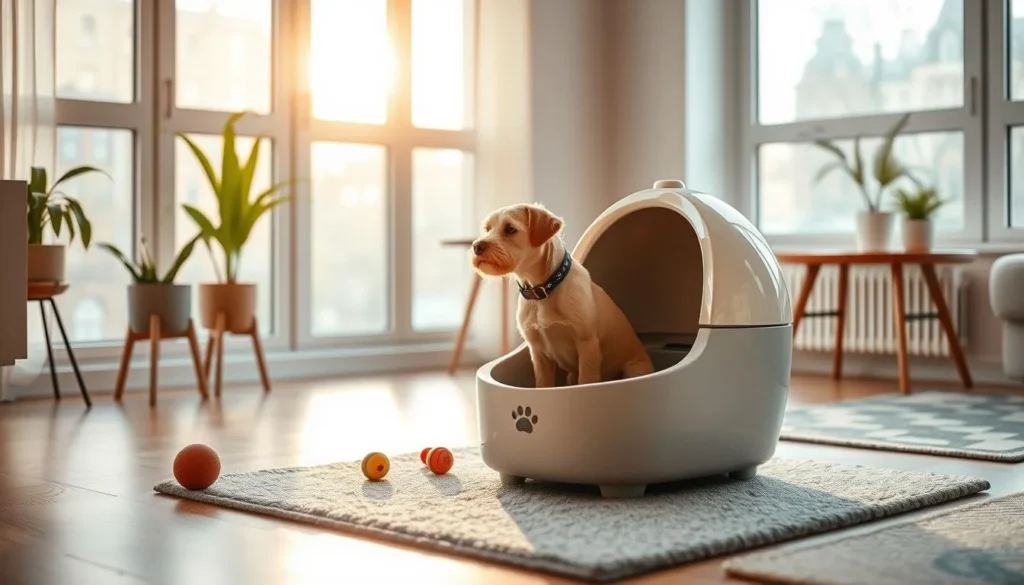
Small spaces need smart indoor dog bathroom options. Don't just think about a pad on the floor. A good indoor dog bathroom solution keeps odors down and mess contained. It also fits well in a modern home without ruining the look.
Benefits of indoor dog bathroom solutions
Indoor solutions mean no late-night walks and keep puppies and senior dogs safe in bad weather. Devices like pad holders and self-cleaning units save time. They make cleaning up easier for people who are always busy.
For homes with multiple dogs, having a dedicated potty spot helps prevent accidents. It also helps dogs learn where to go. I've seen owners use the best indoor dog potty products to limit damage and speed up training. This is especially helpful after surgery or during travel.
When indoor potty training is the best option
Choose indoor potty training for dogs when getting outside is hard. This includes stairs, long walks, or unsafe neighborhoods. It's also a good choice during storms, cold weather, or for dogs with mobility issues.
Puppies, seniors, and dogs recovering from surgery get the most benefit. Make sure to pick a product that fits your dog's size and habits. This way, the system works well for both of you.
- Use a durable pad holder for males who lift a leg.
- Consider a self-cleaning unit if you work long hours.
- Pick an enclosed option for stronger odor control and containment.
Indoor dog toilet training
I teach indoor potty work with clear signals, a steady routine, and immediate rewards. When someone asks how to teach dog to potty inside, I start by creating a single, contained spot. This spot is where the dog can learn to use repeatedly. Products like Doggy Bathroom or BrilliantPad help by giving a clear location and a predictable surface that speeds learning.
Core principles I follow for consistent success
I set a strict schedule for feeding and toilet breaks so elimination becomes predictable. I take the dog to the chosen indoor spot after waking, after meals, after play, and before bed. I reward within a second or two with a high-value treat and a short praise marker to link the action to the reward.
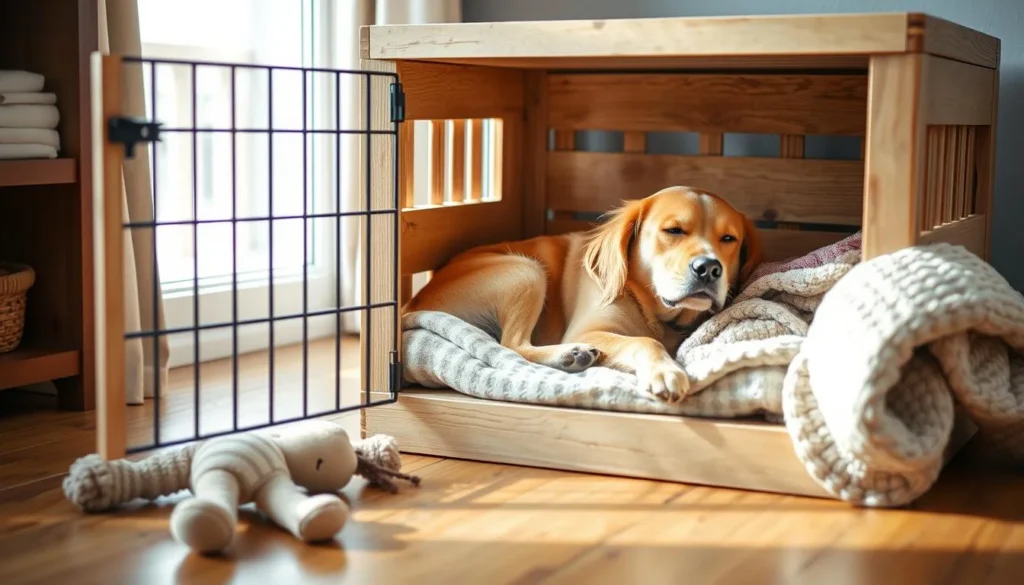
I limit unsupervised roaming until the dog is reliable. Crate training pairs well with indoor potty training dog because it narrows opportunities for accidents. I use secure pad holders and, for male dogs, vertical surfaces or raised options when needed to match lifting behavior.
I watch body language closely. Sniffing, circling, or pacing means it’s time to take the dog to the potty area. I use a leash indoors at first to guide them to the spot and keep sessions short and consistent.
Common mistakes I avoid
One big error is delayed rewards. If you wait to praise or treat, the dog won’t connect the reward to the correct behavior. I make sure the treat comes immediately after the dog finishes.
Letting a pup free-roam too soon causes confusion. I avoid punishment because it creates fear and slows progress. I never assume dogs “should just know” where to go; training and clear cues are required.
Another mistake is inconsistent cues or swapping potty locations. I keep the surface and scent consistent until the dog reliably uses it, then phase in changes slowly if needed.
| Focus | Practical Action | Why it works |
|---|---|---|
| Routine | Fixed feeding and break times | Predictable elimination windows reduce accidents |
| Immediate reward | Treats within 1–2 seconds of finishing | Builds a strong positive association |
| Limited freedom | Use crate and leash during training | Prevents wandering and accidental reinforcement |
| Consistent spot | Secure pad holder or self-cleaning pad | Signals a repeating toilet area for fast learning |
| Behavior cues | Watch for sniffing, circling, pacing | Allows timely intervention to the potty area |
Choosing the right indoor dog bathroom options
I help owners find practical indoor potty solutions. The best option depends on the size of your home and your schedule. I consider materials, upkeep, and a dog's natural behavior before making a recommendation.
Types of indoor potty solutions
I look at different options to find the best fit for your dog. Pee pads in holders work well for small breeds. They use gel pads and secure edges to prevent messes.
For those who want less work, self-cleaning systems like BrilliantPad are great. They automatically move used pads to a bin, reducing odors and sending alerts for when it's time to change.
Artificial grass patches offer a feel like being outside for dogs that like a textured surface. For the smallest breeds, like Italian Greyhounds and Toy Poodles, enclosed bathrooms or tray systems are best. Belly bands and dog diapers are useful during training or for special needs.
How to match a product to your dog's size and habits
I consider your dog's weight and how they lift their leg. Small dogs under 10 lbs do well with compact holders or enclosed bathrooms. These are designed for breeds like Chihuahuas and Pomeranians.
For males that lift their leg, I suggest pad holders with walls or adhesive options to protect floors. Dogs that prefer grass texture do well with artificial grass dog potty trays. These have good drainage and a turf top that can be replaced.
If you want a low-maintenance option, self-cleaning units like BrilliantPad are a good choice. Look for weight limits, how well they absorb, odor control features, and how securely the pad attaches.
When training your dog, durability and easy cleaning are key. Always check the manufacturer's cleaning instructions. Test how the product handles solids and liquids before you buy.
- Small breeds: compact holders, enclosed units.
- Busy owners: self-cleaning pads with automated sealing.
- Texture-preferring dogs: artificial grass dog potty or trays.
- Temporary solutions: belly bands or diapers for males and females respectively.
Setting up the perfect indoor potty area
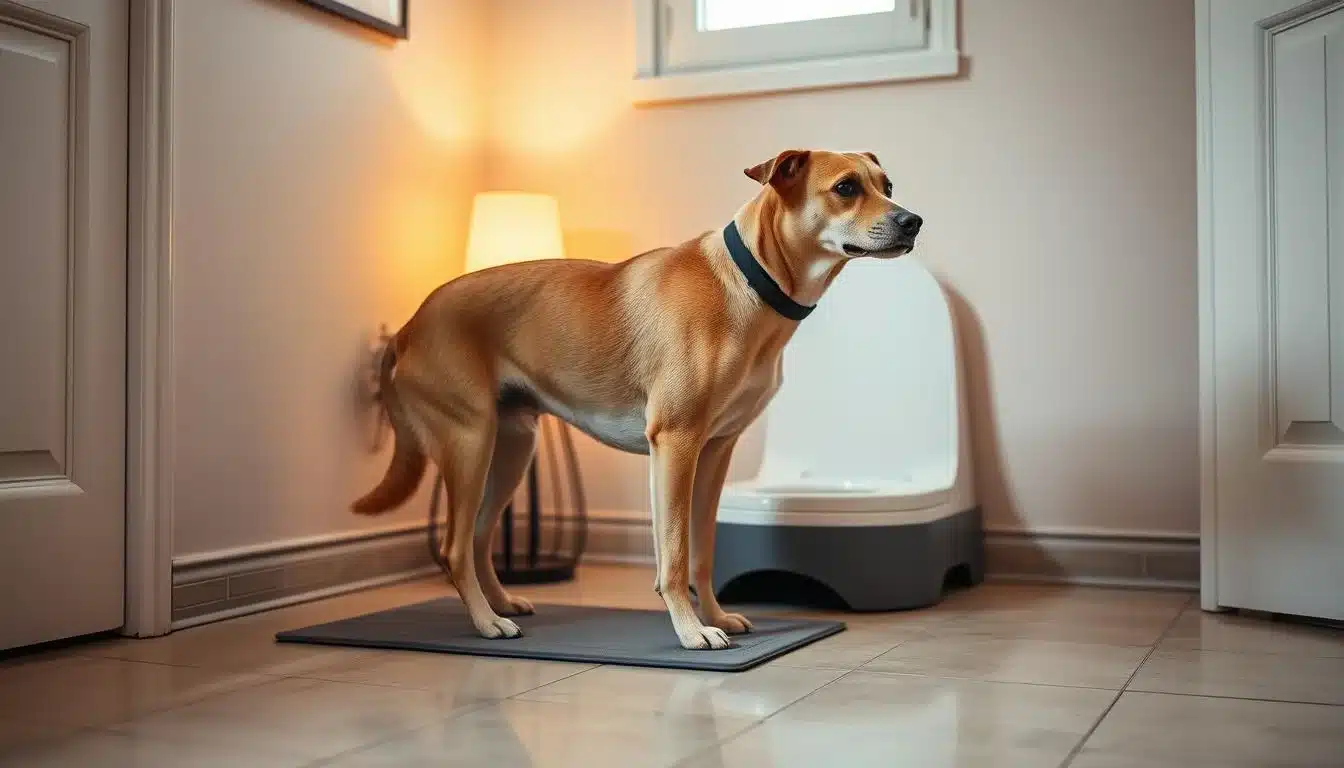
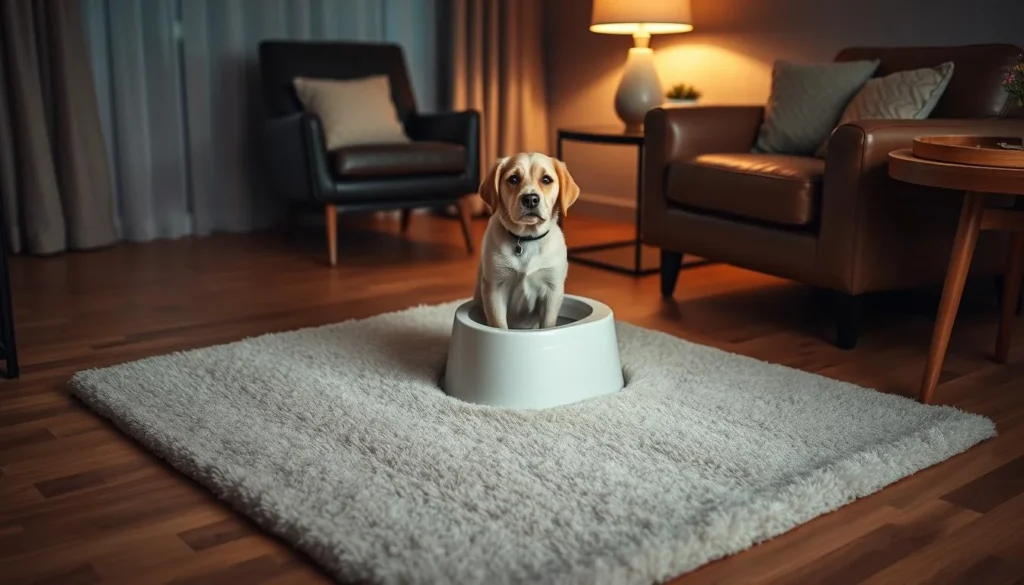
I make setup simple and predictable for my dog to learn quickly. Choose a quiet, easy-to-reach spot, away from where your dog eats and sleeps. Consistency is key in indoor potty training dog sessions.
Location and placement tips
Put the indoor dog bathroom near a wall or corner for male dogs to aim easily. I place pee pad holders against the wall for stability and to prevent pads from moving.
Make sure the area is always accessible. In apartments, pick a central spot on the main floor where your dog spends most time. BrilliantPad suggests a quiet area away from beds and bowls for better association with bathroom use.
In homes with multiple dogs, set up separate stations or stagger their times. Doggy Bathroom recommends vertical placement for better aim and quick pad swaps to avoid messes.
Hygiene and maintenance routines I recommend
I clean accidents right away with an enzymatic cleaner like Nature’s Miracle or Eco-88. This removes scent markers and prevents repeat mistakes, making training smoother.
Swap pads at the first sign of wetness. Some gel pads can hold up to 1000 mL, so check and replace them when full. Doggy Bathroom advises quick pad changes; I keep spare pads and liners handy for fast swaps.
Wipe and sanitize plastic trays and enclosed units as the manufacturer suggests. If your indoor dog bathroom has removable parts, rinse them weekly and dry well. Baking soda near the station helps control odors between deep cleans.
Ventilate the area when possible. Train everyone in the household on the routine for consistent pad replacement, trash removal, and surface wipes. Proper maintenance reduces smell, keeps pee pad holders effective, and supports long-term success in dog potty training.
Step-by-step indoor potty training plan
I start with a simple routine for puppy toilet training indoors. A regular schedule helps dogs know when and where to go. I keep training sessions short and consistent to keep the pup focused and calm.
Establishing a schedule and cues
I feed my dog on a schedule to make elimination times predictable. I take them to the indoor spot after waking, meals, play, and before bed. BrilliantPad suggests this for reliable timing.
I use a single cue like "go potty" when they start to eliminate. I reward them quickly with praise or a treat. This links the cue to the action. I keep a journal to track progress and adjust the schedule as needed.
Supervision, confinement, and gradual freedom
I watch my dog closely when they're free. I use gates, leashes, or tethering to keep them in sight. If I leave, I confine them to a crate or a small area with the indoor potty. Crate training helps control access and speeds up learning.
As accidents decrease, I give them more freedom gradually. First, I add another room, then more time outside. I only expand freedom when they show consistent improvement and go to the potty area on their own. These are the signs of progress I look for.
- Feed on a timetable to predict potty needs.
- Take the dog to the potty area after waking, eating, play, and before bed.
- Use one consistent verbal cue and reward immediately.
- Confine when unsupervised, then give gradual freedom as success builds.
- Keep a short accident log to find patterns and tweak the plan.
Doggy Bathroom products make indoor training easier. Quick pad swaps and a stable location help keep things consistent. Smart setups like BrilliantPad SMART remind me to praise and reward on time.
These tips work for puppies and small breeds. With steady supervision, planned confinement, and gradual freedom, I teach dogs to potty inside. This reduces stress for both of us.
Troubleshooting common indoor potty training problems
I keep troubleshooting in a calm and practical way. When accidents happen, I see them as chances to learn. I adjust the timing, tools, and supervision to match the dog's needs.
Handling accidents calmly and effectively
If I catch a dog in the act, I quietly interrupt and move them to the potty area. I never scold after the fact. Dogs understand my tone and body language more than my words.
I clean up messes with enzymatic cleaners to remove scent markers. Brands like BrilliantPad suggest patience and thorough cleaning to prevent future accidents. I keep a simple journal to track accidents and find patterns.
For routine changes, I increase supervision. Short leash sessions and frequent potty breaks help. I also teach my dog to use a bell or signal to indicate they need to go.
Special cases: small breeds, rescued dogs, and marking
Small dogs need more frequent breaks because of their smaller bladders. I choose indoor dog bathroom options that fit their size—smaller, contained pads or trays work best. Doggy Bathroom testimonials show some small breeds adapt quickly to these options.
Rescued dogs and those from puppy mills may need extra structure and patience. I use brief confinement, consistent schedules, and positive reinforcement. Some dogs need weeks of steady routine before showing reliable progress.
Male marking requires targeted management. I sometimes use belly bands or wraps while retraining. Dog diapers help manage damage in the short term. If accidents start suddenly, I consult a vet to rule out medical causes before reworking training.
My toolbox includes journals, enzymatic cleaners, supervised leash sessions, and compact indoor dog bathroom options. I combine these with clear dog toilet training tips and stepwise indoor dog toilet training until the dog shows steady improvement.
Tools, products, and supplies that make indoor potty training easier
I always have a compact kit ready to make dog potty training easier. The right tools help prevent accidents, make cleaning simple, and speed up learning. Here are the essentials I use and what I look for when buying an indoor dog bathroom solution.
Recommended essentials
I choose a sturdy pad holder with low walls to catch messes. It also has a vertical adhesive strip to keep pads in place. For small breeds, I pick a size that fits their stride.
I also use high-absorption gel pads or flash-gel style pads to lock in moisture and reduce odor.
On busy days, I rely on a self-cleaning dog pad unit. Brands like BrilliantPad have advanced mechanisms and SMART alerts. These features make changing pads easier and keep the bathroom cleaner.
- Secure pad holders with walls and anti-slip bases
- High-absorption pads (gel or advanced materials)
- Automated systems or a self-cleaning dog pad for low-maintenance use
- Enzymatic cleaners such as Nature’s Miracle for odor and stain removal
- Artificial grass patches or durable trays for dogs that prefer texture
- Belly bands and diapers for males who lift their legs or for travel
What I look for when buying an indoor potty solution
Hygiene is my top priority. I check how well the product contains liquids, seals odors, and how easy pad changes are. The absorption capacity is crucial, especially for dogs with heavy output or long gaps between changes.
Durability is also important. I look for products that are chew-resistant, have weight limits, and are easy to clean. For male dogs, I prefer raised back edges or taller side panels to prevent splash.
Maintenance and fit are key in my decision. I prefer products that require minimal daily upkeep, match my dog’s size, and support steady progress in potty training. When budget allows, a self-cleaning dog pad is my top choice for reliable performance when I’m away.
Maintaining progress and transitioning when ready
I help owners make steady progress and transition smoothly. We take small steps to keep trust and ease the indoor to outdoor potty transition for dogs and owners.
First, we keep cues, rewards, and timing the same. When a dog learns a cue, we use it while moving to a new location. We slowly move the indoor bathroom options closer to the door.
Then, we place the pad or unit just outside the door. We praise and reward every success. If weather or mobility issues make outdoor trips hard, we return to the indoor schedule to keep training going.
I suggest a three-step plan for a safe transition:
- Shift the indoor device inch by inch toward the exit while keeping the same cue and treats.
- Place the unit outside and reward desired behavior immediately.
- Gradually reduce indoor pads once the dog reliably uses the outdoor spot.
Life changes can cause setbacks, so we're ready with backup plans. If travel, illness, or storms make outdoor trips hard, we set up indoor options again. Short-term solutions like belly bands or disposable wraps help while we reinforce the cue.
We increase supervision during big changes and use confinement briefly if accidents rise. We clean any mishaps with an enzymatic cleaner right away. If accidents or pain appear suddenly, we check with the vet to rule out medical causes.
Some small breeds or pets with limited mobility may prefer indoor solutions. Doggy Bathroom systems and self-cleaning pads can support long-term use. We balance owner goals with the dog's comfort and adjust plans when needed to maintain dog potty training.
| Situation | Action | Benefit |
|---|---|---|
| Starting transition | Move indoor potty toward exit; keep same cue and rewards | Smooth association; less confusion |
| Outdoor training begun | Place pad outside; praise every success | Builds outdoor habit quickly |
| Bad weather or recovery | Reintroduce indoor dog bathroom options; use belly bands short-term | Prevents regression; maintains routine |
| Household changes | Increase supervision; confine briefly; keep cues consistent | Stabilizes behavior during stress |
| Persistent accidents | Use enzymatic cleaner; consult veterinarian | Identifies medical issues; restores progress |
Conclusion
I made this indoor dog toilet training guide easy for apartment or small home owners. It combines routines, positive feedback, and the right tools. You'll need things like Doggy Bathroom pee pad holders or BrilliantPad systems.
Remember to use enzymatic cleaners like Nature’s Miracle to keep things clean and fresh. This makes the training process smoother.
When training your dog indoors, pick the right product for your pet's size and needs. Crate training helps during the learning phase. Keep a regular schedule for feeding and potty breaks.
Give rewards quickly when your dog does the right thing. Always watch your dog closely and have cleaning supplies ready. Small breeds and rescue dogs might need extra patience and a good solution to absorb accidents.
Follow these tips for dog potty training: watch for patterns and handle accidents calmly. If your dog's behavior or health changes suddenly, talk to your vet. Sticking to these steps will help you and your dog in the long run.