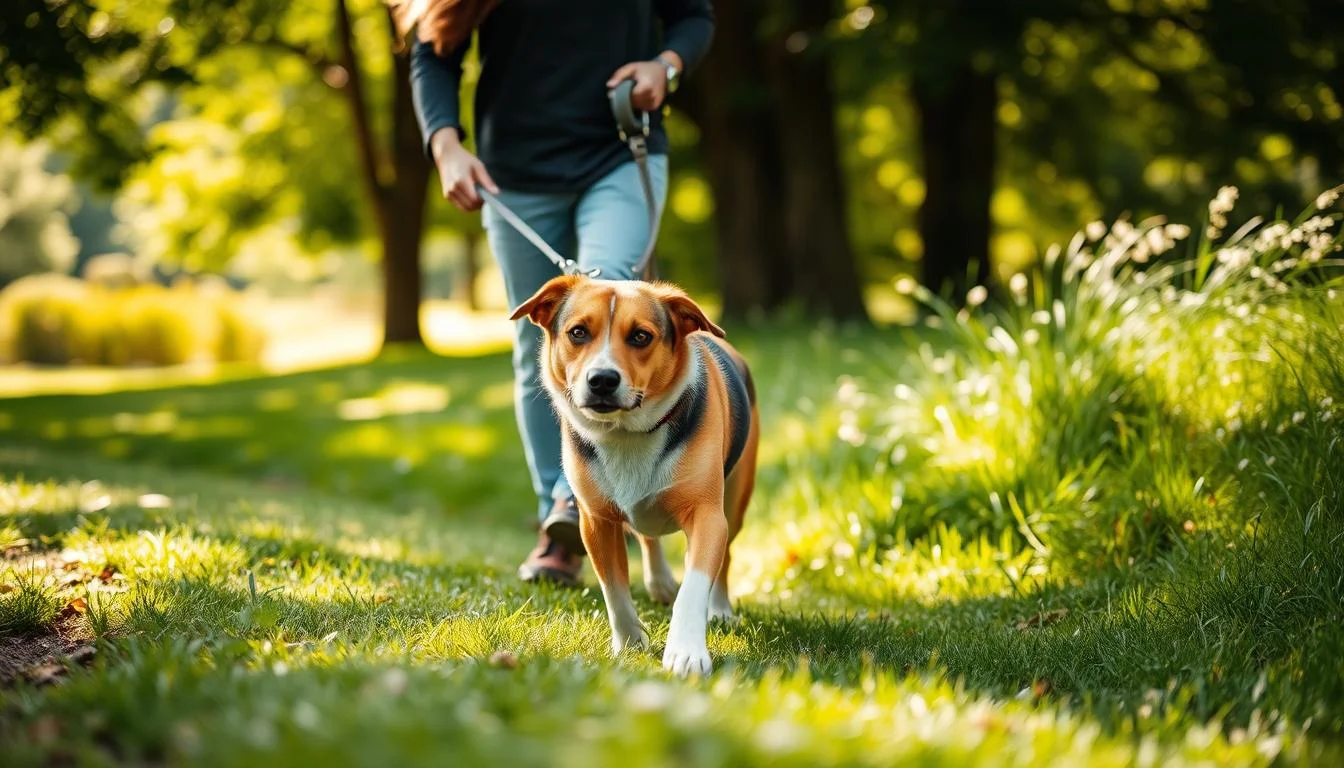
I remember the first time my Labrador mix lunged at someone. My heart sank faster than his leash could tighten. The shame and confusion made me avoid parks and feel judged on walks.
Leash reactivity is common and stressful for dogs and owners. It can make you feel isolated.
Over time, I learned leash aggression and reactivity training are not magic fixes. They are careful processes. Genetics, early life experiences, and social gaps all matter. Blaming yourself won't help; understanding why is the first step to relief.
This guide is a detailed roadmap, not a list of tricks. We'll cover basics, reading your dog, essential skills, tactics, and trusted resources. Positive reinforcement training is key because it builds trust and changes emotions. Aversives can make fear worse or lead to sudden aggression.
You'll learn to read your dog's body language and plan small steps. Training for leash reactivity takes time and patience. But with a steady plan, you'll see real progress and a stronger bond with your dog.
Key Takeaways
- Leash reactivity is common and often rooted in fear, frustration, or poor early socialization.
- Leash reactive dog training works best as a structured, patient process—not quick fixes.
- Positive reinforcement training changes emotion and strengthens the human–dog bond.
- Avoid aversives; they can suppress behavior but increase stress or sudden aggression.
- Learn to read body language, measure thresholds, and celebrate small, consistent wins.
Understanding leash reactivity: what it is and why it happens
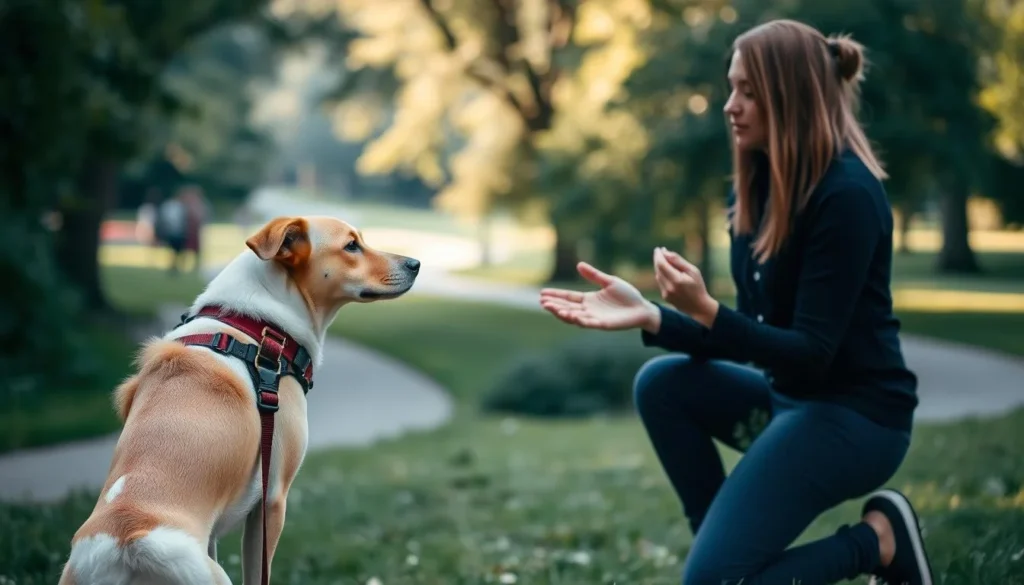
I share leash reactivity insights to help you understand and manage it. It's when dogs overreact to things like barking or sounds while on a leash. This can include barking, lunging, or growling. It's often driven by emotions, not a wish to harm.
Defining terms and differences
Leash reactivity and aggression are different. A reactive dog overreacts when restrained. Aggression means they want to harm. I watch for signs of escalation because reactive behavior can turn aggressive if pushed too far.
Common root causes
Fear is a big trigger; dogs may bark or lunge to feel safe. Frustration happens when they can't reach something they want. Lack of socialization and past bad experiences make them sensitive. Genetic traits and breed tendencies play a role, but past experiences are more important.
Reading body language and threshold signs
Look for hard stares, forward-leaning, raised hackles, and vocalizing. Each dog has a limit where they lose control. I focus on training below that limit to keep learning effective and stress low.
Why aversives often backfire
Tools like prong collars or shock devices might stop a behavior but don't change the emotion. Studies show they can increase fear and hide warning signs. A positive approach that pairs rewards with controlled exposure is better for reducing reactivity and supporting lasting changes.
Practical leash reactive dog training tips
- Start by identifying safe distances where your dog stays calm.
- Use high-value rewards to change the dog’s emotional response to triggers.
- Keep training sessions short, predictable, and below threshold.
- Record progress and adjust distance, timing, and reward value as you go.
Assessing your dog and setting realistic goals
I start by watching and making a list of what makes your dog react. Knowing what triggers your dog helps in training. I look for patterns like reactions on busy streets or quiet paths.
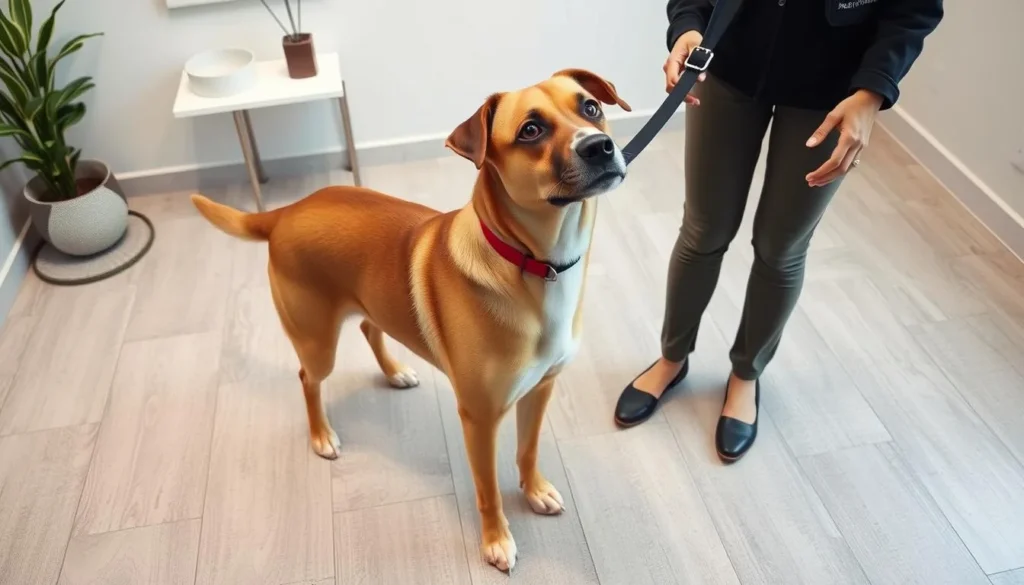
Then, I figure out if your dog is scared or frustrated. Scared dogs pull back and hide. Frustrated dogs push forward and bark. Knowing this helps in choosing the right training.
I measure how close your dog can get to a trigger before reacting. For example, if your dog gets upset at 50 feet but reacts at 25 feet. I use videos and logs to track progress.
Goals should be easy to reach. I aim for small steps like taking treats near triggers or looking at me when I say "look." Reaching these small goals keeps training on track.
I keep track of how far your dog can get to a trigger and how well they listen. I celebrate small victories like staying calm longer or reacting less. This helps in adjusting training and keeping motivation up.
Here's a simple chart I use to help clients see progress. It shows clear steps to help dogs and owners feel like they're making progress without rushing.
| Week | Proximity Goal | Behavioral Target | Measurement |
|---|---|---|---|
| 1 | Maintain 50 meters from trigger | Accept treats on walk; respond to look cue | Video log; 3 successful walks |
| 2 | Reduce to 30 meters | Move toward trigger calmly while taking treats | Distance markers; session notes |
| 3 | 20 meters | Obey leave or look cue when trigger appears | Owner checklist; 5 exposures with low reactivity |
| 4 | 10–15 meters | Walk past trigger area with minimal response | Video comparison; reduced vocalizations |
| 5+ | Within 10 meters or functional distance | Reliable engagement and calm recovery after sights | Long-term log; steady improvement |
Preliminary mindset and handler preparation
Your mindset affects every walk with your dog. Staying calm helps your dog relax too. I teach owners to recognize their tension and replace it with calmness.
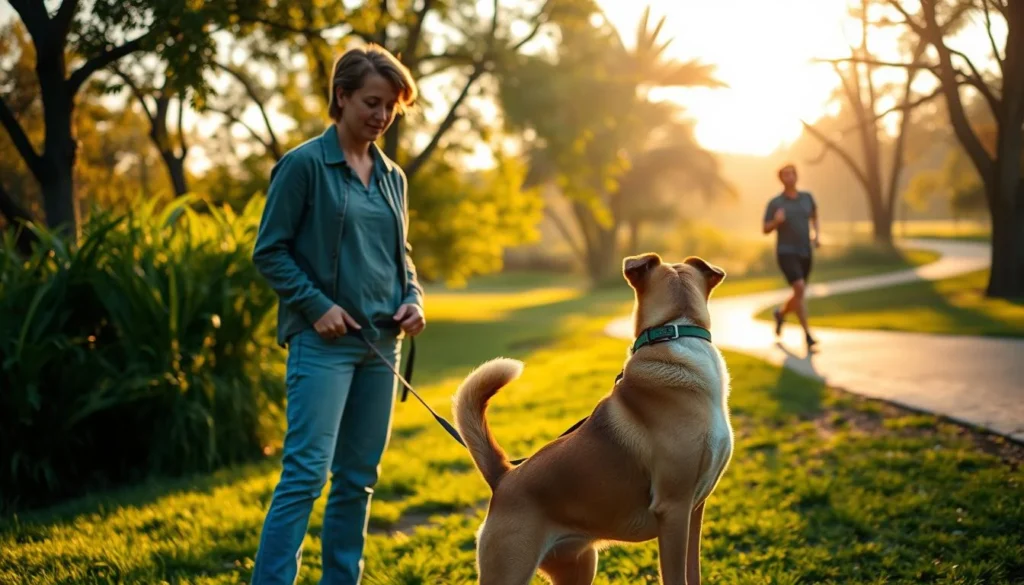
Short, focused practices help break old habits. For example, walking with loose shoulders and pausing to breathe when seeing a trigger. These small actions can prevent a reactive episode.
Managing owner emotions and conditioned responses
Owners often react without thinking. I teach them to notice and control these reactions. Practicing calm responses in calm places helps them stay calm on busy streets.
Adopting a force-free, positive reinforcement training philosophy
I recommend positive reinforcement training. It changes how dogs feel about triggers. This method builds trust and gives dogs clear choices. I warn against using aversive tools, as they can increase fear and worsen behavior.
Building patience, consistency, and a methodical plan
Progress comes from routine and small steps. I ask owners to create a plan with short sessions and clear goals. Consistency is key; steady practice helps avoid setbacks.
I suggest using tips like predictable routes and high-value rewards. If behavior is severe or progress is slow, seek help from a qualified trainer or a veterinary behaviorist. This ensures safety and effectiveness.
Building the foundation: obedience, engagement, and focus
I start by teaching a few reliable cues. These cues help me redirect a leash reactive dog without raising stress. A clear attention cue like look or watch me, a firm leave or recall, and a simple heel or position cue give me options when something appears on a walk.
I practice those cues at home and in low-distraction places. Short repetitions build confidence. When my dog performs the cue, I reward them with their most valued item.
I use engagement games to make choosing me more rewarding than reacting. Quick look-at-me drills, targeting, and reward-for-check-ins turn attention into a habit. I keep sessions short and fun so the dog stays eager to work.
When I bring high-value rewards on walks, I plan their use. If ordinary kibble fails, I switch to roast chicken, freeze-dried liver, or the dog’s favorite toy. I save those items for moments that are just below threshold so the dog links the trigger with something great.
I combine basic dog obedience training with leash manners training during real outings. I ask for a look or a heel before passing potential triggers. This links focus and position work to safety and calm behavior on leash.
Sometimes progress stalls or safety becomes a concern. I then consult a certified positive-reinforcement trainer or a veterinary behaviorist. A professional can design a tailored plan, model calm handling, and help me break my own conditioned reactions.
My daily routine mixes short obedience drills, engagement play, and careful reward placement. That blend strengthens skills, reduces reactivity, and makes walks more predictable and pleasant for both of us.
Management strategies to prevent rehearsing reactions
I start by shaping the environment to reduce my dog's chances to rehearse fear or lunging. I walk at off-peak times and avoid known hotspots to cut down on stress. For a quieter spot, I drive to a calm park or empty street instead of busy sidewalks.
I use tools for safety during training. I prefer sturdy fabric or leather leashes and avoid retractables. I also use a 20-foot line for controlled freedom during recall and impulse work. For dogs that pull, I try a Gentle Leader or Halti based on Dr. Katherine Houpt's advice.
Emergency removal is a skill I practice until it's automatic. I teach an “u-turn” or “this way” cue at home and practice it at low stress. I reward quick, calm turns with treats and brisk body language, making the cue reliable when it matters most.
Exercise and mental work lower baseline arousal and make training sessions more productive. I mix physical walks with scent games, scent work puzzles, and short training bursts. Simple problem-solving tasks at home help reduce the drive to react on walks.
Below I compare practical options so you can match management choices to real needs.
| Goal | Practical tool or tactic | When to use | Key benefit |
|---|---|---|---|
| Avoiding surprises | Plan routes, off-peak walks, car trips to quiet spots | Daily walks, early training outings | Fewer rehearsals of reactive behavior |
| Controlled freedom | 20 ft long-line for recalls and loose work | Fenced areas or low-distraction fields | Practice recall and impulse control safely |
| Immediate safety | Sturdy leather or fabric leash; head collars | When triggers are likely or thresholds are low | Better physical control and reduced pulling |
| Rapid removal | U-turn/"this way" cue trained with treats | Street walks, parks, neighborhood paths | Quick exit before threshold is reached |
| Lower baseline arousal | Balanced exercise, scent work, short training games | Daily routine and recovery days | Reduced reactivity and improved focus |
Behavior modification tactics: desensitization and counter-conditioning
I help owners with calm learning through behavior modification. We start with interactions that don't stress the dog. This way, the dog can notice triggers and still listen to cues.
We use stepwise plans with rewards for calm behavior. A calm passerby or a trusted friend walking a quiet dog helps. The other person only gets closer if the dog stays relaxed.
Starting far away helps the dog stay calm. If the dog notices a trigger at half a football field, we start there. We then move closer in small steps. Each step earns a reward for staying calm.
Our sessions are short and predictable. Short, frequent outings are better than one long session. We track progress and adjust the plan as needed.
We watch for signs of stress. If the dog shows hard stare or raised hackles, we back off. Then we start again at a lower intensity and reward calm behavior.
Here's a practical session template I use to keep training focused and measurable.
| Step | Goal | Duration | Reward | Measure |
|---|---|---|---|---|
| Baseline observation | Find a safe starting distance where the dog notices a trigger but stays relaxed | 5 minutes | Low-value treat or praise | Distance in feet, calm behaviors recorded |
| Controlled exposure | Introduce a calm helper at planned distance | 3–5 short passes | High-value treats or toy | Number of relaxed looks toward handler |
| Approach steps | Reduce distance by one small increment only if calm | Short repeats, 1–2 minutes each | High-value treats, jackpot when successful | Closest comfortable distance logged |
| Break and reset | End on a positive note before fatigue | 2–3 minutes | Play or walk away | Session notes: energy, focus, threshold signs |
I share leash reactive dog training tips during each session. I remind owners to use a calm voice and clear rewards. Small wins build confidence for both handler and dog.
For consistent progress, we mix desensitization with counter-conditioning and steady tracking. This keeps sessions safe, repeatable, and respectful of the dog’s emotional limits.
Leash training techniques and leash manners training
I want to share practical steps for calm, cooperative walks. Start with short, low-distraction sessions. Your dog will stay near because of rewards for check-ins and loose steps. This makes training feel like a team effort, not a chore.
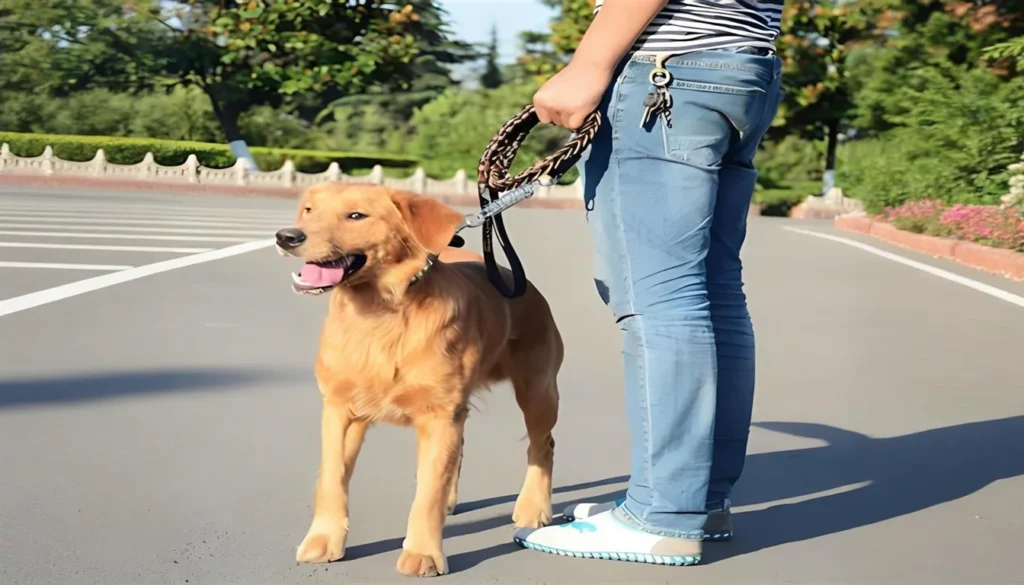
Begin by marking any moment the leash is slack. I click or say “yes,” then reward with a treat or quick play. Start in the yard, then move to a quiet street. Gradually add mild distractions before trying real-trigger practice.
To stop leash pulling, use reward-based corrections. Stop-and-wait, change-of-direction, and praise for the first loose step. These techniques avoid force and reduce stress. Never yank or punish; prong collars can make things worse.
Position work gives me control without tension. I train side positions and smooth transitions. This way, my dog’s body points away from a trigger. Teaching a reliable heel and short-position holds helps manage attention during unexpected encounters.
I combine obedience drills with counter-conditioning for real-world success. Short cue-driven reps — look, leave, heel — then a treat or toy, teach obedience under mild pressure. Repeating these cues during desensitization helps generalize calm behavior.
When progress stalls, I break tasks into smaller steps and keep sessions predictable. I track distance to threshold and celebrate small wins. This lets training become part of everyday life without overwhelming the dog.
Supporting your dog’s emotional state and long-term resilience
I help owners notice when their dog is stressed. Signs like lip licking and avoiding certain situations are clues. These signs can lead to long-term stress if ignored.
I focus on keeping walks calm and short. This helps the dog feel confident. I also gradually increase challenges to help them learn without getting overwhelmed.
Recognizing subtle stress signals and preventing chronic stress
I teach owners to spot both obvious and small stress signs. Signs like freezing or yawning are important. Reducing stress triggers helps dogs feel better over time.
Socialization strategies that respect your dog’s comfort zone
Socialization should be gentle and respectful. Puppies and adult dogs both benefit from calm, varied experiences. My goal is to create positive, predictable interactions.
When medication or veterinary behavior consultation is appropriate
Seeking a vet behaviorist is wise if progress slows or safety is at risk. Medications can help when used with training. This approach is especially useful for severe cases.
Resources for ongoing learning: books, courses, and reputable trainers
I suggest reliable sources for ongoing learning. Dr. Katherine Houpt and the Control Unleashed program are great resources. Look for force-free trainers and the Pet Professional Guild for trustworthy advice.
Encouraging owners to keep learning is key. With the right plan and support, dogs can overcome reactivity and thrive on walks.
Conclusion
Leash reactive dog training is treatable with a calm, methodical plan. Start by understanding what triggers your dog and reading their body language. This helps you avoid overwhelming them.
Use force-free techniques and consistent training to change how your dog feels. My tips include managing situations, engaging your dog, and gradually exposing them to triggers. Use the right tools and teach basic cues like "look" and "leave."
Keep training sessions short and fun. This way, you can improve your dog's behavior without stressing them out. Remember, small steps lead to big changes.
Set achievable goals and celebrate each success. If you hit a roadblock, don't hesitate to get professional help. With time and effort, you'll see real improvements in your dog's behavior and your relationship with them.