I remember the first time my rescue snarled at a neighbor’s child. My heart pounded, and I felt crushed. I promised to learn how to correct fear aggression in dogs safely.
Fearful dog aggression is a defensive reaction. Simple triggers like a sudden touch or another dog can cause it. When escape isn't possible, the dog may growl, lunge, or bite.
My approach focuses on management and positive-reinforcement training. I believe in careful behavior modification and vet collaboration, not punishment. I've seen how patience and planning reduce risk and build trust. In this article, I'll share practical steps to train aggressive dogs and spot early warning signals.
Key Takeaways
- Fearful dog aggression is a defensive response aimed at creating distance from perceived threats.
- Early signals often precede escalation; noticing them can prevent bites.
- Correcting dog aggression relies on management, positive reinforcement, and careful behavior plans.
- Avoid punitive methods; they tend to increase fear and aggression.
- Collaboration with a veterinarian or behaviorist improves outcomes when training aggressive dogs.
Understanding fear aggression in dogs: definitions and signs
I define fear in dogs as an immediate emotional reaction to a clear trigger. When this fear turns to aggression, the dog tries to get away from what it fears. This is why dogs might snap when they feel trapped.

I divide this topic into three parts for easy understanding. The first part explains the mechanism. The second part lists common signals to watch for. The third part helps you understand the difference between fear, anxiety, and stress to plan better.
What fear aggression means and why it happens
Fear aggression occurs when a dog feels trapped. It starts with trying to get away. If that fails, the dog may become aggressive. Causes include poor socialization, harsh training, genetics, and trauma.
When aggression seems to work, the dog may learn it's effective. This makes overcoming fear aggression more challenging without proper training.
Common body language and early warning signals
Early signs are subtle. Look for ears pinned back, lip licking, and pacing. Panting, trembling, whale eye, and raised fur are next.
Ignoring these cues can lead to lunging, snapping, or biting. I use these signs to keep training sessions safe and effective.
How fear differs from anxiety and stress
Fear is immediate and linked to a specific trigger. Anxiety is worry about future threats. Stress is the body's physical response, like a faster heart rate.
Anxiety and stress can make learning hard. I address these when designing programs to help dogs overcome fear aggression. This way, they can learn safety without feeling overwhelmed.
Root causes of fearful dog aggression and typical triggers
I explore how genetics, early life, and environment shape fearful behavior. This helps me create calmer, safer plans for dogs and their families.
Genetics, breed tendencies, and developmental influences
Some breeds are more reactive due to selective breeding. Genes set a baseline for sensitivity, and experience shapes the response. I look at family history and temperament tests to understand a dog's predisposition before training.
Inadequate socialization and early life experiences
The critical social window is from three to fourteen weeks. Puppies need gentle, varied exposure to develop coping skills. I help owners with proper introductions during this time to build trust.
Trauma, medical issues, and environmental stressors
Past abuse or rough handling can cause lasting fear. Chronic pain, ear infections, vision loss, or thyroid problems can also increase reactivity. I combine veterinary checks with behavior plans to address medical and behavioral issues.
Everyday triggers: people, other dogs, handling, noises, and confinement
Common triggers include reaching toward the head, direct stare, nail trims, ear handling, baths, and restraint. Loud noises, crowded parks, and confinement can make a dog feel trapped. Each dog reacts differently to triggers.
I focus on managing triggers and positive learning to reduce incidents. Identifying triggers and the root causes of fearful dog aggression is key. This approach leads to respectful, effective training and humane plans.
Immediate safety and management: how I keep people and pets safe
I start by watching calmly. I look for signs like lip licking or ears back. These tell me to step back or remove the cause of stress.
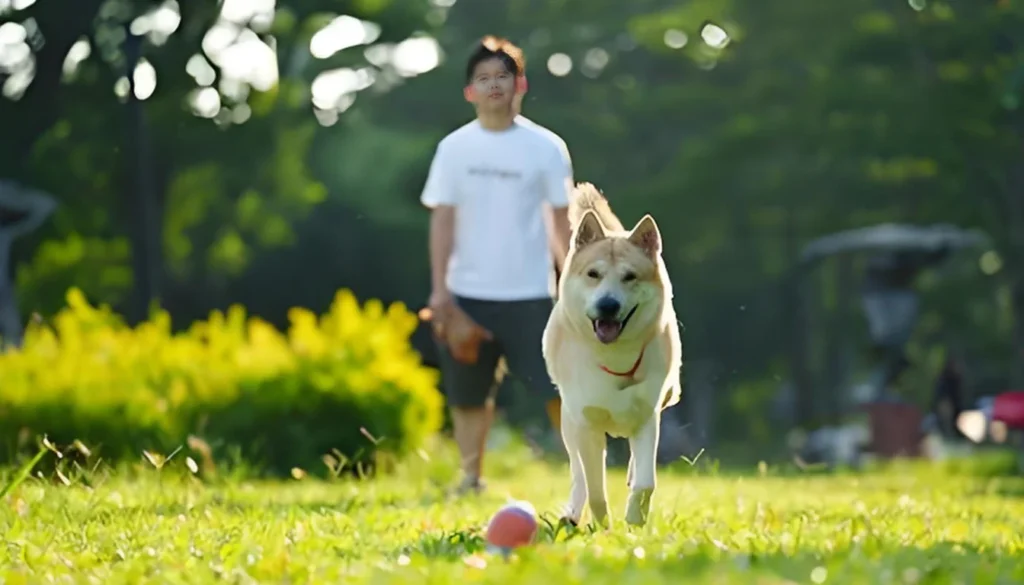
To keep everyone safe, I follow simple steps. If I'm the problem, I leave the room. If someone else is stressing the dog, I move them away. These actions help avoid bites and keep things calm.
Recognizing when to remove the dog or trigger
I look for signs that the dog needs a break. Signs like freezing or hard staring mean it's time to stop. I then increase distance or remove the dog from the room.
When I remove the cause of stress, I try to make it easy for the dog. I use treats or toys to encourage it to leave. If it's a person causing stress, I ask them to leave quietly and calmly.
Safe handling practices and when to avoid restraint
I never force dogs to interact. Grabbing or using holds can make things worse. I only use restraint if a trained expert is there.
If a dog tries to run away, I give it a way out. I teach others not to use methods like alpha rolls. These can make the dog more fearful and harder to manage.
Using management tools responsibly: muzzles, leashes, and signage
Management tools like muzzles and leashes are important. I teach dogs to wear muzzles calmly, making them a safety tool. This approach helps the dog feel safe.
I prefer strong leashes and harnesses for control. I avoid collars that can hurt or stress the dog. I also use signs and vests to keep people away.
When the dog needs to focus, I use positive methods. A quick "touch" or "look" with a treat helps. These techniques help correct aggression and build trust.
| Situation | Action I Take | Tools I Use |
|---|---|---|
| Early warning signs (lip lick, whale eye) | Increase distance, stop interaction, offer voluntary exit | Treats for luring, quiet verbal cue |
| Dog attempts to flee or hide | Provide escape route, do not restrain, observe from afar | Calm presence, removal of trigger |
| Risk of bite during handling | Use trained handler, desensitized basket muzzle if needed | Basket muzzle, sturdy leash, escape-resistant harness |
| Visitors approaching fearful dog | Place signage, instruct visitor to step back, offer alternative interaction | Do Not Pet vest, visual signs, supervised distance |
| Ongoing management between sessions | Consistent routines, safe spaces, positive reinforcement | Stable harness, leashes, enrichment items |
Positive-reinforcement training methods for fearful dog aggression
I use reward-based methods to change a dog's emotional response to triggers. My approach includes predictable steps, short sessions, and high-value rewards. This helps with positive reinforcement for fearful dogs and shows why not to punish aggressive dogs when fear is the cause.
Why I never use punishment and the risks of punitive tools
Punishment increases a dog's stress and can hide warning signals. Scolding, choke or prong collars, and shock raise anxiety. These tools can make a worried dog bite without clear signals first. That's why I avoid punitive devices in my work.
Foundation cues that build confidence: look, touch, and settle
I teach three simple cues for calm control. "Look" builds focus and redirects worry. Hand-targeting or touch invites safe engagement and gives a clear job. "Settle" or "place" teaches relaxation on cue and adds daily structure.
I train these cues with short, frequent sessions and high-value treats. This foundation improves training fearful dogs by offering clear, achievable tasks.
Counterconditioning and desensitization principles
I pair low-intensity triggers with positive outcomes to form new associations. Start at a distance or intensity where the dog stays calm. Reward calm attention and slowly increase intensity over many sessions.
For dog-directed reactivity, I begin where the dog can see another dog but stay relaxed. Then, I close distance only when calm responses are solid. This is how to train dog aggression without pushing limits.
Keep sessions brief and predictable. Track tiny signs of stress and back off before the dog loses composure. With patience, classical conditioning can reframe a trigger so the sight or sound of a feared cue starts to predict something pleasant.
Behavior modification for aggressive dogs: structured programs that work
I start by setting clear expectations. My goal is to help aggressive dogs change slowly but surely. I focus on safety, giving choices, and using clear signs of progress.
Next, I explain how I create a detailed plan for rehabilitating aggressive dogs. Each step builds on the last, keeping progress steady. I never rush the dog's exposure and avoid punishment.
Designing a gradual exposure plan without pushing thresholds
I first find out what triggers the dog's aggression and how far it can stay calm. This information guides the next steps in the exposure plan. I only increase the intensity when the dog shows calm and reliable responses.
I use high-value rewards and basic cues like "look" and "settle." The dog always has a choice. If I see signs of stress, like lip licking or pacing, I immediately slow down. Small victories are more important than rushing.
Monitoring body language and progress markers
Tracking the dog's progress means watching for small signs like less lip licking and more eye contact. I keep a detailed log of each session, noting context, distance, behavior, and rewards.
My logs help me see patterns and know when to adjust the training. I keep sessions short and use clear criteria to ensure reliable progress.
Incorporating safe havens and predictable routines
I create a safe space, like a crate or quiet room, filled with toys and chews. I teach the dog to go there by rewarding it. This gives a clear place to retreat during training and daily life.
Consistent routines reduce stress. Regular feeding, walks, and training times help the dog feel in control. If needed, I desensitize the dog to a muzzle, making it a safety tool, not a punishment.
| Program Element | Practical Steps | Progress Markers |
|---|---|---|
| Baseline assessment | Identify triggers and comfortable distance; record initial behaviors | Calm posture, ability to eat treats at baseline distance |
| Stepwise exposure | Increase intensity in tiny increments; pair with rewards and cues | Seconds of calm attention, voluntary glance, reduced startle |
| Body language monitoring | Track lip licking, whale eye, pacing, recovery time in a log | Fewer stress signs, quicker return to baseline |
| Safe haven training | Teach daily go-to spot with toys and rewards; practice sending | Dog voluntarily uses safe space, relaxes on cue |
| Routine and enrichment | Set consistent feed, walk, and rest schedule; add puzzles | Steadier behavior across day, improved focus in sessions |
| Muzzle desensitization | Gradual conditioning so muzzle equals reward and calm | Dog accepts muzzle calmly, no avoidance |
When and how I use medication and calming aids
I aim to help dogs calm down so they can learn. Medication and calming tools help with training, not replace it. Before suggesting medication, I check if it's safe and if the dog can focus.
Role of anxiolytics and behavioral medications in training
For dogs in constant panic, I talk to owners and vets about medication. Anxiolytics, SSRIs, and trazodone can help them calm down. This lets them learn new things during training.
Evidence-based calming aids: pheromones, supplements, and environment
I suggest calming aids like pheromones and supplements to help with training. Adaptil diffusers or sprays can make sessions more effective for some dogs.
I'm careful with supplements and ask owners to check with their vet first. Some supplements have studies backing them, but many don't.
Changing the environment is just as important as using products. I create safe spaces, add routines, and use music and lighting to help dogs feel better during training.
Working with a veterinarian or veterinary behaviorist
I work with a vet early when talking about medication for dogs. For tough cases, I refer to a veterinary behaviorist. They help pick the right medication and dosage for training.
Medication's goal is to help dogs learn and calm down. I watch for side effects and adjust medication as needed. This helps dogs learn new ways to cope.
Working with professionals: choosing the right trainer or behaviorist
Finding the right help is key for fearful dogs. I look for experts who use science, care, and clear plans. My aim is a safe, measurable path that fits the family and the dog.
Qualifications to look for:
I seek veterinary behaviorists for complex cases. They are certified by the American College of Veterinary Behaviorists. For behavior changes, I look for Certified Applied Animal Behaviorists (CAAB). For training, I choose certified dog trainers with positive, fear-aware methods.
What I expect from a consultation and a treatment plan:
The first meeting covers history, triggers, and body language. I expect a detailed plan with steps, training, safety, and goals. It should also mention if medication is needed and who to see for it.
How I collaborate with vets, trainers, and family members:
I want regular talks among everyone to avoid confusion. This helps the dog and speeds up progress. I teach family to read body language and follow safety rules.
I support teamwork in aggressive dog training. We set clear goals and share records. This keeps everyone on the same page and keeps the dog safe.
Prevention strategies: socialization, enrichment, and lifelong learning
I start prevention early and keep habits consistent to prevent fear from turning into aggression. Good prevention starts with calm, positive steps that match the dog's pace. Small, steady wins build trust and reduce reactive responses over a lifetime.
I use knowledge of puppy socialization windows to shape safe first experiences. The critical period is from about three to fourteen weeks, though breeds vary. I expose puppies to people, surfaces, sounds, and other animals at low intensity, always pairing new things with treats and praise. I never force interaction and stop any exposure that pushes a pup past its threshold.
Daily enrichment training fearful dogs is part of my routine. Puzzle feeders, scent games, short training sessions, and structured play give mental challenges and predictable feedback. These activities reduce boredom and raise confidence without adding pressure.
I teach predictable handling through gentle, frequent practice. I touch ears, paws, and mouth while giving high-value rewards. This lowers sensitivity for grooming, vet care, and basic husbandry. Clear routines for feeding, exercise, and rest cut baseline stress and help dogs cope when surprises occur.
Positive associations stay central to my approach. I carry high-value treats on walks and use “find it,” touch, and look cues to redirect attention toward calm behavior. Rewarding approach choices rather than forcing contact reinforces voluntary, safe interactions with people and dogs.
I train family members and visitors how to respect a fearful dog's boundaries. I ask them to avoid reaching over the head, forced petting, and interrupting resting dogs. I show guests how to offer treats at arm’s length and wait for an invitation. “Do Not Pet” gear and clear household rules help reduce risky encounters.
My plan includes lifelong dog behavior modification that adapts as the dog ages. Dogs keep learning, so I schedule regular refreshers and reassess social opportunities. Small, ongoing investments in training and enrichment prevent relapse and keep fear from escalating into aggression.
Conclusion
I think overcoming fear aggression starts with understanding that a fearful dog is scared, not bad. My first step is to listen to their signals and remove things that scare them. I also use tools like muzzles and signs to keep everyone safe.
For long-term success, I focus on positive changes in behavior. This includes teaching foundation cues and using counterconditioning and desensitization. I also make sure the dog has a routine and a safe place to go.
Working with a fear-aware trainer or certified behaviorist is key. They help keep the training consistent. With time, patience, and practice, fearful dogs can regain their confidence. They can then live safely in their homes and communities.