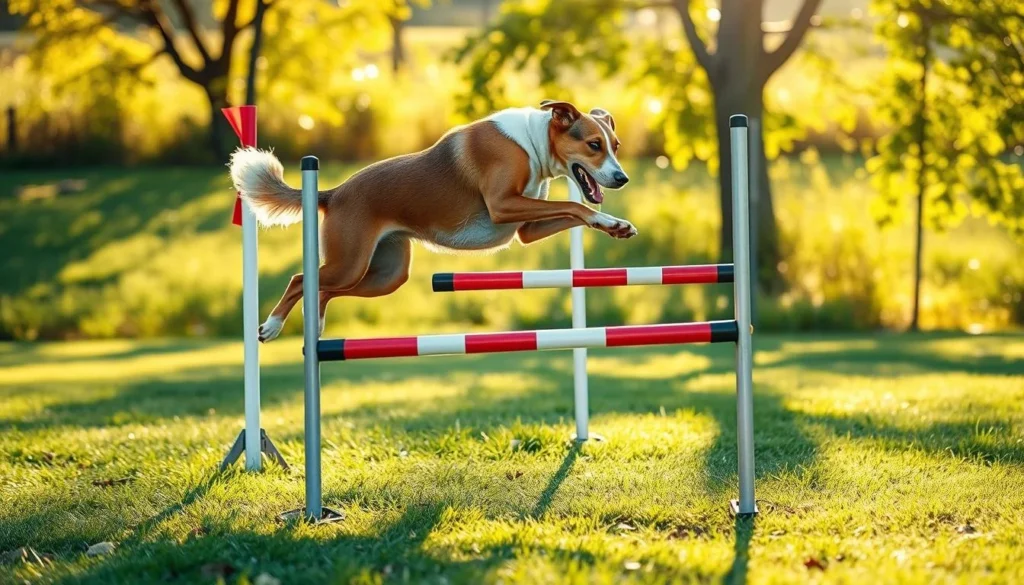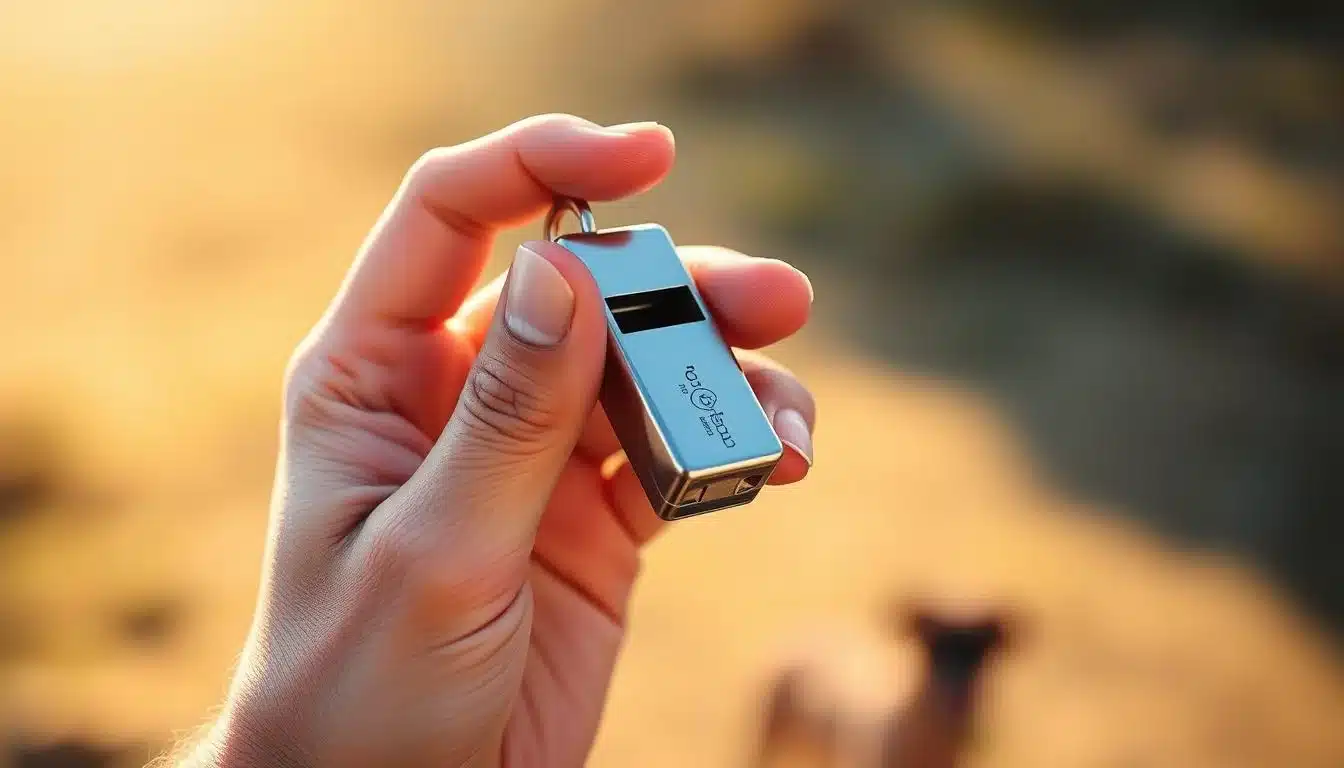
I remember the first time a dog whistle worked. A thin note cut through the noise, and my Labrador looked up. It was a moment that taught me about clear cues, timing, and trust.
Learning to use a dog whistle for training is not magic. It's about using everyday tools like clickers, treats, and a positive attitude. Dog whistles emit high-pitched tones that dogs can hear easily. While humans can hear up to 18,000–20,000 Hz, dogs can hear sounds up to 45,000 Hz.
Remember, whistles are cues, not commands. Effective training uses classical and operant conditioning. This way, your dog learns to associate each sound with a behavior and a reward. I'll show you how to choose the right whistle, build associations, and use basic and advanced techniques.
Key Takeaways
- Dog whistles reach frequencies dogs can hear even when humans cannot.
- How to whistle for a dog works best when paired with rewards and timing.
- Whistles are training cues, not standalone solutions.
- I will guide you through selecting a whistle and building reliable associations.
- Practical drills and safety tips will help apply dog whistle training techniques in real life.
Introduction to dog whistle training
I want to start with a clear, practical primer on what a dog whistle can do and why I find it useful. This introduction to dog whistle training will lay out basics you can use today. Whether your goal is long-distance recall, field work, or calmer walks in noisy parks.
What a dog whistle is and how it works is simpler than most myths make it. A dog whistle emits high-frequency tones. Many models peak near 35,000 Hz, which dogs hear well and people usually do not. These tones cut through wind, traffic, and crowd noise in ways the human voice cannot.
Dog whistles act as neutral sounds at first. They do not automatically tell a dog to sit, come, or stop barking. Trainers condition responses by pairing the whistle with rewards or known cues. Over time the whistle becomes a reliable signal for specific behaviors.
Whistle types vary. Single-pitch whistles give a steady tone. Two-tone and shepherd's range whistles offer rapid pitch changes. Whistles with peas create a trilled sound that carries differently. Each type has strengths depending on terrain and the behavior you want to cue.
I chose to write about whistle training because I have used them for recall work and field trials with my Labrador. I have seen how consistent signals help when multiple handlers work the same dog. A whistle sounds the same regardless of excitement or fatigue, which keeps training steady.
My goal is to demystify myths about how dog whistles work and show how to use a dog whistle for training in safe, ethical steps. I will explain conditioning, common patterns, and practical tips so you can add whistle work to everyday routines without confusion.
Benefits of using a dog whistle for training
Whistles have been a game-changer for me in dog training. They offer clear advantages in control, safety, and consistency. Here are some practical tips to use in your training sessions.
Long-distance communication and clarity
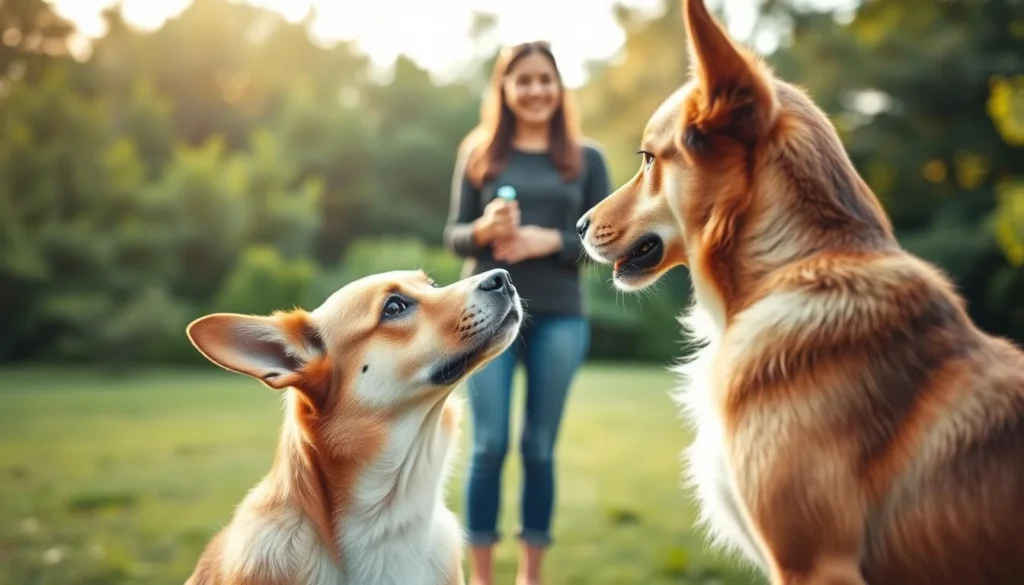
Dog whistles are great for long-distance communication. Their high frequencies travel far and cut through noise. This makes them perfect for recalls at over 100 feet, where voices can't reach.
Whistles are clear even when you're far away. A single tone can get your dog's attention instantly. This is especially useful in noisy places like parks or near highways.
Consistency across handlers
Whistles offer a consistent tone, unlike voices which can vary. This makes them reliable for all handlers, no matter their emotional state.
Using different tones for commands helps in team training. It makes it easier for family members or trainers to work together smoothly.
Practical advantages for specific activities
For hunters and waterfowl enthusiasts, whistles are essential. They help control dogs at a distance or when they're swimming. A single blast can mean “sit,” and two blasts mean “come.”
In herding and police work, whistles are crucial for blind retrieves and long-range commands. They help search-and-rescue and sporting dogs without startling animals or people.
| Activity | Common whistle cue | Practical benefit |
|---|---|---|
| Hunting / Waterfowl | Single blast = stop, Triple blast = recall | Maintains control at distance, reduces shouting, improves safety |
| Herding | Short burst = change direction, Long tone = hold | Enables silent, precise direction when voice is impractical |
| Police / SAR | Distinct patterns assigned per handler | Clear hand-off between teams, consistent cues under stress |
| Sporting / Agility | Two-tone signals for sequence starts | Improves timing and reduces vocal strain during long events |
By using a dog whistle and practicing, you get clear communication and effective training. It meets many real-world needs.
Selecting the right dog whistle
I want to help you choose a whistle that suits your dog and your goals. The right tool makes training easier and keeps you both comfortable. This is true whether you're in the field or at the park.
I look at the types and pitches first. Single-pitch whistles have a steady tone that dogs find easy to learn. Two-tone models let me use different cues without confusion. Shepherd’s lip or range whistles offer more nuance but need practice.
Types of whistles and pitch considerations
Small dogs usually prefer higher pitches. Large breeds might like lower tones. Higher pitches also travel farther, which is great for open fields. I choose a pitch that suits my dog’s hearing and our training distances.
For simple cues, a single-pitch whistle is best. If I need more signals, I use a two-tone or range whistle. Testing different models helps me find the one my dog responds to quickest.
Audible vs ultrasonic whistles
Choosing between audible and ultrasonic whistles depends on a few things. Do I need to hear the cue? Do I want to avoid disturbing others? Audible whistles are within human hearing range. This lets me adjust my training as needed.
Ultrasonic whistles are above human hearing. They won’t disturb neighbors or others nearby. I use an ultrasonic whistle when I need privacy and low disturbance. I also carry an audible whistle for self-monitoring during complex training.
Materials and practical choices
Material matters for comfort and durability. I prefer plastic over metal for cold weather because metal can be harsh. Plastic whistles are also lighter and less likely to sting in cold.
Whistles with a pea can freeze and fail in extreme cold. I always carry a backup whistle. Some models have a clicker function, which I test to see if my dog prefers. Having a spare is crucial for long sessions and hunts.
When picking a dog whistle, I consider pitch, type, and material. This ensures each training session is predictable and effective for both of us.
Preparing your dog: introduction and association exercises
Good preparation is key when teaching a new cue. I work with Labrador Retrievers and mixed breeds. I use clear steps to build trust and joy around the sound. This guide will help you understand how to introduce dog whistle training and set up whistle association.
Setting up a positive association
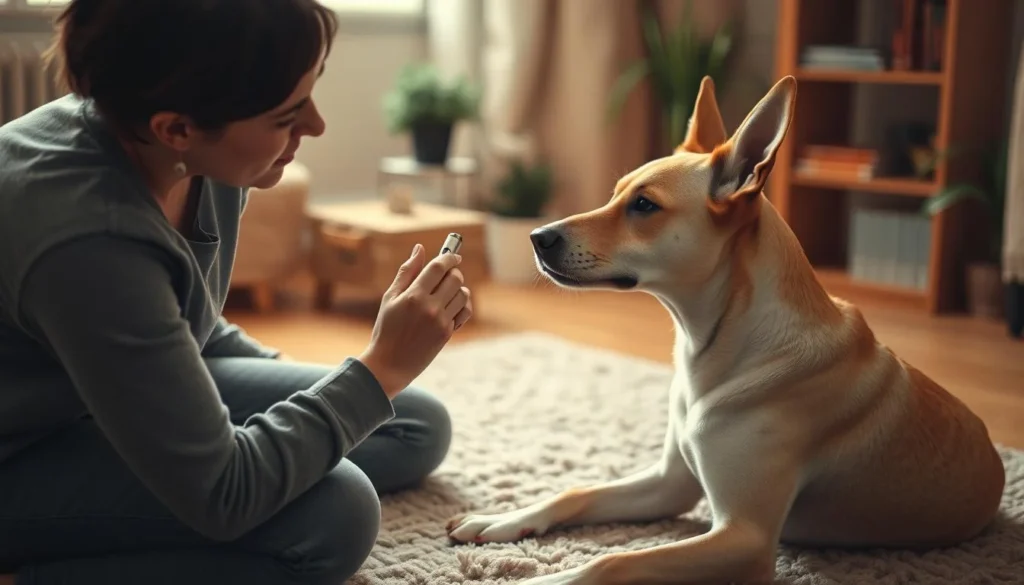
I start in a quiet room with treats like cooked chicken. I blow a short, gentle toot and give a treat. I do this many times to link the whistle with rewards.
If the dog knows a verbal cue, I pair the whistle with it. Then, I remove the verbal cue, so the whistle is the only cue. This makes the whistle a unique signal.
I keep sessions short. Five treats, given one at a time, make each whistle a celebration. When teaching a new action, I first capture or shape the behavior. Then, I add the whistle and reward right after.
This way, both classical and operant conditioning help the dog learn.
Timing and spacing practice sessions
Short, frequent sessions are best. I do many two- to three-minute sessions throughout the day. This keeps the cue special and prevents habituation.
Using the whistle too much without rewards can make the dog ignore it. So, I limit unrewarded toots.
I start training with the dog on a leash or a check cord. This helps control responses. When recall is reliable, I switch to a long line, then off-leash training. For puppies, I wait until they understand basic commands.
For a quick guide on using a dog whistle, remember: clear timing, consistent rewards, and short, spaced sessions. This approach speeds up learning and keeps the whistle meaningful without causing stress or desensitization.
Basic dog whistle training techniques
I start with a short primer so you know what to expect when learning dog whistle training techniques. These steps are simple to follow and work well for most breeds. Keep sessions short and positive to build clear associations.
I pair the whistle with existing verbal cues first. I blow once right before I say "sit" or "come," then reward the correct response. After a few repetitions I reverse the order: whistle first, verbal cue second. This transfer teaches the dog to respond to the whistle alone.
Consistency matters. I use single blasts for sit or stay and two or three quick blasts for recall. Using the same pattern each time helps the dog learn distinct meanings from a small set of signals.
I use three practical shapes to teach new behaviors: capturing, shaping, and luring.
- Capturing: I wait for the dog to offer the behavior on its own, blow the whistle as the behavior happens, then reward immediately. This links the whistle to naturally offered actions.
- Shaping: I reward small steps toward the final behavior and use the whistle when the dog makes progress. That gradual approach builds complex behaviors without pressure.
- Luring: I guide the dog with a treat or target and blow the whistle as the dog completes the action. I reinforce right away so the whistle becomes meaningful.
Rewards and timing are critical for effective dog whistle training. I use high-value treats in early stages and give several quick rewards after a correct whistle response. This strengthens the association fast.
As the dog becomes reliable I fade frequent food rewards and switch to variable reinforcement with intermittent treats and praise. That keeps the behavior dependable while keeping the whistle valuable.
Never blow the whistle into the dog’s ear. Dogs hear higher amplitudes than we do, and loud, repeated blasts can cause discomfort or desensitization. I keep volume moderate and use the whistle sparingly so it stays effective.
Mastering dog whistle commands
I guide you through steps to master dog whistle commands in daily training. We focus on clear patterns and gradual learning from leash to off-leash. I also share tips on teaching various behaviors without confusing your dog.
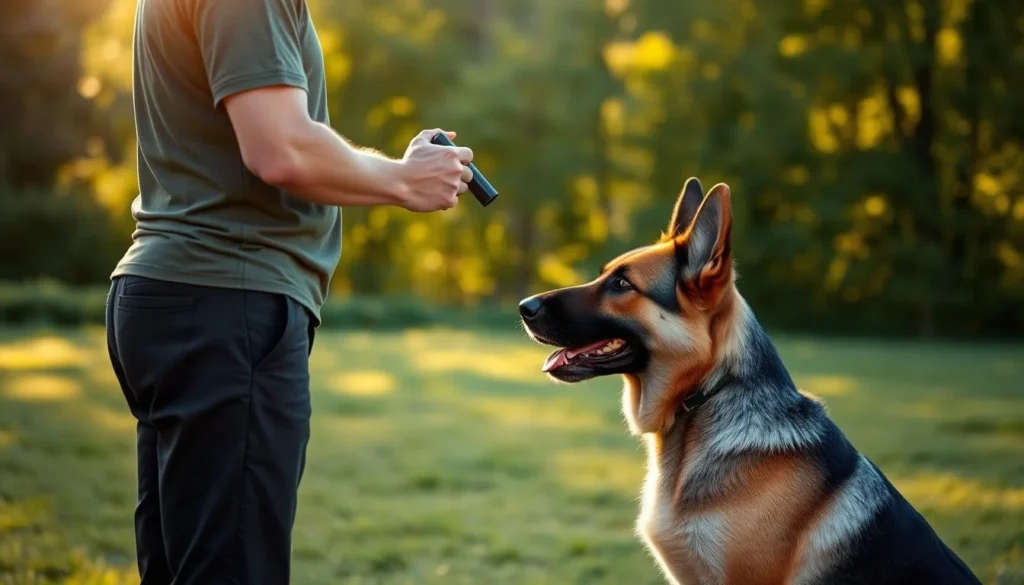
I use simple, repeatable whistle patterns for your dog to learn quickly. A short blast means sit or stop. Rapid blasts are for come or recall. A long blast can signal other actions with rewards and practice.
To avoid confusion, I keep the whistle's pitch and rhythm the same. For some dogs, I use a two-tone whistle to teach different behaviors. Consistency is crucial for your dog to trust the whistle under stress.
I start new cues on a leash or in a secure area. I pair the whistle with a verbal cue and a treat at first. Then, I use a long line for distance training, keeping the dog engaged.
Move to off-leash training when your dog responds well with distractions and at a distance. Use intermittent rewards to build strong responses. This gradual approach helps your dog respond to the whistle even when you're far away.
I teach unique patterns for different commands like sit, stay, and come. I use the whistle as the main cue, sometimes before a verbal command. This strengthens the whistle cue and improves recall in various settings.
To generalize behavior, I train in different locations. I train on land, in water for retrievers, and in busy parks. These varied environments help your dog respond to the whistle in different places, essential for mastering dog whistle commands.
| Pattern | Typical Meaning | Training Tip |
|---|---|---|
| Single short blast | Sit / stop and wait | Pair with leash guidance and reward immediately on compliance |
| Multiple rapid blasts | Recall / come | Start at short distance, reward consistency, then increase range |
| Long steady blast | Special behaviors or directional cues | Assign one behavior only; practice until reliable under distraction |
| Two‑tone variations | Different behaviors or dogs | Use distinct pitches for separate meanings to avoid confusion |
| Whistle then verbal | Whistle as primary cue | Reverse sequence during training to prioritize the whistle |
Advanced dog whistle training and problem-solving
I focus on making whistle training useful for real situations. I teach dogs to follow whistle commands and solve problems. This includes using silent signals and practicing blind retrieves.
First, I pair whistle signals with hand gestures. A short whistle gets the dog's attention. Then, I use a raised palm to guide them. This helps the dog learn to follow the hand signal alone.
For blind retrieves, I add direction to the whistle commands. I use two blasts for left, three for right, and four for straight back. I send the dog with short whistles and guide them with a silent hand signal. As they get better, I add more distance and obstacles.
When a dog ignores the whistle, I go back to basics. I use a leash, high-value rewards, and short sessions. I also try different pitches to see what works best for the dog. If they lose interest, I use special rewards to get them excited again.
When dogs get too excited, I calm them down. I use a whistle for attention, then gentle body language and a soft voice. I never use loud whistles as punishment.
Other handlers can confuse dogs. I teach my dog to recognize my whistle by using unique patterns and timing. I carry a spare whistle and prefer pealess models in cold weather to avoid freezing issues.
| Problem | Quick fix | Training step |
|---|---|---|
| Dog ignores whistle | Return to long line, increase rewards | Pair whistle with known cue, repeat 5–10 times per session |
| Desensitization | Reduce unrewarded blows, use jackpot treats | Schedule variable reinforcement and special sessions |
| Overexcitement at whistle | Calm handling, delay reward until settled | Teach settle cue, reinforce calm responses to one blast |
| Confusion with other whistles | Custom pitch-patterns, consistent timing | Train unique sequences and test in public areas |
| Whistle failure in cold | Use pealess plastic or metal, carry spare | Routine equipment checks before sessions |
Safety and ethical considerations
I always put safety and ethics first in my training. Before starting, I check the dog's hearing, the area, and local laws. Making small choices helps protect a dog's ears and keeps trust strong.
Hearing sensitivity and responsible volume
Dogs can hear sounds we can't. I never blow a whistle too close to a dog's ear. I use just enough volume and toots for them to understand.
I look for signs of ear pain or discomfort. If I see any, I talk to a vet before going on. This way, I avoid hurting them and build trust.
When whistles aren't the best tool
For close work, voice, clickers, or hand signals work better. I use these when I need to be subtle or calm. It's important for clear communication.
Some dogs might not hear well or be sensitive to certain sounds. I try different ways to communicate with them. I don't rely on whistles for basic training.
Respecting bystanders and legal contexts
Whistles can disturb people and animals. In public, I use quiet signals or ultrasonic whistles. I also check local rules about noise and training tools.
On private land or for hunting, I get permission first. I explain my training methods to everyone involved. This keeps training legal and respectful.
Practical drills and sample training plan
I've created simple exercises for the first week of using a whistle. These drills help build a strong bond, reliable recall, and steady obedience. They're designed to be short and fun.
I start with basic drills to help your dog learn each step. Begin with a leash, then move to a long line. Only go off-leash when your dog responds well. Use treats and praise to reward them.
Recall drill: Use a verbal “come” with a few quick whistle blasts. Reward right away. Then, do it on a long line and remove the verbal cue.
Sit/stay drill: Teach a sit, then give a short whistle blast. Reward while they stay. Increase distance and time slowly, using a long line.
Attention retrieval: Use a single blast to get their attention. Then, give a command like sit or come. Reward right away to link the whistle to the action.
I follow a simple weekly plan that balances practice and rest. Stick to it for faster progress and better behavior in new places.
- Days 1–2: Short indoor sessions, 3–5 minutes, to pair whistle and treats.
- Days 3–4: Practice in the yard on leash or long line with different whistle patterns.
- Day 5: Practice in a public area on a long line to test distractions.
- Day 6: Field or water session, or a simulated blind retrieve if applicable.
- Day 7: Rest or light games to keep motivation up.
I adjust the plan based on your dog's age and personality. Puppies need shorter, more frequent sessions. Adult dogs can handle longer sessions and more distractions.
Use this checklist for whistle training to avoid last-minute scrambles. Good equipment makes training safer and more efficient.
| Item | Purpose | Notes |
|---|---|---|
| Primary whistle (plastic) | Core signal device | Durable, consistent tone |
| Backup whistle | Fail safe | Keep one in your bag or truck |
| Long line / check cord | Progress from leash to off‑leash | 50–100 feet for reliable control |
| Leash | Close control | Use a standard flat leash for basic work |
| High‑value treats | Strong reinforcement | Small, soft, and easy to consume quickly |
| Clicker (optional) | Precision marker | Helps bridge timing between whistle and reward |
| Lanyard & training pouch | Quick access | Keep treats and whistle handy |
| Two‑tone whistle (optional) | Multiple dogs or behaviors | Useful for advanced work |
| Water‑safe whistle / non‑pea option | Hunting or water work | Pealess models resist freezing and water ingress |
| Protective gear | Comfort and safety | Boots, vest, or flotation as needed for field work |
Keep your equipment checklist updated and ready before each session. Consistent tools help focus on timing, reward, and gradual progress.
Conclusion
I've shown you how to use a dog whistle for training. First, pick the right pitch and material. Then, make sure your dog associates the sound with good things.
Choosing the right whistle is key. It should match your dog's response. Use rewards with each sound to make it meaningful.
Mastering dog whistle commands starts with practice. Begin on a leash, then move to a long line. Finally, test it off-leash.
Use simple patterns for each command. A single blast for sit/stay, repeated blasts for recall. Keep the timing consistent with your verbal cues.
Keep training sessions short and regular. This prevents your dog from getting tired or bored. It also helps them learn faster.
Follow the best practices for dog whistle training. Be careful not to hurt your dog's sensitive ears. Don't overuse the whistle, and be considerate of others around you.
Always carry a backup whistle. Make whistle training a part of your daily routine. Use rewards and clear patterns to make the cue effective everywhere.