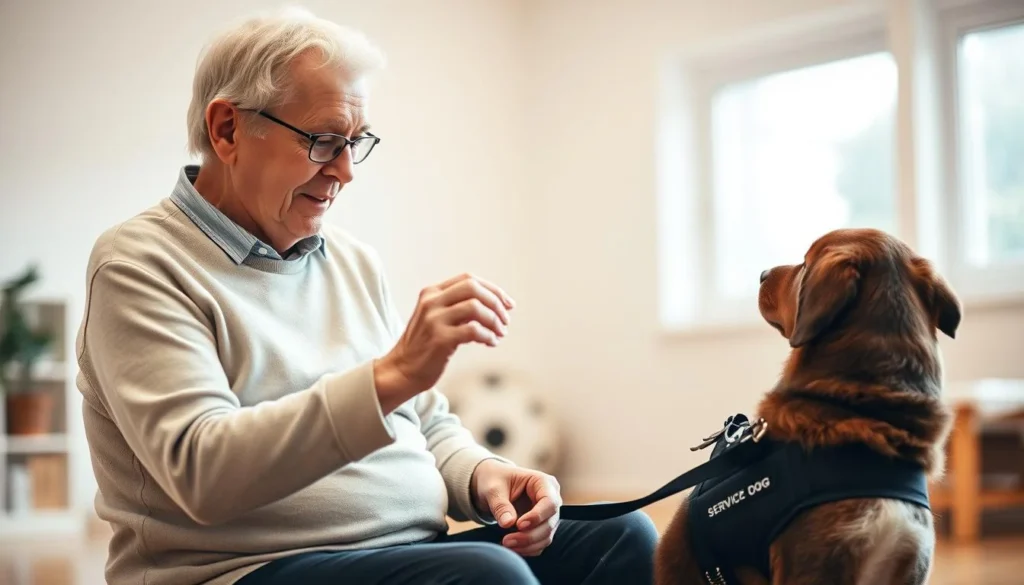
I still remember the first time a calm Labrador nudged my hand during a panic attack. It made the world feel steady again. That moment changed how I think about independence. It's why I care so deeply about how to train service dogs.
Training turns a loving pet into a dependable partner. This partner can restore confidence and improve daily life.
In this guide, I'll walk you through service dog training tips. I'll explain the legal and practical foundations under the Americans with Disabilities Act. I'll also show how dog obedience training builds the reliability handlers need.
Whether you’re considering a guide dog, a mobility assistant, a medical alert dog, or a psychiatric service dog, the right approach starts with clear goals and consistent methods.
Key Takeaways
- Service dogs perform specific tasks that increase independence and safety for people with disabilities.
- Understanding ADA definitions and public access rules is essential before training begins.
- Strong dog obedience training forms the foundation for advanced service tasks.
- Consistent, humane service dog training tips help produce reliable behavior in public.
- Training requires time, planning, and a focus on the handler–dog bond for long-term success.
What Is a Service Dog and Why They Matter
I work with handlers and trainers every week. I've seen how a well-trained dog changes daily life. Service dogs are not pets. They perform specific tasks that help people with disabilities.
These dogs guide the blind, retrieve items for those with limited mobility, alert to medical events, and interrupt harmful behaviors.
The ADA defines a service dog by its function. The Americans with Disabilities Act says a service dog must be trained to do work or perform tasks for an individual with a disability. This includes physical and mental impairments that limit major life activities.
Knowing your service dog legal rights helps you handle questions in public. You don't have to give more medical detail than required. I've learned this from my work.
People often confuse service dogs with emotional support animals and therapy dogs. Emotional support animals provide comfort but are not trained for specific tasks. They do not have public access rights under the ADA. Therapy dogs volunteer in settings like hospitals and schools to provide comfort. They also lack ADA protections.
Service dogs come in many roles. Guide dogs help people who are blind navigate safely. Mobility dogs retrieve objects, open doors, and brace for balance. Medical alert dogs warn of seizures or dangerous glucose drops. Psychiatric service dogs can interrupt panic attacks, provide grounding pressure, or create space in crowded places.
Each role requires focused training, public reliability, and ongoing assessment. There is no federal service dog certification required by the ADA. But many handlers choose programs or trainers to document skills.
I suggest training records and clear signage when appropriate. Some businesses still ask for proof. Understanding service dog legal rights and keeping clear evidence of task training reduces conflict. It protects access for the team.
how to train service dogs
I've outlined a clear timeline and steps for training a service dog. My method combines steady at-home work with professional guidance. It focuses on achievable milestones and tips that fit into daily life.
Overview of the training timeline (puppy stage to 18–24 months)
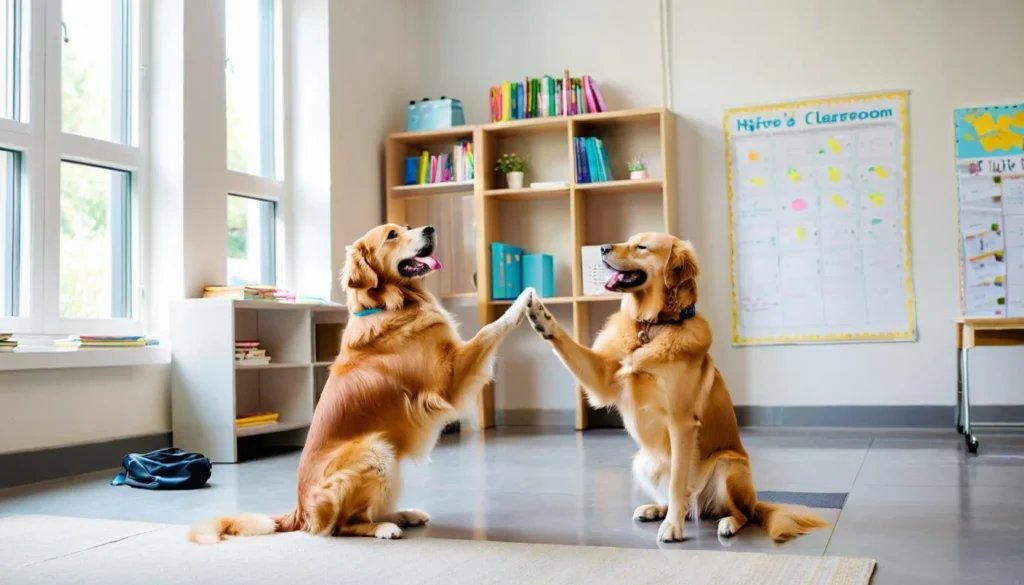
Training starts in the puppy stage and can take 18–24 months. Some dogs learn faster, especially if they're already socialized.
Early months focus on house training, crate habits, basic obedience, and gentle socialization. By six to nine months, you build steadiness. Between one and two years, you refine advanced tasks and public reliability.
Step-by-step progression: foundation skills, public access, task training
Begin with foundation skills like house training, sit, stay, come, heel, and station. These basics are crucial for more complex work.
Next, practice public access skills. Teach the dog to settle at your side, ignore distractions, and remain under control in stores, transit, and busy streets. Use frequent short outings to build confidence.
Task training comes last and is tailored to specific needs. Whether it's mobility retrieval or medical alert work, break each task into tiny steps. Use positive reinforcement training to shape reliable responses.
Balancing at-home training and professional instruction
I recommend a mixed plan. Do daily short sessions at home to keep skills fresh. Book periodic sessions with reputable trainers or organizations like Canine Companions or NEADS for assessments and advanced techniques.
Set milestones for when to seek help. If a dog stalls on obedience, if public behavior is unreliable, or when task training plateaus. Professional input reduces drop-out risk and speeds progress.
| Training Phase | Focus | Typical Timeline | Key Measure |
|---|---|---|---|
| Puppy Foundation | House training, basic obedience, socialization | 0–6 months | Reliable housetraining and calm crate habit |
| Adolescent Build | Leash skills, sit/stay/come/heel, public exposure | 6–12 months | Settles in public with short distractions |
| Task Introduction | Break down tasks, initial shaping with rewards | 9–18 months | Performs task in controlled setting |
| Public Reliability | Full public access, distraction-proofing, handler cues | 12–24 months | Consistent behavior across environments |
| Ongoing Maintenance | Refresher training, health checks, team practice | Continuous | Stable performance and handler confidence |
I use short, consistent sessions and reward progress generously. These tips focus on clear goals and humane methods. Positive reinforcement training keeps dogs motivated and builds a strong team bond.
Choosing the Right Dog: Breed, Temperament, and Health
I look for a steady temperament first. A good service dog stays calm, focuses on the handler, and does tasks well. Traits like patience, gentleness, and not getting distracted are key for public work.
Then, I check breed traits. Labradors and Golden Retrievers are great for tasks like retrieving and guiding. They are easy to train. German Shepherds are perfect for tasks that need strength and protection.
Poodles are good for alerting because of their sharp sense of smell. They come in different sizes, making them versatile. When choosing a breed, I think about their energy level and what tasks they can do.
Large breeds like Great Danes and Bernese Mountain Dogs are great for mobility tasks. They have the size and strength needed. I consider the dog's size, energy, and the task's demands when picking a breed.
I test a dog's temperament with short tests. I see if they are social, follow commands, and handle surprises well. A dog that stays focused and calm is best for repetitive tasks.
Rescue dogs can also be great service dogs. But, they need careful screening and training. This ensures they can handle specific tasks well.
Health is crucial. I check for clean health, no chronic conditions, and clear hips and elbows. Regular vet visits, vaccinations, and a good diet keep them healthy for years.
I also plan for the dog's future. I check for health issues early and prepare for when they retire. Programs like Canine Companions and NEADS show the importance of careful breeding and training.
By choosing the right breed and training them well, we get a reliable partner. This partnership lasts for many years.
Evaluating Suitability: How to Assess a Candidate Dog
I help readers understand how to check if a dog is good for service work. First, I look at the dog's temperament, health, and how it acts in new places. A calm, focused dog that learns well and gets along with people and animals is best.
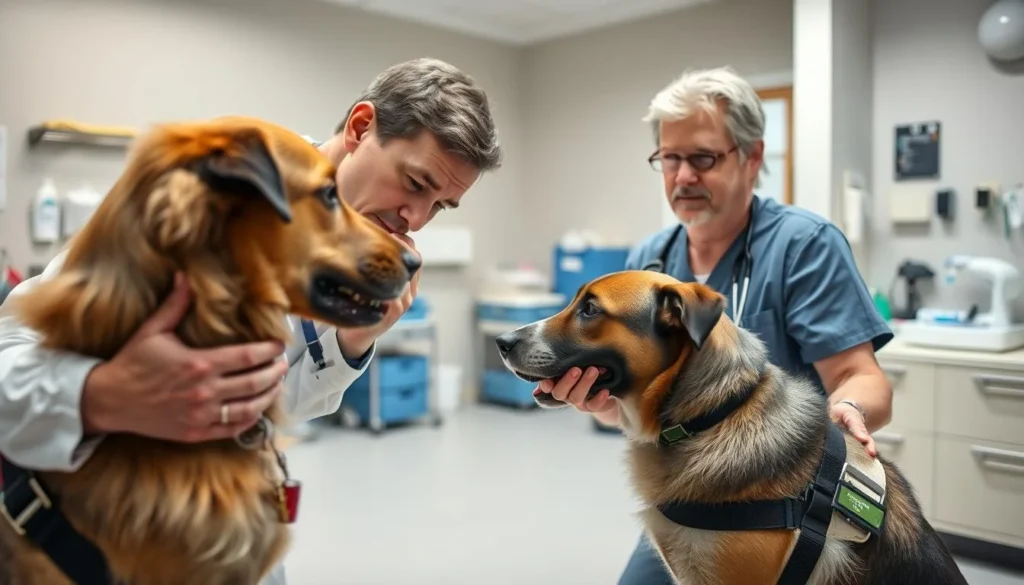
I do quick tests to see if the dog can handle distractions and loud noises. I check if the dog comes back when called and stays calm in busy places. These tests help me know if the dog needs more training.
Using AKC Canine Good Citizen standards helps me see if a dog is ready. The AKC Canine Good Citizen and other tests show if a dog can walk on a leash, greet people nicely, and sit on command. I suggest getting the dog tested early to find out what it needs to learn next.
Socialization is key. I introduce the dog to different places, people, and dogs in short, positive ways. This helps the dog get used to new things without getting too stressed. I keep track of how the dog does in each new situation.
Training tips I share are simple and easy to follow. I use short sessions, treats, and regular routines to help the dog learn. I teach handlers to reward calm behavior and break tasks into small steps. This makes learning faster and less stressful for everyone.
If I see any problems or if tasks get too hard, I talk to professional trainers. Organizations like Canine Companions, NEADS, and Summit Assistance Dogs can help. They can evaluate the dog and give advice on training and placement.
When I write down my findings, I include notes on the dog's behavior, social history, and health. This helps me keep track of progress, share information with trainers, and decide if the dog is ready for service dog training.
Basic Obedience Training and Public Access Skills
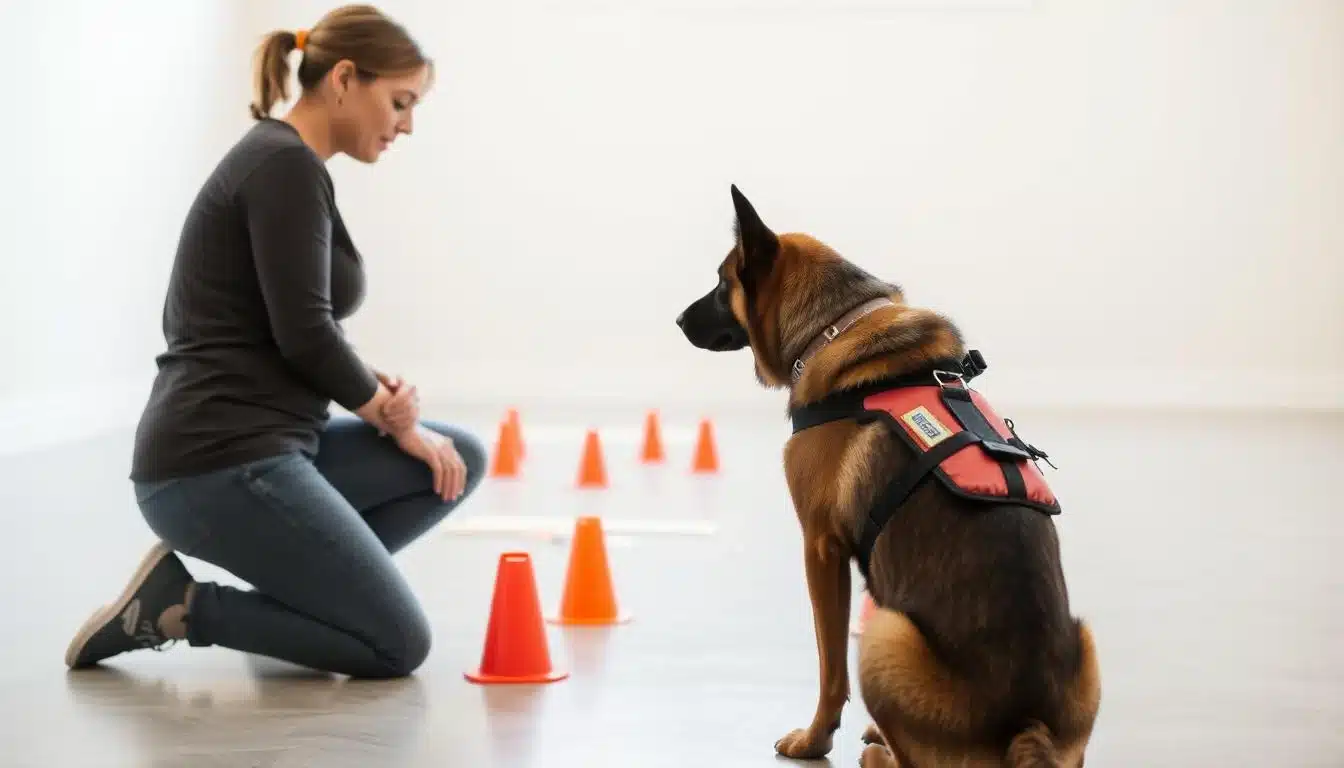
I start with basic obedience because it's the foundation for task work. Skills like sit, stay, come, heel, and station help handlers control their dogs in crowded areas. I use short, frequent sessions to build consistency and reward calm focus.
I break training into clear, measurable steps. Early lessons mirror AKC Canine Good Citizen and Confident Puppy exercises. I set benchmarks for each command before moving on to distractions.
House training is crucial for public access. I teach dogs to eliminate on cue in different places and to settle quietly at my feet. This makes them reliable in businesses, transit, and medical settings.
Desensitization is done in a graded approach. I expose dogs to crowds, elevators, buses, and sudden noises in controlled steps. Each successful rehearsal makes the next challenge a bit harder while keeping focus on me.
For real-world readiness, I add rehearsals that mimic common outings. I practice entering shops, waiting in lines, and moving through transit hubs. I track progress with simple metrics: percent success at first attempt, distraction tolerance, and duration of calm stationing.
Here are core service dog training tips I use every day:
- Keep sessions under five minutes for puppies, ten minutes for adolescents.
- Reward quiet, patient behavior more than exuberant performance.
- Gradually add distance and duration to stays and stations.
- Practice ignoring food, pets, and strangers in public spaces.
- Use real locations for rehearsals to build practical public access skills.
Dog obedience training succeeds when I blend structure with patience. Small, measurable wins compound into dependable behavior. I recommend tracking short training logs to spot regressions and plan focused refreshers.
Specialized Service Dog Tasks and Advanced Commands
I train teams for specific tasks that meet a person's needs. I start with clear goals and break tasks into simple steps. This makes learning easy and reliable in daily life.
Mobility assistance includes tasks like picking up items, opening doors, and helping with balance. I teach a retrieve-to-hand by rewarding small steps: picking up, holding, and releasing on command. For balance, I focus on building strength and control in busy areas.
Medical alert work requires precision and real-world practice. For seizure response, I teach the dog to recognize early signs, fetch help, and protect the handler. Diabetic alert involves scent training and testing in different settings to ensure reliability.
Psychiatric support tasks include stopping harmful behaviors, providing comfort, and acting as a shield in crowds. I teach interrupt behaviors with rewards and gentle redirects. For comfort, I increase calm time while checking the handler's comfort. Crowd buffering involves teaching the dog to stand between the handler and others.
Advanced commands come from shaping tasks, chaining behaviors, and public testing. I use short sessions, lots of rewards, and gradual increases in difficulty. For medical or mobility tasks, I work with experts to ensure the training meets the handler's needs.
I focus on measurable goals and frequent real-world tests. This keeps advanced commands reliable under stress. Clear criteria help me know when a task is ready for public use or needs more practice.
Positive Reinforcement Training and Ethical Practices
I focus on training that builds trust and keeps the dog safe and eager to work. Positive reinforcement training strengthens the bond between handler and dog. It rewards desired actions with treats, play, or praise. This approach reduces stress and keeps learning sessions short, clear, and fun.
I use clear cues and timely rewards to shape complex behaviors. A clicker or a single marker word tells the dog exactly which moment earned a reward. I start with high-value treats for new tasks, then move to variable schedules as reliability grows. These service dog training tips help transitions from rehearsal to real-world performance.
When I plan training, welfare guides every choice. Ethical dog training means respecting rest, avoiding overwork, and providing regular vet care. I monitor body language for signs of stress and pause or change pace when a dog shows fatigue or frustration.
I set realistic expectations for candidacy and rehoming when needed. Not every dog suits service work, and honest, humane decisions protect both dog and handler. Trainers and organizations have an ethical duty to be transparent about dropout rates and next steps when a placement fails.
I structure sessions to shape tasks progressively. I break complex skills into tiny steps, reward the smallest approximations, then raise criteria in small increments. These service dog training tips include using short sessions, alternating reward types, and practicing cues in varied environments to generalize behavior.
Below is a concise comparison of reward methods, typical uses, and welfare notes I rely on during training.
| Reward Method | Best Uses | Welfare Notes |
|---|---|---|
| Food treats | Initial shaping, high-focus tasks, medical alert pairing | Use appropriate calorie control, rotate items, watch allergies |
| Play and toys | High-energy dogs, fetch-based retrieval, reinforcement for movement | Limit duration to prevent overstimulation; use safe toys |
| Praise and petting | Maintenance cues, public access reliability, calm behaviors | Some dogs value touch less; combine with other rewards for clarity |
| Variable schedules | Maintaining long-term reliability and reducing dependence on treats | Gradual shift required to avoid extinction or confusion |
| Marker tools (clicker/word) | Speeding learning, precise shaping of complex commands | Pair marker consistently with reward to retain strong association |
Service Dog Handler Training and Building the Team Bond
I teach handlers practical skills for a smoother, safer life. Good training focuses on clear cues, timely rewards, and reading canine signals. I keep lessons short to keep handlers and dogs calm and focused.
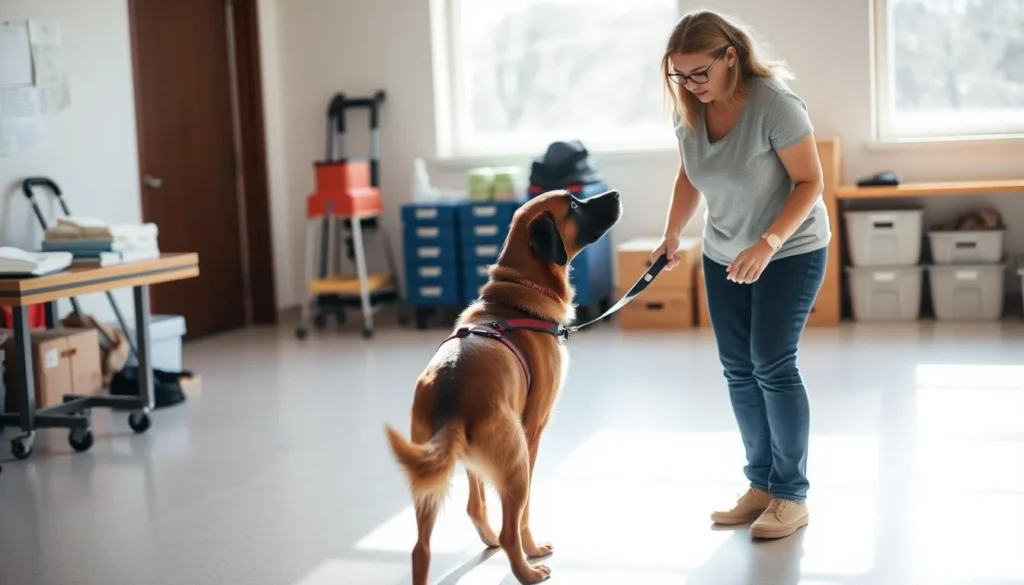
I suggest learning skills step by step. Start with simple cues and reward right away. Slowly add distractions. Practice reading body language to spot signs of stress or fatigue.
I help teams build confidence through real-world practice. We practice in scenarios like transit rides and grocery shopping. This helps handlers know how to handle challenges or if the dog needs a break.
I plan for when caregivers change or when a dog retires. Train new handlers with the same cues and rewards. Start gradual handovers weeks before a change. For retirement, prepare a new dog and offer counseling to help the handler stay independent.
Building a strong team bond requires consistent routines and empathy. Short daily practice, shared walks, and rewards keep motivation up. These habits reduce stress and improve task performance.
Here are concise service dog training tips I use with handlers:
- Keep cues short and consistent.
- Reward quickly to strengthen the behavior.
- Practice in small, varied settings for generalization.
- Monitor canine signals and rest the dog when needed.
- Document progress to guide phased transitions.
I aim to create resilient teams. The right support, routine, and ongoing training build a lasting partnership. This partnership preserves function and trust for both handler and dog.
Working With Professional Dog Trainers and Organizations
When thinking about training a service dog, it's wise to take a careful approach. The Americans with Disabilities Act lets you train a dog yourself. But, many people seek outside help for complex tasks or to prepare for public access.
When to hire help or enroll in a program
If your dog needs to alert you to medical issues, help with mobility, or respond to psychiatric needs, get a professional. This is especially true if these tasks are critical for your safety. If you're new to training or want a structured plan, enrolling in a program is a good idea.
How to vet reputable providers
Look for service dog organizations with a long history and clear policies. They should have transparent breeding and health practices and publish their success rates. A good trainer uses positive methods, provides a clear timeline, and offers references.
Costs, funding options, and realistic outcomes
Service dog costs can vary a lot. Nonprofits and national groups might charge from a few thousand to over $25,000. This depends on the depth of training and additional services.
Some groups, like Canine Companions and NEADS World Class Service Dogs, offer financial help or lower fees for those who qualify. Always ask about financial aid, VA benefits, grants, and fundraising tips.
Expect clear information on what you'll get, what happens if your dog doesn't qualify, and rehoming plans for dogs that can't finish training.
Here are some key questions to ask a trainer or organization before you commit.
- Do you use positive reinforcement exclusively?
- Can you share success rates and client references?
- What is included in follow-up support and public access coaching?
- Do you provide a written contract with milestones and refund or replacement policies?
- What are total projected service dog costs and available financial aid options?
Service Dog Certification, Documentation, and Legal Rights
I answer many questions about paperwork, public access, and protecting your team daily. Knowing what the Americans with Disabilities Act allows can make encounters smooth. I explain what's needed, what's not, and how to handle questions about your dog's role.
The ADA doesn't need service dog certification or a national registry. No official ID, vest, or certificate proves status under federal law. I remind handlers that only two questions are allowed when a dog's role is not obvious: whether the dog is required because of a disability and what task the dog performs.
Common misconceptions
Many people think a vest or tag is legally binding. That's not true. Voluntary credentials sold by private companies can help, but they don't change ADA service dog rights. Mislabeling emotional support or therapy animals as service dogs fuels myths and creates access problems for real teams.
Responding to staff or the public
When confronted, stay calm and stick to facts. Say your dog is a working animal trained to perform specific tasks and describe the task briefly. If asked more than the two allowed questions, politely note the ADA's limits on questioning.
When a business seeks removal
Businesses may ask a dog to leave if it behaves aggressively, is not housebroken, or poses a direct threat. If your dog is removed, the business must still serve you without the animal. Keep documentation of incidents and seek guidance from disability advocacy groups or legal counsel when needed.
Quick reference table
| Topic | What the ADA Says | Practical Tip |
|---|---|---|
| Certification | No federal certification required | Carry concise task descriptions; optional vest for clarity |
| Questions Allowed | Two questions only about disability necessity and task | Answer briefly and avoid volunteering medical details |
| Vests and IDs | Not legally proof of status | Use reputable trainer-issued IDs if helpful, but expect limits |
| Removal | Allowed for non-housebroken or dangerous dogs | Document the event and request service without the dog |
| Myths | Many claims about registration and national lists are false | Learn to counter service dog registration myths with facts |
I want you to feel ready for public encounters. Understanding the law, keeping interactions short, and documenting problems protect your rights and your dog's welfare.
Avoiding Pitfalls: Fake Service Dogs, Public Access Issues, and Best Practices
I've seen a lot of confusion about service animals in public. Fake service dogs cause stress for handlers and risk public safety. They also make businesses unsure of how to act. Good habits and training help avoid these problems.
Why misrepresentation harms legitimate teams and public safety
When people pretend their pets are service animals, it hurts real teams. The American Kennel Club and the American Service Dog Access Coalition are against this. Laws in some states punish fake service dog claims to stop it.
Tips to ensure reliable public behavior and minimize removal risks
- Practice commands and tasks in real-life settings. I do this in stores, transit hubs, and busy sidewalks.
- Keep your dog well-trained. A clean and quiet dog faces fewer problems in public.
- Use simple gear. A basic leash and subtle ID help avoid disputes.
- Practice a calm response to questions. Stick to the two ADA questions and have a short statement ready.
- Train your dog to ignore distractions. This keeps your team focused.
Resources and advocacy groups working on access and standards
I keep up with news from AKC Government Relations and ASDAC. Groups like Canine Companions, NEADS, and local disability groups offer help. They work on service dog standards and access issues.
I suggest joining local chapters or mailing lists. This way, you can stay informed about new programs and initiatives. Being informed helps protect your team and advocate for better rules.
Conclusion
I started training my first service dog with clear goals and steady steps. I found that training a service dog is a rewarding investment. It truly improves daily independence.
Choosing the right temperament and following foundation skills were key. I also committed to ethical practices. I used AKC Canine Good Citizen benchmarks and got help from organizations like Canine Companions and NEADS.
I knew it would take 18–24 months and planned for costs and care. I was ready for dogs that didn't fit and adjusted my approach. This kept the training efficient and humane.
To build a reliable team, I practiced at home and got professional help when needed. I kept learning advanced commands in small steps. With patience and consistent routines, a service dog becomes a life-changing partner.