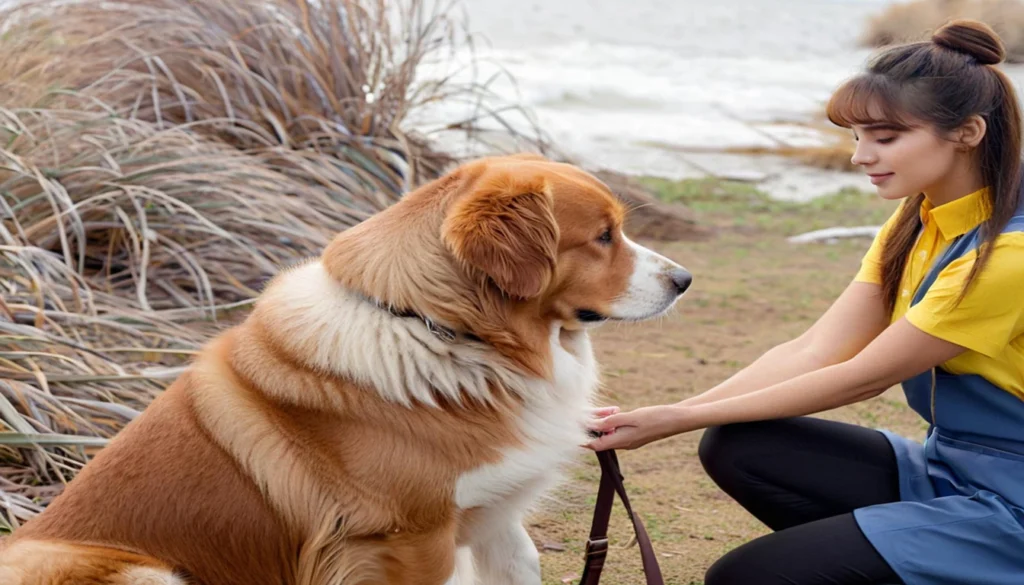
As a dog owner, I've faced moments of worry and frustration. My furry friend's aggressive behavior, even during play, made me anxious. It's important to understand how to train my dog not to bite for our safety and well-being.
By exploring the reasons behind this behavior, we can create a safe and loving space. This includes recognizing aggression signs, teaching bite control, and using positive reinforcement. Together, we can make sure our dogs are more than pets but valued family members.
I'm here to help you through this important training journey. We'll learn effective ways to teach our dogs not to bite people. This will help us all feel safe and secure in our interactions.
Key Takeaways
- Understanding dog behavior is essential for effective training.
- Recognizing the difference between playful and aggressive biting is crucial.
- Positive reinforcement is a powerful tool in training.
- Socialization plays a key role in reducing biting tendencies.
- Observing body language helps in identifying aggression early.
- Creating a safe environment contributes to a well-behaved dog.
Understanding Dog Mouthing Behavior
Mouthing is a common behavior in dogs, especially in puppies. Puppies use their mouths to explore, just like humans use their hands. This can be a playful way for them to interact with their world.
It's key to understand when this behavior is playful and when it's not. Sometimes, a playful nibble can turn into uncomfortable biting if a puppy gets too excited or anxious. Knowing when a dog is just playing versus feeling uncomfortable is crucial.
Adult dogs that still mouth may not have learned proper social skills as puppies. They might mouth to communicate, show excitement, or get attention. By understanding dog mouthing, I can help train my dog to stop unwanted biting and encourage positive interactions.
Why Dogs Bite
Understanding why dogs bite is key for dog owners. Several reasons lead to biting, often tied to instinct. Fear, possessiveness, and pain can make a dog bite. For example, a dog might bite when feeling threatened or in pain, seeing it as a need to defend itself.
Identifying these triggers for dog biting helps prevent such incidents. This knowledge allows me to take steps to keep everyone safe.
One major reason for dog aggression is "trigger stacking." This happens when a dog faces many stressors without a break. For instance, walking a dog and meeting many unfamiliar dogs without breaks can be overwhelming. This stress can cause the dog to become aggressive, as the stress builds up.
Knowing these factors helps manage my dog's behavior. By understanding when my dog might bite, I can make a safer space for everyone.
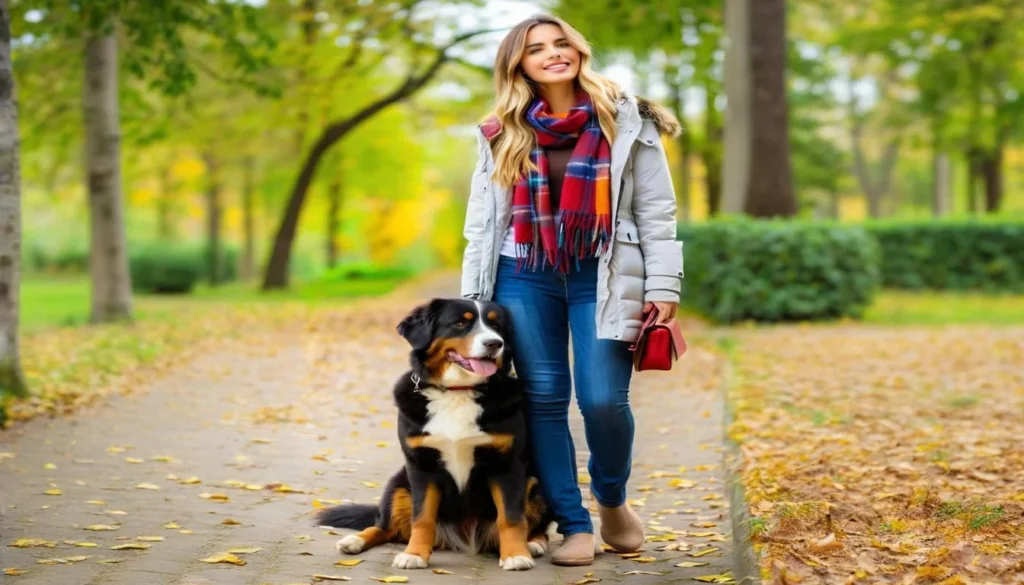
Is It Playful Mouthing or Aggressive Behavior?
When my dog mouths playfully, their body is relaxed, and their bite is soft. They often wag their tail and act playful. This shows they're just having fun.
But, dog aggression signs are different. They show a tense body, stiff movements, and might even growl. Knowing these signs helps me see if my dog is playing or feeling upset.
To tell if it's play or aggression, I watch my dog's body language and sounds. Playful energy feels light and welcoming. But aggression feels urgent and serious. By paying attention to these signs, I can help my dog behave better.
Recognizing Warning Signs of Aggression
Dogs talk to us in their own way, and recognizing dog body language is key to stopping aggression. It's important to know the dog aggression warning signs to keep everyone safe and happy. Look out for raised hackles, a stiff body, and big pupils. These signs often mean your dog is getting ready to act out.
Knowing these signs lets me step in early to stop things from getting worse. I can talk to my dog in a way that makes them feel safe and calm. By paying attention and responding to their needs, I can lower the chance of them biting.
Teaching my dog to be positive and understanding recognizing dog body language helps us communicate better. When I catch these warning signs, I can help my dog handle social situations better. This makes our bond stronger and happier.
Teaching Bite Inhibition
Bite inhibition is key in a dog's life. It lets them control their bite, keeping everyone safe. When I train dogs, I focus on teaching them to be gentle. This skill is crucial for safe play.
Puppies learn from their littermates. They figure out what's okay to bite and what's not. I use similar methods to teach my dogs during play and interactions.
Why Bite Inhibition is Important
Knowing why bite inhibition matters changes how my dog acts. Dogs that learn this skill:
- Show less aggression, especially when they're excited or scared.
- Are more likely to get along with other dogs and people.
- Face less risk of getting hurt during play and social times.
How to Teach Your Dog to Be Gentle
Teaching gentleness in dogs starts with consistent training. I use positive methods to encourage soft play. Here are some ways to teach bite inhibition:
- Make a high-pitched sound when my dog bites too hard. This imitates their littermates' reactions.
- If they keep biting hard, I give them a brief time-out. This shows them biting hard ends play.
- I reward calm play with praise or treats. This encourages them to play gently.
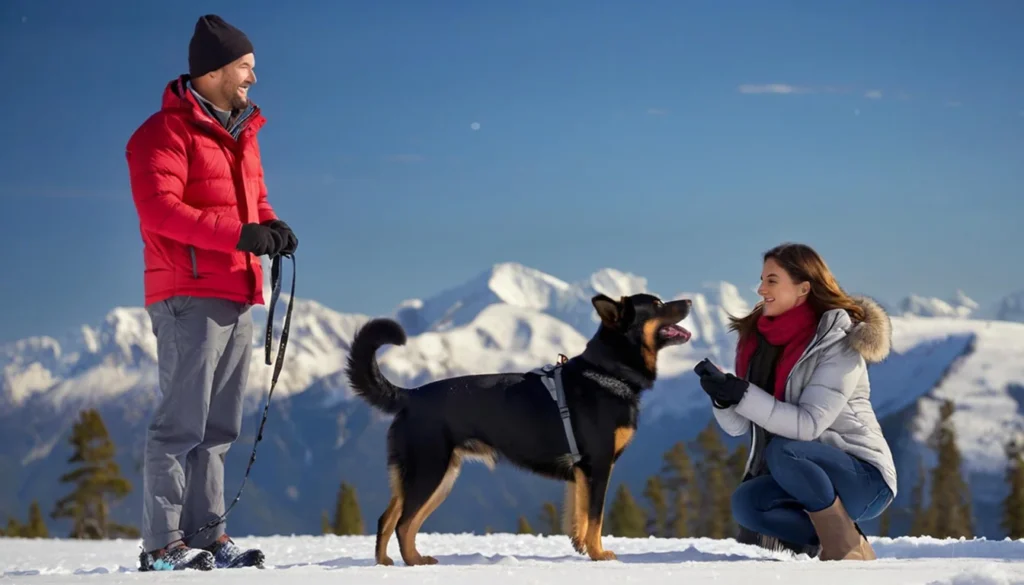
Using these methods regularly helps my dog understand the value of bite inhibition. This makes our interactions safer and more fun for everyone.
How to Train My Dog Not to Bite
Training my dog not to bite is simple. It involves using techniques that promote gentle play and positive actions. By using the right methods, I can keep everyone safe. Dog training play methods are key to better playtime.
Simple Techniques for Gentle Play
Using toys is crucial when my dog starts mouthing. If I see this, I redirect their energy to safe outlets. Regular practice makes playtime fun without biting.
Gentle tug-of-war or fetch with the right toys strengthens our bond. It teaches my dog how to play right.
Using Distraction and Substitution
Distracting my dog from biting is very helpful. If they're about to bite, a toy or a game can change their mind. This method keeps them focused on toys, not my hands or clothes.
Switching to dog toys in these moments is important. It shows my dog what's okay and what's not during play.
Implementing Effective Time-Outs
Using effective dog time-outs can really help with training. It's especially useful for stopping unwanted biting or mouthing. The right timing is key to teach my dog that their actions have consequences.
How to Carry Out Time-Outs
To do dog time-outs right, I need a calm space. If my dog bites, I stop playing and take away attention. This shows them biting ends the fun.
Then, I wait a bit before playing again. This teaches them that being gentle is better.
Recognizing When to Use Time-Outs
It's important to know when to use dog time-outs. I watch for signs like too much barking or panting. If I see these, it's time to step in.
Knowing when to use time-outs helps avoid bigger problems. It helps my dog learn better behavior over time.
Redirecting Biting Behavior
Managing mouthing behavior in dogs is key. Offering chew toys is a great way to redirect their biting. These toys satisfy their chewing needs and prevent biting with safe, fun alternatives.
Offering Chew Toys and Alternatives
It's important to have a variety of chew toys. I keep rubber toys, rope toys, and dental chews on hand. This helps my dog choose the right toys and reduces biting urges.
Redirecting biting to these toys makes playtime safer and promotes healthy chewing habits.
Encouraging Non-Contact Play
Non-contact play is vital for safe interactions. Games like fetch let my dog run and retrieve without biting. It's also important to have clear rules during play.
For example, tug-of-war toys require my dog to listen before playing. This keeps our playtime safe and fun.
Professional Help for Aggressive Behavior
If my dog shows serious aggression, getting professional help is crucial. A certified trainer can give me advice that fits my dog's needs. This way, I can use strategies that really work, making my dog's behavior better.
Knowing when to get a dog behaviorist is important for both my dog and me. These experts can help a lot with aggressive behavior. They know a lot about dogs and can give me new ideas.
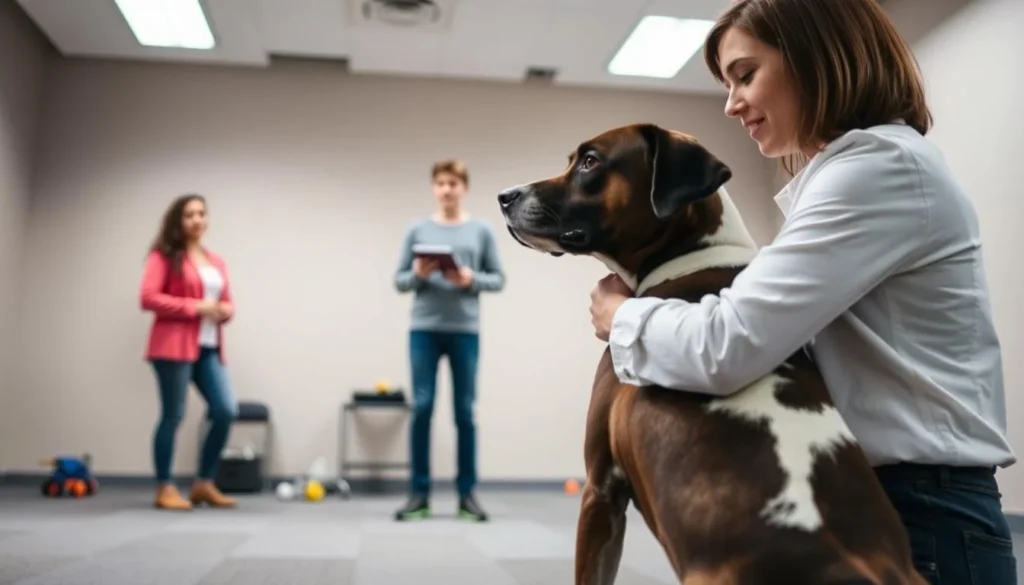
Also, dealing with aggression early can stop bigger problems later. Professional help not only solves immediate issues but also helps my dog in the long run. This helps my dog do well in different situations.
Managing Your Dog’s Environment
Creating a safe space for my dog is key to reducing unwanted behaviors like biting. By managing their environment, I can make them feel more comfortable and less stressed. This is done by setting up safe areas where they can relax and recharge.
Creating Safe Spaces
Setting up safe areas in my home makes my dog feel secure. These spots are cozy with comfy bedding and little noise. They serve as a retreat when my dog needs a break from too much stimulation or interaction.
Using Visual Barriers for Better Control
Visual barriers like gates or fencing help control my dog's access to certain areas. This is crucial in keeping them away from visitors or other animals that might upset them. By controlling access, I keep my dog's environment calm, reducing the chance of biting.
| Safe Space Features | Benefits |
|---|---|
| Cozy bedding | Encourages relaxation and comfort |
| Quiet location | Reduces stress and anxiety |
| Visual barriers | Limits exposure to stressors |
| Controlled access | Prevents unwanted interactions |
By focusing on these strategies, I make sure my dog's environment supports their well-being. A safe and controlled environment helps manage aggression and promotes a peaceful home. This approach leads to happier, more relaxed dogs.
Training for Impulse Control
Teaching my dog self-control is key for a well-behaved pet. Impulse control training helps dogs be calm and patient. By making my dog wait before eating or responding, I help them manage impulses better.
This training uses commands like “stay” or “wait” to keep my dog focused. I reward them with treats and praise when they behave well. This positive approach strengthens our bond and teaches my dog important skills.
To improve impulse control, I set up challenges for my dog. For instance, I practice “leave it” when they see tempting things. Regular practice helps my dog control their excitement and listen to me better. This makes our time together more fun.
Building a Strong Bond with Positive Reinforcement
Building trust with my dog is key, and positive reinforcement is crucial. It makes training better and creates a safe space for my pet. This method helps shape good behaviors and strengthens our bond.
Why Positive Reinforcement is Effective
Positive reinforcement connects good actions with rewards. When I give my dog treats or praise, they learn to link good behavior with positive outcomes. This encourages them to keep up the good work.
By rewarding my dog, I also reduce aggressive behavior. This makes biting less likely.
Examples of Positive Reinforcement Techniques
Using different rewards can greatly improve training. Here are some effective methods:
- Offering treats right after my dog does something good reinforces the action.
- Verbal praise and affection after gentle behavior strengthen our bond and encourage more of it.
- Playing as a reward makes training fun and builds a connection.
Continuous Socialization and Training
Ongoing dog training is key to my dog's life. It ensures they get used to different places, dogs, and people. This helps them adapt and feel less anxious.
Training classes are great for my dog to meet other dogs and learn together. Playdates with friendly dogs also help. They teach my dog how to play well and build confidence.
By focusing on training and socialization, my dog becomes happier and more adaptable. It's a big part of their happiness.
General Precautions to Prevent Biting
Preventing dog bites is crucial. Understanding what triggers aggression helps me keep my environment safe. I avoid activities that might provoke my dog and teach them what's okay.
Avoiding Encouraging Behaviors
Rough play can lead to biting. I set clear rules and encourage gentle play. This way, I avoid behaviors that might harm us. If my dog gets too excited, I change the activity to calm them down.
Understanding Your Dog’s Body Language
It's important to read dog body language. I watch for signs like tail and ear positions. If I see stress cues, like lip licking, I step in to prevent trouble.
Conclusion
Training my dog not to bite is a mix of patience, understanding, and consistent dog training techniques. This article has shown many ways to build a good relationship and reduce biting. Teaching bite control, creating a safe space, and socializing are key.
Remember, training never stops. Keeping up with positive behaviors and my commitment is crucial. Understanding my dog's needs is essential. I'm excited to see my dog grow into a well-behaved friend.
Redirecting aggression and teaching alternatives during play helps a lot. Ongoing training and building trust are important. This way, my dog will feel safe and happy.