I still remember the first time my Labrador mix closed on my sleeve during a rough play session. It was one quick snap, but the weight behind an adult dog's jaw made my heart race. If you've felt that same shock—hands nipped, clothes shredded, or ankles targeted—you are not alone. Many pet parents ask how to train dog to stop biting and wonder whether mouthing is just play or something more serious.
Most mouthing is normal, especially in young dogs, but adult mouthiness can be painful and dangerous. Adult dog jaws do more damage than puppy teeth, and older dogs are often less moved by human noises or yelps. That’s why effective dog bite training focuses first on bite inhibition—teaching your dog that skin is delicate—and then on eliminating biting toward people altogether.
In this article, I outline a friendly, step-by-step plan to stop dog biting. It blends bite inhibition, redirection to toys, clear time-outs, enrichment, and sensible use of deterrents. I draw on guidance from animal behaviorists and American Kennel Club–style best practices. This way, you can confidently work through each stage and know when to seek professional help.
Key Takeaways
- Most mouthing is normal, but adult biting can cause real injury and needs firm training.
- Bite inhibition is the first goal: teach dogs to use soft mouths before eliminating biting entirely.
- Effective dog bite training uses redirection, consistent time-outs, and reward-based methods.
- Track triggers—play, excitement, fear, frustration—to tailor your training approach.
- Seek a professional trainer or behaviorist if bites are hard, fast, or accompanied by stiff body language.
Understanding why dogs bite and mouth people
I watch dogs every day and know their mouths are for exploring. When a puppy chews on a sleeve or palm, it might be curiosity, teething, or play. It's important to tell the difference between normal mouthing and aggressive biting to keep everyone safe.
Normal mouthing versus aggressive biting
Normal mouthing is common in puppies and many adult dogs. They use their mouths to learn and play. Puppy mouths are sharp because of their baby teeth.
Play biting is usually gentle and followed by pauses. Littermates teach each other not to bite too hard. A yelp or stop in play teaches bite inhibition.
Aggressive biting is different. The dog may freeze, pull back its lips, or give a quick snap. Growling, direct staring, and quick escalation show a threat response, not play.
Common triggers: play, teething, excitement, fear, frustration
Play escalation is a top trigger. A fun game can turn rough if arousal rises too fast. Teething causes discomfort that drives chewing.
High excitement from visitors or games can also lead to biting. Fear and frustration can cause nipping. I watch for body signals to calm the situation and redirect the behavior.
When to seek professional help
If bites are defensive, repeated, or cause injury, I seek expert help. A Certified Applied Animal Behaviorist (CAAB/ACAAB), a Diplomate of the American College of Veterinary Behavior (Dip ACVB), or a Certified Professional Dog Trainer (CPDT) can assess risk and build a plan.
| Warning sign | What it suggests | Recommended action |
|---|---|---|
| Stiff body, direct stare | Defensive or aggressive intent | Stop interaction, contact a behavior specialist |
| Slow, gentle mouthing during play | Normal play or bite inhibition learning | Redirect to toys and teach gentle rules |
| Repeated nips during excitement | High arousal and poor impulse control | Teach calm routines and how to train dog to stop biting when excited |
| Bites that break skin or are unpredictable | Risky behavior needing professional care | Seek veterinary behaviorist or certified trainer immediately |
| Mouthing adults or children persistently | Failure to learn inhibition or attention-seeking | Work on boundaries and how to train dog to stop biting people |
how to train dog to stop biting
I start by checking the dog's age, common triggers, and bite force. I also look at what they usually bite, like clothes or furniture. This helps me create a clear plan to stop the biting.
Step-by-step training framework
I use a simple, easy-to-follow sequence for training. First, I figure out what triggers the biting and what they usually bite. This helps me understand why and when they mouth things.
I teach the dog to respond with a yelp and limp when they bite hard. This shows them that biting ends play. Then, I use time-outs or leashes to keep them calm when they ignore the yelp.
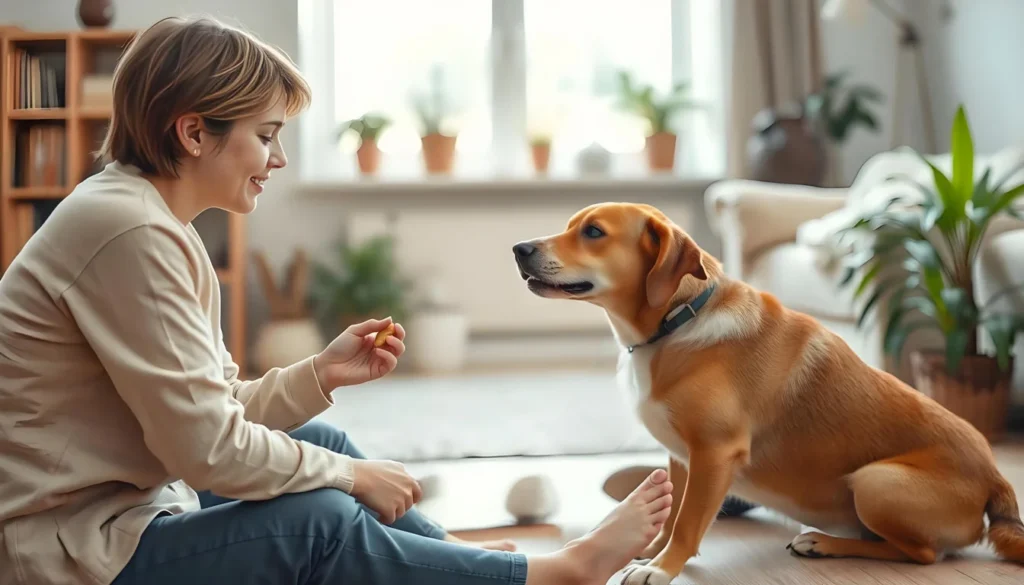
Next, I give them high-value toys or chews to play with. This gives them something better to chew on. I also reward them for calm play and following basic commands like sit and leave it.
Finally, I slowly increase the expectations. I start by discouraging hard bites, then light mouthing, and eventually no mouthing at all. This gradual approach makes training easier and more achievable.
Setting goals and tracking progress
I set specific goals for training, like “no teeth on human skin during ten minutes of supervised play.” I also aim for the dog to stop lunging at ankles within two weeks. These goals help keep everyone motivated and provide milestones to celebrate.
I keep a log to track the dog's progress. Each entry includes the date, time, trigger, and how intense the behavior was. It also notes the response used and the outcome. This helps me see patterns and adjust my training if needed.
If the biting doesn't improve or gets worse, I consult a certified professional dog trainer. Having a clear record and following a step-by-step approach makes it easier to meet goals and keep everyone safe.
Teaching bite inhibition and gentle mouthing
I teach dogs to control their bite force so people never get hurt. Bite inhibition is the skill that lets a dog hold back pressure during play or when startled. I focus on calm, repeatable steps that keep learning positive and safe.
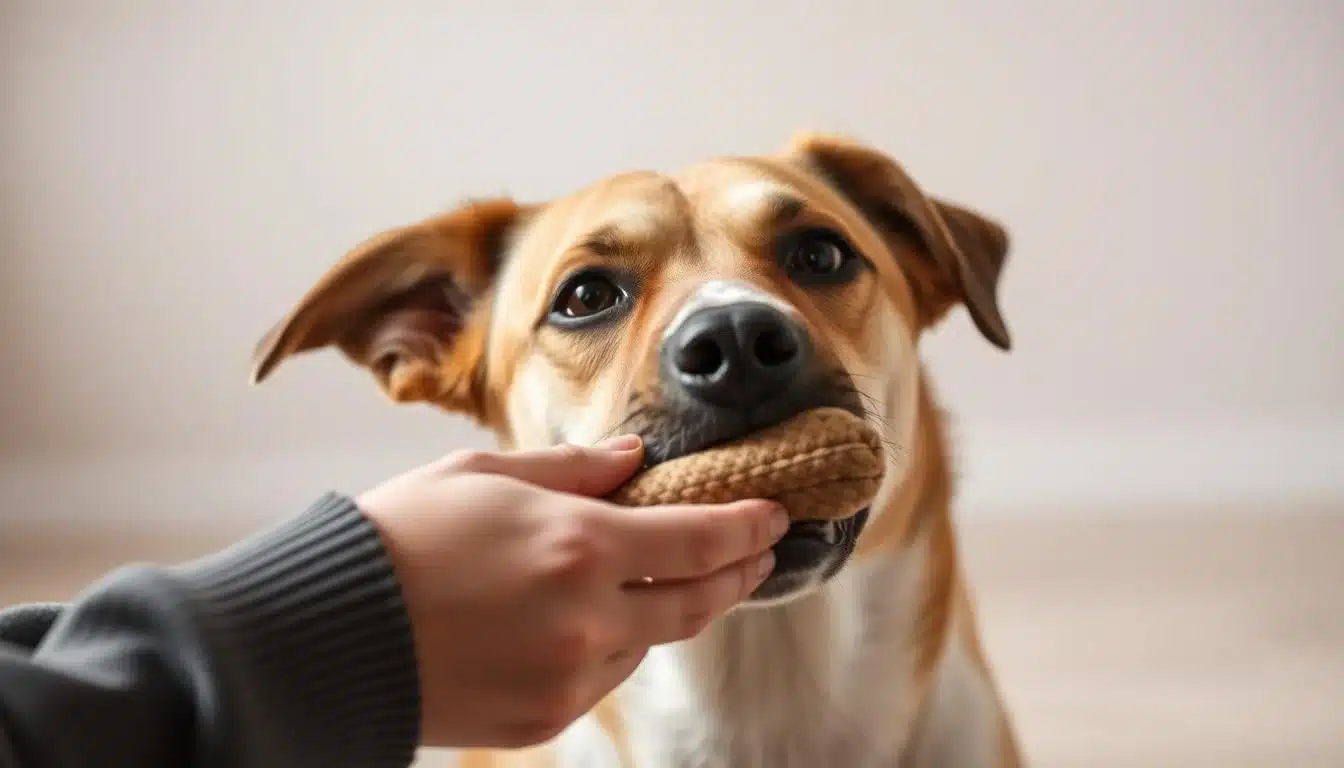
Start with short, supervised sessions that let the puppy mouth your hand. When a bite is too hard, I use a clear response to mark the mistake and reset the interaction. This helps me teach dog gentle mouthing without using fear or force.
Using a high-pitched yelp and response pattern
I use a high-pitched yelp technique for biting during play. If a dog bites too hard, I give a sharp, brief “ow!” and let my hand go limp to startle them. If the dog stops or licks, I praise and resume gentle play.
I limit the yelp technique to a few repetitions in a short window. If the yelp does not work, I switch to a brief time-out. For sensitive or overly aroused puppies, I turn away or walk off to calm the situation.
Graduated tightening of rules
I begin by yelping only for very hard bites. Over days and weeks, I tighten the standard. Next I mark and stop play for medium bites, then for light tooth contact. The goal is steady progress until mouthing pressure is negligible.
| Stage | Trigger | Response | Session guideline |
|---|---|---|---|
| Initial | Hard bite causing pain | One high-pitched yelp; hand limp; praise if released | Short play, repeat up to 3 times in 15 minutes |
| Intermediate | Moderate bite or strong mouthing | Yelp plus stop play for 10–30 seconds; resume calmly | Increase expectations over days; remain consistent |
| Advanced | Light tooth contact | Mark and end play for 30–60 seconds; remove attention | Require near-zero pressure before resuming play |
| Fallback | Yelp increases arousal or fails | Turn away, short ignore time-out, or calm crate break | Avoid physical punishment; prioritize safety |
If you wonder how to train dog to stop biting me, use these progressive steps and keep sessions short and predictable. My experience shows steady practice builds trust and reduces nips.
I never use hitting, scruffing, or harsh corrections. Those methods risk fear or aggression. With consistent use of the yelp technique for biting and gradual tightening of rules, most dogs learn gentle mouthing and reliable bite inhibition.
Practical time-out methods for mouthing and nipping
I keep time-outs simple and consistent. This way, my dog learns that gentle play continues and painful play stops. A clear, calm routine helps puppies and adult dogs understand boundaries without fear. Below I show short ignore approaches and leash-based or confinement options that fit everyday life.
I use a quick ignore time-out right after a sharp yelp or an unwanted nip. I stop all play and eye contact. I stand still or turn away for 10–20 seconds. If the dog keeps mouthing, I step out of the room for the same short period. When I return, I only resume play once the dog is calm. This repeatable pattern teaches bite limits while keeping the interaction positive.
For repeated contact, I extend the ignore time-out to 30–60 seconds. I make sure the area is safe if I leave the dog alone. A longer pause breaks the loop of excited mouthing and gives the dog space to settle. I avoid drama and keep my tone neutral so the timeout stays a clear consequence, not a punishment.
I prefer a controlled leash time-out when supervising active puppies. I keep a leash on, calmly lead the dog to a quiet spot, and tether to heavy furniture or place the dog behind a baby gate for a brief pause. After 30–60 seconds, I release and only re-engage when the dog is relaxed. This leash time-out is handy when I need to guide behavior without shouting.
Crates work only if the dog already views the crate as a safe, neutral space. I never use the crate for punishment. If my dog is over-aroused, I place them calmly in the crate for a few minutes to cool down. Short, predictable crate breaks can support training when done with care.
Consistency makes these methods effective. I apply the same timing and steps every time so the lesson stays clear. When I pair quick ignore time-outs, leash time-out moves, and safe crate breaks, the dog learns limits faster and play becomes calmer.
Short ignore time-outs
I use brief, repeatable ignore time-outs after any nipping. Ten to twenty seconds is usually enough for young dogs. I stay calm and return only when the dog is quiet. This teaches that soft mouths keep play going.
Leash-based or confinement time-outs
When mouthing persists, I switch to a leash time-out. I lead the dog to a neutral space and tether for a short pause. If the dog tolerates a crate as a positive place, I may use it for a brief break. I avoid long, confusing holds and keep each timeout predictable and safe.
Redirecting to toys and chews: stop biting clothes, furniture, feet
I always have a few high-value chews and tug toys ready to distract my dog from biting. If my dog tries to bite my sleeve, shoe, or the sofa, I stop and give them a chew or tug toy. I praise them when they choose the toy over the fabric.
I keep a simple routine to always have toys ready. If my dog tries to bite my ankles, I freeze and offer a tug toy. I only move again when they let go. This teaches them that toys are better than biting my feet.
Playing without touching helps avoid rough play. I prefer games like fetch, scent games, and puzzle feeders. Teaching my dog to sit, wait, and leave it helps me control playtime. This way, I can replace biting clothes with toys.
For furniture issues, I change up the textures and toys. I give them rubber chews, woven ropes, and puzzle feeders. I praise them when they choose these over furniture. This teaches them that toys are better than chewing on furniture.
I teach my dog safe tug rules to channel their energy. Tug play starts and stops on my cue. I reward them for dropping the toy. This makes tug play a safe outlet for their energy.
Here's a quick guide to find substitutes for common targets and how to use them.
| Target | Immediate Substitute | Action Steps |
|---|---|---|
| Hands, sleeves | Soft tug toy or stuffed fetch toy | Freeze, offer toy, praise on grab, resume when released |
| Feet and ankles | Favorite tug toy carried in pocket | Stop moving, present toy, reward swap, walk on after release |
| Clothing and loose fabric | Durable chew or textured rubber toy | Redirect immediately, tuck clothing away, praise for toy use |
| Furniture | Puzzle feeder or rotated chew selection | Offer enrichment, block access when unsupervised, praise calm chewing |
| High arousal play | Fetch, scent games, controlled tug | Use impulse cues (sit, wait), keep sessions short, end on calm |
Stopping biting of specific targets: clothes, furniture, feet, people
I tackle problems in simple steps to act fast when my dog bites the wrong thing. I use clear directions, short rewards, and consistent rules to teach them to choose safer options. Here, I share targeted methods for common issues and how to use them in daily life.
How to train dog to stop biting clothes
When my dog bites clothes, I stop moving and give them a toy. This teaches them that clothes are less valuable than toys.
I use a mild taste deterrent on problem clothes for two weeks. I reward calm behavior. If the dog chases sleeves, I freeze and praise when they relax.
Redirecting quickly and praising for choosing the toy helps them learn fast.
How to train dog to stop biting furniture
I start by limiting access to furniture. Baby gates and crates protect it while I train. I place durable chews and toys where the dog likes to go.
When I see furniture biting, I replace it with a chew and give a treat. If they bite during petting, I switch to non-contact or give small treats.
How to train dog to stop biting feet and ankles
I always have a tug toy ready to redirect biting at toes. If they ambush me, I stop, offer the toy, and reward them for choosing it over my shoes.
For repeated attacks, I use the leash and teach them to sit and wait. I reward calm behavior near feet and eventually remove the toy as they learn to control themselves.
How to train dog to stop biting me or other people
When they bite hands or skin, I use a high-pitched yelp, a limp hand, and a short time-out. Then, I offer a toy and reward them for gentle contact.
I train them more on sitting, waiting, and leaving things alone to reduce grabbing. If biting shows fear or aggression, I seek a certified trainer or vet behaviorist for a custom plan.
Managing biting when excited and during play
I keep a close eye on play to catch signs early. Signs like quick mouthing, stiff posture, and a fixed stare mean the dog is getting too excited. When I see these, I pause or stop play to keep things calm.
I learn to recognize calming signals like yawning and soft blinking. These signals help me calm the dog down early and avoid harsh measures.
Recognizing escalation and calming signals
I watch for signs of rising tension like rapid mouthing and facial tightness. If the dog loses the playful bow or starts darting, I know it's time to act. This way, I can stop the biting before it gets worse.
I also look for calming signals like soft blinking and brief nose turns. Rewarding these moments encourages the dog to use calming behavior more often.
How to train dog to stop biting when excited
I teach impulse control with short, frequent practice. I start in low-arousal settings with simple cues like sit and wait. I reward calm behavior right away to help the dog connect control with good outcomes.
As the dog gets more excited, I gradually increase the challenge. I add brief play bursts and then ask for a sit or a calm pause. If the dog starts hard mouthing, I stop play immediately and use a high-pitched yelp or a quiet timeout. Then, I resume play only when the dog is calm again.
I replace free play with structured games like fetch with clear rules. If biting happens often, I reduce play intensity and add more physical and mental activities like brisk walks and puzzle feeders.
To manage play biting long-term, I stay consistent and clear in my training. Short training sessions, clear cues, and attention to calming signals help stop biting during play. This way, playtime stays fun and safe for everyone.
Preventive measures: exercise, enrichment, and socialization
I focus on preventing problems before they start. A mix of physical activity, mental challenges, and safe play with peers helps. These habits prevent dog biting and teach calm behavior.
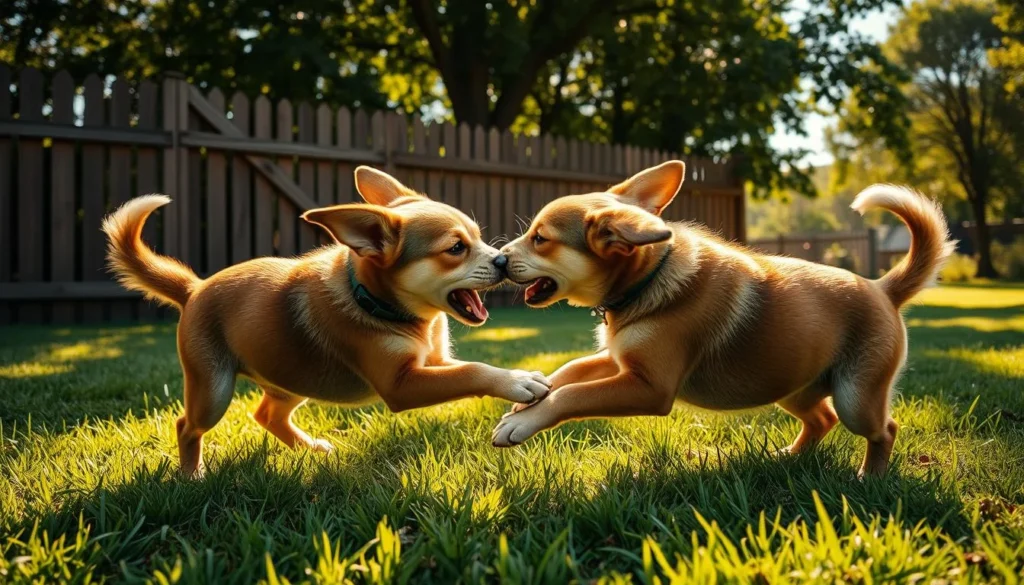
Burning energy with physical and mental exercise
I plan regular walks, runs, and play sessions for my dog. These activities match their breed, age, and health. They are the best way to stop biting during high-energy moments.
I add short training drills to these activities. Five-minute sessions of sit, stay, and recall help control impulses and strengthen our bond. Puzzle feeders and scent games also keep my dog's mind busy and reduce chewing.
I change toys often and choose chew-safe options. This directs my dog's natural chewing instincts away from destructive habits. It keeps them engaged when I'm busy.
Social play for bite inhibition
I supervise play with vaccinated, well-mannered dogs to teach my pup about bite inhibition. Dogs learn from each other in ways I can't fully teach alone.
Puppy classes like AKC S.T.A.R. Puppy offer social play and basic obedience. These sessions help me understand how my dog interacts. They also give me tips on training them to stop biting in tempting situations.
My prevention plan includes exercise, enrichment, and social play. If my dog still mouths things after six months, I get help from a trainer or behavior specialist. They can refine the plan for me.
When deterrents and mild aversives can be used safely
I don't usually start with aversives, but sometimes they're needed. Taste deterrents for biting give a quick signal that a choice is not good. I see them as a temporary tool, used with praise, redirection, and consistent teaching.
Taste deterrents and brief use guidelines
Bitter sprays can be put on clothes, shoes, or areas a dog bites. Use them for at least two weeks while teaching a new behavior. When the dog drops something and picks up a toy instead, give praise or a treat right away.
Breath sprays or peppermint/spearmint mists might be used as a quick, unpleasant signal. Use them rarely, calmly, and stop if the dog looks scared. These should be used only when safer options have failed and with professional advice.
Last-resort options and ethical cautions
There are important ethical considerations for dog biting remedies. Never use physical punishment like hitting, scruff shaking, or nose taps. These actions can make a dog more fearful, damage trust, and increase aggression risk. Aversives should never replace consistent training, redirection, and professional help.
If you're using deterrents a lot, get help from a Certified Professional Dog Trainer (CPDT) or a vet behaviorist. A good plan should include behavior modification, enrichment, and safe aversives only when really needed. This approach helps avoid mistakes and keeps your bond strong with the dog.
Involving the whole family and preventing mixed signals
I ask every household member to learn the same cues and responses so the dog gets a single message. Clear expectations speed progress and make family consistency dog training realistic for busy homes.
I show simple techniques: a high-pitched yelp, an immediate toy substitution, and a short ignore time-out. I give a brief incident log so everyone records triggers and what worked. This log helps me track patterns and train others to follow the same steps.
I assign routine tasks like walks, feeding, and enrichment to specific people. Predictable schedules cut down confusion. When one person manages play and another enforces rules, dogs learn faster and I can prevent mixed signals more easily.
Rules for children and dogs
I teach kids to keep hands and feet away from the dog’s face. If a dog mouths, I tell children to freeze and look away until an adult steps in. I coach them to call an adult rather than escalate play.
I set firm, simple rules: no rough wrestling, no waving hands near the dog, and always supervised interactions. These boundaries protect both children and the dog while reinforcing how to train dog to stop biting people in everyday moments.
Consistency across family members
- Agree on the yelp, ignore, and redirection routine and use it every time.
- Reward calm behavior with treats or play, so the dog links the right response to positive outcomes.
- Rotate responsibility for walks and enrichment so training does not depend on a single person.
I brief visitors before they interact with the dog. I ask guests not to squeal or tease and to hand the dog a toy if it gets excited. When needed, I use a crate, leash, or baby gate during visits until mouthing is controlled.
Keeping everyone aligned makes training predictable and fair. With consistent practice, clear rules for children and dogs, and active family consistency dog training, I reduce confusion and help the dog learn reliable manners.
Conclusion
I recommend a few steps to stop dog biting. First, figure out what triggers the biting. Then, teach your dog to stop by using a high-pitched yelp. Start with a gentle yelp and gradually make it firmer.
Use short time-outs and redirect your dog to toys and chews. This method helps your dog learn to be calm and find better things to chew on.
Remember, safety is key. Never use physical punishment. Watch for signs of fear or aggression. If the biting doesn't stop, get help from a certified behaviorist or a professional dog trainer.
Keep track of your progress and set goals. Practice teaching your dog to stop biting every day. If you can, join puppy or obedience classes. With time, patience, and the right training, your dog can learn to stop biting.