I remember the first time I went out with my dog. It felt like the world had opened up. I learned that a service dog is more than a pet. It's a trained partner that helps you be independent again.
I studied programs like Canine Companions and NEADS. I watched volunteers raise puppies and practiced at home. I found out service dogs are trained to help with disabilities. The ADA treats owner-trained teams the same as professional ones.
In this guide, I'll share practical tips on training a service dog at home. You'll get a step-by-step plan for socialization, care, task learning, and public access. This will help you decide if you should train your dog yourself or get professional help.
Key Takeaways
- Service dogs are trained to perform tasks that mitigate a disability and increase independence.
- The ADA defines service dogs and allows owner-trained teams; vests or ID are not required.
- Canine Companions and NEADS offer models of breeding and training that emphasize temperament and task breadth.
- Core training includes socialization, obedience, cooperative care, task training, and public access practice.
- Realistic timelines matter: a complete program often takes at least two years and benefits from professional mentorship.
Understanding what a service dog is and ADA rules
I help you learn the basics to train a service dog with confidence. Knowing your rights, limits, and what a service dog is helps set goals. This is before you start training or get a service dog training certification.
Definition under the ADA
A service dog is trained to help with a disability. This can be physical or mental and must affect major life activities. Tasks can include guiding the blind, alerting for health issues, or stopping harmful behaviors.
Legal rights and public access
Service dogs have legal rights in many areas. This includes public places, transportation, work, and government programs. If a dog's role isn't clear, staff can only ask two questions. They need to know if the dog is for a disability and what task it's trained for.
Handlers and dogs must act right in public. The handler must keep the dog under control and prevent bad behavior. This ensures everyone can access public places.
Distinction between service dogs, emotional support animals, and therapy dogs
Service dogs do specific tasks to help with a disability. Emotional support animals provide comfort but don't have the same rights. Therapy dogs visit places to help others, not to assist a specific person with a disability.
Local laws might offer more rights for emotional support animals and therapy dogs. It's smart to check local rules before assuming rights. Knowing these differences helps you plan your training and understand what you might need.
Choosing the right dog for service work
I help readers pick the perfect dog for service work. The right dog affects training speed, task success, and daily life. We'll discuss temperament checks, breed tendencies, and the choice between a rescue or a bred dog.
Temperament and traits to look for
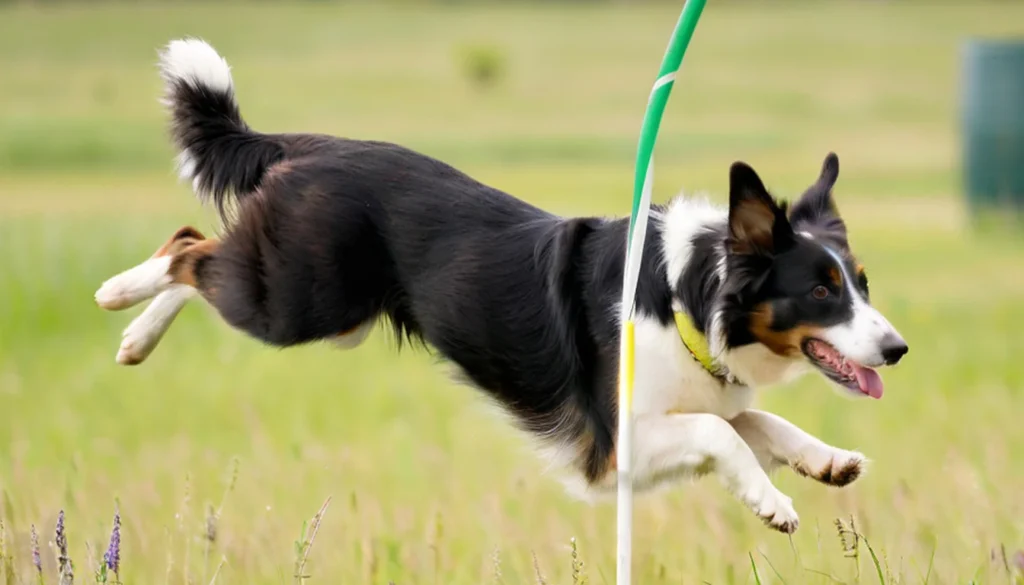
I look for calmness in new places, alertness without being reactive, and a desire to work with people. A good candidate learns fast, remembers commands, and stays focused. It's more important to be reliable in repetitive tasks than to have flashy skills.
I suggest basic temperament tests: being friendly to strangers, steady in sudden noises, and leaving a toy to follow a handler. Health checks for hips, eyes, and heart are also key to avoid training setbacks.
Common breeds and size considerations
Some breeds are naturally good for service work. Labrador Retrievers and Golden Retrievers are known for their calmness and trainability. German Shepherds are versatile for mobility and alert tasks. Poodles, from Toy to Standard, excel in scent and medical-alert roles.
Size matters for the job. Small dogs are great for hearing and alerting tasks. Big dogs are better for mobility tasks needing height and strength. I consider living space, handler strength, and public access needs when choosing size.
Using rescue dogs versus bred program dogs
Program-bred dogs from organizations like Canine Companions or NEADS are vetted for temperament, health, and trainability. These programs teach dozens of tasks. Even with selection, drop-out rates are high.
Rescue dogs can also be great service partners if they show the right traits. Some programs screen shelter dogs for specific roles. Owner-trainers should expect extra time for assessment and early socialization.
I suggest setting realistic expectations: have a vet check, run temperament tests, and compare timelines. Training a service dog at home requires the right techniques. Match the dog to the tasks and your ability to support long-term training, whether training at home, getting a nonprofit placement, or buying from a breeder.
Essential foundation skills for every service dog
I help readers learn the key skills a service dog needs before starting task training. These basics are crucial for reliable public access and handler safety. I suggest practicing carefully, using clear cues, and rewarding consistently to build strong habits.
House training and reliable elimination on cue
House training a service dog means teaching them to go on cue at home and away. I start with a set schedule, a specific cue word, and frequent visits to the same spot. Positive feedback for correct elimination helps them learn fast.
Next, I introduce new locations: the yard, gravel, parks, and crate exits. Dogs learn to use the cue everywhere, not just at home. Programs like AKC Canine Good Citizen help measure their progress.
Basic obedience: sit, down, stay, recall
Teaching basic cues is done in short sessions with high-value rewards. I break each cue into small steps, shape the behavior, then add distance and duration. This method helps dogs master sit, down, stay, and recall reliably.
I use CGC-style tests and Canine Companions practices as milestones. Reaching these checkpoints shows they're ready for public work. Reliable obedience helps avoid mistakes when adding complex tasks later.
Handler focus and distraction proofing
Handler focus is key in busy places. I teach games that make the handler more interesting than distractions. Eye contact, touch rewards, and movement cues help keep their attention.
Distraction proofing is done step by step. I start with mild distractions, then increase the intensity and closeness. This gradual approach is one of the best tips for training outside the home.
| Skill | Short-term goal | Training method | Benchmark |
|---|---|---|---|
| Elimination on cue | Consistent cue in three locations | Fixed schedule, cue word, reward | Success in yard, porch, public area |
| Sit / Down | Immediate response at 5 ft | Shaping, luring, fade lure | CGC-level obedience |
| Stay | Maintain for 30 seconds with mild distraction | Increase duration, add distance | Stable at handler side in public |
| Recall | Return on first cue from 10 ft | High-value rewards, long-line proofing | Reliable in yard and park |
| Handler focus | Eye contact on cue amid distractions | Engagement games, variable rewards | Consistent attention in stores and transit |
For those training a service dog at home, start with basic manners. Add cooperative care, then move training outdoors. When teaching owners, I emphasize patience and a focused plan. This makes service dog training predictable and safe.
Socialization and public manners
I help handlers with a plan to socialize their service dogs. Early exposure helps them stay calm in crowds and stores. I teach them to face new sights and sounds without fear.
Systematic early socialization strategies
I start with distance work. Let the puppy watch people and other dogs from afar. Reward them for calm or curious behavior.
I use short, frequent sessions. A ten-minute walk with varied surfaces builds confidence. Reward them for staying focused on you, not distractions.
Desensitizing to noisy, crowded, and medical environments
I create a list of sounds and places. Start with low-volume hospital noises, then quiet clinic rooms, and active waiting areas. Each step rewards calm behavior.
I plan outings on public transit and in grocery stores during quiet times. This slow approach helps the dog learn boundaries and manners.
Practicing calm behavior in public settings
- I teach settling on a mat and staying focused on me. This is key in shops and offices.
- I use variable reward schedules to keep calm behavior going.
- I add task work for handlers to help with anxiety. This pairs task practice with public exposure.
Planned field trips and clear goals make outings predictable. I remind handlers to keep sessions short and positive. When a dog masters each step, going out becomes easier and safer for both.
Cooperative care and veterinary handling
I teach cooperative care after socialization. My goal is to make nail trims, grooming, and vet visits calm and predictable. I focus on short, frequent sessions to build trust and voluntary compliance.
I use simple service dog training techniques that anyone can apply at home. Start with targeting exercises on a table to get the dog used to stepping up and holding position. Pair each step with high-value food and a clear cue. These small wins set the stage for handling paws, touching ears, and accepting clipper noise without panic.
For nail trims, I follow a stepwise plan. First, I shape the dog to offer a paw on cue with food-based shaping. Next, I touch the nails briefly and reward. Then, I add the tool and reward each calm moment. Repetition turns fear into cooperation, so I recommend daily practice to embed the skill.
Crate skills and cooperative restraint reduce stress during exams. I teach the crate as a safe, preferred space using meals and short rests. For cooperative restraint, I use desensitization and shaping so the dog will roll onto a mat or allow gentle pressure when asked. These behaviors let vets complete checks quickly and safely.
I train vet handling service dog behaviors by rehearsing common clinic procedures in low-stress settings. I practice brief mock exams, ear checks, and gentle lifts so the dog learns the routine. Gradual exposure makes real visits smoother, shortens handling time, and lowers the chance of injury for everyone.
Below I outline three practical exercises and expected progression. Each exercise fits into daily life and helps you train a service dog at home.
| Exercise | Steps | Goal | Timeframe |
|---|---|---|---|
| Targeting on table | Mark nose target Reward on platform Add duration | Calm acceptance of raised surface | 2–4 weeks |
| Paw handling shaping | Reward paw offers Touch toes gently Introduce file or clipper | Stress-free nail trims | 3–6 weeks |
| Crate and cooperative restraint | Meal-in-crate pairing Mat targeting and settling Gentle handling with food rewards | Voluntary exams and reduced clinic stress | 4–8 weeks |
I blend these routines into daily care so the dog expects handling as part of life. Using practical service dog training techniques keeps sessions short and positive. I remind handlers that steady practice pays off in safety, easier vet visits, and a longer working life for the dog.
service dog training techniques for task learning
I share steps to teach tasks that help a handler directly. Choosing the right task for a service dog starts with the handler's needs. Tasks like turning lights on or alerting to medical issues are key.
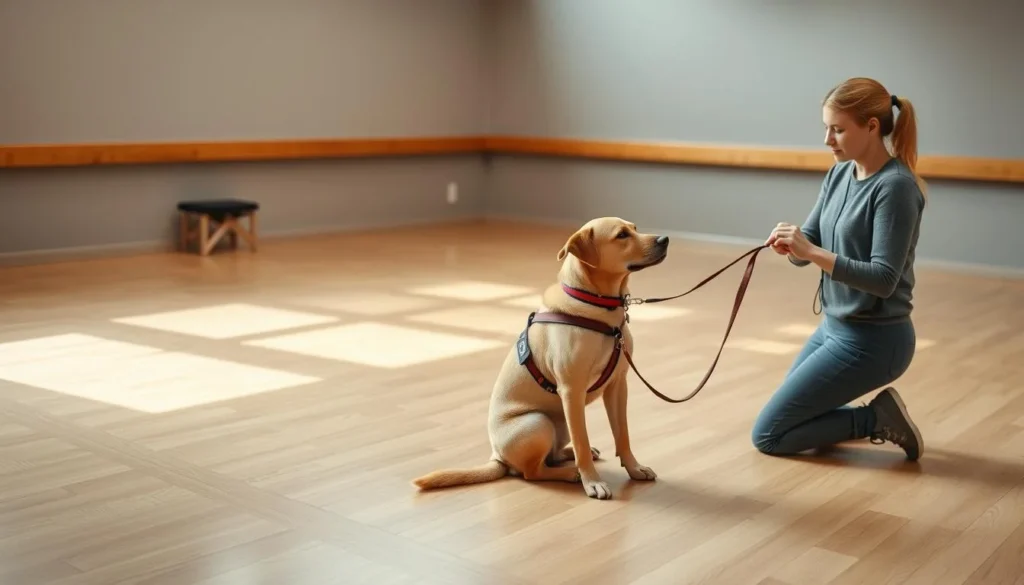
I start training at home after the dog knows basic commands. This keeps them calm while learning new skills. It's best to focus on a few important tasks first to keep training effective.
Task selection tied to the handler’s disability
Tasks should help with real challenges. For mental health, tasks might include waking up from a dissociation or fetching medication. For medical alerts, use scent or behavior cues for seizures or low blood sugar.
Shaping, targeting, and chaining methods
Shaping breaks tasks into small steps and rewards each one. Targeting helps the dog touch a spot or object. Chaining links these steps together, like finding a switch and then stepping back.
Short, frequent training sessions are best. I change rewards to keep the dog motivated. Managing rewards helps the dog stay focused, even with distractions.
Scent work and alerting tasks
Scent games help dogs notice changes in smell before medical events. I start with scent play, especially with breeds like Poodles. I pair the scent with a response and reinforce it consistently.
I move from indoor drills to real-world cues. I test the dog in different places and with various people. This ensures the task works well in public.
I focus on safety in my training. Tasks for medical or mental health needs must have clear cues and backup plans. I document each step and share it with professionals.
how to train a service dog for anxiety and depression
I help handlers with steps to train service dogs for anxiety and depression. We start with clear tasks, then move to training methods. Finally, we check if the dog can do the tasks well.
Specific task ideas for anxiety and depression mitigation
Start with tasks that really help. These include stopping bad habits, reminding to take medicine, and helping in dark places.
Tasks like deep pressure and bracing help with panic. Grounding tasks, like touching noses, bring you back to now. Space-creating behaviors help in crowded areas.
Training interruption, deep pressure, and grounding tasks
Teach interruption with a special cue and a reward. Start in quiet places and add distractions slowly.
For deep pressure, teach the dog to lie on a mat or lean on you. Start with short times and add more as they get used to it. For grounding, teach a gentle nose touch and reward it often.
Measuring task reliability and recognizing limitations
Keep track of how well the dog does the tasks. Look at success rates, false positives, and missed cues. Test in different places and with distractions.
Be realistic about when to use the dog in public. If they do well over 90% of the time, they're ready. But if they struggle with distractions, we need to change the plan. Remember, dogs help but can't replace therapy or medicine.
For training, use short sessions, high rewards, and check progress often. Documenting progress helps build confidence and explains the dog's role in public. Training a service dog for anxiety and depression takes time, patience, and a plan that fits each handler's needs.
How to train a service dog for anxiety yourself
I have a clear plan to help you train a service dog for anxiety at home. We start with simple steps like socialization and learning basic commands. Then, we move on to more complex tasks like public access.
First, we practice basic cues in quiet rooms. Start with short sessions for commands like sit, down, and recall. We also teach grooming and vet visits early to build trust.
Next, we take the dog outside for practice. We start at a distance and gradually get closer. It's important to only move forward when the dog is comfortable and responds well.
After mastering basic commands, we introduce specific tasks for anxiety. This includes teaching the dog to interrupt and provide deep-pressure. We make sure the dog is physically able for these tasks and watch for signs of stress.
Training a service dog takes time. It can take two years or more, depending on your schedule and the dog's needs. Rushing can lead to setbacks and stress for both you and the dog.
We track progress with clear goals.
- Week 1–12: foundation cues and cooperative care at home.
- Month 4–12: outside manners, short exposures, and distance proofing.
- Month 12–24+: task shaping, public manners, and full access practice.
Safety is always our top priority. We avoid tasks that could harm the dog or put you at risk. We start in low-stakes locations and gradually move to more challenging ones.
If the dog shows signs of fear, aggression, or physical limits, we stop and seek professional advice. This includes veterinarians or trainers.
I list red flags that mean it's time to seek help or mentorship. These include stalled progress, fear or aggression, complex tasks, or a desire for structured feedback. Paid mentorship, classes, or a service dog training program can be very helpful.
I compare common training pathways so you can choose the best fit for your situation.
| Pathway | Best for | Typical timeline | Support level |
|---|---|---|---|
| DIY owner-led | Dedicated handlers with time and consistency | 18–36 months | Low to medium; online resources and occasional classes |
| Mentored DIY | Handlers who want structured feedback | 12–30 months | Medium; regular sessions with a pro, workshops, service dog training classes |
| Professional program | Handlers needing expedited or specialist training | 6–24 months | High; full curricula, follow-up, and support from a service dog training program |
| Nonprofit placement (e.g., Canine Companions) | Handlers who cannot self-train | Varies by organization | Very high; assessment, training, and ongoing support |
Finally, I provide a checklist for daily practice. Keep sessions short, reward cooperation, and start new cues at home. Gradually increase distance and log your progress. Training a service dog at home requires patience and sometimes, professional help.
Public access training and real-world preparedness
I help teams get ready for the final stage: public access. This step comes after mastering the basics like potty training and calm behavior at home. I focus on gradual exposure to help the dog handle real places without stress.
We start in places where pets are welcome, like parks and pet stores. These spots help the dog get used to being near people and distractions. I work on perfecting timing and rewards.
Once they're consistent, we move to places where pets aren't allowed, like grocery stores. This is where the real test begins.
Practicing in pet-friendly then non-pet-friendly locations
I keep sessions short and set clear goals. First, the dog learns to wait politely by my side. Then, they practice tasks on cue, even with some noise around.
Next, we work on avoiding busy areas and using doorways safely. This helps the dog learn to navigate without causing a scene.
Managing elevators, transportation, and retail environments
For elevators, we practice entering calmly and staying until the door opens. On buses and trains, we focus on taking up minimal space and timing exits well. In stores, the dog learns to stay out of the way and ignore strangers.
Polishing task performance under distraction
I make drills more challenging by adding distractions like sudden noises and unexpected people. I also change up the rewards to make sure the dog responds to cues, not just treats. Role-playing helps us practice polite responses to questions.
I share service dog training tips during our outings. We break goals into smaller steps and vary locations and session lengths. I also recommend service dog training classes for more structured learning and support.
- Short, predictable sessions to build reliability.
- Simulated interruptions to teach recovery strategies.
- Checklist for outings: settled cue, task cue, exit plan, public questions plan.
By following a structured plan, the final stage goes smoothly. My approach teaches service dogs for real-world use while respecting public spaces. With practice, I'm confident the team will be safe, effective, and comfortable in everyday life.
Professional service dog training, classes, and certification
I help handlers choose between training themselves or joining a program. It's important to find a good service dog training provider. They should check the dog's temperament, health, and social skills. They also need to teach the dog tasks and help the handler learn how to use the dog in public.
When looking at training programs, ask important questions. Find out how many dogs succeed and how many don't. Ask about the training time, support after the dog is placed, and if they use positive training methods. Also, check if the program is affiliated with ADI or IGDF and ask for references.
What reputable programs offer and typical timelines
Good programs start by checking the dog's temperament and health. They might use volunteer raisers for socialization. Canine Companions, for example, has a 16–18 month puppy raising phase followed by five to nine months of professional training. Dogs learn many tasks and get ongoing support.
Costs, nonprofit vs. for-profit providers, and financial aid options
Training costs vary a lot. Some programs can cost over $25,000 per dog. Nonprofits might offer dogs at low or no cost to those who qualify. For-profit trainers might charge but offer shorter training times and customized programs. Look into scholarships and grants if you can't afford it.
Credentialing, standards like CGC/CGC Plus, and the debate over certification
Credentialing helps standardize skills but doesn't mean you need it by law. The AKC Canine Good Citizen (CGC) is a basic standard. CGC Plus adds more skills for some programs. The ADA doesn't require certification or a registry. It's important to know the difference between voluntary credentials and legal status.
| Feature | Nonprofit Model (example: Canine Companions) | For-Profit Trainers |
|---|---|---|
| Typical timeline | 21–27 months (puppy raising + professional training) | 6–18 months depending on prior training and client goals |
| Common cost to client | Low or no fee for qualifying applicants; program subsidized | Fees often reflect full service; can exceed $10,000 |
| Drop-out / rejection rate | High; 50–70% due to strict selection | Variable; depends on intake standards and goals |
| Follow-up support | Structured lifelong follow-up and team support | Often available; may require extra fees for long-term follow-up |
| Typical credentials emphasized | CGC, task proficiency, program-specific testing | CGC, professional certifications, client evaluations |
| Best for | Individuals seeking subsidized placements and robust follow-up | Handlers wanting custom programs or faster placements |
I suggest asking specific questions to evaluate trainers. Ask about their success rate, if they require CGC, and if you can meet volunteer raisers. Find out about costs and financial aid options. This helps get clear answers.
For those who want to train their dog themselves, owner-training is a good option. It can save money and strengthen the bond between dog and handler. Professional classes or mentorship can speed up the learning process. Make sure to research and understand the training philosophy before starting.
Conclusion
I wrote this guide to help you decide between training your service dog yourself or joining a program like Canine Companions. Service dogs help people with disabilities by learning tasks that meet their needs. They also get support from ADA laws, but there's still confusion and fake claims out there.
Begin by choosing the right dog and teaching them basic skills like socialization and obedience. Use methods like shaping and scent work to make sure they can do their tasks well. Remember, it takes time, often two years, to get to the point where you can go anywhere with your service dog.
If you want to train your dog yourself, make a plan and get help when you need it. Training a service dog for anxiety can be done on your own, but having a pro's guidance is helpful. If things get too hard or expensive, professional training can offer support and help keep your dog safe.
First, figure out what you need from a service dog. Then, pick a dog that fits the job. Practice every day and focus on keeping your dog calm and their tasks reliable. With hard work, clear goals, and caring for your dog, you can create a strong team that improves your life.