Bringing a furry friend home was a joy, but soon turned to frustration. My puppy chewed on everything, from shoes to couch cushions. It felt like a chewing storm.
I knew I had to find ways to stop this. With patience and effort, I taught my dog to stop chewing. Now, our home is safer and more peaceful. If you're dealing with this issue, let's find ways to train your puppy and create good habits.
Key Takeaways
- Understanding the reasons behind chewing is essential.
- Creating a chewer-friendly environment can reduce damage.
- Positive reinforcement techniques are effective for training.
- Identifying your dog's chewing triggers can guide your strategies.
- Regular exercise is vital to prevent boredom-related chewing.
- Seeking professional help might be necessary for serious cases.
Understanding Chewing Behavior in Dogs
Every pet owner needs to understand why dogs chew. Chewing has different reasons for puppies and adult dogs. Puppies chew to explore, while adults do it to relieve stress or boredom. Knowing this helps us manage and redirect their behavior.
The Role of Exploration
Dogs chew to explore their world. This natural act lets them interact with their surroundings. Young puppies find chewing exciting as they learn about textures and tastes.
This stage is key for their growth. It helps them develop good chewing habits later.
Puppy Teething and Chewing
Puppies chew a lot during teething. This is because they are in pain. Giving them the right chew toys is crucial to help them feel better.
Adult Dogs and Destructive Chewing
Adult dogs may chew destructively if bored or anxious. Knowing why they chew helps us change their behavior. Giving them more playtime and the right toys can stop destructive chewing.
Reasons for Destructive Chewing
Destructive chewing can stem from many issues. Knowing why a puppy chews can help train them better. Here are some common reasons:
Separation Anxiety
Dogs may chew when left alone due to anxiety. This is a way for them to deal with loneliness. By recognizing this, we can use special training to help.
Hunger and Boredom
Dogs chew when hungry or bored. Without enough fun activities or toys, they might chew on things they shouldn't. Making sure they're fed well and have fun toys can stop this.
Stress and Frustration
Dogs, like people, can get stressed and frustrated. This can make them chew a lot. Changes, loud noises, or new places can cause this stress. Knowing what triggers it helps in training them.
How to Train a Dog Not to Chew
Training a dog not to chew needs patience, consistency, and positive feedback. I started by understanding that chewing is natural for dogs, especially puppies. They use their mouths to explore. So, I gave my dog lots of chew toys and durable chews.
When my puppy chewed on furniture, I quickly gave them a chew toy instead. Praising them when they chose a toy helped a lot. This positive feedback encouraged good behavior.
Setting clear rules is key. I made sure my home was dog-proofed, keeping away things I didn't want them to chew. This consistent environment helped teach my dog to use their chew toys. Over time, this reduced unwanted chewing and made my pet happy and well-adjusted.
Creating a Chewing-Friendly Environment
Creating a chewing-friendly environment is key when training a puppy. I'll share strategies to make your home positive and safe. This includes dog-proofing and giving safe chew toys that meet your dog’s needs.
Dog-Proofing Your Home
To dog-proof my home, I remove tempting items like shoes and cords. I make sure harmful things are out of reach. This way, my pet can explore safely, reducing unwanted chewing.
I also use baby gates to block off areas during training. This helps keep my puppy safe and focused.
Providing Appropriate Chew Toys
Choosing the right chew toys is vital to prevent boredom chewing. I pick durable and fun toys to keep my puppy happy and busy. Here are some good options:
- Kong toys, which can be stuffed with treats
- Rubber chew toys for long-lasting activities
- Natural chews, such as bully sticks or rawhide
- Interactive toys that provide mental stimulation
These strategies help my puppy chew less on things they shouldn't. Engaging toys distract them well, helping me train them to not chew on household items.
Managing Puppy Teething
Puppy teething can be tough for both the puppy and the owner. It's key to find ways to ease the pain and teach good chewing habits. By managing teething well, we help our puppies develop habits that last a lifetime. When we address their pain and set clear rules, it usually works out well.
Soothing Teething Pain
Using safe, chilled toys is a great way to soothe teething pain. These toys feel cool and help ease the discomfort. I pick toys made from rubber or soft plastic because they're gentle on their gums.
Teething toys, especially when frozen, offer extra relief. Giving these toys not only helps with pain but also keeps them from chewing on things they shouldn't.
Setting Boundaries for Puppy Chewing
It's also important to set limits for chewing. Letting our puppies know what they can chew helps them understand what they can't. I do this by always giving them the right toys and telling them which ones are okay.
Teaching them not to chew on furniture or shoes is crucial. With time and patience, they learn to respect these boundaries.
Encouraging Good Chewing Habits
Teaching a dog to chew right is key for a peaceful home. I use positive reinforcement to help my puppy learn. This means rewarding them for chewing the right toys and gently stopping them from chewing on things they shouldn't.
By doing this often, I create a space where my dog learns to chew correctly. This makes our home a happier place for everyone.
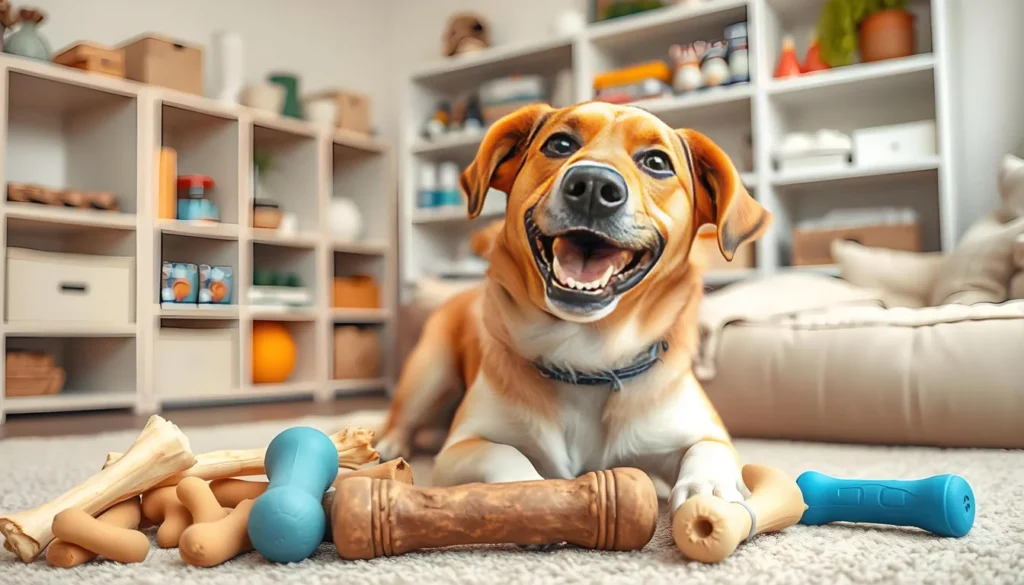
It's also important to know what's okay to chew. Puppies love to mouth things, so it's crucial to teach them what's safe. When my dog knows which toys are for them, they chew less and are happier.
Prevention Techniques for Destructive Chewing
Using the right prevention techniques can really help with training. I keep a close eye on my dog, make sure they get enough exercise, and find fun activities for them. These steps help a lot in stopping them from chewing things they shouldn't.
Supervision and Control
Watching my dog closely helps stop chewing problems. When I'm around, I can quickly switch them to the right toys. Having a special area for play helps me keep things under control.
The Importance of Regular Exercise
Exercise is key to stopping chewing issues. A dog that's active doesn't chew as much because they're not bored or too full of energy. I make sure my dog gets lots of walks and playtime.
Engaging Puzzle Toys for Stimulation
Puzzle toys keep my dog's mind busy and give them a good way to chew. These toys make them think and can keep them busy for a long time. Using puzzle toys is a great way to stop chewing problems, making training easier.
| Technique | Benefits | Implementation |
|---|---|---|
| Supervision | Prevents mistakes | Monitor during playtime |
| Regular Exercise | Reduces boredom | Daily walks and playtime |
| Puzzle Toys | Mental stimulation | Introduce various toys |
Making Household Items Less Appealing
Training my dog to stop chewing on household items is a big task. I need to make sure tempting objects are less appealing. This helps create a better space for my dog. I use taste deterrents and remove tempting items to help.
Using Taste Deterrents
Using taste deterrents on items I want to protect works well. Bitter apple spray or citrus sprays are great for this. They make furniture and other items unappealing to my dog.
Identifying and Removing Temptations
I need to know what my dog loves to chew on. This could be shoes, cords, or toys. By taking these away, I lower the risk of chewing. A clean environment makes training easier and helps my dog behave better.
Redirecting Chewing Behavior
Redirecting chewing behavior is key in teaching dogs to manage their natural urge to chew. By giving clear instructions and offering alternatives, I can teach my dog what's okay to chew. This involves swapping bad items for the right toys.
Trade Techniques with Appropriate Toys
Using trade techniques is a great way to train dogs not to chew. If I catch my dog chewing on something wrong, I offer a good toy instead. This distracts them and makes them like the right toy more. It's important to be patient, as my dog might take time to see the benefit.
Using Commands Like "Give"
Commands like "give" are crucial in stopping chewing problems. If my dog holds onto something they shouldn't chew, I say "give." This makes them drop it for something better. Doing this often helps my dog learn good chewing habits and listen better.
What NOT to Do When Training
Training a puppy to not chew can be rewarding. But, there are pitfalls to avoid. I learned that knowing what NOT to do is key. Many mistakes come from methods that confuse or scare my dog.
Punishment vs. Positive Reinforcement
Punishment doesn't work well. It can make my puppy afraid instead of teaching them. Research shows positive reinforcement is better. I reward my puppy for good behavior, making it clear what's expected.
Avoiding Confusion Around Items
Another mistake is sending mixed signals. For example, scolding an old shoe but not a chew toy confuses my puppy. It's important to be clear. I make sure my puppy knows which items are okay to chew.
Long-Term Strategies for Success
Training a puppy not to chew needs dedication and a step-by-step plan. A routine helps make expected behaviors clear and gives both the puppy and owner a sense of security. Being consistent with training methods is key to lasting success.
Routine and Consistency
Having a daily training schedule keeps things fun and predictable for my puppy. Setting specific times for play, meals, and training helps him understand what's expected. Repeating commands and practice becomes a regular part of our day.
Monitoring Progress
Keeping track of my puppy's progress helps me see how he's growing. I keep a journal of his successes and any challenges we face. This helps me adjust our training as he gets older.
Recognizing When to Seek Professional Help
Learning how to train dogs not to chew can be tough. Sometimes, home methods just aren't enough. It's key to know when to ask for help from a pro. Dogs with ongoing chewing problems might have deeper issues that need expert help.
Getting help for destructive chewing is a smart move. It keeps your dog and you happy and healthy.
Identifying Serious Behavior Problems
Some behaviors mean you need special help. Look out for these signs:
- Extreme anxiety when left alone
- Aggression towards people or pets
- Chewing too much and causing harm
- Not listening to basic commands
These signs show your dog might have bigger problems than just chewing. Spotting these early can help fix things fast.
Finding a Certified Professional
Finding the right help is important. Look for certified trainers or behaviorists who know dogs well. Here's what to check:
| Criteria | Why It Matters |
|---|---|
| Certification | A recognized qualification shows they know dog behavior. |
| Experience with Specific Issues | They should know how to handle chewing problems well. |
| Training Methods | Choose positive reinforcement to avoid harm. |
| Client Testimonials | What others say can show their success. |

The Benefits of Consistent Training
Consistent training is key to raising a happy, well-behaved dog. Regular training shapes good behaviors and strengthens our bond. It creates a caring space for positive actions, like stopping puppy chewing and biting.
Improved Behavior Overall
Consistent training greatly improves a dog's behavior. It tackles issues like too much chewing, caused by instinct or boredom. Training sets clear rules, making my dog calmer and more obedient.
A Happy, Well-Behaved Dog
Training time makes my pup a well-adjusted friend. It solves chewing and biting problems and gives my dog security. A well-trained dog is confident and happy, making our time together better.
Tips for Successful Chewing Training
Training a puppy not to chew is a challenge. But, it's doable with the right strategies. Keeping them interested in the right chew items is crucial. I've found that changing toys often helps a lot.
Rotating Toys Frequently
Switching toys keeps my dog excited and focused. They get to try new textures and tastes. I swap them out every week. This keeps my puppy happy and interested in chewing the right things.
Setting Realistic Expectations
It's important to have realistic goals when training a puppy. It takes time, and patience is key. I celebrate small wins to keep us both motivated. Every dog learns at their own pace.
Dealing with Setbacks
Training a dog comes with its ups and downs. I always remember that these moments are part of the learning journey. Recognizing that mistakes are normal keeps me and my dog positive.
When we hit a roadblock, I look for ways to improve our training. This keeps us moving forward together.
Understanding That Mistakes Happen
Training isn't perfect, and neither am I. When my dog starts chewing on things they shouldn't, it's okay. It's a chance for us to grow.
Seeing these moments as learning experiences helps a lot. It keeps me patient and focused on progress.
Staying Calm and Positive
My mood affects my dog's learning. Staying calm and positive helps them understand better. If I get upset, it can confuse them.
Creating a supportive space helps my dog grasp what's expected. This makes overcoming setbacks easier for both of us.
Conclusion
Training a dog not to chew on things they shouldn't is a journey. It takes patience, consistency, and knowing what my dog needs. This guide has shown me how to change bad habits into good ones. It makes our home a happier place for both of us.
Using the methods I've learned, I need to be ready to help my dog succeed. Regular training, clear rules, and safe things to chew are key. This helps make our home a better place.
Understanding and fixing my dog's chewing habits will make our lives better. With hard work and creativity, my dog will become a well-behaved friend. Training my dog not to chew is doable, and it will make our lives happier.