I remember the first week with my 10-week-old Labrador mix. She was trembling, and learning to wait by the back door was a small victory. It made our home cleaner, calmer, and more hopeful. If you've ever stood barefoot on a spotted rug or rushed outside in your slippers, you know why toilet training is important. That's why I wrote this guide to help you through each step.
My goal is simple and practical. I want to show you how to teach dog potty training using tools like crate training and scheduled potty breaks. Puppy pads and positive reinforcement are also key. Before your dog arrives, research and plan well. Good housetraining builds routine, reduces stress, and improves behavior.
I'll be honest about expectations: many dogs learn quickly with consistent practice. But, timelines vary. An 8-week-old puppy, a 5-month-old, and a newly adopted adult dog will learn at different rates. Some dogs learn in days; others take weeks or months. My approach focuses on repetition, close supervision, prevention, and immediate positive reinforcement. I follow veterinary and trainer guidance, not punishment.
Key Takeaways
- Toilet training creates routine and a cleaner home environment.
- Proven methods include crate training, scheduled breaks, and positive reinforcement.
- Expect varying timelines based on age and history.
- Consistency, supervision, and prevention matter more than punishment.
- This guide covers how to toilet train a dog quickly and how to teach dog potty training with practical steps.
Why toilet training matters for my dog and household
I want my home to be calm, clean, and welcoming. This starts with clear rules for my dog. Understanding the importance of toilet training helps me stay patient and consistent.
Good housetraining brings many benefits. It keeps my home fresh, reduces stress, and gives us freedom to travel. It also protects my belongings and relationships with others.
Accidents inside can be harmful. They can spread bacteria and parasites. They might also show health problems that need vet care. Watching my dog's stool helps me catch issues early.
Setting clear rules helps my dog learn fast. Dogs need to know our routines. By choosing one potty spot and using the same cue, my dog learns quickly. If I let them soil in a crate, they think it's okay.
Cleaning is as important as rules. Using enzymatic cleaners removes scents that lead to more accidents. To stop accidents, I clean well and keep soiled areas off-limits until habits change.
Small daily steps lead to big improvements. I keep meal times regular, take my dog out after sleep and play, and reward them for going outside. These actions reduce accidents and show the value of housetraining for everyone.
| Concern | Action I Take | Expected Result |
|---|---|---|
| Frequent indoor accidents | Use crate at night, schedule regular outings, clean with enzymatic solution | Fewer accidents, cleaner home, clearer signals for potty times |
| Health line of defense | Monitor stool and urine, visit veterinarian if abnormal | Early detection of illness, safer household |
| Travel and social plans | Train reliable outdoor potty behavior, practice boarding drop-offs | Stress-free vet visits and boarding, easier travel |
| Mixed signals from family | Set and enforce one set of rules, use a single verbal cue | Faster learning, consistent behavior |
How to toilet train a dog: choosing a method that fits my life
I start by looking at different training methods. I want to find one that fits my lifestyle and home. Methods like crate training, leash training, and using puppy pads are effective if done right.
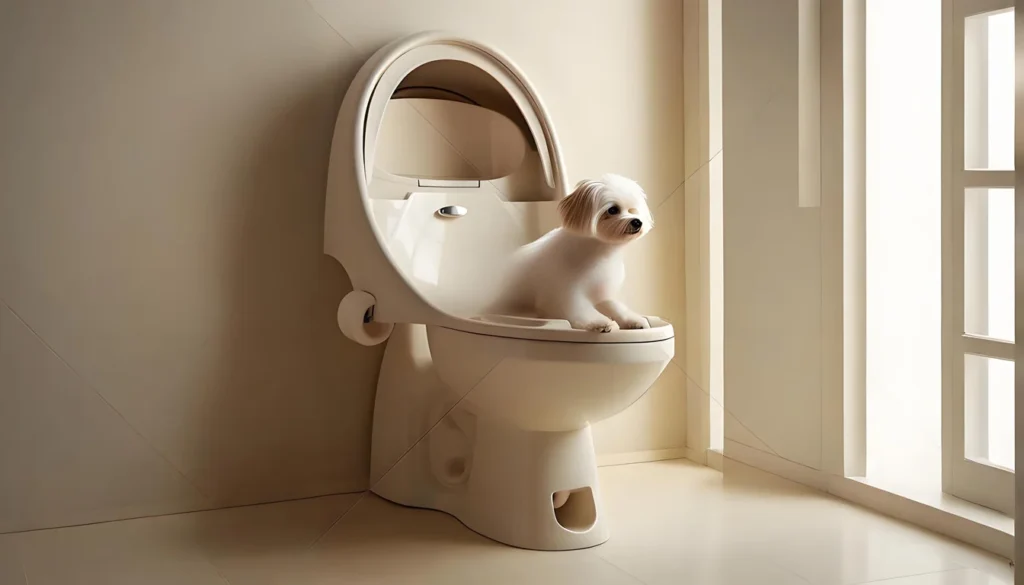
My living situation affects my choice. If I have a yard, I use timed walks and praise for good behavior. For apartments or flats, I look at options like scheduled walks and indoor potties. I aim for minimal accidents and a calm dog.
Overview of proven methods
Crate training helps dogs feel at home and reduces accidents. Scheduled walks teach them to go outside. Puppy pads and indoor potties are good for limited access.
Matching method to living situation
In a house with a yard, I use leash training and rewards. For apartments, I mix short walks with indoor potties and watch closely. Small breeds need more supervision and might prefer indoor potties.
Combining methods when necessary
During bad weather or busy times, I use puppy pads. Then, I switch to outdoor training when I can. Crate training can work with pads at night or for travel.
I keep the rules consistent. I tell my dog where to go and reward good behavior. This clear message helps them learn faster and avoids confusion.
Setting up a practical potty training schedule
I create a clear potty training schedule for my dog and me. This makes our daily life predictable. It helps me see progress and reduces accidents.
How often to take my dog out
Puppies need to go out every one to two hours. A puppy can hold its bladder for as many hours as it is months old. This is up to nine to twelve months.
Very young pups may need to go a dozen times a day. They need to go after meals, naps, play, and before bed.
Feeding and toilet timing
I feed my dog on a strict schedule. This makes it easier to predict when they need to go. Young puppies usually go after eating.
Watching feeding times and portion sizes helps avoid accidents. I keep a food log to find patterns.
Nighttime and overnight planning
For nighttime success, I use a crate that my dog wants to keep clean. Young puppies may still need a late-night trip. As they grow, I gradually stretch the time they can hold it.
If I'm away for a long time, I arrange for a dog walker or trusted neighbor. They help keep the routine going.
If I need to know how to toilet train a dog at night, I start small. I reduce water an hour before bed and give a final walk. I respond calmly to night wakings.
Learning how to toilet train a dog overnight takes patience. I keep sessions calm, reward quick success, and avoid scolding for mistakes.
Crate training as a core toilet training tool
I use a crate as a key part of my toilet training plan. It uses a dog's natural den instincts. A crate that fits right limits where a puppy sleeps and rests, cutting down on accidents and speeding up learning. Here, I'll share how to introduce the crate, its role in house-training, and solutions for common issues.
Why crates help housetraining
Dogs usually don't want to soil their sleeping area. I use this instinct in crate training. A crate that's just the right size stops a puppy from using it as a bathroom. It also makes vet visits and travel easier and gives my dog a safe spot when the house is busy.
Introducing the crate without stress
I make the crate welcoming with soft bedding, treats, and a stuffed Kong. I feed my puppy short meals inside to keep it positive. I start with short sessions and increase them as my puppy stays calm. I never punish my puppy for being in the crate. For growing puppies, I use an adjustable crate or a partition to control space without changing the whole setup.
Common crate-training pitfalls and fixes
If my puppy soils the crate, I first check if the crate is the right size. Too much room can let a pup separate sleeping and elimination areas. If the size is right, I look for medical reasons or if my schedule needs adjusting. More frequent outdoor breaks often solve accidents.
Rescued dogs with kennel history may need a special relearning plan. I control feeding, take frequent supervised trips outside, and limit freedom until consistent success happens. If accidents keep happening, I consult my vet to check for urinary or digestive issues.
- Use a partition to adjust crate size as your pup grows.
- Keep sessions short and positive during introduction.
- Increase outdoor trips before free access is allowed.
Puppy pads and indoor potty options for limited-access homes
I live in a fourth-floor walk-up, so I had to find indoor solutions. These keep my apartment clean and my puppy happy. Puppy pads and other indoor potty options help when going outside is hard.
I pick puppy pads for certain reasons. Apartment living, a long workday, or an older dog with mobility issues make them a good choice. Brands like Pet Life Unlimited Smart Prints and specialized overnight pads absorb odor and protect floors. I also use Health Tracker-style pads for health monitoring.
I set a short, planned window for pad use to avoid mixed signals. If I must rely on indoor potty options, I keep them in one fixed spot and follow a strict routine. Consistency helps the dog predict potty times and reduces accidents.
To transition from pads to outdoor pottying, I start by placing the indoor pad near the exit door. I move the pad a few inches toward the door over days so the dog links the indoor spot with leaving the apartment. Once the pad reaches the doorway, I put it just outside and reward outdoor eliminations to reinforce the new target.
Managing mixed signals is essential. Dr. Mary Burch cautions that teaching two places can confuse dogs. I limit pad use to a temporary phase and avoid rewarding indoor elimination once outdoor training begins. I stick to one routine and one cue so my dog knows the preferred choice.
Cleaning matters. I use enzymatic cleaners like Nature’s Miracle or Eco-88 on any indoor accidents to remove scent cues that invite repeat soiling. Strong cleaning removes the scent trail and supports my work on how to toilet train a dog inside or how to toilet train a dog in an apartment.
For anyone focused on indoor solutions, plan for a move toward outdoor success. Use puppy pads and indoor potty options only as tools, not permanent answers. With routine, patience, and clear rewards, I found the shift from indoor pads to outside went smoothly and confidently.
Teaching cues and rewarding outdoor potty behavior
I use a short phrase every time I take my dog to the spot. This phrase helps my dog connect the place with the action. Keeping the words and spot the same makes learning faster and less confusing.
I follow a simple routine when showing my dog the spot. I say the cue, wait calmly, and stand quietly until they go. If they hesitate, I guide them gently without rushing or scolding. This calm approach helps them succeed.
Using a consistent cue word or phrase
I choose a simple cue like "potty" or "go potty." I say it every time we go out. This makes the cue a clear signal for the action. Short phrases are easier for dogs to remember.
Timing rewards for best learning
Timing rewards is key. I reward my dog right after they finish, within a second or two. This makes the connection clear. I save high-value treats like cooked chicken or cheese for these moments.
I also give direct praise and a quick pet after the reward. Waiting too long can weaken the connection. Quick rewards help build strong, reliable behavior.
Using play and freedom as rewards
Play or extra freedom can be great rewards. After a successful potty, I might toss a favorite toy or let them run. This turns elimination into a fun activity.
I don't rush back inside right away. Letting them enjoy a brief walk or play session reinforces the idea that going outside is good. This makes training feel rewarding and natural.
| Element | What I do | Why it works |
|---|---|---|
| Potty cue word | Use a short, repeatable phrase at each outing | Creates a clear verbal signal tied to the action |
| Reward timing for dog potty | Deliver treat or praise within 1–2 seconds after elimination | Strengthens the association between action and reward |
| High-value rewards | Reserve special treats like cooked chicken or cheese | Increases motivation to repeat the behavior |
| Play and freedom | Allow brief play or walk after success | Turns pottying into a gateway for enjoyable activities |
| Consistency | Keep words, spot, and routine the same | Reduces confusion and speeds learning about how to teach dog potty training |
Training with a bell: how to train a dog to use a bell for potty training
I chose to teach my dog a simple signal for needing to go out. This made housebreaking easier for both of us. A bell lets my dog tell me directly when it's time, reducing accidents and guesswork.
Choosing the right bell system is important. I picked a sturdy jingle bell on a ribbon and a commercial door-hung bell by PatioMate. I hung the bells at nose level for easy access. I made sure the sound carried into the house so I never missed a ring.
Here's the bell training method I used, in clear steps.
- Introduce the bell gently. I let my dog sniff it, then tapped it and rewarded attention with a treat.
- Create the association. I touched my dog’s paw to the bell, immediately opened the door and walked to the yard. I spoke a cue word like "potty" each time.
- Reward only correct behavior. When my dog eliminated, I gave a high-value treat and praise. That reinforced the chain: ring → door opens → outside → treat.
- Practice many short sessions. I repeated the sequence after naps, meals and play. Consistency made the link strong and quick.
If you want a step-by-step bell training method that scales, use a simple schedule. After two weeks I limited treats to successful outdoor eliminations and replaced some treats with play or a favorite toy.
Troubleshooting is part of the process. If my dog rang the bell for attention or play, I ignored the ring until it led to a potty break.
When my dog rang but didn't go, I stayed calm and waited outside. I kept the outing short. I rewarded only when elimination happened. That stopped false positives without scaring my dog.
Some dogs learn faster with multiple bells to hit or a clicker paired with the bell. I switched tactics when needed, always returning to the basic bell training method that links the sound to the outcome I want.
Training with patience made a clear difference. Using this approach, I found that how to train a dog to use a bell for potty training became a practical part of daily life. For anyone wondering how to toilet train a dog with a bell, the key is consistent pairing, timely rewards and calm troubleshooting.
Recognizing signals and preventing accidents inside
I watch for small changes in my dog's behavior to act fast. Spotting these signs helps me quickly take them to the door or a pad. This avoids frustration for both of us.
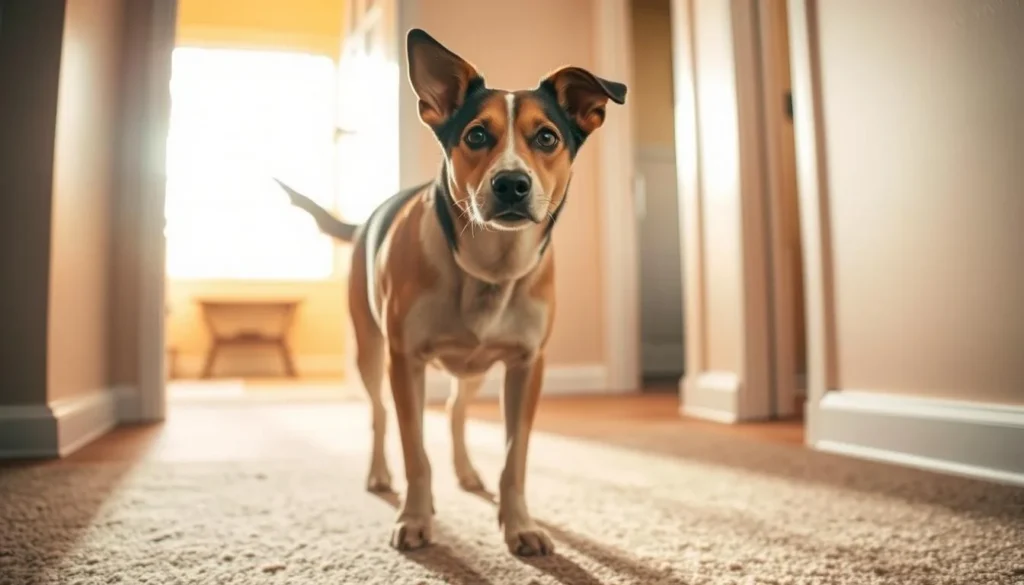
Common pre-potty behaviors to watch for
My dog shows clear signs before needing to go. I look for sniffing the floor, circling, and sudden restlessness. They might pause mid-play, whine, pace, or scratch at doors.
Puppies often whine or pace more than adults. When I see these signs, I stop play and take them out right away. This makes praise and rewards more effective.
Management strategies to reduce indoor accidents
I supervise closely and limit access to rooms with rugs or upholstered furniture. I use baby gates and a crate when I must leave my dog unsupervised.
Tethering my dog to me while I'm at home helps me notice subtle signs faster. I keep a steady schedule: out after naps, play, meals, and drinking. For male dogs that mark, I sometimes use a belly band short term.
Cleaning and removing odor to prevent repeat soiling
If an accident occurs, I blot the area first to remove excess moisture. Then, I treat the spot with enzymatic cleaners for pet stains. This prevents my dog from being drawn back to the same spot.
I choose trusted products like Nature’s Miracle or Eco-88 for deep odor removal. Thorough cleaning breaks the scent-driven habit. It helps me stop a dog peeing inside in the same place again.
Special situations: small breeds, adopted dogs, and adult re-training
I help many owners with unique potty challenges. Small breeds, adopted dogs, and adults needing re-training need special steps. I focus on clear routines, gentle management, and realistic goals.
Small dogs have fast metabolisms and small bladders. For small breed potty training, I suggest short, frequent outings. I also recommend a nearby indoor option like a pad or a compact grass tray.
I keep pads close to the door and use short leash trips to build an outdoor habit.
I adopt a strict schedule in limited spaces. I set alarms for potty breaks, feed at set times, and take the dog out after naps, play, and meals. This reduces confusion and helps me spot patterns fast.
I meet many adopters who ask about adopted dog housetraining. Dogs from shelters or uncertain pasts may have gaps in learning or fear around elimination. I start with confined areas, gentle crate work, and extra trust-building treats.
I move slowly until the dog shows comfort with routine.
If the dog shows anxiety or medical concerns, I take them to a veterinarian. I value a vet check before intensifying training. Clear health info helps me choose the right pace.
When I must re-train adult dog behavior after regressions, I treat the lapse like new learning. I step back to tighter supervision and limited freedom. I log accidents and successes to spot triggers like stress, change, or illness.
I use a simple chart to guide steps and track progress. I reward each correct outing and give calm, immediate feedback for mistakes. That keeps the dog focused and me confident in the plan.
| Situation | Key Action | Short-Term Goal (2 weeks) | Tools |
|---|---|---|---|
| Small breed potty training | Frequent short trips, indoor pad close to door | Reduce accidents by 50% | Leash, pads, grass tray, timer |
| Adopted dog housetraining | Confined management, trust-building, vet check | Establish a reliable routine | Crate, high-value treats, consistent schedule |
| Re-train adult dog | Return to strict supervision, track incidents | Restore reliable outings and reduce regressions | Journal, leash, short-term confinement |
I keep plans flexible and humane. When I combine steady routines with clear rewards, I see lasting change. This approach helps anyone learning how to toilet train a dog in an apartment or working to re-train adult dog habits after setbacks.
Speeding up progress: how to toilet train a dog fast and effectively
I aim for quick, reliable results in teaching a dog to go outdoors. A focused plan is key. I mix firm routines with calm guidance to make my pet feel safe while learning.
Intensive schedules and focused practice
I increase outdoor trips to reduce accidents. I use short leash sessions at the spot and watch for signals. Crates or baby gates help with bladder control.
I hire a dog walker on busy days to keep a strict schedule. Consistent timing and frequent outings help without overwhelming the dog.
Reward strategies to speed learning
I save high-value treats for potty success to make rewards meaningful. Praise must come quickly after elimination to link the action to the reward.
I follow treats with play or freedom as a stronger positive. I cut other food rewards to keep potty treats special. I track each success in a simple log to stay motivated and spot patterns.
When fast results are unrealistic
I accept that some dogs need more time. Toy breeds, older rescues, and pets with health issues may take weeks to months. Pressuring them risks setbacks.
If progress stalls, I schedule a vet visit to rule out medical causes. I consult a certified trainer or a behaviorist for tailored help when my efforts don’t move the needle.
| Focus | What I do | Expected timeline |
|---|---|---|
| Intensive potty training routine | Frequent outdoor trips, leash to spot, crate for downtime | Days to a few weeks for clear improvement |
| Reward strategy | High-value treats, immediate praise, follow with play | Rapid association within sessions; consistent over weeks |
| Support steps | Dog walker, training log, reduce other food rewards | Helps sustain intensive schedule long-term |
| When to seek help | Medical check for accidents, certified trainer for behavior plans | Varies; sooner when progress stalls after consistent training |
Conclusion
I have a clear plan to train my dog. First, I plan ahead and choose methods that fit my lifestyle. Then, I stay consistent with my training.
Whether I use crate training, puppy pads, a bell system, or a strict outdoor routine, the steps are the same. I keep a predictable schedule and reward my dog immediately when they succeed. I also manage the environment to prevent accidents.
Realistic timelines are important. Many puppies make big progress in a few weeks. But, toy breeds, adopted adults, and dogs with medical issues may take months. They might need veterinary or trainer support.
I watch my dog's diet and stool quality closely. I look for signals and adjust the training pace to meet their needs.
Here are some final tips: use crate and leash management while teaching, reward generously for outdoor success, and never punish accidents. Clean thoroughly with enzymatic cleaners when mistakes happen. These tips keep training humane and effective.
With patience and the right structure, I can learn how to toilet train a dog. This way, my pet will become reliably house-trained.